Indonesia Words: Basic Bahasa Indonesia Words and English Translations
Planning a trip, starting a new job, or studying in Indonesia? This guide gives you the most useful Bahasa Indonesia words with clear English translations and simple pronunciation help. You will also learn quick methods to translate Indonesia to English words, plus common pitfalls to avoid. The result is practical, polite language you can use immediately in daily conversations.
Bahasa Indonesia is known for consistent spelling, simple grammar, and words that are easy to pronounce. With a handful of greetings, numbers, and polite expressions, you can handle transport, food, and directions with confidence. Use this article as a compact starter pack and a reference you can revisit.
Quick Answer: What are the most useful basic Indonesian words?
Bahasa Indonesia words are core vocabulary items used in the Indonesian language, including greetings, numbers, common verbs, and polite expressions. For a fast start, remember “selamat” greetings (pagi/siang/sore/malam), tolong (please), terima kasih (thank you), maaf (sorry), yes/no (ya/tidak), and numbers one to ten (satu–sepuluh).

- Halo = hello
- Selamat pagi/siang/sore/malam = good morning/afternoon/evening/night
- Tolong = please (as a request)
- Terima kasih = thank you
- Maaf = sorry
- Permisi = excuse me
- Ya/Tidak = yes/no
- Berapa? = how much?/how many?
- Di mana? = where?
- Numbers: satu, dua, tiga, empat, lima, enam, tujuh, delapan, sembilan, sepuluh
25 core words for everyday use (greetings, polite words, yes/no, numbers)
Start with polite, high-frequency words that work in most situations. The list below uses simple phonetic hints and tiny phrase examples to show natural usage. These are friendly and neutral forms suitable for travel, study, and work.

Numbers 1–10 appear here because they are essential for prices, time, and counting. Practice them out loud, then plug them into short phrases like “Berapa harganya?” (How much is it?) or “Tolong, dua tiket.” (Please, two tickets.)
- Halo (HAH-lo) = hello. Example: Halo, apa kabar?
- Selamat pagi (sə-LAH-mat PAH-gee) = good morning. Example: Selamat pagi, Pak.
- Selamat siang (sə-LAH-mat SEE-ahng) = good afternoon. Example: Selamat siang, Bu.
- Selamat sore (sə-LAH-mat SO-ray) = good late afternoon/evening. Example: Selamat sore semuanya.
- Selamat malam (sə-LAH-mat MAH-lahm) = good night/evening. Example: Selamat malam, Ibu.
- Apa kabar? (AH-pah kah-BAR) = how are you? Example: Apa kabar hari ini?
- Baik (BAH-eek) = fine/good. Example: Saya baik, terima kasih.
- Tolong (TOH-long) = please (request). Example: Tolong, satu botol air.
- Terima kasih (tə-REE-mah KAH-seeh) = thank you. Example: Terima kasih banyak.
- Maaf (MAH-af) = sorry. Example: Maaf, saya terlambat.
- Permisi (pər-MEE-see) = excuse me. Example: Permisi, boleh lewat?
- Ya (yah) = yes. Example: Ya, saya mengerti.
- Tidak (TEE-dak) = no. Example: Tidak, terima kasih.
- Berapa? (bə-RAH-pah) = how much/how many? Example: Berapa harganya?
- Di mana? (dee MAH-nah) = where? Example: Di mana toilet?
- Satu (SAH-too) = one. Example: Satu kopi, tolong.
- Dua (DOO-ah) = two. Example: Dua tiket ke Bandung.
- Tiga (TEE-gah) = three. Example: Tiga orang.
- Empat (əm-PAT) = four. Example: Meja untuk empat.
- Lima (LEE-mah) = five. Example: Jam lima.
- Enam (ə-NAM) = six. Example: Enam botol air.
- Tujuh (TOO-jooh) = seven. Example: Kamar nomor tujuh.
- Delapan (də-LAH-pahn) = eight. Example: Delapan ribu rupiah.
- Sembilan (səm-BEE-lahn) = nine. Example: Sembilan menit lagi.
- Sepuluh (sə-POO-looh) = ten. Example: Sepuluh kilometer.
Pronunciation notes (simple rules and common pitfalls)
Vowels are consistent: a (father), i (machine), u (flute), o (told), and e has two common sounds: an “é” (like café) and a schwa “ə” (softer, like the e in “taken”). Examples: enak (é-nak, tasty), besar (bə-SAR, big), cepat (cə-PAT, fast). Stress usually falls on the second-to-last syllable: ba-IK (BAH-eek), ke-MA-ri (yesterday here), bu-KA (open).
Consonants are straightforward. The letter c sounds like “ch”: cinta (CHIN-tah, love). The letter j is the English “j”: jalan (JAH-lahn, road). Digraphs: ng as in “sung” (makan, eating, ends with -ng), and ny like “ny” in “canyon” (nyaman, comfortable). Spelling is largely phonetic with very few silent letters, so read what you see. Avoid over-rolling r; a light tap or short roll is fine: gratis (GRA-tis). Many learners also confuse e sounds; when in doubt, listen to native audio and repeat short words.
How to translate Indonesia to English words quickly and accurately
If you need to translate Indonesia to English words in a hurry, choose the right tool for your task and confirm meaning with a brief context check. Single words often need a dictionary definition, while whole sentences benefit from machine translation plus a human review. Save new items to a spaced-repetition list so you remember them later.

Use this simple process: pick an authoritative source, read an example sentence, and check formality. For accuracy in work or study, compare two sources and note common collocations, affixes, and polite forms.
Best free tools and when to use them
For single-word meanings and official spellings, KBBI (Kamus Besar Bahasa Indonesia) is the authoritative dictionary of Indonesian. It gives definitions in Indonesian, example usage, and part-of-speech labels, which helps you understand nuance beyond a raw translation. For beginners, pairing KBBI with a bilingual resource keeps the explanation clear.
For phrases and sentences, machine translators help you get the gist fast. Compare results and listen to audio when available to catch pronunciation. When you are offline, a mobile dictionary app or downloaded phrasebook is useful. After you learn a new word, add it to a spaced-repetition deck (such as an Anki/CSV list) to build long-term recall.
- KBBI (monolingual, authoritative for Indonesian spelling and definitions)
- Google Translate and Bing Translator (quick sentence-level draft, audio playback)
- Glosbe and similar bilingual dictionaries (examples and collocations)
- Offline/mobile phrasebooks (travel basics, emergency phrases)
Tips to avoid common translation errors (formality and context)
Match register to the situation. Use Anda (you, polite) with strangers or in professional contexts, and saya for I. In casual speech with friends, kamu or aku is common; in Jakarta slang, you may hear lu/gue. For respectful address, say Bapak/Ibu (Mr./Mrs./Ms.) plus a name or title. Example shift: Formal “Apakah Anda sudah menerima emailnya, Bapak?” versus casual “Kamu sudah terima emailnya belum?”

Check small words and affixes. Prepositions: di (at/in) for location, ke (to/toward), dari (from). Examples: di kantor (at the office), ke bandara (to the airport), dari Jakarta (from Jakarta). Affixes change meaning and word class: kirim (send, root) → mengirim (to send), pengirim (sender), kiriman (delivery), mengirimkan (send to someone, -kan adds direction), bacakan (read something to someone). Avoid slang or offensive terms in new contexts; choose neutral standard Indonesian until you are sure what is appropriate.
Bahasa Indonesia vs Indonesian: what is the correct name?
Both names refer to the same language in everyday use. “Bahasa Indonesia” is the Indonesian name for the national language, while “Indonesian” is the English name. In government, education, media, and national communication, the same standard language is used. Learners will see both labels in dictionaries, courses, and apps.

Major language of Indonesia: quick facts
It uses the Roman alphabet and has consistent spelling rules that make reading and pronunciation predictable.

Indonesian is a standardized form of Malay and is highly mutually intelligible with Standard Malay used in Malaysia, Brunei, and Singapore, especially in formal topics. Differences appear more in everyday vocabulary and informal speech. For learners, straightforward grammar—no verb conjugations by person or number—helps you get functional quickly.
- Official, national use: government, education, and media
- Standardized Malay variety with broad mutual intelligibility
- Roman alphabet, consistent spelling, simple core grammar
Common Indonesian word lists by situation
Situational vocabulary helps you act immediately in the real world. The lists below balance places, objects, and action words so you can ask, answer, and request politely. Keep the question words handy (berapa, di mana, kapan, ke mana) and combine them with the navigation basics kiri (left), kanan (right), and lurus (straight) to get around smoothly.
Travel and transport
Transport vocabulary lets you buy tickets, confirm times, and describe routes. Learn the places and objects first, then add verbs and question frames to handle typical steps like paying a fare or finding the right platform.
Core words: bandara (airport), stasiun (station), halte (bus stop), terminal, tiket (ticket), paspor (passport), bagasi (baggage), jadwal (schedule), peron (platform), keberangkatan (departure), kedatangan (arrival), sopir (driver). Navigation: kiri (left), kanan (right), lurus (straight), dekat (near), jauh (far).
- Actions: pesan (book), naik (board), turun (get off), pindah (transfer), tunggu (wait), bayar (pay), ganti (change).
- Frames:
- Berapa harga tiket ke Bandung?
- Kapan kereta ke Yogyakarta berangkat?
- Ke mana bus ini? Ke pusat kota?
- Tolong, saya mau pesan dua tiket pulang-pergi.
- Turun di halte berikutnya, lalu jalan lurus 200 meter.
Food and ordering
Menus and food stalls often use short, clear words. Learn the building blocks and combine them into polite requests. State spice level and allergies early, and confirm whether you want dine-in or takeaway.

- Examples:
- Tolong, saya mau satu porsi nasi goreng, tidak pedas.
- Apakah menu ini halal/vegetarian?
- Minta air mineral dingin, satu botol.
- Bungkus dua, dan satu makan di sini.
- Saya alergi kacang, tanpa kacang ya.
- Note: You may see regional dishes like rendang, sate, or soto. The vocabulary above stays standard across regions.
Directions and emergencies
In urgent moments, simple sentences work best. Keep your requests short and clear, and repeat key words. Polite openers like tolong (please/help) and permisi (excuse me) set the right tone.

Help terms: tolong (please/help), bantuan (assistance), darurat (emergency), ambulans, polisi (police). Locations: alamat (address), dekat (near), jauh (far), di mana (where), tersesat (lost). Health: rumah sakit (hospital), apotek (pharmacy), dokter (doctor), cedera (injury), alergi (allergy), pusing (dizzy), demam (fever).
- Quick questions:
- Tolong! Saya butuh bantuan.
- Di mana rumah sakit/apotek terdekat?
- Saya tersesat. Bisa tunjukkan alamat ini?
- Saya alergi obat ini. Ada alternatif?
- Tolong panggil ambulans/polisi.
Work and study basics
Professional and academic contexts use more formal vocabulary and set phrases. Learn the core nouns and verbs, then add polite markers like mohon, harap, and izin to soften requests and keep the tone respectful.

Office/classroom: rapat (meeting), jadwal (schedule), tenggat (deadline), tugas (assignment), ujian (exam), dokumen, lampiran (attachment), meja (desk), ruangan (room), email, presentasi. Verbs: kirim (send), terima (receive), periksa (check), buat (make), revisi (revise), konfirmasi (confirm), belajar (study).
- Polite coordination:
- Mohon konfirmasi kehadiran rapat.
- Harap kirim dokumen sebelum tenggat.
- Izin tidak hadir kelas karena sakit.
- Terima kasih atas bantuannya.
- Forms of address: Bapak/Ibu (formal), Pak/Bu (semi-formal), Saudara/Saudari (formal writing).
- Context contrast:
- Formal memo: Mohon periksa lampiran dan beri tanggapan.
- Casual chat: Tolong cek lampirannya ya.
Formal vs informal Indonesian: which words should you use?
Choosing the right level of formality builds trust and avoids misunderstandings. In professional settings and with elders or strangers, default to formal Indonesian. Among friends, family, or peers who signal informality, casual forms can make speech feel natural and friendly.

Polite forms, casual forms, and when they are appropriate
Start with polite pronouns and softeners, then adapt as needed. Saya (I) and Anda (you, polite) work almost everywhere. Add Bapak/Ibu for respectful address, and use permisi, maaf, and tolong to frame requests. For casual settings, aku/kamu are common; in Jakarta, gue/lu may appear among close friends.
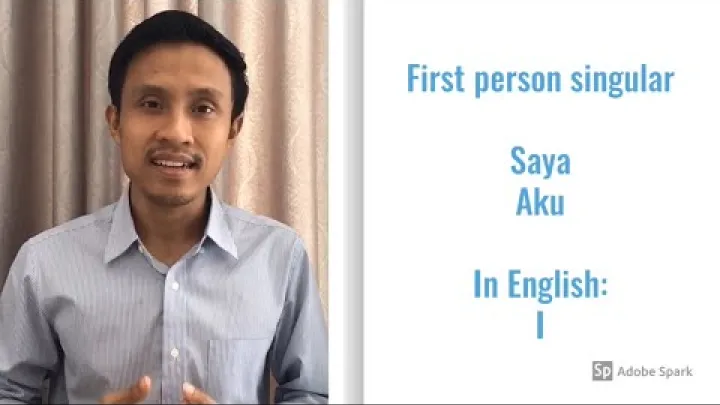
Here are clear pairs that show register differences. Use the left side for formal contexts (work, service counters, speaking to elders), and the right side for casual talk with friends and peers.
- I: saya (formal) vs aku/gue (casual)
- You: Anda (formal) vs kamu/lu (casual)
- We: kami (we, not including listener) vs kita (we, including listener)
- Please: mohon/harap (very formal) vs tolong (neutral/polite)
- Thanks: terima kasih (neutral/formal) vs makasih (casual)
- Opener: permisi, maaf, salam, salam kenal (formal) vs halo/hei (casual)
- Example request:
- Formal: Bapak/Ibu, mohon tanda tangan di sini.
- Casual: Tolong ya, tanda tangan di sini.
Regional variation and what to expect
Indonesia is multilingual, so regional languages influence vocabulary and pronunciation. Urban slang (bahasa gaul) in Jakarta differs from classroom Indonesian but is widely heard online and in cities. Common colloquialisms include nggak/gak for “no,” kok for emphasis, and -nya used for definiteness or focus.

Slang and habits vary by region, age, and social group. When traveling, default to standard Indonesian and adjust formality based on the listener. If someone switches to casual forms, you can follow politely. Avoid overgeneralizing regional terms; words that are common in one city may sound unusual elsewhere.
Related translations: Indonesian to Malay, Urdu, and Tagalog
Many learners need to bridge Indonesian with Malay, Urdu, or Tagalog. Indonesian and Malay are closely related and often mutually intelligible, especially in formal writing. For Urdu and Taglog, alphabet and loanword patterns may differ, so confirm script, spelling, and common equivalents before using a term in a new context.
How similar are Indonesian and Malay?
Indonesian and Standard Malay share grammar and most core vocabulary. People can usually understand each other, particularly in formal topics like news or education. Differences arise in everyday words and spelling conventions influenced by historical loans and national standards.

Expect alternative words for transport, workplaces, and public services. For example, Indonesian often uses forms influenced by Dutch, while Malay shows more English-leaning spellings in some areas. Informal speech diverges more than formal writing.
| Meaning | Indonesian (id) | Malay (ms) |
|---|---|---|
| bicycle | sepeda | basikal |
| office | kantor | pejabat |
| police | polisi | polis |
| taxi | taksi | teksi |
| station | stasiun | stesen |
| university | universitas | universiti |
Practical tips for cross-language lookups
Use the right language codes when searching for dictionaries and corpora: id (Indonesian), ms (Malay), ur (Urdu), tl (Tagalog). Check domain and context; a technical or legal term may not match a casual dictionary gloss. Beware of false friends between Indonesian and Malay even when words look similar.

For Urdu, confirm script (Arabic-based) and transliteration for readability. For Tagalog, watch for Spanish loanwords that overlap with Indonesian only by chance. Validate sensitive or formal terms with two sources, and prefer examples from reputable dictionaries or balanced corpora so you can see real usage.
Frequently Asked Questions
Is Indonesian easy to learn?
Many learners find Indonesian approachable thanks to simple grammar, consistent spelling, and predictable pronunciation. There are no verb conjugations by person or number. The main challenges are affixes, register choices, and regional variation, which you can handle with short, regular practice.
How many words do I need to start speaking?
About 100–200 words cover travel basics like greetings, numbers, and food. With 500–800 words, you can manage daily conversations and simple work tasks. Focus on high-frequency verbs, pronouns, and connectors, and learn phrases as chunks for faster recall.
Are Indonesian and Malay the same language?
They are closely related standards with shared roots and high mutual intelligibility, especially in formal topics. Everyday vocabulary, spelling, and idioms can differ, so do not assume complete interchangeability in all contexts.
What is the polite way to speak to elders or strangers?
Use Anda for “you,” saya for “I,” and address people as Bapak/Ibu plus a name or title. Add softeners like tolong, mohon, and permisi. Close interactions with terima kasih and keep your tone courteous.
Should I learn slang or “bahasa gaul” first?
Begin with standard Indonesian for clarity and broad understanding. Add casual variants later to fit social contexts. Avoid offensive words and remember that politeness norms vary by region and age group.
Is Indonesian easy to learn?
Indonesian is considered beginner-friendly because its core grammar is straightforward. Verbs do not change with person or number, and plural marking is often optional or context-driven. Spelling is consistent, and most words are pronounced as written, which lowers the barrier to reading and speaking.

That said, challenges appear as you advance. Affixes such as me-, ber-, pe-, -kan, and -i change meaning and part of speech, and choosing the right register (formal vs informal) takes practice. Regional accents and vocabulary also vary. Regular, phrase-based practice helps you absorb these patterns naturally.
How many words do I need to start speaking?
With 100–200 words, you can greet people, count, ask prices, order food, and handle transport. This range covers survival needs for short trips. Focus on polite expressions, numbers 1–10, key nouns (food, places), and a few high-frequency verbs like mau (want), bisa (can), and pergi (go).

At 500–800 words, everyday conversations become smoother. You can discuss schedules, give directions, and manage simple work or study tasks. Quality matters more than raw count, so learn words as useful chunks with sample sentences and rehearse them with spaced repetition.
Are Indonesian and Malay the same language?
They are very close relatives and are often mutually intelligible, especially in news, education, and formal writing. Many structures and roots match, allowing quick comprehension for learners who study one and encounter the other.
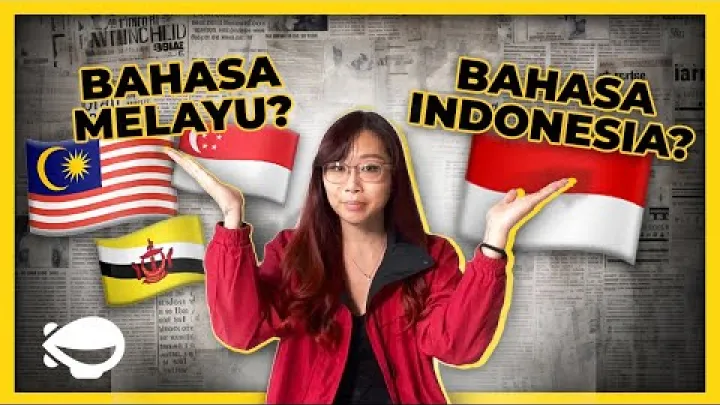
However, everyday vocabulary and spellings can diverge: Indonesian stasiun vs Malay stesen, taksi vs teksi, polisi vs polis. Idioms and informal speech differ more than formal registers, so avoid assuming a one-to-one match in all contexts.
What is the polite way to speak to elders or strangers?
Choose formal pronouns and respectful address. Use saya for “I,” Anda for “you,” and add Bapak/Ibu plus a name or role when appropriate. Start with permisi or maaf, and soften requests with tolong or mohon. Keep sentences short, clear, and calm.

Workplace model: Bapak/Ibu, apakah Anda sudah menerima dokumen ini? Service model: Permisi, tolong bantu saya cek jadwal kereta ke Surabaya. Close with terima kasih to end on a courteous note.
Should I learn slang or “bahasa gaul” first?
Start with standard Indonesian so you can speak clearly with people from different regions. Once the basics are solid, add common casual forms that you hear around you. This approach protects you from misusing slang in the wrong setting.

Avoid explicit or offensive words; they are unnecessary for daily communication. Politeness norms vary by region, age, and relationship, so watch how people around you speak and match your formality level to theirs.
Conclusion and next steps
Learning Indonesian becomes practical once you master a small set of greetings, polite expressions, and numbers. The predictable pronunciation and consistent spelling make it easy to read new words and say them with confidence. In daily interactions, short, clear requests framed with tolong, permisi, and terima kasih go a long way.
For reliable meaning, combine an authoritative dictionary such as KBBI with a bilingual tool and example sentences. Watch register: saya/Anda and Bapak/Ibu suit formal or new situations, while aku/kamu and casual variants are best for familiar contexts.
Indonesian and Malay are closely related, but everyday words and spellings can differ, so confirm cross-language terms. Across all topics, practice in short sentences and recycle new words with spaced repetition. This steady approach builds accurate understanding and usable speech for travel, study, or professional life.
Select area
Create a post
Posting is free and no registration is required.