Indonesia Provinces: List, Map, and Key Facts About All 38 Provinces

Indonesia, the world’s largest archipelago, is a nation defined by its remarkable diversity—geographically, culturally, and administratively. Understanding Indonesia’s provinces is essential for anyone interested in the country’s governance, travel, business, or cultural richness. As of 2024, Indonesia is divided into 38 provinces, each with its own unique history, economic strengths, and cultural identity. These provinces form the backbone of Indonesia’s administrative structure, reflecting the nation’s commitment to unity in diversity. Whether you are a student, traveler, or professional, exploring the provinces of Indonesia offers valuable insights into the country’s dynamic landscape and vibrant communities.
Overview of Indonesia’s Provincial System
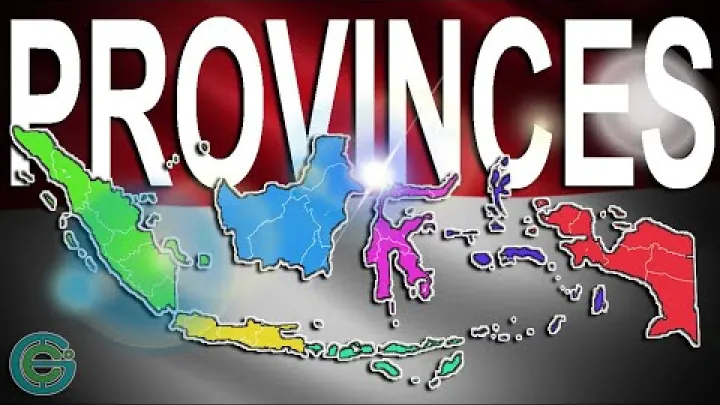
Indonesia’s provincial system is a fundamental part of the country’s administrative and governmental framework. Provinces serve as the highest-level administrative divisions, each governed by a governor and a regional parliament. These provinces are further subdivided into regencies (kabupaten) and cities (kota), which handle more localized governance and public services. This multi-tiered structure ensures that national policies are effectively implemented at the local level while allowing for regional autonomy and adaptation to local needs.
The evolution of Indonesia’s provincial system has been shaped by the country’s complex history. After gaining independence in 1945, Indonesia initially established a small number of provinces. Over the decades, as the population grew and regional identities strengthened, new provinces were created to improve governance, representation, and resource management. The most recent changes have focused on better addressing the needs of remote and diverse regions, such as the division of Papua into several new provinces.
Provinces play a significant role in national governance, acting as intermediaries between the central government and local communities. They are responsible for implementing national laws, managing regional development, and preserving local cultures. The relationship between provinces, regencies, and cities is designed to balance central authority with local autonomy, ensuring that Indonesia’s vast and varied territory is governed efficiently and inclusively.
How Many Provinces Are There in Indonesia?

As of 2024, Indonesia is officially divided into 38 provinces. This number reflects recent administrative changes, including the creation of new provinces in the Papua region to better serve local populations and enhance governance. The provinces include both regular provinces and special regions with unique administrative statuses.
For quick reference, here is a summary box highlighting the current number of provinces and special regions in Indonesia:
| Current Number of Provinces | Special Regions Included |
|---|---|
| 38 | Aceh, Special Region of Yogyakarta, Jakarta, Papua, West Papua, South Papua, Central Papua, Highland Papua |
Indonesia’s provincial structure is dynamic, with changes made to address regional needs and improve administrative efficiency. The most recent additions were in the Papua region, where new provinces were established to provide more focused governance and development opportunities. This ongoing evolution ensures that Indonesia’s administrative divisions remain responsive to the country’s diverse and growing population.
- Direct Answer: There are 38 provinces in Indonesia as of 2024, including several special regions with unique autonomy rights.
List of Indonesia’s 38 Provinces (with Table)
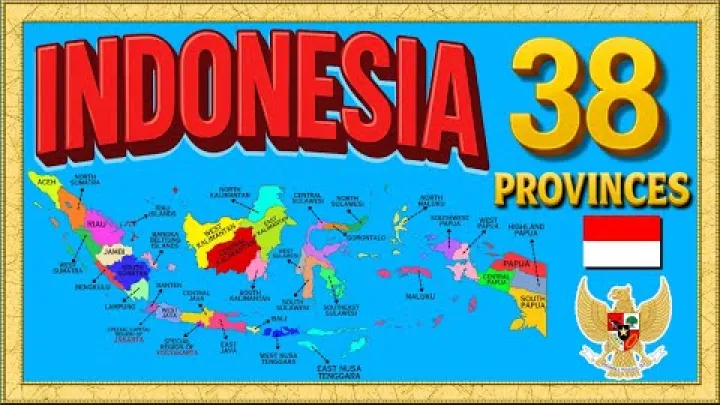
Below is a comprehensive, up-to-date list of all 38 provinces in Indonesia. The table includes each province’s capital, area (in square kilometers), and estimated population. This information provides a clear overview of Indonesia’s administrative landscape and helps highlight the diversity among provinces.
| No. | Province | Capital | Area (km²) | Population (est.) |
|---|---|---|---|---|
| 1 | Aceh | Banda Aceh | 57,956 | 5,460,000 |
| 2 | North Sumatra | Medan | 72,981 | 14,800,000 |
| 3 | West Sumatra | Padang | 42,012 | 5,640,000 |
| 4 | Riau | Pekanbaru | 87,023 | 6,800,000 |
| 5 | Riau Islands | Tanjung Pinang | 8,201 | 2,100,000 |
| 6 | Jambi | Jambi | 50,160 | 3,700,000 |
| 7 | Bengkulu | Bengkulu | 19,919 | 2,100,000 |
| 8 | South Sumatra | Palembang | 91,592 | 8,600,000 |
| 9 | Bangka Belitung Islands | Pangkal Pinang | 16,424 | 1,500,000 |
| 10 | Lampung | Bandar Lampung | 35,376 | 9,000,000 |
| 11 | Banten | Serang | 9,662 | 12,000,000 |
| 12 | Jakarta | 664 | 11,200,000 | |
| 13 | West Java | Bandung | 35,377 | 49,900,000 |
| 14 | Central Java | Semarang | 32,548 | 37,100,000 |
| 15 | Yogyakarta (Special Region) | Yogyakarta | 3,133 | 3,700,000 |
| 16 | East Java | Surabaya | 47,799 | 41,100,000 |
| 17 | Bali | Denpasar | 5,780 | 4,400,000 |
| 18 | West Nusa Tenggara | Mataram | 20,153 | 5,400,000 |
| 19 | East Nusa Tenggara | Kupang | 47,931 | 5,500,000 |
| 20 | West Kalimantan | Pontianak | 147,307 | 5,700,000 |
| 21 | Central Kalimantan | Palangka Raya | 153,564 | 2,700,000 |
| 22 | South Kalimantan | Banjarmasin | 37,530 | 4,300,000 |
| 23 | East Kalimantan | Samarinda | 127,346 | 3,800,000 |
| 24 | North Kalimantan | Tanjung Selor | 75,467 | 700,000 |
| 25 | West Sulawesi | Mamuju | 16,787 | 1,400,000 |
| 26 | South Sulawesi | Makassar | 46,717 | 9,100,000 |
| 27 | Southeast Sulawesi | Kendari | 38,067 | 2,700,000 |
| 28 | Central Sulawesi | Palu | 61,841 | 3,100,000 |
| 29 | Gorontalo | Gorontalo | 12,435 | 1,200,000 |
| 30 | North Sulawesi | Manado | 13,892 | 2,700,000 |
| 31 | Maluku | Ambon | 46,914 | 1,900,000 |
| 32 | North Maluku | Sofifi | 31,982 | 1,300,000 |
| 33 | Jayapura | 61,075 | 4,300,000 | |
| 34 | West Papua | Manokwari | 97,024 | 1,200,000 |
| 35 | South Papua | Merauke | 117,849 | 600,000 |
| 36 | Central Papua | Nabire | 61,072 | 1,400,000 |
| 37 | Highland Papua | Wamena | 108,476 | 1,200,000 |
| 38 | Southwest Papua | Sorong | 24,983 | 600,000 |
For your convenience, you can download a printable PDF version of this province list to use offline or share with others.
Indonesia Provinces Map
A visual representation of Indonesia’s provinces helps to better understand the country’s vast geography and regional divisions. The map below displays all 38 provinces, clearly labeled for easy identification. This high-resolution, translation-friendly map is suitable for both educational and professional use.

Caption: Map of Indonesia’s 38 provinces, including special regions and the latest administrative changes. This map is designed for accessibility and can be used for reference, study, or travel planning.
Special Regions and Autonomy in Indonesia

Indonesia recognizes several special regions (daerah istimewa) that have unique administrative statuses and autonomy rights. These regions are granted special privileges due to their historical, cultural, or political significance. The most notable special regions are Aceh, the Special Region of Yogyakarta, Jakarta (Special Capital Region), and the provinces in Papua.
- Aceh: Granted special autonomy to implement Islamic law (Sharia) and manage its own local government affairs.
- Special Region of Yogyakarta: Maintains a hereditary sultanate system, with the Sultan serving as the governor.
- Jakarta (Special Capital Region): Functions as the national capital with a unique administrative structure, led by a governor but not part of any province.
- Papua, West Papua, South Papua, Central Papua, Highland Papua, Southwest Papua: These provinces have special autonomy to protect indigenous rights and manage local resources.
These special regions differ from regular provinces in several key ways, including governance, legal systems, and resource management. The table below summarizes the main differences:
| Region Type | Governance | Special Rights | Examples |
|---|---|---|---|
| Regular Province | Governor & Regional Parliament | Standard autonomy | West Java, Bali, South Sulawesi |
| Special Region | Unique local leadership (e.g., Sultan, Sharia council) | Special laws, cultural or religious autonomy, resource management | Aceh, Yogyakarta, Jakarta, Papua provinces |
Understanding these distinctions is important for anyone studying Indonesia’s administrative system or planning to engage with local governments in these regions.
Economic and Cultural Highlights by Province
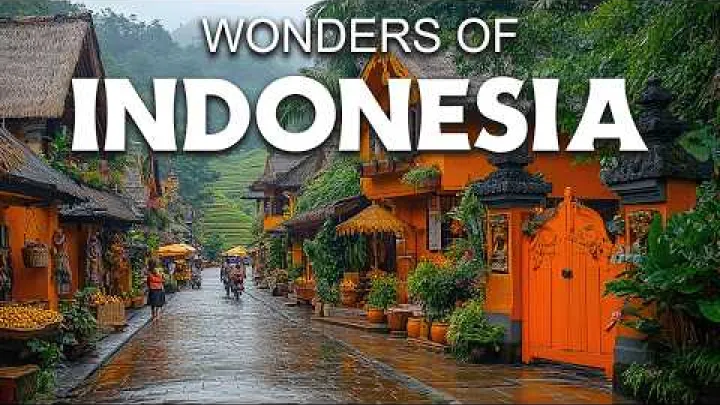
Each province in Indonesia contributes to the nation’s economy and cultural landscape in unique ways. The economic activities range from agriculture and mining to tourism and manufacturing, while cultural diversity is reflected in the many ethnic groups, languages, and traditions found across the archipelago.
For example, West Java is known for its manufacturing and textile industries, while East Kalimantan is a hub for oil, gas, and mining. Bali stands out as a world-renowned tourist destination, celebrated for its arts, dance, and Hindu culture. Papua’s provinces are rich in natural resources and home to diverse indigenous communities with distinct languages and customs.
The table below summarizes key economic sectors and cultural highlights for selected provinces:
| Province | Main Economic Sectors | Major Ethnic Groups | Cultural Highlights |
|---|---|---|---|
| West Java | Manufacturing, agriculture, textiles | Sundanese | Angklung music, Sundanese cuisine |
| Bali | Tourism, arts, agriculture | Balinese | Traditional dance, Hindu temples |
| East Kalimantan | Oil, gas, mining, forestry | Banjar, Dayak | Dayak festivals, traditional crafts |
| Mining, agriculture, forestry | Papuan, Dani, Asmat | Tribal art, unique languages | |
| South Sulawesi | Agriculture, fishing, trade | Bugis, Makassarese | Phinisi boats, traditional houses |
| North Sumatra | Plantations, trade, tourism | Batak, Malay | Lake Toba, Batak music |
Indonesia’s provinces are home to more than 300 ethnic groups and over 700 languages, making the country one of the most culturally diverse in the world. This diversity is a source of national pride and a key driver of Indonesia’s creative and economic vitality.
Infographic suggestion: An infographic could visually display the top economic sectors and major ethnic groups by province, helping readers quickly grasp the diversity and strengths of each region.
Frequently Asked Questions About Indonesia Provinces
How many provinces are there in Indonesia?
There are 38 provinces in Indonesia as of 2024, including several special regions with unique autonomy rights.
Which province is the largest by area?
Central Kalimantan is the largest province by area, covering approximately 153,564 square kilometers.
Which province has the smallest area?
Jakarta (Special Capital Region) is the smallest province by area, with only 664 square kilometers.
What are the special regions in Indonesia?
The special regions are Aceh, Special Region of Yogyakarta, Jakarta (Special Capital Region), and the provinces in Papua (Papua, West Papua, South Papua, Central Papua, Highland Papua, Southwest Papua). These regions have unique administrative or cultural autonomy.
What is the most populous province in Indonesia?
West Java is the most populous province, with an estimated population of nearly 50 million people.
What are the main ethnic groups in each province?
Indonesia is home to hundreds of ethnic groups. For example, the Javanese are the majority in Central and East Java, Sundanese in West Java, Balinese in Bali, Batak in North Sumatra, and Papuan groups in Papua provinces.
How are provinces governed in Indonesia?
Each province is led by a governor and a regional parliament. Special regions may have unique governance structures, such as the Sultan in Yogyakarta or Sharia councils in Aceh.
What is the economic focus of each province?
Economic activities vary by province. For example, Bali focuses on tourism, East Kalimantan on mining and energy, West Java on manufacturing, and Papua on natural resources.
Are there any new provinces in Indonesia?
Yes, several new provinces have been established in the Papua region in recent years, including South Papua, Central Papua, Highland Papua, and Southwest Papua.
Where can I find a map of Indonesia’s provinces?
You can view a high-resolution map of all 38 provinces in the “Indonesia Provinces Map” section above.
- Did You Know? Indonesia’s newest provinces were created in the Papua region to improve local governance and development. The country’s largest province by population, West Java, has more residents than many countries!
Conclusion and Future Outlook
Understanding Indonesia’s provinces is key to appreciating the country’s administrative structure, cultural diversity, and economic potential. With 38 provinces, including several special regions, Indonesia continues to evolve its governance to better serve its people and reflect its unique heritage. As the nation grows and changes, new provinces may be established, and existing boundaries may be adjusted to meet the needs of local communities.
For those interested in learning more, we encourage you to download the printable province list, explore related articles on Indonesia’s regions, or stay updated on future administrative changes. Whether you are planning to travel, study, or do business in Indonesia, a solid understanding of its provinces will enrich your experience and deepen your connection to this fascinating country.
- Download the complete list of Indonesia’s provinces (PDF) for offline reference.
- Explore our related guides on Indonesian culture, travel, and regional highlights.
- Subscribe to updates to stay informed about future changes to Indonesia’s administrative divisions.
Select area
Create a post
Posting is free and no registration is required.