Indonesia Yogyakarta Travel Guide: Top Things to Do, Weather, Hotels, Flights

Indonesia Yogyakarta is the cultural heart of Java, a living sultanate, and the gateway to Borobudur and Prambanan. It blends royal traditions with a dynamic student scene and an arts ecosystem that shapes modern Indonesia. The city’s historic plan aligns along a royal axis recognized by UNESCO, and its neighborhoods offer easy access to food, craft, and learning. Use this guide to plan transport, timing, tickets, and respectful visits to temples and royal sites.
Whether you are coming for two days or a week, Yogyakarta Indonesia makes it simple to combine world-class heritage with hands-on workshops and evening performances. This article covers weather by month, where to stay, airport transfers, daily budgets, and safety context around Mount Merapi.
You will also find practical steps for the airport train, tips for Borobudur’s climb quota, and the best sequence for temples and shows. The goal is to help you plan clearly and move confidently around the city and the wider Special Region.
Yogyakarta at a glance
Why Yogyakarta matters in Indonesia
Yogyakarta is both a city and a province-level area called the Special Region of Yogyakarta. The city of Yogyakarta forms the urban core, while the Special Region includes the city and surrounding regencies such as Sleman, Bantul, Kulon Progo, and Gunungkidul. When planning, check whether your destination sits in the city limits or elsewhere in the Special Region, as this affects travel time and transport choices.
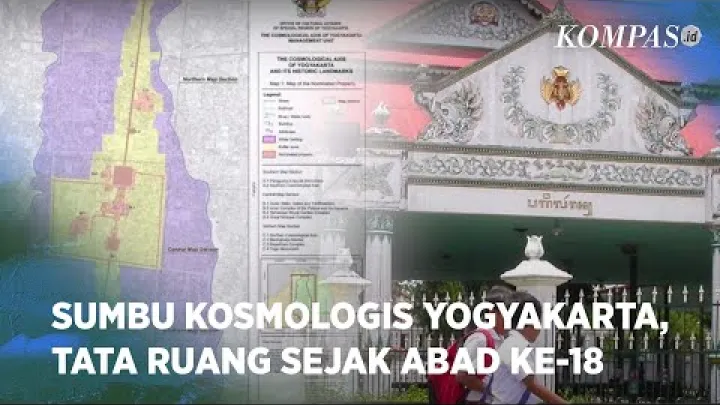
The city is a living sultanate centered on the Kraton (royal palace), with court traditions that continue to shape public ceremonies and arts. In 2023, UNESCO inscribed the “Cosmological Axis of Yogyakarta and its Historic Landmarks,” recognizing how the city’s layout reflects Javanese planning philosophy.
Quick facts (location, airport, currency, language)
Yogyakarta sits in central-southern Java within the Special Region of Yogyakarta. Time zone: WIB (UTC+7). The main airport is Yogyakarta International Airport (YIA) in Kulon Progo. An airport rail link runs to Tugu Station in the city; typical journey time is about 40–50 minutes with departures often every 30–60 minutes, depending on the time of day. Road transfers take longer, especially at peak hours.
Power: 230V, plug types C and F. For emergencies, national hotlines are available (police 110, medical 119, fire 113), though responses may vary by locality. Mobile payments are common in larger shops and cafés, but cash remains essential for markets, short rides, and small eateries. Always verify airport train schedules on the official app or station boards, as frequency can shift by season and demand.
Top things to do in Yogyakarta
Yogyakarta Indonesia offers landmark temples, royal heritage, live performances, and hands-on crafts. To maximize your time, group sights by direction and consider sunrise or sunset choices around the major temples. Below are the essentials most travelers prioritize, with practical notes on timing and transport to keep the day smooth.
![Preview image for the video "Top 10 Best Things to Do in Yogyakarta, Indonesia [Yogyakarta Travel Guide 2024]".](/sites/default/files/styles/media_720x405/public/oembed_thumbnails/2025-10/HqLcF4dTe33x-BVUh_8fanEFVPWPhR41_qDkJu_mEo0.jpg.webp?itok=A1fpzl09 "Preview image for the video \"Top 10 Best Things to Do in Yogyakarta, Indonesia [Yogyakarta Travel Guide 2024]\".")
- Borobudur at sunrise and village stops nearby
- Prambanan and sunset at Ratu Boko
- Kraton pavilions and Taman Sari water palace
- Ramayana Ballet (seasonal open-air performances)
- Batik workshops and silver studios in Kotagede
- Malioboro market strolls and street food
Borobudur and Prambanan highlights and tips
Borobudur and Prambanan are two independent UNESCO World Heritage sites that showcase distinct histories and art forms. Borobudur is the world’s largest Buddhist temple, with narrative reliefs and a monumental stupa layout. Prambanan is a grand Hindu complex known for its soaring spires and intricate carvings dedicated to Shiva, Vishnu, and Brahma. Because each site has deep interpretive layers, a local guide or audio guide can add valuable context.

Access policies at Borobudur evolve. Climbing to the upper terraces now operates with limited quotas and advance reservations, and visitors may be issued special footwear to protect the stones. Combination tickets exist, and sunrise or sunset windows can shape your sequence: many travelers do Borobudur at sunrise and Prambanan near golden hour. Typical travel times from the city are about 60–90 minutes to Borobudur and 30–45 minutes to Prambanan, depending on traffic. Always confirm ticketing, climb access, and opening hours on official channels before you go, as these details can change.
Kraton and Taman Sari royal heritage
The Kraton is an active royal palace where court traditions, etiquette, and music remain part of daily life. Pavilions display heirlooms and host scheduled cultural performances such as gamelan ensembles and classical dance. Modest dress, calm movement, and respectful photography are expected in ceremonial areas. Small museums inside the complex explain Javanese cosmology, royal lineage, and court rituals.

Taman Sari, once a royal garden with bathing pools, passages, and pavilions, offers a different look at palace life. You will find atmospheric ruins, restored pools, and a small mosque area known for its stairways and arches. Local guides at both sites can clarify architecture, symbolism, and how the royal household operates today. Opening hours and performance schedules may shift by day or season, so confirm on the morning of your visit or the day before to avoid disappointment.
Evening Ramayana Ballet at Prambanan
In the dry season, the production often moves to an open-air stage with Prambanan’s silhouettes as a dramatic backdrop. During the wet season or on rainy nights, performances relocate to an indoor theater to ensure continuity.
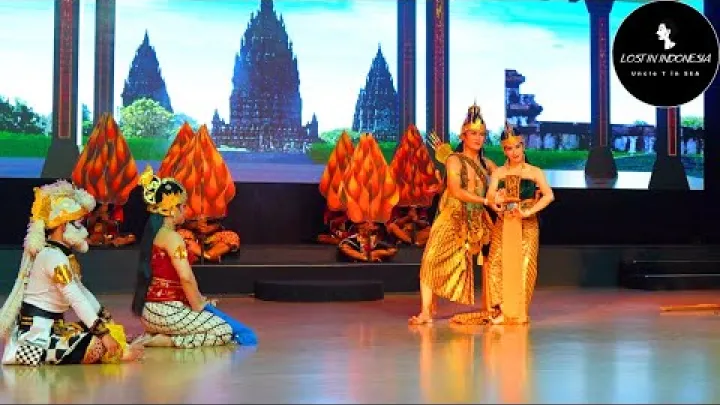
Multiple seating classes are available, and popular nights can sell out, especially in peak months. Travel time from central Yogyakarta is typically 30–45 minutes each way. Plan your return transport in advance, particularly if the show ends late, and bring a light layer for cooler evening breezes outdoors. Open-air schedules generally align with the drier months, while indoor venues are used as a rain contingency; always check current season details when booking.
Weather and best time to visit
Yogyakarta Indonesia has a tropical climate with warm temperatures year-round. Most months bring highs around 30–32°C and nights near 24–25°C. The key variable is rainfall, which shapes outdoor plans, show venues, and day-trip conditions at the temples. Clearer skies and lower rain probability characterize the dry season, while the wet season can deliver heavy but often short-lived showers.
Sun intensity is strong in both seasons. Plan outdoor visits for early morning or late afternoon, especially for temple reliefs and long walks around large complexes. During peak rain, some city streets may flood briefly, and temple stairs can become slippery. Carry water, sun protection, and quick-dry layers so you can adjust quickly to sun, rain, or strong indoor air-conditioning.
Dry vs wet season (temperatures, rainfall)
The dry season typically runs from June to October. Expect more stable sunshine, lower rain frequency, and slightly lower humidity in August–September. This period suits sunrise visits to Borobudur, late-afternoon walks around Prambanan, and open-air performances of the Ramayana Ballet. Even in the dry season, midday heat and UV can be intense, so aim for early starts and shaded breaks.
The wet season generally spans November to March, with heavier showers often peaking around January and February. Rain may arrive in bursts, followed by clear spells, but occasional longer storms occur. Surfaces can be slick around temple steps, and localized flooding can slow roads. If you visit during these months, book indoor alternatives as backups and leave buffer time for transfers. April–May and late October–November are shoulder periods that can offer a mix of conditions.
Monthly overview and packing tips
January–February: Wettest stretch for many years, with frequent showers and occasional storms. Pack a compact umbrella, light rain jacket, and non-slip footwear. March–April: Rain tapers, with more mixed days and clearer mornings. May: Shoulder month trending drier; good for flexible temple days. June–August: Dry and sunny with lower humidity peaks; excellent for outdoor shows and sunrise starts. September–October: Still dry most years, with warm afternoons and bright skies. November–December: Rains return, often with afternoon downpours but many mornings remain workable.

Bring breathable clothing, a hat, sunscreen, and quick-dry layers. A light scarf can serve as sun, dust, or temple cover. For indoor venues and trains with strong air-conditioning, a thin long-sleeve is useful. Popular events like ARTJOG usually occur mid-year, though exact timing varies; check the current calendar and consider reserving lodging early for festival periods.
Where to stay (by neighborhood and budget)
Choosing the right base in Yogyakarta Indonesia depends on your priorities: central access, calmer evenings, or boutique character. Most first-timers gravitate to Malioboro for easy transit and walkability, while longer-stay visitors often prefer Prawirotaman’s quieter cafés and studios. Consider access to Tugu Station, Trans Jogja stops, and your planned temple day pickup points when comparing properties.
Across price bands, note that published rates sometimes exclude taxes and service charges. If you plan regular airport-train use, being near Tugu Station simplifies arrivals and early departures.
Malioboro (central access)
Malioboro is the city’s busiest corridor, close to Tugu Station and multiple bus routes, with easy access to ride-hailing pickups. It is walkable to markets, street food, museums, and the main boulevard’s nighttime ambiance. The area suits first-timers who want fast connections across the city and a lively street scene at their doorstep.

Expect a broad mix of hotels from budget to mid-range, with some heritage options. Crowds and noise can run late into the night, especially on weekends and holidays. For planning, walking to the Kraton usually takes about 20–30 minutes, and Taman Sari is roughly 30–40 minutes from the Malioboro core. If you prefer quieter nights, request interior rooms or higher floors.
Prawirotaman (quiet, cafes)
Prawirotaman sits south of the Kraton and offers a calmer atmosphere with an array of cafés, studios, and boutique guesthouses. Traffic is lighter than along Malioboro, and the streets encourage relaxed evening strolls. Cyclists can ride to Taman Sari within a reasonable distance, and Grab or Gojek makes citywide movement straightforward.
For remote workers, Prawirotaman’s cafés, reliable Wi‑Fi at many properties, and quieter evenings make it an appealing base. The neighborhood leans toward independent, design-focused stays rather than large hotels, and weekly or monthly arrangements are often available in the shoulder or wet seasons. If you plan late returns from performances or temples, pre-arrange ride-hailing from the venue.
Budget, mid-range, and boutique options
Indicative nightly ranges fluctuate with season and exchange rates. As a broad guide, hostels and budget guesthouses often sit around IDR 120,000–300,000 per night for dorms or simple rooms. Standard mid-range hotels commonly range from IDR 500,000–1,200,000. Boutique and upscale properties can span IDR 1,200,000–2,500,000+, especially during holidays and festival periods. Many rates include breakfast; always review whether taxes and service charges are included in the final price.

Facilities that matter in Yogyakarta’s climate include pools, shade, and fans or strong air-conditioning. To minimize traffic delays, consider proximity to Tugu Station if you plan day trips by train, or to key Trans Jogja stops for budget movement. Quiet rooms away from main roads can make a noticeable difference in sleep quality, particularly near busy corridors.
Getting there and around
Most visitors arrive via Yogyakarta International Airport (YIA) in Kulon Progo, then proceed by train, bus, or ride-hailing into the city. The airport rail link offers predictable travel times to Tugu Station, while road options vary with traffic and weather. Inside the city, Trans Jogja buses cover many corridors, and app-based rides are ubiquitous for point-to-point trips and temple days.
If you plan to self-drive or ride, ensure you hold valid licenses recognized in Indonesia and wear a helmet on scooters. For short scenic moves, traditional becak (pedicabs) and andong (horse-drawn carts) remain part of the urban experience, though they are best for short distances and off-peak traffic.
Flights to Yogyakarta International Airport (YIA)
YIA replaced most flights that previously used the older city airport. It is well connected domestically through Jakarta and Bali, with multiple daily frequencies that make two- or three-day visits feasible. The typical flight time from Jakarta is around 1 hour 15 minutes, depending on weather and air traffic.
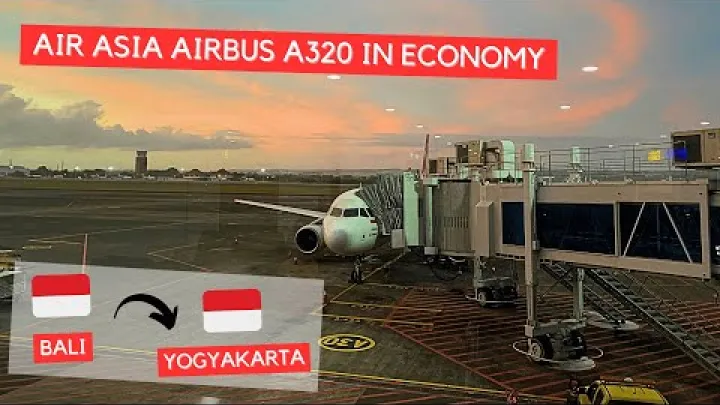
International routes can change by season and airline scheduling. In recent years, services have linked YIA with hubs such as Singapore and Kuala Lumpur, sometimes with varying weekly frequencies. During peak travel periods, such as school holidays or mid-year festival months, booking early usually helps with both fares and preferred departure times. Always verify current airlines and routes before finalizing plans.
Airport-to-city transport (train, bus, ride-hailing)
The airport train is the most time-predictable option from YIA to Tugu Station in central Yogyakarta. Trains often depart every 30–60 minutes, and the journey takes about 40–50 minutes. From Tugu, ride-hailing cars or motorbikes can connect you to your hotel in 5–20 minutes depending on traffic and distance.
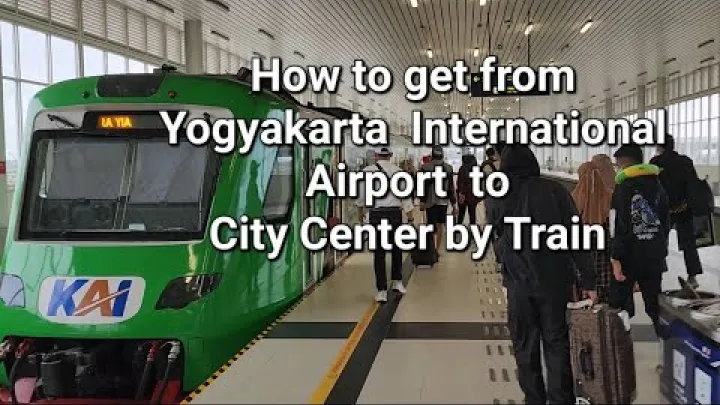
Step-by-step from YIA:
- Follow signs to the airport rail link. Buy a ticket at the machine or counter (typical fares are around IDR 20,000–40,000).
- Ride to Tugu Station (about 40–50 minutes). Check schedules on arrival; last departures may be earlier on some days.
- From Tugu, take Grab/Gojek or walk if staying near Malioboro.
- Alternative: DAMRI or Trans Jogja buses run into the city with fares commonly under IDR 60,000; travel time can be 60–90 minutes by road.
- Direct Grab/Gojek or taxi from YIA can take 60–90 minutes; fares vary with time and demand. Use the signed pickup zones at the airport.
For late-night arrivals, confirm your hotel’s check-in arrangements and pre-plan transport. Where possible, keep your driver informed of your exact pickup point within the designated zones.
Trans Jogja bus, Gojek/Grab, and local options
Trans Jogja provides a practical, low-cost network with a flat fare typically around IDR 3,600–4,000, paid by e-money card on most routes. Lines reach key areas, including services to the Prambanan complex (for example, routes historically labeled 1A or similar; route numbers can change). Buses are air-conditioned and useful for predictable corridors, though waiting times vary outside peak hours.

Ride-hailing cars and motorbikes are widely available and efficient for direct trips or early starts. Scooter and car rentals exist, but helmets, valid licenses, and defensive driving are essential. Traditional options such as becak and andong suit short scenic rides and slower city exploration; agree on the fare before boarding and carry small notes. For temple days, many travelers combine bus to a hub with a short ride-hail to finish the trip.
Culture, arts, and learning
Beyond sightseeing, Yogyakarta Indonesia excels at hands-on cultural learning. Batik studios, silver workshops, and contemporary galleries welcome visitors for short classes, studio tours, and rotating exhibitions. This participation helps sustain local artisans and adds depth to your understanding of Javanese aesthetics and technique.
You can find wayang kulit (shadow puppetry) performances, gamelan concerts, and seasonal festivals that blend tradition with experimentation, especially during mid-year cultural calendars.
Batik, silver, and craft workshops
Batik classes introduce two main techniques: tulis (hand-drawn with a canting tool) and cap (stamped patterns). In a typical session, you learn wax application, dyeing, and finishing, and you can bring your piece home. Many studios allow you to observe artisans at work, which clarifies how designs are planned and layered.

Workshops there often offer short courses on basic soldering and finishing, along with gallery visits. To support fair labor and quality instruction, look for verified studios and read recent reviews. Booking is simple: call or message the studio, or use the online form if provided. Advance reservations secure preferred time slots, especially on weekends and holidays.
Festivals and events (Sekaten, ARTJOG)
Galleries, installations, and talks create a citywide conversation around art and society. Throughout the year, wayang kulit and gamelan events unfold at venues and campuses. Always check the current year’s calendar, as schedules can move with academic timetables, public holidays, and weather conditions.

Costs, tickets, and itineraries
Daily costs in Yogyakarta Indonesia vary with lodging style, dining choices, and temple access. Local eateries keep budgets low, while specialty cafés and tasting menus raise totals. Transport ranges from low-cost buses to convenient ride-hailing and private drivers for temple days. Major temple tickets, especially for special access, can form the largest single expense of a short trip.
Because prices and exchange rates change, treat the figures below as indicative. Confirm temple ticketing and access rules on official portals close to your visit, as policies for Borobudur’s climb quota and combination tickets may be updated.
Typical daily budgets (food, transport, entries)
Budget travelers can often manage on IDR 400,000–800,000 per day by using hostels or simple guesthouses, eating at local warung, and relying on Trans Jogja plus occasional ride-hailing. Mid-range comfort usually falls between IDR 900,000–1,800,000 daily, including a standard hotel with breakfast, a mix of local and café meals, and one or two ride-hail trips. Boutique stays, fine dining, private drivers, and premium temple access can lift daily costs to IDR 2,000,000+.

Sample costs to consider include: city rides by Gojek/Grab, bus fares for longer city hops, and temple tickets (Borobudur, Prambanan, and any special terrace access). Coffee, desserts, and souvenirs add up quickly if you café-hop or shop for batik and silver. Always keep some cash on hand, and check whether accommodation prices include tax and service.
Sample 2–3 day itinerary
Day 1 (City core): Morning at the Kraton; late morning at Taman Sari; lunch nearby; museums or batik studio in the afternoon; Malioboro walk in the evening. Rainy-day alternative: prioritize indoor galleries and the Kraton’s covered pavilions; move Taman Sari to a clear-weather window.

Day 2 (Borobudur + crafts): Pre-dawn start for Borobudur sunrise and a village stop on the return; lunch back in the city; silver studio in Kotagede or a batik class in the afternoon. Rainy-day alternative: swap sunrise for a mid-morning visit if storms are forecast and add a museum session later. Day 3 (Prambanan + sunset): Explore Prambanan late morning or mid-afternoon; head to Ratu Boko for sunset; optional Ramayana Ballet in the evening. Rainy-day alternative: tour Prambanan earlier and choose the indoor theater for the ballet if the forecast is poor.
Safety and practical information
Yogyakarta is widely considered welcoming and manageable with standard urban awareness. Petty theft can occur in crowded areas, so keep valuables secure and use bags that close. At night, rely on ride-hailing apps or trusted drivers. For major outdoor plans, monitor the weather, especially in the wet season when roads can slow and surfaces become slick.
Mount Merapi sits to the north and remains an active volcano whose alert level can influence access to certain areas and tours. While ashfall and closures are uncommon, flexibility and updated information are important. Comprehensive travel insurance that covers schedule changes and health care is recommended for peace of mind.
Mount Merapi context and advisories
Alert levels vary over time and can affect hiking routes and vantage points. Popular jeep tours around Kaliadem highlight past eruptions, bunker sites, and lahar-formed landscapes. On clear days, viewpoints offer striking perspectives of Merapi’s cone above surrounding villages.

Before planning any Merapi-area activity, check official volcanology updates and local government advisories. Conditions can change quickly, and some zones may close at short notice. If ashfall is reported, use masks and protective eyewear and follow local guidance. Flexible itineraries and travel insurance help manage potential disruptions.
Local etiquette and accessibility
At temples and royal sites, dress modestly and follow staff guidance. Ask permission before photographing people, and be especially mindful during prayers and ceremonies. Cash is common in markets and for short rides; carry small notes for smooth transactions. Tipping is not required in most contexts, but rounding up is appreciated. In restaurants with no service charge, a voluntary 5–10% tip is a courteous gesture for good service.

Sidewalks can be uneven or narrow. Some hotels and museums offer ramps, lifts, or accessible restrooms, but facilities vary. Contact your accommodation and key venues ahead of time to confirm access details, step-free routes, and seating options. For longer days, schedule rest stops in shaded areas and carry water to manage heat.
Frequently Asked Questions
What is Yogyakarta known for and why is it important in Indonesia?
Yogyakarta is Indonesia’s cultural capital and the country’s only remaining sultanate. It is known for royal heritage at the Kraton, batik, and nearby UNESCO sites Borobudur and Prambanan. The city’s “Cosmological Axis of Yogyakarta and its Historic Landmarks” is recognized by UNESCO, reflecting Javanese planning philosophy, and the city served as Indonesia’s capital from 1946 to 1948.
When is the best time to visit Yogyakarta for good weather?
June to October is usually the best window, with more sunshine, lower rain frequency, and slightly lower humidity in August–September. The wet season runs roughly November to March, with the heaviest showers often in January–February. Plan early starts year-round to avoid midday heat and strong UV.
How do I get from Yogyakarta International Airport (YIA) to the city center?
Take the airport train to Tugu Station (about 40–50 minutes), then use Grab/Gojek or walk if staying near Malioboro. Buses (DAMRI/Trans Jogja) are economical but slower by road. Direct ride-hailing from YIA takes about 60–90 minutes depending on traffic; follow signed pickup zones at the airport.
Can you still climb Borobudur and how much are tickets?
Climb access operates under a daily quota, and advance booking is required. Policies, prices, and permitted areas can change, and special footwear may be provided to protect the stones. Combination tickets with Prambanan are often available. Check the official ticket portals for current details before your visit.
How many days do I need in Yogyakarta to see main sights?
Plan 2–3 full days to cover Borobudur, Prambanan, the Kraton, and Taman Sari at a comfortable pace. Add a fourth day if you want batik or silver workshops, Ramayana Ballet, or extra time in villages and museums. Group sights by direction to reduce transit time.
Is Yogyakarta safe for tourists and what areas should I avoid?
Yogyakarta is generally safe with standard precautions. Watch for pickpocketing in crowded areas like Malioboro and busy buses. Use ride-hailing or trusted transport at night, and review current advisories if visiting zones near Mount Merapi. Keep valuables secured and respect local customs in religious and royal spaces.
Where is the best place to stay in Yogyakarta: Malioboro or Prawirotaman?
Malioboro is convenient for first-time visitors thanks to Tugu Station access, buses, and lively streets. Prawirotaman is calmer, with many cafés and boutique hotels, making it popular for longer stays and remote work. Choose based on whether you prioritize central bustle or quieter evenings.
How do I get to Prambanan and Borobudur from the city without a tour?
For Prambanan, ride Trans Jogja routes serving the temple area or take Grab/Gojek (about 30–45 minutes). For Borobudur, use intercity buses from major terminals or ride-hailing (about 60–90 minutes). Trains do not reach the temples; combine bus and short rides if needed.
Conclusion and next steps
Yogyakarta blends a living royal tradition with world-class temples, engaging workshops, and a warm, practical travel environment. Plan around seasons, confirm temple access and performance schedules, and choose a base that matches your pace. With clear transport options and respectful etiquette, you can experience the city’s heritage, arts, and daily life with confidence.
Select area
Create a post
Posting is free and no registration is required.