Indonesia Martial Arts: History, Styles, and Global Influence

Indonesia martial arts are more than just fighting techniques—they are living traditions that reflect the country’s rich cultural heritage and global influence. From the ancient practice of pencak silat to the modern hybrid system of Tarung Derajat, these arts have shaped Indonesia’s identity and inspired practitioners worldwide. Whether you are a martial arts enthusiast, a traveler, or someone curious about global cultures, exploring the history, styles, and significance of martial arts in Indonesia offers a fascinating journey into a world where movement, philosophy, and community are deeply intertwined.
What Are Indonesian Martial Arts?
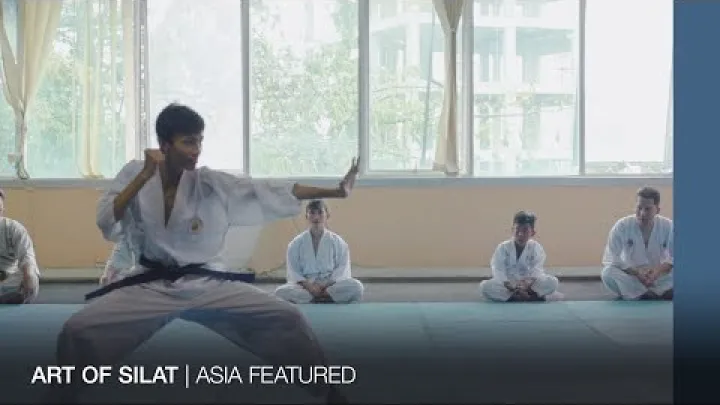
Indonesian martial arts are a diverse collection of traditional and modern combat systems developed across the Indonesian archipelago, blending indigenous techniques, cultural rituals, and foreign influences into unique styles practiced for self-defense, sport, and spiritual growth.
- Encompass both traditional and modern fighting systems
- Include styles like pencak silat, tarung derajat, merpati putih, kuntao, and beksi
- Rooted in Indonesia’s diverse cultures and history
- Emphasize self-defense, discipline, and community values
- Influence and are influenced by global martial arts trends
Martial arts in Indonesia, often referred to as "martial arts of Indonesia" or "martial arts in Indonesia," represent a vibrant spectrum of fighting traditions. These systems have evolved over centuries, shaped by the country’s many ethnic groups, historical events, and interactions with neighboring cultures. The most well-known style, pencak silat, is recognized internationally and practiced in various forms throughout Southeast Asia. Other notable systems include tarung derajat, a modern hybrid martial art, and merpati putih, which focuses on inner power and meditation. Each style reflects the unique philosophies, techniques, and cultural values of the communities that developed them.
Indonesian martial arts are not only about physical combat. They also serve as a means of preserving cultural identity, teaching ethical values, and fostering unity among practitioners. The diversity of these arts mirrors Indonesia’s own multicultural society, making them an essential part of the nation’s heritage and a growing influence on the global martial arts scene.
Definition and Overview
Indonesian martial arts are systems of combat and self-defense that originated and developed within the Indonesian archipelago. These arts encompass both traditional forms, such as pencak silat and kuntao, and modern systems like tarung derajat. They are characterized by a blend of indigenous techniques, cultural rituals, and, in some cases, foreign influences that have been adapted to local contexts.
Major styles include pencak silat, known for its fluid movements and deep cultural roots; tarung derajat, a modern martial art that combines striking and grappling; and merpati putih, which emphasizes internal energy and meditation. Other styles, such as kuntao and beksi, reflect the integration of Chinese martial arts with local traditions. Each system has its own set of techniques, training methods, and philosophies, but all share a commitment to discipline, respect, and community values. The term "pencak silat indonesia martial arts" is often used to highlight the prominence of pencak silat as a representative style of the country’s martial heritage.
Key Characteristics

Indonesian martial arts stand out for their unique blend of movement, weaponry, and cultural symbolism. Techniques often emphasize fluid, circular motions, low stances, and adaptability, allowing practitioners to respond effectively to various situations. Many styles incorporate both empty-hand techniques and the use of traditional weapons, such as the keris (dagger), golok (machete), and toya (staff).
Philosophically, these arts are deeply connected to local customs and spiritual beliefs. Rituals, ceremonies, and symbolic gestures are integral to training, reflecting the importance of harmony, respect, and balance. The arts often serve as a means of transmitting cultural values and fostering a sense of identity within communities. Some defining traits of Indonesian martial arts include:
- Emphasis on both armed and unarmed techniques
- Integration of dance-like movements and music in practice
- Focus on internal energy (tenaga dalam) and meditation in certain styles
- Strong connection to local traditions, rituals, and community life
The History and Evolution of Martial Arts in Indonesia
The history of martial arts in Indonesia stretches back thousands of years, reflecting the country’s complex social, cultural, and political landscape. From ancient tribal practices to the development of sophisticated systems like pencak silat, Indonesian martial arts have evolved through periods of conflict, colonization, and cultural exchange. Each era has left its mark, resulting in a rich tapestry of styles and philosophies that continue to shape the nation’s identity today.
Early martial arts were closely tied to the survival needs of indigenous tribes, who developed techniques for hunting, self-defense, and warfare. As kingdoms and sultanates emerged, these practices became more formalized, often linked to royal courts and religious institutions. The colonial era brought new challenges, as martial arts played a role in resistance movements and the forging of national identity. In the modern era, Indonesian martial arts have absorbed influences from foreign systems, leading to the creation of hybrid styles and the spread of these arts beyond national borders. Regional variations remain strong, with each area contributing unique techniques and cultural elements to the broader tradition.
Ancient Origins and Tribal Influences
The roots of Indonesian martial arts can be traced to the indigenous tribes and early societies that inhabited the archipelago. These communities developed combat techniques for hunting, self-defense, and inter-tribal warfare. Martial skills were often passed down through generations as part of oral tradition, closely linked to rituals, dances, and spiritual beliefs. For example, the Dayak people of Kalimantan practiced traditional stick-fighting and shield techniques, while the Minangkabau of West Sumatra developed silek, a local form of silat with distinctive movements and philosophies.
Many of these tribal practices emphasized agility, adaptability, and the use of natural surroundings in combat. Ritual dances, such as the war dances of the Bugis and Toraja peoples, served both as preparation for battle and as a means of honoring ancestors. The legacy of these early martial arts can still be seen in modern styles, which often incorporate elements of traditional music, costume, and ceremony. Regional diversity remains a hallmark of Indonesian martial arts, with each ethnic group contributing unique techniques and cultural expressions to the national heritage.
Colonial Era and National Unification
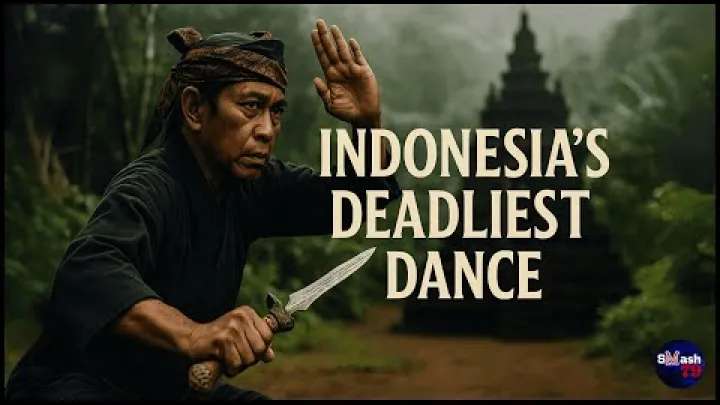
The arrival of European colonial powers, particularly the Dutch, had a profound impact on the development of martial arts in Indonesia. During this period, martial arts became a means of resistance and a symbol of cultural identity. Secret societies and underground groups used pencak silat and other traditional arts to train fighters and organize uprisings against colonial rule. The practice of martial arts was sometimes suppressed by colonial authorities, who viewed it as a threat to their control.
As the movement for independence gained momentum in the early 20th century, martial arts played a unifying role among diverse ethnic groups. Nationalist leaders promoted the standardization and formalization of styles, leading to the creation of organizations such as Ikatan Pencak Silat Indonesia (IPSI) in 1948. This period saw the unification of various regional systems under the banner of pencak silat, helping to forge a sense of national identity and pride. The legacy of this era is evident in the continued importance of martial arts in Indonesian society and their role in promoting unity and resilience.
Cultural Synthesis and Foreign Influences
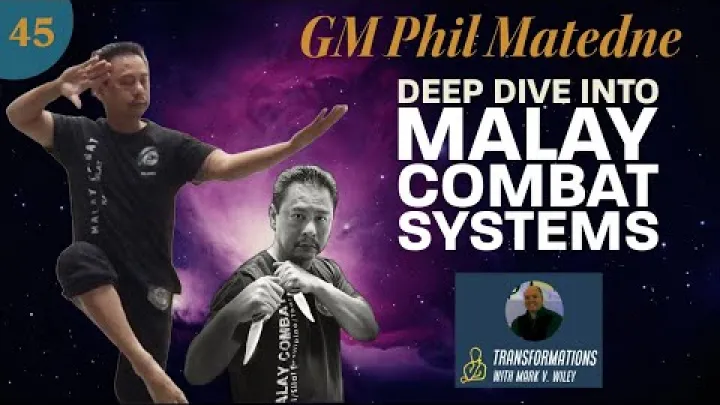
Throughout its history, Indonesia has been a crossroads of trade and cultural exchange, leading to the integration of foreign martial arts into local systems. Chinese immigrants brought kuntao, a form of Chinese martial arts, which blended with indigenous techniques to create hybrid styles such as beksi. Indian, Arab, and later European influences also contributed to the evolution of Indonesian martial arts, introducing new weapons, training methods, and philosophies.
Examples of this cultural synthesis include the incorporation of Chinese hand and weapon techniques into pencak silat, as well as the adaptation of Western boxing and wrestling elements in modern styles like tarung derajat. These hybrid systems reflect Indonesia’s openness to innovation while maintaining a strong connection to local traditions. The result is a dynamic martial arts landscape that continues to evolve, drawing on both indigenous roots and global influences to create uniquely Indonesian expressions of combat and self-defense.
Major Indonesian Martial Arts Styles
Indonesia is home to a wide range of martial arts styles, each with its own history, techniques, and cultural significance. The most prominent systems include pencak silat, tarung derajat, merpati putih, kuntao, and beksi. These styles differ in their approaches to movement, weaponry, philosophy, and training methods, reflecting the diversity of Indonesia’s regions and communities. Understanding the key features of each style helps highlight the richness of martial arts in Indonesia and their ongoing evolution.
| Style | Origin | Main Features | Modern Use |
|---|---|---|---|
| Pencak Silat | Archipelago-wide | Fluid movements, strikes, locks, weapons | Sport, self-defense, cultural events |
| Tarung Derajat | Bandung, West Java | Striking, grappling, hybrid techniques | Sports, law enforcement, military |
| Merpati Putih | Central Java | Internal energy, breathing, meditation | Self-development, security training |
| Kuntao | Chinese-Indonesian communities | Hand techniques, weapons, hybrid forms | Traditional practice, community events |
| Beksi | Betawi (Jakarta) | Short-range strikes, Chinese influence | Local competitions, cultural preservation |
Each of these styles contributes to the broader landscape of martial arts in Indonesia, offering practitioners a range of options for self-defense, sport, and personal growth. The integration of long-tail keywords such as "pencak silat indonesia martial arts" and "mixed martial arts indonesia" reflects the growing international interest in these systems and their adaptability to modern contexts.
Pencak Silat: Structure and Principles
The structure of pencak silat encompasses four main domains: mental-spiritual, art, self-defense, and sport. Each domain emphasizes different aspects of training, from physical techniques to ethical values and artistic performance. The core principles of pencak silat include respect, discipline, adaptability, and harmony with one’s environment.
Pencak silat indonesia martial arts are characterized by fluid, dance-like movements, low stances, and the use of both empty-hand and weapon techniques. Training often incorporates traditional music and costumes, reflecting the art’s deep cultural roots. The following table outlines the main domains and techniques of pencak silat:
| Domain | Description |
|---|---|
| Mental-Spiritual | Focus on character building, ethics, and inner strength |
| Art | Emphasis on performance, choreography, and cultural expression |
| Self-Defense | Practical techniques for real-world situations |
| Sport | Competitive rules, scoring, and international tournaments |
These domains ensure that pencak silat remains a holistic martial art, balancing physical skill with mental and cultural development.
Tarung Derajat: Modern Hybrid System

Tarung Derajat is a modern Indonesian martial art developed in the late 20th century by Haji Achmad Dradjat in Bandung, West Java. It was created as a practical system for self-defense, combining elements of boxing, kickboxing, wrestling, and traditional Indonesian techniques. Tarung Derajat is known for its emphasis on striking, grappling, and rapid transitions between offense and defense, making it effective in both sport and real-life situations.
This hybrid system has gained national recognition and is officially used in Indonesian military and police training programs. Tarung Derajat is also featured in national sports competitions and has its own governing body, KODRAT (Komite Olahraga Tarung Derajat). Its unique features include a focus on physical conditioning, aggressive yet controlled techniques, and adaptability to various combat scenarios. The art’s motto, "Aku Ramah Bukan Berarti Takut, Aku Tunduk Bukan Berarti Takluk" ("I am friendly, not afraid; I am humble, not defeated"), reflects its philosophy of strength balanced with humility.
Merpati Putih: Inner Power and Meditation

Merpati Putih, meaning "White Dove," is a distinctive Indonesian martial art that emphasizes the development of internal energy (tenaga dalam), breathing techniques, and meditation. Originating in Central Java, Merpati Putih was traditionally practiced by royal guards and has since been opened to the public. The system focuses on harnessing the body’s natural energy through controlled breathing, concentration, and specific physical exercises.
Training in Merpati Putih involves a combination of physical conditioning, meditative practices, and self-defense techniques. Practitioners learn to break hard objects, perform feats of strength, and enhance their sensory awareness through specialized drills. The philosophical foundation of Merpati Putih centers on self-mastery, harmony with nature, and the pursuit of inner peace. This focus on internal development sets Merpati Putih apart from other Indonesian martial arts, making it a unique path for those interested in both physical and spiritual growth.
Kuntao and Beksi: Chinese-Indonesian Hybrids
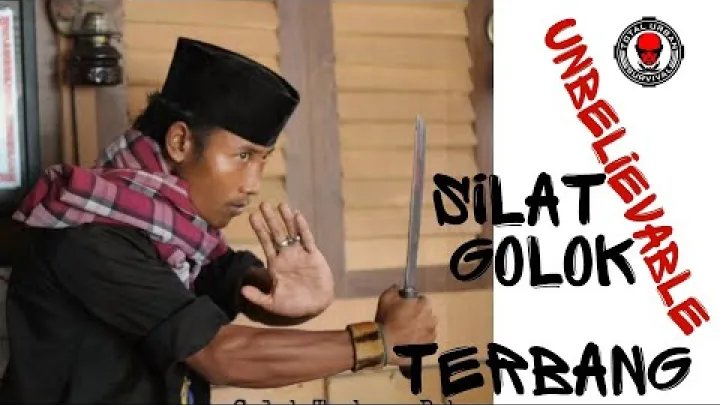
Kuntao and beksi are martial arts styles that emerged from the blending of Chinese martial arts with local Indonesian traditions. Kuntao, practiced primarily within Chinese-Indonesian communities, incorporates hand techniques, weapon forms, and stances derived from southern Chinese systems. Over time, kuntao adapted to the Indonesian environment, integrating local movements and philosophies to create a hybrid style unique to the archipelago.
It combines short-range striking techniques, low stances, and elements of Chinese kung fu with indigenous fighting methods. Both kuntao and beksi are practiced in community settings and are often featured in cultural festivals and local competitions. Their development highlights the historical connections between Chinese immigrants and Indonesian society, as well as the ongoing process of cultural exchange and adaptation.
Cultural and Philosophical Significance
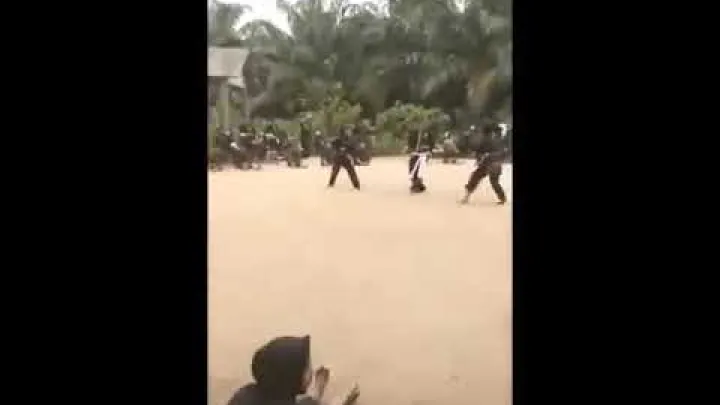
Indonesian martial arts are deeply woven into the fabric of the nation’s cultural and spiritual life. Beyond their practical applications, these arts serve as vehicles for transmitting values, preserving traditions, and fostering community bonds. Rituals, ceremonies, and symbolic gestures are integral to martial arts practice, reflecting the importance of respect, harmony, and balance. The philosophical teachings embedded in these systems emphasize self-discipline, humility, and the pursuit of inner peace, making martial arts a holistic path for personal and communal development.
Ceremonies such as initiation rites, graduation events, and public demonstrations play a vital role in reinforcing the cultural significance of martial arts. These events often involve traditional music, costumes, and storytelling, connecting practitioners to their heritage and to one another. The symbolism found in martial arts movements, weapons, and rituals serves as a reminder of the values and history that underpin each style. In many communities, martial arts schools function as centers of social life, providing a space for learning, mentorship, and mutual support. The enduring relevance of Indonesian martial arts lies in their ability to adapt to changing times while remaining rooted in the principles that have guided generations of practitioners.
Rituals and Ceremonies

Rituals and ceremonies are central to the practice of Indonesian martial arts, serving both practical and symbolic purposes. Initiation rites mark the entry of new students into a martial arts school, often involving the recitation of oaths, the donning of traditional attire, and the performance of basic techniques. These ceremonies emphasize the importance of respect, commitment, and the transmission of knowledge from teacher to student.
Graduation events, known as "kenaikan tingkat" in pencak silat, celebrate the advancement of practitioners to higher levels of skill and responsibility. These occasions are often accompanied by public demonstrations, music, and the presentation of certificates or symbolic items. Regional variations exist, with some communities incorporating local dances, storytelling, or religious blessings into their ceremonies. Such rituals reinforce the cultural identity of martial arts schools and strengthen the bonds among members.
Philosophical and Spiritual Aspects

The philosophical teachings of Indonesian martial arts are grounded in values such as humility, self-control, perseverance, and respect for others. Many styles incorporate ethical codes that guide practitioners in their conduct both inside and outside the training hall. For example, pencak silat emphasizes the principle of "budi pekerti," or noble character, encouraging students to act with integrity and compassion.
Spiritual beliefs also play a significant role in martial arts training. Practices such as meditation, breathing exercises, and the cultivation of inner energy are designed to promote self-awareness and harmony with the natural world. In some traditions, martial arts are seen as a path to spiritual enlightenment, with movements and rituals serving as expressions of deeper truths. The integration of philosophy and spirituality ensures that Indonesian martial arts remain holistic disciplines, nurturing the mind, body, and spirit of each practitioner.
Indonesian Martial Arts in Modern Times
Today, Indonesian martial arts are experiencing a period of dynamic growth and transformation. The global spread of styles like pencak silat and tarung derajat has brought international recognition, while local communities continue to preserve and adapt traditional practices. Martial arts in Indonesia are now featured in international competitions, showcased in movies and media, and integrated into military and law enforcement training. At the same time, practitioners face challenges related to commercialization, cultural preservation, and the need to maintain authenticity in the face of global trends.
Efforts to promote and protect Indonesian martial arts include the establishment of national and international organizations, the inclusion of martial arts in educational curricula, and the documentation of endangered regional styles. The influence of Indonesian martial arts can be seen in the growing number of schools and practitioners worldwide, as well as in the increasing presence of these arts in popular culture. Long-tail keywords such as "indonesia martial arts movie" and "mixed martial arts indonesia" reflect the expanding reach and relevance of these traditions in the modern era.
Sportification and International Competitions
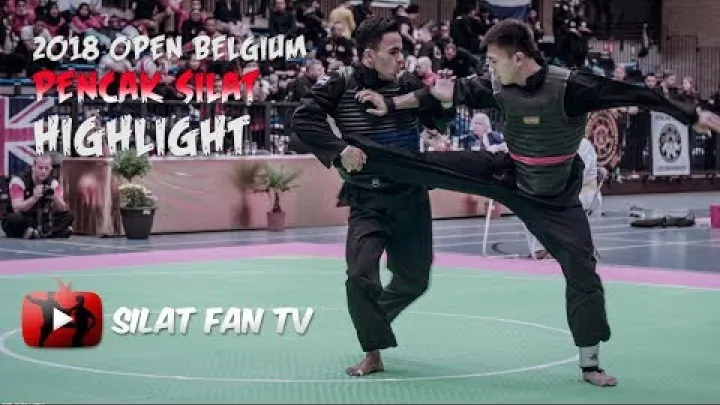
The transformation of Indonesian martial arts into organized sports has played a key role in their global spread. Pencak silat, in particular, has been standardized for competition, with clear rules, scoring systems, and weight classes. The sport is featured in major events such as the Southeast Asian Games, Asian Games, and the World Pencak Silat Championship, attracting participants from dozens of countries.
Indonesia has taken a leading role in promoting martial arts on the international stage, hosting tournaments and supporting the development of global organizations like the International Pencak Silat Federation (PERSILAT). The inclusion of pencak silat in multi-sport events has increased its visibility and encouraged the growth of martial arts communities worldwide. Other styles, such as tarung derajat, are also gaining recognition as competitive sports, further enhancing Indonesia’s reputation as a center of martial arts excellence.
Military and Law Enforcement Applications
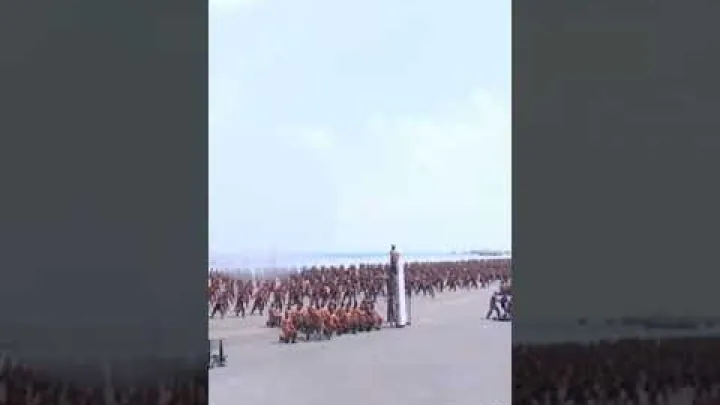
Indonesian martial arts are widely used in military and police training, providing practical skills for self-defense, arrest techniques, and close-quarters combat. Pencak silat is a core component of training programs for the Indonesian National Armed Forces and police units, valued for its effectiveness in both armed and unarmed situations. Techniques such as joint locks, throws, and weapon disarms are adapted for use in real-world scenarios.
Tarung Derajat, with its emphasis on striking and grappling, has been officially adopted by the Indonesian military and law enforcement agencies. Specialized programs teach personnel how to respond to threats quickly and efficiently, drawing on the hybrid nature of the art. The integration of martial arts into security training reflects their ongoing relevance and adaptability in modern contexts, ensuring that these traditions continue to serve practical needs while preserving their cultural significance.
Global Spread and Challenges
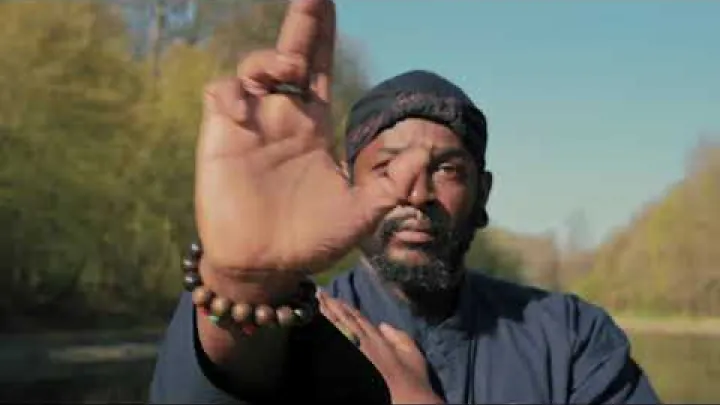
The international popularity of Indonesian martial arts has led to the establishment of schools and organizations in countries around the world. Diaspora communities play a vital role in promoting these arts, organizing workshops, demonstrations, and cultural events that introduce local audiences to Indonesian traditions. Media representation, including movies and documentaries, has further increased global awareness and interest in styles like pencak silat.
Despite this growth, practitioners face challenges in preserving the authenticity and cultural context of Indonesian martial arts. Commercialization, adaptation to foreign audiences, and the influence of global martial arts trends can sometimes dilute traditional practices. Efforts to maintain the integrity of these arts include the documentation of regional styles, the training of qualified instructors, and the promotion of cultural education alongside technical instruction. By balancing innovation with respect for tradition, Indonesian martial arts continue to thrive in a rapidly changing world.
Frequently Asked Questions
What is the most popular martial art in Indonesia?
Pencak silat is the most popular and widely practiced martial art in Indonesia. It is recognized for its fluid movements, cultural significance, and presence in both traditional ceremonies and international competitions.
How is pencak silat different from other martial arts?
Pencak silat combines self-defense techniques, artistic performance, and spiritual teachings. It features unique movements, the use of traditional weapons, and a strong emphasis on cultural rituals and community values.
What are some other notable Indonesian martial arts styles?
Other notable styles include tarung derajat (a modern hybrid system), merpati putih (focused on inner power and meditation), kuntao (Chinese-Indonesian hybrid), and beksi (Betawi style with Chinese influence).
Are Indonesian martial arts used in the military or police?
Yes, Indonesian martial arts such as pencak silat and tarung derajat are integrated into military and police training programs for self-defense, arrest techniques, and close-quarters combat.
Can foreigners learn Indonesian martial arts?
Yes, many Indonesian martial arts schools welcome international students. There are also organizations and instructors teaching these arts in countries around the world.
What is the role of rituals in Indonesian martial arts?
Rituals and ceremonies mark important milestones, reinforce ethical values, and connect practitioners to cultural traditions. They are an essential part of training and community life.
Who are some famous Indonesian martial arts actors?
Notable actors include Iko Uwais and Yayan Ruhian, both known for their roles in Indonesian martial arts movies such as "The Raid" and "Merantau."
How have Indonesian martial arts influenced global culture?
Indonesian martial arts have gained international recognition through movies, competitions, and the spread of schools worldwide. They contribute to global martial arts culture and inspire practitioners from diverse backgrounds.
Conclusion
Indonesia martial arts offer a window into the nation’s rich history, cultural diversity, and enduring values. From the ancient roots of pencak silat to the modern innovations of tarung derajat, these arts continue to inspire and unite people across Indonesia and around the world. Whether you are interested in self-defense, cultural exploration, or personal growth, Indonesian martial arts provide a rewarding path for learning and connection. Explore further, join a class, or attend a demonstration to experience the depth and vitality of martial arts in Indonesia firsthand.
Select area
Create a post
Posting is free and no registration is required.