Indonesia Culture: Traditions, Religion, Arts, Food, and Customs

Indonesia culture brings together thousands of islands, hundreds of ethnic groups, and hundreds of languages into a shared national story. From batik and gamelan to rice dishes and vibrant ceremonies, it blends local identity with common values. Travelers, students, and professionals find that diversity and unity are both visible in daily life. This guide explains key traditions, religions, art forms, food, and customs across the archipelago.
Indonesia culture at a glance
Understanding the culture of Indonesia starts with its scale and variety. The country spans more than 17,000 islands along vital sea routes, which shaped trade, migration, and local customs. Yet a national language, schools, media, and civic rituals foster cohesion across distant regions.
Quick facts and definition
Indonesia culture refers to the collective traditions, beliefs, arts, cuisines, and social norms that have developed across the archipelago. It includes more than 600 ethnic groups and over 700 living languages, while promoting a shared identity through Bahasa Indonesia and national values. The result is a mosaic: distinct local heritage coexisting with a strong sense of belonging to one nation.

- Over 17,000 islands; society shaped by maritime trade and migration
- 600+ ethnic groups and 700+ languages under a shared national identity
- Bahasa Indonesia unifies education, media, and government
- Signature arts: batik, gamelan, wayang, pencak silat
- Food favorites: rendang, satay, nasi goreng, soto, gado-gado, sambal
Why diversity and unity coexist
Geography encouraged both separateness and exchange. Islands like Java, Sumatra, Sulawesi, and the Maluku spice region developed distinctive languages, arts, and rituals, while coastal trade spread ideas and ingredients across seas. Islam, Hindu-Buddhist legacies, Christianity, and Indigenous beliefs layered over local custom, creating regional blends that feel both unique and connected.

Common language and ideals bridge these differences. Bahasa Indonesia enables inter-ethnic communication in schools, business, and public life. National principles known as Pancasila frame pluralism and mutual respect. Community forums (musyawarah, or deliberation) and mutual aid (gotong royong) help neighbors resolve issues and work together. For example, in Bali, Hindu temple cycles structure village life while national holidays and Indonesian-language schooling anchor unity; in Sumatra’s Minangkabau areas, matrilineal traditions stand alongside shared Indonesian civics and media; in coastal Makassar, Bugis seafaring heritage coexists with modern Indonesian commerce and institutions.
Ethnic groups and languages
Communities carry distinct histories, oral literatures, and customary laws (adat), while inter-island migration and urban growth have created mixed neighborhoods and workplaces. Language choice signals identity, context, and audience, with many people switching between local language and Indonesian during the same conversation.
Major ethnic groups and distribution
Large populations such as the Javanese and Sundanese live primarily on Java, while other significant groups include Malay, Madurese, Minangkabau, Batak, Bugis, Dayak, and many Papuan peoples. Historical trade, agriculture, and maritime routes shaped where communities settled, and migration continues to change patterns in cities and resource hubs.
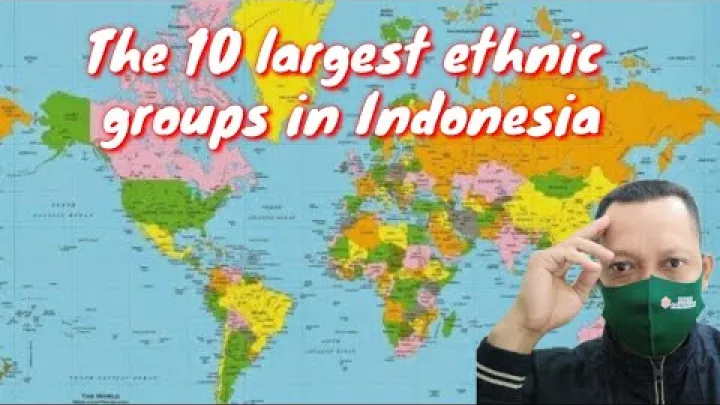
Urban centers like Jakarta, Surabaya, Medan, and Batam mix residents from across the archipelago, leading to blended cuisines, festivals, and social networks. Many communities maintain adat connected to local ecology and history, from communal irrigation systems to forest stewardship. Because figures shift over time and can vary by source, it is best to describe size and distribution in broad terms rather than exact percentages.
Bahasa Indonesia and local languages
It allows students, officials, and professionals from different backgrounds to work together, while local languages remain strong in homes, markets, and cultural events. Many Indonesians grow up bilingual or trilingual, speaking a regional language, Indonesian, and sometimes English or Arabic.
Language vitality differs by region. Javanese and Sundanese are widely spoken with rich literary traditions, while some smaller languages face transmission challenges as families move to cities or prioritize Indonesian for schooling. Community groups and local governments run revitalization and literacy programs, and digital tools now help document vocabularies, archive songs, and connect teachers and learners.
Religion and beliefs
Religion shapes daily rhythms, holidays, and community life in Indonesia. Six religions are formally recognized at the national level, but practice on the ground is diverse, with many communities integrating local customs into observance. Understanding both formal doctrine and regional tradition helps explain the country’s religious landscape.
Recognized religions and regional patterns
Indonesia recognizes Islam, Protestantism, Catholicism, Hinduism, Buddhism, and Confucianism. Nationally, Islam is the majority faith, while Hinduism is predominant in Bali. Christian communities are prominent in parts of North Sulawesi, Papua, and Nusa Tenggara Timur, and Buddhist and Confucian traditions have historical centers in several urban areas.
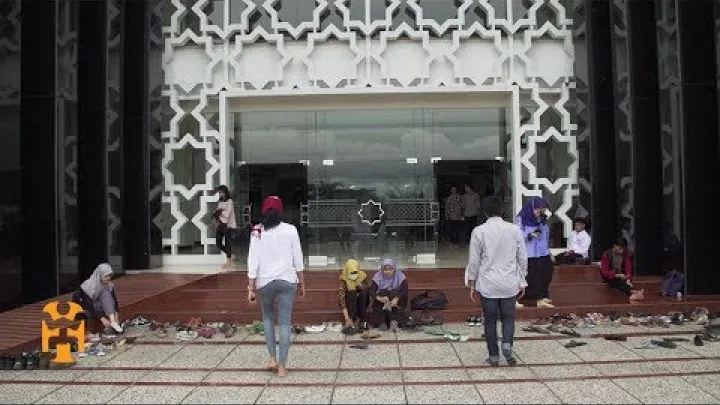
Formal doctrines outline beliefs and worship, while local customs influence celebration and community events. It is helpful to distinguish the core teachings of each religion from regional adaptations and cultural expressions that accompany them.
Indigenous practices and community ceremonies
Indigenous frameworks of adat guide rites of passage, land stewardship, and conflict resolution. Ceremonies such as the Javanese slametan emphasize communal harmony through shared meals and blessings, Dayak gawai festivals mark the harvest, and Toraja rites honor ancestors and community bonds. These practices provide social structure and continuity across generations.
Many communities integrate Indigenous elements with major religions in ways that are meaningful locally. Descriptions should avoid romanticization and sweeping generalizations, since practice varies by village and family. When attending or learning about ceremonies, respectful conduct and permission are essential, especially where rituals are private or sacred.
Traditional arts and performance
They include textiles, music, theater, dance, and martial traditions that have evolved through courts, temples, and village life, and that continue to adapt in schools, studios, and international stages today.
Batik
Many designs carry symbolic and regional meanings, and the tradition is recognized by UNESCO for its cultural significance. Batik appears in daily wear, formal attire, and life-cycle ceremonies from births to weddings.
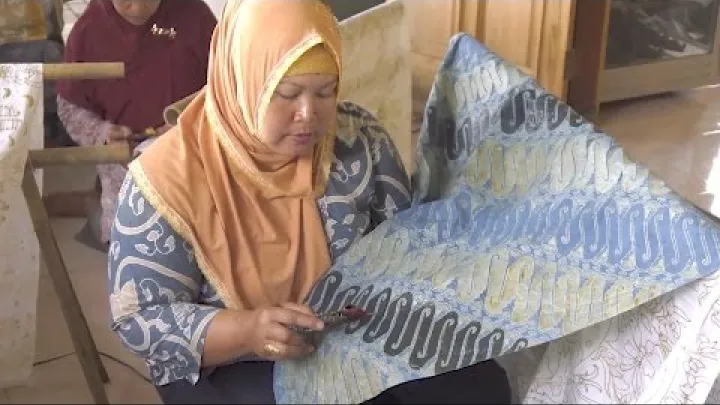
Techniques vary. Batik tulis refers to hand-drawn wax patterns; batik cap uses stamped wax motifs; printed textiles imitate batik designs without wax. Handmade methods tend to show subtle irregularities and layered colors, while printed versions offer affordability and mass availability. Across Java and beyond, workshops and schools help preserve skills and innovate with contemporary motifs.
Gamelan
Javanese and Balinese styles differ in feel and context: Javanese gamelan often emphasizes a flowing, meditative character, while Balinese gamelan can be faster and more dynamic, frequently accompanying dance and temple events. Both are central to wayang, dance, and rites.

Two main tuning systems are common. Slendro uses a roughly equal five-tone scale that produces a warm, pentatonic sound. Pelog uses seven tones arranged into distinct modes, giving brighter or more dramatic colors. While the theory can be complex, listeners can hear the contrast in mood.
Wayang (puppetry)
Wayang refers to a family of theater forms, including wayang kulit (shadow puppets), wayang golek (three-dimensional wooden puppets), and wayang orang (dance-drama performed by actors). Stories draw from the Ramayana, Mahabharata, Panji tales, and local epics, adapting themes of duty, humor, and moral reflection. Performances may last for hours and engage whole communities.

The dalang (puppet master) narrates, voices characters, directs music, and guides the story’s pace. Regional centers such as Yogyakarta and Surakarta are known for refined wayang kulit traditions, while West Java’s wayang golek features distinct carving styles and comedic interludes. As a UNESCO-recognized tradition, wayang continues to evolve through contemporary scripts and educational programs.
Pencak silat
It is taught in clubs, schools, and cultural centers, and appears in ceremonies and national competitions. The art includes forms, partner drills, and, in some lineages, traditional weapons practice.

Sportive pencak silat focuses on rules-based sparring, forms, and tournaments, while traditional lineages may stress internal discipline, ritual context, and local aesthetics of movement. Styles differ by region, such as Minangkabau flows adapted to uneven terrain or coastal schools with agile footwork. The practice is recognized by UNESCO as intangible heritage and continues to expand internationally.
Architecture and heritage sites
Architecture in Indonesia reflects environment, social organization, and layered history. From raised wooden houses to monumental stone temples and diverse mosque forms, buildings communicate status, cosmology, and community priorities while adapting to climate and materials.
Vernacular houses (rumah adat)
Notable examples include Toraja Tongkonan with boat-shaped roofs, Minangkabau Rumah Gadang with sweeping horn-like gables, Javanese Joglo with a tiered central pavilion, and Papuan Honai with circular thatched forms suited to highland conditions.

Carvings, spatial layouts, and ritual elements encode ancestry, status, and cosmology. Modernization brings pressures such as new materials, urban migration, and changing land use. Preservation initiatives by local communities, museums, and universities document techniques and support restorations, while contemporary architects experiment with hybrid designs that honor tradition and improve comfort.
Hindu-Buddhist temples (Borobudur, Prambanan)
Pilgrims traditionally walk clockwise from relief-filled lower terraces to open upper levels crowned by stupas, symbolizing a journey from the everyday world toward enlightenment. The carvings illustrate teachings and scenes from Buddhist texts and society.
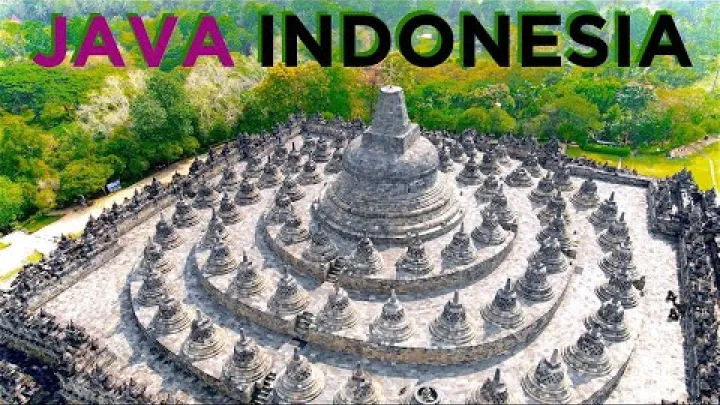
Prambanan, also 9th century, is a Hindu complex dedicated to the Trimurti (Shiva, Vishnu, Brahma), with soaring central shrines and narrative reliefs from the Ramayana. Both sites, near Yogyakarta, are UNESCO World Heritage properties and continue to host cultural events that connect past and present for visitors and local communities.
Indonesian mosque architecture
Early Indonesian mosques often feature multi-tiered roofs and timber construction influenced by local building traditions rather than large domes. The Great Mosque of Demak, associated with early Islamic history in Java, exemplifies this vernacular form, emphasizing spacious verandas and community gathering areas.

Later mosques added domes, minarets, and Middle Eastern motifs, especially in urban centers. Regional variations are notable beyond Java: Sumatran mosques may blend Minangkabau rooflines; in Kalimantan, stilted structures suit river environments; in Sulawesi and Maluku, layouts reflect coastal settlement patterns. The Istiqlal Mosque in Jakarta represents a modern national landmark designed for large congregations and interfaith engagement.
Indonesian food culture
Markets, home kitchens, street stalls, and warung eateries all shape everyday dining. A shared love of spice pastes and condiments connects diverse island cuisines while allowing many local specialties to thrive.
Core flavors, bumbu, and cooking methods
Bumbu, or spice pastes, form the foundation of many dishes. Common ingredients include shallot, garlic, chili, galangal, ginger, turmeric, lemongrass, and candlenut, often balanced with palm sugar and tamarind. Techniques range from grilling and stir-frying to steaming, braising, and long coconut-milk simmering that yields rich sauces and tender textures.
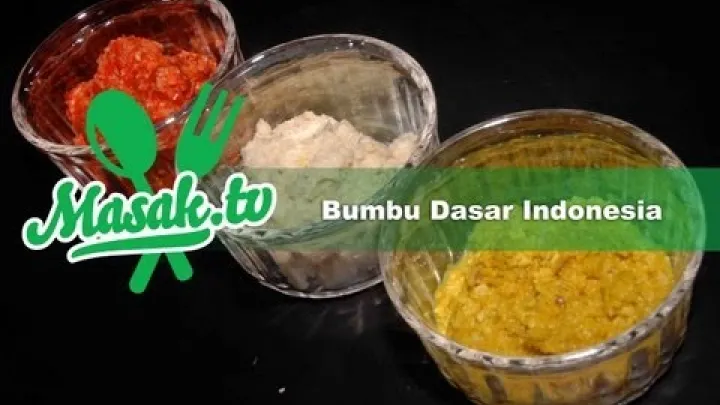
Rice is the staple in much of the country, with cassava, sago, or corn more common in some eastern regions. Sambal condiments, from fresh sambal matah to cooked sambal terasi, accompany meals and vary by island. Many dishes can be adapted for vegetarians by substituting tofu or tempeh, and halal considerations guide sourcing and preparation for Muslim communities, with pork-free options widely available.
National dishes and regional highlights
Several dishes are widely recognized across the archipelago. Tumpeng, a ceremonial cone of rice with side dishes, symbolizes gratitude and unity. Rendang is a slow-cooked beef dish from Minangkabau cuisine known for deep spice. Satay features skewered, grilled meat with sauces. Nasi goreng is fried rice seasoned with sweet soy and aromatics. Gado-gado is a vegetable and tofu salad with peanut sauce. Soto refers to spiced broths with regional variants.

Regional specialties include Padang cuisine with aromatic curries and coconut-based dishes, Yogyakarta’s gudeg (young jackfruit stew with palm sugar), East Java’s rawon (a black keluak-nut beef soup), and Balinese lawar (minced mixtures of vegetables, coconut, and spices). Street food and warung eateries remain central to daily life, offering affordable meals, quick snacks, and local social interaction.
Social values and etiquette
Social interaction in Indonesia emphasizes harmony, respect, and cooperation. Etiquette reflects sensitivity to context and age hierarchy, while community practices support mutual help. Understanding these values helps visitors and newcomers build positive relationships.
Community cooperation (gotong royong)
Gotong royong means working together to meet community needs. Neighbors join to build or repair homes, clean public spaces, support harvests, or prepare ceremonies, often without monetary exchange. The practice strengthens social trust and resilience and is encouraged by local leaders and civic programs.
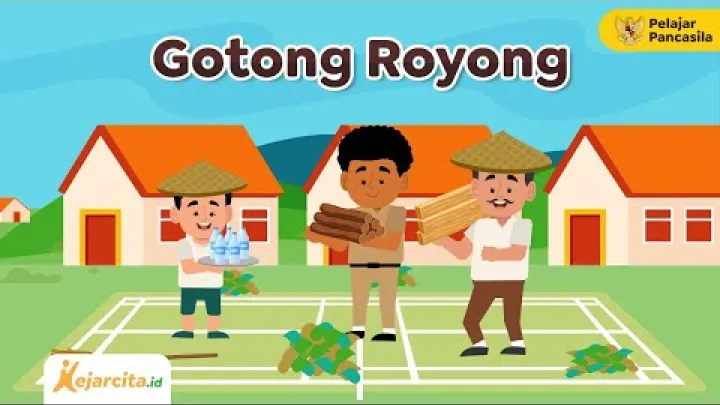
Related activities include kerja bakti (community clean-ups) and arisan (rotating savings gatherings) that blend social ties with practical benefits. Today, digital platforms, neighborhood chat groups, and crowdfunding tools help coordinate volunteers and resources, showing how traditional cooperation adapts to modern urban life.
Hospitality and dining etiquette
Greetings are polite and measured. People often use titles and avoid direct confrontation in favor of gentle conversation. Handshakes are light, and smiles are common. Use the right hand for giving, receiving, and eating. Removing shoes before entering homes is typical, and modest dress is advised at religious sites.
Food customs vary by venue and region. In many Muslim-majority areas, halal norms guide menus and alcohol is limited; in Bali and some tourist zones, venues may serve a wider range but still appreciate respectful behavior. In traditional settings, wait to be seated, accept a small portion if offered, and avoid pointing with the index finger; an open hand is more courteous.
Family structure and social hierarchy
Respect for elders and the use of honorifics shape daily interaction and decision-making. Extended family networks support childcare, ceremonies, and migration, with obligations shared across households. Communication often uses indirect phrasing to preserve harmony and save face.

Urban and rural contexts can differ. Cities may show more individual routines and nuclear households, while villages emphasize collective activities and informal dispute resolution. Still, many families blend both models, adapting traditions to education and work opportunities without losing core values of respect and care.
Regional cultural highlights
Regional profiles illustrate how local ecology, history, and belief systems produce distinctive cultural forms within Indonesia’s national framework. Bali, Toraja, and Jakarta offer three different windows into this diversity and ongoing change.
Bali culture and ceremonies
Bali is predominantly Hindu within a national context that is mostly Muslim. Daily offerings, temple festivals, and a rich ritual calendar shape social life and spatial design, guided by principles such as Tri Hita Karana (harmonious relations among people, nature, and the divine). Family compounds and village layouts reflect these values.
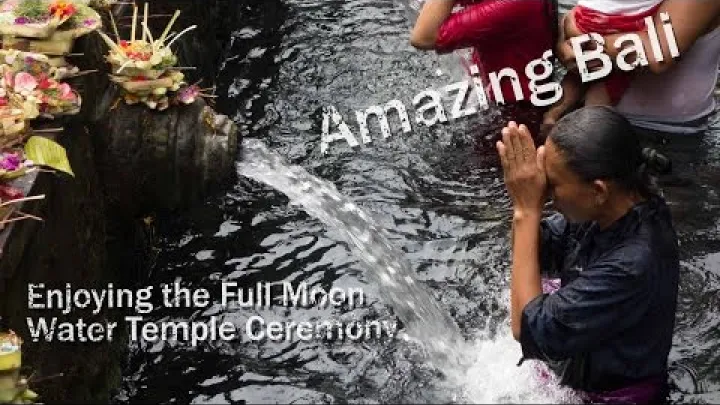
Arts such as dance, gamelan, and carving are integral to religious education and ceremony. Visitors may encounter staged performances designed for audiences; these are distinct from community rites that are primarily for worship and local participation. Respectful dress, behavior, and adherence to temple guidelines are essential at sacred events.
Toraja funerary traditions
Among the Toraja of South Sulawesi, funerary rites honor ancestors and reinforce communal bonds through multi-stage ceremonies. Families may observe extended mourning as they prepare resources and coordinate relatives’ travel, reflecting both reverence and social responsibility.

Traditional practices can include buffalo sacrifices and cliff burials, with Tongkonan houses and tau-tau effigies symbolizing lineage and status. A respectful approach is vital: visitors should seek permission, follow local guidance, and avoid intrusive behavior during sensitive rituals that belong first to the community.
- Family preparation and gathering of resources
- Public ceremonies and processions
- Burial or placement in cliff niches or rock tombs
- Post-ritual remembrance and continued ancestral care
Jakarta and urban cultural mix
The city’s daily life includes traditional markets and street food, modern malls and arts venues, and worship spaces for different religions situated near business districts and neighborhoods.
Language mixing is common, with Bahasa Indonesia dominating public life and regional languages heard in homes and community gatherings. Neutral examples of the mix include a Betawi-style ondel-ondel performance near a contemporary gallery, Padang and Javanese eateries on the same street, and Friday prayers or Sunday services attended by colleagues from different islands, reflecting rapid urban change.
Frequently Asked Questions
What is Indonesia best known for culturally?
Indonesia is widely known for its cultural diversity across more than 17,000 islands, with 600+ ethnic groups and 700+ languages. Signature expressions include batik textiles, gamelan music, wayang puppetry, and pencak silat. Heritage sites such as Borobudur and Prambanan reflect deep historical layers, while regional cuisines and strong community values connect this diversity.
How many languages are spoken in Indonesia?
More than 700 languages are spoken in Indonesia. Bahasa Indonesia serves as the national lingua franca for education, government, and media, enabling inter-ethnic communication. Many people are bilingual or trilingual (local language, Indonesian, and sometimes English or Arabic), though language vitality varies by region.
Which religions are officially recognized in Indonesia?
Six religions are officially recognized: Islam, Protestantism, Catholicism, Hinduism, Buddhism, and Confucianism. Islam is the majority religion nationally. Practice varies by region, and many communities integrate local customs with formal worship while operating within a unified national framework.
What does gotong royong mean in Indonesian culture?
Gotong royong means mutual assistance through collective community work. Neighbors organize to build, repair, clean, harvest, and support ceremonies without direct payment. This strengthens social ties and resilience; today, local programs and digital tools often help coordinate efforts.
What are the most popular Indonesian dishes?
Commonly named dishes include rendang (slow-cooked spiced beef), satay (grilled skewers), nasi goreng (fried rice), gado-gado (vegetable and tofu salad with peanut sauce), and soto (spiced broth with regional variations). Tumpeng is a ceremonial cone of rice symbolizing gratitude. Sambal condiments accompany many meals.
Why is batik important in Indonesia?
Batik is a national textile art with UNESCO recognition (2009). Wax-resist techniques using a canting or copper stamps create motifs that carry symbolic and regional meanings. Batik marks life events from birth to marriage and funerals and appears in both daily and formal wear.
Is Bali’s culture different from the rest of Indonesia?
Yes. Bali’s majority Hindu culture is distinct within a Muslim-majority country. Daily offerings, temple ceremonies, and a ritual calendar shape social and artistic life. Architecture follows spiritual principles such as Tri Hita Karana. Tourism interacts with, but does not define, Balinese traditions.
Conclusion and next steps
Indonesia culture combines many languages, religions, arts, and cuisines within a unifying framework of shared values and a common language. From batik and gamelan to mosque forms, temples, and vernacular houses, heritage is both preserved and reinterpreted. Community cooperation, respectful etiquette, and regionally rooted practices show how diversity and unity operate side by side across the archipelago.
Select area
Create a post
Posting is free and no registration is required.