Kalimantan, Indonesia: Map, Provinces, Economy, Wildlife, and New Capital Nusantara
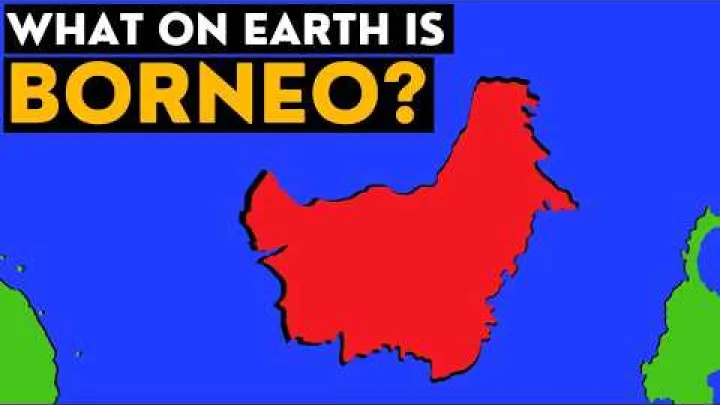
Kalimantan, Indonesia is the vast Indonesian portion of Borneo, an equatorial island known for its rivers, peat forests, and diverse cultures. It covers most of Borneo’s landmass and is central to Indonesia’s plans for balanced development, including the new capital, Nusantara, in East Kalimantan. From the Kapuas and Mahakam rivers to Dayak longhouses and orangutan habitats, the region blends nature, heritage, and industry. This essential guide explains where Kalimantan fits in Indonesia, how its provinces differ, and what visitors and professionals should know.
Kalimantan at a glance (location, size, and map)
Understanding Kalimantan’s location helps with travel, business, and conservation planning. The region stretches across the equator in Maritime Southeast Asia and forms the largest part of the island of Borneo. It faces multiple seas and straits, which shape its climate, trade routes, and access points by sea and air.
The equator runs through the region, passing the city of Pontianak in West Kalimantan. For orientation, the island is bordered by the South China Sea to the northwest, the Java Sea to the south, and the Makassar Strait to the east. Maps often show the Kapuas and Mahakam as core inland corridors that connect coastal cities to interior settlements.
Is Kalimantan the same as Borneo?
Kalimantan is the Indonesian part of the island of Borneo. It accounts for roughly 73% of Borneo’s land area, while the remainder is divided between Malaysia’s states of Sabah and Sarawak and the nation of Brunei Darussalam. In Indonesian administrative usage and most travel materials written in English, “Kalimantan” refers specifically to Indonesia’s Borneo region.

Terminology varies by language and map. In English, “Borneo” typically refers to the whole island; in Indonesian, “Kalimantan” may be used to mean either the whole island or the Indonesian region, depending on context. On many international maps and government documents, you will see “Borneo” for the island and “Kalimantan” for the Indonesian provinces. Clarifying the context—language, map legend, and administrative boundary lines—helps avoid confusion.
Quick facts and map references
Kalimantan’s geography and time zones are useful for reading maps and planning routes. The island’s position on the equator affects daylight consistency, rainfall patterns, and river levels that influence transport and access to interior areas.

Key references and wayfinding notes include:
- Total area: about 534,698 km² across East, West, Central, South, and North Kalimantan.
- Main rivers: Kapuas (approximately 1,143 km) in the west; Mahakam (about 980 km) in the east.
- Equator: crosses West Kalimantan; Pontianak sits near the line.
- Time zones: West and Central = WIB (UTC+7); East, South, and North = WITA (UTC+8).
- Neighboring seas: South China Sea (NW), Java Sea (S), Makassar Strait (E); Karimata Strait connects to Sumatra.
Provinces and major cities
Kalimantan’s five provinces share forested landscapes and river systems but differ in population density, industry, and cross-border links. Coastal hubs handle shipping and services, while interior districts connect to upstream communities by river and road. Understanding each province’s role can help travelers pick routes and businesses map supply chains, from coal and LNG to palm oil, timber, and logistics.
The overview below highlights time zones, capitals, and standout features. Population ranges reflect recent census results and estimates; local agencies provide the most current figures.
| Province | Capital/Key City | Time Zone | Notes |
|---|---|---|---|
| East Kalimantan | Samarinda; Balikpapan | WITA (UTC+8) | Coal, LNG (Bontang), refineries; site of Nusantara |
| West Kalimantan | Pontianak | WIB (UTC+7) | Equator city; cross-border trade with Sarawak |
| Central Kalimantan | Palangkaraya | WIB (UTC+7) | Peatlands, Sebangau National Park, river transport |
| South Kalimantan | Banjarmasin | WITA (UTC+8) | Barito basin logistics, floating markets, coal terminals |
| North Kalimantan | Tanjung Selor | WITA (UTC+8) | New province (2012), forested areas, KIPI industrial park |
East Kalimantan (Balikpapan, Samarinda)
East Kalimantan is a major resource and services hub. Balikpapan serves as a key port and industrial-services city, while Samarinda is the provincial capital on the Mahakam River. The economy features coal mining and exports, LNG processing centered in Bontang, petrochemicals, and logistics that connect to Java, Sulawesi, and beyond. The province operates on WITA (UTC+8) and has strong air and sea links to national growth centers.

Nusantara, Indonesia’s new capital site, lies between Penajam Paser Utara and Kutai Kartanegara in this province, adding momentum for infrastructure and manufacturing. Population stood around 3.8 million in the 2020 census, with recent estimates edging higher as projects advance. Industrial output spans a wide range—from bulk coal and gas to refined fuels and construction materials—supporting both domestic and export markets.
West Kalimantan (Pontianak)
West Kalimantan’s capital, Pontianak, sits near the equator and the mouth of the Kapuas River, making it a strategic point for riverine and coastal trade. The province borders Sarawak, Malaysia, with a major crossing at Entikong–Tebedu linking road freight and overland travelers. Timber processing, palm oil, and cross-border commerce form key pillars of the economy alongside growing services in healthcare and education.
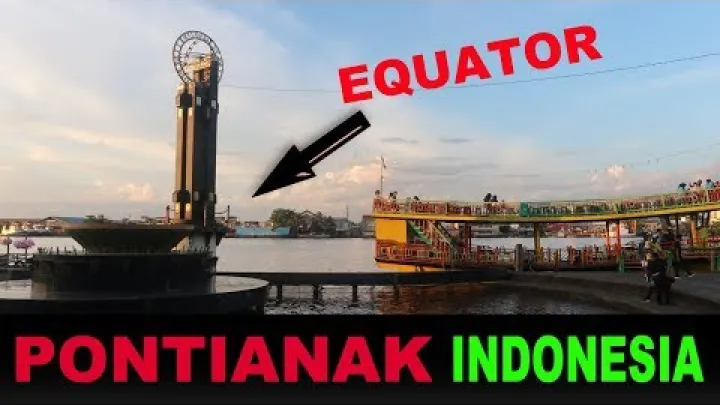
River transport is central to reaching interior towns. Upstream routes from Pontianak connect to Sintang and Putussibau, with travel times influenced by water levels and vessel type. Typical journeys can range from a long day to several days for remote stretches, especially in the upper Kapuas basin. The province’s population is among Kalimantan’s largest, with Pontianak anchoring government services and trade.
Central Kalimantan (Palangkaraya)
Central Kalimantan is defined by extensive peatlands and lowland forests, with Sebangau National Park conserving important habitats for orangutans and other wildlife. Palangkaraya functions as the administrative capital, connected by roads and rivers such as the Kahayan and Katingan. The province uses WIB (UTC+7), and riverboats remain important for interior access during periods when roads are affected by rain and flooding.
Peat restoration and fire management are active priorities. Programs led by national and provincial agencies include canal blocking to raise water tables, rewetting peat domes, community fire brigades, and early warning systems. These initiatives aim to reduce smoke episodes and protect both biodiversity and local livelihoods built on agroforestry and fisheries.
South Kalimantan (Banjarmasin)
South Kalimantan centers on the Barito basin, with Banjarmasin known for its network of rivers and canals. The economy includes coal logistics, bulk terminals, and ports such as Trisakti, as well as traditional floating markets that connect rural producers to urban buyers. The province runs on WITA (UTC+8) and continues to improve road links with neighboring provinces.
![Preview image for the video "BANJARMASIN TRIP | Visit to Lok Baintan Floating Market and Depot Sari Patin [4K]".](/sites/default/files/styles/media_720x405/public/oembed_thumbnails/2025-10/MBWuciqe0Ur1nuBDr29ljDWc8KUd0wWV4n8K4cS3CvY.jpg.webp?itok=OBkIFQAY "Preview image for the video \"BANJARMASIN TRIP | Visit to Lok Baintan Floating Market and Depot Sari Patin [4K]\".")
Recent years have seen expanding cargo throughput dominated by bulk commodities, with annual volumes commonly described in tens of millions of tons across ports in the wider region. Complementary sectors include timber products, construction materials, and river-based transport services, which support small businesses and regional trade.
North Kalimantan (Tanjung Selor)
North Kalimantan, formed in 2012, is Indonesia’s newest province. It features large forested areas, substantial river systems, and low population density relative to the southern provinces. Key towns include Tanjung Selor (the capital), Tarakan, and Malinau. Cross-border ties with Sabah, Malaysia, shape trade and mobility for both goods and workers.
The province hosts the Kalimantan Industrial Park Indonesia (KIPI) area near Bulungan, designed for low-carbon industry. Plans reference renewable and cleaner energy sources—particularly large-scale hydropower in the wider region—alongside gas and solar to support energy-intensive processing. Capacity targets and anchor tenants are phased, and public statements may evolve with permitting, financing, and grid development.
Rivers and transport corridors
Rivers are the backbone of transport, settlement, and commerce in Kalimantan. They provide access to interior districts where roads remain limited or seasonally constrained, and they support fisheries and ecotourism. Understanding seasonal water levels and key tributaries is important for planning reliable travel and shipments.
The Kapuas in the west and the Mahakam in the east are the most prominent rivers, each supporting different mixes of industries and communities. Barges move bulk commodities, while smaller boats handle passengers and light cargo. Lakes linked to these rivers serve as critical habitats and support local livelihoods.
Kapuas River (West Kalimantan)
At roughly 1,143 km, the Kapuas is Indonesia’s longest river. It supports transport, fisheries, and settlements from Pontianak to the interior highlands near the border with Sarawak. The Kapuas basin includes important protected and managed areas, such as the lake-rich landscapes around Danau Sentarum that help regulate water flows and sustain biodiversity.

Main tributaries include the Melawi, Landak, and Sekayam rivers, which feed trade into towns like Sintang and Sanggau. Travel times vary by vessel and season: Pontianak to Sintang can take from a long day to well over 24 hours, and Pontianak to Putussibau often requires several days. Seasonal water levels shape navigation conditions, flood risk, and the availability of certain routes.
Mahakam River (East Kalimantan)
The Mahakam runs about 980 km, with Samarinda as a major port along its banks. It is essential for barge transport of coal and timber and for passenger and cargo access to interior districts. The river connects to lakes such as Jempang, Melintang, and Semayang, which support fisheries and wetland habitats.
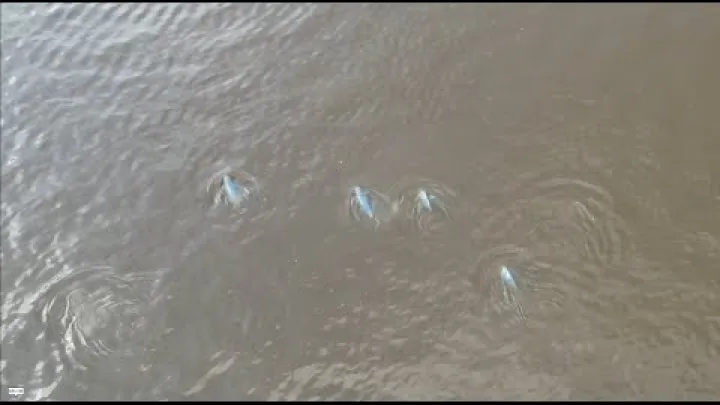
The Mahakam also hosts a freshwater Irrawaddy dolphin population of high conservation concern. This subpopulation is critically small and protected; responsible viewing requires keeping a safe distance, idling engines near sightings, and avoiding sudden noise. Local guidelines and licensed guides help reduce disturbance and increase the chance of respectful encounters.
Economy and industry
Kalimantan’s economy combines long-standing extractive sectors with a shift toward value addition, logistics, and services. Energy, mining, forestry, and plantations anchor many districts, while emerging industrial parks and infrastructure around ports and the new capital aim to broaden the base. Policy priorities include environmental safeguards, rehabilitation, and community inclusion.
Growth nodes cluster around Balikpapan, Samarinda, Bontang, Pontianak, Banjarmasin, Tarakan, and the Nusantara area. Connectivity to Java, Sulawesi, and international markets supports diversification in manufacturing, construction, and technology services.
Coal mining and exports
East and South Kalimantan are major coal-producing hubs that supply power and industrial users across Asia. Barging along the Mahakam and Barito rivers connects inland mines to coastal terminals for loading onto larger vessels. Coal services support a wide ecosystem of contractors, equipment suppliers, and port operations.
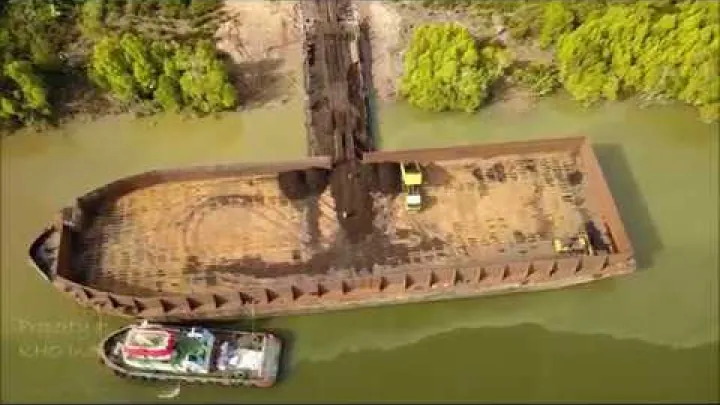
In recent years, Indonesia’s total coal output has been reported in the hundreds of millions of tons, with East and South Kalimantan contributing a large share. Top export destinations typically include India, China, and Southeast Asian markets. Policy priorities emphasize mine reclamation, monitoring of river sedimentation, and downstream value addition such as coal upgrading and power-linked industries.
Palm oil and smallholder certification
Palm oil is produced across West, Central, and East Kalimantan by large estates and independent smallholders. Certification frameworks include the Roundtable on Sustainable Palm Oil (RSPO) and the Indonesian Sustainable Palm Oil (ISPO) standard, which aim to improve environmental and social performance. Key program themes include yield improvement, traceability, land legality, and deforestation-free supply chains.

Smallholder certification uptake has grown but remains uneven, reflecting costs, documentation needs, and extension service capacity. Typical smallholder plots range from about 2 to 4 hectares, often managed by family labor with cooperative support. Multi-stakeholder initiatives work on seed quality, fertilizer management, and access to finance to raise yields and meet market requirements.
Oil, gas, and manufacturing
East Kalimantan hosts LNG processing in Bontang and refinery operations and services around Balikpapan. Upgrades to refining capacity, logistics parks, and warehousing aim to increase domestic fuel reliability and industrial competitiveness. These assets provide a base for chemicals, building materials, and maintenance services linked to offshore and onshore energy.

Manufacturing clusters are expanding around ports and the Nusantara region, while North Kalimantan’s KIPI targets low-carbon industries. Project timelines and anchor tenants are being developed in phases, with an emphasis on cleaner energy inputs and higher-value processing such as metals, petrochemicals, and components for renewable energy supply chains.
Environment and wildlife
Kalimantan’s forests, rivers, and peatlands store significant carbon and support unique biodiversity. These landscapes face pressures from land-use change and fire, especially in drought years. Conservation programs integrate protected areas, community forestry, and landscape planning to balance livelihoods and ecological integrity.
Wildlife tourism and research are concentrated in national parks and river corridors. Visitors can support conservation by using licensed guides, respecting distances from wildlife, and choosing operators that follow environmental best practices.
Deforestation, peatlands, and fires
Kalimantan contains extensive peatlands, estimated at about 11.6 million hectares across multiple provinces. During severe droughts, peat fires can produce large emissions; in 2019, Indonesia’s fire-related emissions were estimated in the hundreds of millions of tons of CO2 equivalent, with Kalimantan contributing a substantial share. Such figures vary by method and year, and uncertainty ranges should be considered when comparing sources.

Risk reduction focuses on peat restoration, canal blocking, rewetting, and early warning systems, supported by local fire brigades and community outreach. Province-level conditions differ with peat distribution, rainfall, and land-use history, so interventions are tailored to landscapes such as Central Kalimantan’s peat domes and coastal peat-swamp mosaics elsewhere.
Orangutans and conservation corridors
Bornean orangutan habitats in Kalimantan include Tanjung Puting, Sebangau, and Kutai National Parks, along with surrounding production forests and community-managed lands. The species is listed as Critically Endangered by the IUCN. Principal threats include habitat loss, fragmentation, human–wildlife conflict, and fire.
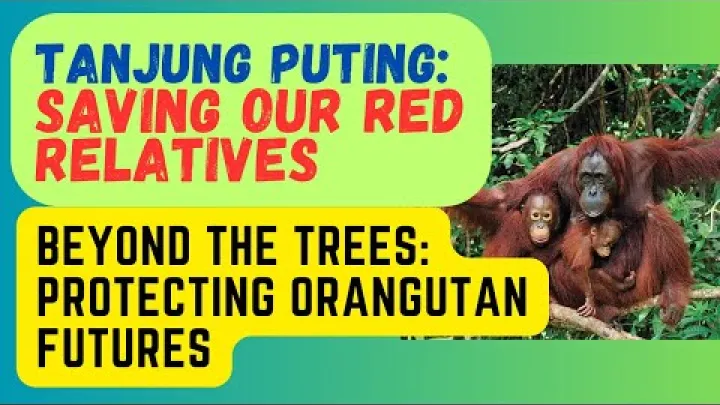
Conservation corridors and landscape connectivity help reduce isolation of subpopulations and maintain gene flow. Community forestry, restoration, and ecotourism create incentives to keep forests standing while supporting local livelihoods. Visitors can contribute by following park rules, keeping distance, and avoiding any direct contact or feeding.
Dayak cultures and living traditions
Longhouses, customary law, and forest knowledge remain central even as migration, education, and urban work reshape daily life. Engaging respectfully with communities means understanding local protocols and seeking consent for activities and photography.
Art, belief, and place-based identity connect households to rivers and forests. Many communities combine traditional livelihoods with wage labor, commerce, and tourism, resulting in diverse transitions across provinces.
Longhouses, customary law, and livelihoods
Dayak longhouses—called rumah betang in parts of Central Kalimantan and lamin in many communities of East Kalimantan—serve as social and cultural centers. They provide shared spaces for ceremonies, governance, and cooperation across households. Adat (customary law) guides land use, conflict resolution, and resource sharing, and it interacts with state law through recognized mechanisms.
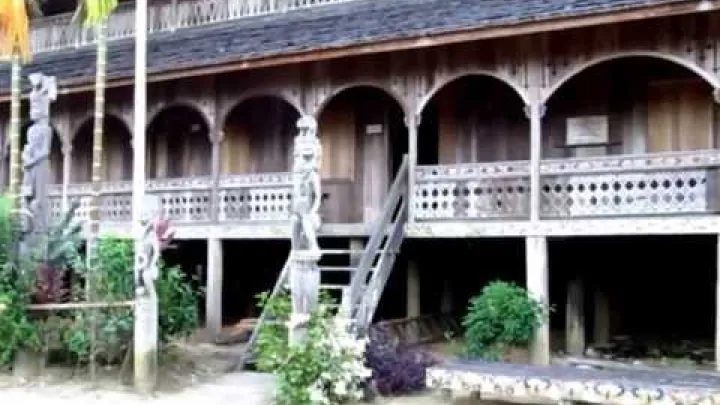
Diversity is significant across groups such as the Ngaju, Kenyah, and Iban, among others. Livelihoods often blend shifting cultivation, rubber or pepper agroforestry, hunting and fishing, and wage labor tied to timber, mining, or services. Community-based initiatives link traditional knowledge to conservation, mapping, and sustainable enterprise.
Beliefs, arts, and contemporary transitions
Religious landscapes blend indigenous beliefs with Christianity and Islam. Community events mark agricultural cycles and rites of passage, with timing and names varying by district and group.

Urbanization and education are reshaping identity and youth opportunities. Many young people move between towns and villages for study and work, contributing to new forms of cultural expression and entrepreneurship. Visitors should confirm local calendars and protocols with host communities to ensure respectful participation in events.
Nusantara: Indonesia’s new capital in East Kalimantan
The project sits near major oil, gas, and logistics assets in East Kalimantan, connecting to Balikpapan and Samarinda. It is expected to catalyze housing, services, and technology sectors while requiring careful planning to protect surrounding forests and water systems.
Location, timeline, and green city goals
Nusantara is located between Penajam Paser Utara and Kutai Kartanegara, near Balikpapan on the Makassar Strait. The master plan targets at least 75% green space and integrates low-emission transport, efficient buildings, and nature-based solutions for flood and heat resilience. Government institutions are slated to relocate in phases, with core functions arriving earlier and broader development continuing through 2045.

Costs, phasing, and detailed milestones may change as works progress. For the latest official updates, the Nusantara Capital Authority provides public statements on timelines, environmental safeguards, and land-use planning. Businesses and residents should track these updates to align logistics, staffing, and compliance.
Access: toll road and airport plans
Road access links the capital area to the Balikpapan–Samarinda toll road, with new spurs designed to connect key precincts. Sultan Aji Muhammad Sulaiman International Airport in Balikpapan is the main current gateway for most domestic and international arrivals, offering frequent links to Jakarta, Surabaya, Makassar, and other hubs.
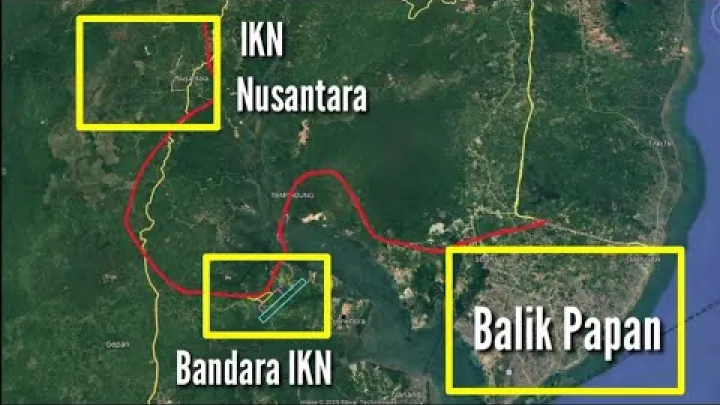
Naming conventions and opening years may be adjusted as projects move from design to execution, so travelers and suppliers should verify details close to travel or shipment dates.
Travel and seasonality
Kalimantan’s travel patterns follow the rivers and the monsoon. Interior access improves in the drier months, while rainier periods can offer cooler conditions and greener landscapes. Wildlife viewing is concentrated in national parks and along river corridors, where permits and licensed guides support safe and responsible visits.
Major gateways include Balikpapan, Pontianak, Banjarmasin, Samarinda, and Tarakan. Local operators arrange boats, accommodation, and transport to interior communities. Planning flexibility helps manage weather-related changes to itineraries.
National parks and river cruises
Multi-day klotok river cruises provide access to feeding platforms, research stations, and community visits. Typical trips run 2–4 days, with longer itineraries combining forest walks, night cruises for nocturnal wildlife, and cultural stops.

Permits and licensed guides are recommended and often required. Operators typically manage park entry, boat crew, and meals, with briefings on wildlife etiquette and waste management. Booking with established providers helps ensure safety, respect for local customs, and contributions to conservation and community benefits.
Best time to visit and responsible practices
The drier months from June to October generally favor river travel and wildlife viewing, while rains peak from November to May. Annual rainfall across Kalimantan commonly ranges from about 2,000 to over 3,500 mm, with microclimates by province: coastal West Kalimantan can be wetter at times, while parts of East Kalimantan may see more defined dry spells. Always check local conditions.
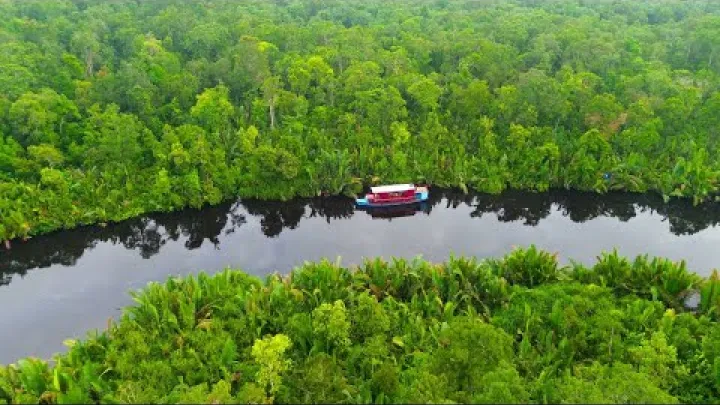
Responsible practices include maintaining distance from wildlife, following guide instructions, avoiding feeding, and minimizing single-use plastics. Respect dress codes and customs, seek permission for photos in villages, and support community-based operators that employ local staff and follow environmental standards.
Food systems and agriculture
Kalimantan’s food systems reflect its humid tropics, river networks, and varied soils. Urban centers rely on supplies from Java and inter-island trade, while hinterlands draw from river fisheries, agroforestry, and local crops. Improving storage, cold chains, and transport can reduce losses and widen market access for small producers.
Diversification strategies include sago, cassava, horticulture, and aquaculture, along with agroforestry systems that integrate rubber, pepper, fruit trees, and timber.
Climate, soils, and topography
Kalimantan’s equatorial climate brings high humidity and rainfall spread across the year, with local peaks and lulls depending on monsoon patterns. Landforms range from low-lying coastal plains and peat swamps to interior hills and plateaus, shaping transport and crop choices. Riverine systems provide irrigation and access but also pose flood risks.

Soils include peat, alluvial, and sandy types. Peat and wet alluvium require careful water management—ditch spacing, canal gates, raised beds—to maintain yields and reduce subsidence. Sandy soils benefit from organic matter inputs and mulching. Drainage and flood management are central to farm planning, especially in low-lying districts.
Food security and diversification
Urban centers import staples such as rice, cooking oil, and processed goods, while rural districts rely on local produce, river fish, and forest products. Diversification strategies include sago, cassava, horticulture, and aquaculture, along with agroforestry systems that integrate rubber, pepper, fruit trees, and timber.

Examples vary by province: West Kalimantan markets pepper, fruits, and river fish; Central Kalimantan produces sago and rattan from floodplain landscapes; South Kalimantan’s Barito basin supports aquaculture and smoked fish; North Kalimantan and Tarakan are known for seaweed and shrimp; East Kalimantan supplies vegetables to urban markets around Balikpapan and Samarinda. Cold-chain upgrades and logistics hubs help reduce spoilage and connect producers to new buyers.
Risks, trade-offs, and outlook
Balancing development with environmental and social safeguards remains the central challenge in Kalimantan. New infrastructure, industrial parks, and plantations can bring jobs and services while also increasing pressure on forests, peatlands, and water resources. Inclusive planning and credible enforcement are essential to realize benefits and manage risks.
Population growth in coastal and riverine cities creates demand for housing, transport, water, and waste services. Digital connectivity and skills training can help residents access new opportunities in logistics, construction, and the service economy linked to projects like Nusantara.
Development versus conservation
Industrial growth and plantations compete with forest and peat protection in several districts. Policy tools include protected-area networks, environmental permits and impact assessments, and a permanent moratorium on new permits in primary forests and peatlands. These tools aim to steer activity to already-degraded lands and reduce fragmentation.
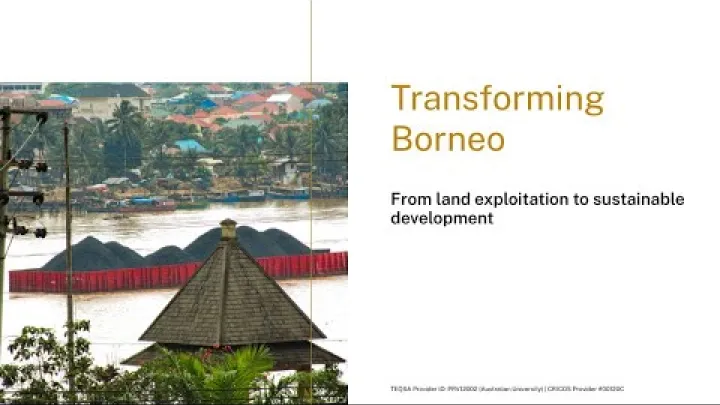
Enforcement mechanisms combine licensing reviews, satellite-based monitoring, and on-the-ground inspections. Multi-stakeholder platforms work on conflict resolution, community benefits, and restoration of degraded areas. Transparent data and clear land tenure improve outcomes for companies and communities alike.
Urbanization and service delivery
Growth in Balikpapan, Samarinda, and the Nusantara area increases demand for water supply, wastewater treatment, solid waste management, affordable housing, and public transport. Coordinated planning across municipalities can align land use, transit, and utilities while protecting riparian buffers and green space.
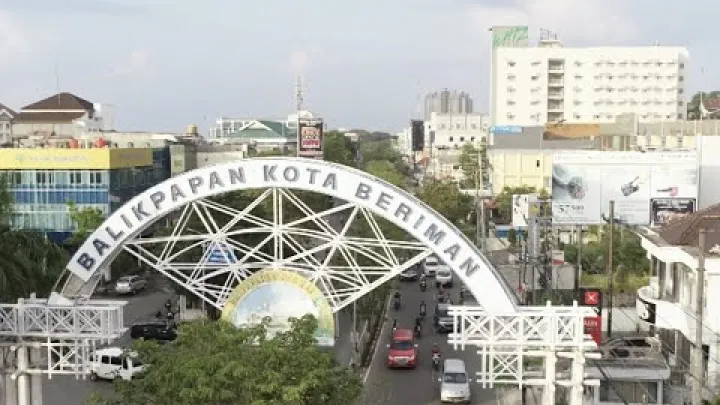
Digital connectivity and skills programs help new residents and firms integrate into regional value chains. Urban growth rates vary by district, with some corridors experiencing robust annual increases. Planning for resilience—flood control, heat management, and emergency services—will be central to sustainable urbanization.
Frequently Asked Questions
Where is Kalimantan located within Indonesia and what part of Borneo does it cover?
Kalimantan is the Indonesian region of Borneo, covering about 73% of the island (approximately 534,698 km²). It straddles the equator in Maritime Southeast Asia, north of Java and east of Sumatra. Landscapes include coastal lowlands, peat swamps, and interior highlands.
Which provinces make up Kalimantan and what are their key cities?
The five provinces are East, West, Central, South, and North Kalimantan. Key cities include Samarinda and Balikpapan (East), Pontianak (West), Palangkaraya (Central), Banjarmasin (South), and Tanjung Selor and Tarakan (North).
What is Nusantara and where is Indonesia’s new capital located in Kalimantan?
Nusantara is Indonesia’s planned administrative capital in East Kalimantan between Penajam Paser Utara and Kutai Kartanegara, near Balikpapan. The plan targets at least 75% green space with phased development through 2045.
What animals are native to Kalimantan and where can visitors see them responsibly?
Flagship wildlife includes orangutans, proboscis monkeys, hornbills, and Irrawaddy dolphins (Mahakam). Responsible viewing is available in Tanjung Puting, Sebangau, and Kutai National Parks and along the Mahakam River with licensed guides.
When is the best time to visit Kalimantan for wildlife and river travel?
June to October is typically drier and better for boat access. November to May is wetter, which can bring cooler conditions and lusher forests but may limit some routes. Always check local forecasts before travel.
What are the main rivers in Kalimantan and why are they important?
The Kapuas (about 1,143 km) in West Kalimantan and the Mahakam (about 980 km) in East Kalimantan are the main rivers. They act as transport corridors for communities and industry, support fisheries, and anchor tourism.
What time zone is East Kalimantan in?
East Kalimantan follows Central Indonesia Time (WITA), which is UTC+8. This is one hour ahead of Jakarta (WIB, UTC+7).
How is the economy of Kalimantan changing beyond coal and palm oil?
Diversification includes gas and petrochemicals, refined palm products, construction materials, logistics, and services linked to the new capital. Industrial parks aim to support low-carbon manufacturing and technology sectors.
Conclusion and next steps
Kalimantan, Indonesia combines vast forests and river systems with growing cities and industrial hubs. Its five provinces differ in economy and access, yet all rely on waterways, resilient infrastructure, and careful land management. As Nusantara develops, inclusive planning, environmental safeguards, and community partnerships will shape how the region balances growth with conservation.
Select area
Create a post
Posting is free and no registration is required.