Indonesia New Capital (Nusantara): Location, Progress, Challenges, and Future

Indonesia is embarking on a historic journey by relocating its capital from Jakarta to a newly planned city called Nusantara. This bold move is driven by urgent environmental, social, and economic challenges facing Jakarta, as well as a vision to create a more balanced and sustainable future for the nation. In this article, you will discover why Indonesia is moving its capital, where Nusantara is located, the progress of its development, the environmental and social impacts, the challenges and controversies surrounding the project, and what the future holds for this ambitious new capital city.
Why Is Indonesia Moving Its Capital?

The decision to move Indonesia’s capital is rooted in a combination of pressing issues in Jakarta and long-term national development goals. Jakarta, the current capital, has been struggling with severe overpopulation, chronic flooding, land subsidence, and traffic congestion. These problems have not only affected the quality of life for millions of residents but have also hindered economic growth and created regional imbalances. By relocating the capital, Indonesia aims to address these challenges, promote more equitable development across the archipelago, and establish a modern administrative center that reflects the country’s aspirations.
Historically, the idea of moving the capital has been discussed for decades, but recent events have made the need more urgent. The government’s plan is not just about building a new city; it is about shaping Indonesia’s future, ensuring resilience against environmental threats, and fostering inclusive growth. The move is also intended to symbolize a new era for Indonesia, one that is more sustainable, technologically advanced, and representative of the nation’s diverse regions.
Reasons for Relocating from Jakarta

Jakarta faces a unique set of challenges that have made it increasingly unsustainable as Indonesia’s capital. One of the most critical issues is flooding, which occurs regularly due to heavy rainfall, poor drainage, and the city’s low-lying geography. In 2020, for example, severe floods displaced tens of thousands of residents and caused significant economic losses. Land subsidence is another major problem; parts of Jakarta are sinking by up to 25 centimeters per year, largely because of excessive groundwater extraction. This has made the city even more vulnerable to sea-level rise and coastal flooding.
Traffic congestion in Jakarta is among the worst in the world, with daily commutes often taking several hours. This not only reduces productivity but also contributes to air pollution and health problems. Additionally, the concentration of economic and political power in Jakarta has led to significant regional disparities, with other parts of Indonesia lagging behind in development. By moving the capital, the government hopes to alleviate these pressures, distribute growth more evenly, and create a more resilient administrative center.
Historical and Cultural Context

The relocation of Indonesia’s capital is not without precedent in the country’s history. Since independence, there have been discussions about moving the capital to promote national unity and development. The current plan draws inspiration from past national development strategies, such as the transmigration program, which aimed to redistribute population and resources across the archipelago. The move to Nusantara is seen as a continuation of these efforts, reflecting Indonesia’s ongoing quest to balance its diverse regions and create a more inclusive national identity.
The term has deep historical roots, symbolizing the unity of Indonesia’s many islands and ethnic groups. By establishing Nusantara as the new capital, the government is sending a message about the importance of national integration and the country’s commitment to building a future that honors its rich cultural heritage while embracing modernity.
Where Is the New Capital of Indonesia Located?
The new capital of Indonesia, Nusantara, is being constructed in East Kalimantan on the island of Borneo. This location was chosen for its strategic advantages, including its central position within the Indonesian archipelago and its relative safety from natural disasters such as earthquakes and volcanic eruptions. Nusantara is situated between the North Penajam Paser and Kutai Kartanegara regencies, offering ample space for development and proximity to existing infrastructure.
East Kalimantan is known for its rich natural resources and biodiversity, making it a region of both economic and environmental significance. The selection of this site reflects the government’s intention to promote growth outside of Java, Indonesia’s most populous island, and to create a new administrative and economic hub that can drive national progress. Below is a summary of key facts about the location of Nusantara:
| Key Fact | Details |
|---|---|
| Location | East Kalimantan, Borneo Island |
| Coordinates | Approx. 0.7°S, 116.4°E |
| Nearby Cities | Balikpapan (approx. 50 km), Samarinda (approx. 130 km) |
| Regencies | North Penajam Paser, Kutai Kartanegara |
| Regional Significance | Central location, resource-rich, less disaster-prone |
Location and Name of the New Capital

The new capital is officially named “Nusantara,” a word that means “archipelago” in the Indonesian language. This name was chosen to reflect the unity and diversity of Indonesia, which is made up of more than 17,000 islands. Nusantara is located between the North Penajam Paser and Kutai Kartanegara regencies in East Kalimantan, providing a strategic midpoint between the eastern and western parts of the country.
The significance of the name “Nusantara” goes beyond geography. Historically, the term has been used to describe the vast maritime realm of the Indonesian archipelago, symbolizing the interconnectedness of its many cultures and regions. By naming the new capital Nusantara, Indonesia is emphasizing its identity as a nation of islands and its commitment to unity in diversity.
Why East Kalimantan Was Chosen

East Kalimantan was selected as the site for Indonesia’s new capital for several strategic, environmental, and logistical reasons. Unlike Java, which is densely populated and prone to natural disasters such as earthquakes and volcanic eruptions, East Kalimantan offers a more stable environment. The region is less susceptible to seismic activity, making it a safer location for critical government infrastructure.
Additionally, East Kalimantan’s central position within Indonesia makes it accessible from all parts of the country, supporting the goal of balanced national development. The area has existing transportation links, including ports and airports, and is rich in natural resources, which can support the city’s growth. The government also considered the availability of land and the potential to minimize disruption to existing communities, although environmental and social concerns remain important considerations.
Planning, Development, and Current Progress

The development of Nusantara is a massive undertaking, involving multiple phases, a complex governance structure, and significant investment. The project is being managed by a dedicated authority, with oversight from various government ministries and agencies. The planning process has been guided by principles of sustainability, inclusivity, and technological innovation, with the aim of creating a world-class capital city.
Construction began in 2022, with the first phase focusing on essential government buildings, infrastructure, and housing for civil servants. The project is expected to unfold over several years, with key milestones including the relocation of government offices and the gradual expansion of public services and amenities. Below is a summary timeline of major milestones and projected completion dates:
| Milestone | Projected Date | Status |
|---|---|---|
| Groundbreaking | 2022 | Completed |
| Phase 1: Core Government Zone | 2022–2024 | Ongoing |
| Relocation of Key Ministries | 2024–2025 | Planned |
| Expansion of Public Infrastructure | 2025–2027 | Upcoming |
| Full Operational Status | 2030 | Projected |
Project Structure and Governance

The planning and execution of Nusantara’s development are overseen by the Nusantara Capital City Authority (Otorita Ibu Kota Nusantara), a special government agency established to coordinate all aspects of the project. This authority works closely with the Ministry of National Development Planning, the Ministry of Public Works and Housing, and other relevant agencies to ensure that the project aligns with national priorities and regulations.
The governance structure is designed to streamline decision-making and facilitate collaboration between central and local governments, as well as private sector partners. The authority is responsible for land acquisition, urban planning, infrastructure development, and the management of public services in the new capital. This centralized approach aims to overcome bureaucratic hurdles and ensure that the project stays on track.
Construction Milestones and Timeline
The construction of Nusantara is being carried out in several phases, each with specific goals and deliverables. The initial phase, which began in 2022, focused on preparing the site, building access roads, and laying the foundations for key government buildings. By 2023, significant progress had been made on the presidential palace, parliamentary complex, and housing for civil servants.
Future phases will include the development of public infrastructure such as schools, hospitals, and transportation networks, as well as the expansion of residential and commercial areas. The government has set ambitious targets, aiming to relocate the first wave of government employees by 2024–2025 and achieve full operational status by 2030. Regular progress updates are provided to the public, and the project’s timeline is adjusted as needed to address challenges and ensure quality.
Investment and Economic Strategy

Financing the development of Nusantara requires a combination of public funds, private investment, and international partnerships. The government has allocated a portion of the national budget to cover core infrastructure and administrative buildings, while encouraging private sector participation through public-private partnership (PPP) models. These partnerships are expected to play a key role in building housing, commercial facilities, and supporting infrastructure.
The economic strategy behind Nusantara is to create a new growth center that can attract investment, generate jobs, and stimulate regional development. By diversifying economic activity beyond Java, Indonesia aims to reduce regional disparities and foster innovation. The government has also introduced incentives for investors, such as tax breaks and streamlined permitting processes, to encourage participation in the project.
Environmental and Social Impacts

The construction of Indonesia’s new capital in East Kalimantan has raised important questions about environmental sustainability and social equity. The region is home to vast rainforests, unique biodiversity, and indigenous communities whose lives and livelihoods could be affected by the project. Concerns include deforestation, loss of habitat for endangered species, and the displacement of local populations. At the same time, the government and various organizations are working to implement mitigation strategies to minimize negative impacts and promote inclusive development.
Balancing the need for national development with the protection of the environment and the rights of indigenous peoples is a central challenge for the Nusantara project. Ongoing dialogue with stakeholders, transparent decision-making, and the adoption of best practices in sustainable urban planning are essential to achieving these goals.
Deforestation and Environmental Concerns

One of the most significant environmental challenges associated with the development of Nusantara is the risk of deforestation. East Kalimantan’s rainforests are among the most biodiverse in the world, providing habitat for endangered species such as orangutans, sun bears, and clouded leopards. Large-scale construction threatens to fragment these habitats, increase carbon emissions, and disrupt local ecosystems.
To address these concerns, the government has pledged to implement green building standards, preserve key conservation areas, and reforest degraded land. Environmental impact assessments are conducted for each phase of the project, and partnerships with NGOs aim to monitor biodiversity and promote sustainable land use. While these measures are promising, ongoing vigilance and community involvement are needed to ensure that environmental risks are effectively managed.
Indigenous Communities and Social Equity

The relocation of the capital also has significant implications for indigenous communities living in and around the project area. These groups have deep cultural and historical ties to the land, and their rights must be respected throughout the development process. Issues such as land ownership, compensation, and social integration are at the forefront of public debate.
The government has committed to engaging with local communities, providing fair compensation for land acquisition, and supporting social programs to facilitate integration. Efforts are also being made to preserve cultural heritage and ensure that indigenous voices are included in decision-making. However, some advocacy groups have raised concerns about the adequacy of these measures, highlighting the need for ongoing dialogue and transparent processes to promote social equity.
Challenges and Controversies

Despite its ambitious goals, the Nusantara project faces a range of challenges and controversies. Political debates have emerged over the cost, timing, and priorities of the relocation, with some critics questioning whether resources could be better spent addressing existing problems in Jakarta and other regions. Financial hurdles, including funding gaps and the need for sustained investment, have also posed obstacles to progress.
Public skepticism remains, particularly regarding the environmental impact, the potential for social disruption, and the ability of the new capital to attract residents and businesses. The government has responded by increasing transparency, engaging with stakeholders, and adjusting plans to address concerns. Nevertheless, the success of Nusantara will depend on the ability to overcome these challenges and build broad-based support for the project.
Political and Financial Issues

The decision to move Indonesia’s capital has sparked significant political debate, both within the government and among the public. Some lawmakers and civil society groups have questioned the urgency and scale of the project, arguing that funds might be better allocated to improving infrastructure and services in existing cities. Legislative hurdles, such as the passage of enabling laws and the allocation of budget resources, have at times slowed progress.
Financially, the project’s estimated cost runs into tens of billions of dollars, requiring a mix of public and private funding. Delays in securing investment, fluctuations in the global economy, and competing national priorities have all contributed to funding gaps. The government continues to seek international partners and innovative financing models to ensure the project’s viability.
Infrastructure and Livability Concerns
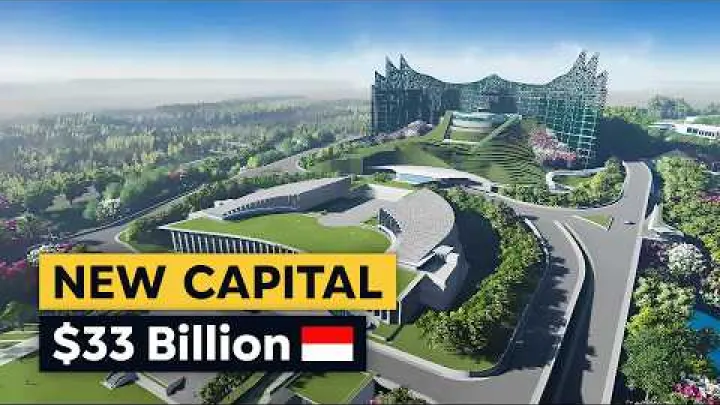
Building a new capital from the ground up presents unique challenges in terms of infrastructure and livability. Essential services such as water supply, electricity, healthcare, and education must be established to attract residents and businesses. Ensuring reliable transportation links, both within the city and to other parts of Indonesia, is also critical for the city’s success.
There are concerns about whether Nusantara can quickly develop the amenities and quality of life needed to draw people away from Jakarta and other established urban centers. The government is addressing these issues by prioritizing the construction of core infrastructure, offering incentives to early movers, and promoting the city as a model for sustainable and inclusive urban living.
Vision for Nusantara: A Smart and Sustainable City

The vision for Nusantara is to create a capital city that is not only functional and efficient but also smart, green, and inclusive. The government aims to leverage the latest technologies in urban planning, digital infrastructure, and environmental management to set a new standard for capital cities worldwide. Sustainability is at the heart of the project, with plans for extensive green spaces, renewable energy, and low-carbon transportation systems.
Nusantara is also envisioned as a city that promotes social inclusion, transparency, and citizen participation. By integrating best practices from other global capitals and adapting them to Indonesia’s unique context, the project aspires to create a city that is both innovative and deeply rooted in the nation’s cultural heritage.
- Smart city technologies: digital government services, integrated public transport, and real-time data monitoring
- Sustainability initiatives: green buildings, renewable energy, and urban forests
- Social inclusion: affordable housing, accessible public spaces, and community engagement
Technological Innovations and Urban Planning

Nusantara is being designed as a smart city from the outset, incorporating advanced technologies to improve efficiency, sustainability, and quality of life. Digital infrastructure will enable seamless government services, smart traffic management, and real-time environmental monitoring. Plans include the deployment of high-speed internet, integrated public transport systems, and the use of data analytics to optimize city operations.
Urban planning emphasizes walkability, green spaces, and mixed-use development to create vibrant, livable neighborhoods. The city will feature extensive parks, urban forests, and water management systems to enhance resilience and promote well-being. These innovations are intended to position Nusantara alongside other leading global capitals in terms of sustainability and technological advancement.
Social Inclusion and Governance

The governance model for Nusantara is designed to promote transparency, accountability, and citizen participation. The city’s administration will leverage digital platforms to facilitate public engagement, provide access to information, and enable residents to contribute to decision-making processes. Social inclusion is a key priority, with policies aimed at ensuring affordable housing, accessible public services, and opportunities for all segments of society.
Efforts are also being made to foster a sense of community and cultural identity, drawing on Indonesia’s rich heritage and diversity. By prioritizing inclusive governance and social equity, Nusantara aims to become a model for other cities in Indonesia and beyond.
Frequently Asked Questions
What is the new capital of Indonesia?
The new capital of Indonesia is called Nusantara. It is being built in East Kalimantan on the island of Borneo to replace Jakarta as the nation’s administrative center.
Why is Indonesia moving its capital?
Indonesia is moving its capital to address severe challenges in Jakarta, such as overpopulation, flooding, land subsidence, and congestion, and to promote more balanced national development.
What is the name of Indonesia’s new capital?
The new capital is named Nusantara, which means “archipelago” in Indonesian, symbolizing the unity and diversity of the country’s many islands.
Where is Nusantara located?
Nusantara is located in East Kalimantan province, between the North Penajam Paser and Kutai Kartanegara regencies on the island of Borneo.
What are the main challenges facing the new capital?
Main challenges include environmental concerns such as deforestation, the impact on indigenous communities, political debates, funding gaps, and the need to build essential infrastructure and attract residents.
How will the new capital impact the environment and local communities?
The project poses risks of deforestation and habitat loss, and may affect indigenous communities. The government is implementing mitigation strategies, such as conservation efforts and community engagement, to address these impacts.
When will Nusantara be ready for use?
The first phase, including core government buildings, is expected to be completed by 2024–2025, with full operational status projected by 2030.
Who is overseeing the development of Nusantara?
The Nusantara Capital City Authority is the main agency responsible for planning, development, and governance of the new capital, working with various government ministries and private partners.
What makes Nusantara different from Jakarta?
Nusantara is being designed as a smart, sustainable city with advanced technology, green spaces, and inclusive governance, while Jakarta faces challenges like congestion, flooding, and overpopulation.
How can investors participate in the development of Nusantara?
Investors can participate through public-private partnerships, with opportunities in infrastructure, housing, and commercial development. The government offers incentives and streamlined processes to attract investment.
Conclusion
Indonesia’s decision to build a new capital, Nusantara, marks a transformative moment in the nation’s history. Driven by the urgent need to address Jakarta’s challenges and the desire to create a more balanced, sustainable future, Nusantara represents both a practical solution and a bold vision. While the project faces significant environmental, social, and political hurdles, it also offers opportunities for innovation, inclusion, and national unity. As Nusantara continues to take shape, it will be important to monitor its progress, learn from its challenges, and support efforts to build a capital city that reflects the aspirations of all Indonesians. Stay tuned for updates as this ambitious project unfolds and shapes the future of Indonesia.
Select area
Create a post
Posting is free and no registration is required.