Indonesia Beaches: Best Places, When to Go, Top Islands, and Travel Tips

This guide gathers the best beaches in Indonesia by island group, shows when to visit, and shares practical advice for snorkeling, surfing, and trip planning. You will find easy-access spots for first-time visitors and remote islands for world-class marine life. Use the regional sections, seasonal notes, and safety tips to plan a trip that matches your comfort level and interests.
Quick overview of Indonesia’s beach types
Indonesia’s coasts sit at the meeting point of active geology and the Coral Triangle, producing a mix of white, black, and rare pink sands. Knowing what creates each sand type helps you pick beaches that fit your goals, from cooler white sands for long walks to dark volcanic strands that frame dramatic sunsets. Reefs and seasonal currents further shape conditions, creating calm lagoons in some places and swift channels in others.
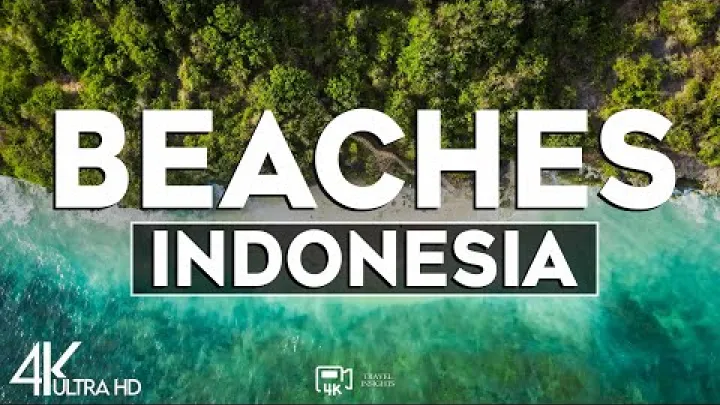
White sand beaches are mostly biogenic, formed from broken coral and shell fragments, so they are common around reef-fringed islands such as Bali’s Nusa Dua, Lombok’s bays, and the Gilis. Black sand beaches arise from eroded volcanic minerals and glass, prevalent in Bali’s north and east and along Java, where they can warm quickly under midday sun. Pink beaches appear where white sand mixes with crushed red foraminifera, a tiny organism found on nearby reefs; the best-known example is in Komodo National Park. Tides and swell can subtly change the look of pink sands by moving the colored fragments higher or lower on the shore, with the hue often appearing richer under low-angle light at sunrise and sunset.
White, black, and pink sands explained
White sand in Indonesia beaches is primarily coral-derived, giving it a powdery feel and a bright look that reflects sunlight and stays comparatively cool. You will find many examples on reef-protected shores where waves break offshore, such as Nusa Dua and Sanur in Bali or the bays of southern Lombok. These beaches are comfortable for lounging, more reflective under strong sun, and often paired with clear, turquoise water due to sandy bottoms.
Black sand forms from volcanic rocks and minerals, which explains its prevalence in areas like Amed and Lovina in Bali or parts of Java. These strands can be spectacular for photography, especially at sunrise and sunset, but they heat up quickly in midday. Wearing sandals or water shoes helps prevent burns when crossing dark sand. Pink beaches, including Komodo’s famous Pink Beach, gain their tint from red foraminifera shells mixed with white grains. The color is subtle in real life and changes with tide, currents, and wave energy; gentle conditions allow pink particles to settle higher on the shore, while bigger swells can redistribute them and reduce the visible tint for a time.
What makes Indonesia’s beaches unique (coral triangle, geology, currents)
Over time, reefs produce biogenic sand that replenishes white beaches and forms sandbars and lagoons. Tectonic activity creates steep headlands, arches, and cliff-backed coves like those in Bali’s Uluwatu and on Nusa Penida. The combination of reef-building processes and dynamic coastlines keeps beach shapes and sand quality changing from season to season.
By contrast, barrier and fringing reefs in areas like Sanur and Nusa Dua break swell offshore and create calmer lagoons suitable for families and less confident swimmers. Understanding where reefs buffer waves and where channels concentrate flow helps you select beaches that match your swimming or snorkeling proficiency.
Best Indonesia beaches by region
From accessible Bali shores to remote Papua archipelagos, Indonesia’s coastline offers a wide spread of experiences. Choose Bali and Lombok for convenience, beginner-friendly surf, and a mix of white and black sands. Consider the Gili Islands and Komodo for easy turtle encounters and manta ray sites, or head to Raja Ampat for top-tier reefs and homestay-based snorkeling. Sumba, Bangka-Belitung, Karimunjawa, and Pulau Weh offer lighter crowds and distinctive scenery if you have extra time.

Top picks at a glance:
- Best first-time base: Bali’s Nusa Dua or Sanur for calm lagoons and services.
- Beginner surf: Selong Belanak, Lombok, and small-swell days in Kuta/Seminyak, Bali.
- Easy turtles: Gili Trawangan, Gili Meno, and calm bays near Amed in Bali.
- Iconic viewpoints and pink beaches: Nusa Penida cliffs and Komodo’s Pink Beach.
- Remote biodiversity: Raja Ampat house reefs near Gam, Kri, and Mansuar.
The table below compares selected regions for planning.
| Region | Highlights | Access | Typical Best Months | Notes |
|---|---|---|---|---|
| Bali (South/North) | Reef-lagoon beaches, Uluwatu coves, black sands in Amed/Lovina | Fly to DPS | Apr–Oct | Uluwatu access tide-dependent; lagoons calmer at Sanur/Nusa Dua |
| Lombok & Gilis | Beginner surf, easy snorkeling with turtles | Fast boat from Bali or fly to LOP | Apr–Oct | Some bays windy in dry season; plan for currents in channels |
| Komodo | Pink Beach, manta encounters, drift snorkels | Fly to LBJ, boat trips in the park | Apr–Oct | Strong currents; licensed operators recommended |
| Raja Ampat | World-class reefs, house reef snorkeling | Fly to SOQ, ferry to Waisai | Oct–Apr (varies) | Conservation fee required; currents site-dependent |
| Sumba | Wild, low-crowd strands, cliffs | Fly to TMC or WGP | May–Sep | Limited services; 4x4 useful for outer beaches |
Bali essentials (Uluwatu coves, Nusa Dua, Sanur, Nusa Penida)
Bali offers a compact sampler of Indonesia beaches, from cliff-backed coves in Uluwatu to reef-lagoon shores at Nusa Dua and Sanur. Uluwatu, Suluban, and nearby breaks are famous for advanced reef surf and photogenic caves, but access is tide-dependent and involves stairs or paths down steep cliffs. In contrast, Nusa Dua and Sanur sit behind protective reefs, creating calmer shallows suited to families, paddleboarding, and gentle swims when conditions are normal.

Plan your transfers with traffic in mind. From Bali’s Ngurah Rai International Airport (DPS), typical road times are about 45–75 minutes to Uluwatu, 20–35 minutes to Nusa Dua, and 25–45 minutes to Sanur in normal conditions. For Nusa Penida, drive 25–45 minutes to Sanur harbor, then take a 30–45 minute fast boat. On Penida, iconic viewpoints such as Kelingking require steep descents with uneven steps, and snorkeling at Crystal Bay or Manta Bay can involve currents; go with local guidance and choose calm windows for entry.
Lombok south coast (Selong Belanak, Tanjung Aan)
The south coast of Lombok is a strong choice if you want quieter beaches than southern Bali and long arcs of sand with beginner-friendly waves. Selong Belanak is known for its sandy bottom and soft, rolling surf, which makes it a reliable spot for first lessons. Tanjung Aan has twin bays and lookout points with changing sand textures that shift from grainy coral to finer white sand around the headlands.

Access is via Kuta Lombok, with roads ranging from smooth to patchy; scooter riders should expect variable surfaces and occasional gravel near beach turnoffs. Reef booties are helpful at reefy entries or when tide drops and exposes shallow patches. Seasonal winds can pick up in the dry months, so aim for mornings for lighter breeze. Board rentals and surf schools operate around Kuta and at Selong Belanak, typically offering soft-top boards for safer practice.
Gili Islands (Trawangan, Meno, Air) for easy snorkeling
The Gili Islands off northwest Lombok deliver simple island logistics, walkable villages, and near-shore reefs where turtles are frequent. Gili Trawangan (Gili T) has a lively scene and turtle-rich drifts along the northeast shore, Gili Meno is quieter with popular underwater statues and seagrass meadows, and Gili Air blends cafes with easy beach entries. With no motorized traffic, you move by foot, bicycle, or horse cart.

Currents can be present between islands and along the outer slopes, so guided drift snorkeling is advisable if you are new to moving water. Check tide tables and plan entries during slack or gentle flow, especially for less experienced swimmers. Many shops provide surface marker buoys, life vests, or short boat shuttles to simplify returns. Choose days with lighter wind for clearer water and steadier snorkeling conditions.
Komodo region and Pink Beach (plus manta encounters)
Komodo National Park pairs unusual beaches with headline marine life. The signature Pink Beach gets its tint from red foraminifera mixing with white sand; the color is usually subtle and varies with wind, swell, and sun angle, often appearing strongest in soft morning or late-afternoon light. Nearby, manta rays visit cleaning stations and feeding areas where supervised drift snorkeling can be exceptional on the right tides.

Trips commonly start in Labuan Bajo (LBJ) with day boats or liveaboards. Expect strong currents and changing conditions that demand flexible plans. Park permits and daily fees apply within Komodo, and it is wise to book licensed operators who brief guests on routes, tide timing, wildlife etiquette, and safety equipment on board. If you are new to currents, pick easier sites first and wear a life vest for added buoyancy in drift snorkels.
Raja Ampat (West Papua) for world-class snorkeling
Raja Ampat is a remote archipelago known for extraordinary biodiversity and photogenic limestone islets. Many homestays and resorts sit next to vibrant house reefs, allowing multiple short snorkels each day without long boat rides. Visibility can be excellent in many areas during the late-year period, and even outside peak windows you can find clear leeward sites with guidance.

Access involves flying to Sorong (SOQ), ferrying to Waisai, and continuing by local boat to islands. A regional marine conservation fee is required for visitors; keep your proof of payment handy as some homestays request it at check-in. Recommended base areas for easy access to top sites include Gam, Kri, and Mansuar. Currents vary by channel and tide, so ask hosts about the best times to swim, and use markers or guides when exploring drop-offs.
Sumba’s wild beaches (Nihiwatu, Bawana)
Sumba offers expansive, low-crowd beaches framed by cliffs and open headlands. Nihiwatu and Bawana are known for long horizons, dramatic rock formations, and intense sunsets. Services are limited once you leave main towns, which keeps the coastline tranquil but requires more self-sufficiency, especially regarding water, fuel, and navigation.

Fly into Tambolaka (TMC) or Waingapu (WGP) and expect overland travel to reach outer beaches. A 4x4 vehicle and a local guide are recommended for rough tracks and accurate tide timing, which matters at headlands and natural arches. Surf windows are seasonal, and the sun is strong; carry shade gear and plan midday breaks. For swimming, choose protected pockets and avoid cliff toe zones during rising tide or heavy swell.
Other standouts (Bangka-Belitung, Karimunjawa, Pulau Weh)
Bangka-Belitung in Sumatra’s east features clear shallows and iconic granite boulders that create photogenic coves. Karimunjawa, off Java’s north coast, offers sandbars, patch reefs, and a relaxed pace on its main islands. Pulau Weh near Sabang in Aceh is a diver favorite that also has calm beaches for unwinding between reef excursions.
Expect lighter crowds than Bali, with logistics that typically involve a domestic flight plus a ferry. As a general guide, Belitung often sees its calmest seas and clearest water between April and October. Karimunjawa tends to be friendliest for boats and snorkeling from about May to October; the monsoon can bring rougher crossings from November to March. Pulau Weh is diveable year-round, with many travelers favoring windows around February–May and September–November for steadier seas and good visibility. Always check local forecasts before committing to crossings.
When to visit: seasons, weather, and crowd patterns
The dry season from April to October usually brings sunnier days, lighter rain, and calmer seas across much of the country, which is why July and August are the busiest months. The wet season from November to March has more humidity and afternoon showers, which lowers prices and crowds but can also reduce visibility and bring choppier conditions in some regions.
Regional differences matter. Eastern Indonesia, including Flores and Sumba, often stays drier and sunnier during parts of the typical wet season, while West Papua (Raja Ampat) can have rainfall spread more evenly across the year with microclimates by island and channel. Crowds rise during national holidays and school breaks, especially around late December–early January and during major festive periods. If you want good weather without peak density, shoulder months can provide a helpful balance in many island groups.
Dry season vs wet season (April–October vs November–March)
The dry season aligns with classic beach weather for many destinations: warm days, favorable wind patterns, and cleaner swell. In Bali and Lombok, this often means better visibility for snorkeling and more predictable surf. July–August is peak for visitor numbers, so plan ahead for accommodations and transport if those dates are fixed.
Wet season does not mean constant rain. Showers often arrive in the late afternoon or evening, leaving mornings usable for snorkeling or beach walks. In eastern Indonesia, including areas around Komodo and parts of Sumba, rainfall can be lighter than in western islands during some wet-season weeks. In West Papua, conditions vary by microregion, and you can still find clear sites with local guidance. Always check local wind and swell forecasts because pockets of strong trades or stormy weather can occur in any season.
Best value months and visibility for snorkeling/diving
For many travelers, the sweet spot is April–May and September–October, when seas are often calm, accommodation rates are more attractive than in peak months, and beaches are less crowded. In Bali–Lombok, typical dry-season visibility can range roughly from 10 to 30 meters depending on site and swell, with the best windows often May through October. In Komodo, calmer months bring good snorkeling in leeward bays, but currents remain strong at passes year-round.

Raja Ampat can deliver good snorkeling throughout the year by choosing protected sites and timing slack tides. Visibility there commonly sits in the 10–25 meter range, with certain days exceeding that in the right channels. Check calendars for national holidays to avoid crowd surges, and keep buffer days in your schedule for boat-dependent destinations where weather delays are possible.
Top activities: snorkeling, diving, and surfing
Indonesia beaches support a range of water activities from easy shore snorkels to expert reef breaks. Most travelers can find something that matches their experience level if they select the right site and time of day. Local shops and homestays are valuable sources for entry points, tide windows, and wildlife etiquette.

Plan sessions around tides and wind. Mornings are often calmer, especially on windier coasts during the dry season. If you are new to reefs or surf, pick beginner zones with sandy bottoms and avoid stepping on coral anywhere. Many islands now mark swim zones and run safety briefings before trips to channels or drift sites.
Best snorkeling areas and house reefs
For house-reef snorkeling with minimal boat time, consider the Gili Islands, Bali’s Amed and Jemeluk Bay, and many homestays in Raja Ampat. These sites let you swim at dawn or dusk when fish activity rises and human traffic is low. In calm weather, visibility can be very good over sandy shelves and along coral gardens that begin just meters from shore.

Use coral-safe entry techniques: enter from sandy patches, float when passing over coral, and never stand on living reef. Many beaches have buoyed swim zones; stay inside them when boat traffic is nearby, and use a surface marker if you drift outside protected areas. Common wildlife includes turtles, schooling reef fish, giant clams, and occasional reef sharks. Ask local guides about currents and the best times to catch clear water.
Where to see manta rays and turtles
Manta rays are most reliably seen in Komodo at known cleaning or feeding stations and around Nusa Penida’s Manta Bay when swell and visibility allow. These locations can have surge and current, so a minimum snorkel proficiency is necessary: you should be able to clear your mask, control buoyancy, and swim a steady pace for sustained periods. Life vests or shorty wetsuits help with flotation and warmth if you plan long surface sessions.

Turtles are common around the Gilis and in Bali’s Amed area, often grazing on seagrass or cruising along reef edges. Give wildlife space: keep a respectful distance, never touch or chase, and let animals pass freely. Guides will brief you on approach routes that reduce stress on animals and keep you clear of boats entering or exiting the site.
Surf zones for beginners and experts
Beginners find forgiving conditions at Selong Belanak in Lombok and on small-swell days at Kuta or Seminyak in Bali, where sandy bottoms cushion falls. Choose soft-top boards and stay within flagged areas if lifeguards are present. Rising tides can deepen channels and change currents, so ask beach staff where to paddle out and how to exit safely.

Experts target world-class reef breaks such as Uluwatu, Padang Padang, and Lombok’s Desert Point, all of which demand strong skills, tide awareness, and reef-savvy footwork. Many surf schools and board rental shops are available around Kuta (Bali), Canggu, and Kuta Lombok, offering lessons, guide services, and equipment swaps based on swell and your level. Booties are useful at sharp reef entries or during low tide.
Access and trip planning
Getting around Indonesia is a mix of flights, ferries, and short road transfers. Bali and Lombok are the easiest entry points for classic beach trips, while Komodo and Raja Ampat require an extra hop by boat after a domestic flight. Plan one or two buffer days when your itinerary includes small ferries or open-water crossings that may be delayed by wind or swell.

Approximate travel times help set expectations. From Jakarta (CGK) to Belitung (TJQ) is about 1 hour, to Sorong around 4–5 hours with a stop, and to Banda Aceh (BTJ) for Pulau Weh about 2.5–3 hours with a connection. Always verify current schedules, as flight and ferry timetables can shift seasonally.
Easy-access beaches vs remote islands
If you prefer easy logistics, base yourself in Bali’s south (Nusa Dua, Sanur), northern Bali (Lovina, Amed), or the resort islands near Singapore (Batam, Bintan). These areas offer paved roads, frequent transport, and reliable services. They are ideal for first-time visitors, families, and remote workers who need stable connectivity alongside swimmable beaches and nearby amenities.
For remote highlights, consider Raja Ampat, Sumba, or Karimunjawa. Reaching these spots usually takes a domestic flight followed by a ferry or local boat, with fewer departures outside peak periods. Trade-offs include greater biodiversity, fewer crowds, and narrower weather windows. Sample times: Jakarta to Sorong with a connection can take 4–6 hours plus a 2–3 hour ferry to Waisai; Denpasar to Labuan Bajo is about an hour plus boat time to Komodo sites. Build buffers for weather and plan flexible days for marine excursions.
Near-Jakarta and Batam beach options
For short breaks from Jakarta, the Thousand Islands (Kepulauan Seribu) offer sandy beaches and clear water farther from the city’s coast. Public boats often depart from Kali Adem (Muara Angke), while faster private or scheduled speedboats leave from Marina Ancol. Anyer and Carita are accessible by road for quick escapes, though water clarity improves as you move away from the city.

Ticketing varies by island and operator. For public boats, buy tickets at the harbor counter early in the morning and confirm return schedules before departure. Speedboat operators from Marina Ancol generally accept advance bookings online or by phone, with check-in 30–60 minutes before sailing. From Singapore, ferries to Batam and Bintan provide easy access to resort beaches; confirm passport requirements and return times when planning day trips or short stays.
Essential packing, safety, and reef etiquette
Pack for sun, salt, and varied entries. Essentials include reef-safe sunscreen, a long-sleeve rash guard or light layers, a hat, polarized sunglasses, water shoes or reef booties, and a dry bag. If you plan frequent snorkels, a well-fitting mask, snorkel, and short fins make sessions more comfortable. A compact first-aid kit with blister care, antiseptic, and rehydration salts is useful. Verify that your travel insurance covers snorkeling, diving, and motorbike or boat transfers as relevant.
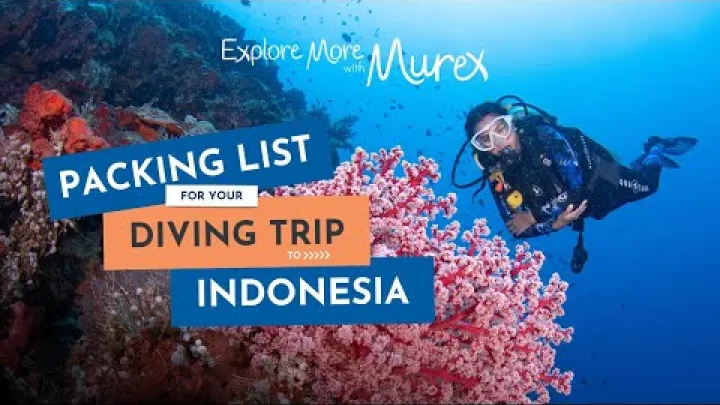
Check tides, currents, and local advisories before entering the water, and heed lifeguards where present. Never stand on coral, keep fins under control near shallow reefs, and avoid touching marine life. On black-sand beaches, protect feet from midday heat. Drink plenty of water, and carry a small torch for early walks to trailheads. If renting scooters, photograph pre-existing damages and wear a helmet at all times.
- Choose your season: dry or shoulder for steadier weather.
- Select an island group: Bali/Lombok for ease; Komodo/Raja Ampat for wildlife.
- Book transport: domestic flights, ferries, and local boats with buffer days.
- Reserve stays: homestays or resorts near preferred beaches and house reefs.
- Pack smart: reef-safe sunscreen, snorkeling gear, and footwear for rocky entries.
Responsible travel and community integration
Beach destinations are living communities and delicate ecosystems. Choosing locally owned stays, hiring island guides, and following park rules help sustain coral reefs and keep tourism benefits in the region. Many islands coordinate cleanups and citizen science activities that welcome visitors for a morning of service between swims.
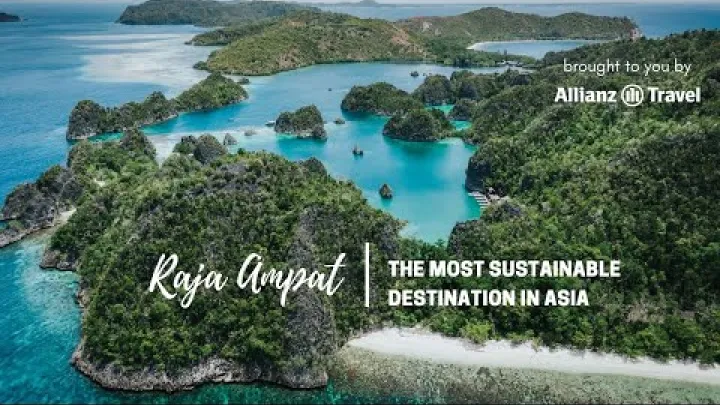
Protected areas such as Komodo National Park and Raja Ampat have permits, conservation fees, or codes of conduct designed to fund patrols and education. Paying the required fees, attending briefings, and following wildlife etiquette make a direct difference in reef health and community income. Simple choices—like refilling bottles and avoiding single-use plastics—reduce waste pressure on small islands.
Supporting local homestays and conservation
Community-run homestays reinvest part of your stay into village projects, waste management, and marine patrols. In many parts of Raja Ampat, homestays also maintain house reefs and moorings that keep boat anchors off coral. Booking local guides for current-prone sites adds safety and provides context on tide windows, entry routes, and wildlife behavior.
![Preview image for the video "RAJA AMPAT SNORKELLING | AVINSEA HOMESTAY HOUSE REEF | GAM ISLAND, SOUTHWEST PAPUA | INDO TRIP [4K]".](/sites/default/files/styles/media_720x405/public/oembed_thumbnails/2025-10/1cEnL2mI-eWQzvSHKymKR0dbQS69PDnuvPb3Y4bzOTU.jpg.webp?itok=spSBiZsH "Preview image for the video \"RAJA AMPAT SNORKELLING | AVINSEA HOMESTAY HOUSE REEF | GAM ISLAND, SOUTHWEST PAPUA | INDO TRIP [4K]\".")
Expect park permits or visitor tags in protected areas and follow posted codes of conduct. Licensed operators should brief you on no-touch, no-chase wildlife rules and how to avoid standing on coral during shallow entries. Joining scheduled beach cleanups or mangrove plantings is a practical way to give back without losing much time from your itinerary.
Waste, water, and reef-safe practices
Small islands have limited freshwater and fragile septic systems. Conserve water by taking short showers, reusing towels, and using biodegradable toiletries. In homestays, follow instructions on what not to flush and use provided bins to protect plumbing and nearshore water quality.

Reduce single-use plastics by carrying a refillable bottle and reusable bags. Choose mineral or non-nano reef-safe sunscreens, apply in your room to limit runoff at the reef, and use rash guards to reduce lotion use. Where moorings exist, encourage operators to use them; never anchor on coral. If bins are scarce on tiny islands, pack out what you can to larger hubs for disposal.
Frequently Asked Questions
What are the best beaches in Indonesia for first-time visitors?
For first trips, choose Bali’s Uluwatu coves, Nusa Dua or Sanur for calm water, and Nusa Penida viewpoints. Lombok’s Selong Belanak is great for beginners and quiet bays. The Gili Islands add easy snorkeling and sunset beaches with simple logistics.
When is the best time to visit Indonesia’s beaches for good weather?
The best weather is during the dry season from April to October. July–August is peak and busy; consider April–May or September–October for fewer crowds. Wet season (November–March) brings afternoon storms and lower prices but variable visibility.
Where is the pink beach in Indonesia and how strong is the color?
Pink Beach is in Komodo National Park, usually accessed by boat from Labuan Bajo. The pink hue is subtle and varies with light, often strongest at sunrise or sunset. Photos online may exaggerate the intensity compared to real conditions.
Which Indonesia beaches are best for snorkeling with turtles?
The Gili Islands (especially northeast Gili Trawangan) offer frequent green and hawksbill turtle encounters near shore. Komodo sites also host turtles with clearer water. Use a guide where currents are present and practice no-touch wildlife viewing.
Are there good beaches near Jakarta for a short trip?
Popular choices include the Thousand Islands (Kepulauan Seribu) reachable by boat from Jakarta and some coastal spots toward Anyer. Expect variable water clarity near the city. For clearer water, plan an overnight on an island further from the mainland.
What are the safest areas for swimming with calm water?
Sanur and Nusa Dua in Bali are typically calm due to reef protection. Lombok’s Selong Belanak often has gentle surf near shore. Always check local tide and wave conditions and follow lifeguard or operator advice before entering the water.
Where are the best surf beaches in Indonesia for beginners?
Selong Belanak (Lombok) is known for soft, sandy-bottom waves suitable for lessons. Bali’s Kuta and Seminyak can be beginner-friendly on small swell days. Avoid advanced reef breaks like Uluwatu until you have more experience and proper guidance.
How do I reach Raja Ampat and is it suitable for non-divers?
Fly to Sorong (SOQ), then take a ferry to Waisai and continue by boat to your homestay or resort. Raja Ampat is excellent for non-divers because house reefs often deliver world-class snorkeling. Currents vary; choose sites and times with local guidance.
Conclusion and next steps
Indonesia’s coastline offers a spectrum of beach types, from coral-white lagoons to volcanic black shores and rare pink strands. Regional differences are significant: Bali and Lombok excel for ease and variety, Komodo and Nusa Penida bring channels and mantas, Raja Ampat delivers biodiversity at the doorstep, and islands like Sumba or Belitung offer quieter horizons.
Time your visit around shoulder months for a balance of weather and space, match activities to your comfort with currents and surf, and respect reefs through careful entries and wildlife etiquette. With realistic travel times, simple safety routines, and support for local conservation, your beach days can be both memorable and low-impact.
Select area
Create a post
Posting is free and no registration is required.