Indonesia University Guide 2025: Best Universities, Rankings, Costs, and Admissions
Planning to study at an Indonesia university in 2025? This guide covers how the system works, which institutions stand out, what rankings mean, and how to apply as an international student. You will also find tuition and living cost ranges, scholarship options, and accreditation essentials. Use it to compare universities in Indonesia and build a realistic timeline for applications and visas.
Indonesia’s Higher Education at a Glance
System size, public vs. private, and governance
Indonesia operates one of the largest higher education ecosystems in Southeast Asia. While public universities play a significant national role, the landscape is dominated by private providers. Recent sector snapshots suggest private institutions account for roughly four-fifths of all providers (around 83%), while public institutions make up a smaller share (about 15–16%).

Governance primarily sits with the Ministry of Education, Culture, Research, and Technology. Some institutions fall under sectoral ministries, such as health or religious affairs, especially for specialized training (for example, health polytechnics or Islamic studies). Institution types vary by mission: comprehensive universities cover multiple faculties, institutes often specialize in technology or arts, polytechnics emphasize applied and technical education, and academies focus on specific vocational areas. This mix allows students to choose between academic and applied tracks based on career goals and budget.
- Private institutions: roughly 83.1% of providers (recent estimates)
- Public institutions: about 15.6% of providers
- Key hubs: Jakarta/Depok, Bandung, Yogyakarta, Surabaya, Malang, Denpasar
- Types: universities, institutes, polytechnics, academies
Degree structure (S1, S2, S3) and outcomes-based standards (KKNI)
The Indonesian degree ladder is straightforward: S1, S2, and S3 correspond to bachelor’s, master’s, and doctoral programs. Typical credit ranges (SKS) are standardized nationwide. Most S1 programs require approximately 144 SKS, usually completed in four years. S2 programs commonly require 36–72 SKS over 1.5–2 years depending on thesis or coursework emphasis. S3 doctorates typically combine advanced coursework with a dissertation, often totaling 42 or more SKS with multi-year timelines. Professional diplomas add flexibility: D3 programs usually sit around 108 SKS (roughly three years), while D4 (often called applied bachelor’s) generally aligns with 144 SKS.

KKNI, Indonesia’s National Qualifications Framework, underpins the system with outcomes-based standards. It maps learning achievements, competencies, and levels so that academic and applied qualifications align with workplace expectations. For international readers comparing systems: one SKS represents a set amount of learning time (including contact and independent study). While conversions vary by institution, rough equivalences sometimes used are 1 SKS ≈ 1 US semester credit hour or ≈ 1.5–2 ECTS. Always verify with the receiving university, as program content and assessment weight affect transferability.
- S1 (Bachelor’s): about 144 SKS; ≈ 4 years
- S2 (Master’s): about 36–72 SKS; ≈ 1.5–2 years
- S3 (Doctoral): advanced coursework + dissertation; multi-year
- D3/D4: applied and professional pathways aligned with industry
Flexible learning and internships (MBKM policy)
MBKM (Merdeka Belajar Kampus Merdeka) is a national policy that increases flexibility for students. It allows up to three semesters to be spent on learning experiences outside the home program: for example, internships with companies, research projects, entrepreneurship activities, community development, or cross-campus exchanges. These experiences can be formally recognized and transferred into a student’s study plan, accelerating practical exposure and strengthening employment readiness.

Eligibility and process for international students are typically similar to domestic students, with added administrative checks. In most universities, you need to be a degree-seeking student in good academic standing, secure approval from your program, and submit an MBKM learning plan. Application steps often include: consultation with your academic advisor, selecting a host unit or organization, a learning agreement with credit mapping, and final approval by the faculty MBKM office. International exchange options may require additional language or insurance documentation.
Top Universities in Indonesia (Quick Facts)
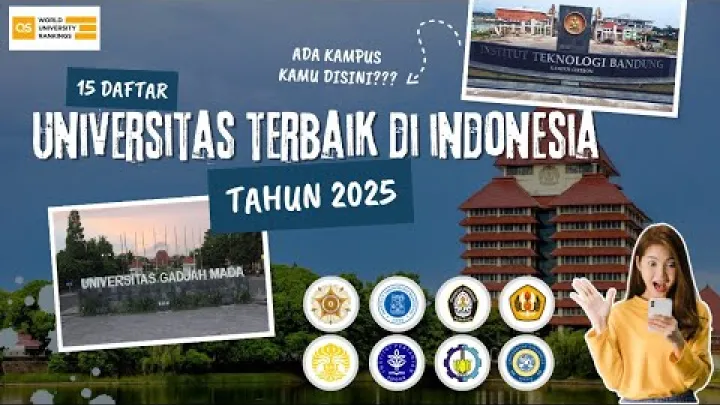
University of Indonesia (UI): strengths and rankings
The University of Indonesia is among the country’s most prominent institutions and routinely appears in global rankings. It is recognized for strong programs in health sciences, social sciences, business, and engineering. UI’s campuses in Depok and Jakarta provide access to government, industry, and research networks. A key resource is the University of Indonesia Library, one of the largest academic libraries in the country, supporting multilingual collections and research databases.
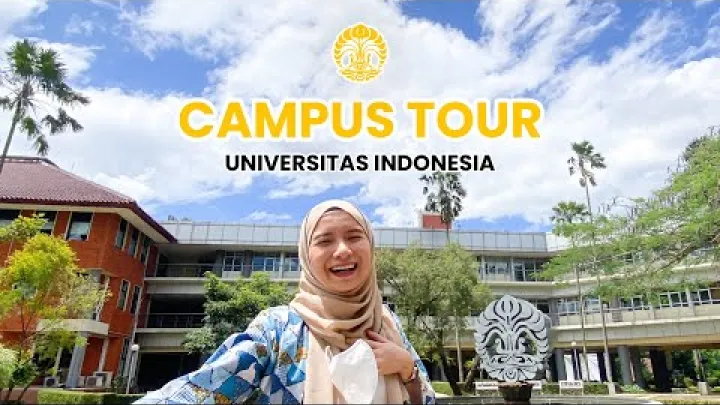
UI offers a growing portfolio of English-taught courses and international collaborations. In recent editions of major rankings, UI is often the leading or among the top Indonesian entrants, with visible subject strengths in medicine, public health, engineering, and social policy. International students will find a well-developed international office, established lab facilities, and links to hospitals and public agencies that facilitate applied learning and internships.
- Location: Depok/Jakarta
- Known for: health, social sciences, business, engineering
- Assets: University of Indonesia Library; English-taught options; industry links
- Ranking note: consistent national leader in QS/THE/CWUR
Gadjah Mada University (UGM): QS 2025 position and profile
Gadjah Mada University in Yogyakarta is a comprehensive public institution with a strong national mission and global partnerships. In the QS World University Rankings 2025, UGM is placed around rank 239 globally, reflecting a steady rise in academic reputation and employer visibility. The university combines research excellence with community service, which is embedded across many programs and fieldwork components.

UGM’s subject strengths include public policy and administration, agriculture and environmental sciences, medicine, and social development. Its central Java location keeps living costs moderate compared with Jakarta, and the city’s student culture makes it a favored option for international students. Watch for updates in QS 2026, as subject-specific indicators and international research collaboration can influence band movements.
- Location: Yogyakarta
- Known for: public policy, agriculture, medicine, community engagement
- QS 2025: around 239
Bandung Institute of Technology (ITB): engineering focus
Bandung Institute of Technology is Indonesia’s flagship for engineering, technology, and design. It enjoys a strong employer reputation and active research clusters in materials, energy, AI/ICT, earth sciences, and sustainable infrastructure. Campus culture is project-driven, with student innovation competitions and industry capstones integrated into many degree pathways.
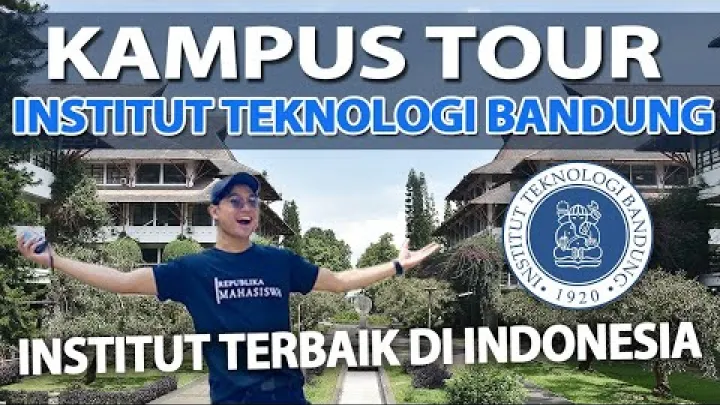
ITB often appears in high subject bands globally for engineering disciplines such as civil and structural, electrical and electronic, mechanical, and computer science. In Indonesia-focused comparisons, ITB typically leads in technology fields, with labs and research centers that partner with national agencies and multinational companies. Prospective students should compare program-level subject rankings for the most accurate picture of discipline-specific strength.
- Location: Bandung, West Java
- Strengths: engineering, technology, design
- Research: materials, energy, AI/ICT, sustainable infrastructure
Other notable institutions (e.g., Andalas, IPB, Telkom)
Beyond the big three, several institutions offer distinct strengths. IPB University (Bogor Agricultural University) is a leader in agriculture, environment, forestry, and food systems, with strong applied research and field stations. Telkom University in Bandung stands out for ICT, digital business, and industry collaboration, often co-developing curricula with telecom and tech partners. Andalas University in Padang provides strong regional programs across health, law, and social sciences, supporting development in western Sumatra.

Fit will depend on language of instruction, accreditation status, and internship networks in your chosen field.
- IPB University: agriculture, environment, food systems
- Telkom University: ICT, business, industry collaboration
- Andalas University: strong regional programs; Padang
- Also consider: Udayana, Islamic University of Indonesia, Sriwijaya, Indonesia Defense University, Atma Jaya Catholic University of Indonesia
Rankings You Should Know (QS, THE, CWUR)
QS World University Rankings in Indonesia (2025 and 2026 watchlist)
The QS World University Rankings provide one of the most visible snapshots of how Indonesian universities compare internationally. For 2025, multiple Indonesian institutions appear, with the University of Indonesia (UI), Gadjah Mada University (UGM), and Bandung Institute of Technology (ITB) regularly among the top national performers. Several others, including IPB University, Airlangga University, and Universitas Brawijaya, commonly feature as well. These results give a quick sense of visibility, internationalization, and research footprint.

Looking ahead to 2026, keep an eye on methodological updates that can shift positions, especially indicators related to sustainability and international research networks. New data submissions and improved faculty-citation performance may also influence movements. Prospective students should treat rankings as one input, combining them with accreditation status, faculty profiles, curriculum design, and graduate outcomes to make a well-rounded decision.
- QS 2025 in Indonesia: UI, UGM, ITB as consistent leaders
- Watchlist 2026: methodology updates and new submissions may shift bands
- Tip: use institutional rankings for ecosystem quality and subject rankings for program fit
Subject strengths: engineering, environment, health, social policy
Subject rankings often reveal more helpful detail than overall tables. In Indonesia, engineering and technology subjects are typically led by ITB, with strong showings in civil, mechanical, electrical, and computer science. Agriculture, forestry, and environmental sciences are a domain of excellence at IPB University, supported by field research and partnerships with government agencies. These placements guide students toward programs with robust lab facilities, fieldwork, and industry ties.
Health and social policy strengths are visible at the University of Indonesia and Gadjah Mada University. UI’s medical and public health disciplines often feature in subject tables, and UGM’s programs in public policy and community medicine are nationally influential. Where available, consult QS subject bands or the latest discipline-specific placements to refine choices for areas like nursing, pharmacy, economics, and international relations.
- Engineering: ITB; strong in civil, mechanical, EEE, CS
- Agriculture & environment: IPB University
- Health and social policy: UI and UGM
How to read ranking indicators
Major ranking systems use a combination of reputation, research, and outcomes indicators. QS, for example, weighs academic reputation, employer reputation, faculty-student ratios, citations per faculty, sustainability, and internationalization. THE and CWUR emphasize research impact and institutional productivity in different ways. Understanding these components clarifies why certain institutions perform better overall, while others excel at the subject level.
Use indicators to match your priorities. If employability matters most, consider employer reputation and alumni outcomes. For research ambitions, citations, field-weighted impact, and international research network are more relevant. Newer indicators now consider cross-border collaboration and sustainability initiatives, which can signal the breadth of an institution’s partnerships and societal engagement.
- Key indicators: academic reputation, employer reputation, citations, faculty-student ratio
- Newer metrics: international research network and sustainability measures
- Best practice: prioritize subject rankings to judge program-level fit
Admissions for International Students

Academic requirements (S1, S2, S3) and selection
Admissions criteria vary by university and program, but general patterns apply. For S1 (bachelor’s), applicants need a completed secondary qualification or recognized equivalency. Many Indonesian universities accept international credentials such as the IB Diploma and A-Levels. IB applicants typically present the diploma with subject prerequisites for selective programs; A-Level applicants may be asked for three A-Level subjects (or a combination with AS Levels) meeting specific grade thresholds. Some universities offer foundation or bridging programs for students whose national curricula need alignment.

For S2 (master’s), a recognized bachelor’s degree is required, sometimes with a minimum GPA and prerequisite coursework. S3 (doctoral) applicants usually need a relevant master’s degree, research proposal, and evidence of research potential such as publications or thesis work. Selection elements can include academic transcripts, standardized tests, writing samples, interviews, or portfolios in design and arts. Competitive programs in medicine, engineering, and business may set higher thresholds and require entrance tests or additional references.
- S1: secondary completion/equivalency; IB and A-Levels commonly accepted
- S2: relevant bachelor’s; GPA and prerequisites may apply
- S3: relevant master’s; research plan and supervisor alignment
Language proficiency (IELTS/TOEFL and BIPA standards)
Language requirements depend on the language of instruction. For English-taught programs, typical thresholds are IELTS 5.5–6.0 or TOEFL iBT around 79 (or ITP about 500). Some programs with intensive research or professional practice may set higher cutoffs. Universities increasingly accept a range of tests; several now consider the Duolingo English Test (DET) for admissions, sometimes with an interview or writing sample to validate proficiency.

BIPA (Bahasa Indonesia untuk Penutur Asing) standards are commonly used to assess readiness. Many universities allow conditional offers with the requirement to complete a BIPA course before or during the first semester. In bilingual faculties, students may combine English and Indonesian coursework during a transition period if permitted by program rules.
- English-taught: IELTS 5.5–6.0 or TOEFL iBT ~79; DET accepted by some
- Indonesian-taught: BIPA certification/placement
- Conditional offers: language support or pre-sessional courses
Application steps and documents checklist
The application process is straightforward but time-sensitive. Most universities have two main intakes: February and September. Some programs offer rolling admission with earlier deadlines for scholarships. Allow 4–8 weeks for application decisions and an additional 2–6 weeks for the study permit and C316 student visa. Build a personal timeline that includes document preparation, verification, and travel arrangements.
![Preview image for the video "[INDEX VISA C316] Visa untuk mengikuti pendidikan di Indonesia".](/sites/default/files/styles/media_720x405/public/oembed_thumbnails/2025-09/io3rGvbL05MjAbcLnZ2loMqGohURCl8ZRYDXWvlSGwo.jpg.webp?itok=ttlN0nO- "Preview image for the video \"[INDEX VISA C316] Visa untuk mengikuti pendidikan di Indonesia\".")
- Shortlist programs aligned with goals, budget, and language readiness.
- Prepare documents: passport, transcripts, diplomas/equivalency, test scores (IELTS/TOEFL/DET or BIPA), CV, motivation statement, and references.
- Submit the online application and pay the application fee.
- Attend interviews or tests if required; upload portfolio for design/arts programs.
- Receive an offer letter; accept within the stated deadline.
- University applies for your study permit; prepare financial proof and health insurance.
- Apply for the C316 student visa with the study permit and university recommendation.
- Arrive in Indonesia; complete local immigration registration and campus onboarding.
- Intake windows: commonly February and September
- Processing: admissions 4–8 weeks; study permit/visa 2–6 weeks
- Tip: scan and notarize documents early; keep certified translations ready
Costs, Scholarships, and Living in Indonesia

Tuition ranges (public, private, international branches)
Tuition varies by institution type, program, and citizenship. Public universities typically offer lower fees, especially for domestic students, while private universities and international branch campuses charge more. The figures below are common ranges to support early budgeting; always review the official schedule for your program and confirm whether laboratory, studio, or thesis fees are separate.

Exchange rates fluctuate, so treat these as estimates only.
| Institution Type | Undergraduate (annual) | Postgraduate (annual) | Notes |
|---|---|---|---|
| Public universities | IDR 200,000–10,000,000 (≈ USD 13–645) | Up to ~IDR 20,000,000 (≈ USD 1,290) | Varies by citizenship and program; lab fees may apply |
| Private universities | IDR 15,000,000–100,000,000 (≈ USD 970–6,450) | IDR 20,000,000–120,000,000 (≈ USD 1,290–7,740) | Business/tech programs tend to be higher |
| International branch campuses | Often higher than private ranges | Often higher than private ranges | Monash University Indonesia biaya typically above public averages |
International fees at branch campuses such as Monash University Indonesia are usually well above public rates due to international delivery, facilities, and industry partnerships. Budget for ancillary costs like orientation, student union dues, or graduation fees, which are not always embedded in headline tuition.
Monthly living costs (housing, food, transport)
Living costs depend on city, lifestyle, and housing type. A practical monthly range for students is IDR 3,000,000–7,000,000, with Jakarta and Bandung typically at the higher end and Yogyakarta and Malang often lower. Sharing accommodation or living in student dorms can reduce expenses, while private apartments near city centers increase costs.

The breakdown below is indicative. Your actual budget will vary based on dietary habits, transport choices, and healthcare needs. Add an emergency buffer for unexpected expenses, device repairs, or last-minute travel.
| Expense | Typical Range (IDR / month) | Approx. USD | Notes |
|---|---|---|---|
| Housing (kost/shared) | 1,200,000–3,500,000 | ≈ 77–226 | En-suite and AC raise costs; deposits common |
| Food and groceries | 1,000,000–2,200,000 | ≈ 65–142 | Cooking at home saves; campus canteens are affordable |
| Transport | 200,000–600,000 | ≈ 13–39 | Commuter apps and public transit options vary by city |
| Connectivity | 100,000–300,000 | ≈ 6–19 | Mobile data plans are widely available |
| Healthcare/insurance | 200,000–600,000 | ≈ 13–39 | Campus clinics and private providers available |
| Books/materials | 100,000–300,000 | ≈ 6–19 | Digital resources can reduce costs |
Inflation and exchange rates affect all categories. Students in creative fields (architecture, design, media) should budget extra for materials, software, or printing. Those planning frequent travel should add transport allowances for intercity trains or flights.
Scholarship tips and budgeting
Scholarships are competitive but accessible if you prepare early and submit complete documents. Explore national schemes such as LPDP for graduate study, university-level fee waivers and merit awards, and partner-funded scholarships through industry or international organizations. Many awards open months before the academic year, with priority deadlines in late Q3 or Q4 for the following intake.
Plan a full-year budget that includes visa and study permit fees, health insurance, security deposits, lab or studio costs, and an emergency fund. Keep scans and certified translations of transcripts and passports ready, and request recommendation letters well in advance. Scholarship selection often considers academic performance, motivation statements aligned with national or sector priorities, and leadership or community impact.
- Common windows: applications often open 6–9 months before intake
- Eligibility: academic merit, language readiness, and program fit
- Documents: transcripts, test scores, references, statement of purpose, CV
Accreditation and Quality Assurance (BAN-PT and LAMs)
Accreditation categories and what they mean
Accreditation assures that an institution or program meets national quality standards. In Indonesia, BAN-PT conducts institutional accreditation, awarding quality categories that signal performance in governance, academic processes, resources, and continuous improvement. The highest category is commonly referenced as “Excellent,” with other tiers below it indicating progressively developing systems.
Programmatic accreditation is handled by independent bodies known as LAMs, which include organizations like LAMDIK for education programs and LAMEMBA for business and management. Professional fields such as engineering, health sciences, and teacher education often rely on program-level accreditation for licensure or professional recognition. When comparing offers, check both the institution’s overall status and the specific program’s LAM accreditation where applicable.
- Institutional accreditation: BAN-PT (e.g., Excellent and other tiers)
- Program accreditation: LAMs (e.g., LAMDIK, LAMEMBA, and sector-specific bodies)
- Importance: signals quality; critical for regulated professions
Program vs. institutional accreditation (IAPS 4.0 and IAPT 3.0)
Accreditation uses established instruments tailored to level and scope. Institutional assessments (IAPT 3.0) evaluate strategic governance, finance, facilities, human resources, and quality assurance systems. Program-level assessments (IAPS 4.0) look at curriculum design, learning outcomes, student assessment, stakeholder engagement, and graduate tracking. Both perspectives matter: institutional strength supports student services and research infrastructure, while program accreditation verifies discipline-specific quality.
To verify status, consult official portals: BAN-PT’s database lists institutional results, and LAM websites list program accreditations. Universities typically publish certificates on program pages as well. If your goal includes international employment or continued study, cross-check recognition with destination databases (for example, the anabin university list for Germany) and national professional bodies for your sector.
- Institutional tool: IAPT 3.0
- Program tool: IAPS 4.0
- Verification: BAN‑PT and LAM portals; program websites; anabin for Germany
International Campuses and Online Options
Monash University Indonesia: programs, industry ties, fees
Monash University Indonesia operates in BSD City, Tangerang, offering specialized master’s programs with strong industry links. Common offerings include Data Science, Cybersecurity, Public Policy and Management, Urban Design, and Business-related tracks. The campus emphasizes project-based learning, partnerships with companies, and access to global faculty and alumni networks from the wider Monash system.

Fees reflect international delivery and facilities; Monash University Indonesia biaya is typically higher than public university rates, often comparable to other international master’s programs in the region. Expect multiple intakes per year for selected programs, applicant interviews for fit, and emphasis on professional experience for some courses. Always confirm the latest program list, fee ranges, and application deadlines, as these can evolve with new industry collaborations.
- Location: BSD City, Tangerang (Greater Jakarta)
- Programs: Data Science, Cybersecurity, Urban Design, Public Policy, Business
- Features: industry projects, global faculty access, multi-intake cycles
Open and distance learning options
Universitas Terbuka (Open University Indonesia) delivers nationwide distance education with flexible pacing, making it a popular option for working learners or those outside major cities. Programs span diplomas to bachelor’s and selected postgraduate pathways. Study is mostly online with local support centers and periodic assessment schedules that accommodate different regions.

International online providers also enroll learners in Indonesia, including platforms offering micro-credentials and full degrees. Always check recognition and transfer policies before enrolling. For assessment integrity, ask about proctoring methods (remote or in-person), ID verification, and any required residency sessions. Some online programs require on-site or centrally proctored exams; confirm dates early to align with work or travel plans. International Open University and similar providers operate globally; ensure equivalency and accreditation fit your career goals.
- Universitas Terbuka: flexible pacing; regional support
- International providers: confirm recognition, proctoring, and transfer credit
- Assessment: clarify exam arrangements and any residency requirements
How to Choose the Right Indonesia University
Step-by-step decision framework
Choosing a university is simpler with a structured approach. Start by defining your goals: which industry do you want to enter, and what skills or credentials do you need? Set a realistic budget that includes tuition, living costs, and hidden items such as lab fees or insurance. Decide on your language pathway: English-taught versus Indonesian-taught programs, or bilingual options with BIPA support.
Shortlist 5–8 programs that match your priorities. Compare accreditation status (BAN‑PT and relevant LAMs), rankings at the subject level, faculty expertise, and graduate outcomes. Map deadlines into a personal calendar that includes scholarship windows and visa processing time. As you narrow choices, contact admissions with specific questions about prerequisites, MBKM opportunities, and supervision capacity for thesis projects. Conduct risk checks on visa timing, internship availability, and campus housing to avoid last-minute bottlenecks.
- Clarify goals, budget, and preferred language of instruction.
- Shortlist programs; verify accreditation and subject strength.
- Compare curriculum, facilities, internships (MBKM), and research fit.
- Confirm entry requirements and test scores; plan for BIPA if needed.
- Align scholarship deadlines, admission rounds, and visa milestones.
- Prepare documents and apply to 3–5 well-matched programs.
Fit by program, location, budget, and accreditation
Program fit goes beyond titles. Review course syllabi, studio or lab time, industry projects, and assessment styles. Check internship partnerships and MBKM options to ensure you can earn credit for practical work. Location influences cost and lifestyle: Jakarta and Bandung provide dense industry networks at higher living costs; Yogyakarta and Malang offer lower costs with vibrant student communities. Safety, transport, and on-campus housing availability are also important factors.
Accreditation and recognition are essential for long-term mobility. For international employment or further study, verify that your chosen institution appears in recognition databases and that your program is accredited by the relevant LAM if your field is regulated (for example, health, engineering, or teacher education). If Germany is a target market, check your institution’s status on the anabin university list. For law and health professions, confirm local licensing rules and whether additional exams or supervised practice are required in your destination country.
Frequently Asked Questions
What are the top universities in Indonesia for international students?
University of Indonesia (UI), Gadjah Mada University (UGM), and Bandung Institute of Technology (ITB) are widely recognized leaders. They rank in major systems (QS/THE/CWUR) and offer English-taught options. Strengths include engineering, environmental studies, health, and social sciences. Several others, like IPB and Andalas, also provide solid research and programs.
How much does it cost to study at a university in Indonesia per year?
Public undergraduate tuition commonly ranges from IDR 200,000 to 10,000,000 per year, with graduate programs up to around IDR 20,000,000. Private universities often range from IDR 15,000,000 to 100,000,000 per year. Living costs are typically IDR 3,000,000–7,000,000 per month, depending on city and lifestyle.
What English or Indonesian language scores do I need for admission?
For English-taught programs, universities often require IELTS 5.5–6.0 or TOEFL iBT ~79 (or ITP ~500). For Indonesian-taught programs, proof of Bahasa proficiency (such as BIPA) is needed. Some institutions offer conditional admission with language support. Always check program-specific requirements.
How do I apply for an Indonesian student visa (C316) and study permit?
You first secure an acceptance letter and university recommendation, then obtain a study permit from the Ministry and apply for the C316 visa. Submit passport, photos, financial proof, and health insurance as required. After arrival, register with local immigration and the university. Processing times vary; start 2–3 months in advance.
Is a degree from Indonesia recognized internationally and by employers?
Degrees from accredited Indonesian universities are internationally recognized and valued, especially from institutions with QS/THE/CWUR visibility. BAN‑PT and relevant LAM accreditations signal quality. For regulated professions, verify specific recognition in your destination country. Employer recognition improves with rankings and industry links.
What is MBKM and how does it affect my study plan in Indonesia?
MBKM (Merdeka Belajar Kampus Merdeka) lets students spend up to three semesters outside their home program on internships, research, entrepreneurship, or exchange. It supports applied learning and cross-disciplinary experience. It can shorten the path to work readiness. Check your program’s MBKM credit transfer rules.
Which rankings (QS/THE/CWUR) are most useful for Indonesia universities?
QS is widely consulted for institutional and subject rankings, while THE and CWUR provide complementary perspectives on research and reputation. Use subject rankings for program-level choices and institutional rankings for overall quality. Compare indicators like academic reputation, citations, and employer outcomes.
Are there international branch campuses like Monash University Indonesia?
Yes. Monash University Indonesia offers specialized master’s programs (e.g., Data Science, Cybersecurity, Urban Design) with industry partners. Other international and online providers also operate locally or via partnerships. Review fees, accreditation, and program language before applying.
Conclusion and next steps
Indonesia’s higher education system offers a wide range of choices across public and private institutions, with clear degree pathways, growing English-taught options, and flexible MBKM learning. Use rankings for orientation, but prioritize accreditation, subject strength, and practical opportunities. Build a realistic budget, plan admissions and visa milestones early, and confirm recognition for your intended career or further study.
Select area
Create a post
Posting is free and no registration is required.