Indonesia Hello: How to Say Hello in Bahasa Indonesia (Pronunciation, Timing, Etiquette)
Indonesian greetings are simple, friendly, and shaped by time and respect. Whether you are traveling, studying, or working with Indonesian partners, a few phrases go a long way. This guide explains the quickest ways to greet, how to pronounce them, when to use each form, and the etiquette that helps you sound natural and polite.
Quick answer: the simplest ways to say hello
The fastest way to say hello in Bahasa Indonesia is “Halo” for informal moments, or “Selamat [time]” for polite, time-based greetings. Add “Apa kabar?” to ask “How are you?” and reply with “Baik, terima kasih.” Use respectful titles like Pak (Sir) or Bu (Ma’am) where appropriate.
- Halo — informal hello for everyday use
- Selamat pagi — good morning (sunrise–11:00)
- Selamat siang — good midday/early afternoon (11:00–15:00)
- Selamat sore — good late afternoon (15:00–18:00)
- Selamat malam — good evening/night (18:00 onward)
- Choose the greeting: Halo or Selamat [time].
- Add a name or title if relevant: Pak/Ibu + surname.
- Optionally ask: Apa kabar? (How are you?)
- Reply briefly: Baik, terima kasih. Anda? / Kamu?
- Use a gentle tone and smile; mirror the other person’s formality.
Informal: Halo
Halo is the casual, universal greeting you will hear everywhere: with peers, shop staff, ride-hailing drivers, and in quick interactions. It sounds like “HAH-loh.” Keep your tone friendly, and pair it with a smile. You can extend it naturally: “Halo, apa kabar?” for “Hello, how are you?” It fits text messages, phone calls, and in-person hellos.
Reserve Halo for everyday or friendly situations. Avoid it in highly formal or ceremonial settings such as official meetings, religious events, or when first greeting senior professionals. In those moments, switch to a time-based greeting that shows respect. When you are unsure, start formal; you can always relax the tone after the other person sets it.
Formal and time-based: selamat pagi, siang, sore, malam
Selamat plus the time of day signals polite respect. Use it with elders, new contacts, teachers, and in business. Typical windows are: pagi (sunrise–11:00), siang (11:00–15:00), sore (15:00–18:00), and malam (18:00 onward). Pronounce selamat as “suh-LAH-mat” with clear, short vowels. In everyday Indonesian, selamat conveys “well/safe” and functions like “good” in greetings.
Try simple mini-dialogues. Example 1: “Selamat pagi, Pak Andi. Apa kabar?” — “Baik, terima kasih.” Example 2: “Selamat sore, Ibu Sari. Senang bertemu.” — “Terima kasih, selamat sore.” You may also combine forms: “Assalamualaikum, selamat siang, Pak” in Muslim contexts. If someone replies more casually afterward, you can adjust your tone to match.
Pronunciation made simple
Indonesian pronunciation is straightforward once you focus on steady vowels and gentle consonants. Most syllables are pronounced evenly, without strong English-style stress. If you keep vowels short and clean, avoid diphthongs, and say p, t, and k without extra breath, you will sound clearer and more natural.

How to pronounce selamat, pagi, siang, sore, malam
Indonesian vowels are pure and steady, and the stress is light compared with English. Aim for even rhythm and avoid dragging sounds. Consonants are unaspirated, so p, t, and k do not have a puff of air. This small change immediately makes your speech sound more Indonesian.
Use these reference forms: “selamat” (suh-LAH-mat), “pagi” (PAH-gee), “siang” (see-AHNG), “sore” (SOH-reh), “malam” (MAH-lahm). Regional accents exist across the archipelago, but a clear, standard Jakarta-style pronunciation is widely understood. If in doubt, slow down slightly and keep each vowel crisp and separate.
Common pitfalls (e.g., siang vs sayang)
A frequent mistake is mixing up siang and sayang. Siang is “see-AHNG.” Do not say “sai-ang,” which resembles sayang, a term of affection meaning “dear/sweetheart.” An easy mnemonic: siang has an “i” like “see” and ends with an “ng” like “sing,” while sayang starts with “say.”

Another common slip is adding English diphthongs or lengthening vowels. Keep them short and separate: the first “e” in selamat is a quick, light sound similar to a schwa. In casual speech, some people shorten selamat to slamat, but keep the full form in formal situations. Rehearse slowly, then increase your pace to reach a natural flow.
When to use each greeting (timing and context)
Time-based greetings help you sound respectful and locally aware. These windows are flexible rather than rigid rules. When in doubt, follow local cues such as office lunch hours, sunset timing, or the way the other person greets you first.

Morning to night windows (pagi, siang, sore, malam)
Use these windows as practical guides. Pagi runs from sunrise until around 11:00; siang is approximately 11:00–15:00 and often aligns with lunch and early afternoon; sore fits 15:00–18:00, the late afternoon; and malam starts around 18:00 and continues through the night. You can adjust slightly for sunrise and sunset in different regions.

In offices, people often switch to siang around lunch, and sore is common when people head home or leave meetings late in the afternoon. For evening calls or events, selamat malam is appropriate and polite.
Follow-ups and replies (Apa kabar? Baik, terima kasih)
After the opening greeting, it is natural to ask about well-being. Common lines include “Apa kabar?” (How are you?), “Bagaimana kabarnya?” (How is your news/condition?), and replies such as “Baik, terima kasih,” “Baik-baik saja,” or “Kabar baik.” Keep responses short and friendly.

To return the question, use “Anda?” in formal contexts and “Kamu?” informally. Anda suits new or professional contacts, service staff, or elders. Kamu fits peers, friends, and relaxed settings. If you are unsure which to use, start with Anda; people will often invite you to be more casual if that is preferred.
Cultural etiquette and body language
Soft tone, attentive listening, and right-hand use matter across islands and communities. Body language tends to be gentle and measured. Observing the other person’s comfort level and following their lead helps you avoid missteps.
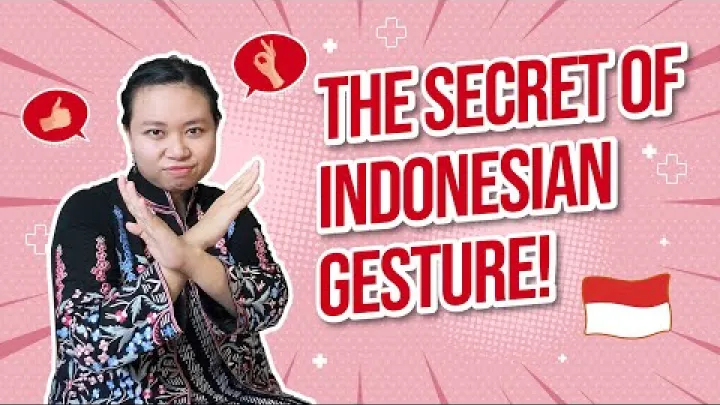
Respect for elders and hierarchy
Respect for age and status is central to everyday interactions. Use honorifics Bapak or Pak (Mr./Sir) and Ibu or Bu (Mrs./Ma’am) before names when greeting elders, teachers, or senior colleagues. Greet the most senior or oldest person first, and let them set the formality and pace of the conversation.

Frequency of honorifics varies by region and context. In many Javanese settings, titles are used very consistently, while in some urban or creative environments people may invite first names sooner. In some families, you may see a respectful gesture called salim, lightly touching the back of an elder’s hand to the forehead. If you see it, follow family cues rather than initiating it yourself.
Handshakes, right-hand usage, eye contact
Handshakes are gentle, brief, and usually done with the right hand. Offer and receive items with the right hand or both hands, especially when interacting with elders. Eye contact is friendly but not prolonged, and voices are generally calm in public settings.
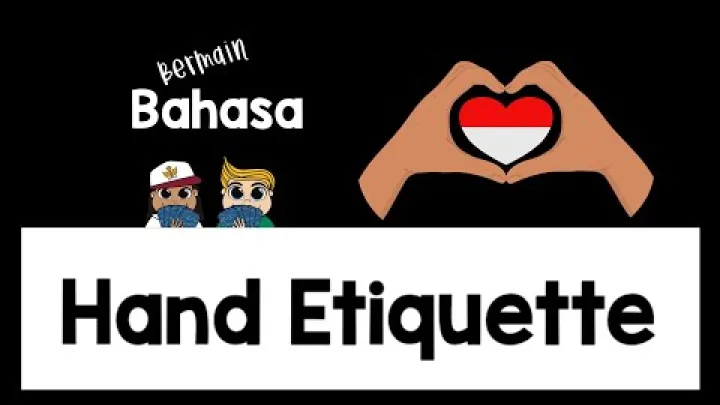
In some communities, people touch their chest lightly with the right hand after a handshake to signal sincerity. As a practical rule, mirror the other person’s initiative: if they extend a hand, respond; if they keep some distance, maintain it. When unsure, a small nod, smile, and polite greeting are always appropriate.
Religious sensitivity and cross-gender interactions
In Muslim-majority areas, some women and men may prefer not to shake hands with the opposite gender. A nod, smile, and verbal greeting are respectful alternatives. Wait for the other party to initiate physical contact, and keep neutral distance in conservative settings.

You may hear “Assalamualaikum” in Muslim contexts; reply with “Waalaikumsalam.” You can pair this with a time-based greeting for extra politeness, for example, “Assalamualaikum, selamat sore, Pak.” When you are unsure of religious preferences, stick with “Selamat [time]” and mirror what you observe.
Regional and religious variations
Indonesia’s diversity means greeting norms vary by island, religion, and local language. Standard Indonesian works nationwide, but you may hear local greetings in parallel. Listen first, and adapt gently. Polite intent, titles, and right-hand usage are consistent signals of respect across regions.

Muslim-majority norms and Assalamualaikum
“Assalamualaikum” is common in Muslim-majority regions and in many offices and schools. It is polite to reply “Waalaikumsalam.” Some people combine it with “Selamat [time]” to acknowledge both religious and social etiquette. Non-Muslims can use or reply to this greeting respectfully in appropriate contexts.

This greeting can open meetings, classes, and public events. In informal settings, many people switch quickly to everyday Indonesian afterward. If you prefer to avoid religious language, “Selamat [time]” is always safe and respectful. Context will guide your choice.
Bali and island-specific gestures
Standard Indonesian greetings are still widely understood across the island. A light bow with pressed palms can appear in ceremonial situations; observe and follow local cues before participating.

Tourism sites and religious spaces have clear rules. Dress modestly, remove shoes where required, and keep voices low. When in doubt, ask staff politely: “Permisi, apakah boleh?” Indonesian is the common bridge language across islands, so using “Selamat [time]” remains both practical and respectful.
Business and professional greetings
In professional contexts, greetings shape first impressions. A measured tone, correct titles, and time-based phrases signal reliability and respect. Meetings often begin with a brief exchange of greetings before moving to agenda items, and interruptions during introductions are discouraged.

Meeting order and deference
Stand to greet visitors and acknowledge the most senior person first. Use “Selamat [time]” plus titles and surnames unless invited to use first names. Speak at a measured pace and allow introductions to finish without interruption. This calm rhythm sets a collaborative tone.

A useful tip is to confirm preferred names or forms of address early: “Mohon izin, bagaimana saya sebaiknya menyapa Bapak/Ibu?” If someone invites you to use a first name, follow their lead. Keep your phone silent, and avoid multitasking during greetings to show full attention.
Business cards and formalities
Present and receive business cards with the right hand or both hands. Take a moment to read the card before placing it on the table or in a holder; avoid writing on it during the meeting.
Bilingual Indonesian–English cards are appreciated but not mandatory. If your card is only in English, consider explaining your title and role clearly during introductions. On WhatsApp, greet with “Selamat [time]” and your name before your message to maintain a polite tone.
Travel-ready phrases and scenarios
Knowing a small set of phrases makes arrivals, transport, and sightseeing smoother. Use time-based greetings with names or titles, add “Permisi” for polite entry or passing, and say “Terima kasih” to close interactions warmly. Short, clear sentences work best in busy settings.

Arriving, transport, accommodation
Useful openers include “Selamat malam, Pak sopir” (Good evening, driver), “Halo, saya sudah pesan” (I have a booking), and “Selamat sore, saya punya reservasi” (I have a reservation). If you need help, “Tolong” means “please help,” and “Permisi” is a polite way to get attention or move through a crowd.

For taxis, ask “Pakai argo ya?” to confirm the meter. With ride-hailing, greet the driver, verify the plate, and sit where they indicate. At hotels, a simple “Selamat siang, saya check-in. Nama saya …” is clear and courteous. Keep greetings brief at busy counters, and add “Terima kasih” when you are done.
Dining, markets, cultural sites
At restaurants and stalls, start with “Selamat siang, Bu” or “Selamat sore, Pak” before ordering. Use “Maaf” to get attention softly, and “Tolong” for requests. In markets, polite greetings make bargaining more pleasant and often more successful.

At temples or mosques, greet quietly, dress modestly, and follow posted rules. Remove shoes where required and avoid stepping into restricted areas. When in doubt, ask staff or volunteers with “Permisi, apakah saya boleh masuk di sini?” A respectful greeting and calm tone go a long way.
Common mistakes to avoid
Most greeting mistakes are easy to fix with a quick correction, a smile, and a steady tone. Watch your timing, pronunciation, and body language. If you misgreet, simply correct yourself and continue the conversation without dwelling on the error.
Timing errors and mispronunciation
Using “pagi” in the afternoon or “malam” too early can sound odd. If you slip, correct gently: “Maaf, selamat sore, bukan selamat siang.” Avoid pronouncing “siang” as “sayang.” Keep vowels short, and do not add extra breath to consonants.

Loud, overly familiar greetings like “hey” can feel impolite in formal settings. Choose “Selamat [time]” until you sense the right level of informality. If you forget a word, paraphrase politely: “Maaf, maksud saya selamat sore.” Clarity and courtesy matter more than perfection.
Body language missteps
Overly firm handshakes, hugs, or back slaps can feel intrusive. Pointing with the index finger may be perceived as rude; instead, gesture with the right hand or with the thumb on a closed fist. Maintain respectful personal space and keep movements measured.
As a guideline, pass objects with the right hand, especially to elders. If you receive something, a brief nod and “Terima kasih” are appreciated. When entering a room with people seated on the floor, say “Permisi” and lower your profile as you pass to show respect.
Tools to learn and practice greetings
Practice helps you remember phrases and gain confidence. Combine short daily drills with real listening to build natural rhythm and pronunciation. A mix of apps, audio courses, tutors, and media exposure creates steady progress without overwhelming your schedule.

Apps, audio courses, native-tutor practice
Use language apps that include Indonesian modules to drill time-based greetings and common replies. Record yourself saying “Selamat pagi/siang/sore/malam,” “Apa kabar?” and “Baik, terima kasih,” then compare with native audio. Spaced-repetition flashcards work well for titles and set phrases.

Adopt a consistent 10-minute daily routine: 3 minutes listening and shadowing, 3 minutes flashcards, 3 minutes recording and playback, and 1 minute review. If possible, schedule short sessions with a native tutor to correct pronunciation, especially for unaspirated consonants and the “ng” ending.
Media examples for natural tone
Watch Indonesian news clips and vlogs to hear greetings in real conversations. Listen for how speakers choose between “Halo,” “Selamat [time],” and “Assalamualaikum” based on context. Radio and podcasts help you internalize rhythm, vowel length, and gentle stress patterns.

Keep a brief phrase log. Note when people switch from formal to casual, what titles they use, and how they reply to “Apa kabar.” Revisit your notes weekly, and practice aloud. This simple habit strengthens recall and prepares you for varied situations.
Frequently Asked Questions
How do you say hello in Bahasa Indonesia?
You can say “Halo” for a simple, informal hello. For polite, time-based greetings use “Selamat pagi/siang/sore/malam” depending on the time of day. Many people add “Apa kabar?” to ask “How are you?” Respond with “Baik” (good) or “Baik, terima kasih.” Titles like Pak and Bu add respect.
What is the difference between Halo and selamat greetings?
“Halo” is casual and fits most informal situations. “Selamat” greetings are more formal and show respect, especially with elders, in business, or with new contacts. Choose “Halo” among peers, and “Selamat [time]” when you want to be polite or when you are unsure of the level of formality.
When should I use selamat pagi, siang, sore, and malam?
Use “Selamat pagi” from sunrise to about 11:00, “Selamat siang” around 11:00–15:00, “Selamat sore” about 15:00–18:00, and “Selamat malam” from about 18:00 onward. These are guidelines, not strict rules. If you are unsure, mirror the greeting you hear from locals.
How do I pronounce selamat and siang correctly?
“Selamat” is roughly “suh-LAH-mat” with clear, short vowels. “Siang” is “see-AHNG” (do not say “sai-ang,” which sounds like “sweetheart”). Keep consonants unaspirated, and avoid English diphthongs. A slow, steady pace helps you maintain clean vowel sounds.
How do Indonesians greet in formal business settings?
Greet the most senior person first with “Selamat [time]” and a gentle handshake using the right hand. Maintain brief eye contact, speak softly, and exchange business cards with both hands. Add “Apa kabar?” after the initial hello, and confirm preferred names or forms of address early in the meeting.
How should I greet elders or higher-status people in Indonesia?
Use “Selamat [time]” with titles (Pak/Ibu) and a slight nod. If the elder offers their hand, accept with your right hand; some families use the respectful “salim” gesture. Speak calmly, avoid overly firm grips, and do not point directly with your index finger.
Can I use Assalamualaikum as a greeting in Indonesia?
Yes, “Assalamualaikum” is common among Muslims, especially in conservative areas and public institutions. If someone greets you this way, reply “Waalaikumsalam.” Use it respectfully and choose “Selamat [time]” when unsure of religious context. Many people combine both greetings for extra politeness.
How do you respond to “Apa kabar”?
Reply “Baik,” “Baik-baik saja,” or “Kabar baik, terima kasih.” To return the question, add “Anda?” in formal situations or “Kamu?” informally. Keep the exchange brief and friendly; long health updates are not expected unless you know the person well.
Conclusion and next steps
Learning how to say hello in Bahasa Indonesia is straightforward: use Halo for casual moments and Selamat [time] for polite interactions across the day. Clean pronunciation, with short vowels and unaspirated consonants, makes your speech sound natural. Time windows are flexible, but the common pattern—pagi, siang, sore, malam—works nationwide.
Cultural etiquette matters as much as words. A gentle handshake, right-hand use, and respectful titles such as Pak and Bu help you connect smoothly. In Muslim contexts, Assalamualaikum and Waalaikumsalam are common; in Bali, you may hear Om swastiastu alongside Indonesian greetings. In business, greet the most senior person first, exchange cards with care, and confirm how to address people.
Most mistakes are easy to fix with a calm correction and a smile. Practice a short daily routine, listen to native speech, and keep a simple phrase log. With these habits, your “Indonesia hello” will feel confident, friendly, and well-timed wherever you travel or work in the archipelago.
Select area
Create a post
Posting is free and no registration is required.