Indonesia Souvenir: Best Authentic Gifts and Where to Buy
Indonesia offers rich craft traditions, flavorful foods, and practical keepsakes that travel well. If you are choosing an Indonesia souvenir for yourself or foreign friends, focus on authenticity. Knowing where to shop also makes a big difference. This guide highlights top categories, simple quality checks, and reliable places to buy in Jakarta and across the islands. You will also find packing tips and an ethical sourcing checklist. These tips help you shop with confidence.
What makes a good Indonesia souvenir?
Choosing a souvenir khas Indonesia is easier with a clear plan. Focus on cultural meaning, quality, and practicality. A good item reflects a regional craft or ingredient. It has clear provenance. It can be packed safely for flights. The ideas below help you define authenticity. They also balance cultural value with real travel needs.
Quick definition and authenticity checklist
An Indonesia souvenir is a locally made item. It reflects Indonesian culture, region, or craft tradition. It is practical to take home. To shop with confidence, look for origin labels. Ask for artisan or workshop names. Check that the materials match the craft. Provenance should be clear. Reputable vendors can explain techniques, regions, and makers.
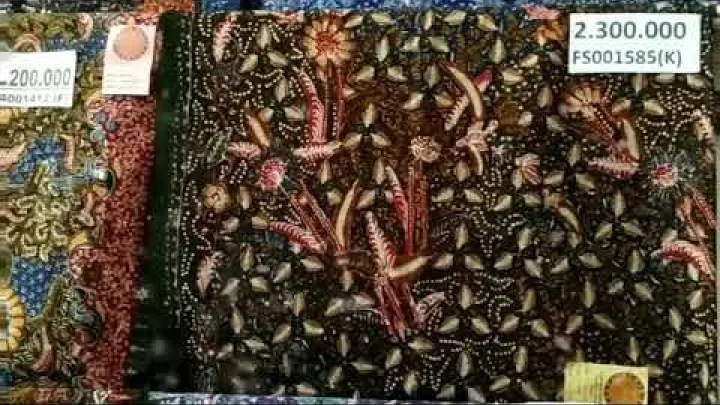
Use quick checks at the stall or shop. For batik, examine both sides. Hand-drawn batik tulis shows slightly irregular lines and wax-resist “bleed.” The pattern is visible on both sides. Printed fabric often has a sharp front but a faded or blank reverse. Printed edges are often perfectly uniform. For silver, look for a 925 hallmark and clean soldering. Real sterling is not magnetic. For coffee, choose sealed bags with a roast date, origin, and altitude or farm details. Avoid undated or unsealed stock. Ask for receipts and any certifications. Cooperative memberships or ethical sourcing statements support authenticity.
- On-the-spot tests: use a magnet test for silver. Try a gentle rub test for pearls for slight grittiness. Do a batik reverse-side check. Look for uniform roast dates for coffee. Choose whole, aromatic spices in airtight packs.
- Visual cues: read natural fiber labels for textiles. Look for consistent hand-tool marks on wood. Check for an even glaze on ceramics.
Cultural value vs. practicality
A meaningful souvenir connects to motifs, rituals, or regional identity. It should also be packable and durable. Avoid ritual or restricted objects that have ceremonial use. Select culturally respectful items designed for everyday wear or display. Good examples include scarves, table runners, spice sets, or small jewelry. For food gifts, confirm your destination’s rules. Sealed, labeled, non-perishable goods are safest for international travel.
Keep gifts travel-friendly. Aim for compact dimensions and sensible weight. As a simple guide, one gift under 30 cm on its longest side and under 1 kg usually fits carry-on needs. Consider flat textiles, small woodcarvings, mini musical instruments, and sealed food items. If you plan to carry liquids or creams, respect airline limits. Pack them in checked baggage. Gifts with universal appeal for foreigners include batik scarves, Bali silver accessories, single-origin coffee, spice kits, mini angklung sets, and heat-stable snacks.
Best Indonesian souvenirs by category
Souvenir khas Indonesia spans textiles, carvings, music, and culinary gifts. The categories below highlight regional strengths and quick quality checks. You will also see care and handling tips. Use them to match your story, budget, and size needs.
Textiles: Batik recognized by the United Nations Educational, Scientific and Cultural Organization (UNESCO), songket, ikat, sarongs
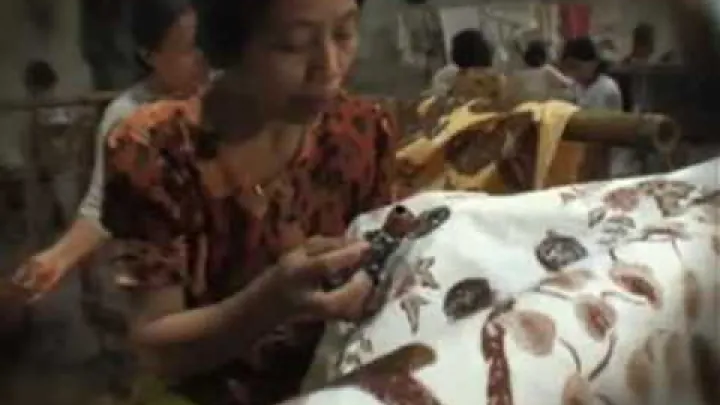
Yogyakarta and Solo are known for classical batik with refined motifs. Cirebon’s Mega Mendung cloud patterns are iconic. Palembang and Minangkabau produce shimmering songket with supplementary gold or silver threads. Sumba and Nusa Tenggara are renowned for bold ikat with natural dyes. When shopping, distinguish hand-drawn batik tulis, stamped batik cap, and printed imitations. The motif is clear on both sides. Favor natural fibers like cotton or silk. Seek colorfast natural dyes when available.
Care matters if you want textiles to last. Hand-wash batik and ikat in cool water with mild soap. Avoid soaking. Dry in shade to protect colors. For songket, keep it folded with acid-free tissue. Avoid pressing metallic threads. Dry-cleaning by experts is safer for premium pieces. Store textiles away from direct sunlight and moisture. Never hang heavy songket for long periods because it can distort. When packing, roll rather than fold to reduce creases. Place textiles in breathable bags.
Woodcarvings, masks, and sculptures
Wood arts are widely available, especially in Bali and Central Java. Mas village in Bali is famous for expressive masks and figurative carvings. Jepara is acclaimed for teak furniture and intricate reliefs. Choose items from legally sourced wood. Ask sellers about Indonesia’s Timber Legality Assurance System (SVLK) or other responsible sourcing statements. Inspect the grain, weight, and finishing. Hand-carved wood shows consistent grain and a balanced heft. Resin casts or composites may feel too light or show mold seams.

Check export and import rules for untreated wood before buying. Some countries conduct phytosanitary checks. Some require kiln-dried wood free from bark and pests. Request documentation if available. Avoid items with live edges or bark if you are unsure. For finishing, natural or food-safe oils are preferable for kitchenware. Pack carvings with padding around protruding parts. This reduces the risk of breakage.
Coffee: Gayo, Mandheling, Toraja, Java, Kopi Luwak
Indonesia’s coffee regions produce distinct profiles. Aceh Gayo often yields clean, sweet cups. Sumatra Mandheling is known for body and earthy complexity. Sulawesi Toraja offers layered acidity and spice. Java arabica can be balanced and smooth. Buy from reputable roasters or cooperatives. Choose sealed bags marked with a recent roast date, variety, altitude, and origin. If you consider Kopi Luwak, verify ethical sourcing and authenticity. Use traceability, third-party certification, or clear farm information.

If you do not carry a grinder, ask for a grind size that matches your method. For pour-over or drip, request medium grind. For French press, request coarse. For moka pot or Aeropress, request medium-fine. For espresso, request fine only if you will use it soon. Store coffee in a cool, dry place in its original one-way valve bag. Squeeze out excess air. Consume within 3–6 weeks of roast for whole beans. Consume within 1–2 weeks for ground. Avoid refrigerating opened bags because of moisture. Instead, pack tightly and keep away from heat.
Spices and culinary gifts
You will also find ready-to-cook spice mixes for rendang, satay, and soto. These make great gifts. Choose whole spices in airtight, labeled packaging. Whole spices keep longer. They usually pass customs more easily than loose goods. Check expiry dates and ingredient lists. Avoid liquids over carry-on limits. Dried sambal mixes, krupuk crackers, and palm sugar blocks are also popular. Ensure they are sealed and ingredient-labeled.

For storage life, whole spices typically keep good aroma for 12–24 months if sealed and stored away from light and heat. Ground spices are best within 6–12 months. Vanilla beans keep 6–12 months if vacuum-packed. Once opened, store in airtight containers. Verify halal, vegetarian, or vegan indicators when buying for diverse recipients. Check allergen disclosure for nuts, soy, shrimp paste, or gluten in mixes. Pack food in checked baggage when close to liquid limits. This avoids airport issues.
Musical instruments: Angklung (UNESCO), gamelan items
It is portable and easy to learn. Mini or educational sets suit travelers. Small gamelan-related items, such as mini gongs or mallets, can be decorative and symbolic. They avoid the scale of full instruments. When choosing bamboo instruments, check the bindings. They should be smooth. Ensure the bamboo is free from cracks. Confirm the tuning is stable across pieces.

Full instruments are large and heavy. They are rarely suitable as carry-on. Choose miniatures or single-note angklung pieces for compact gifts. Ask the seller to test pitch. Request simple care advice. Wrap bamboo carefully to avoid dents. Avoid extreme temperature or humidity changes during transit. If you plan to ship, request sturdy cartons and tracked delivery.
Jewelry: Bali silver, South Sea pearls, gemstones
Bali silver jewelry, often from Celuk, is known for detailed granulation and clean finishing. Look for a 925 hallmark, smooth solder joints, and comfortable clasps. Buy from reputable workshops that can explain their process. South Sea pearls, frequently sold in Lombok or Bali, should show consistent luster and natural surface characteristics. Ask for grading notes and origin documentation to support value. For gemstones, request written descriptions of species and treatments.

Protect your purchase with clear terms. Ask about return policies and written appraisals on higher-value pieces. Avoid prohibited materials like turtle shell, protected corals, or ivory. For pearls, request restringing on silk for necklaces. Ask for knotting between beads. Pack jewelry in individual pouches or boxes with anti-tarnish strips for silver. Keep invoices for customs and insurance purposes.
Pottery and ceramics
Kasongan in Yogyakarta and pottery villages in Lombok are popular sources of ceramics. Options range from tableware to decorative pieces. Assess quality by checking weight and wall thickness for balance. Look for even glazes without pinholes. Examine bases for smooth finishing. Compact pieces and travel-friendly sets reduce risk during transport. They still represent regional craft styles.

For packing, double-box fragile ceramics. Use soft wrap for each piece. Fill hollow spaces in vases or cups to prevent internal movement. A simple method is to ensure at least 5 cm of cushioning on all sides. Then place the box toward the center of your suitcase away from edges. Request the seller’s original padding if available. Keep receipts in case of insurance claims.
Natural cosmetics and traditional snacks
Popular cosmetics include herbal body scrubs (lulur), essential oils, and natural soaps made with coconut, turmeric, or pandan. Traditional snacks such as dodol, pia, bika ambon, and keripik travel well when sealed. Choose products with ingredient labels, batch numbers, and clear expiry dates. Respect airline liquid limits. Prefer solid soaps or balms for carry-on convenience.

Consider recipients with dietary or religious needs. Look for halal certification and vegan or vegetarian indicators where relevant. Always check allergen disclosure, especially for nuts, dairy, soy, or gluten. Select snacks that tolerate tropical temperatures. Avoid chocolate or fillings that melt easily unless your journey is short. Pack cosmetics in leak-proof bags. Pack snacks in rigid containers to prevent crushing.
Top Indonesian souvenirs for foreign friends (featured list)
When selecting souvenir Indonesia untuk orang asing, prioritize compact size and universal appeal. Choose items with clear cultural stories. The list below mixes budget-friendly picks with premium options. Most items stay under 1 kg. They are easy to carry or ship internationally.
12 recommended gifts and why they are appreciated
Foreign friends value gifts that are easy to use, display, or taste. A short story about origin adds meaning. Consider adding a small note about region or motif. The recipient can share the story too.

The table below covers textiles, jewelry, coffee, spices, instruments, ceramics, and snacks. All items are compact, non-perishable, or robust enough for travel. The choices include a mix of budget to premium items.
| Item | Why appreciated | Notes |
|---|---|---|
| Batik scarf (Cirebon or Yogyakarta) | Wearable culture that is flat and light | Often under 1 kg |
| Bali silver earrings | Small and versatile jewelry | Look for hallmark 925 |
| Gayo or Toraja coffee | Sealed bag with clear origin | Typical pack 250 g |
| Spice sampler (nutmeg, cloves, cinnamon) | Long shelf life and culinary use | Choose sealed packs |
| Mini angklung | UNESCO-listed instrument that is compact | Educational gift |
| Lombok pottery cup set | Functional with regional design | Pick travel-safe sizes |
| Songket wallet or cardholder | Luxurious touch without bulk | Protect metallic threads |
| Natural soap trio (coconut, turmeric, pandan) | Practical and fragrant | Carry-on friendly if solid |
| Vanilla beans (vacuum-packed) | High-value flavor with minimal weight | Check expiry date |
| Pandan or palm sugar candies | Heat-tolerant and individually wrapped | Easy to share |
| Teakwood spoon set | Durable kitchenware | Choose finished wood |
| Pearl pendant (Lombok, entry grade) | Modest luxury | Request documentation |
Where to buy souvenirs in Indonesia and Jakarta
Authenticity is easier to verify when you shop close to production or at curated retailers. You can browse traditional markets, artisan villages, or a trusted Indonesia souvenir shop in Jakarta. Ask for origin details and receipts. The options below balance selection, convenience, and provenance.
Traditional markets and artisan villages
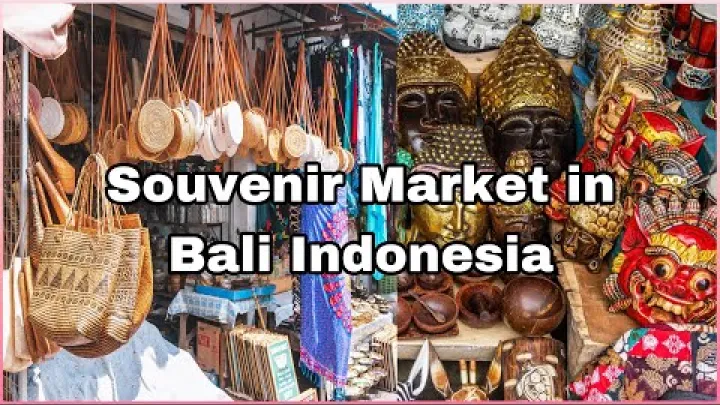
Traditional markets offer variety and direct contact with makers. In Java, Yogyakarta’s Beringharjo Market and Kasongan pottery village are good places to start. In Bali, visit Ubud Art Market and Mas village for woodcarving. In West Java, Saung Angklung Udjo’s shop is reliable for instruments. In Sumatra, Bukittinggi markets feature songket. In Sulawesi, Toraja markets showcase regional crafts. Buying near production centers often yields better provenance. You can request custom sizes or colors.

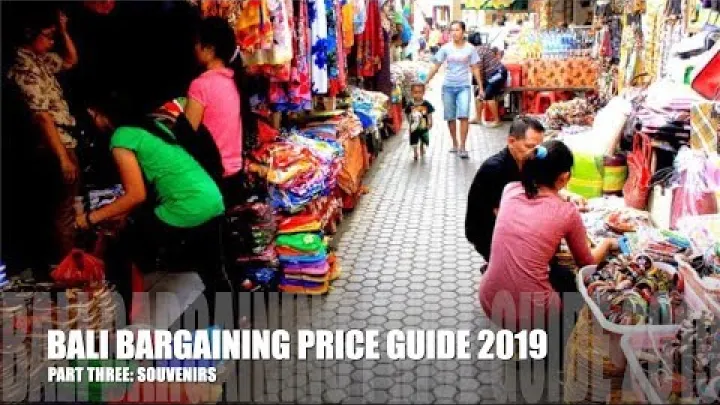
Expect bargaining in traditional markets. Inspect quality before negotiating. Compare similar items across stalls. Ask vendors about cooperative memberships or certifications. Request receipts. If you plan to ship, ask for packing services. Shopping this way supports community crafts. It also gives you clearer stories about how each item was made.
Jakarta shopping areas and reliable stores
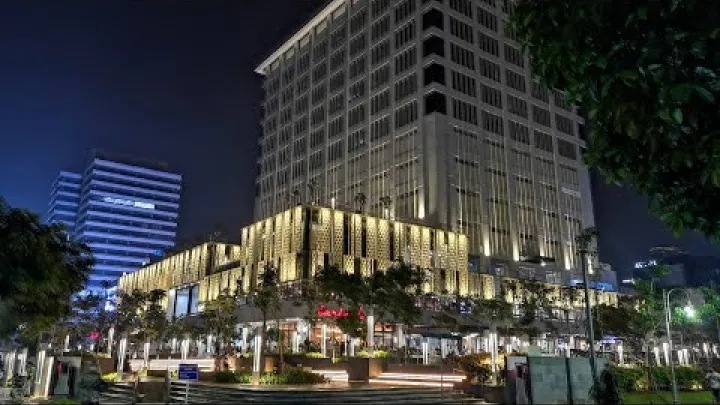
Sarinah showcases curated Indonesian products with clear maker details. Thamrin City and Tanah Abang are known for batik and textiles in many price tiers. Pasar Baru offers mixed souvenirs. Jalan Surabaya is popular for antiques. Verify authenticity and request receipts for higher-value finds. Prefer shops with transparent pricing for premium items. Look for clear return policies.

Access is straightforward. Sarinah is near Mass Rapid Transit (MRT) Bundaran HI. Thamrin City and Tanah Abang connect via TransJakarta corridors and nearby stations. Pasar Baru is served by TransJakarta. Jalan Surabaya is a short ride from central areas. When possible, pay by card at curated shops for added traceability. Ask for a tax invoice if available.
Online and curated boutiques
If you prefer an indonesia souvenir online shop, use reputable marketplaces and official brand stores with strong ratings and verified badges. Check international shipping options, delivery times, and duties before purchasing. For higher-value goods like silver jewelry or pearls, request documentation, appraisals, or certificates. Ensure tracked shipping.

Compare platform buyer protection terms and return windows. Confirm packaging standards for fragile items. Ask for photos before dispatch. If duties are prepaid, keep the invoice to avoid double charges. For custom or made-to-order pieces, align expectations on lead time and materials. Retain all correspondence.
How to choose quality and avoid fakes (step-by-step)
Authentic souvenirs last longer and hold cultural value. They also retain their story. Use the steps below in markets or shops. Be cautious of prices that seem too low. Be cautious of rushed sales pressure. Watch for inconsistent origin stories.

Batik, silver, pearls, coffee, spices
Start with batik. Check that patterns show clearly on both sides. Look for wax-resist traces. Feel the fabric for natural fiber softness. Printed cloth often has a faded reverse or perfectly uniform edges. For silver, look for the 925 hallmark. Try a magnet test because sterling is not magnetic. See how it responds to a polishing cloth. Clean, well-finished solder joints are a good sign. For pearls, examine luster and surface. A gentle rub test between teeth should feel slightly gritty. Ask for grading notes and origin. Request a return policy for higher-value items.

For coffee and spices, prefer recent roast dates and single-origin labels. Choose sealed packaging. Buy whole spices for longer life. Look for airtight, labeled packs with expiry dates. Beware of unclear labeling or missing dates. When stories or pricing do not match the claimed quality, treat it as a red flag. For example, “hand-drawn silk batik” at a very low price needs verification with another seller.
- Inspect materials and markings. Look for a 925 stamp, roast date, and origin labels.
- Run quick tests. Use a magnet, a reverse-side batik check, and a pearl rub test.
- Compare across stalls for consistency in price and story.
- Request receipts, certification, and return terms where relevant.
Price guide, packing, and customs tips
Prices vary by material, technique, and provenance. Understanding ranges and etiquette helps you budget and negotiate respectfully. Packing and customs compliance protect your items. They also ensure smooth travel.

Typical price ranges and bargaining etiquette
Printed batik is generally the most affordable. Stamped batik cap sits in the middle. Hand-drawn batik tulis, especially on silk, commands higher prices. Jewelry and pearls vary by workmanship, metal weight, and pearl size and luster. Genuine Kopi Luwak can be costly per kilogram. Pay premiums only when the source and ethics are clearly documented. Spices are budget-friendly. Whole spices are priced higher than ground due to shelf life.
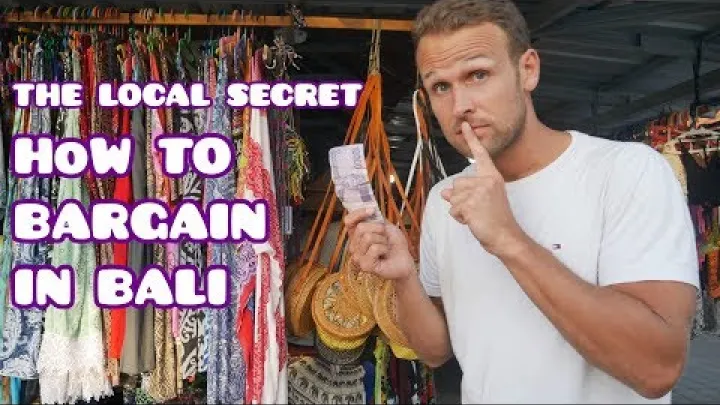
Bargain politely in traditional markets. A typical range is 10–30% depending on context. Curated boutiques often use fixed prices. Carry small bills for markets. Pay by card in reputable shops when possible for traceability and potential fraud protection. Ask for tax invoices or official receipts on significant purchases. These support warranty or insurance claims. When shipping, compare courier rates and choose tracked services.
Packing fragile and food items safely
Good packing prevents breakage and spoilage. Double-box fragile goods like ceramics or carved masks. Use at least 5 cm of cushioning on all sides. Wrap each piece individually. Fill hollow spaces to stop internal movement. Place fragile boxes at the center of your suitcase. Keep them away from edges and wheels. For wood, pad protrusions like noses or horns on masks. This avoids stress points.

Carry food in sealed retail packaging. Respect liquid limits for carry-on. Declare food when required. Check airline baggage limits. Check any embargoes on seeds or fresh produce. For oily or scented items, use leak-proof bags and rigid containers. Keep receipts in a separate pouch. Customs may ask for proof of purchase.
Sustainability and ethical sourcing checklist
Responsible shopping supports artisans and protects wildlife and forests. Use the checklist below to align your purchases with ethical and environmental standards. You can still bring home remarkable souvenirs.

Responsible wood, ethical pearls, Kopi Luwak, certifications
For woodcarvings, prefer legally verified timber and community crafts. Ask about SVLK documentation or equivalent statements. Avoid items made from protected species. Be mindful of export restrictions on cultural artifacts. For pearls, choose farms with traceable origin and humane practices. Request documentation for higher-value pieces. Avoid coral, turtle shell, or materials from endangered species.

For coffee, steer clear of caged-animal Kopi Luwak. If you choose to buy, opt for certified, ethical sources with traceability. For textiles and dyes, inquire about natural fibers and low-impact processes. Keep in mind that some antique or ritual items may require export permits. When uncertain, choose contemporary, non-ritual crafts designed for open sale.
Frequently Asked Questions
What are the best souvenirs to buy in Indonesia?
Top choices include batik textiles, Bali silver jewelry, single-origin coffee (Gayo, Mandheling, Toraja, Java), spice sets (nutmeg, cloves, cinnamon, vanilla), woodcarvings from Bali or Jepara, angklung mini sets, Lombok pottery, and sealed traditional snacks. Pick items with clear origin labels and artisan provenance.
Where can I buy authentic souvenirs in Jakarta?
Sarinah offers curated Indonesian products with maker details. For textiles, try Thamrin City or Tanah Abang. Pasar Baru has mixed souvenirs, and Jalan Surabaya specializes in antiques—verify authenticity and request receipts. These areas are reachable via Mass Rapid Transit (MRT) Bundaran HI and TransJakarta corridors.
What Indonesian gifts are suitable for foreign friends?
Compact, non-perishable items such as batik scarves, Bali silver earrings, Gayo or Toraja coffee, spice samplers, mini angklung, natural soaps, and vanilla beans are ideal. They are easy to pack, culturally meaningful, and widely appreciated.
Can I bring Indonesian food, spices, or coffee through customs?
Most destinations allow commercially packaged, sealed coffee and dried spices. Restrictions often apply to meat, dairy, fresh produce, and liquids. Check your destination’s rules and declare food when required to avoid fines.
How much does Kopi Luwak cost and how do I verify authenticity?
Genuine Kopi Luwak can range from about United States dollar (USD) 100–600 per kilogram depending on origin and certification. Verify traceable batches, ethical sourcing (avoid caged practices), and third-party documentation. Buy from reputable roasters or farm-linked shops.
Are Bali silver jewelry and South Sea pearls authentic and how can I check?
Look for 925 hallmarks on silver and clean soldering; sterling is not magnetic. For South Sea pearls, check luster, surface, and symmetry, and ask for grading notes and origin documents. Request a return policy or appraisal for higher-value items.
How should I pack wooden carvings or pottery for a flight?
Wrap each item separately, pad protruding parts, and double-box with at least 5 cm cushioning. Place boxes in the center of your suitcase and label as fragile if shipping. Fill hollow spaces in ceramics to prevent internal movement.
What is the cultural meaning of batik motifs in Indonesia?
Motifs carry symbolic meaning and regional identity. Parang and Kawung are linked to royal symbolism in Central Java, while Mega Mendung from Cirebon depicts cloud forms associated with patience and protection. Many patterns are used in ceremonies and social markers.
Conclusion and next steps
Authentic Indonesia souvenirs combine clear origin, cultural meaning, and practical design. Focus on textiles, woodcarvings, coffee, spices, jewelry, instruments, and ceramics that are well made. Choose items that are easy to pack and ethically sourced. Shop close to production or at trusted Jakarta retailers. Request documentation and pack with care. With these steps, you can bring home gifts that last. You also tell a true story of Indonesia.
Select area
Create a post
Posting is free and no registration is required.