Indonesia Famous Food: 25 Must-Try Dishes, Street Food, and Bali Specialties

This guide highlights the five pillar dishes, must-try street food, and regional specialties from Sumatra, Java, Bali, Sulawesi, Maluku, and Papua. It is designed for visitors, students, and professionals who want clear explanations, practical ordering tips, and regional context.
You will find quick answers, concise comparisons, plant-forward options, and notes on where and when to try each dish. To keep names consistent and easy to recognize, dish names appear in their common Indonesian forms throughout.
Quick Answer: What is the most famous food in Indonesia?
The most famous foods in Indonesia are nasi goreng (fried rice), rendang (slow-cooked spiced meat), satay (grilled skewers), gado-gado (vegetable salad with peanut dressing), and soto (aromatic soup). They are iconic because they show the country’s bumbu spice pastes, balance of sweet and savory, charcoal grilling, and comforting broths found nationwide.
From these staples, branch into noodles like mie goreng, seafood such as ikan bakar, and regional highlights including Padang rice feasts, Balinese pork dishes, and Papuan papeda to understand Indonesia’s full culinary map.
Short list of iconic dishes (nasi goreng, rendang, satay, gado-gado, soto)
Here is a compact list of the five dishes you will see almost everywhere, with quick cues on base, flavor, and serving style. Each one is explained in detail in its dedicated section below to help you order with confidence.
- nasi goreng: day-old rice stir-fried with garlic, shallot, chili, and kecap manis; smoky “wok hei”; often topped with egg and crackers (see Nasi goreng section).
- rendang: beef or other protein slowly braised in coconut milk and spices until dry, deeply spiced, and tender; celebratory Minangkabau origin (see Rendang section).
- satay: skewered meats marinated and grilled over charcoal; served with peanut, soy, or curry-like sauces depending on region (see Satay section).
- gado-gado: blanched vegetables, tofu, and egg dressed with a customizable peanut sauce; commonly served with compressed rice cakes (see Gado-gado section).
- soto: a family of brothy soups, clear or coconut-based, perfumed with lemongrass and turmeric; finished with herbs and condiments (see Soto section).
Use these as starting points, then explore variants by region. Ask for chili on the side if you prefer mild heat, and look for busy stalls at meal times for the freshest taste.
Indonesia’s National Dishes and Why They Matter
They connect island communities through familiar textures, spice balances, and everyday rituals, making them the best entry point for travelers and newcomers.
Across these dishes, two key terms appear often. bumbu refers to the spice paste foundation made from ingredients such as shallot, garlic, chili, galangal, turmeric, and candlenut. kecap manis is a thick, sweet soy sauce that adds caramelized sweetness and gloss, central to many stir-fries and grills. Cultural contexts also matter: tumpeng symbolizes gratitude and community; halal considerations shape choices in most regions; and plant-based swaps are widely available via tofu and tempeh.
The overview below compares the pillars by origin or context, typical base or protein, main method, and flavor direction to help you choose a first taste:
| Dish | Origin / Context | Protein / Base | Method | Flavor Profile |
|---|---|---|---|---|
| rendang | Minangkabau (West Sumatra); festive and ceremonial | Beef (also chicken, jackfruit) | Coconut reduction to a dry finish | Deeply spiced, savory, aromatic heat |
| satay | Nationwide street and grill culture | Chicken, beef, goat; regional seafood/pork | Charcoal grilling with marinades | Smoky, sweet-salty, sauce-driven |
| nasi goreng | Everyday comfort; breakfast to late-night | Rice base with flexible add-ins | High-heat stir-fry | Sweet-savory, garlicky, optional chili |
| gado-gado | Market and home-cooked salads | Vegetables, tofu, egg, rice cakes | Blanching and mortar-made dressing | Nutty, tangy, adjustable heat |
| soto | Regional soup families (Java, Sumatra, Borneo) | Chicken, beef, offal; rice noodles/rice | Clear or coconut broth infusion | Herbal, citrusy, comforting |
Dietary notes: in Muslim-majority areas, halal meats are the norm, while Bali features celebrated pork dishes. Peanut-based sauces are common, so mention allergies. Eggs are often optional, and tofu or tempeh can replace meat in many orders.
Rendang
Rendang comes from the Minangkabau of West Sumatra and is famed for slow cooking meat in coconut milk and spices until the liquid reduces and the oils separate. The technique yields a dry, caramelized surface that locks in flavor and preserves the meat, a practical method for long travel and celebrations.
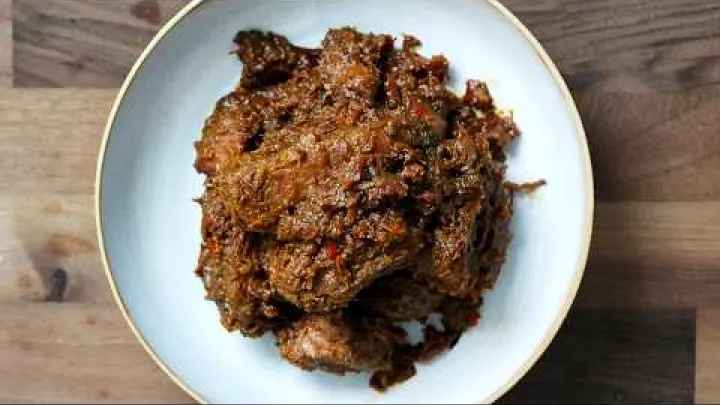
Aromatics often include galangal, lemongrass, turmeric leaves, kaffir lime leaves, chilies, and toasted coconut. The flavor is layered: savory, slightly sweet from coconut, and warmly spiced rather than fiery. “Wet” rendang stops earlier with more gravy, while “dry” rendang cooks until nearly all moisture evaporates for a darker, more intense finish.
Beef is classic, but chicken, duck, and jackfruit appear as regional or plant-based variants. It is served during festivals, weddings, and religious holidays, typically with steamed rice or compressed rice cakes. Look for authentic versions at Padang restaurants, where it sits in the display stacked with other curries.
To try it: visit a busy Padang eatery at lunch for the widest selection and best turnover. If you prefer milder heat, ask for sambal on the side and choose the drier style to focus on spice aroma over chili strength.
Satay
Satay is charcoal-grilled meat on skewers, with styles that change by region. Madura satay features sweet soy–based marinades and a peanut sauce; Padang satay uses turmeric-rich, curry-like sauces; Bali’s sate lilit blends minced fish or meat with grated coconut and bumbu, wrapped around lemongrass sticks for an aromatic char.

Common proteins include chicken, beef, goat, and in coastal or Balinese areas, fish and pork. Charcoal matters: glowing coals sear quickly and add smoke, while the vendor’s fan controls flare-ups. Order by portion (typically 10 skewers), choose your sauce, and ask for the sauce on the side if you want to control sweetness or heat.
In predominantly Muslim regions, pork satay is rare; in Bali and some Chinese-Indonesian areas, pork is common. Confirm the protein and whether the stall is halal if that is important to you. Satay is great for sharing, especially with rice cakes and sliced shallots for freshness.
For first-timers, start with chicken satay and peanut sauce, then explore Padang’s bolder curry sauce or the fragrant coconut notes of sate lilit. Evening markets have the best ambience and grill aroma.
Nasi goreng
Nasi goreng is the country’s go-to fried rice, built on garlic, shallot, and chili, then lifted with kecap manis for caramel sweetness and color. High heat gives “wok hei,” the smoky breath of the wok that defines a great plate.

Popular toppings include a fried egg, prawn crackers, sliced cucumber, and tomato. Variants include nasi goreng jawa (sweeter, soy-forward) and nasi goreng kampung (rustic, spicier, more aromatic greens). Add chicken, shrimp, or beef, or choose tempeh or tofu for a satisfying vegetarian option.
It is eaten at breakfast using leftover rice, and also as a late-night street food when woks fire across alleys. Ask for “pedas sedikit” for a little chili, or “tanpa telur” to skip egg.
For the best experience, pick a stall where the cook prepares each plate to order, keeping the rice grains separate and lightly smoky. Pair with iced tea to balance the sweet-savory profile.
Gado-gado
Gado-gado is a warm salad of blanched vegetables such as long beans, cabbage, and bean sprouts, with tofu, tempeh, and egg, dressed in a peanut sauce pounded in a mortar. The dressing is adjustable: request more lime for brightness, less sugar for balance, or chili on the side for control.

Similar dishes include pecel (lighter, often spicier peanut dressing) and lotek (with palm sugar and sometimes fermented elements), which vary by region. Gado-gado is commonly served with lontong or ketupat (compressed rice cakes) or plain rice to make it a complete meal.
Plant-forward eaters can omit the egg and ask whether the sauce uses shrimp paste; vendors can usually prepare a version without terasi on request. Crunchy crackers add texture, but they can be skipped for gluten concerns.
Choose a stall where the vendor grinds the sauce fresh to order; the aroma and texture improve markedly. Lunchtime markets are ideal for turnover and variety of vegetables.
Soto
Soto is an umbrella for Indonesian soups, from clear turmeric broths to richer coconut-based variations. Core aromatics include lemongrass, galangal, salam leaves, and turmeric, often brightened with lime and served with rice or rice noodles.
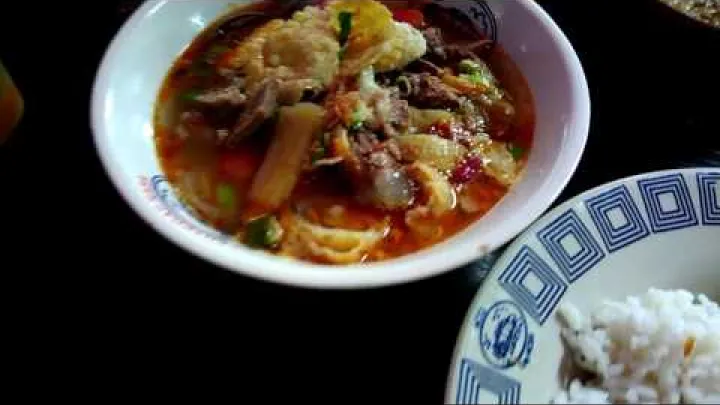
Notable examples include soto lamongan (clear, garlicky chicken broth with crunchy koya topping) and soto betawi (Jakarta’s creamy beef-and-milk or coconut-milk soup). Common garnishes are fried shallots, celery leaves, lime wedges, sambal, and sweet soy sauce to adjust flavor at the table.
Proteins range from chicken and beef to offal. If you prefer to avoid innards, request “tanpa jeroan” (no offal). Morning is the best time for soto, when broths are fresh and nuanced.
Order a small side of rice or lontong if you want a lighter bowl, or a full plate if you are hungry. A clear broth with lime is a gentle entry point for first-time visitors.
Tumpeng (cultural symbol)
It symbolizes the relationship between people, nature, and the divine, and expresses gratitude during milestones such as birthdays, openings, and community events.
Side dishes typically include fried chicken, tempeh orek, stir-fried vegetables, sambal, and eggs, arranged symmetrically around the cone. Etiquette calls for the host or honored guest to take the first slice from the top, then share with others, reflecting togetherness and respect.
Different rice types appear: plain white for simplicity, turmeric rice for celebration, or coconut rice for richness. The platter is usually photogenic, but it is meant to be eaten and enjoyed communally.
To experience tumpeng, look for ceremonial meals or restaurants that offer it by pre-order for groups. It is a delicious window into how Indonesian food and social values intertwine.
25 Famous Indonesian Foods to Try (with photos)
Use this numbered checklist to sample Indonesia’s greatest hits across rice and noodles, grills and meats, soups and stews, seafood, street snacks, plant-based staples, and desserts. Each entry notes where you will most likely find it and a quick cue on heat or key ingredients so you can adjust to your taste and diet.
The items are grouped for easy planning. Markets and warungs (small eateries) are ideal for daytime meals, while night markets offer grills, noodles, and sweets after sunset. Ask for sambal on the side if you prefer to control heat.
Rice and Noodles: nasi goreng, mie goreng, nasi padang, nasi uduk
Rice and noodles anchor daily eating across the archipelago. Seasonings shift from sweet soy and garlic in Java to bolder chili and coconut accents in Sumatra and Sulawesi, so your favorite version may depend on where you try it.
Ordering is flexible: choose your protein, ask for the spice level, and decide between egg or extra vegetables. For Padang rice feasts, you point to dishes and pay only for what you eat; for nasi uduk, expect a set plate with add-ons.
- nasi goreng: street-stall fried rice with garlic, shallot, chili, and kecap manis; topped with egg and crackers. Common at night markets; mild to medium heat.
- mie goreng: stir-fried noodles with cabbage, greens, and your choice of protein; sweet-savory and slightly smoky. Found at noodle carts; ask for “tidak terlalu manis” if you prefer less sweetness.
- nasi padang: a rice plate from West Sumatra topped with curries like rendang and gulai; buffet-style “you pay for what you eat.” Widely available in cities; sauces range from mild to hot.
- nasi uduk: fragrant coconut rice with fried chicken, omelet strips, sambal, and peanuts. Morning favorite in Jakarta; heat varies by sambal.
Grilled and Meat: satay variants, ayam penyet, bebek betutu
Grills showcase the magic of charcoal, marinades, and basting. Sauces vary by region, from sweet peanut to curry-like gravies and aromatic coconut bumbu, so it is worth trying more than one style.
Most plates come with rice or rice cakes, cucumber, and shallots. Order sauces on the side to balance sweetness or heat, and confirm the protein to align with halal or dietary preferences.
- satay variants: charcoal-grilled skewers with regional sauces—Madura’s sweet peanut, Padang’s turmeric curry, Bali’s coconut-scented sate lilit. Best at night markets; heat adjustable via sambal.
- ayam penyet: “smashed” fried chicken pressed onto sambal to absorb spice; crisp outside, juicy inside. Common in Java; choose mild to extra-hot sambal.
- bebek betutu: Balinese duck rubbed with spice paste and slow-cooked until tender, sometimes smoked. Found at Balinese warungs; aromatic rather than very spicy.
Soups and Stews: soto betawi, bakso, rawon, coto makassar
Indonesian soups range from clear and citrusy to coconut-rich and deeply spiced. Garnishes add crunch and brightness, while condiments at the table let you dial in heat and sweetness.
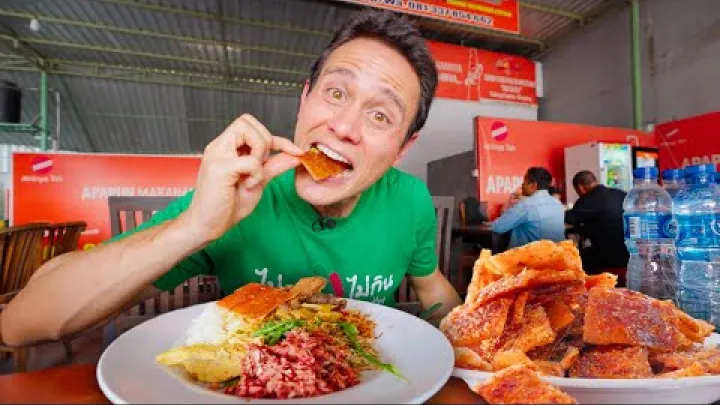
Broths are best earlier in the day. If you prefer to avoid offal, ask before ordering or request clean cuts only.
- soto betawi: creamy Jakarta beef soup with coconut milk or milk, tomatoes, and fried shallots. Often served in Jakarta eateries; mild warmth, rich body.
- bakso: springy meatball soup with noodles, greens, and crunchy fried wontons. Found from carts to malls; usually mild, chili added to taste.
- rawon: East Javanese black beef soup colored by kluwak nuts; earthy and satisfying. Served with rice and bean sprouts; gentle heat.
- coto makassar: Makassar beef and offal soup with ground peanuts and spices, paired with rice cakes. Robust and savory; ask for no offal if preferred.
Seafood and Regional: ikan bakar, pempek, papeda with kuah kuning
Coastal regions excel at fresh fish and shellfish, often simply grilled and paired with vibrant sambal. In Palembang and Papua, local starches and flours create distinctive textures and sauces.
Look for vendors who display fresh fish on ice and cook to order. Pair seafood with steamed rice and a mild sambal if you want a gentler heat.
- ikan bakar: whole or fillet fish marinated with turmeric, garlic, and sweet soy, then grilled and served with sambal matah or sambal terasi. Best at coastal warungs; heat varies by sambal.
- pempek: Palembang fishcakes (lenjer, kapal selam) served with tangy-sweet cuko sauce. Sold at specialty shops; mild until dipped in sauce.
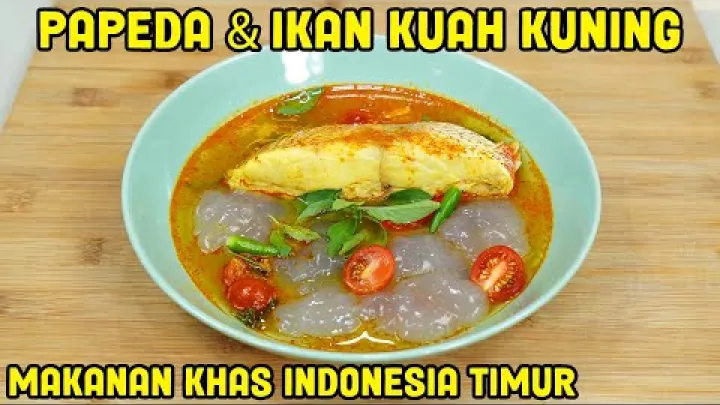
- papeda with kuah kuning: Papuan sago porridge with silky, stretchy texture, eaten with turmeric-yellow fish soup. Found in eastern Indonesia eateries; gentle heat, aromatic broth.
Street Snacks: gorengan, martabak, siomay, batagor
Snacks fuel evenings and market strolls. Some are fried to order and best eaten hot, while others are steamed and dressed in sauces that balance sweet, savory, and tangy notes.

Watch oil clarity and turnover as freshness cues. Ask the vendor to make a smaller portion if you want to sample several items in one visit.
- gorengan: assorted fritters (tempeh, tofu, banana) sold from glass carts. Freshest when fried to order; mild, crispy, and affordable.
- martabak: thick sweet pancake with chocolate/cheese or thin savory stuffed with egg and scallions. Evenings at roadside griddles; richness varies by filling.
- siomay: steamed fish dumplings with potatoes, tofu, and cabbage, topped with peanut sauce and sweet soy. Daytime carts; sauce heat adjustable.
- batagor: Bandung-style fried fish dumplings with peanut sauce and sweet soy. Best at busy stalls; mild until sauced.
Plant-based and Fermented: tempeh, tahu, sambal varieties
Indonesia is a paradise for plant-based eaters thanks to tempeh and tofu, which take well to frying, grilling, and braising in bumbu. Sambals add personality, from citrusy raw mixes to smoky cooked sauces.
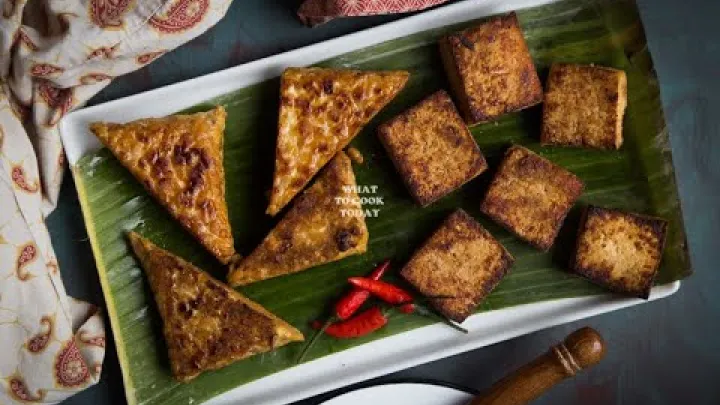
Ask if sambal includes shrimp paste (terasi) and request alternatives when needed. Many vendors can offer chili-lime salt or tomato-based sambal without terasi.
- tempeh: fermented soybean cake with nutty flavor, served fried crisp or braised in sweet soy. Common everywhere; heat depends on sambal pairing.
- tahu (tofu): silky or firm tofu, fried, stuffed, or simmered in coconut curries. Markets and warungs; neutral base, sauce sets spice level.
- sambal varieties: from raw sambal matah (Bali) to cooked sambal terasi; used as a condiment for almost everything. Ask for mild or “tanpa terasi” for vegan-friendly versions.
Desserts and Sweets: klepon, kue lapis, es cendol, tape
Desserts balance textures—chewy rice flour, layered cakes, and icy drinks with coconut and palm sugar. Many are enjoyed as afternoon snacks rather than end-of-meal sweets.

Temperature matters: some are best room-temperature, while iced treats shine on hot days. Look for stalls that prepare components fresh, especially coconut milk and shaved ice.
- klepon: glutinous rice balls filled with palm sugar that burst when bitten, rolled in grated coconut. Sold at traditional markets; not spicy.
- kue lapis: steamed layered cake with tender, bouncy texture and gentle sweetness. Found at bakeries and markets; kid-friendly.
- es cendol: iced coconut milk drink with green rice-flour jellies and palm sugar syrup. Perfect for hot afternoons; no heat.
- tape: fermented cassava or rice with a sweet-tart, mildly boozy taste. Served as a snack or dessert topping; best chilled or at room temperature.
Bali Indonesia Famous Food: What to Try and Where
Balinese cuisine reflects Hindu traditions, producing celebrated pork specialties, vibrant seafood, and abundant plant-based dishes. Spice pastes lean fragrant with galangal, lemongrass, turmeric, and shrimp paste, balanced by fresh herbs and lime.
This section spotlights must-try dishes and where to find them, from humble warungs to night markets and coastal grills. For the freshest roasts and rice dishes, aim for lunch; grills and market snacks peak in the evening.
Must-try Balinese dishes (babi guling, lawar, sate lilit)
Babi guling is spit-roasted pork rubbed with bumbu of turmeric, coriander, garlic, and chilies, yielding crackling skin and juicy meat. It is commonly served with rice, lawar, crispy bits, and sambal, and is best around late morning to early afternoon when it comes fresh from the spit.
Lawar is a minced salad of vegetables and grated coconut bound with spice paste; some versions include minced meat or blood for richness. Plant-forward versions exist using only green beans, young jackfruit, or coconut—ask the vendor which type they serve.
Sate lilit blends minced fish or meat with coconut and aromatic bumbu, wrapped around lemongrass sticks and grilled for a fragrant char. For non-pork alternatives, choose sate lilit ikan (fish) or chicken versions, which pair well with steamed rice and a squeeze of lime.
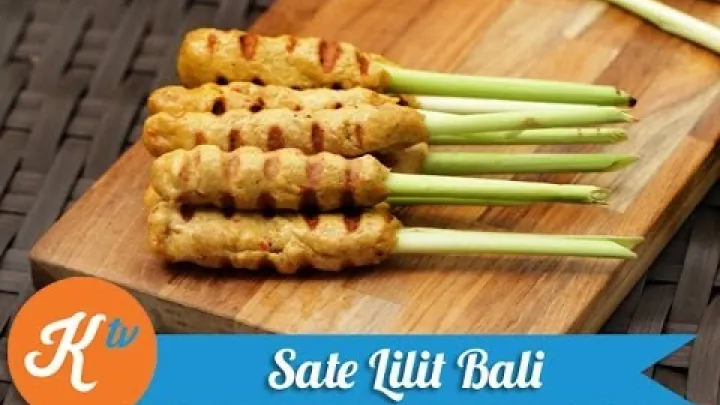
If you prefer milder flavors, request sambal matah on the side and start with fish-based sate lilit before moving to heartier pork plates. Popular stalls sell out early, so arrive before the lunch rush.
Where to try: local warungs, night markets, coastal seafood areas
Local warungs are ideal for home-style plates at fair prices. Choose spots with steady local traffic, visible prep areas, and clear dish labels; confirm prices before ordering and ask “pedas atau tidak?” to set spice levels.
Night markets offer grills, noodles, and sweets in one place. They are busiest from 6–9 pm, which means faster turnover and fresher food; if you have a sensitive stomach, start with larger, well-known markets before exploring smaller stalls.
Coastal seafood areas display the day’s catch on ice; you pick a fish, choose your marinade (sweet soy, turmeric, or garlic-lime), and decide on grilling or frying. Ask for sambal on the side, and confirm weight-based pricing to avoid surprises.
In tourist zones, posted menus are common; in rural areas, pointing to ingredients works well. A friendly “tolong kurang pedas” (please make it less spicy) is understood everywhere.
Street Food Guide: How to Order and What to Expect
- Carry small bills and coins to pay exact amounts.
- Point and confirm orders; repeat key words like “ayam,” “sapi,” or “ikan.”
- Use phrases: “tidak pedas” (not spicy), “pedas sedikit” (a little spicy), “tanpa telur” (no egg), “tanpa terasi” (no shrimp paste).
- Check oil freshness and hot holding; choose busy stalls at meal times.
- Arrive early for soup stalls; go after sunset for grills and snacks.
If in doubt, start with cooked-to-order items and sauces on the side. Pair spicy foods with water or iced tea, and bring hand wipes for convenience.
Safety, pricing, and timing tips
Look for steady foot traffic and fast turnover, which indicates freshness. Clean, separate cutting boards and utensils for raw and cooked foods are good hygiene signs; vendors should handle money and food with different hands or tools.
Oil should be clear and hot, not dark or smoky; food should be held above the ground and covered. Ask the vendor to reheat or refry items if they look lukewarm.
- Confirm prices before ordering, especially for seafood sold by weight.
- Evenings are busy and vibrant, but lines are longer; early evenings bring the best variety.
- Mornings suit soups like soto and bakso; some dishes sell out by midday.
- If sensitive, avoid ice from unknown sources and skip raw salads at small stalls.
Keep sauces on the side until you know the heat level.
How to choose a vendor
Specialization is a strong sign of quality: a stall that sells only one or two dishes tends to perfect them. Lines of local customers at conventional meal times are the simplest endorsement.
Look for sauces ground to order in a mortar and pestle, warm rice in a covered container, and a sizzling grill or wok. Start with well-reviewed markets or food courts if you have a sensitive stomach, then branch out to smaller carts as you grow comfortable.
- Ask what the stall is “best known for” and begin there.
- Check that cooked foods are kept hot and covered, not sitting at room temperature.
- Confirm meat type and halal status where relevant.
- Request “saus terpisah” (sauce separate) to manage flavor and heat.
Trust your senses: good aromas, brisk cooking, and clean setups are reliable guides. If something seems off, move on—there are always other options nearby.
Regional Highlights Across the Archipelago
Use the patterns below to navigate: note hallmark techniques, try two or three signature dishes, and follow simple ordering etiquette unique to each place. Precision matters, because even dishes with the same name taste distinct by region.
Sumatra
Sumatra’s Minangkabau cuisine is known for slow-cooked curries like rendang and gulai, where coconut milk and bumbu reduce to intense, layered flavors. Padang restaurants practice “hidang” service, placing many plates on the table; you pay only for what you touch.
Aceh shows South Asian spice influence in dishes like mie Aceh and roti cane, while Palembang shines with pempek fishcakes and tangy cuko. Expect warm to hot chili levels and pronounced coconut richness; ask for extra lime to brighten heavy sauces.
Signature picks: rendang, gulai ayam, and pempek Palembang. Etiquette tip: at Padang eateries, use the serving spoon to take from shared plates and keep track of what you’ve eaten for the bill.
For a gentle start, try a lighter gulai or ask for sambal separately. Lunch hours bring the greatest variety and freshest fry-ups.
Java
Central Java and Yogyakarta favor gentle sweetness from palm sugar and kecap manis, seen in gudeg (young jackfruit stew) and ayam bacem (soy-braised chicken). Street culture includes angkringan, night carts selling small snacks and rice packets for casual, budget-friendly dining.
East Java cooks bolder, with rawon’s kluwak depth and assertive soto styles. Tempeh and tofu are everyday proteins, appearing fried crisp, braised, or served with sambal and vegetables.
Signature picks: gudeg, rawon, and soto lamongan. Ordering tip: at angkringan, point to items and pay per piece; it is normal to build a small plate with several bites.
If you prefer less sweetness, say “tidak terlalu manis,” especially for stir-fries and braises. Morning markets are great for gudeg before the heat of the day.
Sulawesi and Kalimantan
South Sulawesi’s Makassar cuisine features robust soups like coto, konro (beef ribs), and pallubasa, often paired with rice cakes. Manado in North Sulawesi brings heat and herbs with rica-rica and woku, highlighting fresh fish and aromatic leaves.
Kalimantan (Borneo) offers soto Banjar, freshwater river seafood, and forest herbs that add unique aromatics. Spice can run hot in Manado; request mild if needed, and confirm whether dishes include offal in Makassar soups.
Signature picks: coto makassar, konro bakar, and ikan rica-rica. Ordering tip: ask for rice cakes (ketupat or buras) with soups for a traditional pairing.
Protein notes: beef and offal in Makassar; abundant fish and shellfish in Manado and coastal towns. Lime and basil-like kemangi often finish plates for freshness.
Maluku and Papua
Maluku and Papua reflect a spice legacy of nutmeg and clove, with simple grilled seafood and fragrant broths. Cassava and sago are everyday staples, shaping textures that differ from rice-centric islands.
Papeda, a sago porridge, is eaten by twirling a portion and dipping it into kuah kuning, a turmeric-yellow fish soup. The result is silky, mild, and comforting, best enjoyed with fresh chili and lime on the side.
Signature picks: grilled tuna with sambal, papeda with kuah kuning, and cassava leaf stews. Ordering tip: ask the vendor to show today’s catch and choose a cooking style—grilled for smoke, boiled for broth.
For first-timers, combine a grilled fish with a mild sambal matah for brightness without overwhelming heat. Markets by the harbor offer the freshest options.
Medan (North Sumatra)
Medan’s food scene blends Batak, Malay, and Chinese influences, resulting in bold flavors and diverse ingredients. Batak cuisine uses andaliman, a numbing citrus pepper related to Sichuan pepper, in dishes like arsik (spiced fish) and saksang.
Halal and pork options coexist in the city; many seafood and Malay eateries serve halal menus, while Batak restaurants may feature pork. Always confirm if you have dietary restrictions.
Must-tries include soto medan (coconut-enriched soup), bika ambon medan (honeycomb cake), lontong medan (rice cake with curry sides), and arsik (herb-laden fish). Ordering tip: for arsik, request the level of andaliman and chili to manage the numbing heat.
Morning is best for lontong medan and soto medan; bakeries sell bika ambon throughout the day. For variety, visit food courts that gather vendors under one roof.
Frequently Asked Questions
What food is Indonesia known for?
Indonesia is known for nasi goreng, rendang, satay, gado-gado, and soto. These dishes show the country’s spice pastes, sweet-savory balance, charcoal grilling, and comforting broths.
What is the most famous food in Indonesia?
Nasi goreng and rendang are often named most famous. Satay, gado-gado, and soto complete the top five seen across the archipelago.
What is Indonesia’s national dish?
There is no single official dish, but rendang, satay, nasi goreng, gado-gado, and soto are widely recognized as national favorites. Tumpeng is a cultural symbol used for celebrations.
Is Indonesian food spicy?
Many dishes can be spicy, but heat is adjustable. Ask for “tidak pedas” (not spicy) or request sambal on the side.
What is the famous food in Bali?
Bali is famous for babi guling, lawar, and sate lilit. Coastal areas offer excellent ikan bakar, and plant-based eaters can find tofu, tempeh, and vegetable lawar.
Where can I try authentic Indonesian street food?
Visit busy night markets and local warungs with steady lines. Choose vendors who cook to order and keep sauces and ingredients covered.
What are popular Indonesian desserts?
Klepon, kue lapis, es cendol, and tape are popular. They range from chewy rice cakes to icy drinks and fermented sweets.
What is tempeh?
Tempeh is a fermented soybean cake with a nutty flavor and firm texture. It is commonly fried, grilled, or braised and is a key plant-based protein in Indonesia.
Conclusion
Nasi goreng, rendang, satay, gado-gado, and soto form the pillars of Indonesia famous food, each revealing essential flavors and techniques. Taste them first, then explore regional styles from Padang curries to Balinese grills and Papuan sago.
For a simple plan, try one rice or noodle dish, one grilled or soup specialty, and one snack or dessert each day. Adjust sambal to your comfort, choose busy vendors, and enjoy the archipelago’s generous diversity one plate at a time.
Select area
Create a post
Posting is free and no registration is required.