Indonesian Food: Essential Dishes, Traditional Cuisine, and Where to Eat Worldwide
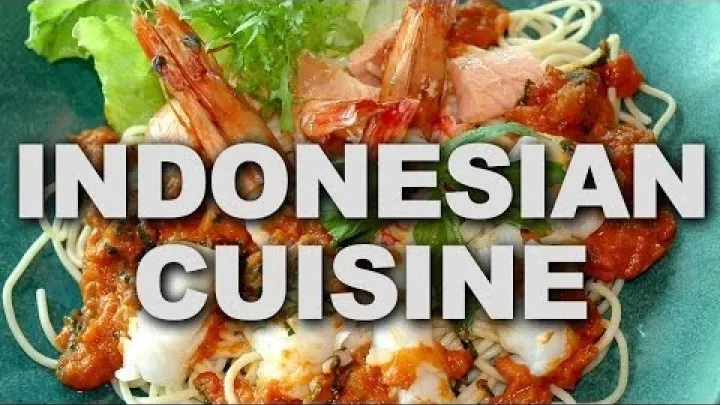
Indonesia food is a vibrant tapestry of flavors, colors, and traditions that reflect the country’s rich cultural heritage and diverse geography. With over 17,000 islands and hundreds of ethnic groups, Indonesia’s culinary landscape is one of the most varied in the world. From bustling street food stalls in Jakarta to elegant restaurants in Amsterdam and Melbourne, Indonesian cuisine has made a global impact, delighting food lovers everywhere. Whether you are a traveler, a student, or simply curious about new tastes, exploring Indonesian food opens the door to a world of unique dishes, fascinating dining customs, and unforgettable experiences. In this guide, you’ll discover essential dishes, traditional food culture, and practical tips for enjoying authentic Indonesian flavors both at home and abroad.
What Is Indonesian Food?
Indonesian food is a reflection of the country’s vast archipelago, blending indigenous traditions with influences from China, India, the Middle East, and Europe. At its core, Indonesian cuisine is defined by its bold flavors, aromatic spices, and the creative use of local ingredients. Rice is the staple food, often served with a variety of side dishes such as vegetables, meats, and sambal (spicy chili paste). Other common staples include noodles, corn, cassava, and sago, depending on the region.
For example, Sumatra is known for spicy, coconut-rich dishes like Rendang, while Java offers sweeter flavors in dishes such as Gudeg. The eastern islands, like Sulawesi and Maluku, feature seafood and sago-based meals. Indonesian food is deeply woven into daily life, from family gatherings to religious celebrations, and is often enjoyed communally. Unlike neighboring countries such as Malaysia or Thailand, Indonesian cuisine is characterized by its use of indigenous herbs, fermented products like tempeh, and a wide range of sambals. The result is a cuisine that is both familiar and distinct, offering something for every palate.
Some of the most common ingredients in Indonesian cooking include coconut milk, lemongrass, galangal, turmeric, tamarind, and peanuts. These ingredients are combined in countless ways to create dishes that are savory, sweet, spicy, or sour. Whether you are sampling street food in Jakarta or dining in a high-end Indonesia food restaurant abroad, you’ll find that Indonesian food is as diverse as the country itself.
Traditional Indonesian Dishes You Must Try
Indonesia is home to a remarkable array of traditional dishes, each with its own story and regional twist. These iconic foods are not only delicious but also represent the heart of Indonesian culture and hospitality. From hearty stews to vibrant salads and flavorful street snacks, these dishes are essential for anyone wanting to experience the true taste of Indonesia. Many of these foods have regional variations, reflecting local ingredients and customs. Whether you’re visiting Indonesia or searching for “indonesia food near me” in your city, these dishes are a must-try for any food enthusiast.

- Nasi Goreng (Fried Rice)
- Rendang (Beef Stew)
- Satay (Sate)
- Gado-Gado (Vegetable Salad)
- Soto (Indonesian Soup)
- Tempeh (Fermented Soybean Cake)
Each of these dishes offers a unique window into Indonesia’s culinary traditions. They are commonly found in homes, street markets, and Indonesia food restaurants worldwide. Some are best enjoyed during special occasions, while others are everyday favorites. Exploring these traditional foods in Indonesia or abroad is a delicious way to connect with the country’s rich heritage.
Nasi Goreng (Fried Rice)
Nasi Goreng is Indonesia’s beloved fried rice dish, often considered the country’s unofficial national food. The basic ingredients include cooked rice stir-fried with garlic, shallots, sweet soy sauce (kecap manis), and a blend of spices. It is typically served with a fried egg on top and garnished with cucumber, tomatoes, and prawn crackers. Nasi Goreng can be customized with chicken, shrimp, beef, or vegetables, making it a versatile meal for any time of day.

Rendang (Beef Stew)
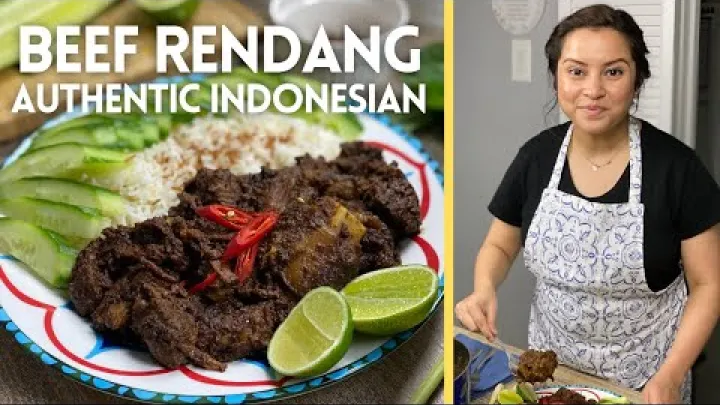
Rendang is a rich, slow-cooked beef stew originating from the Minangkabau people of West Sumatra. This dish is renowned for its complex flavors, achieved by simmering beef in coconut milk and a blend of spices such as lemongrass, galangal, turmeric, ginger, and chili. The cooking process can take several hours, allowing the meat to absorb the spices and become tender.
Satay (Sate)
Satay, or Sate, is a popular Indonesian street food consisting of skewered and grilled meat, typically served with a flavorful peanut sauce. Common meats include chicken (sate ayam), beef (sate sapi), goat (sate kambing), and sometimes seafood or tofu. The meat is marinated in a mixture of spices and grilled over charcoal, giving it a smoky aroma and tender texture.

Gado-Gado (Vegetable Salad)
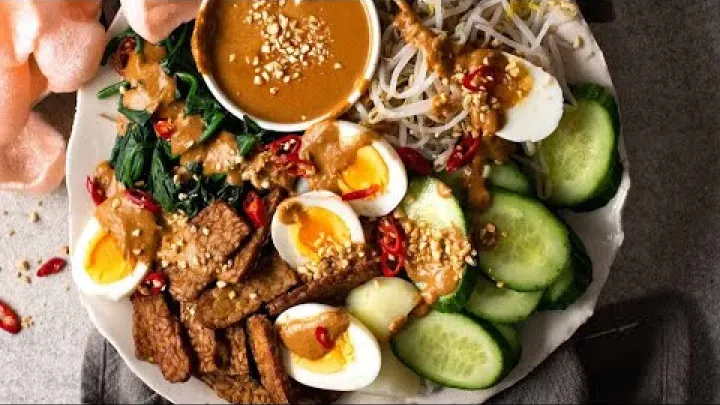
Gado-Gado is a vibrant Indonesian salad made with a mix of blanched and fresh vegetables, tofu, tempeh, hard-boiled eggs, and sometimes potatoes. The star of the dish is the rich peanut sauce, which is poured generously over the ingredients. Gado-Gado is often topped with fried shallots and served with prawn crackers or rice cakes.
Soto (Indonesian Soup)
Soto is a traditional Indonesian soup with countless regional variations. The base is usually a clear or coconut milk broth flavored with turmeric, lemongrass, and other spices. Common ingredients include chicken (soto ayam), beef (soto daging), noodles, rice, and vegetables. Each region puts its own spin on the dish, such as Soto Betawi from Jakarta, which uses a creamy coconut milk broth, or Soto Madura with a lighter, aromatic flavor.

Tempeh (Fermented Soybean Cake)
Tempeh is a traditional Indonesian food made from fermented soybeans, formed into a firm cake. The fermentation process involves adding a natural culture to cooked soybeans, which binds them together and enhances their nutritional value. Tempeh is high in protein, fiber, and vitamins, making it a popular choice for vegetarians and health-conscious eaters.
In Indonesian cuisine, tempeh is used in a variety of dishes, from stir-fries to curries and snacks. It can be fried, grilled, or steamed, and is often marinated with spices for extra flavor. Popular vegetarian-friendly recipes include Tempeh Goreng (fried tempeh) and Tempeh Bacem (sweet and savory tempeh). Tempeh’s versatility and health benefits have contributed to its growing popularity worldwide.
Indonesian Dining Customs and Etiquette
Dining in Indonesia is not just about the food—it’s a social and cultural experience shaped by centuries of tradition. Meals are often shared communally, with dishes placed in the center of the table for everyone to enjoy. Eating together is a symbol of unity and respect, whether at home, in a warung, or at a formal gathering. Understanding Indonesian dining customs and etiquette can enhance your experience and help you connect with locals.

Where to Find Indonesian Food Around the World
Whether you’re searching for an “indonesia food restaurant” in Amsterdam, London, New York, Melbourne, or Dubai, you’ll find a range of options from casual eateries to fine dining establishments. Indonesian food festivals and pop-up events also offer opportunities to sample authentic dishes and connect with local communities. To find the best Indonesian food abroad, try searching for “indonesia food near me” or look for restaurants with Indonesian chefs and traditional menus. Many cities have options for every budget, from affordable street food to upscale dining experiences. The global spread of Indonesian cuisine is a testament to its universal appeal and the passion of the Indonesian diaspora.
- Major cities with notable Indonesian food scenes include Amsterdam, London, New York City, Melbourne, and Dubai.
- Look for food festivals, cultural events, and Indonesian community centers for authentic experiences.
- Check online reviews, social media, and local food blogs for recommendations.
- Many Indonesian restaurants abroad offer halal, vegetarian, and vegan options to cater to diverse dietary needs.
Whether you’re a seasoned fan or new to Indonesian cuisine, exploring these global hotspots is a delicious way to experience the flavors of Indonesia wherever you are.
Indonesian Restaurants in Amsterdam
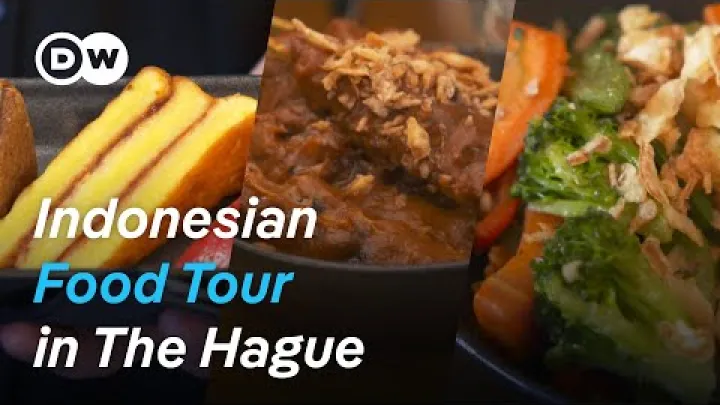
Amsterdam is renowned for its Indonesian food scene, a legacy of the Netherlands’ historical ties with Indonesia. The city boasts a wide range of Indonesian restaurants, from casual eateries to elegant dining rooms. Well-known spots include Restaurant Blauw, Tempo Doeloe, and Kantjil & de Tijger, each offering a variety of traditional dishes such as rijsttafel (a feast of small plates), satay, and rendang.
Indonesian Food in London
London’s multicultural food scene includes several top Indonesian eateries, such as Bali Bali, Dapur, and Warung Padang. These restaurants offer unique menu items like beef rendang, ayam penyet (smashed fried chicken), and tempeh-based dishes. Many also serve Indonesian desserts and specialty drinks like es cendol (sweet coconut drink).

Indonesian Cuisine in New York City
New York City is home to a diverse range of Indonesian restaurants, reflecting the city’s vibrant international community. Notable spots include Awang Kitchen, Sky Cafe, and Wayan, each offering a selection of classic dishes like nasi goreng, soto ayam, and satay. Some restaurants also feature modern takes on traditional recipes, blending Indonesian flavors with local ingredients.
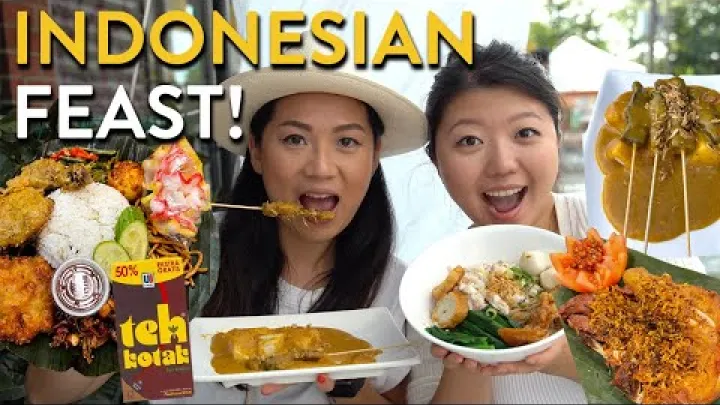
Indonesian Food in Melbourne
Melbourne’s food scene is known for its diversity, and Indonesian cuisine is no exception. Popular dining spots include Yoi, Ayam Penyet RIA, and Nelayan, where you can find authentic dishes like bakso (meatball soup), nasi uduk (coconut rice), and tempeh goreng. Many restaurants in Melbourne adapt traditional recipes to suit local tastes while maintaining the essence of Indonesian flavors.
To find the most authentic Indonesian food in Melbourne, look for restaurants run by Indonesian families or those with a strong reputation among the local Indonesian community. Don’t hesitate to ask for recommendations or try daily specials for a true taste of Indonesia.
Indonesian Restaurants in Dubai
Dubai’s cosmopolitan dining scene includes several reputable Indonesian restaurants, such as Betawi Café, Sari Nusa, and Dapoer Kita. These establishments offer a range of halal Indonesian dishes, including rendang, nasi padang, and soto ayam, catering to the city’s diverse population.
Indonesian cuisine appeals to Dubai’s residents and visitors for its bold flavors and variety of halal options. Many restaurants also offer vegetarian and vegan dishes, making it easy for everyone to enjoy the tastes of Indonesia in the heart of the Middle East.
Dietary Considerations and Food Safety
Indonesian food is known for its inclusivity, offering a wide range of options for different dietary needs. Whether you follow a halal, vegetarian, or vegan diet, you’ll find plenty of delicious choices in Indonesia and at Indonesian restaurants worldwide. However, it’s important to be mindful of food safety, especially when traveling or trying new dishes. Understanding how to identify suitable options and practicing safe eating habits will help ensure a positive culinary experience.
- Halal food is widely available in Indonesia, especially in Muslim-majority regions.
- Vegetarian and vegan dishes are common, with tempeh, tofu, and vegetables as key ingredients.
- Travelers should be cautious about food hygiene, water quality, and potential allergens.
- When in doubt, choose reputable vendors and ask about ingredients or preparation methods.
By being aware of your dietary needs and following basic food safety guidelines, you can enjoy Indonesian cuisine with confidence, whether at home or abroad.
Halal and Vegetarian Options
Finding halal and vegetarian Indonesian dishes is relatively easy, both in Indonesia and in Indonesian restaurants worldwide. Most eateries in Indonesia, especially outside Bali, serve halal food in accordance with Islamic dietary laws. Popular halal dishes include nasi goreng, soto ayam, and beef rendang. In Bali and other Hindu-majority areas, pork dishes are more common, so it’s best to ask about ingredients if you have specific requirements.
Vegetarians and vegans will find many options, such as gado-gado, tempeh goreng, and sayur lodeh (vegetable curry). To communicate your dietary needs, learn a few key phrases in Indonesian or show a translated card explaining your restrictions. Many restaurants are happy to accommodate special requests, especially in tourist areas and major cities.
Food Safety Tips in Indonesia
Ensuring food safety is essential when enjoying Indonesian cuisine, especially for travelers. Here are some practical tips to help you stay healthy:
- Choose reputable vendors and busy food stalls, as high turnover usually means fresher food.
- Drink only bottled or filtered water, and avoid ice unless you are sure it’s made from safe water.
- Wash your hands before eating, especially if you plan to eat with your hands.
- Be cautious with raw or undercooked foods, including salads and seafood.
- Ask about common allergens, such as peanuts, shellfish, or soy, if you have sensitivities.
By following these guidelines, you can minimize health risks and focus on enjoying the incredible flavors of Indonesian food.
Indonesian Food Recipes: How to Cook at Home
Bringing the flavors of Indonesia into your own kitchen is easier than you might think. Many classic Indonesia food recipes use simple techniques and ingredients that are available in international supermarkets or online. Cooking Indonesian food at home allows you to customize dishes to your taste and dietary needs, while gaining a deeper appreciation for the country’s culinary traditions. Here are some beginner-friendly recipes to get you started:
- Nasi Goreng: Stir-fry cooked rice with garlic, shallots, sweet soy sauce, and your choice of protein. Top with a fried egg and serve with cucumber and sambal.
- Gado-Gado: Blanch a mix of vegetables, add tofu and tempeh, and drizzle with homemade peanut sauce.
- Satay: Marinate chicken or beef in spices, skewer, and grill. Serve with peanut sauce and rice cakes.
- Tempeh Goreng: Slice tempeh, marinate in garlic and coriander, then fry until golden.
When sourcing ingredients, look for Asian grocery stores or online retailers for items like kecap manis (sweet soy sauce), sambal, and galangal. Many recipes can be adapted with local produce and proteins. For more inspiration, explore Indonesian cookbooks, food blogs, or video tutorials. Cooking Indonesia food recipes at home is a rewarding way to experience the country’s rich culinary heritage.
Indonesian Food Prices and Cost Guide
Understanding indonesia food prices can help you plan your meals and budget while traveling or dining out. Food costs in Indonesia vary widely depending on where and what you eat. Street food and local warungs offer affordable options, while mid-range and upscale restaurants provide a more refined experience at higher prices. The cost of Indonesian food abroad is generally higher, reflecting import costs and local market conditions. Here’s a sample price table to give you an idea of what to expect:
| Type | Indonesia (IDR/USD) | Abroad (USD/EUR/AUD/AED) |
|---|---|---|
| Street Food (Nasi Goreng, Satay) | 10,000–30,000 IDR ($0.70–$2) | $5–$10 |
| Mid-Range Restaurant | 40,000–100,000 IDR ($3–$7) | $12–$25 |
| Upscale Dining | 150,000+ IDR ($10+) | $30–$60+ |
- Street food is the most budget-friendly way to enjoy authentic Indonesian flavors.
- Mid-range restaurants offer comfortable settings and a wider menu selection.
- Upscale dining provides gourmet interpretations of traditional dishes, often with a modern twist.
To save money, eat where locals eat, try daily specials, and avoid tourist hotspots. Whether you’re in Jakarta, Bali, or an Indonesia food restaurant abroad, understanding indonesia food prices will help you make the most of your culinary adventure.
Frequently Asked Questions
What are the most popular Indonesian dishes?
Some of the most popular Indonesian dishes include Nasi Goreng (fried rice), Rendang (beef stew), Satay (grilled skewers), Gado-Gado (vegetable salad with peanut sauce), and Soto (spiced soup). These dishes are widely enjoyed across Indonesia and in Indonesian restaurants worldwide.
Is Indonesian food spicy?
Many Indonesian dishes are known for their bold and spicy flavors, often using chili peppers and sambal. However, not all dishes are spicy, and you can usually request milder versions or add spice to taste.
Where can I find Indonesian food outside Indonesia?
Indonesian food can be found in major cities around the world, including Amsterdam, London, New York, Melbourne, and Dubai. Look for Indonesian restaurants, food festivals, and community events for authentic experiences.
What are common ingredients in Indonesian cuisine?
Common ingredients include rice, coconut milk, lemongrass, galangal, turmeric, peanuts, tempeh, tofu, and a variety of spices and herbs. These ingredients create the distinctive flavors of Indonesian food.
Are there vegetarian or halal options in Indonesian food?
Yes, Indonesian cuisine offers many vegetarian and halal options. Dishes like Gado-Gado, tempeh-based meals, and vegetable curries are popular among vegetarians. Most food in Indonesia is halal, especially in Muslim-majority areas.
How much does food cost in Indonesia?
Food prices in Indonesia are generally affordable. Street food can cost as little as $1–$2 per meal, while mid-range restaurants range from $3–$7. Upscale dining is more expensive, starting at $10 and up.
What is the difference between Indonesian and Malaysian food?
While Indonesian and Malaysian cuisines share some similarities, such as the use of spices and rice, Indonesian food often features more fermented products like tempeh and a wider variety of sambals. Regional dishes and preparation methods also differ between the two countries.
How do you eat Indonesian food traditionally?
Traditionally, Indonesian food is eaten communally, with dishes shared in the center of the table. Many people eat with their right hand, especially in rural areas, but using a spoon and fork is also common.
What is the national dish of Indonesia?
Other contenders include Rendang and Satay.
How can I make Indonesian food at home?
You can make Indonesian food at home by following simple recipes for dishes like Nasi Goreng, Gado-Gado, and Satay. Many ingredients are available at Asian grocery stores or online. Start with beginner-friendly recipes and explore more as you gain confidence.
Conclusion
Indonesian food is a celebration of diversity, tradition, and flavor, offering something for everyone to enjoy. From iconic dishes like Nasi Goreng and Rendang to unique dining customs and global restaurant scenes, Indonesia’s culinary heritage is both rich and accessible. Whether you’re traveling, living abroad, or cooking at home, exploring Indonesian cuisine is a delicious way to connect with the country’s culture and people. We invite you to try Indonesian food wherever you are, share your experiences, and continue discovering the incredible world of Indonesian flavors. Selamat makan—enjoy your meal!
Select area
Create a post
Posting is free and no registration is required.