Indonesia Instruments: Complete Guide to Traditional Musical Instruments of Indonesia
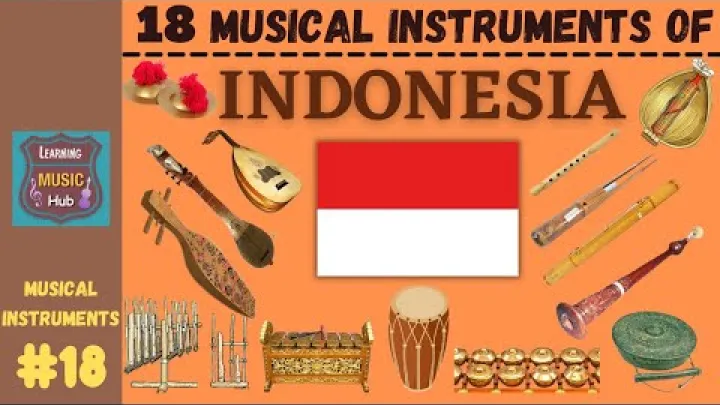
Indonesia instruments represent one of the world’s most diverse and vibrant musical traditions. With over 17,000 islands and hundreds of distinct cultures, Indonesia’s traditional musical instruments are as varied as its landscapes. From the resonant gongs of the gamelan to the melodic bamboo angklung, these instruments are deeply woven into the nation’s cultural fabric. They are not only tools for making music but also symbols of community, spirituality, and identity. This guide explores the fascinating world of Indonesia instruments, revealing their history, unique sounds, and enduring significance in both daily life and ceremonial occasions.
Introduction to Indonesian Musical Instruments
Indonesia’s musical landscape is a reflection of its immense cultural and regional diversity. The archipelago is home to a vast array of traditional musical instruments, each with its own story, construction, and role in society. These instruments are more than just objects; they are living expressions of Indonesia’s history, beliefs, and communal values. The primary keyword, indonesia instruments, encompasses a wide range of musical tools, from the iconic gamelan ensembles of Java and Bali to the bamboo flutes of West Java and the stringed sasando of East Nusa Tenggara.
Historically, music has played a central role in Indonesian life. Traditional instruments have been used for centuries in rituals, celebrations, and daily activities. Each region has developed its own musical styles and instruments, influenced by local customs, natural resources, and interactions with neighboring cultures. For example, the gamelan is integral to Javanese and Balinese ceremonies, while the angklung is a symbol of Sundanese community spirit. Music accompanies everything from harvest festivals and weddings to religious rites and storytelling, making it an essential part of Indonesia’s social and spiritual life. As we explore the different types of indonesia instruments, we will discover how they continue to shape and enrich the nation’s cultural identity.
Gamelan: The Heart of Indonesian Music

Gamelan is perhaps the most recognized and influential ensemble among traditional musical instruments of Indonesia. It refers to a group of instruments played together in a coordinated fashion, creating a rich, layered sound that is both mesmerizing and deeply symbolic. Gamelan ensembles are central to the musical traditions of Java and Bali, but variations can also be found in other regions such as Sunda (West Java) and Lombok.
At its core, gamelan consists of metallophones, gongs, drums, and sometimes stringed and wind instruments. Each ensemble is unique, with its own tuning system and repertoire. Gamelan music is performed at religious ceremonies, royal events, puppet theater (wayang), and community gatherings, reflecting its importance in Indonesian culture. The ensemble’s structure and performance practices emphasize harmony, cooperation, and respect for tradition. Gamelan’s influence extends beyond Indonesia, inspiring composers and musicians worldwide. The table below summarizes key gamelan instruments and their roles in different regions:
| Instrument | Function | Region |
|---|---|---|
| Saron | Main melody | Java, Bali |
| Gong Ageng | Punctuates cycles | Java, Bali |
| Kendang | Rhythm, tempo | Java, Bali, Sunda |
| Bonang | Ornamentation | Java |
| Gender | Elaborate melody | Bali, Java |
Key Gamelan Instruments and Their Functions
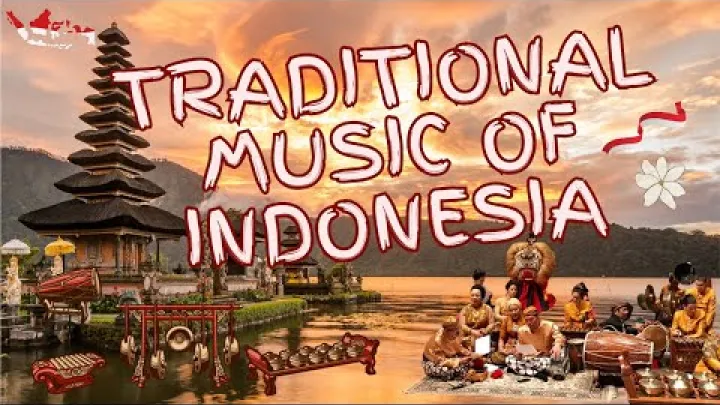
Gamelan ensembles feature a variety of instruments, each with a specific role that contributes to the overall sound. The main gamelan instruments in Indonesia include metallophones, gongs, drums, and other melodic or rhythmic devices. Metallophones such as the saron and gender provide the core melody, while the bonang adds intricate ornamentation. The gong ageng marks the beginning and end of musical cycles, serving as a sonic anchor for the ensemble. Drums, known as kendang, control the tempo and dynamics, guiding the musicians through complex rhythms and transitions.
Regional variations in gamelan instruments are significant. For example, Balinese gamelan is known for its faster tempos and dynamic contrasts, while Javanese gamelan tends to be more meditative and restrained. The table below matches key gamelan instruments with their functions and regions, offering a quick reference for those interested in the diversity of gamelan instruments in Indonesia:
| Instrument | Function | Region |
|---|---|---|
| Saron | Main melody | Java, Bali |
| Bonang | Melodic elaboration | Java |
| Gong Ageng | Cycle punctuation | Java, Bali |
| Kendang | Rhythm, tempo | Java, Bali, Sunda |
| Gender | Melodic elaboration | Bali, Java |
Metallophones, Gongs, and Drums in Gamelan
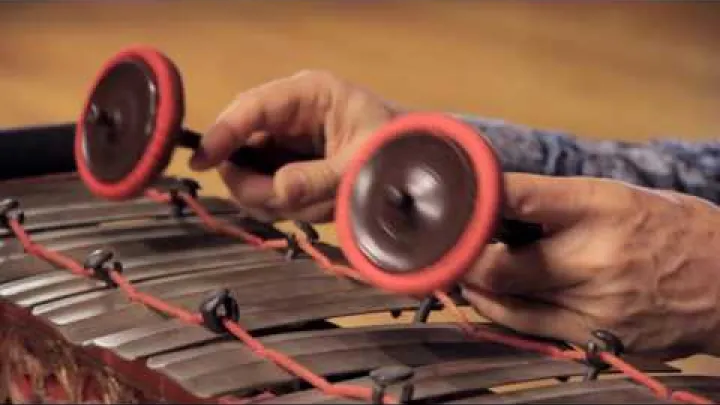
Metallophones are a defining feature of gamelan ensembles. Constructed from bronze or iron bars mounted over resonating frames, instruments like the saron and gender produce bright, bell-like tones. The saron typically plays the main melody, while the gender adds intricate, flowing patterns. The unique tuning systems of gamelan, such as slendro and pelog, give these metallophones their distinctive, otherworldly sound. The craftsmanship involved in making these instruments is highly specialized, with each set tuned as a unit, making them irreplaceable in their original ensemble.
Gongs, especially the large gong ageng, are central to the structure of gamelan music. Their deep, resonant sound marks important points in the musical cycle, providing a sense of order and grandeur. Smaller gongs, like the kempul and kenong, add rhythmic punctuation and texture. Drums, or kendang, are made from wood and animal skin, and are played with the hands or sticks. The kendang player leads the ensemble, signaling changes in tempo and dynamics. Together, metallophones, gongs, and drums create the layered, cyclical sound that defines gamelan performances. Visual aids such as images or diagrams of these instruments can greatly enhance understanding, showcasing their unique shapes and construction.
Bamboo Instruments of Indonesia
Bamboo is a vital material in the creation of many traditional musical instruments of Indonesia. Its abundance, flexibility, and acoustic properties make it ideal for crafting a wide range of instruments, from melodic angklungs to expressive flutes. Bamboo instruments are especially prominent in West Java, Bali, and other regions where the plant grows in abundance. These instruments are not only valued for their sound but also for their connection to nature and sustainability.
The use of bamboo in instrument-making reflects both environmental and cultural considerations. Bamboo grows quickly and is easily replenished, making it an eco-friendly choice. Culturally, bamboo instruments are often associated with communal music-making, education, and local traditions. In modern times, bamboo continues to inspire new musical creations, blending traditional craftsmanship with contemporary styles. Regional differences are evident in the types of bamboo instruments found across Indonesia, with each area developing its own unique forms and playing techniques. Whether in traditional ceremonies or modern performances, bamboo instruments remain a vibrant part of Indonesia’s musical heritage.
Angklung and Its Cultural Importance
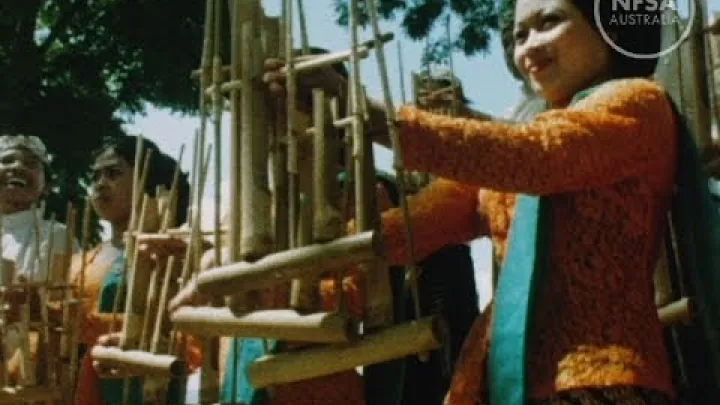
Originating from West Java, the angklung consists of multiple bamboo tubes attached to a frame. Each tube is carefully cut and tuned to produce a specific pitch when shaken. The instrument is played by shaking it side to side, causing the tubes to vibrate and create harmonious sounds.
Historically, the angklung was used in rituals to ensure a good harvest and to celebrate community events. Today, it is performed in schools, cultural festivals, and international events, symbolizing unity and cooperation. Angklung music is typically played in groups, with each person responsible for one or two notes. This encourages teamwork and coordination, as players must listen closely to create melodies together. Angklung education is widespread in Indonesia, with children learning to play as part of their cultural curriculum. Large-scale angklung performances, sometimes involving hundreds of participants, showcase the instrument’s power to bring people together in joyful harmony.
Bamboo Xylophones and Flutes

Bamboo xylophones and flutes are essential components of Indonesia’s musical landscape. The calung, a type of bamboo xylophone, is popular in West Java and is often used in Sundanese music. It consists of bamboo tubes of varying lengths, suspended on a frame and struck with mallets to produce melodic patterns. The tingklik, found in Bali, is another bamboo xylophone known for its bright, percussive sound and is commonly featured in Balinese gamelan ensembles.
Bamboo flutes, such as the suling, are widespread across Indonesia. The suling is an end-blown flute made from a single piece of bamboo, producing a soft, airy tone that complements both traditional and modern music. Regional variations include the Sundanese suling, which is often used in gamelan degung, and the Balinese suling, which features in gamelan gong kebyar. The table below compares different bamboo wind and percussion instruments, highlighting their regional origins and uses:
| Instrument | Type | Region | Use |
|---|---|---|---|
| Calung | Xylophone | West Java | Sundanese music, dance |
| Tingklik | Xylophone | Bali | Gamelan, ceremonies |
| Suling | Flute | Java, Bali, Sunda | Gamelan, folk music |
String Instruments in Indonesia
Indonesia’s traditional string instruments are as diverse as its many islands. These instruments are crafted from local materials such as wood, bamboo, and coconut shells, and are played in a variety of musical genres, from courtly ensembles to folk performances. String instruments in Indonesia can be plucked, bowed, or struck, each producing unique sounds that reflect the region’s musical identity.
Among the most notable are the sasando from East Nusa Tenggara, the kecapi from West Java, and the rebab, which is found in many gamelan ensembles. Each instrument has its own construction methods, playing techniques, and cultural significance. For example, the sasando’s harp-like structure and ethereal sound are closely tied to the traditions of Rote Island, while the kecapi’s gentle tones are central to Sundanese music. These instruments are not only used for entertainment but also play important roles in ceremonies, storytelling, and the preservation of local heritage. By exploring at least three distinct string instruments, we gain insight into the rich tapestry of Indonesia’s musical traditions.
Sasando, Kecapi, and Other Zithers
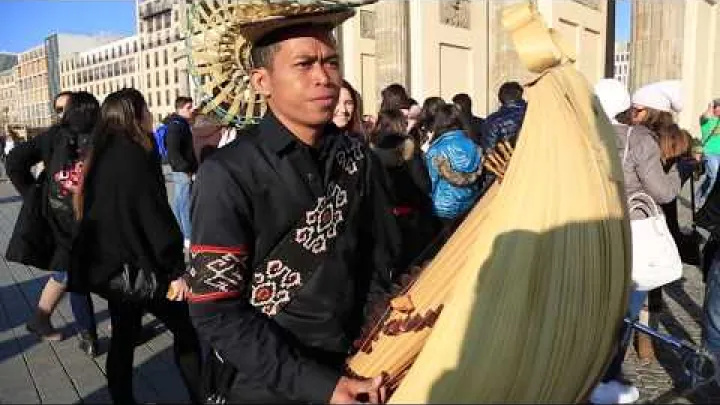
The sasando is a unique string instrument from Rote Island in East Nusa Tenggara. Shaped like a fan or a palm leaf, it consists of a bamboo tube surrounded by a resonator made from dried lontar palm leaves. Strings are stretched along the tube and plucked with the fingers, producing a delicate, harp-like sound. The sasando is often played during traditional ceremonies, weddings, and cultural performances, symbolizing the island’s artistic heritage.
The kecapi is a zither commonly found in West Java and Sulawesi. It features a wooden body with multiple strings that are plucked to create melodic and rhythmic patterns. In Sundanese music, the kecapi is paired with the suling flute to accompany songs and dances. Other zithers, such as the kacapi in Sulawesi, share similar construction but differ in tuning and playing style. These instruments are integral to regional music and are often featured in storytelling and ritual events, highlighting their deep cultural roots.
Bowed and Plucked Lutes
Bowed and plucked lutes are important members of Indonesia’s string instrument family. The rebab is a two-stringed bowed lute found in Javanese, Balinese, and Sundanese gamelan ensembles. Its body is typically made from coconut shell or wood, with a skin membrane covering the front. The rebab produces a haunting, expressive sound that weaves through the texture of gamelan music, often leading melodic lines or providing ornamentation. Playing the rebab requires skillful bowing and subtle finger movements, making it a respected instrument among musicians.
The celempung is a plucked zither or lute used in Javanese gamelan. It has a trapezoidal wooden body with multiple strings, which are plucked to create shimmering, resonant tones. The celempung adds depth and complexity to the ensemble, supporting both melody and rhythm. Notable musicians and ensembles, such as the court gamelan of Yogyakarta and Surakarta, have helped preserve and popularize these instruments. The construction and musical roles of bowed and plucked lutes vary by region, but all contribute to the rich soundscape of Indonesian traditional music.
Percussion and Wind Instruments Beyond Gamelan
Indonesia’s musical heritage extends far beyond the gamelan, encompassing a wide variety of percussion and wind instruments unique to different regions. These instruments are often used in folk music, ceremonial events, and local celebrations, reflecting the country’s immense cultural diversity. Percussion instruments such as drums, xylophones, and idiophones are found throughout the archipelago, each with distinct construction methods and performance contexts. Wind instruments, including flutes and aerophones, are equally varied, crafted from bamboo, wood, or even shells.
The importance of these instruments lies in their ability to express local identity and tradition. Many are played in ensembles or as solo instruments during rituals, dances, and storytelling. The table below summarizes some of the most notable percussion and wind instruments beyond gamelan, highlighting their regions and uses:
| Instrument | Type | Region | Use |
|---|---|---|---|
| Gendang Melayu | Drum | Sumatra, Malay Peninsula | Folk music, ceremonies |
| Tifa | Drum | Maluku, Papua | Traditional dances, rituals |
| Kolintang | Xylophone | North Sulawesi | Ensembles, celebrations |
| Sasando | String (aerophone elements) | East Nusa Tenggara | Ceremonies, performances |
| Suling | Flute | Java, Bali, Sunda | Folk, gamelan, rituals |
Drums, Xylophones, and Regional Percussion

Drums are among the most widespread percussion instruments in Indonesia, with each region developing its own distinctive types. The gendang Melayu, for example, is a double-headed drum used in Sumatra and the Malay Peninsula, often played in pairs to create complex rhythms for folk dances and ceremonies. The tifa, found in Maluku and Papua, is a single-headed drum made from hollowed wood and animal skin, played with the hands to accompany traditional dances and rituals. These drums are not only musical instruments but also symbols of cultural identity and community spirit.
Xylophones such as the kolintang from North Sulawesi are constructed from wooden or bamboo bars arranged on a frame. The kolintang is played with mallets and is central to Minahasan music, often performed at weddings, festivals, and community gatherings. Comparing the gendang Melayu and tifa, we see differences in construction—gendang uses two heads and is played horizontally, while tifa is single-headed and played vertically. Both, however, serve as rhythmic foundations in their respective musical traditions. Images or diagrams of these instruments can help illustrate their unique shapes and playing techniques, enhancing appreciation for Indonesia’s regional percussion diversity.
Flutes and Aerophones Across Indonesia

The suling, an end-blown bamboo flute, is perhaps the most famous, used in Java, Bali, and Sunda. Its gentle, breathy sound is ideal for both solo and ensemble performances, often accompanying dances, songs, and storytelling. Other unique aerophones include the serunai from Sumatra, a double-reed instrument with a piercing, expressive tone, and the fu from Papua, made from shells or bamboo and used in ritual contexts.
These instruments play important roles in traditional music, providing melodic lines, signaling transitions, or imitating natural sounds. The table below highlights some of the most notable aerophones across Indonesia, their materials, and cultural significance:
| Instrument | Material | Region | Cultural Role |
|---|---|---|---|
| Suling | Bamboo | Java, Bali, Sunda | Gamelan, folk, rituals |
| Serunai | Wood, reed | Sumatra | Ceremonies, dances |
| Fu | Shell, bamboo | Papua | Rituals, signaling |
| Saluang | Bamboo | West Sumatra | Minangkabau music |
Frequently Asked Questions (FAQ) About Indonesia Instruments
What are the most famous Indonesia instruments?
The most famous Indonesia instruments include the gamelan ensemble (with instruments like saron, gong, and kendang), the bamboo angklung, the suling flute, the sasando harp, and the kecapi zither. These instruments are widely recognized for their unique sounds and cultural significance.
What is a gamelan, and where is it played?
Gamelan is a traditional Indonesian ensemble consisting mainly of metallophones, gongs, and drums. It is most commonly found in Java and Bali, where it is played at ceremonies, dances, puppet theater, and community events.
How is the angklung played, and why is it important?
The angklung is played by shaking bamboo tubes attached to a frame, each producing a specific note. It is important because it symbolizes community cooperation and has been recognized by UNESCO for its cultural value.
What are some traditional string instruments of Indonesia?
Traditional string instruments of Indonesia include the sasando from East Nusa Tenggara, the kecapi from West Java, and the rebab, a bowed lute found in many gamelan ensembles.
Are there regional differences in Indonesia instruments?
Yes, each region in Indonesia has developed its own unique instruments and musical styles. For example, the kolintang xylophone is from North Sulawesi, the tifa drum is from Maluku and Papua, and the angklung is from West Java.
What materials are used to make Indonesia instruments?
Indonesia instruments are made from a variety of materials, including bamboo, bronze, wood, animal skin, and palm leaves. The choice of material often depends on local resources and traditions.
What is the role of music in Indonesian ceremonies?
Music is central to Indonesian ceremonies, marking important life events, religious rituals, and community celebrations. Traditional instruments are used to accompany dances, prayers, and storytelling, reinforcing social bonds and cultural identity.
Can I see Indonesia instruments in modern performances?
Yes, traditional Indonesia instruments are featured in both traditional and contemporary performances, including concerts, festivals, and educational programs. Many groups blend traditional sounds with modern music styles.
How are Indonesia instruments preserved and taught today?
Indonesia instruments are preserved through formal education, community workshops, cultural festivals, and government initiatives. Many schools teach traditional music, and local artisans continue to craft instruments using time-honored methods.
Conclusion: Preserving Indonesia’s Musical Heritage
Indonesia instruments are a testament to the nation’s rich cultural heritage and artistic ingenuity. From the majestic sounds of the gamelan to the communal melodies of the angklung and the intricate craftsmanship of string and wind instruments, these musical treasures continue to inspire and unite people across generations. Preserving traditional musical instruments of Indonesia is essential for maintaining cultural identity and passing on valuable knowledge to future generations.
We encourage readers to explore Indonesia’s musical traditions further—attend a gamelan performance, try playing an angklung, or support local artisans and cultural organizations. By appreciating and supporting the preservation of indonesia instruments, we help ensure that these unique sounds and stories remain a vibrant part of the world’s cultural landscape for years to come.
Select area
Create a post
Posting is free and no registration is required.