Indonesia War Explained: Independence (1945–1949), Konfrontasi, and East Timor
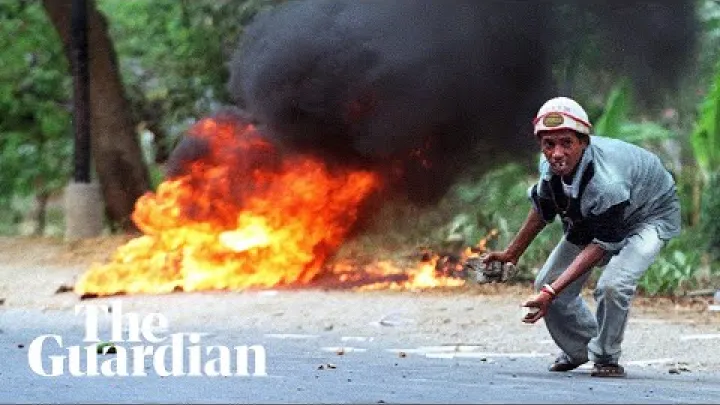
The phrase “Indonesia war” can point to several different conflicts. This guide explains the three most searched and historically significant ones: the Indonesian War of Independence (1945–1949), the Indonesia–Malaysia Konfrontasi (1963–1966), and the East Timor conflict (1975–1999). Each involved distinct actors, goals, and legal contexts. Understanding their differences helps you follow timelines, interpret casualty figures, and navigate common search terms like “Indonesia civil war.”
Quick overview and key facts
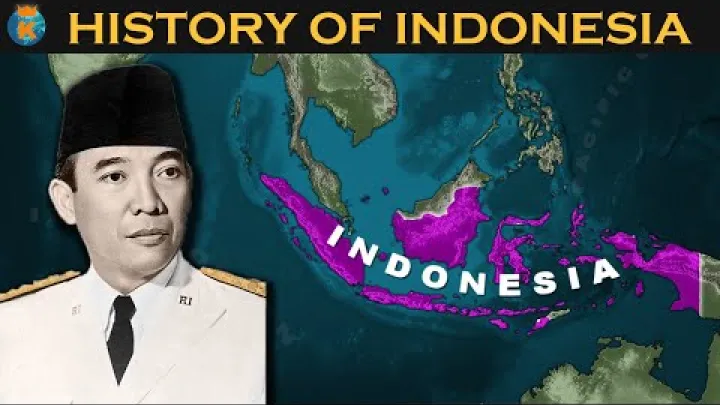
What “Indonesia war” can mean (three main conflicts)
In everyday searches, “Indonesia war” most often refers to three modern conflicts. First is the Indonesian War of Independence (1945–1949), an anti-colonial struggle against a Dutch attempt to restore rule after Japan’s surrender. Second is Indonesia–Malaysia Konfrontasi (1963–1966), a limited confrontation over the creation of Malaysia that played out as raids and border clashes. Third is the East Timor conflict (1975–1999), involving Indonesia’s invasion, occupation, and the territory’s eventual vote for independence.
These three dominate public usage because they are well documented in international forums, generated extensive media coverage, and shaped regional diplomacy. They also align with frequent user intents: “when did Indonesia gain independence,” “Malaysia–Indonesia war,” and “East Timor war casualties.” Earlier colonial wars—such as the Java War (1825–1830) and the Aceh War (1873–1904+)—are essential background that informed later tactics and politics, but they are typically treated as distinct episodes from the 19th and early 20th centuries.
Fast facts: dates, sides, outcome, estimated casualties
Across all three conflicts, numbers vary by source. Wartime reporting, incomplete records, and differing methodologies produce ranges rather than single “correct” totals. The figures below use cautious bounds and highlight touchstone events that appear in many histories.
Use these quick facts as orientation rather than final totals. Where ranges are wide, it reflects contested evidence or differing categories (combat deaths versus excess mortality from hunger and disease).
- Indonesian War of Independence (1945–1949): Republic of Indonesia vs. the Netherlands (with British-led forces present in 1945–1946). Outcome: Dutch recognition of Indonesian sovereignty in December 1949. Key events: Bersiap, Battle of Surabaya (Nov 1945), Operation Product (July 1947), Operation Kraai (Dec 1948), March 1, 1949 offensive in Yogyakarta. Estimated deaths: Indonesian combatants roughly in the low hundreds of thousands; civilian deaths commonly cited in the tens of thousands; Dutch military about 4,500. Ranges vary.
- Indonesia–Malaysia Konfrontasi (1963–1966): Indonesia vs. Malaysia (supported by the UK, Australia, New Zealand). Outcome: Ceasefire in May 1966 and normalization via August 1966 accords. Estimated deaths: several hundred overall; localized and limited in scope.
- East Timor conflict (1975–1999): Indonesia vs. pro-independence groups (notably FRETILIN/FALINTIL). Outcome: 1999 UN-organized vote for independence; peacekeeping and UN administration; independence as Timor-Leste in 2002. Estimated deaths: at least about 102,000, and up to around 170,000 in some assessments, including violent deaths and excess mortality from displacement, hunger, and disease. Touchstone events: 1991 Santa Cruz massacre; 1999 referendum and militia violence.
Historical background before 1945
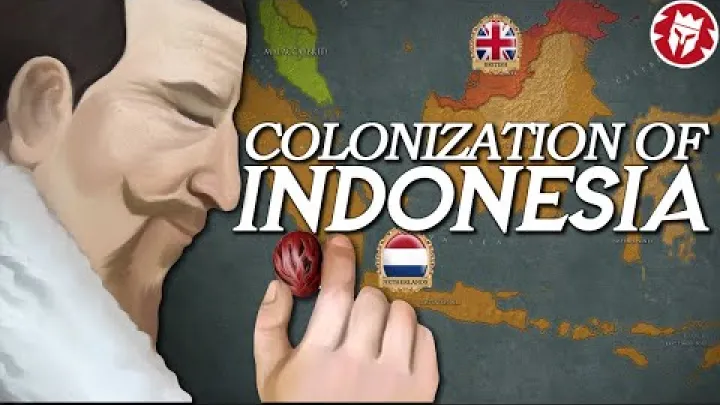
Dutch colonial rule and resistance (Aceh, Java War)
Understanding the “Indonesia war” narratives begins with the Dutch colonial era. The Dutch East India Company (VOC) and later the colonial state structured governance around economic extraction, monopolies, and control of trade routes. Limited social reforms under the Ethical Policy in the early 20th century did not alter the fundamental hierarchy or the burden on local communities, sparking intellectual and grassroots opposition.
Major resistances foreshadowed patterns seen after 1945. The Java War (1825–1830) showcased prolonged, mobile fighting against superior firepower. The Aceh War (1873–1904+, with low-intensity conflict continuing) revealed how terrain, local networks, and religious and regional identities could sustain resistance. These experiences informed later guerrilla doctrine, including reliance on rural support, sabotage, and flexible command structures, which became central during the Indonesian War of Independence.
Japanese occupation and the 1945 independence proclamation
Japan’s occupation (1942–1945) reorganized administration and mobilized labor, while opening political space for Indonesian leaders. The army controlled Java and Sumatra, while the navy oversaw much of the eastern archipelago, creating regional policy differences. Training programs formed youth organizations and auxiliary forces, including PETA, which instilled military skills and discipline among future Republican fighters.
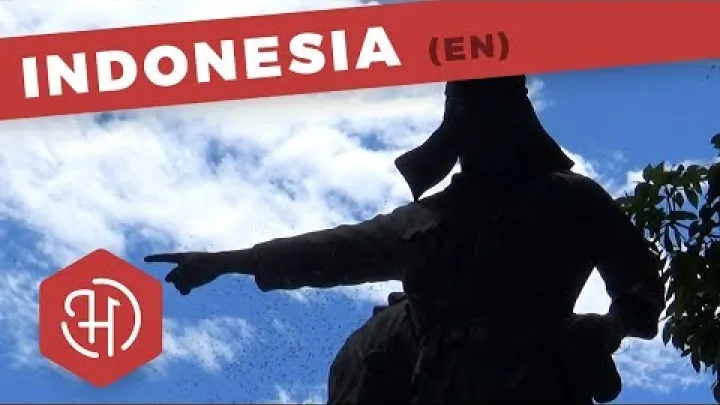
When Japan surrendered in August 1945, a power vacuum emerged. The Republic’s institutions quickly took shape, but the return of Allied forces to manage surrenders and releases of prisoners set the stage for clashes with local militias and, soon, the reassertion attempts of Dutch colonial authority.
Indonesian War of Independence (1945–1949)

Outbreak, Bersiap, and early violence
The weeks after Japan’s surrender were chaotic. In the Bersiap period, tensions and power struggles led to violent clashes involving youth militias, local security units, and various community groups. The environment was fluid, with different actors pursuing security, revenge, or political goals amid the uncertainty of authority and supply.
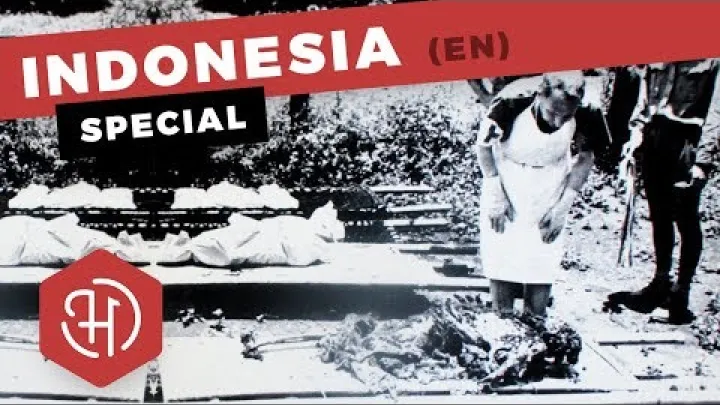
British-led Southeast Asia Command (SEAC) arrived to accept Japanese surrenders and facilitate the release of prisoners of war and internees. This mission intersected with Dutch efforts to re-establish colonial administration, triggering confrontations with Republican forces and local militias. The Indonesian National Armed Forces (TNI) consolidated from disparate formations, and civilian populations—especially minorities and perceived collaborators—suffered in the turmoil. Neutral language is important: violence was widespread and multi-sided, and its impacts were profound for communities across Java, Sumatra, and beyond.
Battle of Surabaya (Nov 1945) and its significance
The Battle of Surabaya followed rising tensions, including the death of Brigadier A. W. S. Mallaby on 30 October 1945 and an ultimatum for Indonesian forces to disarm. From 10 to 29 November, British Indian divisions mounted a major urban assault against Indonesian defenders, who used barricades, local knowledge, and street-to-street tactics to slow the advance.
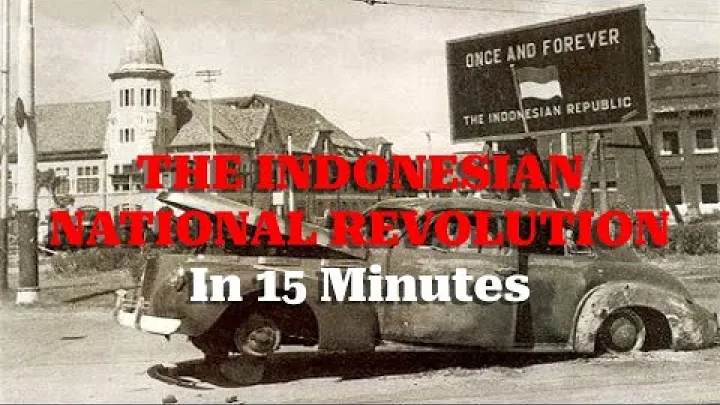
Casualty estimates vary widely, but both sides suffered significant losses, and civilians were caught in the fighting and displacement. Internationally, it signaled the intensity and popular backing of the new Republic, shaping perceptions of the conflict as more than a brief postwar disturbance.
Dutch “police actions”: Operation Product and Operation Kraai
The Netherlands launched two large-scale offensives known as “police actions.” Operation Product in July 1947 aimed at securing economically vital areas, including plantations and ports, to undercut the Republic’s resources. Operation Kraai in December 1948 targeted political decapitation by seizing Yogyakarta, the Republican capital, and arresting key leaders.
Both operations achieved tactical successes but produced strategic setbacks. Republican guerrillas continued to operate in the countryside, while international criticism intensified. United Nations mediation mechanisms strengthened after each offensive, setting conditions for diplomatic negotiations that increasingly constrained Dutch options and elevated the Republic’s standing.
Guerrilla strategy, March 1, 1949 offensive, and diplomacy
Republican forces adopted a decentralized guerrilla strategy that emphasized mobility, small-unit actions, and sabotage of railways, bridges, and communications. Commanders leveraged local support networks to move fighters and supplies, while denying the Dutch a stable, secure rear. This approach kept pressure on key assets and undermined the image of Dutch control.
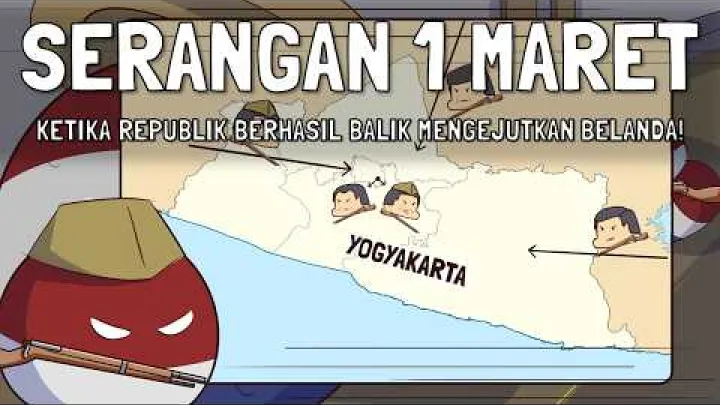
The operation, associated with local leadership by Sultan Hamengkubuwono IX and field commanders such as then–Lt. Col. Suharto, served as a morale boost and a message to the international community. It reinforced bargaining leverage at talks facilitated by UN bodies like the Good Offices Committee and, later, UNCI, which helped pave the way to the Round Table Conference.
Costs, casualties, and sovereignty transfer
Estimating the human cost is difficult. Indonesian military deaths are often placed around the low hundreds of thousands, with civilian deaths in the tens of thousands, though figures vary. Dutch military fatalities are commonly cited around 4,500. Beyond deaths, economic disruption, displacement, and infrastructure damage were extensive and unevenly recorded.
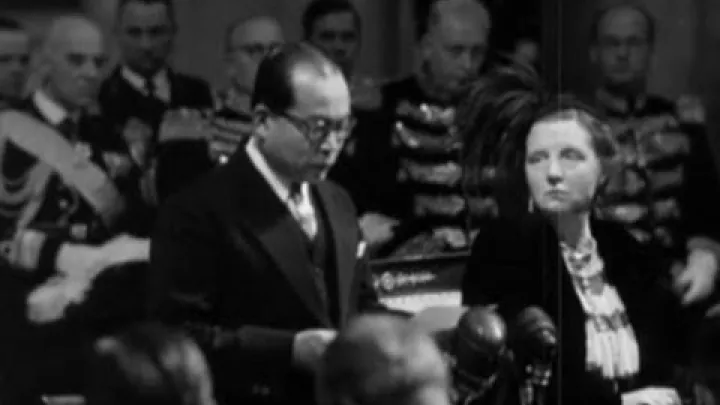
In December 1949, the Netherlands recognized the sovereignty of the United States of Indonesia, which soon consolidated into a unitary Republic of Indonesia. Some issues remained unresolved, notably the status of West New Guinea (West Papua), which continued to be contested into the 1960s, culminating in the 1962 New York Agreement and subsequent processes. Recognizing these uncertainties helps situate the 1949 transfer within a longer arc of decolonization.
Indonesia–Malaysia Konfrontasi (1963–1966)

Causes, cross-border raids, and international context
Konfrontasi grew from Indonesia’s opposition to the formation of Malaysia, which combined Malaya, Singapore (until 1965), and the North Borneo territories of Sabah and Sarawak. Under President Sukarno, the dispute carried ideological overtones related to anti-colonialism and regional leadership. Rather than a full-scale war, it unfolded as a campaign of limited incursions and covert operations.

The most active sector was Borneo (Kalimantan), where dense forests, rivers, and long borders enabled cross-border raids and counter-raids. Smaller commando operations also reached Peninsular Malaysia and Singapore. British, Australian, and New Zealand forces supported Malaysia, framing the conflict within Cold War regional security. The geography of Borneo—logistics by river, remote settlements, and challenging terrain—shaped engagements and constrained escalation.
End of the confrontation and regional impact
Political shifts in Indonesia during 1965–1966 led to de-escalation. A ceasefire was announced in May 1966, followed by peace talks hosted in Bangkok. On 11 August 1966, Indonesia and Malaysia signed a normalization agreement often referred to as the Jakarta Accord, formally ending Konfrontasi and restoring diplomatic relations.

The settlement influenced emerging regional norms that favored negotiation and non-interference, contributing to the climate that allowed ASEAN to take root (founded in 1967). The episode demonstrated that limited cross-border conflicts in Southeast Asia could be contained through a mix of political change, regional diplomacy, and international military support without spiraling into broader wars.
East Timor conflict (1975–1999)
Invasion, occupation, and humanitarian toll
After Portugal’s decolonization turmoil, Indonesia invaded East Timor in 1975 and annexed it the following year. The conflict evolved into a long counterinsurgency against pro-independence groups, with military operations, forced relocations, and controls on movement disrupting livelihoods and access to food and health care.
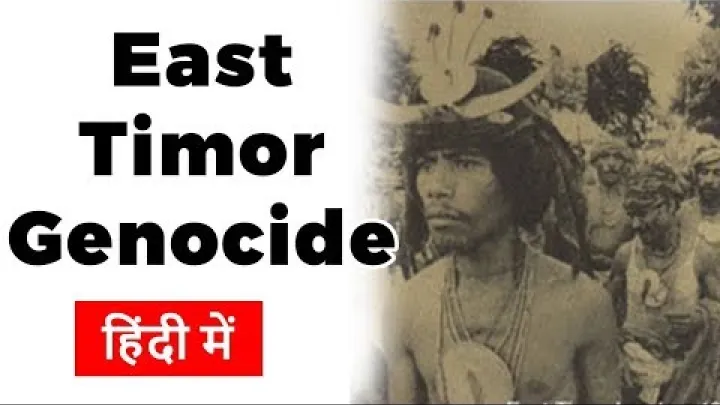
Death toll estimates range from at least about 102,000 to around 170,000 when including both violent deaths and excess mortality from disease and hunger. Differentiating categories is crucial: some died in direct clashes or reprisals, while many perished due to displacement, famine-like conditions, and degraded public health during periods of intense operations.
1991 Santa Cruz massacre and international pressure
On 12 November 1991, Indonesian security forces opened fire on mourners and protesters at the Santa Cruz cemetery in Dili. Footage and eyewitness accounts reached global audiences, prompting widespread condemnation and renewed activism by human rights groups and diaspora networks.
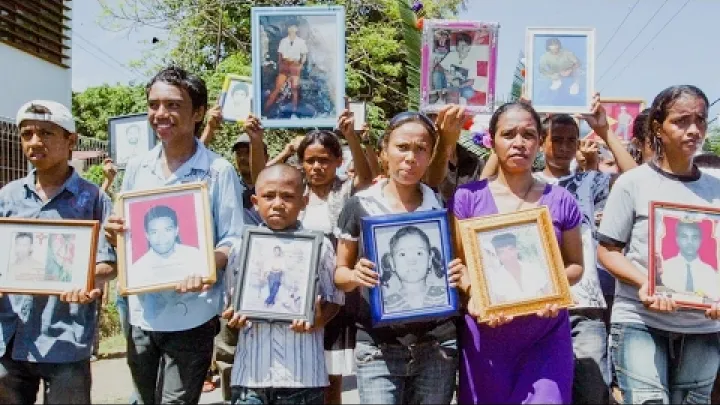
Casualty estimates vary, but many sources place the deaths in the range of several dozen to more than one hundred, with additional injuries and arrests. The event intensified scrutiny at the United Nations and in national parliaments, sharpening debates over aid, arms sales, and diplomatic engagement with Indonesia regarding East Timor.
Referendum, peacekeeping, and independence
In 1999, a UN-organized popular consultation asked East Timorese to choose between special autonomy within Indonesia or independence. A decisive majority voted for independence. Violence by pro-integration militias escalated around the ballot, leading to widespread destruction and displacement.

Australia led the International Force for East Timor (INTERFET), which deployed to stabilize the territory, followed by the UN Transitional Administration in East Timor (UNTAET) to oversee reconstruction and institution-building. Timor-Leste’s independence was restored in 2002, marking the close of a long conflict shaped by decolonization, international law, and local resilience.
Patterns of strategy, tactics, and violence
Asymmetric warfare and infrastructure denial
Across these conflicts, Indonesian and allied local forces repeatedly used asymmetric methods: small, mobile units; reliance on local guides and supply networks; and selective engagements to stretch opponents. These tactics offset disadvantages in equipment and heavy firepower by focusing on persistence and localized knowledge.
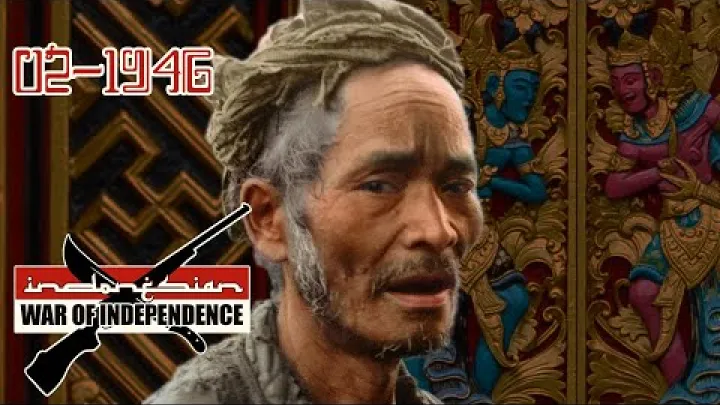
Sabotage of railways, bridges, and communications appears in multiple campaigns. During the 1945–1949 struggle, Republican units cut rail lines on Java and attacked telegraph posts to slow Dutch movements. In Borneo during Konfrontasi, the terrain itself served as a force multiplier, as raiding parties exploited river routes and jungle cover to disrupt security posts and supply chains.
Counterinsurgency and documented atrocities
Counterinsurgency methods included cordon-and-search operations, population control measures, and intelligence-driven sweeps. Such approaches sometimes coincided with serious abuses. Cases like the 1947 killings at Rawagede in West Java have been documented and later acknowledged, leading to official Dutch apologies and compensation to some victims’ families.
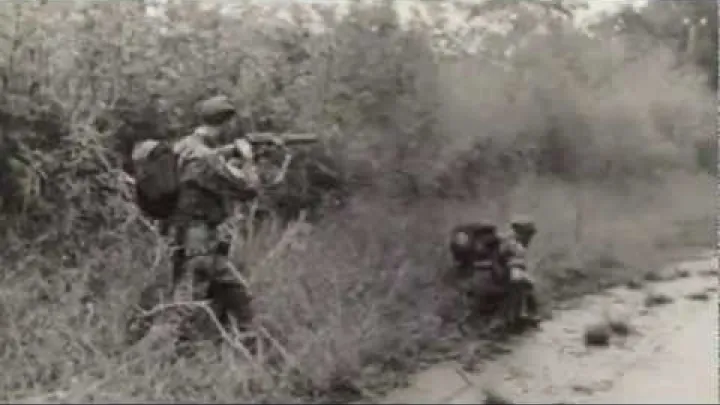
Other episodes, investigations, and court cases in both the Netherlands and Indonesia have revisited conduct in the late 1940s and in later conflicts. Careful, source-aware language is vital: while atrocities occurred, patterns and responsibility varied by unit, time, and place. Ongoing historical research and legal reviews continue to clarify what happened and how states have responded.
International diplomacy and sanctions pressures
Diplomacy shaped outcomes in each conflict, but in different ways. In 1945–1949, UN mediation via the Good Offices Committee and UNCI, coupled with pressure from countries such as the United States, Australia, and India, nudged the Netherlands toward negotiations. Aid leverage and concerns about broader postwar recovery added weight to calls for a settlement.
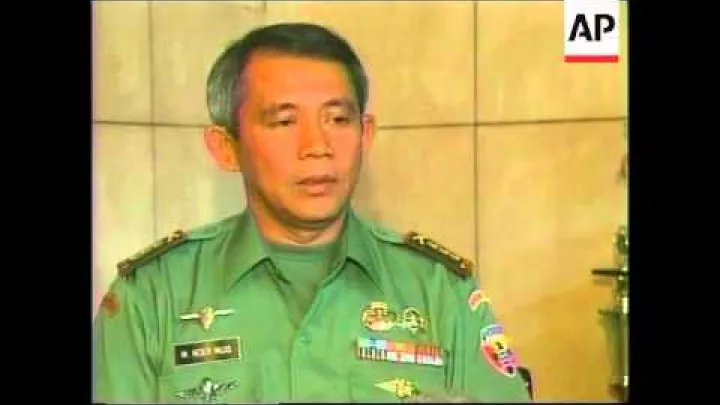
For Konfrontasi, Commonwealth involvement deterred escalation, while regional talks produced a ceasefire and the 1966 normalization accords. In East Timor, persistent UN engagement, changing geopolitical contexts, advocacy by civil society, and shifts in bilateral relations heightened scrutiny. Policy tools ranged from arms embargo debates to conditional assistance, amplifying incentives for de-escalation and, ultimately, a UN-led transition.
Clarifying searches: Indonesia civil war
Why this term appears and how it differs from the above conflicts
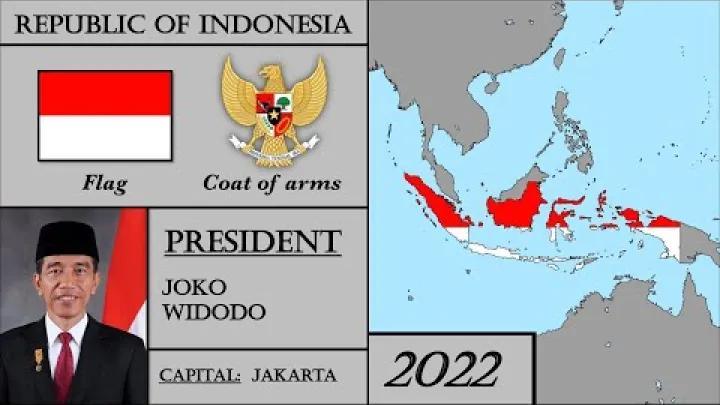
People often search for “Indonesia civil war,” but Indonesia did not experience a single nationwide, formally designated civil war in the 20th century. The main conflicts covered here fall into different categories: an anti-colonial war against a returning European power (1945–1949), a limited interstate confrontation over state formation (1963–1966), and an occupation-related conflict ending in a UN-backed referendum (1975–1999).
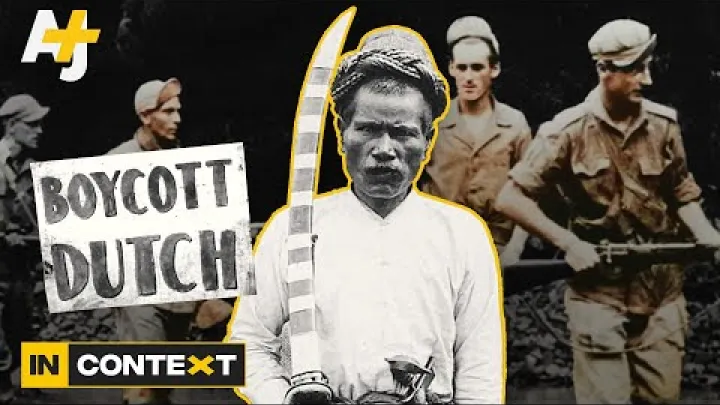
The confusion arises because these events involved domestic actors and sites across the archipelago, and because some episodes of mass violence—especially in 1965–1966—are major domestic crises. Those 1965–1966 killings, however, are not usually labeled a formal “war.” Using more precise terms (Indonesian War of Independence, Konfrontasi, East Timor conflict) helps direct you to the right timelines, actors, and legal contexts.
Timeline summary (concise, snippet-ready list)
This timeline highlights turning points that explain what “Indonesia war” can mean in common usage. It connects pre-1945 precedents to key battles, diplomatic milestones, and the end states of later conflicts. Use it as a quick-reference map before exploring details in the sections above.
This timeline highlights turning points that explain what “Indonesia war” can mean in common usage. It connects pre-1945 precedents to key battles, diplomatic milestones, and the end states of later conflicts. Use it as a quick-reference map before exploring details in the sections above.
- 1825–1830: Java War signals the feasibility and costs of protracted resistance to colonial rule.
- 1873–1904+: Aceh War demonstrates how terrain and local networks sustain long conflicts.
- 1942–1945: Japanese occupation reorganizes administration; trains local forces and youth groups.
- 17 Aug 1945: Proclamation of Indonesian independence by Sukarno and Hatta.
- Oct–Nov 1945: Bersiap period; Battle of Surabaya (10–29 Nov) becomes a symbol of resolve.
- July 1947: Dutch Operation Product seizes economic assets; UN mediation intensifies.
- Dec 1948: Operation Kraai captures Yogyakarta and detains leaders.
- 1 Mar 1949: General Offensive in Yogyakarta signals ongoing Republican capacity.
- Dec 1949: Dutch recognition of Indonesian sovereignty; transfer to the United States of Indonesia.
- 1963–1966: Konfrontasi; cross-border raids in Borneo; Commonwealth support to Malaysia.
- May–Aug 1966: Ceasefire and Jakarta Accord end Konfrontasi and normalize ties.
- 1975–1976: Invasion and annexation of East Timor; prolonged counterinsurgency follows.
- 12 Nov 1991: Santa Cruz massacre in Dili sparks global attention.
- 1999: UN-run vote favors independence; INTERFET and UNTAET stabilize the territory.
- 2002: Timor-Leste’s independence is restored.
The dates above are touchstones for further reading. They show how anti-colonial struggle, interstate confrontation, and occupation-related conflict sit under the broad umbrella of “Indonesia war,” each with different causes, tactics, and outcomes.
Frequently Asked Questions
What was the Indonesian War of Independence and when did it occur?
The Indonesian War of Independence was the armed and diplomatic struggle against Dutch re-colonization from 1945 to 1949. It began after the 17 August 1945 independence proclamation and ended with Dutch recognition in late 1949. Combat spanned Java, Sumatra, and other islands. Guerrilla warfare and diplomacy were decisive.
Why did the Indonesian War of Independence start?
It started because Indonesians rejected the restoration of Dutch colonial rule after Japan’s 1945 surrender. Long-standing grievances over extractive governance and racial hierarchy fueled the revolt. Japanese-era training armed local youth groups. The power vacuum accelerated clashes with returning Dutch-backed forces.
How many people died in the Indonesian National Revolution (1945–1949)?
Dutch military deaths totaled about 4,500. Figures differ due to incomplete records and wartime reporting.
What happened during the Battle of Surabaya in November 1945?
British Indian forces fought Indonesian defenders in intense urban combat from 10 to 29 November 1945. The British captured the city but took heavy losses and met strong resistance. The battle became a symbol of Indonesian resolve and influenced international views of the Republic’s legitimacy.
What were the Dutch “police actions” in Indonesia?
They were large Dutch offensives in 1947 (Operation Product) and 1948 (Operation Kraai) to seize territory and detain leaders. They took cities and arrested officials but did not destroy rural guerrillas. International backlash and UN mediation grew after these actions.
Did international pressure help end the war between Indonesia and the Netherlands?
Yes. UN mediation and pressure from countries such as the United States, Australia, and India helped produce negotiations. Concerns about postwar reconstruction and aid added leverage. The process culminated in Dutch recognition of Indonesian sovereignty in 1949.
What was Konfrontasi—did Indonesia and Malaysia go to war?
Konfrontasi (1963–1966) was a limited conflict. Indonesia opposed Malaysia’s formation, leading to raids and clashes, mainly in Borneo. With Commonwealth support to Malaysia and regional talks, a ceasefire in May 1966 and an August 1966 accord ended the confrontation.
What happened in East Timor under Indonesian rule and how many died?
Indonesia invaded in 1975 and occupied the territory until 1999. Death estimates range from about 102,000 to around 170,000, including violent deaths and excess mortality from disease and hunger. The 1991 Santa Cruz massacre drew global attention and increased pressure for change.
Conclusion and next steps
“Indonesia war” typically refers to three distinct conflicts: the 1945–1949 independence struggle, the 1963–1966 Konfrontasi, and the 1975–1999 East Timor conflict. Each differed in cause, scope, and outcome, yet all were shaped by asymmetric tactics, international diplomacy, and complex humanitarian impacts. Understanding their timelines and terms clarifies common searches and situates Indonesia’s modern history in regional and global context.
Select area
Create a post
Posting is free and no registration is required.