Indonesia Weather: Seasons, Regional Climate, and Best Time to Visit

Indonesia weather is shaped by warm tropical seas, consistent sunlight, and seasonal monsoon winds. Most places are warm year-round, with coastal temperatures commonly between 22–32°C. Rains shift with the seasons, bringing a recognizable wet and dry pattern that varies by island and even by valley. This guide explains the national climate, regional differences, and month-by-month conditions to help you plan the best time to visit.
Use the regional sections and monthly guides to match your destination with the season. You will also find practical tips for floods, heat, air quality, and packing for both coast and highlands.
Indonesia’s climate at a glance
Indonesia sits astride the equator, so sunlight and warmth are steady while rainfall varies by season and location. Most islands experience a dry season from about April to October and a wetter period from November to March. Even during the wet months, rain often comes as intense showers with breaks of sun. Sea temperatures stay warm and inviting, supporting water activities year-round when local conditions allow.
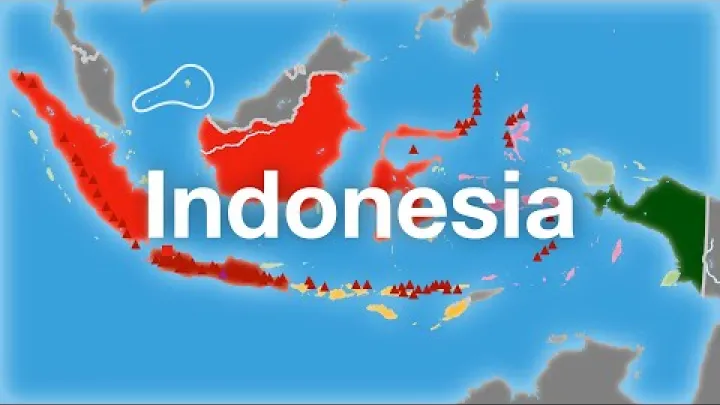
Elevation and topography strongly influence local weather. Coastal plains feel humid and hot, while uplands and highlands cool quickly, especially at night. Large cities such as Jakarta and Surabaya experience urban heat island effects that raise nighttime temperatures and increase heat stress. Seasonal climate drivers such as El Niño, La Niña, and the Indian Ocean Dipole can shift the onset and intensity of rains, so checking outlooks before travel is helpful.
Temperature, humidity, and daylight overview
Across much of the archipelago, coastal temperatures typically range from about 22–32°C (72–90°F) through the year. Inland mid-elevations are a little cooler, and highlands can feel mild or even chilly at night. A useful rule of thumb is the mountain lapse rate: temperatures drop by roughly 0.6°C (about 1.1°F) for every 100 meters of elevation gained. That means a village at 1,500 meters can be around 9°C (16°F) cooler than the coast, which is noticeable at sunrise and after sunset.

Humidity is usually high, commonly 70–90%, which makes the heat index feel warmer than the thermometer. Daylight varies only modestly near the equator, averaging about 12 hours across the year. Sea temperatures hover around 27–30°C (81–86°F), supporting swimming and diving. In large urban areas, including Jakarta and Surabaya, urban heat islands keep nights warmer and reduce relief from the day’s heat, so hydration and shaded breaks matter.
Wet and dry seasons explained (monsoon pattern)
Indonesia’s seasonal rhythm is driven by shifting monsoon winds. Most regions see a dry season from April to October and a wetter season from November to March. However, exceptions exist. Parts of Maluku and West Papua often have relatively drier months in mid-year and wetter months toward the end of the year, the reverse of places like Bali and Java. The boundary months can vary, so local forecasts are important for precise timing.
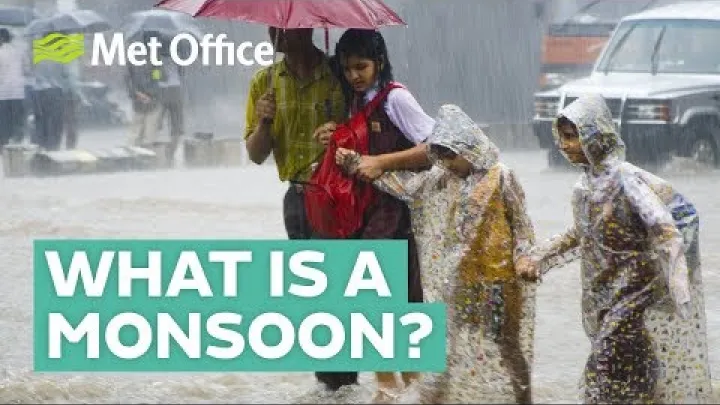
During wet months, showers commonly build in the afternoon or early evening as heat and humidity fuel thunderstorms. Mornings can be bright, followed by short, heavy downpours and then clearing. Large-scale climate drivers can tilt the balance: El Niño often brings reduced rainfall and longer dry spells, whereas La Niña can intensify rains and extend flood risk. The Indian Ocean Dipole also influences rainfall on the western and southern islands.
Regional weather patterns across the islands
Indonesia’s islands span thousands of kilometers, creating clear regional differences in rainfall and wind. Western islands such as Sumatra and Java face the open Indian Ocean and receive heavy rains along west-facing coasts. Central islands, including Bali and Lombok, still see seasonal rains but have drier mid-year months and more reliable sunshine. Farther east, Nusa Tenggara has some of the driest climates in the country, with savanna landscapes.
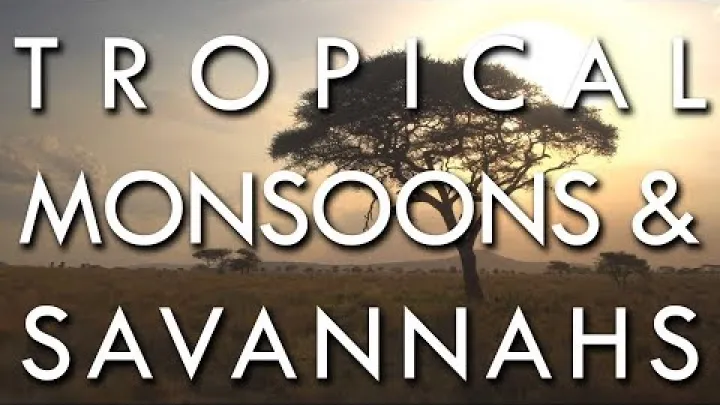
Topography matters. Mountain ranges wring moisture from passing air, making windward slopes wetter and leeward valleys drier. Cities on the coast can be hot and humid, while upland towns enjoy cooler nights. Regional microclimates create notable contrasts over short distances, which is why Bali Indonesia weather in Ubud differs from Kuta or Seminyak, and why Bogor Indonesia weather features frequent showers compared with nearby Jakarta. The notes below summarize practical patterns for travelers.
Bali: dry vs rainy season and temperature range
Bali’s dry season typically runs from May to September, bringing sunnier skies, lower humidity, and calmer seas, especially on the leeward north and east coasts. The rainy season tends to peak from November to March, when showers are heavier and more frequent, often with sunny breaks. Coastal temperatures are usually around 24–31°C (75–88°F), with warmer afternoons on exposed beaches and slightly cooler evenings inland.

Microclimates are strong. Ubud is cooler and wetter than Kuta or Seminyak (Badung Regency), while the east and north coasts are often drier and calmer in the dry season. To anchor expectations, typical monthly rainfall in Kuta/Seminyak can be around 40–90 mm in July–August and 250–350 mm in December–January. Ubud often sees 60–120 mm in the driest months and 300–450 mm in the wettest months. Divers usually find clearer water mid-year, with the north/east coasts favored for gentler conditions.
Java and Jakarta: urban heat, rainfall, and coastal vs upland contrasts
Jakarta is hot and humid, commonly about 25–33°C (77–91°F), with the wettest period from December to March. Peak-month rainfall can exceed 300–400 mm in Jakarta, and nearby Bogor—nicknamed the “Rain City”—often receives even more due to topography, with frequent afternoon showers. Sea breezes may temper heat near the coast, but inland neighborhoods feel warmer, especially at night. Flood risk rises in mid- to late-December through February, particularly during episodes of prolonged heavy rain and high tides.
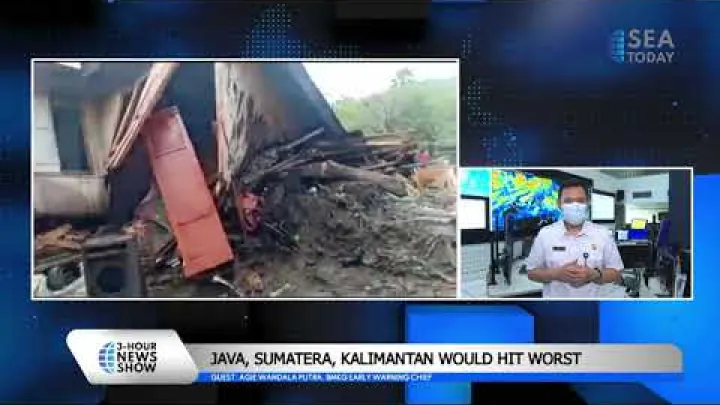
Elsewhere on Java, Yogyakarta Indonesia weather is slightly cooler than Jakarta, with milder nights. Central Java’s interior can be stormy in wet months, while the north coast corridor tends to be a bit drier and warmer. For commuters in Jakarta, the highest flood likelihood is usually during peak wet months; allow extra travel time, monitor advisories, and consider flexible scheduling when intense rain is forecast.
Sumatra: north–south differences and rainfall distribution
Sumatra’s west-facing coasts, including areas near Padang, are very wet because mountains force moist air to rise and condense. The inland and east side, including Palembang, lies in the lee of the ranges and is noticeably drier. Northern Sumatra can show two rainfall peaks within a year, while southern areas more often feature a clearer mid-year dry spell. Temperatures are warm and humid, and thunderstorms are frequent in wet months.

Indicative contrasts help planning: Padang’s wettest months often deliver 400–600 mm, while Palembang may see closer to 250–350 mm in the same period. In the mid-year dry season, Palembang can drop to roughly 40–100 mm, while Padang still receives regular showers. During the dry months, haze from landscape fires can affect visibility and health, so travelers should monitor air quality updates and be ready to adjust outdoor plans when conditions deteriorate.
Nusa Tenggara (Lombok, Flores): stronger seasonality and drier climate
Nusa Tenggara has a marked dry season from May to October with long sunny spells, lower humidity, and savanna-like landscapes. Rains arrive mainly from November to March, often as short, intense squalls. Komodo and Flores commonly offer excellent mid-year visibility for snorkeling and diving, and Lombok’s Mount Rinjani is noticeably cooler at altitude, especially at night. Overall, rainfall totals are lower than in Bali, which makes the mid-year months dependable for outdoor activities.

Seasonal winds shape sea conditions. Southeast trade winds (roughly June–August) can bring choppier seas on south-facing coasts and create stronger currents in straits like Lombok and Sape. In the wet season, squalls and wind shifts can affect inter-island boats and some dive sites. Check local marine forecasts, choose leeward sites on windier days, and plan crossings for earlier in the morning when seas are often calmer.
Sulawesi and Kalimantan: humid tropics and interior rainfall
Equatorial positioning keeps Sulawesi and Kalimantan (Borneo) warm and humid, generally around 24–32°C (75–90°F). Interior convection produces frequent afternoon storms, especially near mountain ranges and forested areas. Makassar Indonesia weather often features a clearer mid-year window, while central Sulawesi and the Borneo interior see more regular showers. River systems in Kalimantan can rise quickly after heavy rain, affecting boat travel and logistics in remote areas.
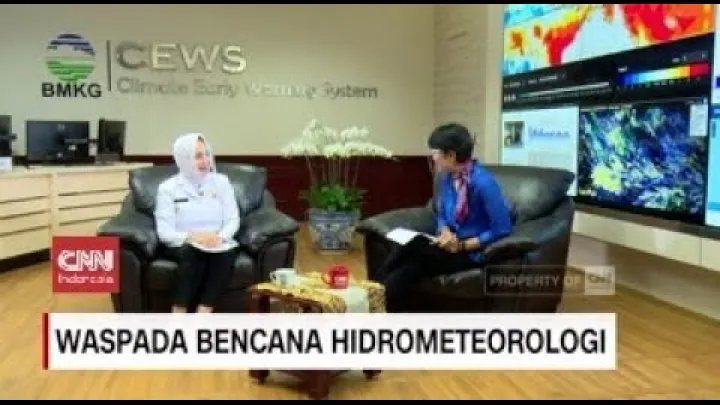
Late dry-season haze from peat and forest fires can reduce air quality and visibility, particularly in southern Kalimantan and parts of Sumatra. When haze is present, reduce strenuous outdoor activity, use masks if sensitive to smoke, and monitor verified air quality indices. Road and river transport may slow in heavy rain or low-visibility conditions, so build time buffers into itineraries that involve multiple connections.
Papua and Maluku: seasonal contrast and local wind effects
Many locations across Papua and Maluku experience a relatively drier period from June to September and wetter conditions from December to March, which is the opposite pattern of Bali and Java. The highlands around places like Wamena are much cooler and prone to rapid weather shifts, while coastal Papua remains warm and humid. Local wind regimes interacting with island topography create strong microclimates across Maluku’s many islands.
From June to September, winds can make some crossings choppier, but many sites remain diveable. Always consult local operators for current conditions, as nearby islands can experience different wind, swell, and rainfall on the same day.
Month-by-month guide for popular destinations
Planning by month is a practical way to match activities with the season. Bali’s rainy season usually peaks in December–January, while its dry months cluster around June–September. Jakarta’s wettest period is typically December–February, and the drier window often arrives in August–September. Use the month-by-month bullets below to plan beach days, volcano hikes, or urban travel, and always check week-ahead forecasts to adjust on the ground.

The summaries include typical temperature envelopes and broad rainfall bands. They also reference local micro-destinations, such as Ubud, Kuta, and Seminyak in Bali’s Badung Regency. These concise notes support quick decisions for booking periods, dive trips, and commuting times, especially when severe weather or haze is possible.
Bali by month (Jan–Dec) with rainfall and temperature ranges
Bali experiences clear seasonal swings with warmer, wetter months in December–March and sunnier, drier conditions in June–September. Coastal temperatures usually sit around 24–31°C (75–88°F), while Ubud is a bit cooler and wetter. North and east coasts often have calmer seas mid-year, which benefits snorkelers and divers seeking gentler conditions.

The bullets include long-tail guidance such as Bali weather in May, June, July, August, October, December, and January. For micro-destinations, Ubud Bali Indonesia weather trends slightly wetter than Kuta Bali Indonesia weather and weather Seminyak Badung Regency Bali Indonesia, especially in peak wet months. Rainfall bands are indicative and can vary with El Niño or La Niña.
- January: 25–31°C; frequent heavy showers. Rainfall often 250–350 mm (Ubud higher). Seas choppy at times; Bali Indonesia January weather favors indoor activities between breaks.
- February: 25–31°C; humid with thunderstorms. About 200–300 mm. Surf can be strong on west/south coasts; calmer in sheltered bays.
- March: 25–31°C; storms ease late month. Around 150–250 mm. Transitional seas; improving windows for snorkeling.
- April: 25–31°C; fewer showers. Roughly 80–180 mm. Better beach days; visibility improving for dives.
- May: 24–31°C; more sunshine. Often 60–120 mm. Bali weather in May is a balanced shoulder: calmer seas and fewer crowds.
- June: 24–30°C; dry and breezy. Around 40–100 mm. Bali Indonesia June weather is great for beaches and north/east coast diving.
- July: 24–30°C; one of the driest months. About 40–90 mm. Weather in Bali Indonesia in July offers reliable sun; book early in peak season.
- August: 24–30°C; sunny and dry. Approximately 40–90 mm. Bali Indonesia August weather brings clear mornings and good visibility; tradewinds can freshen afternoons.
- September: 24–31°C; mostly dry. Around 50–110 mm. Warm seas and pleasant evenings; good for outdoor events.
- October: 24–31°C; humidity rises. Often 80–180 mm. Weather in Bali Indonesia in October remains favorable early month; watch for first storms late.
- November: 25–31°C; wet season starts. Roughly 150–250 mm. Short heavy showers; consider morning outings.
- December: 25–31°C; peak rains. About 250–350 mm. Bali Indonesia weather in December means frequent downpours with sunny breaks; plan flexible beach time.
In the dry season, calmer seas are common on the north and east coasts, including Amed and Tulamben, while tradewinds can add surface chop on south-facing beaches. In the wet season, choose morning activities and expect slick trails in Ubud’s jungles. For popular periods like July–August, secure accommodation and tours in advance.
Jakarta by month (Jan–Dec) with rainfall and temperature ranges
Jakarta’s year is defined by a humid wet season from about November to March and a relatively drier period in the late dry season, often August to September. Temperatures generally stay around 25–33°C (77–91°F), with higher heat index values due to humidity and urban heat. Afternoon and evening thunderstorms are common during peak wet months.
The quick facts below highlight typical rainfall bands and commuting tips. Flood risk is highest from December to February, especially during prolonged downpours and high tides. Allow extra travel time and monitor live updates when heavy rain is forecast. For a cooler experience, consider nearby uplands on weekends, as Yogyakarta Indonesia weather and interior Central Java can feel milder than the capital.
- January: 25–32°C; very wet, 300–400 mm. Plan buffer time; avoid low-lying roads during peak rain.
- February: 25–32°C; wet, 250–350 mm. Afternoon storms; check drainage conditions near offices and transit hubs.
- March: 25–33°C; easing rains, 180–280 mm. Flash storms still possible; carry a compact rain jacket.
- April: 25–33°C; transitional, 120–220 mm. Hot afternoons; hydrate and use shaded walkways.
- May: 25–33°C; fewer showers, 100–180 mm. Air feels heavy; schedule outdoor tasks early.
- June: 25–33°C; drier trend, 70–140 mm. Heat stress persists; plan midday indoors when possible.
- July: 25–33°C; relatively dry, 60–120 mm. Smog can build on still days; consider masks if sensitive.
- August: 25–33°C; drier window, 40–100 mm. One of the best months for commuting reliability.
- September: 25–33°C; still relatively dry, 50–110 mm. Watch for isolated late-day storms.
- October: 25–33°C; humidity rises, 100–200 mm. First heavy storms possible; review flood-prone routes.
- November: 25–33°C; wetter, 180–280 mm. Afternoon/evening storms; plan flexible meeting times.
- December: 25–32°C; very wet, 250–350 mm. Highest flood risk; monitor advisories and consider remote work days.
For broader Java travel, Bogor Indonesia weather is wetter due to orographic lift, and uplands near volcanoes offer cooler nights. Sea breezes help along Jakarta’s waterfront, but inland areas may stay warm after dark. Check short-term forecasts for thunderstorm timing to manage meetings and events.
Best time to visit and activity planning
Choosing the best time to visit depends on your activities and destinations. Shoulder months like May and October often balance good conditions with fewer crowds. Eastern regions can offer excellent visibility mid-year, while some eastern archipelagos have different seasonal windows.

Always match your plan to local patterns. Raja Ampat and nearby areas can have favorable conditions outside the classic Bali/Java dry season. Volcano hikes require attention to altitude, permits, and sudden weather changes. Wildlife viewing is generally better when trails are drier and river levels are stable, making logistics smoother and sightings more predictable.
Beaches, diving, and visibility
For beaches and diving around Bali, Lombok, and Nusa Penida, the dry season from June to September usually brings calmer seas and better underwater visibility. Shoulder months—May and October—often provide a sweet spot with good weather, manageable swell, and fewer visitors. Komodo, Flores, and Alor commonly peak mid-year for surface conditions and clarity.

There are exceptions. Parts of Raja Ampat and Maluku can favor October to April, when seas are often calmer even if showers pass through. Within Bali, leeward north and east coasts can be calmer than south-facing beaches during the tradewind season. Always consult local dive centers for site-specific currents, as conditions vary by strait and time of day.
Volcano hikes and wildlife viewing
Volcano hikes such as Bromo, Ijen, and Rinjani are best in the dry season when trails are more stable and views are clearer. Mornings often provide the most reliable visibility before convection builds. At altitude, temperatures drop quickly; bring layers even in the tropics. Many peaks and national parks require permits or guide services, so verify requirements in advance and start early to avoid afternoon clouds.

Wildlife viewing benefits from reduced rainfall. Orangutan sightings in Sumatra and Kalimantan improve when forest trails are less muddy and river levels are not excessively high. Birding in Papua and Maluku is productive in drier windows when forest edges are active and access is easier. Always monitor forecasts and be ready for rapid weather shifts, especially above 1,500–2,000 meters where conditions change quickly.
Weather hazards and practical tips
Indonesia’s main weather hazards include urban flooding, heat stress, and seasonal haze. Flood risk is highest in many western cities from December to March, with Jakarta particularly exposed due to intense downpours, land subsidence, and complex drainage. Heat and humidity raise the heat index year-round, making hydration and rest essential for outdoor plans. In parts of Sumatra and Borneo, late dry-season haze can reduce visibility and affect air quality.
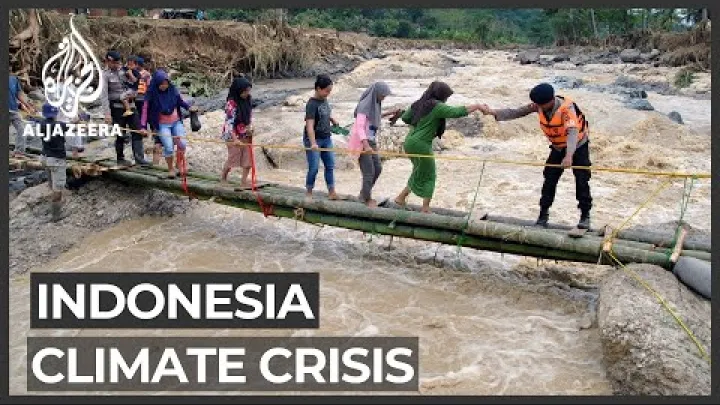
With preparation, most travelers can manage these risks. Build time buffers into itineraries during wet months, plan outdoor activity in the morning or early evening, and carry rain protection. Use verified information sources and real-time apps for weather, floods, and air quality. For hiking and diving, consult local operators who understand microclimates, trail conditions, and sea-state changes that may not appear in general forecasts.
Floods, heat stress, and air quality
Seasonal floods are most likely from December to March in Jakarta and other western cities. Flash floods can occur in hilly areas after intense storms, making trails slick and river crossings hazardous. In cities, allow extra commute time, avoid low-lying routes during peak rain, and follow official advisories. Keep electronics and documents in waterproof bags when heavy rain is expected.

High humidity raises heat stress even at moderate temperatures. Schedule outdoor activity for cooler hours, wear breathable fabrics, and carry water or oral rehydration salts. Haze from biomass burning, often August to October in parts of Sumatra and Borneo, can degrade air quality and reduce visibility. Trusted alert sources and apps include: BMKG (Indonesia’s meteorological agency) for forecasts and warnings; PetaBencana.id for real-time flood mapping; and air quality services such as AQICN and Nafas Indonesia for localized AQI updates.
Packing checklist and health advice
Packing for Indonesia is about staying comfortable in heat and ready for fast changes in rain. Bring breathable layers, a light rain jacket or compact poncho, quick-dry clothing, and reef-safe sunscreen for strong tropical UV. Include insect repellent, any prescription medicines, a small first-aid kit with oral rehydration salts, and sun protection like a wide-brim hat and sunglasses. Modest clothing is required for temples and mosques.

Footwear should match activities: sandals for beaches and sturdy closed shoes for hikes or city walking. For highland nights—Ubud’s outskirts, Bromo, Ijen, Rinjani, or Papua’s uplands—add a warm mid-layer, light gloves, and a beanie. On the coast, prioritize breathable fabrics, a rash guard for sun protection, and a dry bag for boat trips. A compact umbrella and a microfiber towel are useful in any season.
Frequently Asked Questions
When is the rainy season in Indonesia?
The rainy season typically runs from November to March, while the dry season is usually April to October. Timing varies by region, and Maluku plus parts of West Papua can have the opposite pattern with drier mid-year months. During wet months, short, intense afternoon or evening showers are common.
What are typical temperatures in Indonesia year-round?
Typical coastal temperatures range around 22–32°C (72–90°F) through the year. Inland mid-elevations are cooler, and highlands can be much cooler at night. Humidity is usually high, between 70–90%, and daylight length varies only slightly near the equator.
Is July a good time to visit Bali for dry weather?
Yes. July is within Bali’s dry season and is among the driest months. Expect warm days, lower rainfall, and good beach and diving conditions. It is a peak travel month, so book accommodation and activities early.
How rainy is Bali in December and January?
December and January are among Bali’s wettest months, often with 250–350 mm of rain and frequent heavy showers. Rain falls in bursts with sunny breaks. Trails can be slick, and short travel delays are possible, though beach time is still feasible between storms.
Where in Indonesia is drier during November to March?
Maluku and parts of West Papua can be relatively drier during this period compared with Bali and Java. Nusa Tenggara is generally drier than western Indonesia overall but still sees rain in these months. Local microclimates can produce exceptions over short distances.
Do Jakarta floods happen often and when are they most likely?
Seasonal flooding is a recurring challenge in Jakarta, most likely from December to March during the peak rainy season. Intense downpours, land subsidence, and drainage limits increase risk. Monitor local advisories and allow extra commute time during heavy rain events.
What is the best month to visit Indonesia overall?
June to September usually offers the most reliable dry conditions for many destinations. For fewer crowds with good weather, try May, June, or September. If traveling in December–March, consider Maluku or West Papua for better conditions and plan around local patterns.
Can El Niño or La Niña change Indonesia’s rainy and dry seasons?
Yes. El Niño often reduces rainfall and increases drought risk, while La Niña tends to enhance rainfall and flood risk. These shifts can change the timing and intensity of seasons. Check seasonal outlooks from BMKG before travel and adjust plans regionally when anomalies are forecast.
Conclusion and next steps
Indonesia’s climate is warm, humid, and seasonally shaped by monsoon winds, with notable regional and elevation-driven differences. Dry months from June to September often bring stable weather for beaches, hiking, and inter-island travel, while December to March can be wetter, especially in the west. Matching your itinerary to local patterns—Bali and Java’s mid-year dryness, Nusa Tenggara’s stronger seasonality, or Raja Ampat’s distinct windows—delivers smoother travel. Monitor forecasts, prepare for heat and sudden showers, and enjoy the country’s diverse weather landscapes with flexible plans.
Select area
Create a post
Posting is free and no registration is required.