Indonesia City: Capital, Major Cities, and Key Facts

Looking up “Indonesia city” can point to many things: the capital, a specific urban area, or how cities are organized across the archipelago. This guide explains what “city” means in Indonesia, gives a direct answer on the current capital, and profiles major cities by region and role. It also covers Nusantara, the planned new capital, and clarifies common questions like whether Bali is a city.
What does "Indonesia city" refer to?
The phrase “Indonesia city” can mean different things depending on context. It might refer to a legally defined municipality (kota), an administrative unit that has a mayor and local council. It can also refer to a broader urban area that spans multiple municipalities and regencies, such as the Jakarta metropolitan region. Understanding these meanings helps you read population figures and city rankings accurately, because official boundaries and lived urban realities are not always the same.
Indonesia’s administrative structure is layered. Provinces sit at the top, followed by regencies (kabupaten) and cities (kota) at the same tier. Most provinces are made up of a mix of regencies and cities, each with their own leaders and budgets. Jakarta is an exception: it is a Special Capital Region (DKI) at the province level and contains administrative cities that are not autonomous in the same way as other cities in Indonesia. Over time, some areas are upgraded from regency to city status as they urbanize, so legal terms and totals can change.
Definition and how cities are classified
In Indonesia, a city (kota) is an autonomous local government focused on urban services and is led by a mayor (wali kota). At the same administrative level, a regency (kabupaten) is led by a regent (bupati) and usually covers larger territories with both urban and rural areas. This distinction matters for budgeting, planning, and the types of services prioritized. A city is typically denser and more service-oriented, while a regency often manages agriculture, rural infrastructure, and small towns.
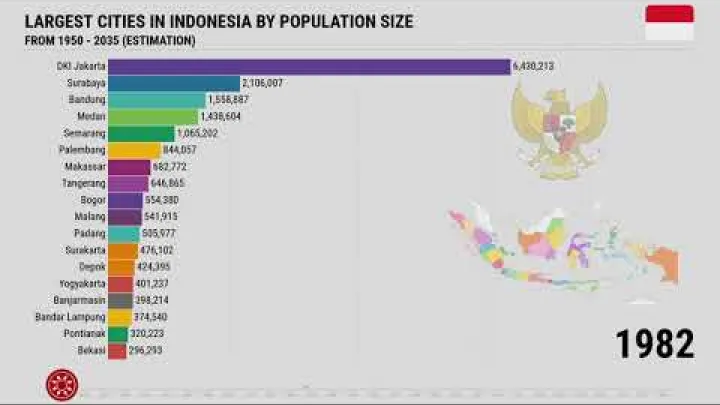
Jakarta stands apart as the Special Capital Region (DKI Jakarta). It functions at the province level and is divided into administrative cities and one administrative regency that do not have the same autonomy as cities elsewhere. Another important point is the dual meaning of “city”: it might mean the legal unit, or it might refer to a continuous urban area that spreads across several jurisdictions, as with Greater Jakarta or the Bandung metropolitan area. When reading statistics, check whether they refer to the legal city, the metro, or the wider region.
Quick facts you can use
Indonesia has about 98 chartered cities (kota). Many large urban areas extend beyond these city limits, merging with neighboring regencies or other cities. For example, Greater Jakarta includes satellites like Bogor, Depok, Tangerang, and Bekasi. To compare places sensibly, look at both the core city and the metropolitan area, and treat population figures as approximate and time-bound because they change with new estimates and boundary updates.

The country spans three time zones: WIB (UTC+7) in the west, WITA (UTC+8) in the center, and WIT (UTC+9) in the east. The largest metros include Greater Jakarta (Jabodetabek), Surabaya, and Bandung. Java holds the majority of the urban population, although major hubs exist across Sumatra, Kalimantan, Sulawesi, Bali–Nusa Tenggara, and Papua. Urbanization is on a steady upward trend and is often projected to approach roughly 70% by mid-century, concentrating services, jobs, and infrastructure in city regions.
Quick answer: What is the capital city of Indonesia?
The capital city of Indonesia is Jakarta. The city of Jakarta, Indonesia serves as the seat of government and the country’s main economic and financial center today. At the same time, Indonesia is developing Nusantara, a planned new national capital in East Kalimantan on the island of Borneo, with central government functions expected to shift in stages over time.
- Today: Jakarta remains the official capital and the largest urban economy.
- Future: Nusantara is under phased development as the new capital site.
- Rationale: Improve resilience, promote balanced growth beyond Java, and support long-term sustainability.
- Note: Timelines and details are evolving; use conservative phrasing and check for updates when planning.
Jakarta today, Nusantara under development
Jakarta is Indonesia’s political center and a primate city by scale. It hosts national institutions, the stock exchange, and the headquarters of major companies, making it the country’s top hub for finance, media, and services. The metropolitan region extends far beyond the city limits, integrating satellite cities and industrial estates into one of the world’s largest urban economies.
While Jakarta remains the capital today, key government functions are intended to move in phases as the new administrative city is built. Reasons for the relocation include long-term resilience, a desire to balance national development beyond Java, and sustainability goals. The legal and operational status will evolve, so near-term milestones are best described cautiously and checked against official updates.
Where Nusantara is located and timeline overview
Nusantara is located in East Kalimantan on the Indonesian part of Borneo (known locally as Kalimantan). The site spans areas of North Penajam Paser Regency and Kutai Kartanegara Regency. It sits between Balikpapan and Samarinda, two established cities that provide critical support services, including an international airport in Balikpapan and growing toll road connections across the region.

Development is organized in stages that extend through the mid-2020s and beyond. Early phases focus on core government districts, utilities, and essential housing, with the civil service presence expected to scale up over time. The design emphasizes a compact, green, and low-carbon administrative city that can function as a model for sustainable urban development. Because large projects shift as they advance, avoid relying on fixed dates and assume a phased, adaptive rollout.
Major cities in Indonesia by role and region
Indonesia’s cities form a network across many islands, and each plays a different role. Java concentrates the largest metros and much of the population, but major hubs on Sumatra, Kalimantan, Sulawesi, Bali–Nusa Tenggara, and Papua connect domestic and international trade. The list of major cities in Indonesia usually includes Jakarta, Surabaya, Bandung, Medan, and Semarang, with Makassar, Palembang, and Denpasar often added. Figures below are approximate and can vary by source and year.

| City | Approx. core city pop. | Approx. metro pop. | Role |
|---|---|---|---|
| Jakarta | ~10–11 million | 30+ million | Capital (today), finance, services |
| Surabaya | ~2.8–3.0 million | ~6–8 million | Manufacturing, logistics, port |
| Bandung | ~2.5–3.0 million | ~6–8 million | Education, creative economy |
| Medan | ~2.5–2.7 million | ~4–5+ million | Sumatra hub, trade, services |
| Semarang | ~1.6–1.8 million | ~3–4 million | Trade, provincial administration |
| Makassar | ~1.5–1.6 million | ~2–3+ million | Eastern Indonesia gateway, port |
Beyond these, Palembang, Pekanbaru, Denpasar, Balikpapan, Samarinda, Batam, Yogyakarta, and Solo are important regional centers. For search clarity, you may see phrases like “Bali Indonesia city,” but Bali is a province; Denpasar is the main city. Always check whether a source refers to the legal city (kota), the metro, or a multi-regional corridor.
Java: Jakarta, Surabaya, Bandung, Semarang, and satellite cities
Java contains Indonesia’s largest urban concentration. Jakarta anchors the Greater Jakarta (Jabodetabek) metro, which includes Bogor, Depok, Tangerang, and Bekasi in a continuous urban footprint. Surabaya leads East Java and integrates surrounding Gresik and Sidoarjo into a large industrial and logistics metro. Bandung’s metro is interconnected with nearby cities and has gained new links with the Whoosh high-speed rail.
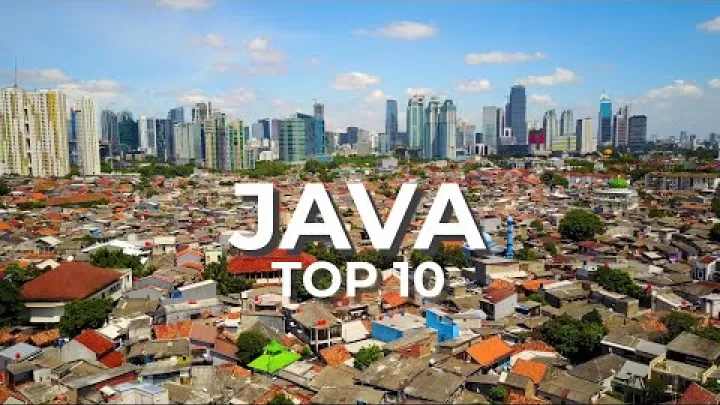
Roles vary across these cities. Jakarta focuses on government, finance, and services. Surabaya specializes in manufacturing, trade, and port logistics. Bandung is known for education, technology, and creative industries. Semarang is a coastal trade center and Central Java’s administrative hub. For simple comparisons, core cities range roughly from the low millions in Bandung and Surabaya to the 10–11 million range in Jakarta; metro areas span from several million to well beyond 30 million.
Sumatra: Medan, Palembang, Pekanbaru
Medan is Sumatra’s largest city and a key service hub for North Sumatra and neighboring provinces. Its port at Belawan and the international airport at Kualanamu connect the island to regional and global trade. Palembang, situated on the Musi River, hosts Indonesia’s first light rail transit (LRT) system and anchors petrochemical and processing industries.

Pekanbaru is an oil and services center that links to the wider Riau economic area. Further south, Bandar Lampung serves the Sunda Strait gateway to Java, while Padang anchors West Sumatra’s coastal trade. For cross-border context, the Riau Islands—especially Batam—form an important manufacturing and logistics corridor close to Singapore, complementing Sumatra’s mainland cities.
Kalimantan/Borneo: Balikpapan, Samarinda, and the IKN Nusantara area
International readers should note that Kalimantan refers to the Indonesian part of the island of Borneo. In East Kalimantan, Balikpapan is a major energy and logistics hub with a deepwater port and a well-connected international airport. Samarinda, located on the Mahakam River, is the provincial capital and an important trade and services center.
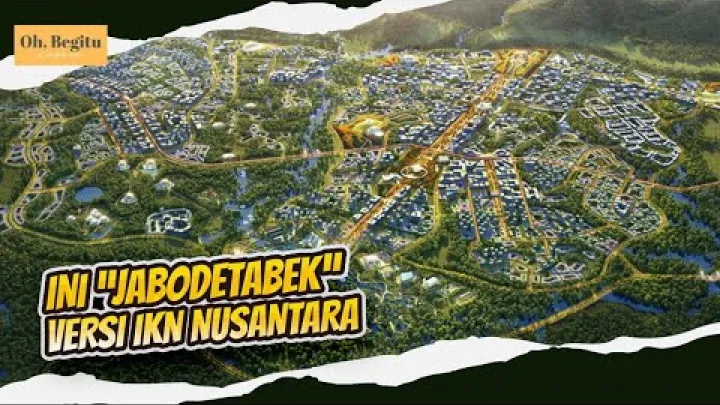
The IKN Nusantara development area lies between Balikpapan and Samarinda. New roads, utilities, and support facilities are emerging to link the future administrative city with these established urban nodes. Elsewhere in the region, Banjarmasin in South Kalimantan is a notable river city with a long tradition of water-based commerce and regional distribution.
Sulawesi: Makassar and Manado
Makassar is the principal hub for eastern Indonesia. It combines a major seaport and airport with warehousing and inter-island shipping that connects remote islands to national and international supply chains. Manado leads North Sulawesi, with strengths in fisheries, tourism, and marine biodiversity—Bunaken Marine Park is a signature attraction.
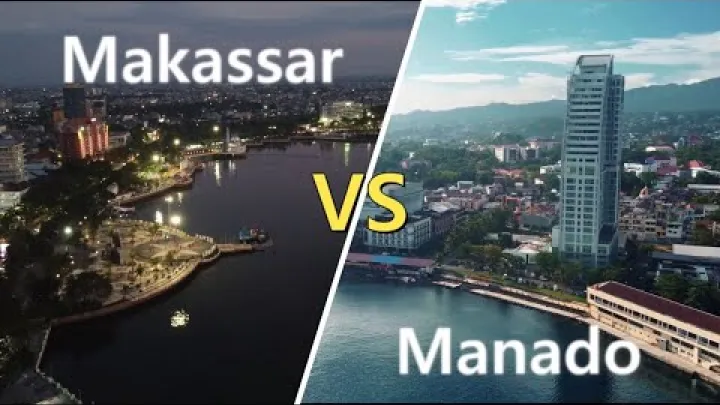
Both cities link to agri-processing and mineral value chains found elsewhere in Sulawesi. Examples include nickel processing in and around Morowali and Konawe near Kendari, and industrial recovery areas around Palu. These links support growing inter-island trade and reinforce Makassar’s position as a distribution gateway.
Bali and Nusa Tenggara: Denpasar and gateway cities
Bali is a province, not a single city. Denpasar is the provincial capital and main urban center.
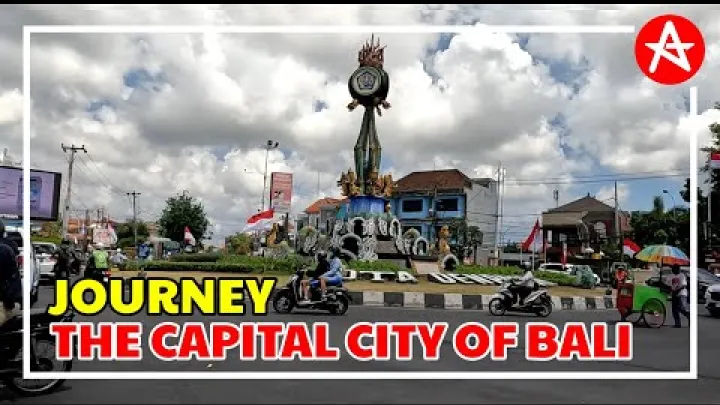
In Nusa Tenggara, Mataram is the capital of West Nusa Tenggara, and Kupang is the capital of East Nusa Tenggara. You may also see “Denpasar city Bali Indonesia” in listings, which correctly identifies the administrative city on the island. These cities act as gateways for tourism, inter-island flights, and trade in the Lesser Sunda Islands.
Papua: Jayapura and emerging urban centers
Jayapura is the main eastern gateway near the Papua New Guinea border and operates on WIT (UTC+9). It hosts key administrative and commercial functions and connects coastal and highland communities. Sorong is a strategic port for the Bird’s Head region and serves as the staging area for trips to Raja Ampat, a renowned diving destination.
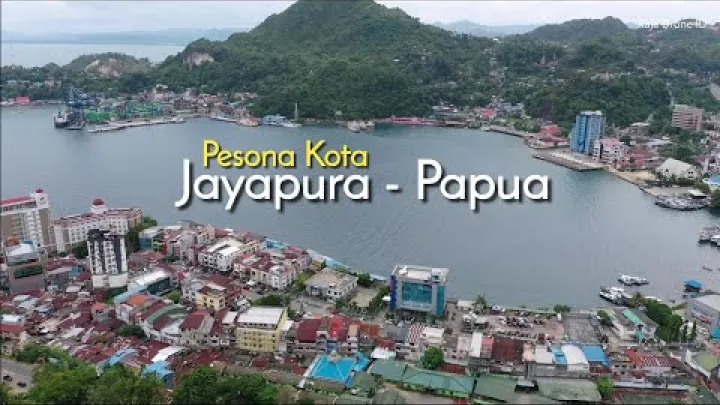
Timika (Mimika) supports large-scale mining and related services. Urban centers in Papua are widely spaced, with mountains, rainforest, and long distances shaping connectivity. Provincial structures in the region have evolved, so it is best to use neutral, location-based descriptions that remain accurate over time.
Jakarta as a megacity
Jakarta is Indonesia’s primate city and one of the largest megacities globally. It functions as a province-level entity and anchors a metropolitan region that extends into West Java and Banten. The scale of population and economy places unique demands on transport, housing, and environmental management. Understanding how Jakarta works helps make sense of national patterns, because economic and political decisions often concentrate here.
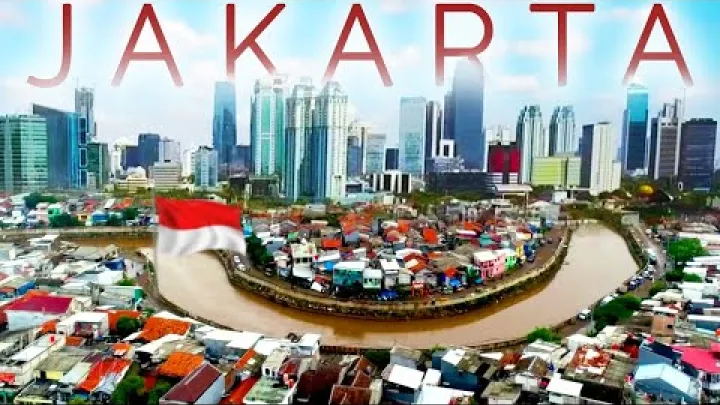
The city proper holds around 10–11 million people, while the metropolitan area exceeds 30 million. The economy drives much of Indonesia’s finance, commerce, and services and is tied to regional trade through ports and airports. However, Jakarta faces congestion, flood risk, and land subsidence, particularly in northern areas. Ongoing projects emphasize mass transit expansion, coastal defense, and better water management to improve resilience.
Scale and metro structure
Jakarta’s administrative structure is unique. It operates at the province level (DKI), sub-divided into administrative cities and one administrative regency. The wider metro includes Bogor, Depok, Tangerang, and Bekasi, with continuous urban sprawl and industrial corridors that cross local borders.
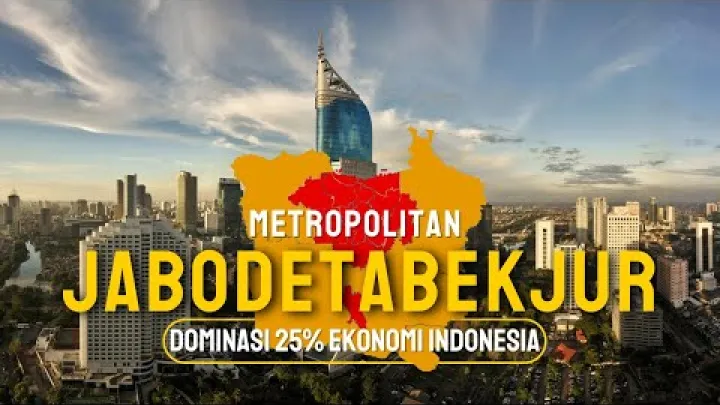
Population is best presented as ranges because estimates change. The city holds roughly 10–11 million residents, and the Greater Jakarta area exceeds 30 million. New towns, industrial estates, and logistics hubs reach deep into the peripheral regencies, creating a polycentric metro with heavy commuter flows.
Economy and global role
Greater Jakarta contributes a large share of national GDP, often cited around the high teens in percentage terms. It hosts the Indonesia Stock Exchange, major banks, media companies, and national government institutions, drawing talent from across the country.
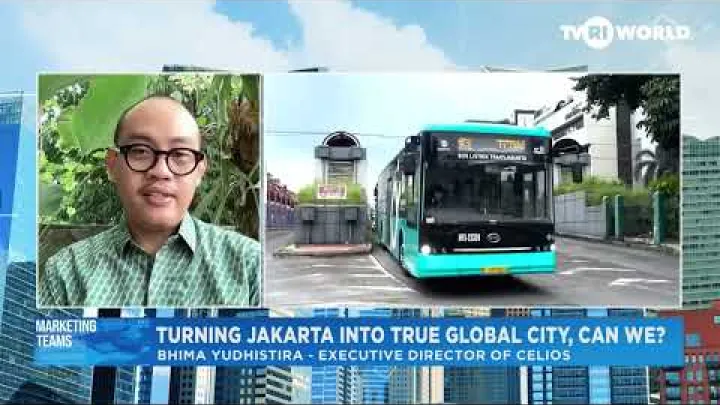
Tanjung Priok is Indonesia’s main container port and a critical node for trade flows. The metro is well connected by air and sea to ASEAN and global markets, reinforcing its position as a regional service and logistics hub. Treat all economic figures as approximate and time-sensitive.
Transport, congestion, and land subsidence
Jakarta’s mass transit network includes TransJakarta BRT, MRT Jakarta, the LRT Jabodebek linking parts of the metro, and KRL commuter rail that reaches many satellite cities. Extensions are being built in phases to expand coverage and integrate more stations with bus and rail feeders.

Congestion remains a challenge. Tools under discussion or implementation include transit-oriented development, parking reforms, and road pricing pilots. Northern Jakarta faces land subsidence and flood risks, so coastal defenses, drainage upgrades, and groundwater regulation are priorities. Large infrastructure advances in steps; avoid assuming fixed completion dates.
Secondary and cultural cities shaping the network
Beyond Jakarta, a set of large regional cities balances Indonesia’s urban network. Surabaya, Medan, Bandung, Semarang, Makassar, and others anchor trade corridors, connect ports and airports, and specialize in manufacturing, services, or education. Cultural cities such as Yogyakarta and Solo add creative and heritage strengths that draw students and visitors, supporting local industries and small enterprises.

Together, these cities diversify the economy and spread opportunity across islands. They also host transport and logistics infrastructure that ties remote areas to national markets. Thinking in terms of a network—rather than a single core—helps explain how new investments, such as toll roads or intercity rail on Java, boost growth in multiple places at once.
Surabaya and Medan as port and trade hubs
Surabaya’s Tanjung Perak port is the main gateway for eastern Indonesia, handling domestic distribution and export flows. Industrial clusters in East Java, supported by neighboring Gresik and Sidoarjo, make the metro a manufacturing powerhouse with a population commonly estimated in the mid to high single-digit millions.

Medan anchors Sumatra’s northern economy. Belawan port and Kualanamu airport connect the city to Malaysia and Singapore as well as domestic destinations. The metro population is often placed above four million, with growth linked to trade, services, and agro-processing. Both cities house logistics parks and warehouses that stabilize national supply chains.
Bandung as an education and creative center
The city has diversified from textiles into design, startups, and digital services, supported by a young talent base and a strong creative culture.
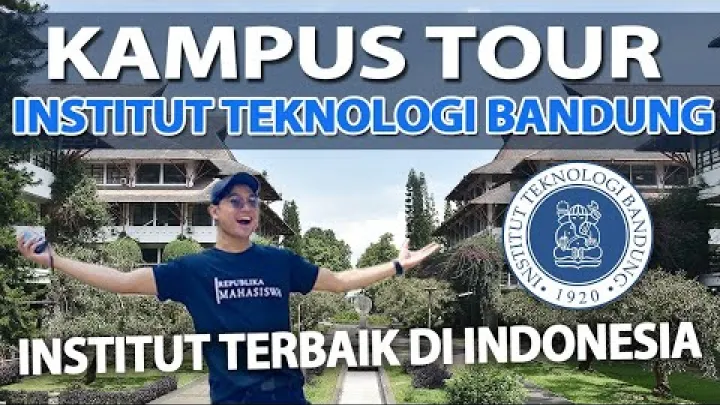
While exact travel times and ridership fluctuate as services scale up, the corridor supports integrated stations, feeder buses, and transit-oriented development. Bandung’s cooler climate also supports tourism and meetings, incentives, conferences, and exhibitions.
Yogyakarta and Solo as cultural heritage cities
It hosts major universities, vibrant arts, and creative industries that attract students from across Indonesia. Heritage landmarks include Prambanan nearby and access to Borobudur, which lies in Magelang, Central Java, and is reachable by road.
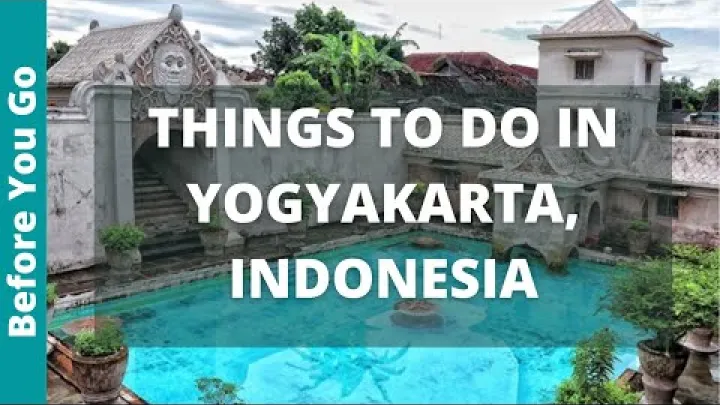
Solo (Surakarta) shares royal heritage and is known for batik and furniture SMEs. The two cities are closely linked by commuter flows and tourism, blending education, culture, and small industry. This cultural economy supports resilient local employment and adds diversity to Java’s urban landscape.
Transport and infrastructure across cities
Indonesia’s geography requires a mix of urban transit, intercity rail, roads, ports, and airports to connect islands and regions. Cities on Java have the densest rail networks, while BRT systems and improved airports support mobility elsewhere. New investments aim to reduce travel times, integrate modes, and improve reliability during peak seasons and adverse weather.

Understanding which systems are operating versus planned is essential for trip planning and project decisions. Many expansions occur in phases and involve coordination among national ministries, local governments, and state-owned enterprises. Airports and seaports are the backbone for archipelagic connectivity, while BRT and urban rail improve day-to-day commuting in growing cities.
BRT, MRT, and intercity rail, including the Whoosh high-speed line
Urban transit examples in operation include TransJakarta BRT, Trans Semarang, and Trans Jogja. Jakarta operates an MRT line and two LRT systems (the city LRT and the cross-metro LRT Jabodebek), while Palembang operates an LRT that supports city mobility. These systems are being expanded step by step to reach more neighborhoods and to integrate with feeder buses and park-and-ride facilities.
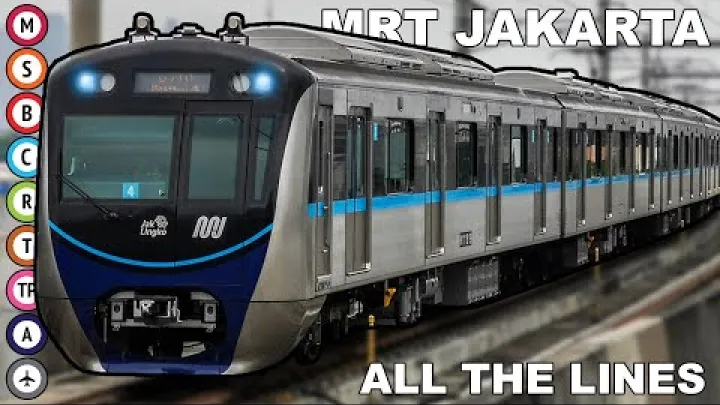
On intercity rail, Java has the most extensive services, with ongoing upgrades to tracks, stations, and timetables. The Whoosh high-speed rail connects Jakarta and Bandung and links to local networks via shuttle trains and buses. Many additional lines and extensions are in planning or construction; treat them as phased projects rather than fixed-dated commitments.
Financing and governance: the ACT approach
One practical way to think about urban investment is the ACT approach: Augment existing cities, Connect them better, and Target resources to strategic places. It aligns with an urbanization path that is expected to approach roughly 70% by mid-century, focusing limited funds where they can have the greatest impact.

Examples help make this concrete. Augment: upgrade water and drainage in secondary cities like Semarang to reduce tidal flooding. Connect: extend port access roads in Makassar and integrate airport rail links on Java to cut travel times. Target: prioritize multimodal hubs in Greater Jakarta and Surabaya where demand is highest and private partners can participate through public–private arrangements.
Coastal cities and waterfront development
Many Indonesian cities sit on coasts and river mouths, which brings both opportunity and risk. Ports anchor logistics and manufacturing clusters, and waterfront redevelopment can add housing and public space. At the same time, tidal flooding (rob), subsidence, erosion, and environmental pressures require careful management to keep communities safe and economies productive.
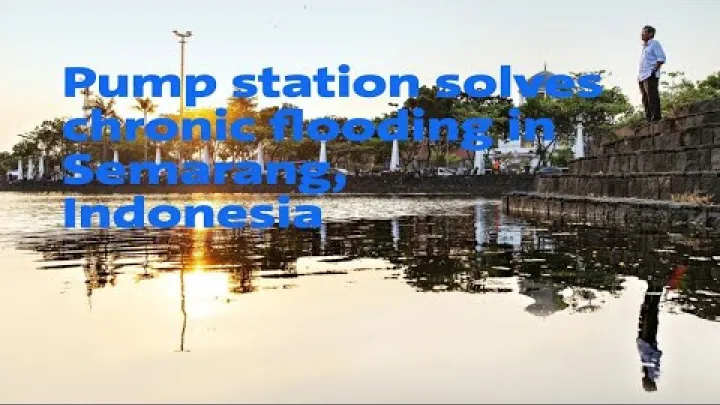
Recent projects emphasize resilience, zoning, and drainage upgrades. Urban managers also look to nature-based solutions, sediment management, and consistent maintenance of pumps and canals. Because sea levels and subsidence trends vary locally, solutions must be tailored to each coastline and river basin, with monitoring and phased investments that adapt as conditions change.
Opportunities and constraints in Makassar, Surabaya, Semarang, and Batam
Makassar and Surabaya have strong port-led logistics with space for industrial clustering and waterfront renewal. Batam City (Riau Islands, Indonesia) benefits from proximity to Singapore and special economic zone status, supporting electronics and ship-related manufacturing. These advantages can translate into jobs and rising incomes when paired with reliable power, water, and transport access.

Constraints include tidal flooding, subsidence, and coastal erosion. Semarang offers a clear case: the city has implemented tidal flooding control through sea dikes, pumping stations, and polder systems, while also coordinating drainage with nearby regencies. Long-term success depends on aligning land-use rules, enforcing setbacks, and investing in resilient green and gray infrastructure.
Frequently Asked Questions
This section answers common queries people have when they search for an “Indonesia city,” compare urban areas, or plan travel and study. Answers use approximate figures and neutral phrasing so they remain useful as cities grow and projects advance. For precise trip planning or relocation decisions, always cross-check the latest official updates and local advisories.
Is Bali a city or a province in Indonesia?
Bali is a province, not a city. Its capital city is Denpasar, and the province includes several regencies such as Badung, Gianyar, and Karangasem. Many popular destinations (Ubud, Kuta, Canggu) are districts or towns within these areas.
How many cities are there in Indonesia?
Indonesia has about 98 chartered cities (kota). In addition, there are more than 400 regencies (kabupaten), which contain many urban areas. Definitions can change as regions are upgraded or reorganized.
What is Jakarta’s population (city and metro)?
Jakarta has around 10–11 million residents within city limits. Its metropolitan area (Jabodetabek) exceeds 30 million people, making it one of the world’s largest urban agglomerations.
What and where is Nusantara, the new capital?
Nusantara (IKN) is Indonesia’s planned new national capital in East Kalimantan, on the island of Borneo. The move is phased to improve resilience and balance development beyond Java; Jakarta remains the capital today.
Which are the largest cities in Indonesia by population?
By core city population, Jakarta, Surabaya, Bandung, Medan, and Semarang are among the largest. By metropolitan size, Greater Jakarta is the largest, followed by metropolitan Surabaya and Bandung.
Where is Batam and why is it important?
Batam is in Riau Islands Province, close to Singapore and Malaysia. It is a major industrial and logistics hub, part of a special economic area that supports manufacturing and cross-border trade.
What time zones do Indonesian cities use?
Indonesia uses three time zones: WIB (UTC+7) for western cities like Jakarta and Bandung; WITA (UTC+8) for central cities like Denpasar and Makassar; and WIT (UTC+9) for eastern cities like Jayapura.
Is “Bali Indonesia city” the same as Denpasar?
No. “Bali Indonesia city” is a common search phrase, but Bali is a province. Denpasar city Bali Indonesia is the correct way to name the provincial capital.
Conclusion and next steps
Indonesia’s urban system blends legal cities (kota), regencies (kabupaten), and large metropolitan regions that cross boundaries. Jakarta is the capital today and remains the country’s top economic center, while Nusantara is being developed in East Kalimantan as a future administrative capital. Java concentrates the biggest metros—Jakarta, Surabaya, Bandung, and Semarang—yet strong hubs on Sumatra, Kalimantan, Sulawesi, Bali–Nusa Tenggara, and Papua connect trade routes and regional economies.
Reading city data carefully matters because many figures depend on whether they refer to the core city or the wider metro. Population and economic numbers are best treated as approximate ranges that will evolve. Transport networks are expanding in phases, with BRT, LRT/MRT, intercity rail, and the Whoosh high-speed line improving connectivity. Coastal cities continue to balance port-led growth with flood and subsidence management, as seen in Semarang’s tidal control efforts. Together, these trends point to an urban future shaped by investment choices that augment existing strengths, connect city clusters, and target strategic locations for long-term resilience and shared growth.
Select area
Create a post
Posting is free and no registration is required.