Indonesia House Guide: Traditional Architecture, Buying and Renting, and Bamboo Homes

This guide explains types of Indonesia traditional house (rumah adat), clear steps to buy or rent a home including a house for sale in Bali Indonesia, and what to know about a Bali Indonesia bamboo house.
What is an “Indonesia house”? A quick overview
It often features timber or bamboo frames, raised floors, cross-ventilation, and deep eaves, while modern homes combine these with masonry cores, updated services, and legal ownership routes that vary by nationality and intent.

- Climate strategies: raised floors on stilts, shaded verandas, cross- and stack-ventilation, wide roof overhangs, and lightweight roofs to shed heat and rain.
- Ownership paths: Indonesian citizens may hold freehold land (Hak Milik); foreigners typically use Hak Pakai (right to use) or HGB via a PT PMA company.
- Regional markets: Bali is tourism-led with leaseholds common; Jakarta is apartment- and commuter-driven; Yogyakarta/Bandung favor education and creative sectors; coastal zones face salt, wind, and corrosion risks.
- Construction palette: timber, bamboo, brick, stone, and ironwood vary by island; hybrid systems add reinforced concrete or steel where codes require.
- Seismic and flood realities: flexible frames, light roofs, and elevated platforms remain best practice in quake- and flood-prone areas.
In practice, the term spans everything from a heritage Joglo to a new villa or apartment. Buyers and renters should consider climate performance, cultural layouts like the Balinese compound, and legal structures for foreign ownership. Designers can adapt vernacular lessons—deep eaves, airflow, and modular framing—to modern comfort, codes, and budgets.
Key materials and climate strategies (stilts, cross-ventilation, wide eaves)
Stilts lift living areas above splash zones, pests, and humid ground air, keeping floors dry and cooler while offering flood and ventilation benefits. Cross-ventilation aligns openings on opposite walls to channel breezes, reducing indoor heat and reliance on AC. Wide eaves and verandas shade walls and windows, protect timber joints from rain, and create outdoor living rooms that mediate heat and glare.

Detailing makes these strategies durable: use capillary breaks at column bases to stop moisture wicking; specify treated bamboo or dense hardwoods for weather-exposed parts; and add metal flashing at roof-wall interfaces and over beam ends. Combine insect screens with operable louvers for night cooling, and use ventilated roof spaces with ridge vents to exhaust hot air before it reaches rooms.
- Bali: raised bale pavilions with deep alang-alang or tile roofs and breezeways.
- Java: Joglo/Limasan halls with clerestories and perimeter verandas.
- Kalimantan: longhouses on high stilts above seasonal floods.
- Nusa Tenggara: lumbung granaries with high airflow under steep thatch.
Earthquake resilience and flexible timber systems
Lightweight roofs lower inertial forces, while continuous load paths—anchoring the roof to walls to foundations—help transfer seismic and wind loads safely to the ground.
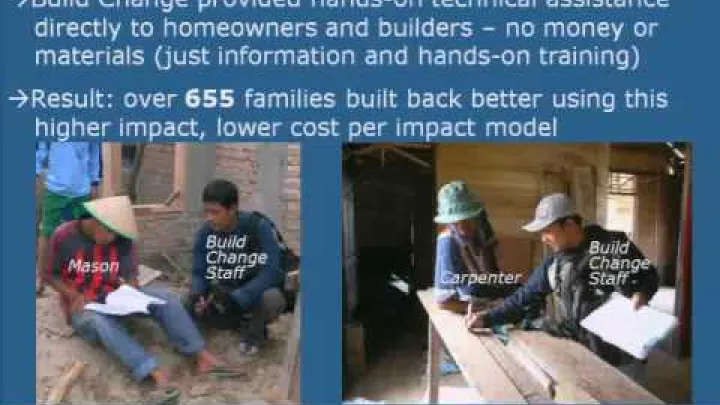
Best practices used across Indonesia include diagonal bracing or moment-resisting frames to stiffen open walls, positive anchorage with bolts/straps from rafters to wall plates to columns, and diaphragm action through well-nailed or screwed roof and floor sheathing that ties the frame laterally. Use hold-downs at critical posts and ensure connections are accessible for inspection and tightening over time.
Siting checklist: prefer compact footprints on firm, well-drained soil; avoid steep or liquefaction-prone sites; keep heavy masonry confined to cores; and provide multiple exit routes.
Types of traditional houses in Indonesia (rumah adat)
Indonesia’s rumah adat embody local climate, cosmology, and craft. Structures vary from elevated timber longhouses in Borneo to high-volume roofs in Sulawesi, each tuned to rainfall, wind, and seismicity. Many principles—airflow, lightness, and modularity—translate directly into comfortable, resilient modern homes.
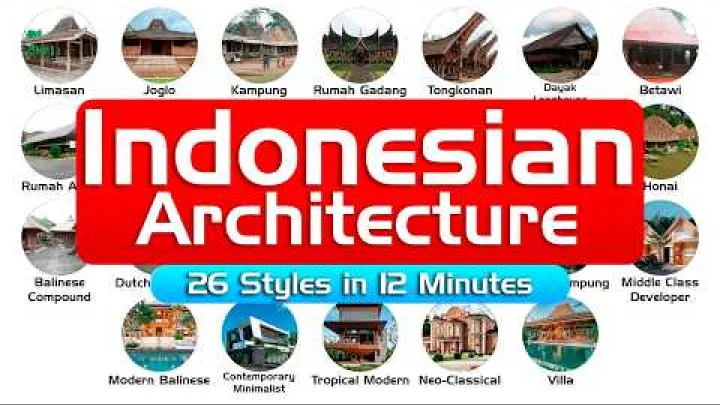
While materials and rituals differ, performance threads are consistent: raised floors for dryness and ventilation; deep eaves for shading and rain control; flexible frames to handle earthquakes; and communal spaces that adapt to family and social life. Modern builders often hybridize these with masonry wet cores and engineered connections for safety and services.
- Joglo (Central Java): tall, columned hall with tumpang sari layers—excellent hot-air stratification and cultural prestige.
- Limasan (Java): four-sided hipped roof—stable in wind and good for rain shedding with simpler structure.
- Balinese compound (bale): multiple pavilions by function—privacy, airflow, and ritual order within walls.
- Tongkonan (Toraja): elevated, boat-like roof—cool interior volume and strong symbolism.
- Longhouse (Dayak/Batak): shared veranda with private bays—social cohesion, cross-ventilation, flood-ready.
- Bubungan Tinggi (South Kalimantan): steep gables and ironwood—heavy rain shedding and durability.
- Sasak lumbung (Lombok): ventilated granary—dry storage principles adaptable to living annexes.
Joglo and Limasan (Java)
Joglo: Defined by the saka guru (four central columns) supporting the ornate tumpang sari tiered ceiling, the Joglo creates a lofty, ventilated hall that stratifies hot air above living zones. Traditionally built with teak and shingles or clay tiles, modern Joglo hybrids add masonry wet areas, discreet steel connectors, and clerestory vents to manage heat and smoke while maintaining the iconic profile.

Seismic note: keep infill walls light, use bolted column-footing anchors with stainless straps at rafter ties, and maintain a continuous load path from ridge to foundation to protect the tall center frame.
Limasan: Recognized by its four-sided hipped roof and simpler post-and-beam grid, the Limasan is efficient for rain and wind and easier to build than a Joglo. Timber—often teak or merbau—pairs well with clay tiles; contemporary updates include reinforced ring beams, ventilated ridges, and masonry bathrooms that improve service life without overloading the frame.
Seismic note: add diagonal bracing in wall bays, tie roof members to ring beams, and separate heavy cores from the light main hall to preserve ductility.
Balinese compound (bale) layout
A Balinese house is a walled compound oriented by kaja–kelod (mountain to sea) and often kaja-kangin (mountain–sunrise) axes. Functions are split into bales: sleeping pavilion, family pavilion, kitchen, and a family temple, with a forecourt and service areas arranged by ritual hierarchy and prevailing breezes.

Design tips: layer privacy with garden walls and offset doors; maximize cross-ventilation with aligned openings and high vent blocks; and plan maintenance with accessible roofs, cleanable gutters, and termite controls around timber bases.
Toraja Tongkonan (Sulawesi)
The Tongkonan’s soaring, boat-shaped roof and elevated base symbolize ancestry and status while creating a large air volume that moderates heat. The lifted floor keeps interiors dry above heavy rains, and the deep eaves protect walls and finely carved timber facades from tropical weather.
Traditional materials include hardwood posts, bamboo or timber rafters, and thatch or shingles, connected with pegged joinery and lashings that flex under load. Contemporary reinterpretations should respect proportions, curved roof geometry, and carved motifs while discreetly integrating engineered anchors, hidden steel shoes, and fire-safe roofing to meet current codes and durability targets.
Dayak/Batak longhouses (Borneo/Sumatra)
Longhouses organize community life along a shared veranda or gallery, with private family bays branching off and room to extend as families grow. Elevated platforms enable airflow beneath floors, reduce pest ingress, and provide safe refuge above seasonal floods, with gaps and slatted walls aiding cross-ventilation.
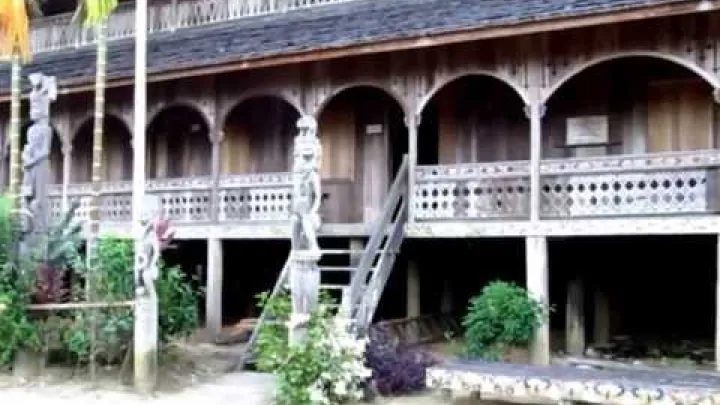
Modern co-living parallels include modular row units linked by a shaded deck and shared utilities. For flood resilience, use diagonal bracing on stilt frames, corrosion-resistant connectors, and elevated walkways between clusters, plus sacrificial ground-level storage that can get wet without harm.
Other regional types (Bubungan Tinggi, Sasak lumbung)
Bubungan Tinggi from South Kalimantan features very steep gables, tall interiors, and dense ironwood framing that resists decay. The steep pitch sheds intense rain quickly, while the narrow plan and small openings temper solar gain and channel breezes through the long axis.
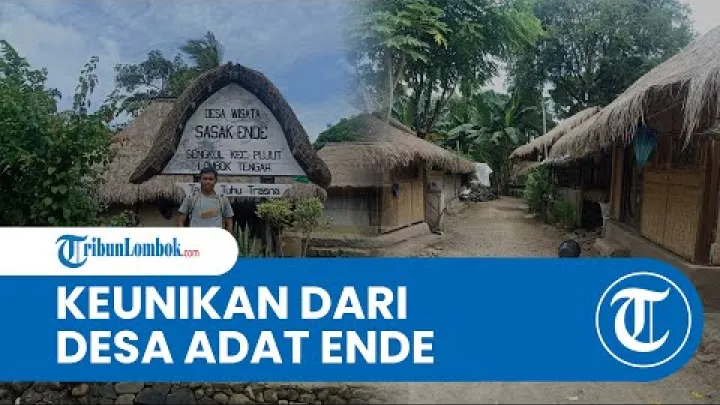
The Sasak lumbung of Lombok is a raised, ventilated granary with a steep thatch cap, designed to keep rice dry and safe from pests. Its breathable walls and shaded undercroft translate well into modern storage, studios, or guest pods with excellent passive cooling.
Material palettes vary by island: ironwood and ulin in Kalimantan, teak in Java, bamboo and thatch in Bali and Nusa Tenggara, and stone in highland zones. When adapting these types, coordinate early with heritage offices and local leaders to align with cultural protocols, set-backs, and conservation rules.
Buying a house in Indonesia: rules, steps, and tips
Indonesia’s land rights system distinguishes between freehold land for citizens (Hak Milik) and limited-use titles accessible to foreigners. Most non-citizens buy a house in Indonesia through Hak Pakai (right to use) or via a foreign investment company (PT PMA) holding HGB (Right to Build). Avoid nominee arrangements that place freehold in another person’s name; they are risky and can be voided.

This section maps the essentials: who is eligible, a step-by-step purchase process, Bali-specific notes, financing and taxes, housing programs context, and 2025 build-cost factors. Always verify title and permits at official offices and use a licensed notary/land deed official to formalize transactions. Regional minimum price thresholds for foreign purchases and zoning can differ by province, especially in Bali and Jakarta.
- Eligibility: foreigners may hold Hak Pakai over certain residential properties and may own HGB through a PT PMA; citizens can hold Hak Milik.
- Steps: due diligence, price agreement, preliminary sale (PPJB), final deed (AJB) before a PPAT, tax payments, registration at BPN, and handover.
- Bali notes: zoning and tourism designations affect use; leaseholds are common; engage the banjar early for operations and community fit.
- Financing: KPR mortgages exist mainly for citizens; foreign buyers often use cash or offshore financing; model currency risk.
- 2025 build costs: region, structure type, finishes, consultants, permits, site access, and exchange rates drive budgets.
Glossary: BPN (National Land Agency), PPAT (Land Deed Official), PPJB (preliminary sale-purchase agreement), AJB (final sale deed), IMB/PBG (building permit/persetujuan), HGB (Right to Build), Hak Pakai (Right to Use), Hak Milik (Freehold), PT PMA (foreign-owned company).
Can foreigners buy property in Indonesia?
Hak Pakai typically runs for an initial term with extensions (for example, 30 years extendable), while HGB via PT PMA can be granted and renewed in multi-decade blocks, subject to ongoing compliance.
Be aware of provincial minimum price thresholds and permitted property types for foreign ownership. Avoid nominee schemes that park Hak Milik under a local’s name; they are unlawful and jeopardize your investment. Plan exit strategies: resale within the same title regime, converting use, or selling the company shares if using a PT PMA.
Step-by-step: How to buy a house in Indonesia
Follow this concise path to reduce risk and keep your transaction compliant, from first viewing to keys in hand. Confirm all facts with licensed professionals and ensure documents match records at the relevant authorities.
- Engage a reputable notary/PPAT and, if foreign, a consultant experienced with Hak Pakai or PT PMA structures.
- Verify land title, boundaries, encumbrances, and zoning at BPN; check building permits (IMB/PBG) and utilities.
- Conduct technical due diligence (surveys, structure, drainage) and confirm tax status with the seller.
- Agree on price and conditions, then sign a PPJB (preliminary agreement) detailing payments and deadlines.
- Prepare tax payments (BPHTB, PPN if applicable) and gather IDs, corporate docs (for PT PMA), and title originals.
- Execute the AJB (final deed) before the PPAT, settle payments in traceable form, and obtain official receipts.
- Register the transfer and title issuance at BPN, and update utility accounts and community records.
- Perform handover with an inventory list, meter readings, and defect list with agreed rectification dates.
Buying a house in Bali: what to know
Foreigners commonly use long leaseholds or a PT PMA with HGB; leases often run 20–30 years with options to extend, and due diligence must confirm land status and banjar expectations for noise, parking, and ceremonies.

Coastal properties face salt spray, wind, and higher maintenance for roofs, metals, and AC units; inland areas may have better water and lower corrosion but deal with humidity and runoff. Clarify setbacks from beaches and rivers, and check for cultural sites near the land.
- Pre-offer checklist: zoning letter, banjar letter, title map, IMB/PBG, drainage plan, well/water rights, and access road status.
- Contract tips: spell out renewal terms for leases, management permissions, and community contributions.
- Operations: plan gutters, sump pumps, and sacrificial coatings against salt; schedule biannual roof checks.
Mortgages, taxes, and costs to consider
KPR mortgages are the standard for citizens and permanent residents, with loan-to-value ratios set by banks and interest either fixed for an initial period then floating, or floating from the start. Foreign buyers usually rely on cash, overseas financing, or developer payment plans; compare scenarios in your home currency versus IDR to understand affordability shifts.

Transaction costs typically include BPHTB (acquisition duty), PPN (VAT on certain sales or new builds), and PPAT fees for the deed, plus notary, appraisal, and due diligence. Ongoing costs include PBB (annual property tax), utilities, insurance, maintenance, and community fees. Model currency risk: a 5–10% IDR movement can change real costs significantly over the life of a lease or build.
Housing programs and policy context (FLPP, Tapera)
FLPP is a subsidized mortgage facility for eligible Indonesian citizens purchasing affordable homes, offering below-market interest rates through participating banks to expand access to housing. It targets low- to middle-income buyers and is administered via housing and finance agencies.

Tapera is a long-term housing savings program for Indonesian workers that accumulates contributions to fund future housing needs, including down payments and financing support, managed by a dedicated public body. Foreigners are not eligible for these programs; citizens should verify current regional parameters, price caps, and bank participation.
Cost of building a house in Indonesia in 2025: key factors
Budgets in 2025 will hinge on region (Bali, Jakarta, or secondary cities), structure type (timber/bamboo hybrid vs reinforced concrete), finish level, consultant fees, permits, logistics, and exchange rates for imported items. Site conditions—soil, slope, drainage, access roads—can swing costs with foundation upgrades and stormwater works.
![Preview image for the video "[CLOSER LOOK] Cost To Build A House In 2025".](/sites/default/files/styles/media_720x405/public/oembed_thumbnails/2025-08/AHhkPMOOesws4X81lXROu3-w0VMMsUN6k9hpRHyKJl4.jpg.webp?itok=Ydwvnet1 "Preview image for the video \"[CLOSER LOOK] Cost To Build A House In 2025\".")
Control costs by standardizing room modules, rationalizing spans, and value-engineering the roof and envelope for thermal and rain performance. Schedule earthworks away from peak rainy months, and consider bamboo or timber hybrids for certain spans and shading to reduce material and carbon without compromising code compliance.
- Drivers: roof complexity, window area and glazing type, MEP system choices, and local labor availability.
- Allowances: contingency 8–12%, testing/commissioning, and early maintenance for coastal sites.
- Procurement: seek fixed-price packages for structure and shell, with separate allowances for finishes.
Renting a house in Bali and other regions
Coastal areas command premiums for views but require more upkeep; inland locations trade views for calmer weather and lower corrosion.

Before signing, align contract essentials: term length, inclusions (furnishings, pool, gardener), who pays utilities, pet policies, and maintenance response times. Seasonal pricing is real—expect higher rates during holidays and dry season in Bali. Protect yourself with thorough handover documentation to avoid disputes at checkout.
- Must-have clauses: repair timelines, security deposit use, early termination, and guest limits.
- Handover pack: inventory with photos, meter readings, key sets, and condition report signed by both parties.
- Utilities: confirm internet reliability, water quality (well or PDAM), and backup power if needed.
Typical rental ranges and what affects price
Price is driven by location, seasonality, property condition, amenities (pool, workspace, AC), and internet reliability. In Bali, proximity to beaches and cafés raises rates, while in Jakarta, access to MRT and business hubs matters most; Yogyakarta and Bandung offer value near campuses and green zones.

Request recent electricity and water bills to gauge running costs, and specify who handles gardening, pool service, AC cleaning, and how quickly issues will be fixed. During rainy season, check drainage slopes, gutters, and roof leaks by visiting during or after rain to avoid surprises.
How to find long-term rentals and check contracts
Use licensed agents and verified platforms with clear ownership data and reviews, and always visit in person at different times of day to assess noise, traffic, and light. Ask for the owner’s ID and proof of ownership or lease authority to ensure you are dealing with the right party.
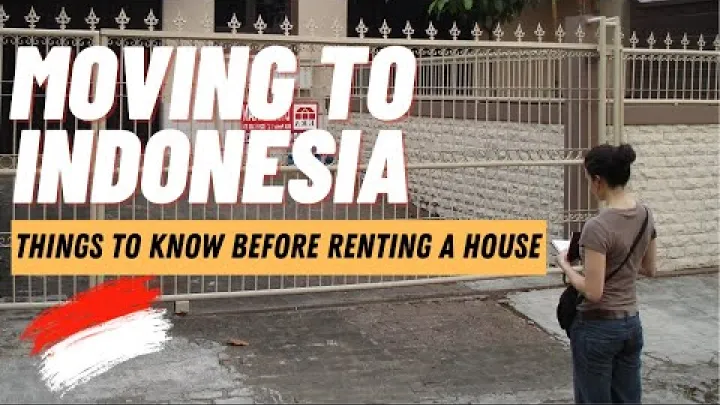
Before you commit, prepare a simple checklist and document the condition thoroughly. This limits disputes and makes move-out smoother.
- Pre-lease checklist: full inventory photos, meter readings, appliance tests, and Wi‑Fi speed test screenshots.
- Rules: clarify pet, guest, subletting, parking, and community quiet hours.
- Paperwork: signed receipts for all payments, official stamp on the contract, and contact list for emergencies.
Bamboo houses in Bali and Indonesia: design, durability, and cost
Bamboo houses in Indonesia combine beauty, strength-to-weight, and low embodied carbon with real maintenance needs in a humid, termite-prone climate. When designed and treated well, they offer airy spaces that suit Bali’s lifestyle; when neglected, moisture and insects can shorten service life.

This section covers treatment and maintenance, pros and cons for tropical climates, and cost factors for a Bali Indonesia bamboo house. Many successful projects use hybrid strategies—bamboo superstructures with concrete or masonry cores, elevated shoes, and protective roofs—to boost durability, compliance, and long-term value.
For both custom villas and small homes, durability starts with correct species selection, proper seasoning and treatment, and meticulous “keep-dry” details. Budget should include periodic recoating, fastener inspections, and roof upkeep, especially in coastal zones with salt-laden winds.
How bamboo homes are treated and maintained
Durable bamboo starts with correct harvesting timing, curing/seasoning to reduce moisture, and boron treatment to deter insects and fungi. After treatment, components should air-dry under cover before fabrication, then receive breathable finishes that shed water and UV.

Keep-dry detailing is essential: elevate columns on stainless or concrete shoes, add drip edges and flashing at joints, and ventilate connections so trapped moisture can escape. Plan a maintenance schedule with 6–12 month inspections for fasteners, coatings, and roof edges, and recoat exposed bamboo every 1–3 years depending on exposure.
Pros and cons for tropical climates
Advantages include excellent strength-to-weight ratios that lower seismic demands, low embodied carbon, fast erection, and passive cooling through open plans and breathable skins. These qualities align well with Indonesia’s hot, humid conditions and frequent earthquakes.
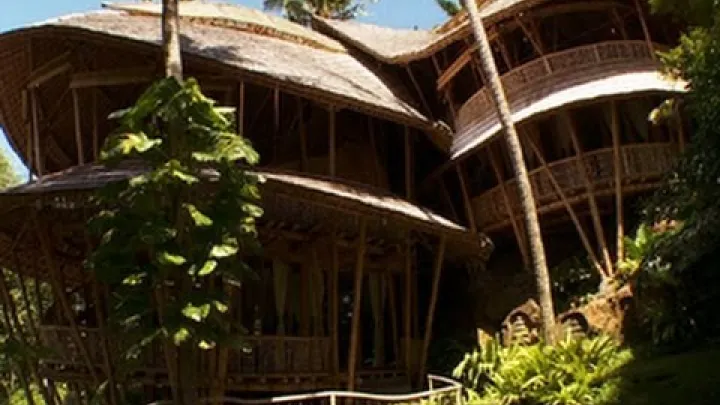
Challenges include moisture uptake, insect attack, building approvals for unconventional structures, and exposure to typhoon-level winds in some regions. Mitigate with treated species, protective cladding in high-exposure zones, engineered connectors and bracing, and hybrid concrete or masonry cores for wet areas and stairs.
- Moisture: deep eaves, raised bases, and vapor-open finishes reduce decay risk.
- Insects: boron treatment and regular inspections catch early signs.
- Approvals: enlist engineers experienced in bamboo design and documentation.
- Wind loads: triangulated bracing and tiedown straps keep roofs secure.
Cost factors for a Bali Indonesia bamboo house
Costs vary by species (e.g., Dendrocalamus vs Gigantochloa), culm size and grading, joinery complexity (hand-lashed vs engineered connectors), finish level, and exposure to sun, rain, and salt. Transport logistics and master carpenters’ availability also influence pricing and timelines in Bali’s busy market.

Request itemized quotes separating structure, MEP, roof/cladding, interiors, and maintenance allowances for recoating and inspections. Evaluate life-cycle costs: a higher-spec roof and better flashing may cut future repairs, while a hybrid bamboo-concrete core can streamline approvals and reduce high-wear replacements.
- Drivers: roof area/complexity, glazing and insect screens, custom furniture, and landscape works.
- Allow for: design/engineering fees, permits, mock-ups, and coastal-grade hardware.
- Contingency: 8–12% plus a yearly maintenance budget for exposed elements.
Climate-responsive and sustainable design in Indonesia
Whether you live in a landed house or an apartment, performance begins with climate-fit design. Use shading hierarchies, cross/stack ventilation, ventilated or reflective roofs, vapor-open assemblies, and robust stormwater controls to manage heat and rain. These measures reduce energy use, protect materials, and improve comfort during both dry and rainy seasons.
Think in layers: site trees and pergolas for soft shade; deep eaves and screens for building-level protection; and room-level devices like operable louvers and ceiling fans. Roofs drive comfort—choose reflective tiles or metal with insulation and a ventilated cavity, or a cool roof membrane where profiles are low. Keep wall assemblies vapor-open so moisture can dry out, especially for coastal locations.
- Shading: combine verandas, vertical fins on west facades, and vegetation to cut solar gain.
- Ventilation: align windows to prevailing breezes; add high-level vents or lightwells for stack effect in apartments.
- Roofs: use ridge vents and radiant barriers; consider double-skin roofs for villas with large spans.
- Stormwater: install gutters, first-flush diverters, swales, and cisterns sized for local rainfall.
- Materials: favor light, repairable assemblies; specify corrosion-resistant hardware near the coast.
Operational habits matter too: use fans first, stage AC by room, and close operable shading before peak sun. These small actions, paired with smart envelopes, deliver big savings and resilience during outages.
Passive cooling techniques for modern homes
Plan air paths: create aligned openings for cross-breezes, add high vents or stairwell stacks to exhaust hot air, and use breezeways between pavilions in landed homes. In apartments, borrow light and air from balconies and operable clerestories, and avoid blocking interior doors that aid airflow.

Control roof and facade heat: specify reflective or ventilated roofs, shade west-facing walls with fins or trellises, and use low-gain glazing with external blinds. Operational tuning—ceiling fans, night flushing, and scheduled shading—can cut AC demand in both apartments and houses without sacrificing comfort.
- Landed homes: verandas plus ridge vents and ceiling fans reduce peak temperatures markedly.
- Apartments: cross-ventilate via balcony and corridor/lightwell where possible; add operable shades.
- All homes: insulate roofs, seal air leaks, and prioritize shaded outdoor rooms for daily living.
Lessons from vernacular design for new builds and apartments
Raised floors become ventilated crawl spaces or suspended slabs that keep interiors dry and cool. Deep eaves translate into balconies and brise-soleil that shade glass and provide outdoor rooms, while modular timber/bamboo frames inspire column grids that accept change over time.
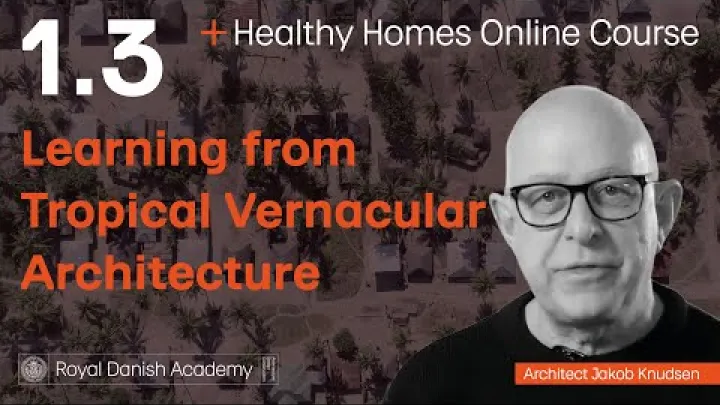
Rainwater harvesting fits urban sites through concealed gutters and tanks feeding gardens and WC flushing. Seismic principles remain universal: keep structures light where possible, ensure continuous load paths from roof to foundation, and distribute bracing so no single wall has to do all the work.
- Urban equivalents: lightwells, atriums, and ventilated corridors stand in for open pavilions.
- Hybrid cores: masonry for stairs and bathrooms, lightweight frames for living areas.
- Resilience: tie-downs and diaphragm action in slabs/roofs improve quake performance.
Frequently Asked Questions
What is an Indonesia house?
It is a home shaped by tropical climate and local culture, often using timber or bamboo frames, raised floors, cross-ventilation, and deep eaves. Modern versions blend these with masonry cores and updated services.
Can foreigners buy a house in Indonesia?
Foreigners cannot hold freehold (Hak Milik) personally but can buy via Hak Pakai or through a PT PMA holding HGB. Terms are multi-decade with renewals and vary by region and property type.
What does “Joglo” mean in Javanese houses?
Joglo refers to a central, tall timber hall supported by four main columns (saka guru) and an ornate tumpang sari ceiling, prized for airflow and cultural prestige.
How much is a house for rent in Bali Indonesia monthly?
Monthly rents range widely by area, season, and amenities; budget more near beaches and cafés and less inland. Always confirm utilities, internet, and maintenance responsibilities.
Are bamboo houses durable in Indonesia?
Yes, if species are properly treated, kept dry, and maintained with regular inspections and recoating. Hybrids with masonry cores and protective roofs improve longevity.
What makes a house earthquake-resistant in Indonesia?
Light, ductile frames; continuous load paths from roof to foundation; proper bracing and anchorage; and lightweight roofs that reduce inertial forces.
What ongoing costs should buyers expect?
Annual property tax (PBB), utilities, insurance, routine maintenance, community fees, and periodic roof or coating work—higher in coastal environments.
What is typically included in a Bali lease?
Inclusions vary; clarify furnishings, pool/garden care, utilities, AC servicing, and response times. Document handover with photos and meter readings.
What drives the cost of building a house in Indonesia in 2025?
Region, structure type, finish level, consultants, permits, site access, and exchange rates. Plan contingencies and consider standardized modules and envelope value-engineering.
Conclusion
Indonesia’s vernacular houses show how light frames, deep eaves, and smart layouts create comfort in a hot, humid, and seismic setting. Buyers and renters can navigate lawful paths—Hak Pakai or PT PMA for foreigners—and align choices with local norms and climate. Bamboo offers compelling potential when paired with rigorous treatment and hybrid detailing. Engage qualified local professionals early, and design from the roof down for tropical performance and long-term value.
Select area
Create a post
Posting is free and no registration is required.