Indonesia Festival Guide 2025: Dates, Types, Top Cultural and Music Events

This guide brings together the most relevant information for 2025, including types of celebrations, typical date windows, and standout events worth planning for. Whether you search for “indonesia festival,” “festival indonesia,” or “festival budaya indonesia,” you will find clear, practical guidance here. Explore month-by-month seasonality, etiquette tips, and how to attend both neighborhood ceremonies and large-scale concerts.
Use this overview to decide when to go, where to base yourself, and how to respect local customs. You will also find insights on tickets, cashless payments, weather differences, and regional access. The goal is simple: help you experience the best festivals in Indonesia with confidence and care.
Introduction
In 2025, the Indonesia festival calendar reflects this diversity: religious and spiritual observances, cultural parades, contemporary music and arts showcases, and abundant culinary fairs. Travelers looking for the best festivals in Indonesia will notice two strong rhythms: seasonal weather patterns shaping outdoor programs and lunar or local calendars moving sacred dates.
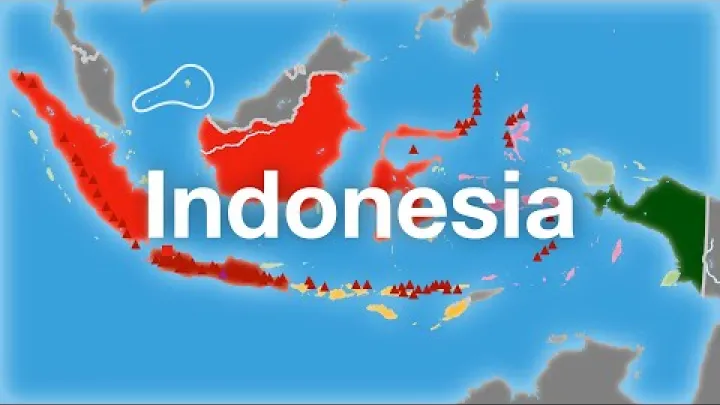
Planning for 2025 is easier when you understand how these rhythms work. The dry season (roughly April to October) favors outdoor festivals across Java, Bali, Nusa Tenggara, and parts of Sumatra. The wetter months (November to March) push many events indoors, especially in Jakarta, Bandung, and Surabaya, where large venues support concerts and exhibitions. Meanwhile, festivals tied to Islamic, Buddhist, or Balinese calendars can shift significantly from year to year; these require careful date checks close to travel.
This guide introduces the main festival types and highlights representative events across regions—from Bali’s month-long arts showcase to the Baliem Valley’s highland cultural gathering. It also explains respectful behavior during sacred moments and offers practical tips for transport, crowd management, and payments. If you are comparing options, think in layers: type of festival (sacred to contemporary), location and climate, and your preferred pace (immersive rituals versus multi-stage concerts). With that framework, 2025 becomes a year of meaningful choices rather than guesswork.
What Is an Indonesia Festival? Overview and Types
An Indonesia festival is a communal event that honors beliefs, preserves heritage, and sparks creative exchange. The phrase ranges from temple-based ceremonies and village anniversaries to nationally known music festivals and citywide fairs. Many visitors search for “festival budaya indonesia” to understand how cultural identity is performed through dance, music, dress, cuisine, and crafts. Others look for “festival music indonesia” to plan weekends around multi-genre stages and headline acts.
Most festivals fall into four broad categories. Religious and spiritual festivals follow Islamic, Buddhist, Hindu-Balinese, and local customary calendars. Cultural and regional celebrations spotlight specific communities, often merging sacred elements with public performances. Contemporary arts and music festivals gather Indonesian and international artists for collaborations and stage-hopping experiences. Culinary festivals and food markets offer accessible entry points—ideal for families—while showcasing regional specialties and evolving street-food trends. Understanding which elements are devotional and which are designed for spectators will help you act respectfully and enjoy the experience fully.
Religious and spiritual festivals (Galungan, Waisak, Eid)
Religious observances are central to the Indonesia festival landscape and follow distinct calendars. Galungan in Bali follows the 210-day Pawukon cycle, which means it typically occurs twice within a year; in 2025, expect windows around late February to early March and again around September to October, with Kuningan ten days after each Galungan. Waisak (Vesak) follows the Buddhist lunar calendar and is commonly observed in mid-May to early June; the main public focus is around Borobudur, with processions linking Mendut–Pawon–Borobudur. Eid al-Fitr follows the Islamic lunar calendar and shifts about 10–11 days earlier annually; in 2025, anticipate late March to early April, subject to official sighting and announcements.

Key locations include village and grand temples across Bali during Galungan, the Borobudur–Mendut–Pawon axis in Central Java for Waisak, and mosques nationwide for Eid prayers. Visitor etiquette is essential: dress modestly, remove footwear when required, and follow temple and mosque signs. Always ask for permission before photographing rituals or individuals, especially during prayers. Note that access can be limited during sacred moments; be ready to observe from designated public zones and accept that photography or lantern releases at Waisak may vary by policy each year. For the most accurate dates, verify via Indonesia’s Ministry of Religious Affairs, Buddhist councils such as WALUBI, and Balinese cultural bodies like Parisada Hindu Dharma Indonesia.
Cultural and regional celebrations (Bali, Sumatra, Papua)
In Yogyakarta, Sekaten—linked to the Javanese court and Islamic traditions—features markets and ceremonial elements. Bali’s neighborhoods hold odalan (temple anniversaries) and banjar events that center on communal offerings and performances.
It is important to recognize the difference between sacred rituals and public showcases. Temple rites, ancestral commemorations, and core ceremonies are devotional and prioritize community practice over tourism; access may be limited, and visitors should remain discreet. Public performances, including scheduled dances, cultural parades, and craft markets, are designed for broader audiences. When in doubt, ask local organizers or cultural centers which parts are open to visitors, where to stand, and how to behave respectfully. This approach ensures you enjoy the spectacle while honoring its meaning.
Contemporary arts and music (Java Jazz, Soundrenaline)
Contemporary festivals in major cities spotlight jazz, pop, rock, EDM, and cross-genre collaborations that bring Indonesian and international artists together. Java Jazz, held in Jakarta, typically lands in late February or early March and uses large indoor halls that allow events to proceed even during the wet season. Soundrenaline features multi-genre lineups and has rotated venues across Java and Bali, using outdoor or mixed-venue formats to create weekend-long cultural hubs with food courts and art installations.

Expect tiered ticketing, detailed stage schedules, and widespread cashless payments. Check age restrictions: many music festivals admit minors with adult supervision, but some late-night or enclosed areas can be 18+ and may require ID checks. Bag policies often limit large backpacks, outside food and drink, aerosol cans, and professional camera gear; security screening is standard, and clear-bag rules may apply. Review official advisories close to 2025 to confirm entry rules, re-entry policies, and on-site top-up points for e-wallets.
Culinary and food festivals
Large urban fairs, regional bazaars, and neighborhood night markets showcase everything from heritage dishes to modern street-food fusions. Because vendors increasingly accept e-wallets, transactions are fast, though small cash remains useful during connectivity hiccups or at smaller stalls.
For a smooth visit, prepare for queues during dinner rush and weekends. Bring a reusable water bottle and buy sealed bottled water when refilling is not possible. Use e-wallets but carry some small cash for backup, especially in pop-up areas with unstable connectivity. Choose stalls with good hygiene practices and high turnover, watch vendors cook your order, and use hand sanitizer before eating. Separating waste and bringing reusable utensils helps keep venues clean and reduces plastic use.
Indonesia Festival Calendar 2025 (Month-by-Month)
While exact dates shift, you can map 2025 by season and typical event windows. The dry season (April–October) is prime time for outdoor parades and cultural showcases, including the Bali Arts Festival (June–July), Jember Fashion Carnival (August), and the Baliem Valley Festival (August). The wet season (November–March) favors indoor or mixed-venue events like Java Jazz (late February or early March), along with urban fairs and exhibitions. Sacred observances such as Waisak, Galungan/Kuningan, Eid al-Fitr, and Nyepi follow lunar or local cycles and must be reconfirmed.
Use the outline below as a planning aid rather than a definitive list. If you intend to build a trip around a single festival, maintain flexibility of a few days on either side of expected dates. In popular periods—school holidays, long weekends, and major festival weeks—book flights and lodging early. For regions like Sumatra and Kalimantan late in the dry season, watch for haze that can affect visibility and transport. In eastern Indonesia, rainfall patterns differ; Maluku and parts of Papua may have wetter months during the middle of the year.
- January–March: Urban fairs, exhibitions, and temple anniversaries; Nyepi typically in March in Bali; Eid al-Fitr may fall late March or early April 2025.
- April–June: Start of dry season in many regions; Waisak often mid-May to early June; early arts festivals appear.
- July–August: Peak outdoor parades and cultural events; Bali Arts Festival continues; Jember and Baliem Valley highlights.
- September–October: Continued dry-season events; possible Galungan/Kuningan cycle; watch for haze in some western regions.
- November–December: Shift to indoor venues; holiday markets and city concerts grow.
Dry season highlights (April–October)
The dry season is generally the most reliable window for open-air festivals across Java, Bali, Nusa Tenggara, and much of Sumatra. Skies are clearer, roads are more predictable, and beach or park venues host extended programs. This is when parade routes, fashion carnivals, and temple courtyard performances feel most accessible for international travelers. The Bali Arts Festival runs from June to July, showcasing village and regency troupes. August is often the month for the Jember Fashion Carnival in East Java, and the Baliem Valley Festival in Papua’s highlands.
Book early or consider nearby towns for overflow lodging. Note that late dry-season haze can affect parts of Sumatra and Kalimantan; if you plan to attend events there, monitor local advisories and keep flexible dates. Packing light rain protection is still wise in case of localized showers. Always confirm festival programs close to departure because community-led lineups can shift with local considerations.
Wet season and indoor events (November–March)
From November to March, heavier rainfall changes the festival map, especially in western Indonesia (Sumatra, Java, Bali) where monsoon showers are common. Big cities pivot to indoor arenas and mixed-venue formats with covered halls, making concerts, expos, and cultural showcases more reliable. Java Jazz’s placement in late February or early March is a prime example of a major event that thrives in large indoor halls, allowing visitors to plan confidently despite seasonal weather.
Rainfall differs across the archipelago. While western regions experience peak rains in these months, parts of Maluku and Papua have alternative patterns and can see heavier rains around the middle of the year. Build travel buffers into your schedule, pick centrally located venues, and favor accommodations near transit lines to avoid long commutes in downpours. Carry a compact umbrella, breathable rainwear, and quick-drying footwear to keep festival days comfortable and safe.
Dates that change each year (lunar and local calendars)
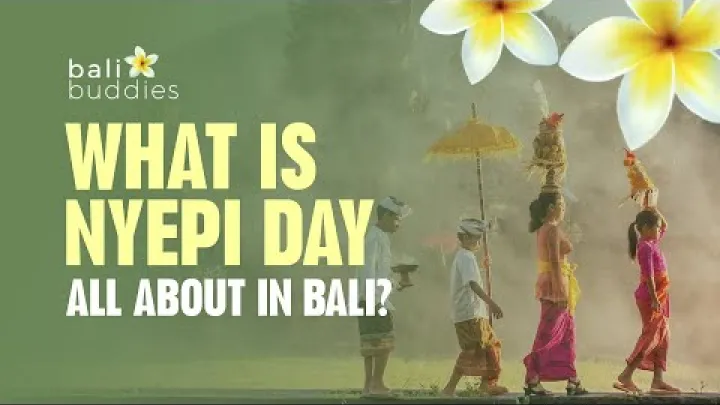
Several cornerstone observances move annually. Waisak follows the Buddhist lunar calendar and is commonly observed around mid-May to early June. Eid al-Fitr shifts earlier each year by roughly 10–11 days and in 2025 is expected around late March or early April, pending official announcements. Galungan and Kuningan follow the 210-day Balinese Pawukon cycle, so two occurrences typically happen within one Gregorian year. Nyepi, Bali’s Day of Silence, usually falls in March and brings a full 24-hour shutdown of public activity on the island.
Because these dates are sensitive to local and lunar determinations, confirm close to your travel. Useful authorities include the Ministry of Religious Affairs (for national Islamic holidays), Buddhist councils such as WALUBI (for Waisak), and Parisada Hindu Dharma Indonesia along with Bali’s provincial cultural offices (for Galungan/Kuningan and Nyepi). Large temples, monasteries, and cultural centers also publish guidance; when exact dates matter, check multiple official sources and verify again a week before the event.
Top Festivals in Indonesia to Experience
Choosing the best festivals in Indonesia depends on your interests and your travel window. This section highlights well-known events that are both representative and visitor-friendly, spanning sacred observances, cultural parades, and large-scale music and arts festivals. Expect variety in schedule formats: some are single-weekend events, others run across a month, and many include workshops, markets, and community outreach alongside headline performances.
Use these profiles to understand typical timing, how to attend, and which logistics matter most. Where exact dates vary, your best strategy is to plan around historical windows and then confirm details closer to departure. For crowd-heavy openings or parades, arrive early and set meeting points. In high-demand periods, consider nearby neighborhoods for lodging. Across all events, dress modestly for sacred occasions and follow on-site guidance. These habits will keep your 2025 festival experiences smooth and respectful.
Bali Arts Festival (June–July)
The Bali Arts Festival in Denpasar is a month-long celebration of Balinese performing arts. Centered at Taman Werdhi Budaya (Bali Arts Center), the program features village, regency, and school troupes presenting dance, gamelan, and theater. It is one of the most comprehensive ways to experience the breadth of Balinese artistry in a single trip, with scheduled shows that range from classical repertoires to contemporary interpretations.

The opening carnival typically draws large crowds and media attention. For first-time visitors, good spectator zones are along the civic park area in Renon near Bajra Sandhi Monument and near the main gateways of Taman Werdhi Budaya where processions often conclude. Arrive early, carry water, and expect security checks at entrances. Check daily schedules on-site for rotating troupes and consider evening performances when temperatures are cooler.
Waisak at Borobudur (May/June)
Waisak at Borobudur centers on a pilgrimage procession linking Mendut, Pawon, and Borobudur, with chanting, candlelight, and collective prayers. It is a deeply sacred occasion that emphasizes quiet reflection and respect. Public access is usually available in designated areas, but certain temple zones may be restricted, and policies can change from year to year.

To observe without entering the procession route, use viewing spots along public roads near Borobudur’s perimeter or elevated points outside the temple grounds. Hills in the surrounding area can provide distant perspectives without adding to congestion. Lantern releases, if any, depend on policy and safety considerations. Do not obstruct movement, and ask before photographing participants; follow guidance from organizers, monks, and local authorities at all times.
Baliem Valley Festival (August)
Hosted near Wamena in Papua’s highlands, the Baliem Valley Festival assembles communities for mock battles, traditional music, dance, and craft displays. Days are sunny and UV is strong, but mornings and evenings can be cool due to altitude. Pack layers, a hat, sunscreen, and sturdy footwear. The program rewards patient observation: ceremonies and performances unfold at a measured pace that favors immersion over spectacle.
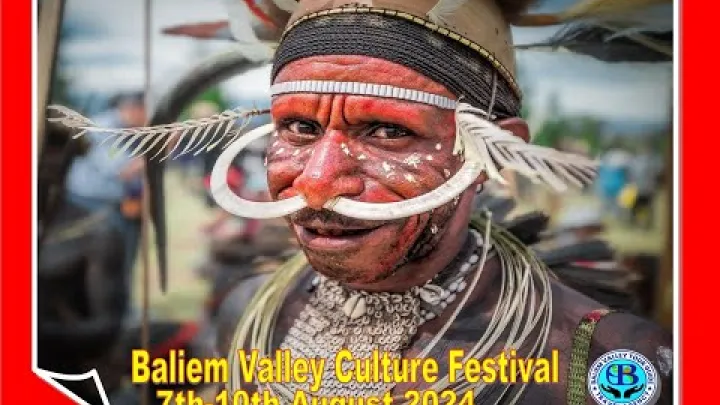
Respect requests for no-flash photography and maintain distance during mock battles for safety.
Java Jazz Festival (Jakarta, annual)
Java Jazz is a three-day, multi-stage gathering at JIExpo Kemayoran that draws global and Indonesian artists across jazz, soul, R&B, fusion, and more. It usually falls in late February or early March and uses large indoor halls that mitigate weather risks. Expect multiple ticket tiers, day passes, and add-ons for special shows, with cashless payments widely used for food and merchandise.

Plan your day around must-see sets and build a realistic stage-hopping path. Use the official schedule or app to flag time conflicts and factor in walking time between halls. Security checks are standard; outside food and drink are usually restricted, and bag dimensions may be limited. Families often attend, though some zones or late-night showcases can have age advisories; bring ID if age checks apply. Public transport and ride-hailing provide reliable access before and after headline sets.
Jember Fashion Carnival (annual)
Jember Fashion Carnival transforms East Java’s streets into a runway of elaborate themes, choreographies, and national-media moments. The grand parade typically happens in August and attracts spectators from across Indonesia. Costumes are architectural, performances are tightly choreographed, and the event often includes supporting exhibitions that celebrate design and craftsmanship.
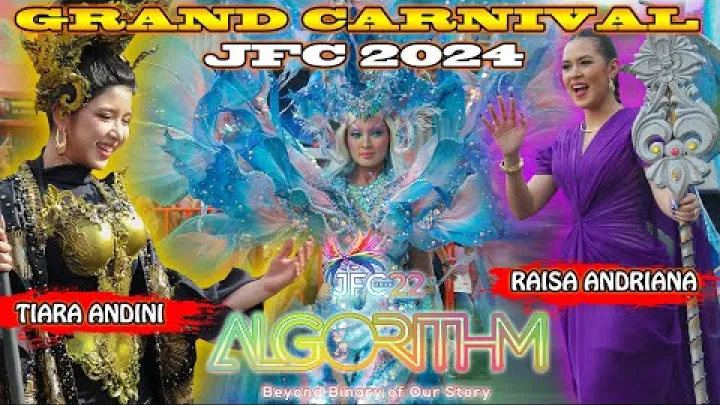
Paid seating and spectator stands may be available, but prime free vantage points fill early. From Surabaya, trains and intercity buses run to Jember; from Banyuwangi, overland routes connect in several hours. Check return schedules around parade days and anticipate road closures. Pack sun protection, water, and patience; the photo opportunities are excellent but crowds are dense near the main route.
Danau Toba Festival (North Sumatra, annual)
Centered around Lake Toba, this festival celebrates Batak culture with music, dance, boat races, and culinary highlights. Timing varies year to year, often landing from late dry to early wet season. The lake setting adds dramatic scenery, and community activities create a welcoming atmosphere for travelers who want to engage beyond quick photo stops.
Most itineraries begin at Medan’s Kualanamu Airport, then continue by road to Parapat or by ferry to Tuktuk on Samosir Island. For lodging, Parapat offers convenient transit connections, while Tuktuk has a range of guesthouses and lakefront resorts. Book early during festival week, and confirm boat schedules to avoid tight connections. Evenings can be cool; bring a light layer for waterfront events.
Indonesian Dance Festival (Jakarta, biennial)
The Indonesian Dance Festival is a key platform for contemporary dance in Southeast Asia. It brings together performances, laboratories, and collaborations across multiple Jakarta venues, promoting exchange among artists, scholars, and communities. Programs often include workshops and talks, making it a strong choice for students and professionals seeking deeper engagement with the field.

As a biennial, schedules can shift; confirm whether a 2025 edition is planned, and track application or submission timelines, which often appear in the first half of the year. Because venues change, build flexible transport plans within Jakarta. If attending labs or workshops, register early, as spaces can be limited and some sessions require portfolios or prior experience.
Anime Festival Asia Indonesia (Jakarta)
Anime Festival Asia Indonesia (often stylized as AFA Indonesia or AFAID in earlier editions) is a pop-culture gathering with anime screenings, cosplay, concerts, and expansive merchandise halls. Hosted at major convention centers in Jakarta, it draws strong youth and family attendance and typically offers day passes, bundle tickets, and premium concert access tiers.

Branding, organization, and venue can vary by year; verify current details, including whether the edition runs under the AFA banner or related events such as Creators Super Fest. Expect bag checks, prop guidelines for cosplayers, and potential restrictions on tripods or large camera gear. Arrive early for popular autograph or meet-and-greet slots, and plan meal breaks to avoid peak food-court queues.
Traditional Performance Highlights
Indonesia’s performing arts are foundational to many festivals and often predate modern stages by centuries. Wayang kulit (shadow puppetry), courtly dances, and gamelan music appear in both sacred contexts and curated shows designed for broader audiences. Attending a performance with contextual explanation can deepen your understanding of symbolism, musical modes, and narrative arcs, especially if you are new to the forms.
Consider splitting your schedule between traditional venues and tourist-friendly theaters. In Java, palace-affiliated stages and museums offer formal programs, while community pavilions host informal concerts and rehearsals. In Bali, temple festivals may include ritual dances, whereas cultural parks and palace stages present polished showcases with set start times. Respecting photography rules and recognizing devotional segments help maintain a positive exchange between hosts and visitors.
Wayang Kulit (shadow puppetry)
Traditional shows can run overnight, unfolding epics with humor, philosophy, and moral lessons. UNESCO recognizes wayang as intangible cultural heritage, underscoring its deep roots in Java and Bali. Shorter, tourist-friendly versions present selected episodes with clearer pacing for first-time audiences.
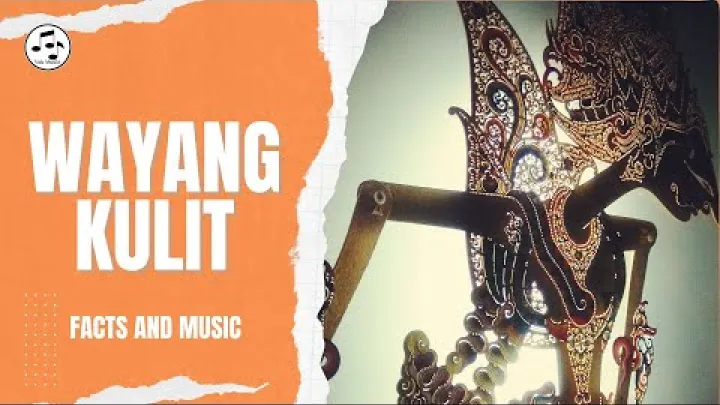
If you are concerned about language, look for venues that provide synopses or introductions in English. In Yogyakarta, museum theaters sometimes host scheduled performances with brief bilingual explanations, and in Bali, cultural centers or palace stages may offer concise narration or printed guides. Check local listings for “English-explained” shows and arrive early to secure seats with a clear view of both the screen and the musicians.
Balinese and Javanese classical dance
Balinese dance forms such as Legong, Barong, and Kecak, and Javanese courtly dances like Bedhaya and Srimpi, exemplify distinct aesthetics and ritual functions. Notable venues include Ubud Palace and GWK Cultural Park in Bali, and stages at Prambanan and the Kraton Yogyakarta area in Java. Programs often pair dance with live gamelan, allowing audiences to experience movement and music as a unified art.

Differentiate devotional dances performed as part of temple ceremonies from staged cultural showcases aimed at visitors. In sacred contexts, follow dress codes, remain seated, and avoid flash photography; a priest or custodian may guide where you can stand. Staged shows have clearer audience boundaries, ticketing, and programs. Reading a brief synopsis before the performance will help you recognize characters and story arcs as they appear.
Yogyakarta Gamelan Festival
This annual gathering presents traditional and contemporary gamelan ensembles, often pairing concerts with workshops and community outreach. For musicians and curious listeners alike, it is a chance to hear regional styles and modern compositions in one city. Programs can include collaborations with dance or theater, reflecting how gamelan anchors a broader performance ecosystem.

Schedules and venues shift by year; mid-year timing is common. Some editions are free with RSVP while others are ticketed, and seating can be limited for intimate venues. Watch for announcements from Yogyakarta cultural centers and arts communities, and plan for early evening arrivals to navigate traffic. If you plan to attend workshops, bring notebooks and arrive punctually, as sessions often build across multiple days.
Culinary Festivals and Food Experiences
Food is a universal entry point into Indonesia’s cultural landscape, making culinary festivals ideal for first-time visitors and families. Large urban fairs, regional bazaars, and neighborhood night markets showcase everything from heritage dishes to modern street-food fusions. Because vendors increasingly accept e-wallets, transactions are fast, though small cash remains useful during connectivity hiccups or at smaller stalls.
To enjoy these venues comfortably, time your visit for late afternoons on weekdays to avoid the heaviest crowds. Choose stalls with good turnover, observe cleanliness, and ask vendors about ingredients if you have dietary restrictions. Bring a reusable bottle and buy sealed bottled water for refills when needed. Carry hand sanitizer and consider a lightweight set of reusable utensils. These small steps improve hygiene, reduce waste, and make long tasting sessions easier.
Jakarta Fair and urban food events
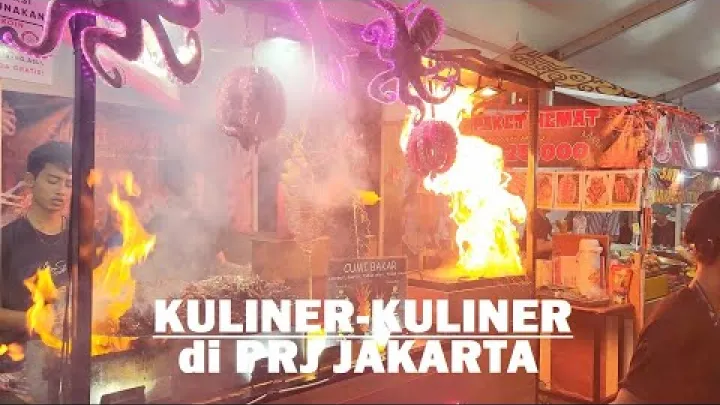
Jakarta Fair (PRJ), held around the city’s June anniversary at JIExpo Kemayoran, is a full-day destination that blends product expos, concerts, and expansive food courts. Families, students, and office groups converge for late-afternoon and evening visits when temperatures cool and performances ramp up. With multiple halls and outdoor areas, you can explore regional foods and popular brands in one loop.

For smoother entry, consider weekday afternoons, buy tickets early, and use public transport or ride-hailing to avoid parking queues. Gate congestion peaks near showtime, so enter from less crowded gates if available. Carry e-wallets and some small cash, and map food courts to plan meal breaks between stages. If you travel with kids, agree on a meeting point near a prominent landmark inside the grounds.
Regional food festivals (Bandung, Bekasi, Serang)
Across West Java and Banten, weekend food bazaars appear in parks, malls, and exhibition halls. Bandung’s creative scene influences modern street food and coffee culture, while cities like Bekasi and Serang showcase Sundanese staples, satay variants, noodles, and desserts. Live music and kids’ corners create relaxed, family-friendly settings where visitors can sample widely without committing to a single restaurant.
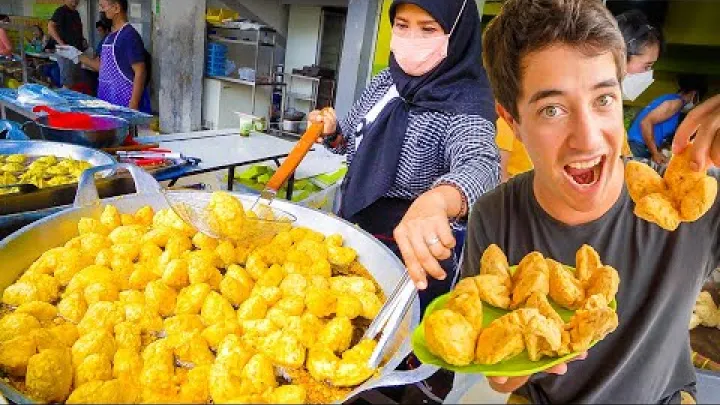
Prioritize cleanliness and sustainability. Choose busy vendors with visible cooking stations and proper food covers. Bring a small trash bag or use venue sorting bins for recyclables, and carry reusable utensils or cups to cut single-use waste. Keep a small cash float for stalls that lose e-wallet connectivity during peak hours, and always opt for sealed bottled water when uncertain about sources.
Diaspora festivals (Indonesia Festival DC, Toronto)
Indonesian community festivals abroad are great options if you are outside the country in 2025. Washington DC and Toronto often host well-attended events that feature food stalls, dance, gamelan, and batik workshops. These gatherings introduce newcomers to Indonesia’s flavors and arts while offering homesick favorites to diaspora families and students.
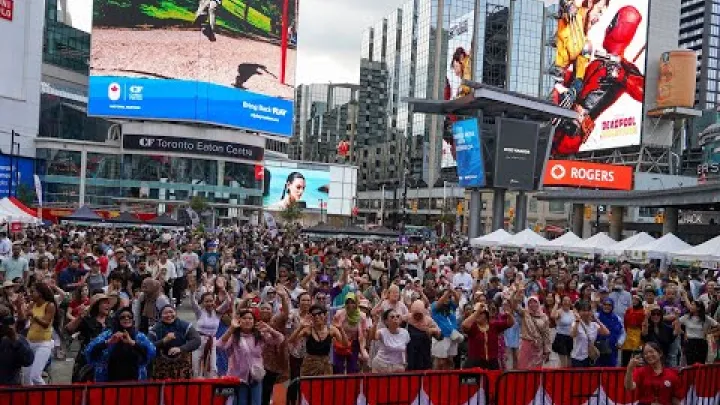
Dates vary and are typically announced by Indonesian embassies, consulates, and community associations. Check announcements as summer approaches, as outdoor slots are popular. Expect lines for signature dishes like rendang, satay, and martabak; bring small cash and cards. Performances can be tightly scheduled, so review program boards upon arrival and plan your tasting breaks around the dance and music you do not want to miss.
Planning Tips: Best Time, Weather, and Etiquette
Good planning turns a crowded event into a memorable experience. Start by matching your interests to season and region: outdoor parades and highland gatherings thrive in the dry months, while large indoor concerts and expos shine in the wet season. Next, account for moving dates tied to lunar or local calendars; if your trip depends on Waisak, Galungan, or Eid, keep flexible days on either side and reconfirm before booking nonrefundable tickets.
Transport and payments are simpler than ever thanks to ride-hailing, intercity trains, and e-wallets, but crowds and road closures can still disrupt timing. Build buffers into your day, use public transport where possible, and agree on meeting points in case of signal loss. Respectful behavior is essential during sacred events: dress modestly, ask before photographing people or rituals, and keep a low profile in prayer areas. These habits ensure that “festival budaya indonesia” remains a positive exchange for both hosts and guests.
When to go and regional climate differences
The dry season from April to October is the safest bet for outdoor events across Java, Bali, Nusa Tenggara, and parts of Sumatra. However, eastern Indonesia, including Maluku and parts of Papua, can experience rainfall patterns that do not align with the western monsoon—sometimes receiving heavier rains in mid-year. If you plan to split your trip across regions, check regional climate summaries instead of assuming one national pattern.

Microclimates matter. Coastal cities are warmer and more humid, while highlands like Wamena in Papua and mountainous areas in Java can be cooler, especially at night. Consider the heat index in low-lying urban venues, where concrete and crowds raise perceived temperatures, and bring warm layers for highland festivals with strong sun by day and chill after sunset. In late dry season, watch haze reports for parts of Sumatra and Kalimantan, which can affect visibility and flights.
| Region/Setting | Typically Drier | Considerations |
|---|---|---|
| Java/Bali (coastal) | Apr–Oct | Humid heat; afternoon sea breeze helps; showers still possible. |
| Java/Bali (highland) | Apr–Oct | Cool evenings; sun protection by day; light jacket at night. |
| Sumatra/Kalimantan | Apr–Oct | Potential late-season haze; monitor air quality updates. |
| Maluku/Papua (many areas) | Varies | Alternate rain cycles; confirm local patterns for 2025. |
Booking, transport, and crowd management
For headline events, reserve flights and lodging early, especially around school holidays and Eid, when demand surges nationwide. Trains and low-cost carriers help manage costs and time, while ride-hailing simplifies last-mile connections. Expect road closures near parades and stadiums; when possible, approach on foot from transit hubs to avoid gridlock and security bottlenecks.

Prepare backup plans. Identify alternative routes, secondary entrances, and two or three lodging options in nearby districts in case your first choice fills up or access roads close. Carry a charged power bank, small cash plus an e-wallet, and agree on a memorable meeting point. For multi-stage events, schedule breaks to hydrate, eat, and recover from heat, and do not overcommit to competing sets that require long walks in tight time windows.
Respectful behavior during sacred events
Modesty and attentiveness go a long way. Wear clothing that covers shoulders and knees for temple and mosque visits, remove footwear where required, and follow posted rules. Keep your voice low around prayer areas and avoid blocking pathways. Always ask before photographing individuals, and be ready to put your camera away if a custodian, monk, or organizer requests it.

Donations are customary and appreciated. In Bali, look for “dana punia” boxes near temple entrances; in mosques, “kotak amal” is common. Place offerings only where locals do so, and never touch or move canang sari or other sacred objects. If you encounter offerings on the ground, step around them respectfully. When in doubt, observe quietly first, mirror local behavior, and follow instructions from event stewards.
Frequently Asked Questions
What are the biggest festivals in Indonesia?
Major highlights include the Bali Arts Festival (June–July), Waisak at Borobudur (mid-May to early June), Java Jazz Festival in Jakarta (late Feb/early Mar), Jember Fashion Carnival (August), and the Baliem Valley Festival (August). Dates can shift, so confirm close to travel. Culinary fairs like Jakarta Fair also draw large crowds.
When is the Bali Arts Festival in 2025?
The Bali Arts Festival typically runs from June into July each year in Denpasar at Taman Werdhi Budaya. Exact 2025 dates and the opening parade schedule are announced locally. Plan to arrive early for parade viewing zones around Renon and near the arts center’s main gates.
What is Waisak at Borobudur like for visitors?
It is a solemn, candlelit pilgrimage with chanting and prayers linking Mendut–Pawon–Borobudur. Public viewing is allowed in designated areas, but access to sacred zones may be limited. Lantern policies vary by year. Observe quietly, avoid blocking the procession, and follow guidance from organizers and monks.
Is Eid al-Fitr a good time to visit Indonesia?
Eid is meaningful but can disrupt travel as many Indonesians return to hometowns. Expect peak transport demand and some business closures. If you plan carefully, you can enjoy festive markets and community spirit; otherwise, schedule sightseeing before or after the holiday to avoid crowds and price surges.
How can I attend the Baliem Valley Festival?
Fly via Jayapura to Wamena and book lodging well in advance, as rooms are limited. Pack for strong sun by day and cool evenings. Entry rules for Papua can change; verify any permit or registration requirements with your airline and local authorities before finalizing plans.
Are there Indonesia festivals outside the country (DC, Toronto)?
Yes. Washington DC and Toronto often host Indonesian community festivals featuring food, dance, and crafts. Dates vary by year and are announced by embassies, consulates, and community groups. Expect family-friendly programming and popular Indonesian dishes with lines during peak hours.
What should I wear to sacred festivals in Bali and Java?
Remove footwear where required and avoid flashy or revealing clothing. Keep a lightweight scarf or shawl for quick coverage at unexpected sacred stops.
Do Indonesia music festivals have age limits or bag policies?
Many admit minors with adults, but some zones or late-night sets can be 18+. Expect bag checks and restrictions on outside food, drink, and large camera gear. Check official guidelines close to the date for set times, re-entry rules, and e-wallet top-up points.
Conclusion
Indonesia’s 2025 festival landscape spans sacred ceremonies, regional cultural showcases, contemporary arts, and abundant food experiences. Seasonality, local calendars, and venue styles shape when and where events happen, from dry-season parades to wet-season indoor concerts. If you plan around your interests, confirm moving dates, and stay flexible by a few days, you can align your trip with the events that matter most.
Respect for rituals and communities enhances every festival visit. Dress modestly for sacred sites, ask before photographing people and ceremonies, and learn basic donation customs. Build time buffers for crowds and weather, use public transport where possible, and balance headline moments with quieter neighborhood experiences. With these habits, the “indonesia festival” calendar becomes a series of meaningful encounters that connect artistry, belief, and daily life across the archipelago.
Select area
Create a post
Posting is free and no registration is required.