Indonesia Women: Facts, Status, Rights, and Progress in 2025
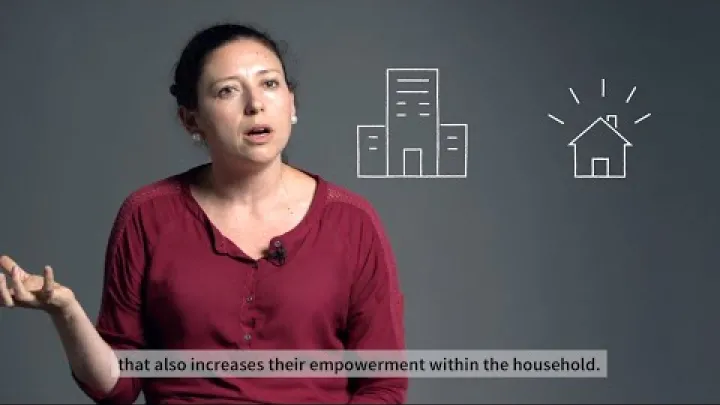
Indonesia women make up nearly half of Southeast Asia’s largest population and drive change in education, work, culture, and public life. This 2025 guide summarizes where progress stands today, with attention to regional diversity and practical definitions. It brings together stable indicators, laws, and institutions that shape daily realities. Figures are noted with reference years to support clarity and future updates.
Readers will find quick facts, trends in schooling and jobs, health and safety developments, leadership pathways, and naming patterns across Indonesia’s cultures. The focus is on concise, balanced explanations that are easy to compare across provinces and over time.
Quick facts at a glance
This section gives a short definition and a compact snapshot of key indicators often requested by international readers. The aim is to provide stable, recent figures that frame deeper sections that follow.
Where data are time-sensitive, this guide indicates the most recent widely cited year (mostly 2022–2024) so readers can track updates in official releases. Numbers are rounded to keep comparisons straightforward.
Definition and scope
In this guide, “Indonesia women” refers to women and girls living across the country’s 38 provinces, in both urban and rural settings. It covers their status in education, work and entrepreneurship, health and safety, leadership and politics, culture and sports, and the legal framework as understood in 2025.
Time references are attached to indicators where known: for example, female labor force participation rate (LFPR, 2023), school completion rates (recent national surveys), and women-led micro, small, and medium enterprises (MSMEs, latest composite estimates). Terms are used consistently: LFPR means the share of women aged 15+ in the labor force; MSME follows national classification by size; tertiary refers to university or comparable postsecondary programs. When enrollment, completion, and attainment are discussed, each term is kept distinct.
Key indicators (education, work, health, leadership)
This section gives a short definition and a compact snapshot of key indicators often requested by international readers. The aim is to provide stable, recent figures that frame deeper sections that follow.
Where data are time-sensitive, this guide indicates the most recent widely cited year (mostly 2022–2024) so readers can track updates in official releases. Numbers are rounded to keep comparisons straightforward.
Key indicators (education, work, health, leadership)
Work and education show a mixed picture. Female LFPR is about 53.27% (2023), which remains below the East Asia average of roughly 58.8%. Girls’ schooling completion is high through compulsory levels: primary near 97.6% and lower secondary around 90.2% in recent years, with gaps by location and income. Women’s tertiary enrollment is roughly 39% versus men’s about 33.8% (latest national estimates around 2022–2024), indicating a strong higher-education pipeline.
Entrepreneurship and leadership are notable bright spots. Women lead an estimated 64.5% of MSMEs and occupy roughly 37% of senior management roles in recent firm surveys. In health systems, the maternal care platform has expanded through Puskesmas and referral networks, while mental health services still face capacity gaps, including an often-cited ratio of about one psychiatrist per 300,000 people. All figures are presented with their reference years to avoid mixing cohorts.
| Indicator | Latest figure | Reference year |
|---|---|---|
| Female LFPR | ~53.27% | 2023 |
| Primary completion (girls) | ~97.6% | Recent |
| Lower secondary completion (girls) | ~90.2% | Recent |
| Tertiary enrollment (women) | ~39% | 2022–2024 |
| Women-led MSMEs | ~64.5% | Recent |
Demographics and regional diversity
Understanding age structure, urbanization, and internal migration helps explain differences in education, jobs, and care access.
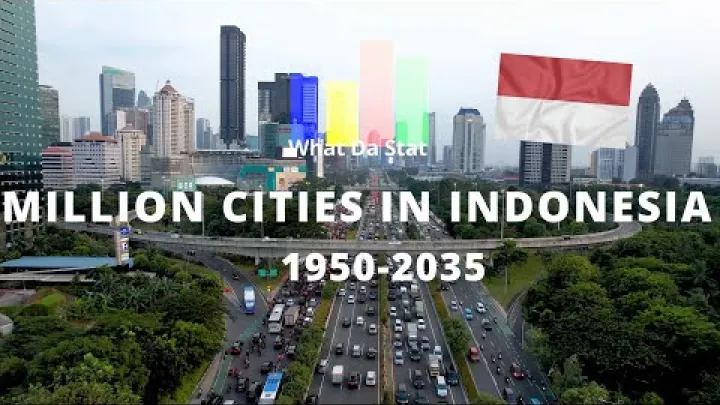
Regional policy choices, local regulations, and infrastructure all matter. These variations underscore why national averages often mask local realities.
Urban–rural patterns and age structure
Rural women contribute substantially to agriculture and the informal economy, often combining unpaid care with seasonal or home-based work. Internal migration from rural areas to cities and industrial zones affects access to decent work, social protection, and continuity of healthcare and childcare.
A youthful cohort sustains strong demand for schooling, skilling, and first jobs, while early marriage patterns still vary by district and income. These demographic features, combined with mobility between provinces, influence service coverage, from Puskesmas capacity to public transport and safe commuting options.
Ethnic and cultural variation across provinces
Matrilineal traditions in parts of West Sumatra coexist with patrilineal and bilateral practices elsewhere. In Aceh, local regulations can shape dress and public conduct; in Bali, Hindu traditions inform naming and ceremonies; and in Papua and Maluku, customary law interacts with modern institutions to influence community leadership roles for women.
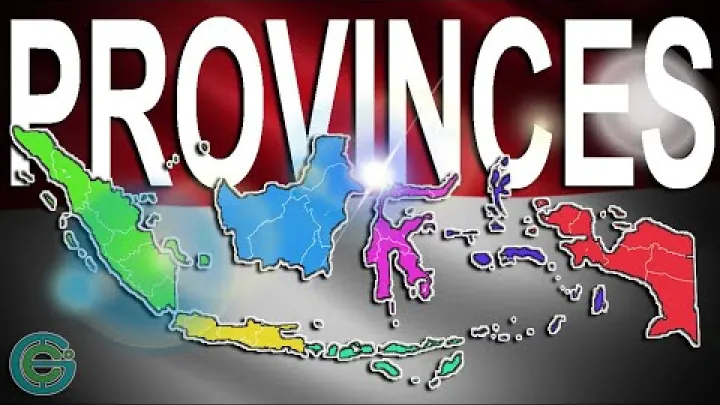
Balancing perspectives from western, central, and eastern Indonesia is essential. On Sumatra, women in trade and matrilineal inheritance offer distinctive pathways. In Java and Bali, dense urban centers support higher education and professional work. In Sulawesi, Nusa Tenggara, Maluku, and Papua, geography and infrastructure affect access to markets and services. These contrasts highlight why policies need flexibility to reflect local contexts.
Education and skills
Education is a central driver of progress for Indonesian women. Over the last decade, girls have reached high completion rates at compulsory levels and now enroll in tertiary education at rates that meet or exceed men. Yet disparities persist in program quality, field of study, and access to elite institutions.
Bridging gaps between enrollment, completion, and learning outcomes remains a national priority. The next frontier is ensuring that degrees translate into skills, employability, and leadership in both traditional and emerging sectors.
Enrollment, completion, and tertiary trends
Girls’ completion rates are strong through lower secondary, confirming the gains of expanded basic education. Recent national estimates place girls’ primary completion near 97.6% and lower secondary around 90.2%. However, these figures describe completion, not enrollment or final attainment. Urban–rural and income differences still influence whether students continue to upper secondary and successfully transition to higher education.

Women’s tertiary enrollment, at roughly 39% in recent years, surpasses men’s near 33.8%, signaling narrowing gender gaps and a growing talent pipeline. Attainment (earned degrees) depends on persistence and financial support, while the distribution across fields remains uneven. Access to top public universities and competitive scholarships is more concentrated among urban households, which points to the importance of need-based aid, dormitories, and mentoring for students from remote areas.
Women in STEM and research visibility
Women account for about 37.4% of tertiary STEM graduates overall, with lower shares in engineering and ICT compared with biology and health sciences. Research authorship, patents, and start-up formation still show underrepresentation, even as the number of women with STEM degrees grows. Visibility in academic leadership and industry R&D is improving, but pipelines narrow at advanced stages.

Recent initiatives help expand participation. Examples include national research grants administered through the research ecosystem, university–industry internship schemes under programs such as Kampus Merdeka, and scholarship pathways supported by public and private sponsors. Annual competitions and Olympiads in science and technology, along with mentorship networks and women-in-tech communities, provide role models and project experience that support long-term careers.
Work, entrepreneurship, and income
Work patterns for Indonesian women are shaped by care responsibilities, sectoral demand, and access to safe, reliable transport. Participation rises when flexible work, childcare, and social protection are available, and when workplaces address safety and discrimination risks.
Entrepreneurship is widespread, especially in MSMEs. While digital platforms lower entry barriers, gaps in finance, logistics, and advanced digital skills still limit scale and competitiveness.
Female labor force participation and sectors
The female labor force participation rate is around 53.27% (2023), lower than the regional average of roughly 58.8%. Women cluster in services, manufacturing, and agriculture, with many working in informal or home-based arrangements. Care burdens reduce the feasibility of full-time work, especially in households without childcare, eldercare, or flexible schedules.

Definitions matter for policy design. Informal employment commonly includes own-account work and unpaid family labor without formal contracts, social insurance, or severance protections. Vulnerable employment refers to positions with limited earnings stability and weak protection against shocks. Evidence shows that safe transport, predictable hours, and on-site childcare correlate with higher female participation and retention in both urban and peri-urban labor markets.
Women-led MSMEs and financing barriers
Women lead an estimated 64.5% of MSMEs, often in food processing, retail, hospitality, and personal services. Digital marketplaces, social commerce, and logistics platforms have opened new channels for sales and customer engagement, especially during and after pandemic disruptions. Upskilling in product design, branding, and compliance helps microenterprises reach wider markets.
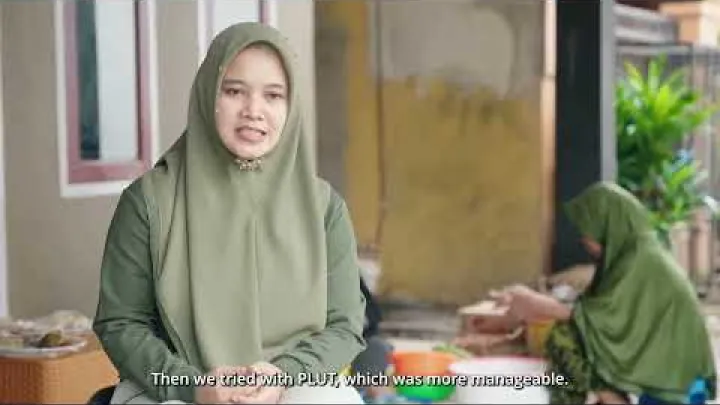
Access to finance remains a common hurdle. Collateral requirements, limited credit histories, and gendered assessments of growth potential can reduce approval odds or increase borrowing costs. Practical steps include building transaction records through e-commerce, adopting digital bookkeeping, and using guarantee schemes or group lending where available. Blended finance, supplier credit, and accelerator programs tailored to women can help firms shift from survival mode to growth.
Health, reproductive rights, and mental health
Health outcomes for women have improved with expanded primary care networks, but quality and access remain uneven by district. Maternal and reproductive health services are more widely available than in the past, while mental health capacity lags behind need.
Progress depends on reliable transport, cost protection, and respectful, rights-based care. National health insurance and local innovations continue to shape what services women can actually use in practice.
Maternal and reproductive health access
Antenatal care, skilled birth attendance, and facility deliveries have increased, supported by Puskesmas and referral hospitals. Community midwives and village health posts improve coverage, though travel time and out-of-pocket costs still delay care in remote areas. Family planning services are broadly available, with special attention needed for adolescents, migrants, and marginalized groups.

Recent national estimates indicate that maternal mortality has declined over time but remains higher than desired, with levels in the low-to-mid hundreds per 100,000 live births. Improving emergency obstetric care, ensuring reliable transport, and strengthening postnatal follow-up are priorities. Clear communication of service entitlements and fee waivers helps families seek timely care when complications arise.
Mental health prevalence and services
Mental health needs are significant, and service capacity is limited. A commonly cited ratio is about one psychiatrist per 300,000 people, which highlights gaps outside major cities. Stigma reduces help-seeking, and many women carry combined risks from workplace stress, caregiving responsibilities, and exposure to disasters in a hazard-prone archipelago.

Integration into primary care is growing. Under national health insurance (BPJS Kesehatan), consultations with general practitioners and referrals to psychiatric services are covered when clinically indicated, and essential psychotropic medications are included on the national formulary. Many Puskesmas offer basic counseling and referral, while community programs and helplines extend support. Scaling trained counselors, safeguarding privacy, and ensuring continuity of care are key next steps.
Safety, laws, and access to justice
Legal reforms and services have advanced protections for women, yet implementation quality still varies. Reporting pathways, survivor-centered procedures, and data collection are improving but not uniform across provinces and agencies.
Clear terminology aligned with national classifications helps institutions coordinate. It also supports accurate tracking of gender-based violence and related crimes, including offline, workplace, and online contexts.
Gender-based violence and femicide indicators
Gender-based violence remains a concern, encompassing domestic violence, sexual harassment, assault, and online abuse. In several datasets, reported cases have risen, reflecting both persistent harm and improved willingness and ability to report. Workplace harassment and technology-facilitated abuse require updated protocols and specialized training.
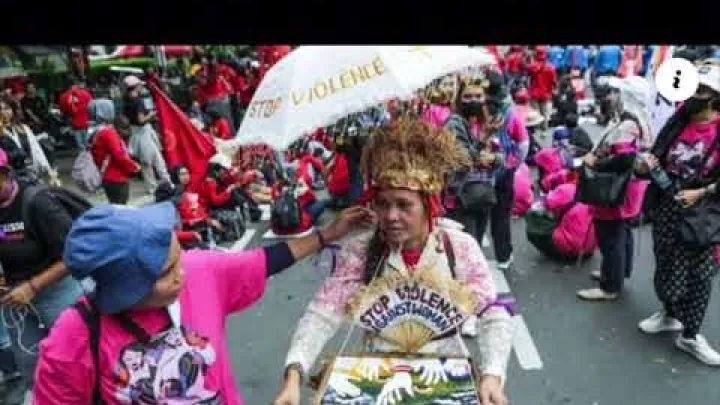
Terminology is aligned with national classifications used in administrative data and service systems. Femicide tracking is constrained by varying definitions and limited case linkage across health, police, and court records. Improving standardized recording, survivor protection, and inter-agency referrals will strengthen prevention and accountability.
Sexual Violence Crime Law (2022): scope and gaps
The 2022 Sexual Violence Crime Law recognizes nine forms of sexual violence, expands victim protections, and mandates restitution and coordinated services. It clarifies roles across police, prosecutors, courts, health providers, and social services, and calls for integrated case management centered on survivors’ needs.
Implementation is the challenge. Progress depends on timely implementing regulations, survivor-centered policing, evidence handling that preserves dignity and due process, and court capacity to manage caseloads. Sustained training for officers, judges, and service providers, together with monitoring of coverage and quality, will determine how the law works in practice.
Politics, leadership, and public life
Women’s leadership is visible across public institutions and civil society. National quotas and party rules influence candidate pipelines, while voter preferences and campaign resources affect results across provinces.
Role models in cabinet, parliament, academia, business, and the arts help normalize women’s leadership and expand aspirations among younger cohorts.
Parliament, cabinet, and executive roles
Women’s representation in parliament has trended upward over several cycles, with variation by party and province. As of the post-2024 election period, shares are commonly reported around one-fifth to one-quarter of seats; readers should consult official tallies for the final distribution. Cabinet leadership includes high-profile figures such as Sri Mulyani Indrawati and Retno Marsudi, and Indonesia’s history includes President Megawati Sukarnoputri.
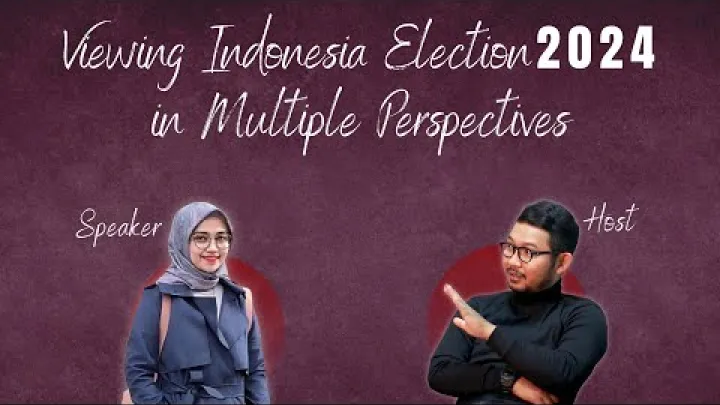
Party nomination rules and quotas influence the supply of candidates, but electability also depends on campaign financing, constituency networks, and local political cultures. Training on legislative process, media engagement, and constituency service can help first-time legislators succeed and build pathways to executive roles.
Pathways through civil society and networks
Many women advance through student organizations, NGOs, professional associations, and community leadership before entering formal politics. Mentorship, alumni networks, and public campaigns expand visibility, skills, and credibility. Digital mobilization enables issue-based organizing and policy monitoring beyond traditional party structures.

Examples of national coalitions and organizations include women’s legal aid groups, survivor support networks, and faith-based mass organizations with women’s wings. Known actors include LBH APIK (legal aid for women), Komnas Perempuan (a national commission for women’s rights), Aisyiyah and Fatayat NU (women’s movements within large social organizations), and program coalitions focused on ending child marriage or improving local service delivery.
Culture, sports, and public achievements
Women in Indonesia contribute across science, business, arts, and sports, shaping national identity at home and abroad. Public recognition matters because it signals viable pathways from education to leadership.
Sports and creative industries offer platforms for visibility and community pride, while also highlighting the need for fair investment, coaching, and safe participation environments.
Notable women in science, arts, and business
Public finance and diplomacy feature leaders such as Sri Mulyani Indrawati and Retno Marsudi, while President Megawati Sukarnoputri and minister-entrepreneur Susi Pudjiastuti remain widely recognized figures. In public health research, Adi Utarini drew international attention for applied science addressing vector-borne disease.

Selections here aim to be balanced and illustrative, not exhaustive, and they underscore how education, mentorship, and institutional support translate into influence across sectors.
Indonesia women’s national football team highlights
Indonesia’s women’s national football team has competed in the AFC Women’s Asian Cup and regional tournaments, signaling steady investment and rising participation. Domestic structures, including Liga 1 Putri launched in 2019, are building a pathway from grassroots to professional play.
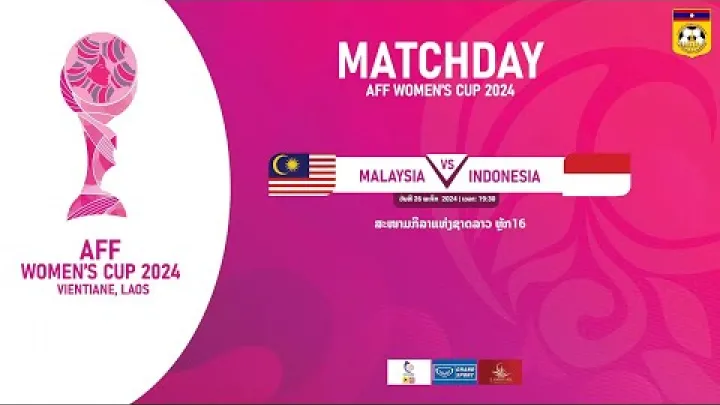
Recent years have seen more licensed coaches, dedicated youth development, and school-based competitions for girls. Facilities, coaching depth, and long-term league continuity remain focus areas. Evergreen milestones emphasize sustained programs rather than match-specific scores, supporting durable growth in participation and performance.
Names and naming patterns
Names in Indonesia reflect rich cultural, religious, and linguistic diversity. Many people use a single name or non-family-name structures, and meanings often relate to virtues, nature, or beauty.
Urban blending leads to frequent overlaps across traditions, and spelling often varies by local language and family preference.
Examples of common Indonesian female names
Illustrative names include Siti, Dewi, Putri, Ayu, Rina, Eka, Wulan, Fitri, Indah, and Kartika. These examples are not rankings and vary widely by region, community, and generation. Many Indonesians use single names, while others combine given names without family surnames in a Western sense.
Name meanings often draw from virtues, seasons, and natural elements. Parents may choose names for phonetic flow across languages, or to honor elders. These variations reinforce how identity and heritage are expressed in daily life.
Religious and cultural naming influences
Arabic-origin names are common among Muslim families across the archipelago. Christian naming traditions are also prominent, especially in parts of North Sulawesi, East Nusa Tenggara, Papua, and other eastern provinces. Sanskrit and Javanese roots are influential in Java and Bali, where Balinese conventions can indicate birth order.
The result is a flexible, living naming culture that adapts across generations.
Institutions and resources
Institutions shape policy, services, and data for gender equality. Collaboration among government, UN agencies, and civil society improves program design and implementation.
Understanding who does what helps users navigate services, training, and legal protections where they live.
UN Women Indonesia and national bodies
UN Women in Indonesia supports policy development, data use, and programs that advance women’s leadership, prevent violence, and strengthen economic empowerment. It works alongside government and civil society to scale interventions that show measurable impact.
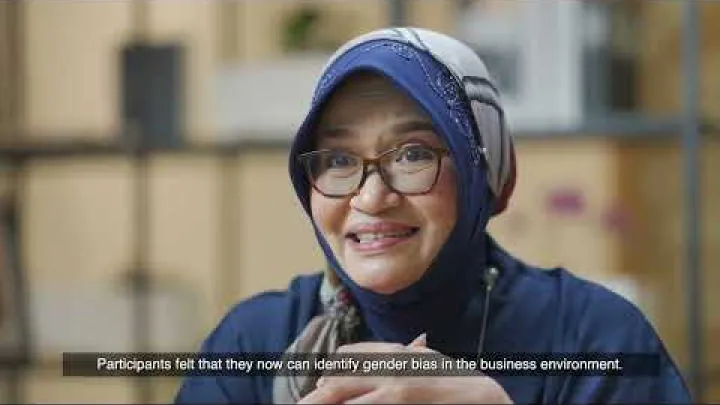
Key national counterparts include the Ministry of Women’s Empowerment and Child Protection, known in English as the Ministry of Women’s Empowerment and Child Protection (KPPPA). Coordination with planning, health, education, and justice agencies helps align priorities, budgets, and frontline execution.
Civil society and support services
Service centers and hotlines, including P2TP2A, provide counseling, legal aid, shelter referrals, and case management for survivors of violence. Partnerships with legal aid groups and healthcare providers improve survivor pathways from first contact to resolution.

Coverage is strongest in major cities and provincial capitals across Java–Bali and parts of Sumatra and Sulawesi, with sparser availability in remote districts of Maluku and Papua. Mobile outreach, local government cooperation, and investment in trained staff help close gaps so women can access assistance where they live.
Frequently Asked Questions
What is the current status of women’s rights in Indonesia?
Women in Indonesia have constitutional equality and protection under national laws. Key advances include the 2022 Sexual Violence Crime Law and rising representation in parliament and the cabinet. Gaps remain in enforcement, access to justice, and care infrastructure. Progress varies by region, education, and income level.
What is the female labor force participation rate in Indonesia?
The female labor force participation rate is about 53.27% (2023). This is below the East Asia regional average of roughly 58.8%. Participation is constrained by unpaid care burdens, sectoral segregation, and limited flexible work and childcare. Policies that redistribute care and expand quality jobs can raise participation.
Is domestic and sexual violence illegal in Indonesia?
Yes, domestic and sexual violence are illegal in Indonesia. The 2022 Sexual Violence Crime Law recognizes nine forms of sexual violence and expands victim protections. Reporting and enforcement remain challenging due to stigma and variable service capacity. Survivor-centered training for police and courts is an ongoing need.
How educated are women in Indonesia compared with men?
Girls match or exceed boys in most school completion rates, and women’s tertiary enrollment (about 39%) surpasses men’s (about 33.8%). Women account for about 37.4% of tertiary STEM graduates. Education gains are strongest in urban areas and correlate with later marriage and higher labor force participation.
What are common challenges facing women entrepreneurs in Indonesia?
Common challenges include limited access to finance and collateral, gender bias in growth assessments, and time constraints from unpaid care. Most women-led MSMEs operate at small scale, often in food and beverage. Tailored finance, mentoring, and childcare-aware programs improve growth prospects.
Who are notable Indonesian women leaders today?
High-profile leaders include Sri Mulyani Indrawati (Finance Minister) and Retno Marsudi (Foreign Minister). Past leaders include President Megawati Sukarnoputri and minister Susi Pudjiastuti. Many women also lead in science, sports, entrepreneurship, and civil society.
What are examples of common Indonesian female names?
Examples include Siti, Dewi, Putri, Ayu, Rina, Eka, Wulan, Fitri, Indah, and Kartika. Names can reflect Arabic, Sanskrit, Javanese, Sundanese, Balinese, or Christian traditions. Many names have meanings tied to virtues, beauty, or nature. Spelling varies by language and family preference.
What is the role of UN Women in Indonesia?
UN Women supports gender equality policy, program design, and implementation in Indonesia. It works with government and civil society on violence prevention, women’s leadership, and economic empowerment. It also supports data, research, and coordination across sectors. Programs evolve with national priorities and evidence.
Conclusion and next steps
Indonesia women continue to make gains in education, entrepreneurship, and leadership, supported by legal reforms and growing institutional capacity. The data show strong school completion and a robust tertiary pipeline, while labor force participation trails regional benchmarks due to care burdens, informality, and sectoral barriers. Health systems have expanded maternal care, and mental health integration is progressing, though capacity constraints persist, especially outside major cities.
Diversity across provinces shapes outcomes, with urban areas often enjoying better access to services and networks, and rural and remote districts facing distance and staffing challenges. Laws such as the 2022 Sexual Violence Crime Law provide a stronger framework, but consistent, survivor-centered implementation is essential. Civil society organizations, national bodies like KPPPA, and UN Women Indonesia all play complementary roles in moving from policy on paper to results on the ground.
Overall, the status of women in Indonesia today reflects both steady progress and clear areas for improvement. Monitoring by year, clarifying definitions, and focusing on quality and access can sustain momentum. Readers who follow updates to indicators and regulations will see where gaps close, where new opportunities emerge, and where additional attention is needed.
Select area
Create a post
Posting is free and no registration is required.