Tourist Spots in Indonesia: 25 Best Places to Visit, When to Go, and Travel Tips

With 17,000+ islands, over 50 national parks, and many active volcanoes, Indonesia offers immense variety for every traveler. This guide highlights the most famous and lesser-known tourist spots of Indonesia, explains when to go, and shows how to link regions efficiently. You will find quick answers, themed shortlists, and sample itineraries that work for first-time and repeat visitors. Use it to reduce planning time and set realistic expectations for transport, weather, and costs.
Quick answer: top tourist spots of Indonesia at a glance
Start here if you need a fast overview. The snapshots below combine culture, nature, and city icons, then the cluster map section shows how to string places together without excessive transit. For first trips, choose one or two adjacent regions and keep buffer time for flights and boats.
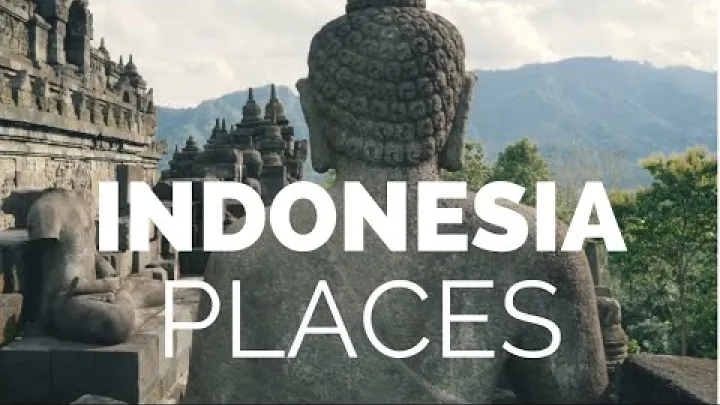
Top 10 highlights (one-line snapshots)
These ten highlights span major islands and appeal to a wide range of interests. Each line explains why it stands out and how to reach it, keeping formats consistent for easy scanning.

- Bali (Ubud + south beaches) — arts, temples, rice terraces, and easy amenities. How to get there: fly to DPS (Denpasar), 1–1.5 hours by road to Ubud.
- Yogyakarta: Borobudur and Prambanan — Indonesia’s headline temples and living Javanese culture. How to get there: fly to YIA, 45–90 minutes by road to city/temples.
- Mount Bromo — otherworldly caldera and sunrise viewpoints. How to get there: fly to SUB (Surabaya), drive 3–4 hours to Cemoro Lawang, 4x4 to viewpoints.
- Komodo National Park — dragons, manta rays, and rugged islands. How to get there: fly to LBJ (Labuan Bajo), join a ranger-led boat trip.
- Raja Ampat — coral biodiversity capital with island karst scenery. How to get there: fly to SOQ (Sorong), ferry to Waisai, then homestay or liveaboard.
- Lake Toba (Sumatra) — vast volcanic lake with Batak villages. How to get there: fly to KNO (Medan), 4–6 hours by road/ferry to Samosir Island.
- Nusa Penida — dramatic cliffs and clear bays near Bali. How to get there: fast boat from Sanur/Padang Bai (30–45 minutes), local car/scooter.
- Bunaken Marine Park (North Sulawesi) — steep walls, turtles, and good visibility. How to get there: fly to MDC (Manado), boat 30–45 minutes to Bunaken.
- Tana Toraja (South Sulawesi) — highland culture, traditional houses, rice valleys. How to get there: fly to UPG (Makassar), 7–9 hours by road or short flight to Tana Toraja.
- Belitung — white sands and granite boulders with calm waters. How to get there: fly to TJQ (Tanjung Pandan) from CGK (Jakarta) or SUB (Surabaya).
Rule of thumb: in 7–10 days, limit yourself to one or two neighboring clusters to cut down travel. Weather and sea conditions can change quickly and may delay ferries or small planes, so keep flexible plans where possible.
Map overview and regional clusters (Sumatra, Java, Bali–Lombok–Nusa, Flores–Komodo, Sulawesi, West Papua, Maluku)
Indonesia’s distances are large, so grouping destinations into regional clusters helps you spend more time on experiences and less on transfers. Typical non-stop flight times include CGK–DPS at about 1 hour 50 minutes, DPS–LBJ about 1 hour, and UPG–SOQ about 2 hours. Ferries are practical for short hops like Java–Bali (Ketapang–Gilimanuk) and Bali–Lombok fast boats.
| Cluster | Sample Highlights | Main Gateways | Notes |
|---|---|---|---|
| Sumatra | Lake Toba, Bukit Lawang, Mentawai, Belitung | KNO, TJQ | Haze can affect views; long overland times |
| Java | Yogyakarta (Borobudur, Prambanan), Bromo, Ijen | CGK, YIA, SUB | Excellent trains; Java–Bali ferries run frequently |
| Bali–Lombok–Nusa | Ubud, south Bali, Nusa Penida, Gilis | DPS, LOP | Fast boats link Bali–Nusa–Gilis; sea state matters |
| Flores–Komodo | Labuan Bajo, Komodo, Padar | LBJ | Best April–November for boats |
| Sulawesi | Bunaken, Tana Toraja, Wakatobi | UPG, MDC | Some routes require overnight transits |
| West Papua | Raja Ampat, Cenderawasih | SOQ | Liveaboards or homestays; Oct–Apr prime |
| Maluku | Banda Islands, Ambon | AMQ | Seasonal seas; niche but rewarding |
A simple planning rule: pick one or two adjacent clusters per 7–10 days, and keep a spare day when connecting by sea. Weather can affect inter-island schedules year-round, especially during transitional months and when monsoon winds are strong.
Best tourist spots by theme
Once you know where you can go, choose what you want to do. The themed sections below group Indonesia’s highlights by culture, volcano treks, islands and beaches, underwater life, wildlife, and urban gateways. Each subsection explains why it matters, how to visit responsibly, and when conditions are usually best.
UNESCO temples and cultural cities (Borobudur, Prambanan, Yogyakarta, Ubud)
Borobudur is the world’s largest Buddhist monument with reliefs that reward slow viewing, while Prambanan’s Hindu towers glow beautifully at golden hour. Etiquette is simple: dress modestly, speak softly, and follow staff guidance. Combined ticketing and time-slot systems are sometimes offered; check the official platforms and on-site signs for current options and hours.

At temples in Java and Bali, wear a sarong and sash when requested and remove shoes where indicated. Visitor caps and stair access at Borobudur can change, and upper-terrace access may require limited quotas, special tickets, and wearing provided footwear. Verify rules before you go to avoid disappointment. In Bali, Ubud balances arts, dance, and cooperative studios with nearby rice terraces at Tegallalang and Campuhan Ridge walks. Access: fly to YIA for Yogyakarta and use licensed drivers or trains; fly to DPS for Bali, then road transfer to Ubud in 1–1.5 hours depending on traffic.
Access: fly to YIA for Yogyakarta and use licensed drivers or trains; fly to DPS for Bali, then road transfer to Ubud in 1–1.5 hours depending on traffic.
Volcano views and treks (Bromo, Ijen, Batur, Rinjani, Kerinci)
Mount Bromo (2,329 m) is the most accessible: a pre-dawn 4x4 ride leads to viewpoints near Penanjakan, often followed by a short walk on the caldera floor. Mount Batur (1,717 m) offers a manageable sunrise hike in Bali that takes about 1.5–2.5 hours up and 1–2 hours down, rewarding you with lake and cone views.

Ijen (2,799 m) is a moderate trek of 1.5–3 hours to the crater rim; sulfur fumes can be intense, so a proper mask and eye protection are advised, and descents into the crater may be restricted. Rinjani (3,726 m) on Lombok is a strenuous 2–3 day trek with steep sections and rapidly changing weather; permits and licensed guides are essential. Kerinci (3,805 m) in Sumatra is an advanced 2–3 day climb with basic facilities and cooler temperatures. Best windows are May–September for clearer skies; most summits start between midnight and 3 am. Build in weather contingency, carry a headlamp, wear layers, and match route choice to your fitness and experience.
Islands and beaches (Bali, Nusa Penida, Lombok, Gili, Belitung, Sumba)
Island time varies across Indonesia. Bali pairs strong traveler infrastructure with culture and surf. Nusa Penida adds cliff drama and snorkeling close to Bali. Lombok feels quieter with wide bays and mountain views, while the Gili Islands deliver reef life with a no-car policy. Belitung has gentle seas and granite boulders, and Sumba offers raw coastlines and traditional villages with fewer visitors.

Standout beaches to set expectations:
- Bali: Balangan Beach (west-coast surf), Nusa Dua (calmer family-friendly stretch).
- Nusa Penida: Kelingking Beach (iconic viewpoint; strong currents), Crystal Bay (snorkeling conditions vary).
- Lombok: Tanjung Aan (turquoise arcs), Mawun (quiet bay; limited shade).
- Gili: Gili Trawangan north shore (snorkeling with turtles), Gili Air Sunset Beach (easy swims; coral shoes useful).
- Belitung: Tanjung Tinggi (granite stacks), Lengkuas Island (lighthouse and clear shallows).
- Sumba: Walakiri (mangrove silhouettes at sunset), Mandorak (small cove, strong surge at times).
Links and seasons: Bali–Lombok–Nusa are connected by frequent fast boats and the Padang Bai–Lembar ferry. Domestic flights reach Belitung (TJQ) and Sumba (TMC/WGP). Dry months (May–September) usually bring better surf on Bali’s west coast and calmer trekking; wet months (November–March) can affect visibility and sea state. Always check local current warnings before swimming or snorkeling at Penida and outer reefs.
Diving and snorkeling (Raja Ampat, Komodo, Bunaken)
Raja Ampat is renowned for biodiversity and healthy reefs, with calmest seas typically October–April. Komodo has exhilarating drift dives and manta encounters, generally best April–November. Bunaken’s vertical walls near Manado are known for turtles and clear, warm waters, with many day boats operating May–October. Each park may have permits or entrance fees; arrange these through registered operators or homestays, and carry cash as card facilities can be limited.
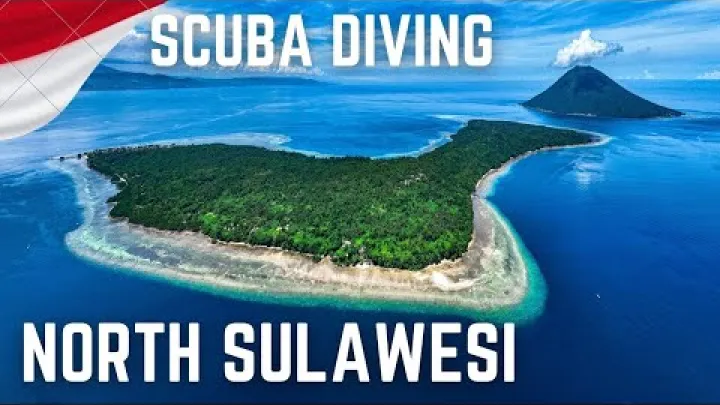
Currents in Raja Ampat and Komodo can be strong. Intermediate to advanced divers should carry an SMB and follow experienced guides closely; beginners can focus on protected bays and training sites. Choose between liveaboards (more range) and land-based day trips from SOQ (Raja Ampat), LBJ (Komodo), and MDC (Bunaken). Recompression facilities exist in Bali and Manado; still, dive conservatively, respect no-touch policies, and avoid chasing marine life for photos.
Wildlife and rainforests (Tanjung Puting, Gunung Palung)
Tanjung Puting National Park in Central Kalimantan offers multi-day river journeys by wooden klotok to visit orangutan feeding stations and research sites like Camp Leakey. Trips usually run 2–4 days, with simple cabins or mosquito-net beds on deck and freshly cooked meals. Access is via Pangkalan Bun (PKN), and permits are arranged by licensed operators; choosing conservation-first companies supports habitat protection.

Gunung Palung in West Kalimantan is wilder and less visited, with research stations and diverse lowland to montane habitats. Logistics are more complex, so plan ahead with reputable guides. Health and conduct: use insect protection, consider malaria precautions in higher-risk areas, and never feed or touch wildlife. Keep a respectful distance, reduce noise, and follow park rules to minimize disturbance.
Urban gateways and day trips (Jakarta Indonesia tourist spots and nearby highlights)
For cooler air and gardens, take the train to Bogor’s Botanical Gardens, or ride the scenic Bandung line for tea country and art communities. The Thousand Islands (Pulau Seribu) offer day-trip snorkeling and quiet beaches just north of the city.

Practical timing: go early in the morning or late afternoon to avoid heat and queues, especially for Monas and Old Town museums. Use the MRT, TransJakarta buses, and KRL commuter lines to skip traffic when possible; rush hours are roughly 7–9 am and 4–7 pm on weekdays. Keep valuables zipped, use official ride-hailing pick-up points, and stay hydrated.
Best time to visit popular spots
Indonesia has two broad seasonal patterns with local microclimates. Planning around wind, rain, and sea conditions can improve visibility for diving, safety for trekking, and comfort on ferries. Peak crowds often align with school holidays in July–August and year-end breaks.
Seasonal windows by region (Western/Central vs Eastern Indonesia)
Western and Central Indonesia—Sumatra, Java, Bali, and Lombok—are usually drier from May to September and wetter from November to March, with April and October as shoulder months. This favors outdoor activities and volcano views mid-year, though afternoon showers can occur anytime. Ferries on Java–Bali and Bali–Nusa routes typically run year-round but may be disrupted by storms.
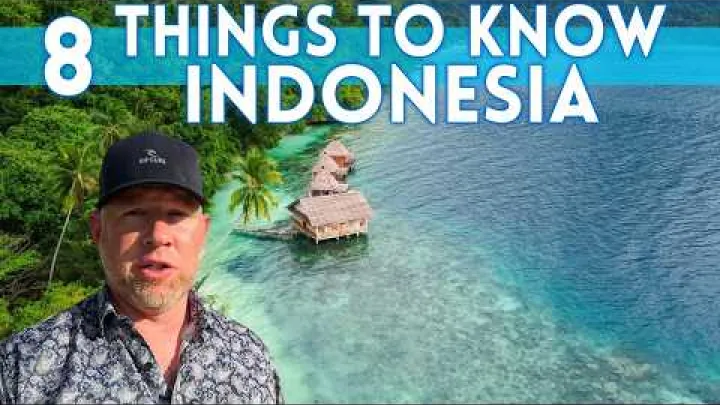
Eastern Indonesia, including Raja Ampat and parts of Maluku, often has its calmer seas October–April. Mid-year winds and rain can reduce visibility and make long boat routes uncomfortable. Microclimates are common: upland areas see cooler nights, and Sumatra or Kalimantan can experience periodic haze. Consider these patterns when choosing where to go and how to sequence your trip.
Activity timing (diving, volcano trekking, wildlife)
Diving conditions vary by region: Raja Ampat is generally best October–April; Komodo typically shines April–November, with mantas seen at specific sites in different months; Bunaken runs most smoothly May–October. Book trusted operators and plan rest days after long travel or before flying to respect no-fly time.

Volcano treks are safer and clearer in the dry months. Start before dawn for Bromo, Batur, or Ijen to avoid heat and catch views. For wildlife, orangutans are often easier to spot in drier periods as trails are less muddy and boat travel is smoother. Keep buffer days between strenuous activities to manage fatigue and allow for weather or transport delays.
Sample itineraries (7, 10, and 14 days)
These sample routes are realistic starting points rather than fixed schedules. They balance travel time with must-see stops and indicate where to add buffer days. Always check current boat and flight timetables before locking in hotels.
Classic Java–Bali (7–10 days)
Route: Yogyakarta (Borobudur, Prambanan) → East Java for Bromo and Ijen → Ubud → south Bali beaches. For 7 days, spend 2–3 nights in Yogyakarta, 2 nights near Bromo/Ijen with one-night stopovers (Cemoro Lawang for Bromo, Banyuwangi for Ijen), and 2–3 nights in Ubud or south Bali. Travel times: Yogyakarta to Probolinggo by train is about 8–9 hours or fly YIA–SUB then drive 3–4 hours to Bromo; Bromo to Ijen is roughly 6–7 hours by road; Ijen to Bali via ferry adds 2–4 hours to north or central Bali.

With 10 days, add waterfalls near Ubud, a cooking or batik class, or extra temple time. Consider splitting Bali nights between Ubud and Jimbaran/Seminyak/Uluwatu for beaches. Keep early starts for volcano days and carry layers; plan a lighter day after Ijen or Bromo to recover from pre-dawn wake-ups.
Bali–Nusa–Komodo (10–12 days)
Base in Ubud for temples and rice terraces, then head to south Bali for a beach day. Add 1–2 nights on Nusa Penida or Lembongan for cliffs and snorkeling. Fly DPS→LBJ for 2–3 nights and join a Komodo boat trip for Padar sunrise, manta points, and ranger-led dragon visits. Build at least one weather buffer day around the flight or boat segment.

Boat safety checks before boarding: confirm life jackets for all, a working radio and navigation lights, updated weather forecast, and a sober, licensed captain. Bring sun protection and drinking water. If seas are rough, consider rescheduling rather than pushing through. Optional add-ons include a night on the Gilis or an extra Bali day for Uluwatu or Tanah Lot sunset.
Culture and reefs (Java + Raja Ampat) (12–14 days)
Begin with 3–4 nights in Yogyakarta for Borobudur, Prambanan, and palace districts. Then fly via Jakarta (CGK) or Makassar (UPG) to Sorong (SOQ) and transfer by ferry to Waisai for homestays, or board a liveaboard if you prefer longer-range diving. Park entry fees and marine tags apply in Raja Ampat; carry cash and follow strict no-touch reef etiquette.

Build buffer time for weather and flight delays at each end of the Raja Ampat segment. When transiting CGK or UPG on separate tickets, allow generous minimum connection times (around 2.5–3 hours or more) for baggage, terminal changes, and schedule variability. Expect higher costs compared to Java or Bali and more limited connectivity once in the islands.
Costs, visas, and logistics essentials
Understanding budgets, entry rules, and connectivity will help you avoid surprises. Costs vary by island and season, while flights and boats often add up on multi-island trips. Expect card payments in major cities and tourist hubs and cash-based transactions in remote areas.
Budget ranges and domestic flights
Mid-range USD 70–120 buys comfortable hotels, private transfers, domestic flights as needed, and guided day trips. Remote areas and liveaboards increase costs significantly, and high season can raise rates across Bali, Yogyakarta, and Labuan Bajo.

Domestic flights are served by multiple carriers with different baggage rules; confirm cabin and checked allowances before buying. Major hubs include CGK, DPS, SUB, UPG, KNO, LBJ, and SOQ. Booking early helps secure good prices during July–August and December–January peaks.
e-VOA, passport validity, overstay rules
You can apply online in advance or on arrival at designated airports. Your passport must be valid for at least six months on arrival and have two blank pages.

Overstays incur a daily penalty of IDR 1,000,000. Extensions can be handled in person at immigration offices or via reliable agents if you wish to avoid multiple visits. Eligibility, fees, and entry points can change, so confirm details through official government portals before you travel.
Transport between islands (planes, ferries), connectivity
Use planes for long distances and ferries/fast boats for short hops in corridors like Java–Bali and Bali–Lombok–Nusa. Weather can disrupt sailings, so choose reputable operators, check forecasts, and schedule spare time. Small prop planes may enforce strict carry-on limits (often around 7 kg) and require weighing all bags—including hand luggage.

Connectivity is strong in cities and towns via local SIM or eSIM from Telkomsel or XL. Expect weaker signals in remote parks and on open water. Drones are restricted or require permits at many temples, villages, and national parks; look for posted rules and obtain written permission where applicable to avoid fines or confiscation.
Responsible and cultural travel tips
Respecting local customs and environments enhances your trip and supports communities. Indonesia’s cultural and ecological diversity calls for modest dress at sacred sites, careful behavior during ceremonies, and wildlife-friendly practices in forests and on reefs.
Village protocols and ethical wildlife viewing
At temples and village compounds, dress modestly; wear a sarong and sash when required and remove shoes if asked. Observe ceremonies at a respectful distance and avoid blocking pathways. Ask permission before photographing people, especially during worship or family events.

For wildlife, keep a safe distance, never feed or touch animals, and use licensed local guides. Choose operators that follow park rules and contribute to conservation. When bargaining in markets, stay friendly and fair; small discounts are normal, but accept a final price with good grace.
Safety, health, and insurance
Carry travel insurance that covers medical care, evacuation, and adventure activities like diving and trekking. Health basics: drink safe water, use mosquito protection, manage sun and heat exposure, and bring personal medications and a basic first-aid kit. In remote areas, medical services can be limited and evacuations costly.

For safety, wear helmets on scooters, heed local seismic and volcano advisories, and follow ranger or guide instructions on trails and boats. Use registered dive operators and check recent local advisories about currents or closures. Emergency numbers: 112 (general), 110 (police), 118/119 (medical). Keep copies of documents and inform someone of your route before long treks or boat trips.
Frequently Asked Questions
What are the top tourist spots in Indonesia for first-time visitors?
A practical first route is Bali (Ubud and south beaches), Yogyakarta with Borobudur and Prambanan, and Mount Bromo in East Java. Add Komodo National Park from Labuan Bajo for a short liveaboard or day trip. If you want easy beaches and views, include Nusa Penida or the Gili Islands.
When is the best time to visit Bali, Java, and Raja Ampat?
Bali and Java are best from May to September (drier and clearer). Raja Ampat is usually best from October to April when seas are calmer. If traveling in July–August, book early for Bali and Java; for December–February, consider Raja Ampat instead of Komodo.
How many days do I need to see Indonesia’s main highlights?
Plan 7–10 days for a Java–Bali sampler (Yogyakarta, Bromo, Ubud, beaches). With 12–14 days, add Komodo or Lombok. For Raja Ampat or extended island-hopping, allow 12–16 days due to flight and boat connections.
What is the average daily budget for traveling in Indonesia?
Backpackers often spend USD 25–50 per day, mid-range travelers around USD 70–120, and more in remote areas or on liveaboards. Flights and boats add costs on multi-island trips. Carry cash for small islands and homestays.
Do I need a visa to visit Indonesia and how long can I stay?
Many nationalities use the e-VOA for 30 days, extendable once for a total of 60 days. Your passport must be valid for 6 months on arrival with two blank pages. Overstays incur a daily penalty.
Where can I see Komodo dragons and how do I get there?
Komodo dragons live in Komodo National Park near Labuan Bajo (Flores). Fly domestically to Labuan Bajo (LBJ), then take a guided boat trip to Komodo or Rinca with park rangers. Follow all safety instructions.
What are the best volcano hikes in Indonesia for beginners?
Mount Batur (Bali) is a popular sunrise hike with moderate effort. Mount Bromo offers easy viewpoints with minimal walking. Ijen is moderate and needs an early start plus protective masks due to fumes. Rinjani and Kerinci are advanced and multi-day.
Is Indonesia safe for independent travelers and families?
Yes. Main hubs like Bali, Yogyakarta, and Labuan Bajo are visitor-friendly. Use reputable guides for volcanoes and wildlife, wear helmets on scooters, and carry travel insurance. Remote regions require extra planning and patience.
Conclusion and next steps
Indonesia’s scale is best managed by thinking in clusters and themes. For a first trip, combine culture in Yogyakarta or Ubud with a sunrise at Bromo or Batur and a few calm beach days. If your travel window is May–September, Java–Bali–Lombok is a strong choice; if you travel October–April, consider Raja Ampat or Maluku for calmer seas while keeping Bali as a convenient gateway. For nature and wildlife, small-group or conservation-first operators make sensitive environments easier to access and protect.
Compare best time to visit Indonesia tourist spots against your preferred activities, then choose one of the sample 7–14 day itineraries and add a weather buffer before critical flights or boat trips. Book popular lodging and key domestic flights several weeks in advance during peak seasons. Pack modest clothing for temples, a headlamp for early treks, and reliable mosquito protection for lowland forests. With realistic travel times, respectful behavior, and flexible planning, you will see why Indonesia’s best tourist spots keep travelers returning to explore more islands, reefs, peaks, and villages.
Select area
Create a post
Posting is free and no registration is required.