Indonesia Islands Guide: Map, Facts, and Best Islands to Visit
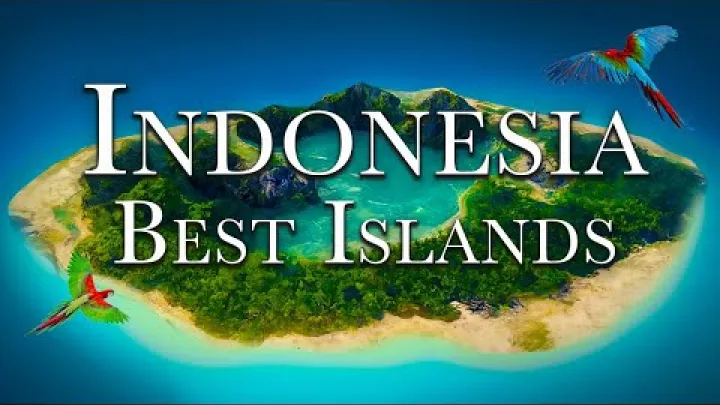
The Indonesia islands stretch across the equator and form one of the world’s largest archipelagos, with unique cultures, marine life, and landscapes. Planning by region helps you match interests like diving, surfing, and cultural travel with the right season. It also offers practical tips for routes, permits, and responsible travel across the Coral Triangle.
Indonesia islands at a glance
Indonesia’s archipelago sits in a crossroads of oceans, tectonic arcs, and biodiversity hot spots. A quick regional understanding makes travel more efficient, while key facts help you compare distances, sea conditions, and access options. The sections below summarize headline numbers and outline the major regions you will see on most maps.
Quick facts: size, island counts, coastline, and main regions
Indonesia officially recognizes 17,508 islands, and authorities reported 17,024 named islands as of 2023. The named count is periodically updated as names are standardized and verified. Across thousands of islands, the national coastline spans roughly 99,000 km, much of it within the Coral Triangle where coral and fish diversity are among the highest on Earth.

Core regions you will see on maps and in guides include the Greater Sunda Islands, the Lesser Sunda Islands, Maluku (the historic Spice Islands), and Papua. Together they cover bustling urban centers, remote rainforests, and reefs famed for diving and snorkeling.
- Total islands: 17,508; named islands updated periodically (17,024 named in 2023).
- Coastline: about 99,000 km across equatorial waters.
- Main regions: Greater Sunda, Lesser Sundas, Maluku, Papua.
- Span: over 5,000 km east–west through three time zones.
Map and regional overview: Greater Sunda, Lesser Sunda, Maluku, Papua
On the map, the Greater Sunda Islands anchor population and transport, while long island chains extend eastward into quieter seas. The Greater Sunda group comprises Sumatra, Java, Kalimantan, and Sulawesi. Java and Sumatra host major cities and highways, while Sulawesi’s distinctive arms enclose bays rich in marine life.
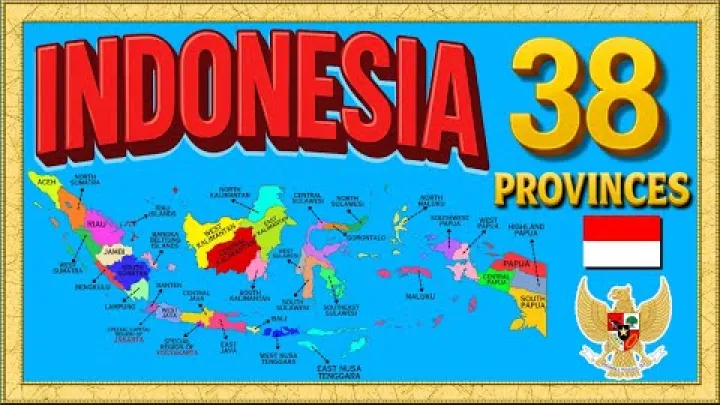
To the southeast, the Lesser Sunda Islands form a volcanic arc from Bali through Lombok, Sumbawa, Flores, and Sumba to Timor. Farther east, Maluku spreads across the Banda Sea with storied spice history and deep basins that influence marine seasons. Papua occupies the western half of New Guinea within Indonesia, blending alpine highlands, lowland rainforest, and globally important reefs such as Raja Ampat. This layout helps travelers visualize logical routes, ferry links, and seasonal sea conditions between regions.
How many islands are in Indonesia?
Indonesia has 17,508 islands, with 17,024 named as of 2023. The official figure is maintained by national authorities and may be refined as naming and verification continue, but 17,508 is the accepted national total.
Why numbers vary in different sources comes down to methodology. Some surveys differ on how to treat tidal features, sand cays, and very small islets. Remote sensing has improved coverage, yet field checks still matter in areas with dynamic coasts and changing shorelines. The following subsection explains the definitions and methods that influence the published counts.
Why counts differ: methods and naming updates
Different organizations classify small features in different ways. A permanent island is typically defined as land that remains above water at high tide and can sustain natural growth, distinct from tidal sandbanks that submerge at high tide. When surveys include or exclude tidal features, mangrove islets, or seasonally exposed cays, the totals shift.
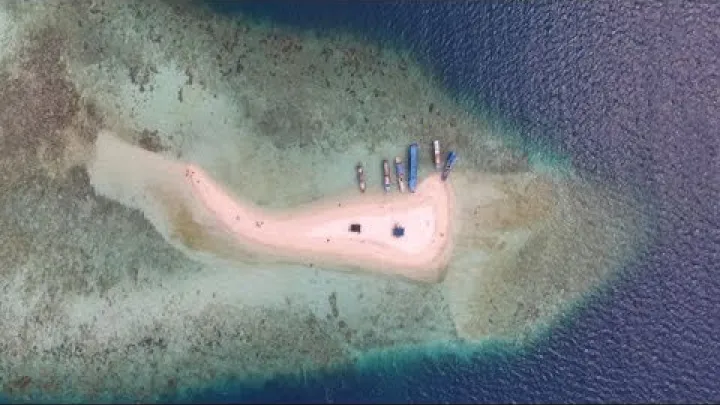
Indonesia’s official gazetteers continue to standardize names and verify positions through remote sensing and field validation. Satellite imagery can detect features efficiently, but ground teams are needed to confirm permanence and usage, especially in marshes and reef flats. As names are certified and duplicates removed, the named-island count is updated, which explains why credible sources sometimes list different totals.
Main island groups and notable islands
Understanding Indonesia by its major island groups makes trip planning easier. Each region mixes distinct geology, ecosystems, and cultures, so highlights can vary widely over short distances. The following overviews introduce key islands and what sets them apart, from transport corridors to marine parks.

Greater Sunda Islands: Sumatra, Java, Kalimantan, Sulawesi
Java and Sumatra hold many of Indonesia’s largest cities and transport corridors, with intercity trains, toll roads, and busy ports. Java’s volcanic chain shapes landscapes and agriculture, and cultural centers host temples, crafts, and performing arts. Sumatra’s long spine of mountains shelters lakes, tea and coffee highlands, and wildlife areas where orangutans and hornbills still persist.

Kalimantan is the Indonesian share of Borneo, characterized by broad rivers, peat swamps, and lowland forests. Traditional longhouses and river travel remain important in rural areas, and conservation zones protect sensitive habitats. Sulawesi’s distinctive shape frames diverse cultures, from Toraja highlands with striking architecture to coastal communities near dive sites such as Bunaken and the macro-rich Lembeh Strait. These ecological and cultural contrasts reward slow itineraries that focus on one island at a time.
Lesser Sundas: Bali, Lombok, Flores, Sumba, Timor
Inter-island travel is straightforward via short flights and ferries linking key ports, allowing travelers to combine Bali, Lombok, and Flores in one trip. Between Flores and Sumbawa lies Komodo National Park, famous for rugged islands, strong currents, and healthy reefs.

Administratively, this chain is split into West Nusa Tenggara (Bali’s neighbor Lombok, plus Sumbawa) and East Nusa Tenggara (Flores, Sumba, Timor within Indonesia, and other islands). This provincial context helps with permits, transport schedules, and understanding holiday calendars. From rice fields to dry savanna hills, the Lesser Sundas reward both beach-focused trips and trekking for volcano sunrises.
Maluku (Spice Islands): Halmahera, Seram, Buru, Banda
Maluku, the historic Spice Islands, once sat at the heart of the global clove and nutmeg trade. Visitors still see Dutch-era forts, nutmeg trees, and preserved waterfronts that speak to centuries of maritime history. The Banda Sea’s deep basins influence currents and pelagic life, creating excellent conditions for walls, schooling fish, and, in some seasons, oceanic encounters.

Access typically routes through Ambon for onward ferries or small aircraft to outlying islands. Seasonal wind and sea conditions can affect crossings, with certain months offering calmer passages and clearer water. Planning around these windows improves safety and comfort, especially for longer inter-island hops or liveaboard routes that traverse exposed channels.
Papua (Western New Guinea): highlands, rainforests, and reefs
Papua forms the western half of New Guinea within Indonesia, spanning alpine highlands, vast lowland rainforests, and mangrove-lined coasts. Its cultural and linguistic diversity is matched by ecological richness, from endemic birds in cloud forests to seagrass shallows that shelter juvenile marine life. Villages in the interior and along the coasts maintain traditions adapted to rugged terrain and abundant waterways.

Along Papua’s western shores, Raja Ampat and nearby areas hold globally significant marine biodiversity. Reefs, karst islets, and manta cleaning stations attract divers and snorkelers seeking healthy coral and varied fish life. For administrative clarity, use current, generic terms such as “Papua region within Indonesia” rather than outdated historical names, since provincial boundaries have evolved in recent years.
Best islands to visit by interest
Indonesia’s variety means you can tailor a trip around specific interests. Divers can target Coral Triangle hotspots, surfers can follow Indian Ocean swells, and culture seekers can time visits for ceremonies or community-led experiences. The islands below are grouped by interest to help you choose the right base and season.
Diving and marine life: Raja Ampat, Wakatobi, Komodo
Raja Ampat, Wakatobi, and Komodo sit within the Coral Triangle and are known for exceptional coral and fish diversity. Komodo’s channels bring strong currents that attract big fish and manta rays, while walls and pinnacles reward experienced divers. Raja Ampat offers soft corals, reefs that transition from sheltered bays to outer seamounts, and well-known manta sites that appeal to photographers.
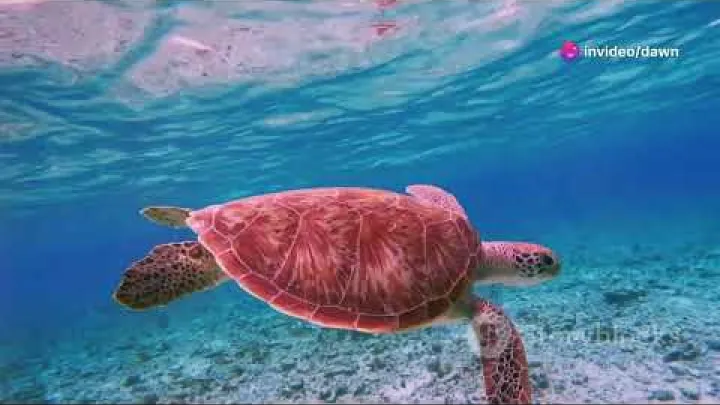
Wakatobi is renowned for clear water, gentle walls, and easy house-reef access that suits both new and advanced divers. Permits and marine park fees are standard in these destinations, often arranged by lodges or operators. Liveaboards commonly run routes such as Raja Ampat circuits, Banda Sea crossings in season, and north–south loops in Komodo; plan early for cabins and coordinate permits before travel.
Surfing: Mentawai, Bali, Sumbawa
The Mentawai Islands are a benchmark for consistent reef breaks, with prime swells from about March to October. Boat-based charters and remote camps reach waves with limited crowds, but safety planning is essential due to reefs, currents, and changeable weather. Bali and Sumbawa offer a broad spectrum of breaks suited to different skill levels, from mellow points to powerful barrels.

Practical preparation matters in reef environments. Reef boots can prevent cuts during low-tide entries, and a small first-aid kit with antiseptic and bandages helps manage minor injuries. Local surf guides add value with tide knowledge, spot etiquette, and safety calls, especially on shallow or shifting reef setups and during large swell windows.
Beaches and relaxed stays: Bali, Lombok, Belitung, Gili Islands
The Gili Islands near Lombok restrict motorized traffic, favoring bicycles and walking for a slow-paced stay. Bali and Lombok combine beaches with dining, culture, and easy transport, making them reliable gateways for longer trips across the archipelago.
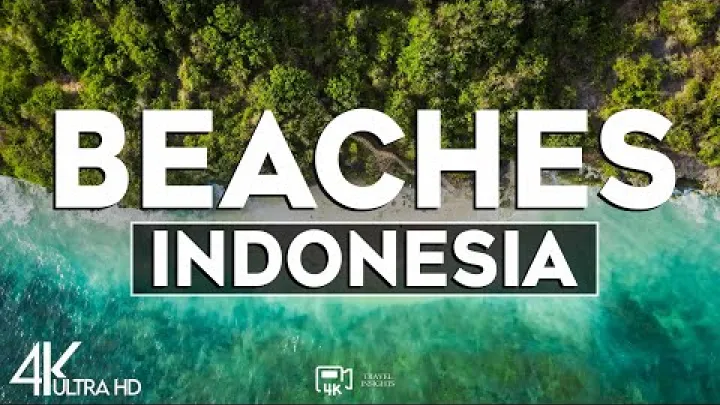
To distribute visitor flow, consider lesser-known coasts and beach towns. In Bali, look to Amed and Balian for quieter scenes; in Lombok, explore Sekotong and the south coast beyond Kuta. Around Belitung, island-hopping to smaller islets or visiting quieter coves spreads impact while still delivering clear water and scenic shorelines.
Wildlife and culture: Komodo, Toraja in Sulawesi, Papua birding
Komodo National Park requires guided visits and strict behavior rules to protect both visitors and wildlife. Keep safe distances, follow ranger instructions, and avoid actions that might attract dragons. Toraja highlands in Sulawesi are known for striking house forms and ceremonial traditions that reflect long-held beliefs and social structures.

Papua offers bird-of-paradise watching with licensed local guides who understand habitats and access protocols. Respectful conduct is essential at cultural sites and in community forests. Ask before photographing people, dress modestly in villages, and follow local regulations and conservation rules to ensure visits benefit host communities.
Spotlight destinations
Some islands need extra planning for permits, boats, or seasonal access. The spotlights below summarize how to get there, the best time to visit, and important notes about fees and logistics. Use them to align flights and ferries with your chosen activities.
Raja Ampat: how to get there, best time, and permits
Many lodges coordinate transfers to smaller islands and can arrange equipment for diving or snorkeling. Peak months for many routes are often October to April, when seas are calmer in parts of the region, though conditions vary by location.
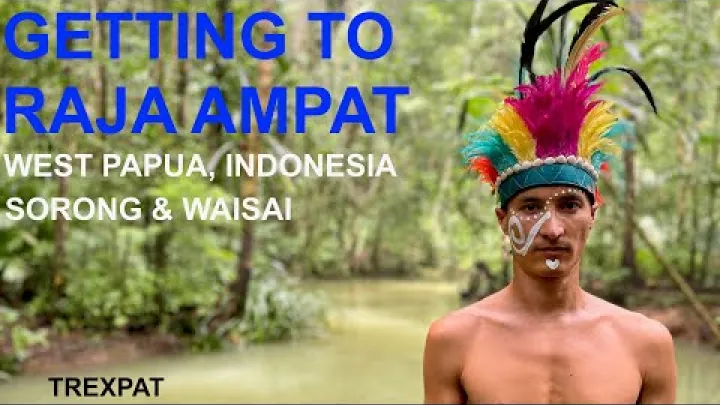
All visitors should purchase the marine park entry card, commonly handled by accommodations or local operators. Book flights and boat seats well in advance during peak months to secure connections. Strong currents and remote sites favor joining licensed operators who brief on marine park rules, protected sites, and safety.
Riau Islands: Batam and Bintan near Singapore
Frequent international ferries connect Singapore with Batam and Bintan, making short breaks easy to plan. Resorts, golf, and beach clubs cater to city getaways, while local food markets and coastal promenades offer casual day outings. Beyond Batam and Bintan, many smaller islands in the province support snorkeling, kayaking, and village visits.

Note the administrative distinction: Riau Province lies on Sumatra’s mainland, while Riau Islands Province (Kepri) covers Batam, Bintan, and outlying isles. Check ferry schedules, entry requirements, and return timings, especially on weekends and holidays when crossings are busy.
Mentawai Islands: surf seasons and access
Access to the Mentawai Islands usually runs via Padang on Sumatra’s west coast, followed by a fast ferry or chartered boat. The prime surf season is roughly March to October, when Indian Ocean swells deliver consistent waves across well-known breaks. Local surfer levies contribute to community and regional management, and infrastructure on smaller islets remains basic.

Weather can disrupt boat schedules, so build flexible buffers into your plan. Pack medical supplies, communications backups, and consider travel insurance that covers evacuations from remote areas. Boat operators and camps provide guidance on swell windows, safety procedures, and board protection for open-ocean transits.
Thousand Islands near Jakarta: day trips and overnights
From North Jakarta marinas, speedboats reach selected public and resort islands in the Thousand Islands chain for snorkeling day trips or relaxed overnights. Options range from simple homestays to mid-range resorts, with reefs suitable for beginner snorkeling and training dives. Although commonly called the Thousand Islands, the chain includes around a hundred small islands scattered north of Jakarta.
Always verify boat safety, life jackets, and confirmed return schedules, especially if weather is unsettled. Weekday trips can be quieter, while weekends fill quickly. Bringing reef-safe sunscreen and minimizing plastic waste helps protect the nearshore environment that supports local livelihoods.
Banda Islands: history and seasonal access
The Banda Islands are renowned for nutmeg history, Dutch-era forts, and well-preserved heritage around a scenic natural harbor. Coral walls rise from deep water, attracting schooling fish and offering excellent visibility in stable seasons. The atmosphere is quiet and village-centered, with easy walks to viewpoints and historical sites.
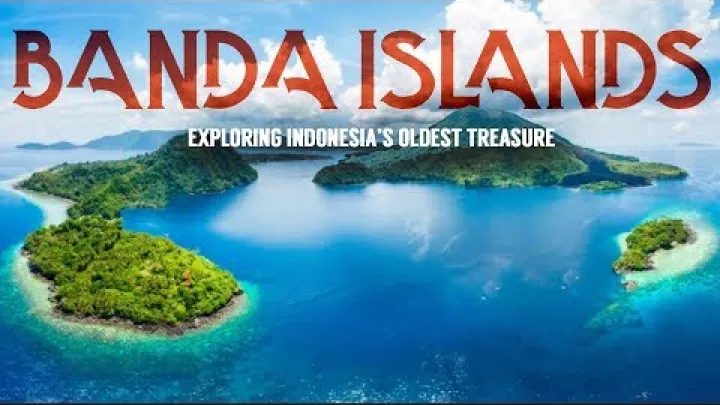
Access usually runs via Ambon by ferry or limited flights, both of which can be affected by weather and sea conditions. Accommodation is limited, so early reservations are recommended in high season. Plan for flexible dates and coordinate with local operators for inter-island boats and dive schedules.
Practical travel planning
Indonesia rewards flexible, well-structured itineraries. Distances are large, services vary by island, and weather can influence boats and small flights. Use the guidance below to choose the right season, align connections, and travel responsibly in fragile environments.
When to visit: monsoon patterns by region
Many western and central islands are drier from May to September, which suits beach time and surf trips. Eastern areas such as parts of Raja Ampat often see calmer seas between about October and April, although local winds and channels can shift conditions.
A simple regional outline helps with planning:
- Western archipelago (Sumatra, Java, Bali): generally drier May–September; wetter November–March; good for beaches and many treks in the dry period.
- Central arc (Lombok, Sumbawa, Flores, Sumba): similar dry window May–September; some islands are more arid and stay sunny longer.
- Eastern seas (Maluku, Papua including Raja Ampat): many routes are calmer October–April, with shoulder months offering mixed but often workable conditions.
Microclimates occur due to mountains, rain shadows, and local winds. Confirm local forecasts and marine conditions before booking boats or committing to tight connections, and consider shoulder seasons for fewer crowds and good value.
Getting around: flights, ferries, and liveaboards
Major hubs such as Jakarta, Bali, and Makassar provide domestic connections to secondary towns. Short flights link island groups quickly, while long-distance ferries and local boats connect communities and transport goods. In remote regions, schedules may be weekly rather than daily, so align international arrivals with domestic options.
Liveaboards serve seasonal dive routes, including classic Komodo circuits and Banda Sea crossings. Always check schedules close to your travel dates, as operational changes or weather can prompt adjustments. Build buffer days around inter-island legs, especially when connecting boats with flights, to reduce stress and avoid missed departures.
Responsible travel and conservation tips
Fragile reefs and coastal communities benefit when visitors follow simple best practices. Use reef-safe sunscreen, avoid touching corals or marine life, and secure fins and gauges to prevent accidental contact. Hire licensed local guides and follow park regulations, including permits and zone restrictions.

Adopt leave-no-trace habits tailored to boats and beaches: pack out all trash, bring refillable water bottles, avoid single-use plastics, and keep sand and shorelines free of food scraps. Dispose of fishing line and hooks properly, and keep noise low in villages and wildlife areas. Supporting community-run services helps conserve ecosystems and sustain local livelihoods.
Frequently Asked Questions
How many islands are in Indonesia today?
Indonesia officially recognizes 17,508 islands, with 17,024 named as of 2023. Different surveys have reported 13,466 to 18,307 due to varying criteria for tidal features and island definition. The official gazetteer is updated as names are standardized. Use 17,508 as the accepted national figure.
What are the five main islands of Indonesia?
The five major islands are Sumatra, Java, Kalimantan (Indonesian Borneo share), Sulawesi, and Papua (western New Guinea). These large landmasses anchor population, economy, and transport networks. Thousands of smaller islands surround these cores across multiple seas.
Which islands are best for diving in Indonesia?
Raja Ampat, Komodo, and Wakatobi are the top diving areas for coral and fish diversity. Banda Sea liveaboards add seasonal pelagic encounters, while Lembeh Strait is famous for macro. Conditions vary by monsoon; plan for visibility and currents.
When is the best time to visit Indonesia’s islands?
The dry season from May to September suits most islands, including Bali, Lombok, and Komodo. Raja Ampat is often visited October to April for calmer seas in parts of the archipelago. Microclimates vary, so confirm by region before booking. Shoulder months offer fewer crowds.
How do I get to Raja Ampat from Jakarta or Bali?
Fly via Jakarta or Makassar to Sorong (SOQ), then take a ferry or speedboat to Waisai, Raja Ampat’s main gateway. The total journey often requires one connection and a scheduled ferry. Arrange park entry permits with accommodations or local operators. Book flights and boats in advance during peak months.
Are the Gili Islands and Lombok part of Indonesia?
Yes, the Gili Islands and Lombok are in Indonesia’s West Nusa Tenggara province. Fast boats and flights link them with Bali. The Gilis have no motorized traffic, favoring bicycles and walking. Lombok offers beaches and Mount Rinjani trekking.
What is the Riau Islands province known for?
Riau Islands (Kepri) include Batam and Bintan, known for proximity to Singapore, resorts, and ferry connections. The province spans many islands with marine recreation and trade hubs. Visitors often combine city stays with short island breaks. Check ferry schedules and entry rules before travel.
Are Komodo dragons dangerous to visitors?
Komodo dragons are powerful wild reptiles and can be dangerous if provoked or fed. Visits should be guided, with distance rules and safety briefings followed. Park authorities regulate routes and behavior to reduce risks. Do not visit during menstruation or with open wounds to avoid attracting dragons.
Conclusion and next steps
Indonesia’s islands form a vast, diverse archipelago that rewards careful planning by region and season. Key facts help frame the scale: 17,508 islands, roughly 99,000 km of coastline, and an east–west span of more than 5,000 km across the Coral Triangle. The main groups—Greater Sunda, Lesser Sundas, Maluku, and Papua—offer distinct ecosystems and cultures, from Java’s urban corridors and Sulawesi’s marine parks to the volcanic arc of Flores and the reefs of Raja Ampat.
Spotlight destinations such as the Riau Islands near Singapore, Jakarta’s Thousand Islands, and the historic Banda Islands are accessible with the right timing. Practical choices—matching monsoon patterns, building buffer days, using licensed guides, and following conservation rules—support safe, low-impact journeys. With this framework, travelers can map routes that align with conditions, experience, and community-led tourism across Indonesia’s remarkable island world.
Select area
Create a post
Posting is free and no registration is required.