Indonesia Surfing Guide: Best Spots, Seasons, Safety, and Trip Planning
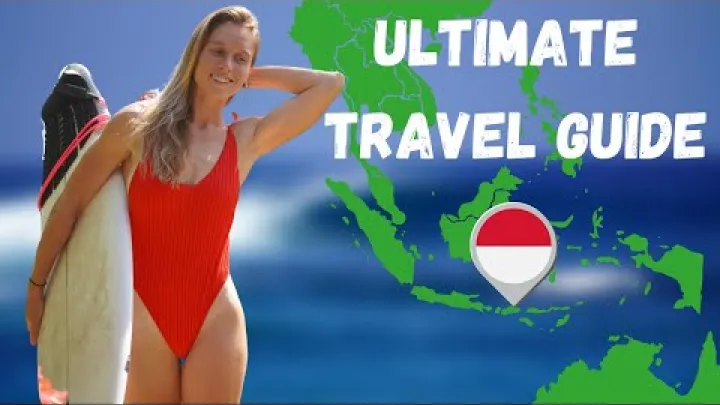
From beginner-friendly beach breaks to world-famous reef barrels, it offers a reliable plan for every level and style. Use this guide to choose the right season, region, and trip style for your goals and budget.
You will learn how the waves work, when to go for the cleanest conditions, and where to surf based on your skill. The guide also covers safety, etiquette, and sustainability, along with practical planning details like charters, ferries, insurance, and packing. Whether you want to surf Bali, chase Mentawai perfection, or explore quieter islands, this roadmap will help you make informed choices and enjoy your time in the water.
Why Indonesia is a top surf destination
Indonesia stands out because its islands face the open Indian Ocean and receive steady swell trains for much of the year. The coastline is sculpted by reefs, points, and bays that shape waves into long, rideable lines. During the dry season, consistent trade winds groom many coasts into clean, offshore perfection, while shoulder and wet-season windows still offer quality for those willing to move with the conditions.

Warm water, reliable waves, and a variety of setups make it easy to build a trip that matches your level, whether you are learning on sandbars or hunting world-class barrels over shallow coral.
What makes Indonesian waves consistent and high quality
Indonesia benefits from powerful, long-period swell that travels from storms in the southern Indian Ocean. These swell trains maintain energy over long distances and arrive from the southwest to south (roughly SW–S), which aligns well with the orientation of many of the archipelago’s west- and south-facing coasts. In the dry season, southeast trade winds are common and tend to blow offshore for those coasts, adding texture and shape that improve wave quality.
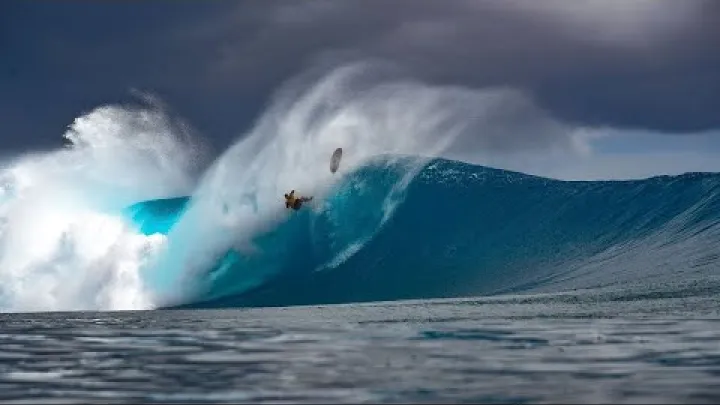
The region’s bathymetry is another key advantage. Steep offshore drop-offs, reef passes, and point formations refract and focus swell, stretching waves into long, defined lines that hold their shape across the reef. Island geography also creates microclimates, and early mornings are often glassy before the winds fill in. These factors combine to produce consistent conditions and high-performance waves for much of the year.
Quick facts (water temp, reefs, skill levels)
Water temperatures typically sit around 26–29°C (79–84°F) year-round, so most surfers use boardshorts or swimsuits with a rashguard. Many of Indonesia’s best waves break over coral reef, which creates shape and power but also requires care; reef booties are optional yet useful at shallow entries and exits. Tides are significant, and many reefs are safer and more user-friendly on mid to higher tides, especially for learners and intermediates.

There is a healthy mix of lefts and rights across the islands, from Bali’s iconic lefts on the Bukit to rights like Lagundri Bay in Nias. Beach breaks and mellow points exist for beginners, while advanced surfers can aim for faster, hollower reefs. In the wet season, winds are more variable, and regional wind shifts can require chasing morning glass or moving to more sheltered, east-facing coasts.
- Water: 26–29°C (79–84°F)
- Bottoms: Mostly reefs, with some sand and cobblestone points
- Waves: Lefts and rights, from mellow to heavy
- Tides: Large ranges; mid to high often safest over reef
- Winds: SE trades in dry season; more variable in wet season
When to surf in Indonesia (seasons and winds)
Swell from the Indian Ocean is present most of the year, but the combination of swell period, wind direction, and tide determines daily quality at each spot. Planning with these patterns in mind can make the difference between fun and exceptional sessions.

In general, west- and south-facing coasts are ideal in the dry season when southeast trades groom the surf. During the wet season, variable winds and occasional storms push surfers toward east-facing or sheltered coasts, plus early-morning windows before the sea-breeze. Shoulder months can offer excellent balance, mixing steady swell with lighter winds and fewer crowds.
Dry season (April–September): regions that shine
The dry season brings prevailing southeast trade winds that are offshore for many west- and south-facing coasts. This pattern, paired with steady southwest–south swell, produces Indonesia’s most reliable window for classic reef setups. Typical swell periods range from about 12–18 seconds, providing both energy and shape for points, reefs, and beach breaks across the chain.
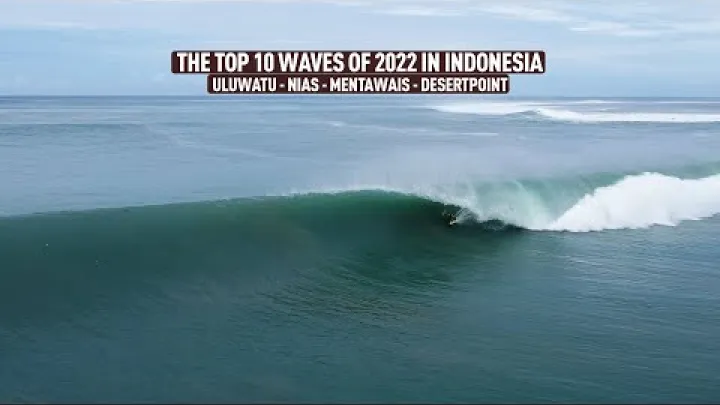
Regions that perform consistently include Bali’s west coast and Bukit Peninsula, Lombok’s south coast, Sumbawa’s Lakey Peak and West Sumbawa reefs, and much of Java’s southern coastline. The Mentawai Islands and Nias also fire with frequent clean swell and relatively light winds. Crowds peak in June–August; the shoulder months of April–May and September can deliver excellent waves with more breathing room, especially on mid-week swells.
Wet season (November–March): where to go and what to expect
Wet season brings more variable winds, rain showers, and local storms, which makes conditions less predictable on west-facing coasts. East-facing shores and sheltered bays can come into their own, especially with early starts to beat the wind. Expect smaller average swell and shorter periods, but there are still many fun days for those who time the tides and watch local wind patterns.
Monsoon influences vary by island. Across Bali, Lombok, and Java, winds often swing WNW to NW during November–March, creating onshore conditions for many west-facing reefs but leaving some east coasts cleaner. In Nusa Tenggara (e.g., Rote and Timor), the pattern is similar with lighter mornings and windier afternoons. Tropical cyclones far off Western Australia can occasionally send long-period SW swell pulses during this time, which can light up protected corners if the wind cooperates.
Shoulder months and timing tips
Shoulder seasons around April–May and September–October often blend the best of both worlds: consistent swell, lighter or changeable winds, and fewer visiting surfers. Flexible travelers can score clean pulses without peak-season crowd pressure. Accommodation and charter operators sometimes offer mid-week or early/late-season discounts, which can help your budget go further.

Regional standouts in these windows include Bali’s Bukit Peninsula on moderate swells, Medewi for long left walls, Lombok’s Gerupuk with softer winds, and Mentawai’s Playgrounds area when it is not dominated by marquee swells. Keep a close eye on tides—many reefs prefer mid tides in shoulder months—and be ready to adjust your session times as the diurnal wind pattern evolves.
Where to surf in Indonesia (regional guide)
Indonesia’s surf geography is diverse. A single nation contains dozens of world-class zones, each with its own wind windows, access logistics, and hazards. This section highlights key regions and their spots, how to get there, and the best timing. Use it to match your goals—whether it is playful walls, long points, or heavy barrels—with the islands and seasons that suit you.

For each region below, consider tide sensitivity, reef exposure, and the effect of local wind. Even on the best days, conditions can change fast with the tide or a passing squall. A little timing, plus knowledge of channels and exits, will help you enjoy more sessions and get back to shore safely.
Bali overview (Bukit, Canggu, Kuta)
The Bukit Peninsula features world-class left-hand reefs such as Uluwatu, Padang Padang, Bingin, and Balangan, which like the dry season’s SE trades and SW–S swells. Canggu offers a mix of reef and sand with multiple peaks that spread the crowd and suit a range of levels on smaller to moderate swells.
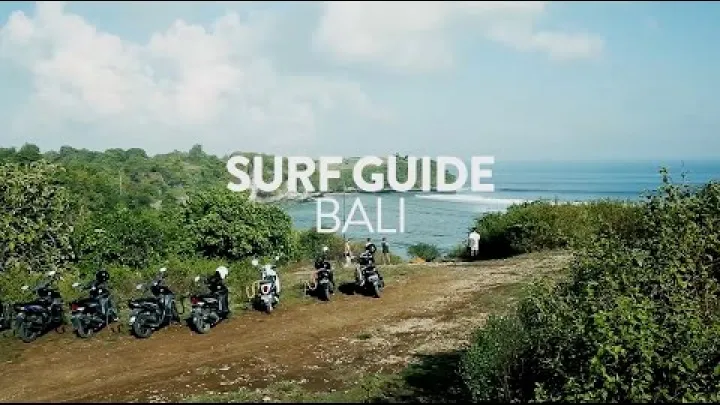
Traffic can be heavy, especially around late afternoon and sunset near Canggu and the Bukit, so plan extra time for transfers and surf checks. The best window is typically April–October, with mornings often clean and tides playing a major role on the reefs. Expect larger crowds in June–August; dawn sessions and tide-based timing help.
Mentawai Islands (Playgrounds, Sipura, Pagai)
The Mentawai Islands are a dream for consistent, high-quality surf. The Playgrounds area near northern Sipura offers user-friendly lefts and rights like Beng Beng, Four Bobs, and Burger World for smaller days, while advanced surfers chase barrels at Rifles, Telescopes, Bankvaults, and Hollow Trees (HTs). Light winds are common, and the variety of angles means there is usually somewhere working.

Access is through Padang (West Sumatra) by surf charter or public fast ferry to Siberut or Tua Pejat, followed by local boats to your camp. Typical charters run about 10–12 days of surfing, often May–September for peak consistency, though many boats operate longer seasons. Book early for prime weeks.
Java (G-Land and Batu Karas)
G-Land (Plengkung) is a powerful, fast left over shallow reef that can produce long, hollow sections. It is suitable for advanced surfers and best during the dry season with solid SW–S swell. By contrast, Batu Karas on West Java’s south coast is a mellow right-hand point that is much more forgiving and well suited to longboards and learners on small to moderate swells.
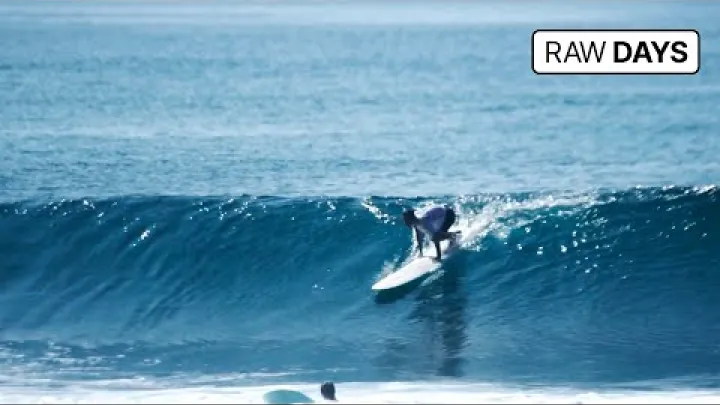
Access to G-Land is typically via Banyuwangi, with camps offering speedboat transfers from Grajagan or overland options depending on conditions. If you are not advanced, avoid G-Land on big swells, at low tides, or when currents are strong—seek guidance from experienced operators about safer windows. Batu Karas is accessed via Pangandaran and works best on clean, mid-tide sessions with manageable swell sizes that keep crowds and currents in check.
Lombok (Desert Point and south coast)
Desert Point (Bangko-Bangko) is an expert-only left famous for extremely long barrels on the right combination of long-period SW swell, light winds, and tide. It requires medium to large swell with period to bend into the bay and is dangerously shallow at lower tides. For friendlier options, head to the south-coast zone around Kuta Lombok, where Gerupuk’s Inside and Don-Don offer peaks for various levels, and Ekas Bay provides left and right options with some wind shelter.
From Kuta Lombok, expect 30–60 minutes by car or scooter to Gerupuk and 60–90 minutes to Ekas (plus boat access to many peaks). Desert Point is remote on the island’s southwest, usually reached via the Lembar side by car and then a short boat. Best months are April–October, with mornings and mid tides often favored. Check swell thresholds: Gerupuk handles small to moderate swells, while Ekas can handle more size; Desert Point prefers medium to large long-period pulses.
Sumbawa (Lakey Peak, Scar Reef)
Lakey Peak on Sumbawa’s central south coast is a consistent A-frame with both left and right options, and it is surrounded by a cluster of waves such as Periscopes, Cobblestones, Nungas, and Lakey Pipe. West Sumbawa hosts Scar Reef, Yo-Yos, Supersuck, and other powerful reefs that light up in the dry season under SE trades and SW swell.
Reach Lakey via Bima, or head to West Sumbawa via Sumbawa Besar or Lombok plus ferry. Tide sensitivity is important: for example, Supersuck is a low-tide, sand-dependent left that gets heavy and shallow, while many other reefs need mid to higher tides for safer entries and exits. Sharp coral and strong currents are common hazards; consider booties, and always use established channels to reduce risk.
Nias (Lagundri Bay)
Lagundri Bay in Nias is a classic right-hand point that delivers long, mechanical walls and barrels under SW swell and SE trades. On smaller days it can be approachable and very fun; on larger pulses it becomes powerful with strong currents that sweep through the bay. It is one of Indonesia’s most photographed rights for good reason.
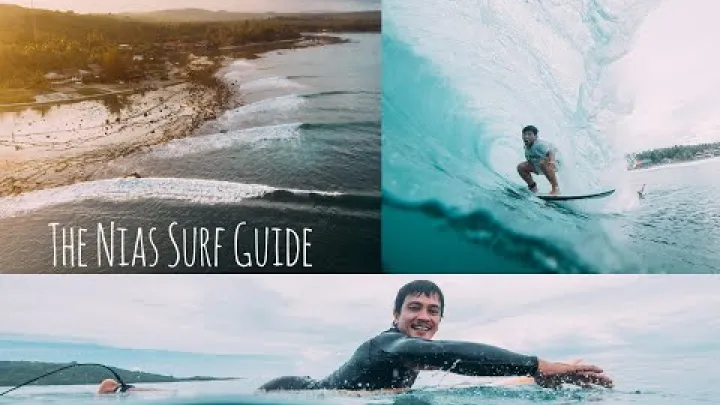
Fly to Gunungsitoli via Medan, then travel overland to Sorake, where most accommodation, warungs, and surf services cluster near the wave. Dry season offers the most consistent winds, but Lagundri can break year-round with the right swell direction. Choose tide windows that match your level, and be aware that crowds and currents increase quickly as size rises.
Rote (T-Land)
Rote’s T-Land is a long, rippable left with multiple takeoff zones and sections that suit a range of abilities on moderate swells. The wave thrives under dry-season trades, with many mornings staying glassy before winds strengthen. Reef booties are helpful at low to mid tides due to sharp coral and walk-outs.
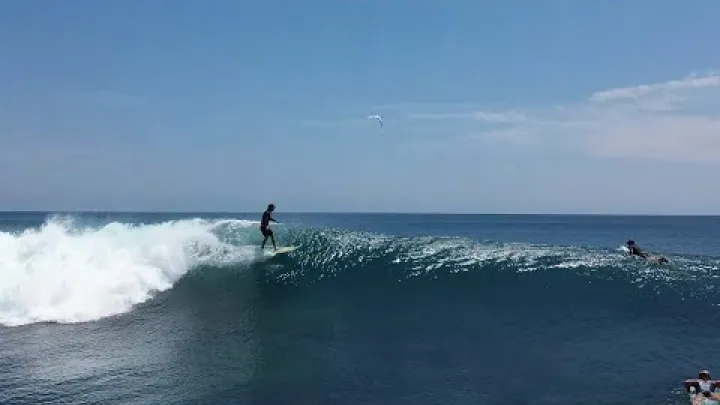
Access is usually via Kupang (Timor), then a short flight or ferry to Rote and a drive to Nemberala. Expect SE trades to build through late morning and afternoon in peak season; plan earlier surfs for best texture. Boat channels are well established from Nemberala, with local captains using known passes and moorings to reach T-Land and nearby reefs safely. Crowds are lighter than Bali but growing, especially on holiday weeks.
Match waves to your skill level
Choosing the right wave for your experience level is essential for safety and enjoyment. Indonesia offers everything from slow, open faces to fast, heavy barrels—often within a short boat ride of each other. Use the guidance below to match spots to skills, understand tide and swell thresholds, and progress in a controlled way.
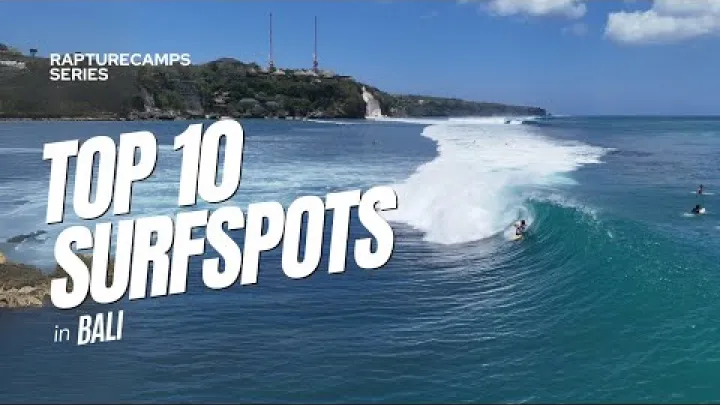
When in doubt, start on smaller days, pick soft-tops or forgiving boards, and observe a few sets before paddling out. If a spot seems crowded or advanced, there is usually a mellower alternative nearby that will still deliver plenty of waves while you learn and improve.
Beginners (beach breaks and mellow points)
Beginners should focus on sand-bottom beaches like Kuta (Bali) or mellow points such as Batu Karas (Java). These spots allow you to learn paddling, pop-up timing, and whitewater control with fewer hazards. Book lessons with licensed instructors and start with soft-top boards for safer wipeouts and easier paddling. Practice rip awareness and safe exits before attempting more advanced takeoffs.
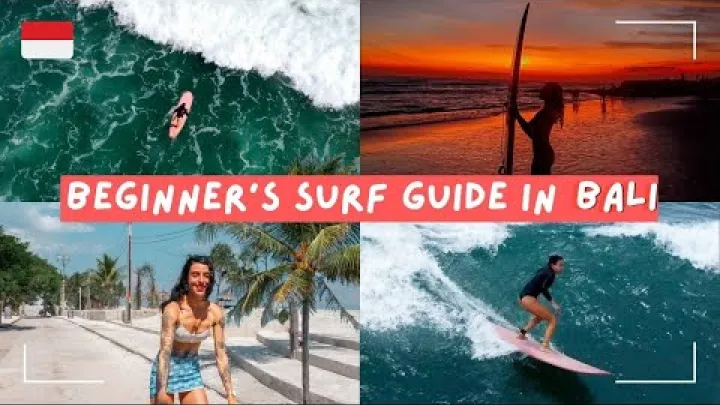
As a simple rule, aim for waist- to chest-high waves and avoid shallow reefs until you are confident with timing, turning, and reading sets. Choose mid to higher tides to keep the wave face softer, and always check for channels and currents. On reef-backed beaches, booties can add confidence during entry and exit, especially at lower tides.
Intermediates (friendly reefs and long walls)
Intermediates can enjoy friendly reefs and long points that allow more time to set up turns. Options include Medewi (Bali) for long lefts, Four Bobs and Beng Bengs (Mentawai) on smaller days, and Gerupuk Inside (Lombok) when the swell is moderate. Look for mid tides to keep sections open and manageable, and consider mid-lengths or slightly longer boards for earlier entry and better trim.
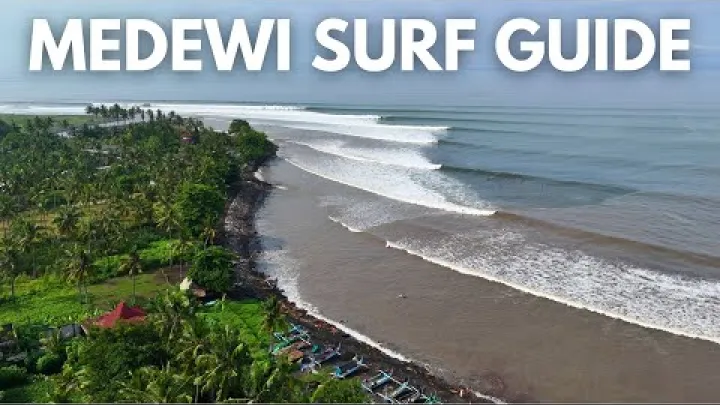
Suitability depends on swell size. Medewi is great from small to moderate swell; it grows challenging in big, long-period pulses. Four Bobs and Beng Bengs are best on smaller to medium swells and can get too fast or shallow when it is large. Gerupuk Inside handles small to mid-range well, while Outside and nearby peaks require more skill as size increases. Build reef-reading skills and gradually step into hollower spots as your comfort grows.
Advanced and expert (barrels and heavy reefs)
Advanced surfers can target iconic barrels such as Padang Padang, Uluwatu, Desert Point, G-Land, and HTs. These waves are powerful and often shallow, demanding precise positioning, fast takeoffs, and disciplined channel use. Step-up boards, spare leashes, and helmets are sensible in heavier lineups, and traveling with a partner increases safety if you take a bad fall.
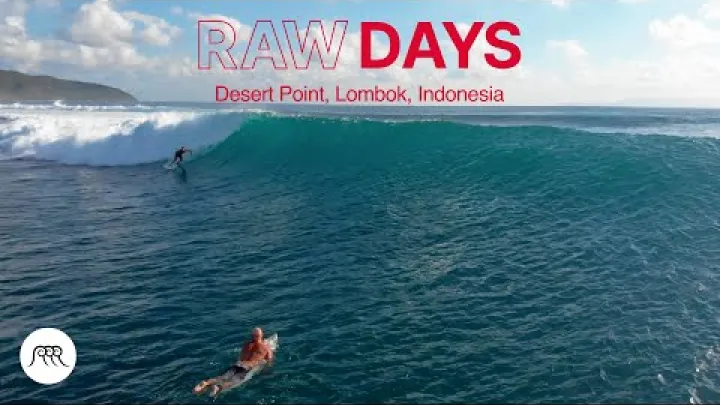
Know the thresholds and tides. Padang Padang needs solid SW swell and is safest on mid tide; low tide is extremely shallow. Uluwatu offers multiple sections; Outside Corner thrives on bigger long-period swells, while Racetracks is hollow and tide sensitive. Desert Point prefers medium to large, long-period SW swell and is best on specific mid tides; it is not recommended at low tide unless you are expert and familiar. G-Land delivers on solid SW–S swell; higher tides are more forgiving across sections like Money Trees and Launching Pads. HTs breaks over sharp coral; expert-only on bigger days, with mid tides generally safer than extreme lows.
Safety, etiquette, and environmental care
Surfing over reef demands preparation and respect. Knowing the channels, checking tides, and carrying first aid can prevent small problems from becoming emergencies. Lineup etiquette matters for safety and for building positive relationships with local surfers and communities. Sustainable choices protect the reefs and beaches you travel to enjoy.

Before each session, watch a few sets to learn where people enter and exit. After each session, rinse cuts and apply disinfectant promptly. Support local operators who invest in the community and environment, and help keep lineups welcoming by following simple, universal rules.
Reef safety and first aid
Enter and exit via marked channels, and never dive head-first—protect your head and arms in shallow zones. Wear a leash, consider booties, and time your paddle-out between sets. If you fall, keep limbs tucked and try to “starfish” lightly to reduce contact with coral. Be aware of currents that intensify with tide shifts and larger sets.

Clean coral cuts thoroughly using fresh water, disinfectant, and a soft brush if needed, then apply steri-strips and waterproof dressings. Monitor for infection and update vaccinations such as tetanus before travel. Ensure your travel insurance covers surfing and medical evacuation. In major zones, note nearby facilities: in Bali, hospitals like BIMC or Siloam in the south; in Padang for Mentawai access; in Tua Pejat clinics for local care; in Lombok, hospitals near Mataram; in Sumbawa, facilities in Bima or Sumbawa Besar; and in Nias, hospitals near Gunungsitoli.
Lineup rules and local respect
Follow priority rules: the surfer closest to the peak has the right of way. Do not drop in or snake, and communicate clearly to avoid collisions. Keep groups small, spread out from the takeoff zone, and be patient—it leads to more waves and better vibes for everyone. Respect local customs on land, and pay boat or transport fees where applicable without argument.
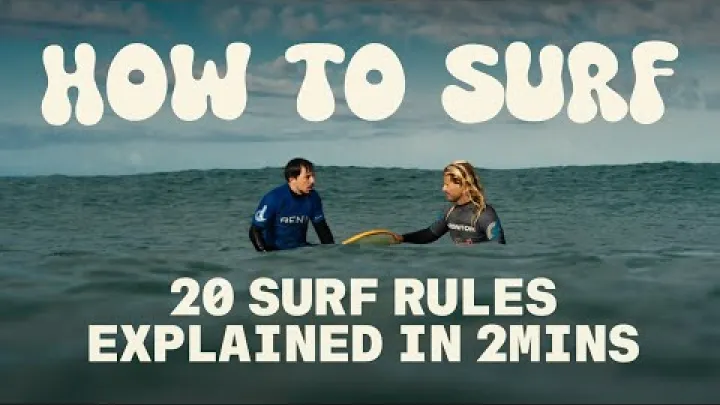
Etiquette can differ between public spots and charter-managed lineups. At public breaks, standard priority applies, and no one “owns” the wave. At chartered zones, boats often coordinate rotations to share time at specific reefs; respect those arrangements to keep order and safety, especially at remote passes. Regardless of the setting, humility and cooperation go a long way in earning respect and opportunities.
Reef-safe habits and sustainability
Use mineral or reef-safe sunscreen and avoid aerosol sprays that can harm marine life. Pack out all trash, carry a refillable bottle, and say no to unnecessary single-use plastics. Never stand on live coral, and discourage anchoring on reef—use moorings or experienced captains who know the channels and safe anchorage points.
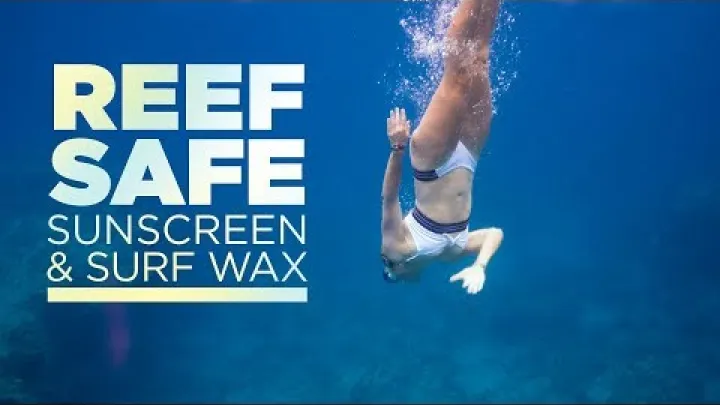
Support eco-minded operators and local initiatives. Examples include organizations working on waste reduction and river cleanups in Bali, such as Sungai Watch, and community-based conservation programs in Mentawai and Nusa Tenggara that maintain moorings and restore coral. Choosing accommodations that manage wastewater and reduce plastic use helps protect fragile reef ecosystems.
Trip planning essentials and costs
A clear plan will maximize water time and reduce surprises. Decide whether you will travel on a surf charter or stay at land-based camps, then map your route through major air and ferry hubs. Build in time buffers for weather-related delays, and confirm baggage policies for board bags on each airline and ferry. Finally, pack for reefs, sun, and connectivity while ensuring proper insurance coverage.

- Choose regions and season windows that match your goals and skill.
- Decide between a mobile charter or land-based camp itinerary.
- Book flights into hubs like Denpasar, Padang, or Medan; confirm board fees.
- Plan ferries or speedboats with flexible timing for weather changes.
- Arrange insurance that covers surfing and evacuation.
- Pack a quiver, repair kit, first aid, and reef-safe sun protection.
- Set up local connectivity and offline maps; share your route with someone at home.
Charters vs land camps (pros, cons, budgets)
Surf charters offer mobility to chase the best conditions across remote chains like Mentawai, Telos, or Banyak. Land camps are usually cheaper, provide cultural immersion, and allow flexible stays, especially in places like Bali, Lombok, Nias, Sumbawa, and selected Mentawai islands.

Check inclusions and hidden costs carefully. Charters often include meals, drinking water, accommodation, some photography, and airport–harbor transfers, but may exclude alcohol, soft drinks, tips, harbor or national park fees, fuel surcharges for long transits, and regional surf permits. Land camps may include breakfast or full board, boat shuttles to breaks, and surf guiding, with extra charges for speedboats, rental boards, and day trips.
| Option | Strengths | Considerations | Typical Budget |
|---|---|---|---|
| Surf Charter | Mobility to chase swell; access to remote reefs; cohesive group experience | Fixed dates; potential seasickness; added costs for fees, tips, beverages | ~USD 2,200–3,500 pp for 10–12 days |
| Land Camp | Lower cost; cultural immersion; flexible length of stay | Less mobile; may require daily boat fees; weather-dependent access | Wide range from budget to premium |
Access and logistics (air, ferry, ground)
Main gateways include Denpasar (Bali) for the Lesser Sunda Islands, Padang for Mentawai, and Medan for Nias and Sumatra’s north. Domestic airlines apply board-bag policies that vary by carrier and route. For example, some carriers use per-kilogram charges on excess baggage, while others use per-piece sports equipment rules. Policies change, so check the airline’s current terms and take photos of your packed boards in case of damage claims.
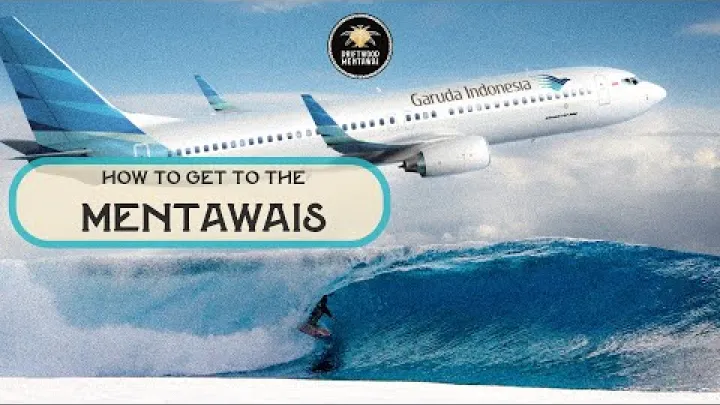
Mentawai access is by surf charter from Padang or via public fast ferry to Siberut or Tua Pejat several times per week, with schedules changing seasonally and sometimes adjusting due to weather or maintenance. Elsewhere, short inter-island ferries and local speedboats connect to surf zones; plan extra time for sea conditions. Scooters are common in Bali and Lombok, while cars and organized transfers are better for remote Sumbawa and West Java routes.
Packing list, insurance, and connectivity
Bring a quiver that covers your range: a primary board, a backup, and a step-up for bigger days. Pack multiple leashes, spare fins, fin keys, and extra grub screws compatible with your fin system. Include booties, reef-safe sunscreen, a basic repair kit (UV resin, sandpaper, ding tape), and a well-stocked first-aid kit with disinfectant, steri-strips, and waterproof dressings.
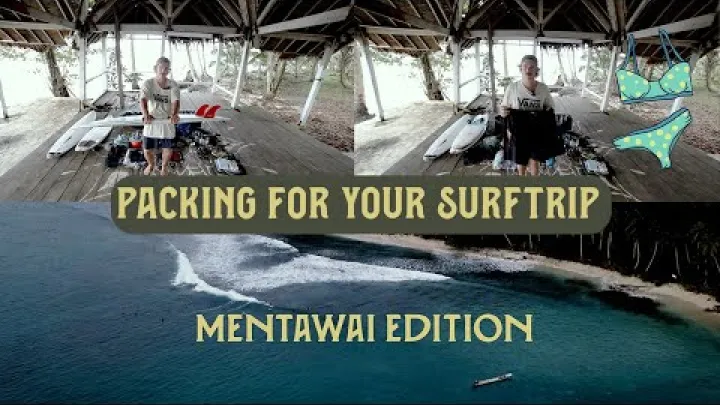
Indonesia uses 230V electricity with Type C and F plugs; bring universal adapters and power banks. Buy a local SIM such as Telkomsel for broad coverage and use offline maps in remote areas. Choose travel insurance that explicitly covers surfing and medical evacuation. For hardware spares, carry both FCS- and Futures-compatible screws and a 3/32 in (about 2.5 mm) hex key; if you use specialty systems, bring their specific tools and parts.
Crowd strategy and timing
With smart timing and a bit of flexibility, you can find space even in popular zones. Plan sessions around winds and tides, move away from headline breaks on busy swells, and consider alternative islands when crowds spike. Small adjustments—like surfing mid-week or shifting mealtimes—can open up cleaner, quieter windows.
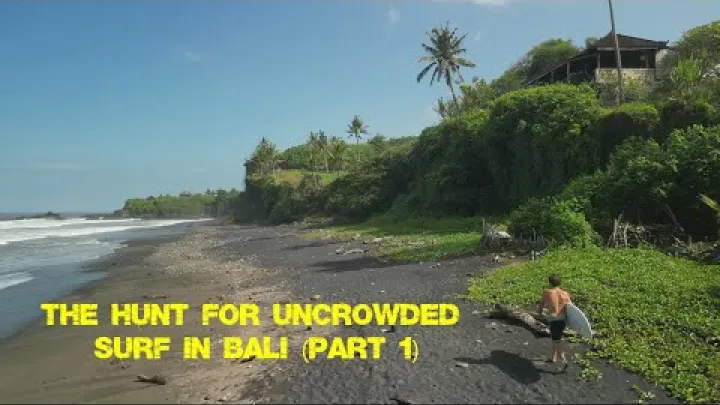
Track local tide tables and understand how each spot behaves across the range. Target dawn patrols for lighter winds, and use channels and inside reform sections to stay active between sets without getting in the way. Respect local rhythm and you will often be rewarded with more waves and better lineups.
Time-of-day and tide tactics
Dawn sessions commonly offer the lightest winds and fewer surfers, especially in dry season when offshore trades tend to increase through the morning. Many shallow reefs are safest and most manageable on mid to higher tides, while certain points come alive at particular stages. Build your schedule around the day’s tide curve and wind forecast, and be prepared to move if the texture shifts.
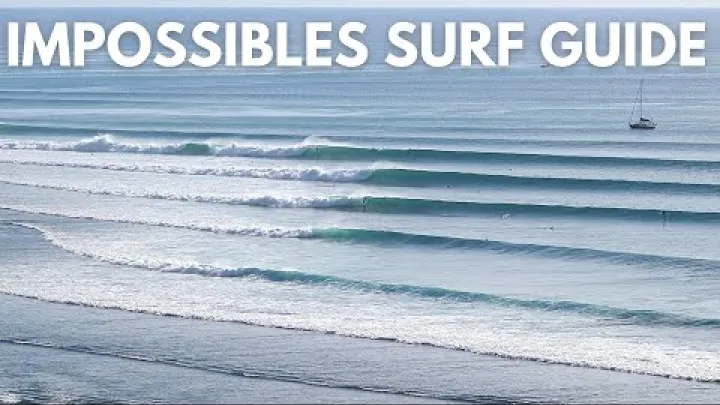
As examples, Bali’s spring tide range often reaches about 1.5–2.5 meters, which can change a reef break’s character within an hour. In the Mentawai Islands, tidal ranges are usually a bit smaller (roughly 1–2 meters), but still enough to open or close sections and influence current strength. Keep a tide app synced for local ports and note that even small differences matter at shallow passes.
Regional crowd alternatives
If Bali’s Bukit is packed, consider West Sumbawa or Rote for fewer surfers and plenty of quality. When Uluwatu and Canggu are busy, Batu Karas (Java) or Gerupuk (Lombok) can be calmer alternatives with friendlier waves. In the Mentawai Islands, explore Playgrounds on smaller days and avoid marquee swells if you want a quieter lineup.
There are trade-offs to crowd avoidance. Quieter zones may have smaller average swell, longer and costlier travel, or limited amenities and medical facilities. Balance your tolerance for logistics with your desire for space in the water, and plan redundancies in transport and communications when heading to remote islands.
Frequently Asked Questions
What are the best months to surf in Indonesia?
The best months are April to September (dry season) when southeast trade winds groom consistent Indian Ocean swells. June–August are the most reliable but also most crowded. Shoulder months (April–May, September) often balance quality and crowd levels. Mentawai can be glassy with light winds much of the year.
Where are the best surf spots in Indonesia for intermediate surfers?
Top intermediate zones include Balangan and smaller days at Canggu (Bali), Four Bobs and Beng Bengs (Mentawai), Batu Karas (Java), and Gerupuk/Ekas (Lombok). Burger World in Mentawai is a good low-season fallback. Aim for mid tides and moderate swell to keep conditions manageable.
Is Indonesia good for beginner surfers?
Yes, beginners can learn at sand-bottom beaches like Kuta (Bali) and mellow points such as Batu Karas (Java). Choose smaller days, soft-top boards, and lessons from licensed schools. Avoid shallow reef breaks until you have strong paddling, timing, and safety skills.
Do you need a wetsuit for surfing in Indonesia?
No, water is tropical year-round (about 26–29°C or 79–84°F), so a wetsuit is not required. Most surfers wear boardshorts or a swimsuit plus a rashguard or thin top for sun and reef protection. Reef booties are optional but useful on sharp coral.
How much does a Mentawai surf charter cost?
Typical Mentawai charters cost about USD 2,200–3,500 per person for roughly 10 surf days/11 nights. Prices vary by boat, season, group size, and inclusions (meals, transfers, photography). Budget extra for flights to Padang, board fees, tips, and travel insurance.
Where can you surf in Indonesia during the wet season (Nov–Mar)?
During the wet season, look to east-facing or wind-sheltered coasts like Lombok’s Gerupuk and Ekas, parts of Bali with morning offshores, and select Mentawai zones that stay glassy. Expect smaller swells, flexible timing, and wind-chasing for best results. Crowds are usually lighter.
Is G-Land suitable for intermediate surfers?
G-Land is primarily for advanced surfers due to fast, hollow sections over shallow reef. Intermediates may find occasional manageable windows on smaller, higher-tide days with guidance. Consider building skills at friendlier reefs before attempting G-Land.
What safety precautions are recommended for Indonesia’s reef breaks?
Wear a leash, consider booties, and know the entry/exit channels before paddling out. Avoid head-first dives, carry basic first aid for cuts, and keep vaccinations and travel insurance current. Respect lineup rules and locals to reduce risk and conflict.
Conclusion and next steps
Indonesia offers a rare balance of consistency, variety, and warm water, with clear seasonal patterns that help you plan. Match regions and tides to your level, prepare for reef safety, and choose the right mix of mobility and comfort in your accommodation. With flexible timing and respect for local communities and environments, you can find memorable waves across the archipelago.
Select area
Create a post
Posting is free and no registration is required.