Indonesia Traditional Clothes: Types, Names, and Cultural Significance Explained
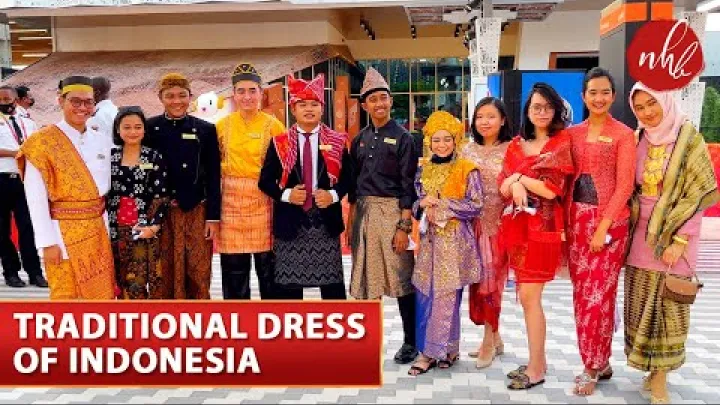
Indonesia is renowned for its remarkable cultural diversity, reflected in the vibrant array of traditional clothes found across its many islands. Indonesia traditional clothes are more than just garments—they are living symbols of heritage, identity, and artistry. From the intricate batik patterns of Java to the elegant kebaya and the unique textiles of Sumatra and Eastern Indonesia, each piece tells a story of history, community, and craftsmanship. This guide explores the types, names, and cultural significance of traditional clothes in Indonesia, offering insights for travelers, students, and anyone interested in the nation’s rich textile traditions.
What Are Indonesian Traditional Clothes?
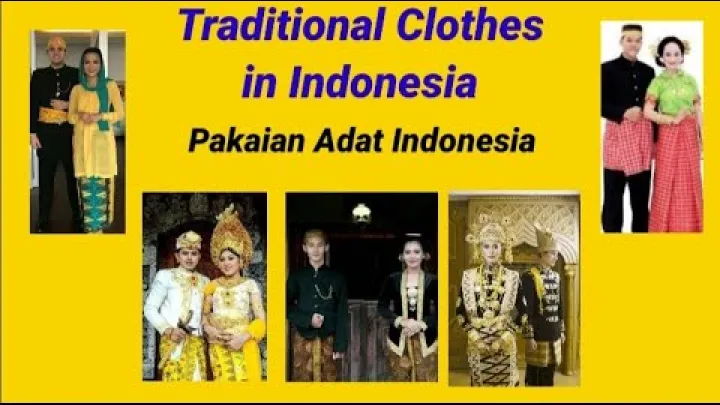
Indonesian traditional clothes are garments and textiles that originate from the diverse cultures and regions of Indonesia, each with unique designs, materials, and meanings rooted in centuries-old traditions.
- Deep cultural and historical roots in Indonesian society
- Variety of styles across more than 17,000 islands
- Symbolize identity, status, and community
- Used in ceremonies, rituals, and daily life
- Famous examples: Batik, Kebaya, Ulos, Songket, Ikat
Indonesia traditional clothes reflect the nation’s rich heritage and the influence of local customs, religions, and historical events. Each region boasts its own distinctive attire, from the formal kebaya and batik of Java to the handwoven ikat of Eastern Indonesia. These garments are not only worn for special occasions but also serve as everyday wear in some communities, highlighting the enduring importance of traditional clothes in Indonesia’s cultural landscape.
Major Types of Traditional Clothing in Indonesia
Indonesia’s traditional clothing is as diverse as its people, with each region offering unique styles and techniques. The most prominent types of traditional clothes in Indonesia include:
- Batik – A wax-resist dyed textile, recognized as Indonesia’s national textile
- Kebaya – An elegant blouse-dress combination, iconic for Indonesian women
- Ulos – A handwoven cloth from North Sumatra, symbolizing blessings and unity
- Songket – A luxurious, gold-threaded fabric from Sumatra and other regions
- Ikat – A tie-dye weaving technique, especially popular in Eastern Indonesia
- Baju Koko – A traditional men’s shirt, often worn with a peci cap
- Sarong – A versatile, wrap-around cloth worn by both men and women
| Clothing Name | Region of Origin |
|---|---|
| Batik | Java, nationwide |
| Kebaya | Java, Bali, Sumatra |
| Ulos | North Sumatra (Batak) |
| Songket | Sumatra, Bali, Lombok |
| Ikat | East Nusa Tenggara, Sumba, Flores |
| Baju Koko | Java, nationwide |
| Sarong | Nationwide |
These traditional clothes in Indonesia are celebrated for their beauty, craftsmanship, and the stories they tell about the country’s diverse communities. Whether worn for ceremonies, daily life, or as a symbol of national pride, each type holds a special place in Indonesian culture.
Batik: Indonesia’s National Textile
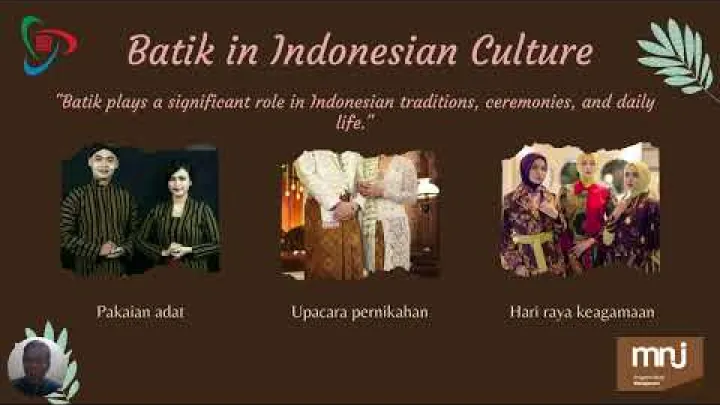
Originating from Java, batik involves a unique wax-resist dyeing technique where artisans use a canting (a pen-like tool) or a cap (copper stamp) to apply hot wax to fabric, creating intricate patterns. The cloth is then dyed, and the wax is removed, revealing beautiful motifs that often carry deep symbolic meanings.
The history of batik dates back centuries, with evidence of its use in royal courts and among common people alike. Batik patterns are not only decorative but also serve as markers of social status, regional identity, and even philosophical beliefs. Today, batik is worn across Indonesia for both formal and everyday occasions, and its influence has spread internationally, making it a symbol of Indonesian culture worldwide.
| Batik Pattern | Meaning |
|---|---|
| Parang | Strength and resilience |
| Kawung | Purity and justice |
| Truntum | Everlasting love |
| Megamendung | Patience and calmness |
Batik’s enduring appeal lies in its adaptability—modern designers continue to reinterpret traditional motifs, ensuring that batik remains a vibrant part of Indonesia’s cultural and fashion landscape.
Kebaya: The Iconic Women’s Attire
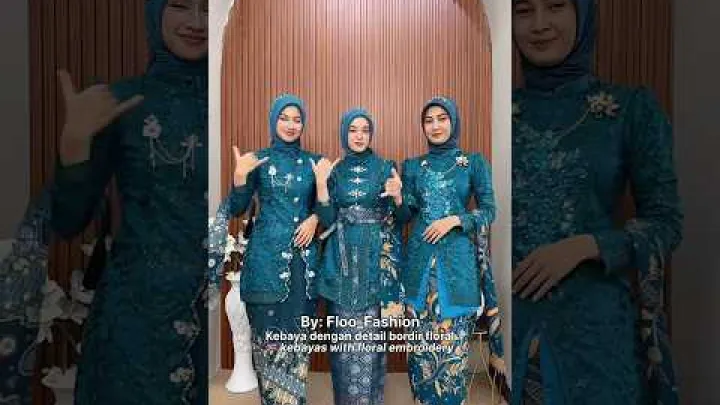
The kebaya is a traditional blouse-dress ensemble that has become an enduring symbol of Indonesian femininity and grace. Typically made from sheer fabrics such as cotton, silk, or lace, the kebaya is often adorned with intricate embroidery or beadwork. It is usually paired with a batik or songket sarong, creating a harmonious blend of textures and patterns.
There are many regional variations of the kebaya, each reflecting local tastes and traditions. For example, the Kebaya Kartini from Java is known for its simple elegance, while the Balinese kebaya features vibrant colors and elaborate designs. The kebaya is commonly worn during formal events, weddings, national holidays, and traditional ceremonies. In recent years, it has also been embraced as modern office or evening wear, demonstrating its timeless appeal and versatility.
Men’s Traditional Clothing: Peci, Baju Koko, and More
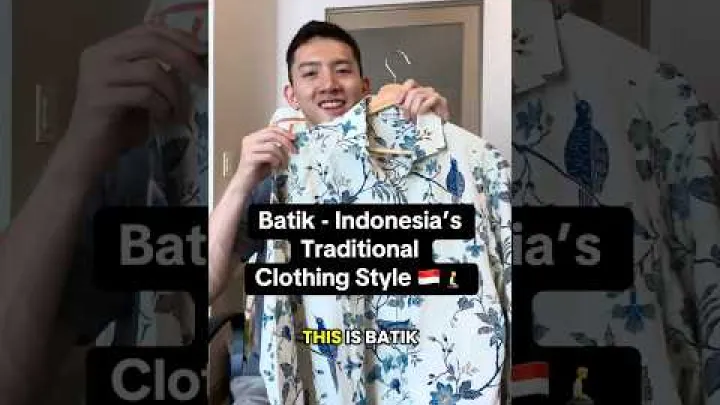
Traditional clothes for men in Indonesia are equally diverse and meaningful. The peci, a black velvet cap, is a national symbol often worn during formal occasions and religious events. The baju koko is a collarless, long-sleeved shirt, typically paired with a sarong or trousers, and is especially popular for Friday prayers and Islamic celebrations. In many regions, men also wear kain (cloth wraps), ikat headbands, or traditional jackets such as the beskap in Java.
- Peci: Black cap, symbol of national and religious identity
- Baju Koko: Collarless shirt, worn for prayers and ceremonies
- Sarong: Wrap-around cloth, used for daily wear and rituals
- Beskap: Formal Javanese jacket, worn at weddings and official events
- Ulos or Songket: Worn as shoulder cloths or sashes in Sumatra and other regions
| Clothing Item | Region | Cultural/Religious Significance |
|---|---|---|
| Peci | Nationwide | National identity, Islamic tradition |
| Baju Koko | Java, Sumatra | Religious ceremonies, daily wear |
| Sarong | Nationwide | Versatile, used in rituals and daily life |
| Beskap | Java | Weddings, formal events |
These garments not only reflect Indonesia’s cultural diversity but also play important roles in expressing religious devotion, social status, and regional pride.
Regional Variations and Unique Styles
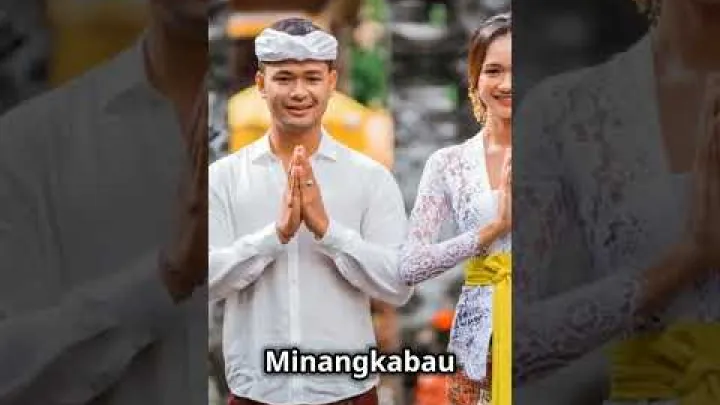
Indonesia’s vast archipelago is home to hundreds of ethnic groups, each with its own distinctive traditional clothing. The diversity of Indonesia traditional clothes is especially evident when comparing attire from Sumatra, Java, Bali, and Eastern Indonesia. Local history, climate, religious beliefs, and available materials all influence the design and function of these garments. For example, the gold-threaded songket of Sumatra reflects the region’s royal heritage, while the colorful ikat textiles of Eastern Indonesia showcase intricate weaving skills passed down through generations.
- Sumatra: Known for Ulos and Songket, often featuring metallic threads and ceremonial use
- Java: Famous for Batik and Kebaya, with patterns denoting social status and occasion
- Bali: Features vibrant, layered outfits for temple ceremonies and festivals
- Eastern Indonesia: Renowned for Ikat and Tenun, with bold colors and symbolic motifs
| Region | Signature Attire |
|---|---|
| Sumatra | Ulos, Songket |
| Java | Batik, Kebaya, Beskap |
| Bali | Kebaya Bali, Kamen, Udeng |
| Eastern Indonesia | Ikat, Tenun, Sash |
These regional styles are not only visually striking but also carry deep cultural meanings. For instance, certain patterns or colors may be reserved for nobility, while others are worn during specific ceremonies. The influence of local culture and history is evident in every stitch, making Indonesia’s traditional clothes a living testament to the nation’s diversity and creativity.
Sumatran Traditional Attire
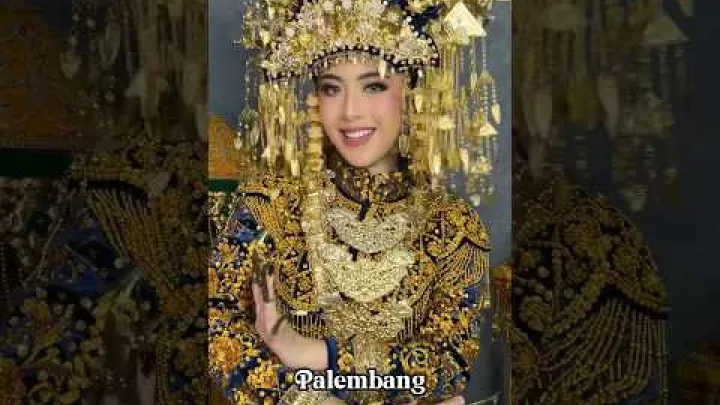
Sumatra is celebrated for its luxurious and symbolic traditional clothing, particularly the ulos and songket textiles. Ulos is a handwoven cloth made by the Batak people of North Sumatra, often used in ceremonies to symbolize blessings, unity, and respect. Ulos is typically draped over the shoulders or wrapped around the body during important life events such as weddings, births, and funerals. The intricate patterns and vibrant colors of ulos reflect the weaver’s skill and the wearer’s social status.
Songket, another hallmark of Sumatran attire, is a brocade fabric woven with gold or silver threads. Originating from the Minangkabau and Palembang regions, songket is traditionally worn by royalty and during festive occasions. The creation of songket involves weaving metallic threads into silk or cotton, resulting in shimmering, ornate patterns. Unique materials and techniques, such as the use of natural dyes and hand-operated looms, set Sumatran textiles apart from those of other regions.
- Ulos: Cotton, natural dyes, supplementary weft weaving
- Songket: Silk or cotton base, gold/silver threads, brocade weaving
These textiles are not only prized for their beauty but also for their role in preserving Sumatran cultural identity and traditions.
Eastern Indonesian Textiles and Techniques
![Preview image for the video "[FULL] Journey - Tenun Timur Indonesia".](/sites/default/files/styles/media_720x405/public/oembed_thumbnails/2025-07/ypkGAbid4A9JoAB7knS7XR5Q88JuXIQ2HlkdnLxmXEo.jpg.webp?itok=zKgkM2ua "Preview image for the video \"[FULL] Journey - Tenun Timur Indonesia\".")
Eastern Indonesia is renowned for its distinctive handwoven textiles, especially ikat and tenun. Ikat is a complex dyeing and weaving technique where threads are tied and dyed before being woven into fabric, resulting in bold, geometric patterns. Regions such as Sumba, Flores, and East Nusa Tenggara are famous for their ikat, each with unique motifs that often represent ancestral stories, local flora and fauna, or spiritual beliefs.
The process of creating ikat and tenun is labor-intensive and requires great skill. Artisans use natural fibers like cotton and dyes derived from local plants, such as indigo and morinda. The symbolism embedded in these textiles is profound—certain patterns are reserved for rituals, while others signify clan identity or social status. Despite their cultural importance, these traditional techniques face challenges from mass production and changing fashion trends. Efforts to preserve and promote Eastern Indonesian textiles include community cooperatives, government support, and collaborations with contemporary designers.
- Ikat: Tie-dye weaving, symbolic motifs, natural dyes
- Tenun: Handloom weaving, regional patterns, community-based production
These textiles are treasured not only for their artistry but also for their role in sustaining local economies and cultural heritage.
Textile Techniques and Materials Used
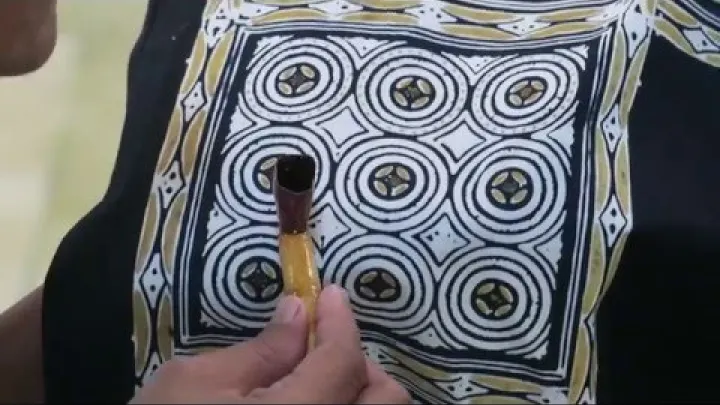
Indonesia’s traditional clothes are crafted using a variety of textile techniques and natural materials, each contributing to the unique character of the garments. The most prominent techniques include batik (wax-resist dyeing), ikat (tie-dye weaving), and songket (brocade weaving with metallic threads). Artisans often use locally sourced materials such as cotton, silk, and natural dyes derived from plants, roots, and minerals. These methods have been passed down through generations, preserving both the skills and the cultural meanings embedded in each piece.
| Technique | Main Materials | Region |
|---|---|---|
| Batik | Cotton, silk, natural dyes | Java, nationwide |
| Ikat | Cotton, natural dyes | Eastern Indonesia |
| Songket | Silk, cotton, gold/silver threads | Sumatra, Bali, Lombok |
For example, the batik process involves drawing patterns with hot wax on fabric, dyeing the cloth, and then removing the wax to reveal intricate designs. This step-by-step method allows for endless creativity and variation. The use of natural materials not only ensures the durability and comfort of the garments but also reflects a deep respect for the environment and local resources.
| Dye Source | Color Produced |
|---|---|
| Indigofera tinctoria | Blue |
| Morinda citrifolia | Red |
| Mango leaves | Green |
| Sappan wood | Pink/Red |
| Coconut husk | Brown |
These traditional techniques and materials are essential to the authenticity and sustainability of Indonesia’s textile heritage.
Batik, Ikat, and Songket Explained
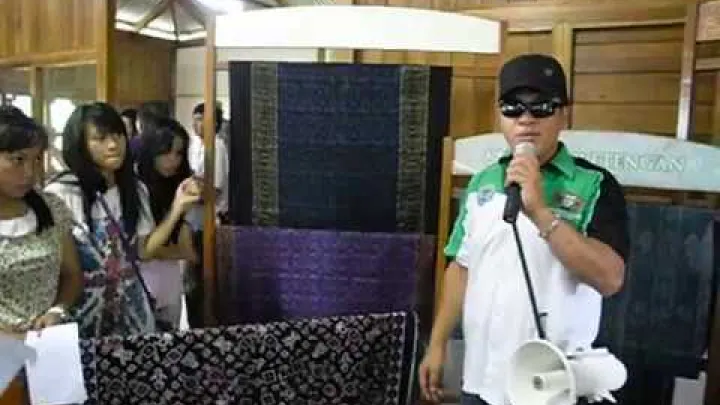
Batik, ikat, and songket are the three most celebrated textile techniques in Indonesia, each with its own distinct process and cultural significance. Batik is created by applying hot wax to fabric in specific patterns, dyeing the cloth, and then removing the wax to reveal the design. This method allows for highly detailed and symbolic motifs, often reflecting philosophical or spiritual themes. Batik is especially prominent in Java, where it is worn for both daily and ceremonial occasions.
Ikat, on the other hand, involves tying sections of yarn with resist material before dyeing, then weaving the colored threads into fabric. This technique is most common in Eastern Indonesia and is known for its bold, geometric patterns. Songket is a luxurious brocade fabric woven with gold or silver threads, traditionally reserved for royalty and special ceremonies in Sumatra, Bali, and Lombok. Each technique not only produces visually stunning textiles but also serves as a marker of regional identity and social status.
| Technique | Process | Key Regions |
|---|---|---|
| Batik | Wax-resist dyeing | Java, nationwide |
| Ikat | Tie-dye weaving | Eastern Indonesia |
| Songket | Brocade weaving with metallic threads | Sumatra, Bali, Lombok |
These techniques are not only artistic expressions but also vital to the preservation of Indonesia’s cultural heritage.
Natural Dyes and Traditional Materials
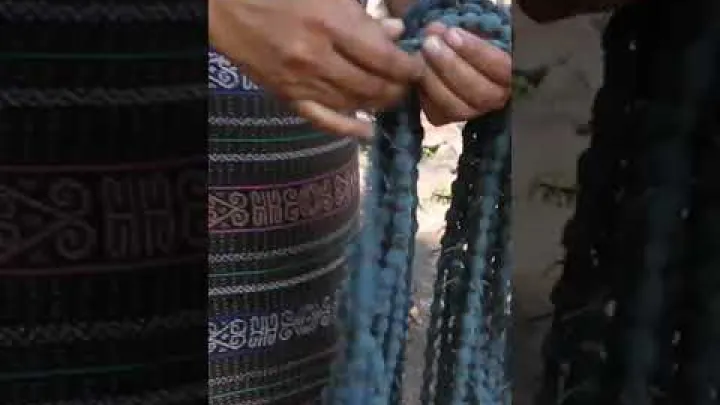
Indonesian traditional textiles are renowned for their use of natural dyes and locally sourced materials. Artisans often rely on plants, roots, bark, and minerals to produce a wide range of vibrant colors. For example, indigo leaves yield deep blues, while morinda roots provide rich reds. Cotton and silk are the most common fabrics, valued for their comfort and ability to absorb dyes effectively. The use of natural materials is both an environmental and cultural choice, reflecting a commitment to sustainability and respect for ancestral traditions.
Using natural dyes not only reduces environmental impact but also enhances the uniqueness of each textile. The process of extracting and applying these dyes requires specialized knowledge, often passed down through generations. This connection to nature and tradition is a key reason why Indonesian textiles are so highly valued, both locally and internationally.
| Plant Source | Color |
|---|---|
| Indigofera tinctoria | Blue |
| Morinda citrifolia | Red |
| Mango leaves | Green |
| Sappan wood | Pink/Red |
| Coconut husk | Brown |
The continued use of natural dyes and materials is essential for maintaining the authenticity and sustainability of Indonesia’s traditional clothes.
Social and Ceremonial Significance
Traditional clothing in Indonesia plays a vital role in social and ceremonial life, serving as a marker of identity, status, and community belonging. These garments are worn during important life events such as weddings, funerals, and religious ceremonies, where they symbolize respect, unity, and continuity of tradition. The choice of attire often reflects the wearer’s social rank, marital status, or ethnic background, with specific patterns, colors, and accessories reserved for certain groups or occasions.
For example, in Javanese weddings, the bride and groom wear elaborate batik and kebaya outfits, each motif chosen for its auspicious meaning. In Bali, temple ceremonies require participants to don specific attire, including white kebaya and kamen (sarong), as a sign of purity and devotion. Funerals in Toraja, Sulawesi, feature distinctive handwoven textiles that honor the deceased and their family’s social standing. These practices highlight the deep connection between clothing, ritual, and social structure in Indonesian society.
Beyond ceremonies, traditional clothes are also used to express everyday identity and pride. In some regions, certain garments are worn daily, while in others, they are reserved for special occasions. The continued use of traditional attire in modern Indonesia demonstrates the enduring importance of these cultural symbols.
Clothing in Life-Cycle Rituals
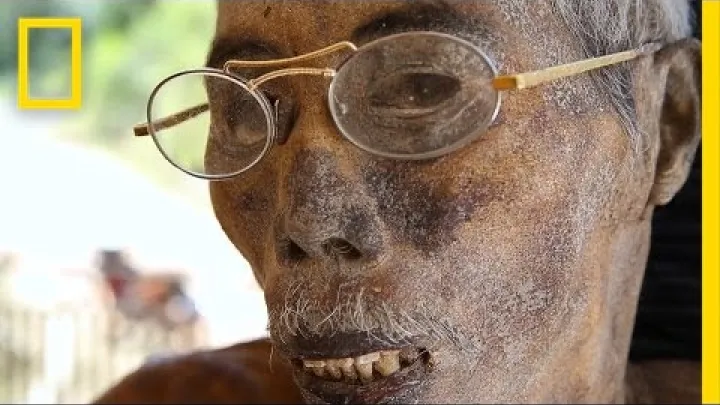
Traditional attire is central to life-cycle rituals in Indonesia, marking significant milestones such as birth, marriage, and death. During weddings, for instance, Javanese couples often wear matching batik sarongs and kebaya, with specific patterns chosen to bring good fortune and harmony. In North Sumatra, the ulos cloth is draped over newlyweds as a blessing from the community, symbolizing unity and protection. These garments are not only beautiful but also imbued with deep cultural meaning, connecting individuals to their families and ancestors.
Funerals and coming-of-age ceremonies also feature distinctive clothing. In Toraja, Sulawesi, the deceased are wrapped in handwoven textiles that signify their social status and family lineage. In Bali, children participating in tooth-filing ceremonies—a rite of passage—wear traditional outfits that reflect purity and readiness for adulthood. These regional variations demonstrate the adaptability and significance of traditional clothes in marking life’s most important events.
Social Status and Symbolism
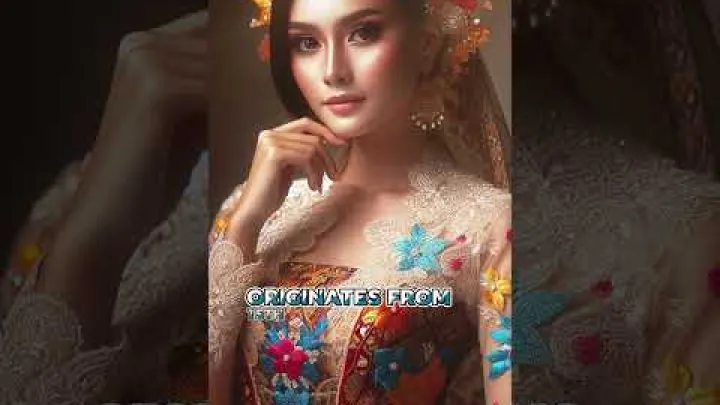
Clothing in Indonesia has long been used to indicate social rank, profession, and community identity. Historically, certain batik patterns or songket designs were reserved for royalty or nobility, with strict rules governing who could wear specific motifs or colors. For example, the parang batik pattern was once exclusive to the Javanese royal family, while gold-threaded songket was a symbol of Minangkabau aristocracy. These customary restrictions reinforced social hierarchies and cultural boundaries within communities.
In modern Indonesia, traditional clothes continue to serve as markers of identity and pride, though legal restrictions have largely faded. Today, anyone can wear batik or kebaya, but the choice of pattern, color, and accessories may still signal regional origin, religious affiliation, or social status. For example, the peci cap is often associated with national identity and Islamic faith, while specific ikat patterns denote clan membership in Eastern Indonesia. These symbols help maintain a sense of belonging and continuity in a rapidly changing society.
Preservation and Modern Adaptations
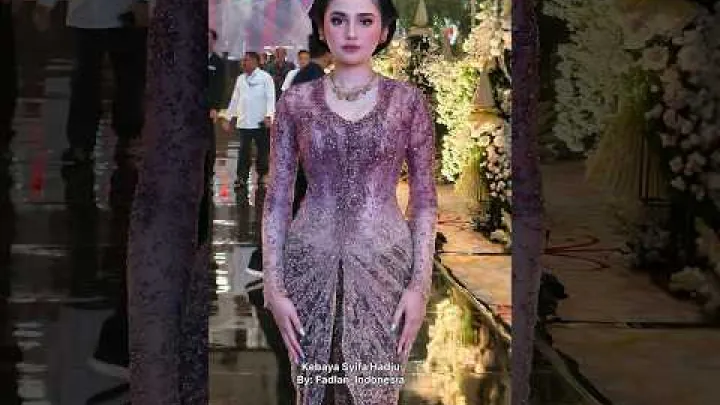
Efforts to preserve Indonesia’s traditional clothes are ongoing, as communities, artisans, and organizations work to safeguard these cultural treasures for future generations. Preservation initiatives include government-sponsored programs, cultural festivals, and educational workshops that teach traditional textile techniques to young people. Museums and cultural centers across Indonesia also play a vital role in documenting and displaying traditional attire, raising awareness of their historical and artistic value.
Despite these efforts, traditional clothing faces challenges from mass production, changing fashion trends, and the loss of artisanal skills. Many young Indonesians are drawn to modern styles, and the time-consuming nature of handwoven textiles can make them less accessible. To address these challenges, contemporary designers are incorporating traditional motifs and techniques into modern fashion, creating garments that appeal to younger generations while honoring their heritage. For example, batik and ikat patterns are now featured in office wear, evening gowns, and even international fashion runways.
Collaborations between artisans and designers, as well as support from government and non-profit organizations, are helping to ensure that Indonesia’s traditional clothes remain relevant and cherished. By blending tradition with innovation, these efforts celebrate the enduring beauty and significance of Indonesia’s textile heritage.
Frequently Asked Questions
What are the names of traditional clothes in Indonesia?
Some of the most well-known traditional clothes in Indonesia include batik, kebaya, ulos, songket, ikat, baju koko, peci, and sarong. Each region has its own unique styles and names for traditional attire.
What is the significance of batik in Indonesian culture?
Batik is considered Indonesia’s national textile and is recognized for its intricate patterns and symbolic meanings. It is worn during ceremonies, formal events, and daily life, representing cultural identity and artistic heritage.
What do Indonesian men traditionally wear?
Indonesian men often wear the peci (cap), baju koko (collarless shirt), sarong (wrap-around cloth), and regional garments such as beskap or ulos, depending on the occasion and location.
Where can I see or buy Indonesian traditional clothes?
You can find traditional clothes in local markets, specialty boutiques, and cultural centers throughout Indonesia. Major cities like Jakarta, Yogyakarta, and Bali offer a wide selection, and many artisans also sell their work online.
Are traditional clothes still worn in Indonesia today?
Yes, traditional clothes are still widely worn in Indonesia, especially during ceremonies, religious events, and national holidays. Many people also incorporate traditional elements into modern fashion.
What materials are used in Indonesian traditional textiles?
Common materials include cotton, silk, and natural fibers, often dyed with plant-based colors such as indigo, morinda, and sappan wood. Metallic threads are used in songket for added luxury.
How is batik made?
Batik is made by applying hot wax to fabric in specific patterns, dyeing the cloth, and then removing the wax to reveal the design. This process can be repeated with different colors for complex motifs.
What is the difference between ikat and songket?
Ikat is a tie-dye weaving technique where threads are dyed before weaving, creating bold patterns. Songket is a brocade fabric woven with gold or silver threads, resulting in shimmering, ornate designs.
Conclusion
Indonesia’s traditional clothes are a vibrant expression of the nation’s cultural diversity, history, and artistry. From the world-famous batik and elegant kebaya to the unique textiles of Sumatra and Eastern Indonesia, each garment tells a story of identity and tradition. As these styles continue to inspire both preservation and modern adaptation, they invite everyone to explore and appreciate the rich heritage of Indonesia. Whether you are a traveler, student, or cultural enthusiast, learning about Indonesia traditional clothes offers a meaningful way to connect with the heart of this remarkable country.
Select area
Create a post
Posting is free and no registration is required.