Indonesia Airlines Guide: Carriers, Safety, Hubs, and Ticket Prices
Travelers can choose between full-service, low-cost, and ultra-low-cost options, each with different inclusions and price structures. This guide explains the major carriers, routes, hubs, safety context, and practical tips to help you compare prices and select the right airline for your trip.
Quick facts about airlines in Indonesia
Air travel is essential in Indonesia due to the country’s geography, with flights bridging long distances between islands and major economic centers. Most travelers will pass through Jakarta Soekarno–Hatta (CGK), which links domestic trunk routes and international services. Bali (DPS) focuses on leisure and regional connectivity, while hubs such as Surabaya (SUB), Makassar (UPG), and Medan (KNO) distribute traffic to eastern and western Indonesia. Demand patterns can shift quickly with holidays, school breaks, and weather, so planning buffers and comparing total trip costs are smart moves.

Capacity is strongest on trunk routes such as CGK–DPS (Bali), CGK–SUB (Surabaya), and CGK–KNO (Medan), with increasing links among secondary cities as fleets and airports expand. The market contains full-service carriers (meals, checked baggage on many fares), low-cost airlines (unbundled fares with paid add-ons), and ultra-low-cost operators (bare-bones pricing with strict baggage rules). Safety oversight now aligns with international standards, and airlines are updating fleets to more efficient aircraft to meet growth and environmental goals.
- Best value varies by route; compare total cost including baggage, seats, and payment fees.
- Aim for morning flights to reduce weather-related delays and congestion risks.
- Self-transfer time at large hubs is longer than at smaller airports; plan 75–120 minutes at CGK.
- During peak holidays (Idul Fitri, Christmas–New Year), book early and expect higher fares.
Market size and growth at a glance
Indonesia’s aviation market is built on the need to connect a vast archipelago where sea and land travel can be slow. Domestic traffic on trunk routes has rebounded strongly in recent years, helped by growing tourism, e-commerce logistics, and regional business links. While exact figures fluctuate, a stable view is that demand has been expanding at roughly a high single-digit pace annually over the medium term, with variability by season and route.
Growth has been uneven across regions. Java-centric routes command the most capacity, especially via Jakarta, while eastern Indonesia depends on a mix of jet and turboprop services that can be more weather-sensitive. Capacity is concentrated on CGK–DPS, CGK–SUB, and CGK–KNO, but point-to-point links between secondary cities are expanding as airlines deploy narrowbodies and regional aircraft more efficiently. Travelers should expect maturing networks on both leisure and business corridors, alongside dynamic fare patterns tied to holiday peaks and fuel trends.
Airline segments: full-service, low-cost, ultra-low-cost
Indonesia offers three broad segments. Full-service carriers, led by Garuda Indonesia, include standard seat assignments, complimentary meals, and usually a checked bag on most economy fares. Low-cost carriers (LCCs) such as Lion Air, Citilink, and Indonesia AirAsia sell unbundled base fares and offer paid add-ons like baggage, seat selection, and meals. Ultra-low-cost carriers (ULCCs), represented by Super Air Jet, emphasize the lowest base fares, tighter seating, and a stricter, a la carte approach.

As a quick comfort guide, typical economy seat pitch is about 31–32 in on full-service airlines, around 29–30 in on many LCCs, and often near 28–29 in on ULCCs, though exact values vary by aircraft and layout. Change and refund rules differ by segment: full-service fares may allow limited changes or refunds depending on fare class, LCCs often allow changes with fees and offer credits rather than refunds on the lowest fares, and ULCCs tend to have the tightest restrictions. Always verify the rules tied to your specific fare family during booking.
| Segment | Typical Seat Pitch | Inclusions | Flexibility |
|---|---|---|---|
| Full-service | 31–32 in | Meal, standard seat, checked bag on many fares | Changes/refunds vary by fare; more flexible options available |
| LCC | 29–30 in | Carry-on only; paid baggage, seats, meals | Changes allowed with fees; refunds limited, credits common |
| ULCC | 28–29 in | Strict carry-on limits; all extras a la carte | Most restrictive; changes/credits often with fees |
Major airlines operating in Indonesia
Indonesia’s market is anchored by the national carrier Garuda Indonesia and several large groups that cover full-service and low-cost needs. The Lion Air Group operates Lion Air (LCC), Batik Air (a hybrid/full-service-lite model), Wings Air (regional turboprops), and Super Air Jet (ULCC). Citilink serves as Garuda’s low-cost arm with significant domestic presence. Indonesia AirAsia connects major Indonesian cities to Southeast Asia and beyond with an app-centric, add-on driven model.

Each group leans on different strengths: Garuda’s appeal is service quality, alliances, and premium cabins on long and medium-haul sectors; Lion Air Group offers unmatched domestic breadth and high frequencies; Citilink competes on price with links to Garuda’s network; and Indonesia AirAsia typically wins on simple, low base fares and digital management of extras. When comparing, weigh schedule reliability, total trip cost (bags, seats, payment fees), connection convenience, and loyalty benefits. For mixed itineraries, consider whether through-checking bags is offered, or if you must self-transfer and recheck.
Garuda Indonesia (flag carrier, SkyTeam, full-service)
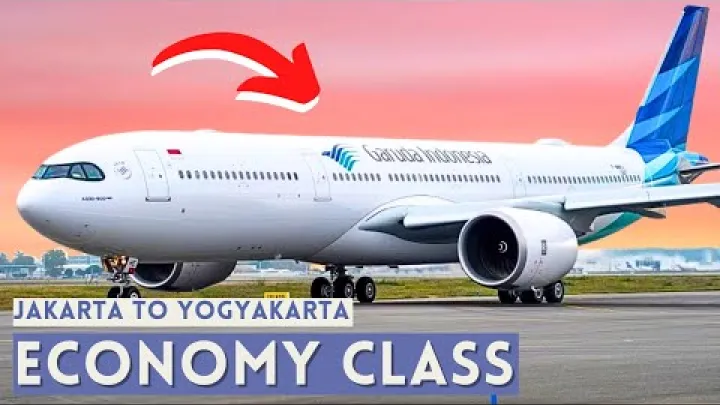
Garuda Indonesia is the national flag carrier with a primary hub at Jakarta Soekarno–Hatta Terminal 3 and a strong presence at Bali (DPS). As a SkyTeam member, it offers reciprocal benefits and connectivity via partner airlines worldwide. Onboard, economy fares typically include complimentary meals, beverages, and standard seat assignments, and many domestic fares include a checked bag. Garuda maintains a strong safety and service reputation, which helps address common “is Garuda Indonesia safe” concerns.
Fleet and routes vary by season. Long-haul and longer regional flights are commonly operated by widebodies such as Airbus A330 variants or Boeing 777, while busy domestic routes often see Boeing 737 or Airbus A320 family aircraft (including via group operations). A typical economy baggage inclusion on core domestic fares is often around 20–23 kg, and international economy is commonly around 23–30 kg depending on route and fare, but always verify your ticket’s allowance. Lounge access and priority services apply for eligible fare classes and status holders.
Lion Air Group: Lion Air, Batik Air, Wings Air, Super Air Jet
Lion Air Group provides vast domestic coverage through multiple brands. Lion Air (LCC) focuses on no-frills pricing with paid extras, Batik Air positions as hybrid/full-service-lite with complimentary snacks or light meals on some routes and more inclusive options, Wings Air flies regional turboprops to smaller airports, and Super Air Jet targets the ULCC niche with bare-bones fares. Hubs at CGK (Jakarta), SUB (Surabaya), and DPS (Bali) support high-frequency trunk routes and broad inter-island connectivity.

Garuda vs Batik Air: Garuda generally includes fuller service elements and often stronger lounge and alliance benefits, while Batik Air typically offers competitive pricing, some inclusions, and extensive domestic coverage. For reliability, allow generous buffers if you are self-connecting, as punctuality can vary with weather and congestion. If you need a tight connection, consider a single ticket on one airline or group to reduce misconnection risk and simplify irregular operations handling.
Citilink (Garuda Group low-cost)
Citilink operates primarily Airbus A320 family aircraft and focuses on high-demand domestic and short regional routes. Base fares include a small cabin bag, with paid add-ons for checked baggage, seat selection, and meals. Pricing is usually competitive with Lion Air on many routes, and passengers value Citilink’s app and online channels for managing extras and check-in.
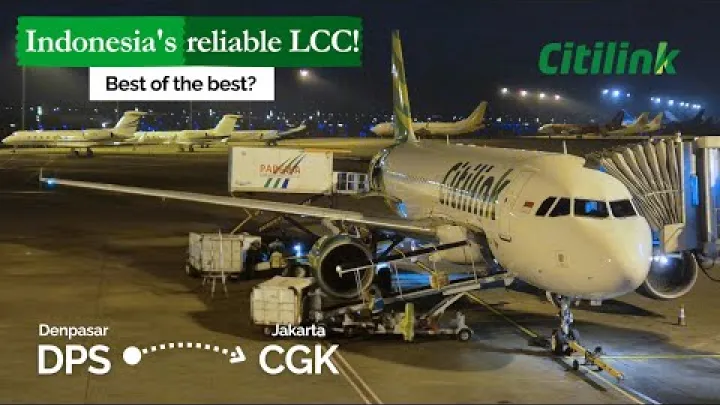
When booked on the same itinerary with Garuda Indonesia, selected routes may allow through-checking baggage and protected connections; if you buy separate tickets, you will likely need to recheck bags. Online check-in typically opens 24–48 hours before departure and closes about 1–2 hours prior, while airport check-in counters often close 45–60 minutes before domestic departures. Verify exact timelines for your airport and flight, especially during peak travel periods.
Indonesia AirAsia (AirAsia Group)
Indonesia AirAsia connects major Indonesian cities and popular regional destinations such as Malaysia and Singapore, focusing on low base fares and app-first management of add-ons. The airline’s digital platform makes it simple to add services in advance, which can be cheaper than purchasing at the airport. Operations are centered at CGK, DPS, and selected secondary hubs like KNO (Medan).
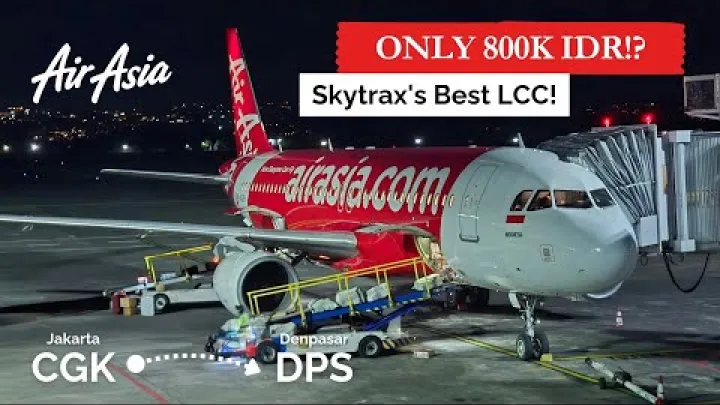
Online check-in is recommended to save time and secure preferred seats.
Other notable carriers and regional operators
Pelita Air and TransNusa are examples of carriers adding or adjusting domestic routes; schedules and fleets evolve, so confirm operations close to your travel date. Sriwijaya Air and Nam Air have had variable activity; verify current status before booking. Niche operators such as Susi Air provide lifeline services to remote communities using small aircraft with limited baggage capacity.

For regional and charter bookings, check airline websites, authorized travel agents, and local airport offices. Charter options may be available for remote destinations or special trips, subject to aircraft availability and safety approvals. On small aircraft, baggage is strictly limited by weight and size; soft-sided bags are often preferred, and larger items may need special handling or advance coordination. Expect weather-driven schedule changes in remote regions and plan extra time.
Safety, regulation, and international access
Indonesia’s aviation safety oversight has strengthened significantly over the past decade, with alignment to ICAO standards and more robust audits. A milestone occurred in 2018, when the European Union lifted its restrictions on Indonesian carriers following sustained improvements. Since then, Indonesian airlines have been able to operate to Europe subject to their own network choices, and major groups have continued investing in training, maintenance, and reporting systems.
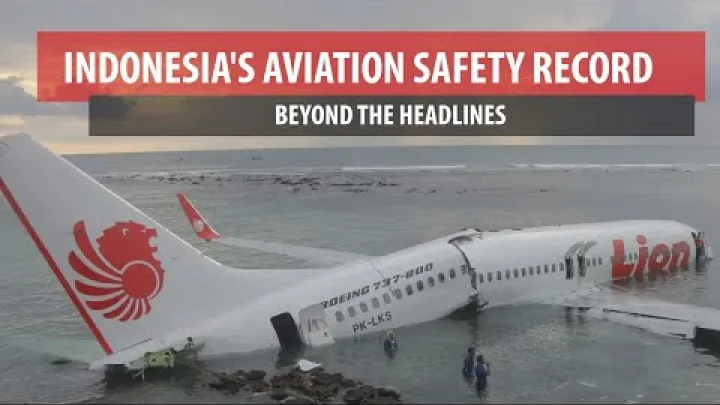
For travelers, the practical question is how to evaluate carrier safety and reliability. Independent audits such as IOSA/ISSA, airline fleet maintenance programs, and transparent reporting are useful indicators. Operationally, you can also manage your own risk by choosing morning flights, building buffers for connections, and checking seasonal weather patterns in monsoon-prone regions. These steps complement the regulatory improvements that now underpin the sector.
EU ban lifted and oversight improvements
The EU’s restrictions on Indonesian airlines, introduced in the late 2000s due to systemic safety concerns, were lifted in 2018 after a multiyear reform program. Milestones included enhanced regulatory capabilities, stronger airline safety management systems, and improved incident reporting and oversight, aligning with ICAO and global norms. The change signaled confidence in Indonesia’s aviation framework and enabled airlines to apply for and operate European services as their networks warranted.

In practical terms, EU authorization means carriers can seek traffic rights to Europe and partners can codeshare where permitted by bilateral agreements. It also helps with insurance and commercial relationships, since compliance with EU standards is a widely recognized benchmark. While actual routes vary by airline strategy and market conditions, the framework now supports Indonesian carriers’ access to Europe, with schedules subject to ongoing operational and economic evaluations.
Safety ratings, audits, and best practices
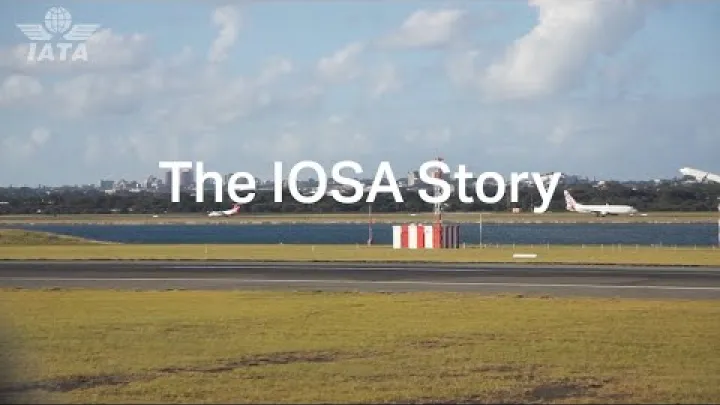
When comparing airlines, check whether a carrier is listed on IOSA (IATA Operational Safety Audit) or ISSA (IATA Standard Safety Assessment). You can verify current listings on IATA’s official website or via airline disclosures, which outline whether independent audits have been completed. These audits examine areas such as operational control, maintenance, crew training, flight operations, and ground handling processes.
Travelers can reduce disruption risk by selecting morning departures, avoiding the tightest connections, and monitoring seasonal weather. Some airports in eastern Indonesia and mountainous regions experience afternoon thunderstorms or low cloud, which can affect turboprop operations. As a rule of thumb, build a buffer of at least 2–3 hours for self-connect itineraries at major hubs, and longer if traveling during peak holiday periods or storm seasons.
Safety, service, and performance snapshot
For an Indonesia airlines review-style overview, Garuda Indonesia frequently earns higher marks for comfort and service, while LCCs and ULCCs lead on price and network breadth. Typical economy seat pitch is around 31–32 in on full-service carriers and about 28–30 in on LCCs/ULCCs, depending on aircraft. Extra-legroom seats are widely sold for a fee, and some carriers offer upgrade bids or day-of-departure upgrades when inventory allows.

On-time performance fluctuates by hub and season. Rounded, directional ranges often observed are CGK around the low-to-mid 70s percent, DPS in the high 60s to high 70s percent, and SUB roughly mid-70s to mid-80s percent, with improvements during off-peak periods. If you are self-connecting, schedule buffers help protect your plans. Consider paying for priority services or earlier departures if timing is critical.
Airport network and main hubs
Indonesia’s hub structure is anchored by Jakarta Soekarno–Hatta (CGK) for national and international connectivity. Bali (DPS) supports a dense leisure network with strong regional links, while Makassar (UPG) is vital for eastern Indonesia. Yogyakarta International Airport (YIA) and Surabaya (SUB) help distribute traffic across Java, and Medan (KNO) anchors connections in Sumatra. Understanding hub operations helps you plan reliable transfers and choose flight times that match your itinerary.
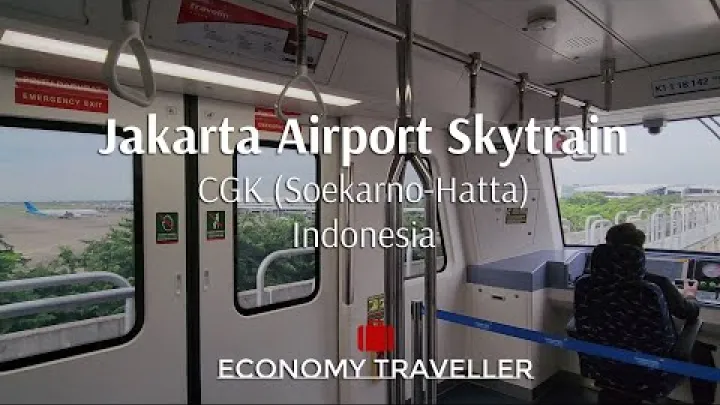
Self-transfers are common, especially when mixing low fares across different airlines. At large hubs, allow generous connection time to change terminals, clear security, and handle baggage recheck if you booked separate tickets. Airport rail links and terminal connectors can save time, but queues during holidays can lengthen even simple procedures.
If your trip involves late-night or early-morning banks, review airport transport options to ensure you can reach your accommodation or next flight comfortably.
Jakarta Soekarno–Hatta (CGK) as primary hub
CGK is Indonesia’s primary hub with three main terminals. Terminal 3 is the base for Garuda Indonesia and many international carriers. Terminals 1 and 2 handle a mix of domestic and regional services, including several low-cost and hybrid operators. Terminal assignments can change as airlines optimize operations, so always check your booking for the latest terminal information.

A rail link connects CGK to central Jakarta, and a Skytrain links terminals. For self-transfers, plan 75–120 minutes depending on terminal changes and baggage needs. International-to-international self-transfers usually require immigration clearance and recheck unless booked on a single itinerary, and some nationalities may need a transit visa; verify the rules for your passport and ticket type. During peak holiday periods, arrive earlier to account for longer queues at security and immigration.
Bali (DPS), Makassar (UPG), Yogyakarta (YIA) and others
Late-night connections can be limited, so consider day flights if you need reliable same-day links. Makassar (UPG) is a strategic hub for eastern Indonesia, with turboprops feeding islands where runways and weather patterns require careful operations. Yogyakarta (YIA) is newer and farther from the city than the old airport, so factor ground travel time into your plans. SUB (Surabaya) and KNO (Medan) can be useful alternates for connections across Java and Sumatra.

When mixing tickets across hubs, expect to reclaim and recheck baggage between airlines; only single, through-issued tickets usually allow checked bags to be transferred automatically. If your itinerary includes tight interline connections, confirm whether your carriers have agreements to through-check bags and honor missed-connection policies.
Ticket prices and how to find deals
Ticket pricing in Indonesia reflects a balance of demand, capacity, fuel costs, and route length. Full-service carriers may appear pricier at first glance but can be good value when you factor in included baggage and meals.

To manage costs, start by defining your baggage needs and flexibility. If you require checked bags, compare bundled fares that include baggage and seat selection, which often price better than buying each item separately at the airport. For domestic routes, alerts 2–6 weeks before departure can catch dips; for regional or international routes, 6–10 weeks is a reasonable monitoring window. Avoid tight connections that might force last-minute rebooking at higher prices if delays occur.
Factors that affect fares in Indonesia
Seasonality is the strongest driver of price swings. Idul Fitri, long weekends, and school holidays can push demand well above normal levels, especially on leisure routes to Bali and Lombok or homecoming corridors across Java and Sumatra. Capacity, fuel prices, and flight distance (stage length) influence base fares and surcharges. Low-cost carriers rely on ancillary revenue, so the total trip cost can exceed the advertised base fare once baggage, seats, meals, and payment fees are added.
Booking window guidance helps. For short domestic routes with frequent service, look 2–6 weeks ahead; for longer domestic or regional international routes, aim for 6–10 weeks. Name changes are often restricted or not allowed on the lowest fares, and fare class rules determine change fees and refund eligibility. If flexibility matters, buy a fare family that includes free or low-cost changes, or choose credit options that keep value for future travel rather than forfeiting the ticket.
Practical ways to save on domestic and international tickets
Compare total prices across carriers, not just the base fare. Bundles on LCCs can reduce costs, such as packages that include a 20–30 kg checked bag, standard seat selection, and one meal for less than buying each item separately. Some airlines also offer flexible bundles with change fee reductions or credits for future travel. Travel midweek, avoid peak holidays, and consider alternate airports like SUB (Surabaya) or HLP (Halim) for certain city pairs if schedules align.

Refunds on the lowest fares are often limited or not available, with credits more common when changes are permitted. Read fare rules carefully, including no-show penalties and cut-off times for changes. Use price alerts and monitor sales windows that align with shoulder seasons. If your plans could shift, balance savings with a fare that allows changes without large penalties so you maintain control over your itinerary.
Baggage, check-in, and onboard services
Understanding inclusions is key to avoiding surprises at the airport. Full-service airlines usually include a checked bag and a complimentary meal on most economy fares, while LCCs and ULCCs sell low base fares and monetize extras like baggage, seat selection, meals, and priority boarding. Online check-in and airline apps can reduce time in queues and often provide discounts on pre-purchased add-ons.

Onboard experiences vary by segment and aircraft type. Many LCCs use slimline seats with tighter pitch, while full-service airlines generally offer more padding, recline, and, in some cases seatback entertainment on widebodies. USB power or AC outlets are appearing on newer aircraft, and limited Wi‑Fi or streaming options are slowly expanding. If connectivity or power matters, check the operating carrier and aircraft details during booking.
Low-cost vs full-service inclusions
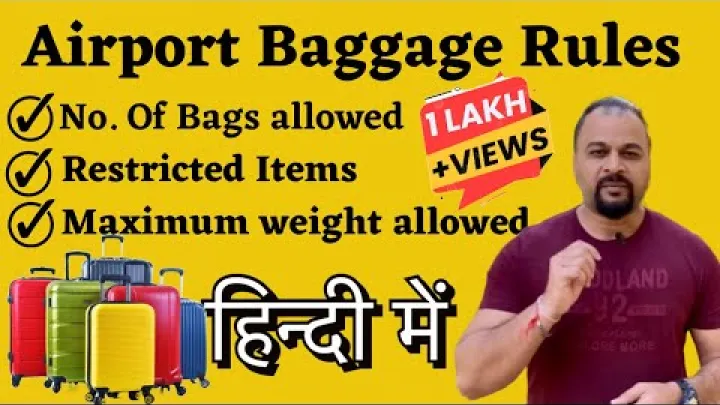
Full-service fares typically include a checked bag (often 20–23 kg domestically and 23–30 kg internationally, depending on fare and route), a carry-on, a standard seat assignment, and complimentary meals. Higher fare families add flexibility for changes and refunds. Low-cost carriers usually include only a small cabin bag (commonly around 7 kg, with size limits that vary) and charge for larger carry-ons, checked baggage, seat selection, and meals. ULCCs are the most restrictive and enforce size and weight limits strictly at the gate.
Special items like sports equipment, musical instruments, and medical devices have specific rules. Many airlines offer sports equipment allowances at a fixed fee per sector, while large instruments may need to travel as checked baggage or even as a paid extra seat (cabin baggage seat) if fragile. Always confirm dimensions, packing requirements, and pre-approval steps. For mobility aids and medical equipment, contact the airline in advance to arrange assistance and documentation.
What to expect onboard: seats, meals, connectivity
Seats differ by segment and aircraft. LCCs often install slimline seats on Airbus A320 family and Boeing 737-800/900ER jets for higher density, while full-service carriers offer more padding, recline, and, on widebodies, features like seatback screens. On select routes, you may find A330 widebodies with in-flight entertainment and larger cabins, which can be more comfortable on longer domestic or regional flights.

Meals are complimentary on full-service airlines and buy-on-board on most LCCs and ULCCs. Special meals usually require pre-ordering. Connectivity is growing but not universal: expect limited Wi‑Fi availability and more common USB power than full AC outlets on narrowbodies. If you need power or entertainment, check the aircraft type and the operating carrier’s fleet page, and consider downloading content to your device before boarding.
New and premium developments to watch
Indonesia’s airline landscape continues to evolve, with premium and long-haul opportunities gradually re-emerging as demand stabilizes. Travelers can expect selective expansion toward Northeast Asia, Australia, and the Middle East, aligned with aircraft availability and bilateral traffic rights. Some carriers are focusing on fleet efficiency before committing to broader long-haul networks, while others may seek partnerships to unlock new city pairs with one-stop connections.
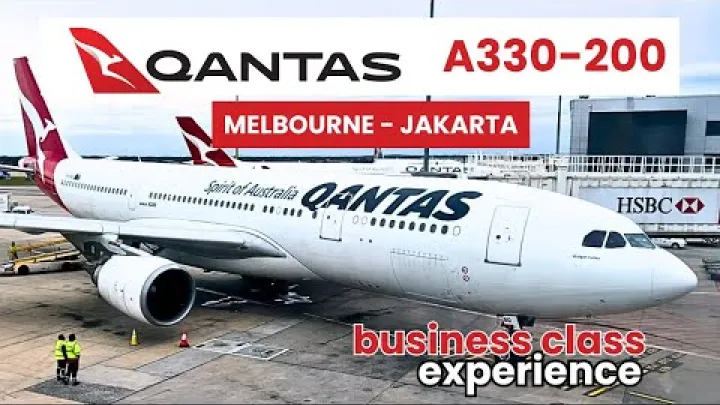
In parallel, domestic networks are being refined to improve banked connections at hubs and enhance reliability during peak travel periods. Expect airlines to balance growth with service quality initiatives, including better digital experiences, simplified add-on bundles, and targeted loyalty benefits. For premium travelers, lie-flat business seats, upgraded lounges, and improved ground services will remain key differentiators on international routes.
Overview of a new premium entrant targeting international routes
A new premium-focused airline concept is developing in Indonesia with an emphasis on international-only services. The vision centers on lie-flat business class, elevated dining, and enhanced lounge access in partnership with airports or third-party providers. Rather than competing on domestic routes, the strategy is to connect Indonesia with Northeast Asia, Australia, and selected Middle Eastern markets where business and premium leisure demand are strongest.

Launch timing is best viewed in broad ranges, as fleet deliveries, certification, and market conditions affect schedules. Domestic feed is expected to come via interline or codeshare partnerships with established carriers, enabling seamless ticketing and baggage transfers for travelers starting in secondary cities. As routes are confirmed, travelers should compare schedule reliability, ground services, and product consistency across the intended widebody fleet.
Fleet modernization and sustainability trends
Airlines in Indonesia are renewing fleets with more efficient narrowbodies like the A320neo family and 737 MAX, and upgrading long-haul capability with A330neo or 787-class aircraft. Many carriers maintain average fleet ages that are broadly in the single to low double digits of years, depending on brand and segment. New aircraft offer lower fuel burn, improved range, and quieter cabins, which benefit both travelers and communities near airports.

Sustainability measures include route optimization, lighter cabin materials, and improved ground operations to reduce emissions. Early-stage use of sustainable aviation fuel (SAF) is appearing in pilot programs, while voluntary carbon programs give travelers options to offset emissions. For passengers, the practical upside is generally smoother rides, lower cabin noise, and more modern interiors with better lighting and air quality on newer aircraft.
Frequently Asked Questions
Find quick answers to common questions about Indonesia airlines, covering the national carrier, safety, hubs, ticket pricing, check-in, and baggage rules. Policies and schedules can change, so always confirm details with your chosen airline before you travel. The guidance below summarizes typical practices to help you prepare, compare options, and avoid last-minute surprises at the airport.
What is the national airline of Indonesia and what services does it offer?
Garuda Indonesia is the national flag carrier and a SkyTeam member. It offers full-service flights with complimentary meals, baggage on most fares, lounges for eligible passengers, and international connectivity via partners. Citilink is its low-cost subsidiary. Service levels can vary by route and aircraft type.
Which Indonesian airlines are considered safest for domestic and international travel?
Garuda Indonesia holds strong safety credentials and top audit scores. Since 2018, Indonesia’s airlines operate under strengthened oversight that meets ICAO standards, and major groups (Garuda, Lion Air Group, AirAsia) follow international safety systems. Always review recent audits and safety ratings before booking.
What are the main airport hubs in Indonesia and how do they connect the islands?
Jakarta Soekarno–Hatta (CGK) is the primary hub and Asia megahub, linking domestic and international routes. Bali (DPS), Makassar (UPG), and Yogyakarta (YIA) serve as key secondary hubs for regional connectivity. These hubs enable efficient transfers across Indonesia’s archipelago and to nearby countries.
Which Indonesian airline is usually the cheapest for domestic routes?
Low-cost carriers such as Lion Air, Citilink, and Super Air Jet are often the cheapest. Prices vary by season, demand, and baggage needs, so compare total costs including add-ons. Booking 2–6 weeks in advance and avoiding peak holidays can reduce fares.
Do Indonesian airlines operate flights to Europe or the United States?
Yes, Indonesian airlines are authorized to operate to Europe since the EU ban was lifted in 2018. Actual routes vary over time; check current schedules for availability to Europe or the United States. Partnerships and codeshares often provide one-stop options via regional hubs.
How early should I arrive at the airport for domestic and international flights in Indonesia?
Arrive at least 2 hours before domestic flights and 3 hours before international flights. During peak seasons or at very busy airports like CGK and DPS, add 30–60 minutes. Online check-in and early baggage drop can save time.
Can I check in online for Indonesian airlines and when does it open?
Most major Indonesian airlines offer online check-in via web or app. Online check-in typically opens 24–48 hours before departure and closes 1-2 hours prior. Always confirm specific windows and airport requirements for your flight.
What baggage allowance differences should I expect between low-cost and full-service airlines in Indonesia?
Full-service carriers usually include a checked bag and a carry-on in standard fares. Low-cost carriers often include only a small cabin bag, with paid add-ons for larger cabin bags and checked baggage. Verify size and weight limits to avoid airport fees.
Conclusion and next steps
Indonesia’s aviation network brings a vast archipelago within reach, with options spanning full-service comfort to ultra-low-cost simplicity. Garuda Indonesia anchors premium and alliance connectivity, Lion Air Group delivers unmatched domestic breadth across multiple brands, Citilink competes on value with ties to Garuda, and Indonesia AirAsia specializes in low base fares and digital add-ons. Safety oversight has strengthened, and airlines are modernizing fleets while refining schedules and services.
To choose the best airline, consider your route, schedule, baggage needs, and flexibility. Compare the total trip cost, not just base fares, and pay attention to fare rules that govern changes and refunds. Build sensible buffers for self-connections at large hubs like CGK and DPS, especially during peak seasons or monsoon months. If you need specific onboard features such as extra legroom, power outlets, or in-flight entertainment, verify the operating carrier and aircraft type before booking. With these practical checks, you can navigate Indonesia’s carriers confidently and plan trips that balance comfort, reliability, and price.
Select area
Create a post
Posting is free and no registration is required.