Indonesia Landmarks: 25 Famous Sites, Map, Best Times and Travel Tips
Indonesia landmarks span sacred temples, smoking volcanoes, vast lakes, and world-class coral reefs across more than 17,000 islands. From Borobudur in Java to Raja Ampat in Papua, each site carries cultural, historical, or natural significance. This guide brings together famous landmarks in Indonesia, a regional overview, when to go, and how to visit safely and respectfully.
Below you will find a concise definition of what qualifies as a landmark, quick regional facts, a curated Top 25 list, UNESCO highlights, and practical guidance on seasons, permits, fees, and accessibility. A dedicated FAQ wraps up common questions such as the best time to visit Komodo National Park or how to catch sunrise at Mount Bromo.
Indonesia landmarks at a glance
Many temples and community spaces are living places of worship. National parks and marine protected areas operate under conservation rules that support wildlife, coral reefs, and community livelihoods. Plan for weather shifts, observe quotas where they exist, and consider hiring licensed local guides who can interpret culture and nature while helping you navigate permits and safety norms.
Respect remains central across sacred, historical, and ecological sites. Many temples and community spaces are living places of worship. National parks and marine protected areas operate under conservation rules that support wildlife, coral reefs, and community livelihoods. Plan for weather shifts, observe quotas where they exist, and consider hiring licensed local guides who can interpret culture and nature while helping you navigate permits and safety norms.
What counts as a landmark (quick definition)
In this guide, a landmark is a natural feature or a man-made structure that carries cultural, historical, or geographic significance. Landmarks are widely recognized by residents and visitors, often aid orientation on maps, and can symbolize a place’s identity. They may be celebrated for architecture, engineering, unique geology, biodiversity, or a pivotal role in national history.
Not every tourist attraction is a landmark. A landmark stands out for broader significance beyond entertainment value. Many Indonesian landmarks are also protected: UNESCO World Heritage Sites (such as Borobudur, Prambanan, Komodo) acknowledge outstanding universal value; national parks and marine parks safeguard ecosystems (for example, Ujung Kulon, Lorentz). At sacred sites, follow etiquette: wear modest clothing, use provided sarongs where required, remove shoes in restricted areas, avoid entering spaces closed to worshippers, keep voices low, and refrain from intrusive photography during ceremonies.
Quick facts and regions (Java, Bali, Sumatra, Eastern Indonesia)
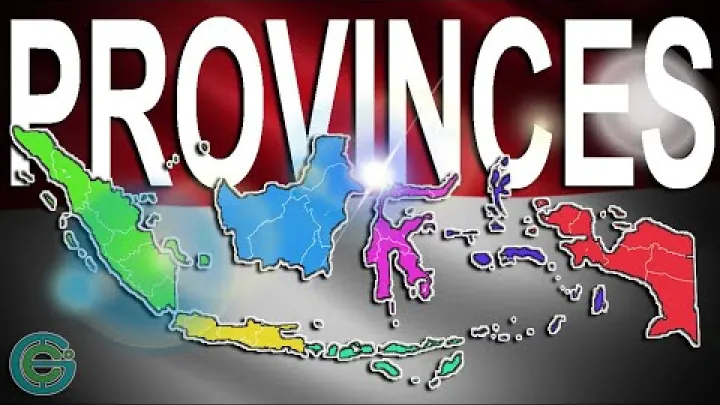
Indonesia spans more than 17,000 islands grouped into seven broad regions: Java, Bali–Nusa Tenggara, Sumatra, Kalimantan (Borneo), Sulawesi, Maluku, and Papua. Typical gateways include Jakarta and Yogyakarta (Java), Denpasar/Bali and Labuan Bajo/Flores (Bali–Nusa Tenggara), Medan (Sumatra), Pontianak or Balikpapan (Kalimantan), Makassar and Manado (Sulawesi), Ambon (Maluku), and Sorong or Jayapura (Papua). Overland travel can be slow; intercity flights are common for Eastern Indonesia.
Seasonality varies. Java and Bali usually have a drier window from April to October and a wetter period from November to March. Komodo often enjoys relatively dry conditions from April to December, but seas are best in April–June and September–November. Raja Ampat tends to have calmer seas October–April. Sumatra and Kalimantan experience heavy monsoon rains that can peak between October and January in many areas; wildlife viewing in rainforest can be excellent but trails muddy. As a rough guide, Yogyakarta–Bromo overland transfers take 8–12 hours with breaks, while Bali–Labuan Bajo is a short flight of about an hour. Jakarta–Medan and Jakarta–Sorong are best by air due to distance.
Top 25 famous landmarks in Indonesia
This curated list balances culture, nature, and modern highlights across the archipelago. Use it as a planning checklist and match sites to your interests. “Best for” tags help you prioritize sunrise, architecture, diving, hiking, or family-friendly stops. Consider distances and seasonal windows when connecting Java and Bali with Eastern Indonesia.
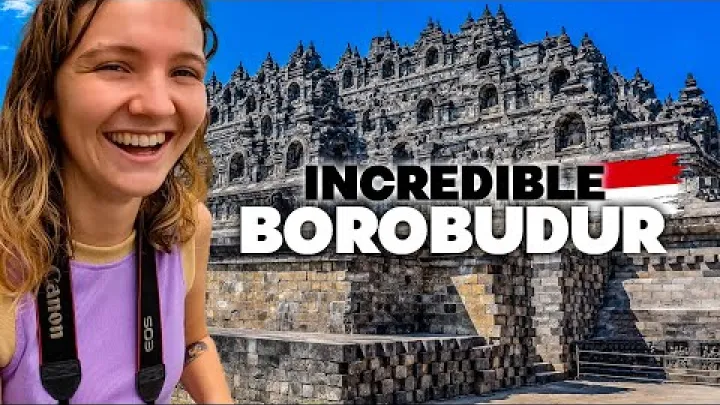
- Borobudur, Central Java — 9th‑century Buddhist monument with bell‑shaped stupas. Best for: culture, sunrise.
- Prambanan, Central Java — soaring Hindu temples and fine bas‑reliefs. Best for: architecture, evening visits.
- Mount Bromo, East Java — classic caldera sunrise and lunar landscapes. Best for: sunrise, photography.
- Mount Rinjani, Lombok — challenging trek to crater rim and summit. Best for: multi‑day hiking, views.
- Lake Toba, North Sumatra — vast supervolcano lake and Batak culture. Best for: nature, culture.
- Komodo National Park, Flores — Komodo dragons and rich reefs. Best for: wildlife, snorkeling, diving.
- Raja Ampat, West Papua — karst islets and world‑class reefs. Best for: diving, liveaboards.
- Tanah Lot Temple, Bali — sea temple at sunset. Best for: sunset, coastal scenery.
- Uluwatu Temple, Bali — cliff‑top shrine and ocean vistas. Best for: sunsets, cultural performances.
- Tana Toraja, South Sulawesi — tongkonan houses and cliff burials. Best for: culture, anthropology.
- National Monument (Monas), Jakarta — independence symbol with city views. Best for: modern history.
- Gedung Sate, Bandung — colonial landmark in a heritage district. Best for: architecture, walking tours.
- Ujung Kulon National Park, Banten — pristine rainforest and coastline. Best for: wilderness, conservation.
- Kelimutu Crater Lakes, Flores — tri‑colored volcanic lakes. Best for: sunrise, light hiking.
- Kawah Ijen, East Java — crater lake and blue fire (night conditions). Best for: adventure, geology.
- Ulun Danu Beratan Temple, Bali — lakeside temple with mountain backdrop. Best for: photography, families.
- Jatiluwih Rice Terraces, Bali — UNESCO‑listed Subak landscape. Best for: culture, gentle walks.
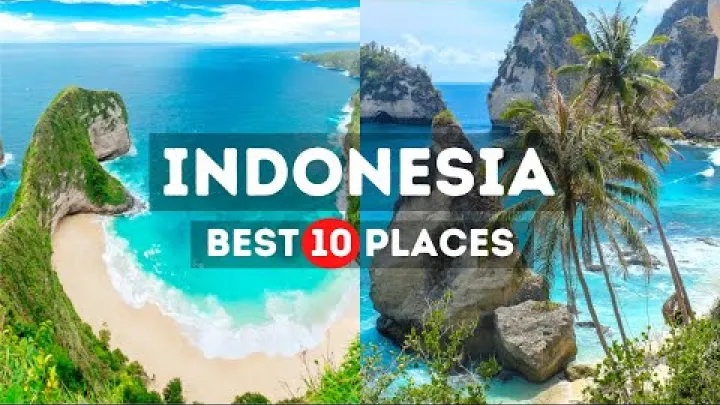
- Kelingking Beach, Nusa Penida — iconic cliff viewpoint. Best for: scenery, careful hikers.
- Krakatoa (Anak Krakatau), Sunda Strait — historic volcano. Best for: geology, specialist trips.
- Bunaken National Park, North Sulawesi — drop‑off walls and marine life. Best for: diving, snorkeling.
- Wae Rebo Village, Flores highlands — conical houses in misty valley. Best for: culture, soft trekking.
- Baliem Valley, Papua — highland scenery and indigenous culture. Best for: culture, hiking.
- Sangiran Early Man Site, Central Java — human evolution discoveries. Best for: museums, education.
- Kota Tua (Old Town), Jakarta — colonial-era core with museums. Best for: walking, heritage.
- Derawan Islands, East Kalimantan — clear waters and jellyfish lake. Best for: snorkeling, relaxed stays.
Many travelers link Yogyakarta (Borobudur and Prambanan) with Bromo and Bali temples over 7–10 days, adding Komodo or Lombok for nature and snorkeling. For remote marine trips, plan extra time for Raja Ampat or Derawan due to connections and permits.
Quick-pick highlights by interest (culture, nature, adventure, family)
If your main interest is culture and architecture, begin with Borobudur and Prambanan in Central Java, then add Tana Toraja in South Sulawesi for living traditions and distinctive tongkonan houses. For coastal spirituality and scenic sunsets, visit Bali’s sea temples such as Tanah Lot and Uluwatu, and include the Subak‑landscape rice terraces at Jatiluwih. Urban history and colonial-era architecture are well represented by the National Monument (Monas), Gedung Sate, and Jakarta’s Kota Tua.
Nature and adventure seekers should prioritize Mount Bromo for sunrise, Mount Rinjani for multi‑day trekking, and Kelimutu or Kawah Ijen for photogenic crater lakes. For marine life, Komodo National Park and Raja Ampat are standouts, while Bunaken and Derawan offer additional coral and turtle encounters. Families can opt for Ulun Danu Beratan, Jatiluwih, and Lake Toba for gentler terrain and cultural learning. These recommendations intentionally spread across islands so travelers look beyond Java and Bali and tap Indonesia’s national diversity.
UNESCO World Heritage Sites in Indonesia
Indonesia’s UNESCO World Heritage Sites recognize both cultural achievements and outstanding natural areas. They include world‑renowned temple compounds, human‑evolution sites, historic industrial heritage, cultural landscapes shaped by community irrigation systems, and large protected ecosystems. Together they highlight Indonesia’s role in Asian civilizations, biodiversity conservation, and living cultural practices that continue today.
![Preview image for the video "[Indonesia Series] UNESCO World Heritage Sites In Indonesia".](/sites/default/files/styles/media_720x405/public/oembed_thumbnails/2025-08/JlQPdquaSBYWySf_RbC9D01x4T6sKDj8eCKCN-BfsAo.jpg.webp?itok=gp7RekVS "Preview image for the video \"[Indonesia Series] UNESCO World Heritage Sites In Indonesia\".")
As of the latest listings, Indonesia has ten UNESCO World Heritage Sites: Borobudur Temple Compounds; Prambanan Temple Compounds; Sangiran Early Man Site; the Cultural Landscape of Bali Province: the Subak System; the Ombilin Coal Mining Heritage of Sawahlunto; Komodo National Park; Ujung Kulon National Park; Lorentz National Park; the Tropical Rainforest Heritage of Sumatra; and The Cosmological Axis of Yogyakarta and its Historic Landmarks. Some sites, such as the Sumatra rainforests, may carry specific conservation notes or be on watchlists. Verify current status, access, and any conservation advisories before visiting.
UNESCO designation often overlaps with national protection, which means quotas, guided access, or specific rules may apply. For example, Komodo’s ranger‑guided walks and Raja Ampat’s regional permits support conservation and community programs. In cultural sites, modest attire, respectful behavior, and adherence to route markings help protect fragile structures and rituals. Always check official park and site pages close to travel dates for updated rules, schedules, and any temporary closures.
Religious and cultural landmarks
Indonesia’s cultural landmarks are living spaces that balance visitor interest with community practice. Temples, villages, and ceremonial grounds often operate daily rituals. Patience, modest dress, and local guidance ensure meaningful visits that do not disrupt worship, family events, or traditional protocols. The examples below demonstrate the breadth of heritage from Java to Bali and Sulawesi.
Borobudur (history, access rules, sunrise)
Borobudur is a 9th‑century Mahayana Buddhist monument near Yogyakarta, famed for its terraced design, narrative reliefs, and hundreds of stupas. The structure’s mandala‑like plan symbolizes the Buddhist path, while morning mist over surrounding hills creates a contemplative setting. As one of Indonesia’s most significant landmarks, it draws pilgrims and travelers year‑round.
Prambanan (architecture, restoration)
Prambanan is a 9th‑century Hindu temple complex known for its soaring central Shiva temple and intricate bas‑reliefs depicting the Ramayana. The complex has experienced earthquakes over the centuries, and ongoing restoration demonstrates careful archaeological practice alongside modern safety standards. Even partial ruins convey the original scale and artistry.

Wear modest attire, follow marked routes, and keep a respectful distance from any conservation work. As with Borobudur, check for updated ticket bundles, seasonal schedules for performances, and any restoration areas with restricted access.
Balinese sea temples (Tanah Lot and the coastal network)
Tanah Lot and Uluwatu are part of Bali’s coastal temple network that links spiritual guardianship with seascapes and daily offerings. Their cliff‑top and offshore positions create dramatic views, especially around sunrise and sunset. Ceremonies, processions, and dance performances occur on select days, reinforcing the temples’ living role in community life.
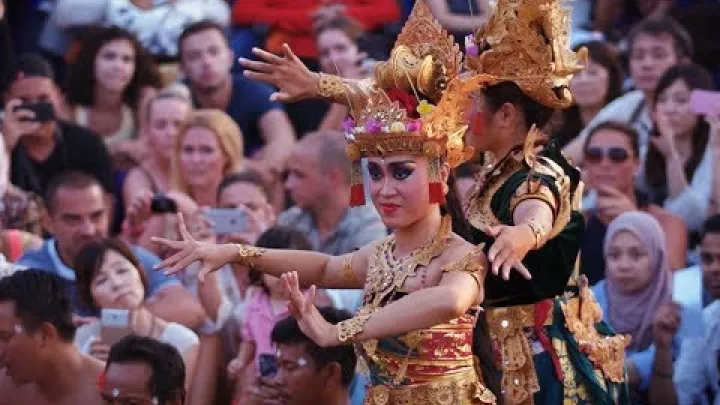
These sites can be busy. Expect larger crowds at Tanah Lot from late afternoon to sunset, and at Uluwatu around showtime for evening dances. Best visiting windows are early morning shortly after opening or later in the afternoon before sunset queues build. Stay within marked areas, avoid touching offerings, and secure belongings from macaques near Uluwatu.
Tana Toraja (tongkonan houses, funeral rites)
Cliff burials, tau‑tau effigies, and megaliths reflect beliefs about life, death, and community. The region is compelling for travelers interested in anthropology and living tradition.

Funeral rites are communal, seasonal, and family‑organized. If you are invited or guided to a ceremony, dress modestly, avoid intrusive photos, and follow instructions from hosts. Arrange a licensed local guide through reputable channels; they help confirm ceremony schedules with village authorities, explain protocols, and ensure that your visit contributes positively to the community.
Natural and volcanic landmarks
Indonesia lies along the Pacific Ring of Fire, and many landmarks are volcanic—ranging from broad calderas to crater lakes with striking colors. Visiting these areas calls for attention to weather, terrain, and official advisories. Dry‑season months usually bring more stable conditions, but wind, ash, and rain can change access quickly. Consider acclimatization and realistic fitness levels when choosing routes.
Mount Bromo (sunrise viewpoints, permits)
Mount Bromo sits within the Tengger caldera in East Java. Popular sunrise viewpoints include Penanjakan and King Kong Hill, which look over a sea of sand toward Bromo and Semeru. The experience combines pre‑dawn stars, pastel hues, and shifting fog, making it a memorable photography and nature moment.
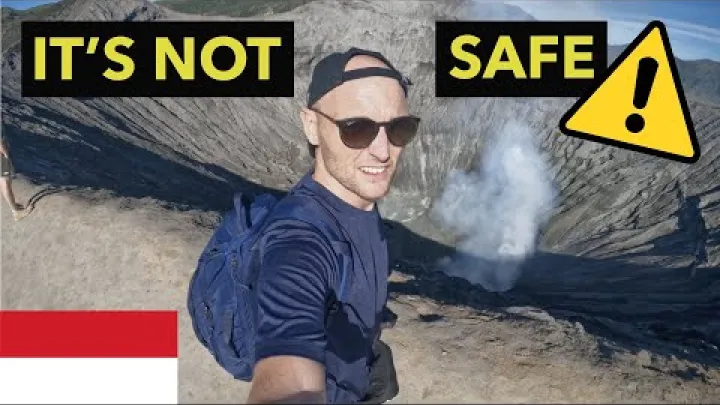
Park entry and 4WD permits are required. A simple pre‑dawn plan from Cemoro Lawang is: 1) 02:30–03:00 wake‑up and check wind/ash advisories; 2) 03:00–03:15 meet driver or start the hike; 3) 03:45–04:30 reach Penanjakan or King Kong Hill; 4) sunrise around 05:00–05:30; 5) descend to the Sea of Sand and approach Bromo’s crater rim if open; 6) return before mid‑morning heat. Carry a headlamp, warm layers, scarf or mask for ash, and follow ranger instructions if conditions change.
Mount Rinjani (trek difficulty, seasons)
Rinjani on Lombok is a challenging multi‑day trek featuring the Segara Anak crater lake and sweeping island views. The summit stands about 3,726 meters, with substantial elevation gains from trailheads such as Sembalun or Senaru. Fitness, pacing, and acclimatization are key to enjoying the route safely.

The trek is best attempted in the dry season, typically April–November, with closures during the monsoon or for trail restoration. Minimum recommended gear includes sturdy boots, warm insulating layers for cold nights, rain protection, headlamp, trekking poles, sufficient water and electrolytes, and a small first‑aid kit. Always confirm current opening dates and route options through licensed local operators.
Lake Toba (geology and Batak culture)
Lake Toba in North Sumatra is the largest volcanic lake on Earth, formed by a supervolcanic eruption in the distant past. Samosir Island, set within the lake, is the usual base for visitors. Calm water, pine‑covered hills, and scattered villages make it a relaxed cultural and nature destination.
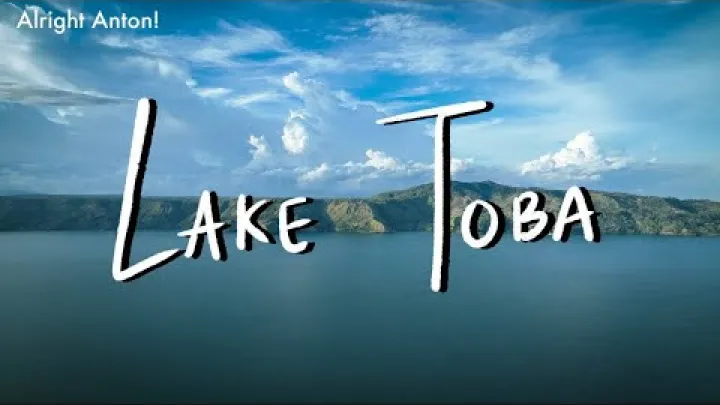
Public ferries run between Parapat and Samosir Island with frequent crossings during the day; typical crossings take around 30–60 minutes depending on the route. Confirm the latest timetable locally, especially on holidays. Practice basic water safety on piers, wear lifejackets on small boats, and be attentive when swimming due to variable depths and boat traffic.
Krakatoa (history and safety)
Anak Krakatau (“child of Krakatoa”) emerged later and remains active, offering a dramatic reminder of Indonesia’s geologic forces. Views of the caldera and surrounding islands underscore the site’s historical and scientific significance.

Access depends on volcanic status and sea conditions and should be arranged with specialist operators. Check official updates from Indonesia’s volcanology agency (PVMBG) before planning, and heed exclusion zones that can expand without notice. Sea travel requires weather checks, proper safety gear, and contingency plans for rapid changes.
Marine and coastal highlights
Indonesia’s coral triangle locations are among the richest on Earth. Marine landmarks balance wildlife encounters with strict conservation rules to protect reefs, currents, and community fisheries. Sea conditions, visibility, and wind patterns vary by month, so plan with seasonal windows and local guidance.
Komodo National Park (dragons, guided visits, rules)
Komodo National Park spans islands such as Komodo and Rinca, home to Komodo dragons and diverse marine life. Ranger‑guided walks are mandatory for dragon viewing, and distances from wildlife are enforced for safety. Many day trips also include snorkeling at coral cays and drift sites.

Permits and fees apply, and boats adjust routes based on wind, swell, and currents. Typical ranger walks last 60–120 minutes on clearly marked trails. Dry season from April to December generally offers more stable weather; calmer seas for mixed snorkeling and trekking often occur in April–June and September–November. Confirm rules and closures with park authorities close to your travel date.
Raja Ampat (diving protocols, permits)
Raja Ampat in West Papua is a global biodiversity hotspot of karst islets, mangroves, and vibrant coral reefs. Entry permits and local marine fees fund conservation and community programs. Good buoyancy control, reef‑safe sunscreen, and no‑touch, no‑take practices are essential.
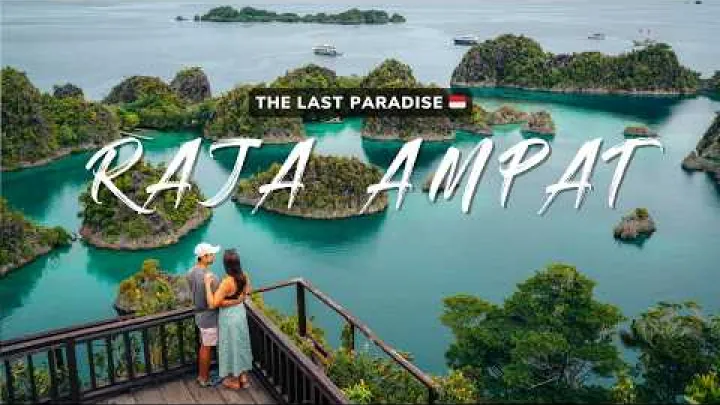
Access is via flights to Sorong, followed by transfers to liveaboards or homestays spread across islands such as Waigeo, Gam, Kri, and Misool. Liveaboards cover remote seascapes efficiently; homestays offer community‑based stays with shore diving and snorkeling. Expect variable currents; select sites matched to your certification level and always follow local briefings.
Nusa Penida’s Kelingking Beach (trail safety, timing)
Kelingking’s cliff viewpoint is one of Indonesia’s most photographed scenes. The exposed trail down to the beach is steep with uneven steps, requiring proper footwear, hydration, and patience. Many visitors enjoy the top viewpoint only, which still delivers the classic “T‑Rex” headland view.

Safer time windows for hiking are early morning before heat builds (around 07:00–09:00) and late afternoon after about 15:30. Avoid the descent during rain or right after showers when steps are slick. Stay within barriers, watch for loose gravel, and monitor any temporary trail restrictions issued by local authorities.
Colonial and modern landmarks
Man‑made landmarks in Indonesia range from colonial‑era buildings to post‑independence monuments. They tell stories of administration, trade, and national identity. Visiting these sites complements nature‑focused itineraries and provides context for contemporary Indonesia.
| Type | Examples | Typical focus |
|---|---|---|
| Man‑made | Monas, Gedung Sate, Kota Tua | Architecture, political history, museums |
| Natural | Bromo, Rinjani, Raja Ampat | Geology, biodiversity, landscapes |
National Monument (Monas), Jakarta
A museum at the base outlines key events in the nation’s history, and an observation deck offers skyline views on clear days. Security screening and timed entries help manage crowds.

To minimize queues, visit on weekdays, early morning, or late afternoon. Weekends and public holidays see longer waits. Expect bag checks at entry, and review any restrictions on tripods, large bags, or liquids. Check closure days and maintenance schedules before you go.
Gedung Sate and Bandung’s heritage district
Gedung Sate is Bandung’s Dutch‑era landmark, named for its satay‑like rooftop ornaments. The surrounding heritage district includes Art Deco gems and cafes, making it ideal for a compact walking tour that showcases the city’s architectural evolution and creative scene.

A simple route could be: start at Gedung Sate’s exterior grounds, continue to the nearby museum spaces when open, walk toward Jalan Braga for preserved facades and galleries, then pause at a heritage cafe. Finish at Asia‑Africa Street to see conference buildings linked to Indonesia’s diplomatic history. Sidewalks can be uneven; wear comfortable shoes and be cautious at crossings.
Planning your visit: seasons, permits, fees, safety, accessibility
Effective planning aligns regions, seasons, and site rules. Indonesia’s climate varies across islands, and some marquee experiences depend on specific conditions. Permits, quotas, and conservation rules protect fragile temples, forests, volcanoes, and reefs. Build flexibility into your schedule, verify local guidance close to travel dates, and choose licensed guides for safety and cultural insight.
Best times by region and activity
Java and Bali generally enjoy a drier season from April to October, making this period ideal for trekking Bromo and temple visits. Komodo’s overall dry period often runs April to December, with calmer seas for mixed snorkeling and walking in April–June and September–November. Raja Ampat frequently has smoother seas from October to April, aligning well with diving liveaboards. Many temples are pleasant year‑round, though rain showers can affect late‑day views.
Monsoon notes: Sumatra and Kalimantan see heavier rains that can peak roughly October–January, with muddy trails and occasional transport delays; wildlife viewing may still be rewarding between showers. Shoulder seasons trade smaller crowds and lower prices for changeable weather and some choppy crossings. If flexibility is limited, prioritize sites less dependent on sea conditions and allow buffer days for flights and ferries.
Tickets, quotas, and local regulations
Some landmarks have daily quotas or timed slots. Borobudur’s upper terraces, for example, use quota‑controlled access to reduce wear on stonework. National parks such as Bromo, Komodo, and Raja Ampat require permits and adherence to ranger guidance. Expect security checks at urban sites like Monas and etiquette rules at sacred spaces across Java and Bali.

Practical steps include booking peak‑season entries online when available, carrying identification for permit checks, and reviewing current advisories for volcanoes and marine areas. Fees and policies can change; verify details with official park or site pages shortly before travel. Licensed local guides help streamline logistics and ensure compliance with conservation and cultural protocols.
Responsible travel and conservation basics
Responsible travel protects heritage and strengthens local livelihoods. Follow temple etiquette, dress modestly, and keep voices down during ceremonies. Stay on marked trails, keep safe distances from wildlife, and never feed animals. In marine parks, use reef‑safe sunscreen, maintain excellent buoyancy, and avoid standing on coral.

Reduce plastic by carrying refillable bottles and supporting businesses that minimize waste. Choose licensed local guides and community‑run services where possible, as these channel benefits directly to residents who steward the sites. Ask before photographing people, contribute to community programs when invited, and leave places as you found them—or cleaner.
Frequently Asked Questions
What are the most famous landmarks to see first-time in Indonesia?
Top picks include Borobudur and Prambanan near Yogyakarta, Mount Bromo in East Java, Bali’s sea temples (Tanah Lot and Uluwatu), Komodo National Park, Raja Ampat, Lake Toba, and the National Monument (Monas) in Jakarta. This mix covers culture, volcanoes, wildlife, marine life, and modern history.
How many UNESCO World Heritage Sites are in Indonesia today?
Indonesia currently has ten UNESCO World Heritage Sites, spanning temple compounds, cultural landscapes, human evolution research areas, and large protected ecosystems. Check UNESCO and official site pages close to your travel dates for any updates to listings or conservation status.
When is the best time to visit Komodo National Park and see dragons?
The dry season from April to December is generally best. For calmer seas and clear snorkeling or diving, aim for April–June and September–November. Ranger‑guided walks to see dragons operate when conditions permit; confirm daily schedules and any temporary closures before departure.
Is the Kelingking Beach hike safe and how long does it take?
The trail is steep and exposed, suitable only for fit visitors with proper footwear. The descent often takes 30–60 minutes and the ascent 40–80 minutes, depending on fitness and crowding. Avoid the trail during rain or high heat, and follow temporary restrictions if posted.
How do I see sunrise at Mount Bromo (route and timing)?
Base in Cemoro Lawang. Depart around 03:00–03:30 to reach Penanjakan or King Kong Hill before sunrise. Secure park and 4WD permits the day before if possible. After sunrise, visit the Sea of Sand and, if open, the crater rim. Monitor volcanic advisories and wind direction for ash.
Are there entrance fees for Borobudur and Prambanan, and can I book in advance?
Yes. Both sites require tickets, and combined options may be offered. Borobudur’s upper terraces have quota‑controlled, timed access that may require an additional ticket. Advance online booking is recommended in peak times. Wear modest attire and respect conservation rules.
What are the top natural landmarks in Indonesia beyond Bali?
Mount Bromo and the Tengger caldera, Mount Rinjani with Segara Anak lake, Lake Toba’s supervolcano caldera, Komodo National Park’s islands, Raja Ampat’s karst and reefs, Bunaken’s drop‑offs, and Krakatoa’s caldera are standout choices. Each has seasonal and safety considerations—plan with local guidance.
Conclusion and next steps
Indonesia’s landmarks form a wide mosaic: spiritual centers like Borobudur and Prambanan, living cultural landscapes such as Jatiluwih’s Subak system, and dramatic natural settings from Bromo and Rinjani to Lake Toba. Along the coasts and in remote seas, Komodo and Raja Ampat reveal a marine world protected by community‑backed rules and visitor protocols. Urban icons like Monas and Gedung Sate frame this diversity within modern and colonial histories.
Planning across the archipelago means aligning interests with seasonality, distances, and access rules. Dry months often favor volcano treks and temple days, while select periods bring calmer seas for snorkeling and diving. Many sites use quotas or permits to protect fragile stonework, forests, and reefs. Licensed local guides add context and safeguard visits, especially at sacred spaces and in parks with wildlife or variable conditions.
Whether you seek sunrise above a caldera, a respectful window into Toraja funerary traditions, or quiet moments on Bali’s temple coasts, Indonesia’s landmarks reward patience and preparation. Confirm current regulations, respect community customs, and allow buffer time for weather and transfers. With thoughtful choices, you can connect cultural meaning, natural wonder, and everyday life across one of the world’s most varied archipelagos.
Select area
Create a post
Posting is free and no registration is required.