Indonesia Movie Guide: Best Films, Genres, Where to Watch

This guide introduces Indonesian cinema’s history, signature genres, and the best ways to watch with subtitles. From silat-fueled action to folklore-rooted horror, Indonesia movies are winning global attention. Use this overview to find acclaimed titles, understand ratings, and explore legal streaming and theater options.
Indonesian cinema at a glance

Quick definition and key facts
Indonesia cinema covers films made in Indonesia or by Indonesian production teams. Dialogue is commonly in Bahasa Indonesia, with local languages such as Javanese, Sundanese, Balinese, Acehnese, and others used when stories are set in specific regions. Co-productions are increasingly common, and international festival routes often amplify visibility.

Key facts that help first-time viewers navigate the landscape include the country’s dominant commercial genres, major exhibitors, and the streaming services that now carry wide catalogs with subtitles. Horror, action, and drama lead the market, with comedy and family titles forming a healthy second tier. Nationwide chains include 21 Cineplex (Cinema XXI), CGV, and Cinépolis, while notable studios and banners include MD Pictures, Visinema, Rapi Films, Starvision, and BASE Entertainment.
- Admissions momentum: industry reporting for 2024 pointed to around 61 million admissions for local films and roughly two-thirds domestic market share, reflecting strong post-pandemic recovery.
- Where to watch: Netflix, Prime Video, Disney+ Hotstar, Vidio, and Bioskop Online increasingly offer Indonesian catalogs with English and Indonesian subtitles.
- Production hubs: Jakarta and surrounding West Java cities anchor development, with Bali, Yogyakarta, and East Java as frequent locations.
Why Indonesian films are trending globally
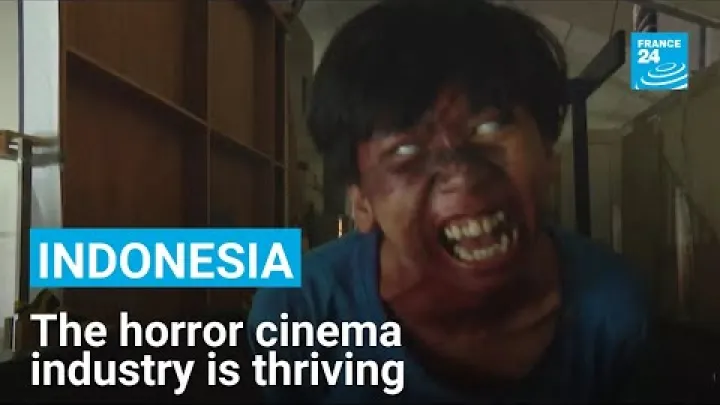
Second, high-concept horror rooted in folklore translates across borders while remaining culturally specific, creating memorable mythology and atmosphere.
Headline titles since 2010 include The Raid (2011) and The Raid 2 (2014), which sparked worldwide fascination with silat; Impetigore (2019), a folklore horror that traveled strongly on Shudder and festival circuits; and Co-productions, global distributors, and rotating streaming windows now keep Indonesian films in constant view across regions.
A brief history of Indonesian film
Colonial era and early features (1900–1945)
Film exhibition in the Dutch East Indies began with traveling shows and theaters screening imports. Local feature production gathered momentum in the 1920s, with Loetoeng Kasaroeng (1926) often cited as a milestone for an indigenous-language feature inspired by Sundanese legend. The 1930s saw a transition from silent to sound film and a mix of studios serving diverse audiences, including ethnic Chinese producers who contributed significantly to early development.

Wartime disruption under Japanese occupation redirected film toward propaganda and interrupted commercial output. As with many early cinemas, preservation is uneven: several pre-1945 titles are lost or survive only in fragments. Surviving reels, paper prints, and non-fiction materials related to the era can be accessed through Sinematek Indonesia (Jakarta) and the EYE Filmmuseum (Amsterdam) by research appointment. Public screenings of restored colonial-era shorts and newsreels occasionally appear in museum programs and festivals.
Post-independence expansion (1950s–1990s)
After independence, Usmar Ismail and his studio Perfini helped define national cinema aesthetics and themes, while the state-backed PFN supported newsreels and production. Under the New Order, censorship and policy shaped genres toward moral dramas, folklore, comedy, and action, while a star system and commercial hits flourished in the 1970s–1980s. By the late 1990s, an economic crisis, television competition, and piracy led to steep decline and fewer theatrical releases.

Representative titles help anchor each period: 1950s highlights include Lewat Djam Malam (After the Curfew, 1954) and Tiga Dara (1956). The 1960s featured works such as Usmar Ismail’s Anak Perawan di Sarang Penyamun (1962). The 1970s delivered Badai Pasti Berlalu (1977). The 1980s spanned cult horror Pengabdi Setan (1980), youth phenomenon Catatan Si Boy (1987), and historical epic Tjoet Nja’ Dhien (1988). The 1990s saw arthouse breakthroughs like Cinta dalam Sepotong Roti (1991), Daun di Atas Bantal (1998), and the indie landmark Kuldesak (1999), which foreshadowed the next generation.
Modern renaissance and global recognition (2000s–today)
Reformasi loosened controls in the late 1990s, and the 2000s brought digital tools, cinephile communities, and multiplex expansion. New voices emerged alongside genre specialists, setting the stage for global attention. The Raid (2011) and The Raid 2 (2014) demonstrated world-class choreography and practical stunt design, while Marlina the Murderer in Four Acts (2017) showed formal daring in the arthouse lane, and Impetigore (2019) cemented modern folk horror as an exportable strength.

International distributors and festivals amplified impact: The Raid received a North American release via Sony Pictures Classics; Impetigore streamed on Shudder in the United States; Marlina premiered at Cannes Directors’ Fortnight. In the 2020s, streaming-first premieres, hybrid release strategies, and record admissions for local films signaled renewed strength at home, while Berlin, Toronto, and Busan selections for Indonesian titles—such as Before, Now & Then (Berlinale 2022, acting award) and Yuni (TIFF 2021 Platform Prize)—reinforced global credibility.
Audience trends and box office today
Market size, admissions, and growth
Indonesia’s theatrical market has rebounded with energy, driven by new screens, premium formats, and a steady pipeline of commercial crowd-pleasers. Local films have commanded strong loyalty, with reliable word-of-mouth and social media chatter pushing opening-week momentum into extended runs. Reported admissions in 2024 reached the tens of millions for domestic films, with industry trackers citing around 61 million local admissions and roughly two-thirds market share for Indonesian titles.
Looking ahead, analysts expect mid–single digit to high–single digit annual growth, underpinned by additional screens in secondary cities and the continued use of dynamic pricing. IMAX, 4DX, ScreenX, and other premium offerings help sustain attendance among urban viewers, while differential ticketing by time and day creates accessible entry points for students and families. Expect continued coexistence between theaters and streaming, with local films often enjoying a healthy exclusive window before moving to subscription or pay-per-view platforms.
The dominance of horror and rising genres
Horror remains Indonesia’s most reliable commercial engine. Titles such as KKN di Desa Penari, Satan’s Slaves 2: Communion, The Queen of Black Magic (2019), Qodrat (2022), and Sewu Dino (2023) have drawn large crowds by combining folklore, supernatural lore, and modern production values. These films release strategically around holiday periods, when group viewing and late-night shows drive volume.

Action and comedy have also strengthened, led by stars with cross-platform visibility. Non-horror hits that signal breadth include Miracle in Cell No. 7 (2022), a tearjerker that connected widely with families, and Warkop DKI Reborn: Jangkrik Boss! (2016), which broke records for comedy. Seasonality matters: school breaks, Ramadan, and year-end holidays shape dating and marketing, while social themes—from education to regional identity—help dramas and comedies find durable audiences.
Must-watch Indonesian films by genre
Horror essentials (curated list)
Indonesia horror movies pair myth, morality, and atmosphere with modern craft. The following essentials mix classics and contemporary standouts to show how the genre evolved from cult favorites to export-ready chillers. Each pick includes a short synopsis to help you decide where to start.

Content guidance: most contemporary horror titles in Indonesia are rated 17+ by the Lembaga Sensor Film (LSF) due to scares, violence, or themes. Some are closer to teen-friendly (13+), but families should check platform labels or poster rating badges before watching.
- Satan’s Slaves (2017) – A family is haunted after their mother’s death; a reboot of the 1980 classic that ignited the modern wave.
- Satan’s Slaves 2: Communion (2022) – The haunting expands in a new setting with larger-scale set pieces and lore.
- Impetigore (2019) – A woman returns to her ancestral village and discovers a curse tied to her identity.
- The Queen of Black Magic (2019) – Former orphans face a vengeful force at a remote home; a vicious, effects-driven ride.
- Qodrat (2022) – A cleric confronts possession and grief in a rural community, blending action and spiritual horror.
- Sewu Dino (2023) – A village ritual spirals into terror as a thousand-day curse closes in.
- May the Devil Take You (2018) – Siblings uncover a demonic pact in a decaying family home.
- Pengabdi Setan (1980) – The cult original that inspired renewed interest in classic Indonesian supernatural tropes.
- The 3rd Eye (2017) – Two sisters awaken a paranormal “third eye” and must survive its consequences.
- Macabre (2009) – A road-trip rescue leads to a cannibalistic family; a modern cult favorite.
Action essentials (The Raid, Headshot, more)
Indonesian action is synonymous with high-impact choreography rooted in pencak silat. If you are new to the category, start with compact, building-entry thrillers and then explore ensemble bloodbaths and revenge sagas. Expect adult ratings (17+ or 21+) for strong violence and intensity.

Availability rotates by region. The Raid films have appeared under the title “The Raid: Redemption” in some countries; Headshot and The Night Comes for Us have cycled on global streamers. Check Netflix, Prime Video, and local platforms; availability depends on your account region.
- The Raid (2011) – Dir. Gareth Evans; stars Iko Uwais, Yayan Ruhian. An elite squad fights through a Jakarta high-rise controlled by a ruthless crime lord.
- The Raid 2 (2014) – Dir. Gareth Evans; stars Iko Uwais, Arifin Putra, Julie Estelle. Undercover gangland epic with operatic set pieces.
- Headshot (2016) – Dirs. Timo Tjahjanto & Kimo Stamboel; stars Iko Uwais, Chelsea Islan. Amnesiac fighter rebuilds his past through brutal confrontations.
- The Night Comes for Us (2018) – Dir. Timo Tjahjanto; stars Joe Taslim, Iko Uwais. Bone-crunching triad carnage with inventive, stunt-driven mayhem.
Drama and festival winners

Indonesia’s festival-facing dramas bring strong performances and regional textures. Marlina the Murderer in Four Acts (2017) reframes the Western through Sumba’s landscapes and gendered power; it premiered at Cannes Directors’ Fortnight and collected multiple domestic awards. Yuni (2021) explores a young woman’s choices in provincial Indonesia and won the Platform Prize at the Toronto International Film Festival.
A Copy of My Mind (2015), from Joko Anwar, follows two lovers in Jakarta navigating class and politics and screened at Venice (Orizzonti). For viewers searching for an “Indonesia tsunami movie,” consider Hafalan Shalat Delisa (2011), a family drama set around the 2004 Aceh tsunami. It treats the subject with care, focusing on resilience and community rather than spectacle.
Family titles and remakes
Family viewing has grown alongside the dominance of horror and action. Miracle in Cell No. 7 (2022), a local remake of the Korean hit, blends humor and tears and is often labeled suitable for teens and adults. Keluarga Cemara revives a beloved TV IP as a warm, slice-of-life portrait of a family adapting to change, while Ngeri Ngeri Sedap (2022) uses comedy-drama to explore Batak family dynamics.
When choosing for children, look for LSF ratings (SU for all ages, 13+ for teens). Many platforms apply “Family” or “Kids” labels and offer profile-level filters. Availability changes, but these titles appear on Netflix, Prime Video, and Disney+ Hotstar at various times; check platform pages for current listing and rating info.
Where to watch Indonesian movies legally
In theaters (21 Cineplex, CGV, Cinépolis)
Theatrical exhibition remains the best way to feel audience energy, especially for horror and action. Major chains include 21 Cineplex (Cinema XXI), CGV, and Cinépolis, each with apps that list showtimes, formats, languages, and subtitle availability. Look for information such as “Bahasa Indonesia, English subtitles” on the booking page, and consider premium formats (IMAX, 4DX, ScreenX) for effects-heavy films.

Local films often open nationwide and then expand or hold based on demand. Limited releases in smaller cities can widen after strong word-of-mouth, usually within a week or two. Practical tip: prices rise for prime evening shows and weekends; off-peak matinees are cheaper and less crowded. For the best view, choose mid-row, slightly above center; in IMAX, the middle of the seating map about two-thirds back balances scale and clarity.
On streaming (Netflix, Prime Video, Vidio, Disney+ Hotstar, Bioskop Online)
Several services carry Indonesia movies with subtitles. Netflix, Prime Video, Disney+ Hotstar, and Vidio are subscription-based (SVOD), rotating catalogs every few months. Bioskop Online specializes in local titles with pay-per-view (TVOD/PVOD) premieres, which can appear shortly after theatrical runs.

Availability depends on licensing in your country. If you travel or relocate, your account’s region settings (app store country, payment method, IP location) influence what you can watch. Common payment options include international credit/debit cards, mobile carrier billing in some markets, and local e-wallets or bank transfers where supported by regional platforms.
- Netflix and Prime Video: broad mix of classics and new releases; rotating Indonesian rows and collections.
- Disney+ Hotstar: strong in Indonesia with local originals and first-pay windows for select titles.
- Vidio: local series, sports, and films; bundles with mobile carriers are common in Indonesia.
- Bioskop Online: curated Indonesian catalog, often with early post-theatrical premieres on a per-title fee.
Subtitles and language settings
Most platforms provide English and Indonesian subtitle tracks; some also include Malay, Thai, or Vietnamese. On Netflix and Prime Video, open the playback menu (speech-bubble icon) to select audio and subs. Disney+ Hotstar and Vidio offer similar controls on web, mobile, and TV apps. If you encounter forced subtitles or the wrong default, toggle off “Auto” and manually pick your preferred track.

Closed captions (CC) and subtitles for the deaf and hard of hearing (SDH) are increasingly available, adding speaker labels and sound cues. Audio description is less common for Indonesian titles but appears on select global releases; check the title’s detail page. If syncing issues occur, restart the app, clear the cache, or switch devices; mismatched tracks are usually resolved by reloading the stream or updating the app.
Key directors, studios, and new talent

Directors to know (Joko Anwar, Mouly Surya, etc.)
Several filmmakers have shaped how Indonesia is seen on the world stage. Joko Anwar moves fluidly between horror (Satan’s Slaves, Impetigore) and drama (A Copy of My Mind), with crisp genre craft and social undercurrents; recent projects include high-profile horror releases in 2022–2024. Mouly Surya blends genre and art-cinema language, best known for Marlina the Murderer in Four Acts; she also directed an English-language feature for a global streamer in 2024.
Leading studios and platforms (MD Pictures, Visinema)
MD Pictures has shepherded multiple mega-hits, including KKN di Desa Penari and Miracle in Cell No. 7, and collaborates closely with major exhibitors and streamers. Visinema champions talent-driven films and cross-media IP, backing successes like Nanti Kita Cerita Tentang Hari Ini (One Day We’ll Talk About Today) and series spin-offs. Rapi Films and Starvision sustain genre and comedy pipelines, supporting filmmakers across horror, action, and family fare.

BASE Entertainment has co-produced festival and commercial titles, often connecting Indonesian creators with international partners and sales agents. Recent slates across these companies feature a mix of horror franchises, youth dramas, and streamer originals, reflecting the hybrid economics of theaters plus SVOD/TVOD windows. Examples include MD’s horror sequels, Visinema’s family and youth dramas, Rapi’s modern reboots, and BASE’s internationally toured thrillers.
Emerging voices
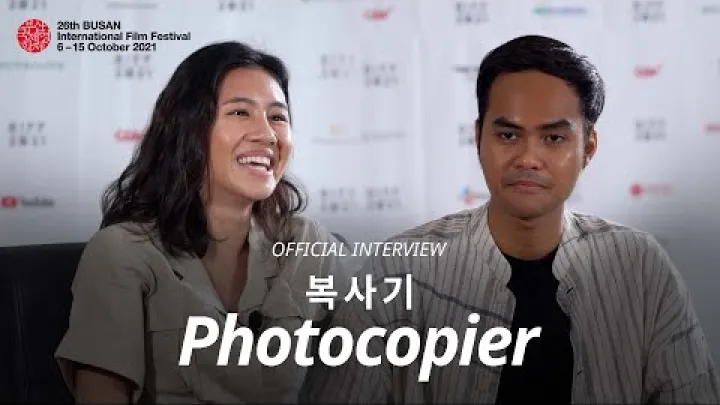
A new generation has arrived through shorts, campus cinemas, and festivals before moving to features or streamer debuts. Wregas Bhanuteja made his feature debut with Photocopier (2021), which won multiple Citra Awards and traveled widely after Busan. Gina S. Noer’s Dua Garis Biru (2019) sparked national discussion about youth and sexuality and marked a confident directorial debut after screenwriting success.
Bene Dion Rajagukguk’s Ngeri Ngeri Sedap (2022) connected across Indonesia with its blend of culture and comedy-drama and earned festival and award recognition. Umay Shahab’s Ali & Ratu Ratu Queens (2021) reached global audiences via streaming, reflecting how online premieres can launch careers internationally. Together, these filmmakers showcase topics ranging from family and identity to education and migration.
How the industry works: production, distribution, and regulation

Funding, skills, and technical capacity
Indonesian film financing is a mix of private investment, brand integrations, limited public grants, and occasional co-productions. Companies partner with global streamers for originals or co-financing, while theatrical projects often combine equity, product placement, and presales to platforms. Government bodies such as the Ministry of Tourism and Creative Economy (Kemenparekraf) and the Indonesian Film Board (BPI) support promotion, training, and incentives.

Training pipelines include film schools and arts institutes such as Institut Kesenian Jakarta (IKJ), alongside workshops, labs, and festival incubators. Technical standards in stunts, sound, and VFX have risen, with action cinema setting new bars for choreography and safety.
Distribution bottlenecks and solutions
Screen density remains concentrated in major urban areas, especially on the island of Java, creating competition for prime showtimes and short runs for smaller films. Industry estimates suggest a clear majority of screens are located on Java, while parts of Sumatra, Kalimantan, Sulawesi, and eastern provinces have comparatively limited access. Independent circuits and arthouse venues are still developing, making discovery harder outside big cities.

Solutions include community screenings, campus tours, and festival routes that extend a film’s life before streaming. PVOD via Bioskop Online enables nationwide access shortly after theatrical windows, while regional exhibitors and traveling programs bring curated selections to smaller towns. Filmmakers increasingly plan for staggered pathways—festival, targeted theaters, PVOD/SVOD—to balance visibility and revenue.
Censorship and content guidelines
The Lembaga Sensor Film (LSF) classifies theatrical releases and can require edits for sensitive material. Common sensitivities include religion, sexuality and nudity, explicit violence, and drug depiction. For streaming, platforms apply their own compliance processes aligned with local regulations and may carry LSF ratings on title pages in Indonesia.
Current LSF categories include SU (Semua Umur, suitable for all ages), 13+, 17+, and 21+. Viewers should check the rating icon on posters, ticketing apps, and platform detail screens. Creators typically allocate time for script review, rough-cut feedback, and final clearance to avoid last-minute changes. Submitting correct metadata (synopsis, runtime, language, rating) helps smooth distribution across theaters and streaming.
Frequently Asked Questions
What is the most-watched Indonesian movie of all time?
KKN di Desa Penari is the most-watched Indonesian film with around 10 million admissions. It leads a strong run of horror hits, followed by titles like Satan’s Slaves 2: Communion and Sewu Dino. Admissions records continued to improve through 2024 based on industry reporting.
Where can I watch Indonesian movies legally with subtitles?
You can watch Indonesian films on Netflix, Prime Video, Disney+ Hotstar, Vidio, and Bioskop Online. Most platforms offer English or Indonesian subtitles; availability varies by country. Check each title page for audio and subtitle options.
Why are Indonesian horror movies so popular?
Indonesian horror blends folklore and local myths with modern themes, creating strong cultural resonance. Producers have refined craft and effects, delivering consistent quality. Horror also performs well at the box office, encouraging more releases.
Is The Raid an Indonesian movie and where can I watch it?
Yes, The Raid (2011) is an Indonesian action film set in Jakarta, directed by Gareth Evans and starring Iko Uwais. It is often listed as The Raid: Redemption in some regions. Availability rotates across Netflix, Prime Video, and other services by region.
Which Indonesian action films are good for beginners?
Start with The Raid and The Raid 2, then watch Headshot and The Night Comes for Us. These films showcase high-intensity choreography and pencak silat action. Expect strong violence and adult ratings.
Who are the most influential Indonesian directors today?
Joko Anwar, Mouly Surya, Timo Tjahjanto, and Angga Dwimas Sasongko are widely recognized. They span horror, action, and drama and have strong festival or commercial impact. Rising names include Wregas Bhanuteja and Gina S. Noer.
How big is the Indonesian box office today?
Through 2024, Indonesian films recorded tens of millions of admissions, with reporting citing around 61 million local admissions and about a two-thirds market share that year. Growth is expected to continue as new screens open and premium formats expand.
Are Indonesian films suitable for family viewing?
Yes, but check ratings, as horror and action dominate. Family-friendly options include dramas and adaptations; for example, Miracle in Cell No. 7 (2022) is widely accessible. Use platform filters for “family” or “kids” categories.
Conclusion and next steps
Admissions growth, multiplex expansion, and global streaming access mean more Indonesia movies are easier to find legally with subtitles. Use this guide’s history notes, curated lists, and viewing tips to discover the directors, studios, and genres shaping the country’s vibrant screen culture.
Select area
Create a post
Posting is free and no registration is required.