Indonesia Volcano: Active Volcanoes, Eruptions, Hazards, and Key Facts

Indonesia is home to more active volcanoes than any other country on Earth, making it a global center for volcanic activity. Understanding Indonesia’s volcanoes is crucial for residents, travelers, and anyone interested in Earth’s dynamic processes. These volcanoes shape the landscape, influence the climate, and impact millions of lives through eruptions, hazards, and opportunities. This guide explores Indonesia’s volcanic landscape, major eruptions, hazards, and the vital role volcanoes play in the nation’s environment and economy.
Overview of Indonesia’s Volcanic Landscape
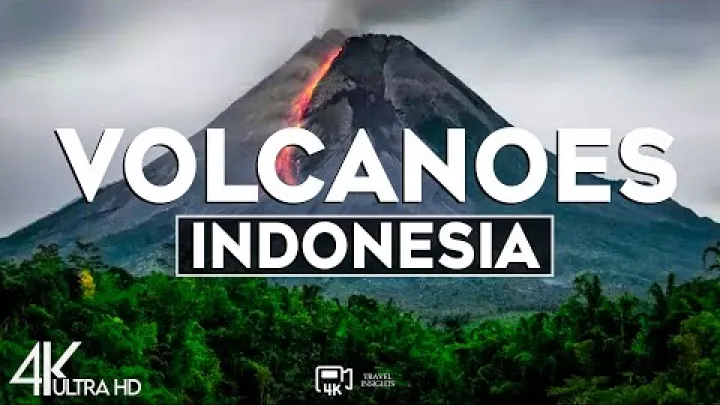
Indonesia’s volcanic landscape is a vast chain of mountains and islands formed by intense geological activity, featuring over 130 active volcanoes that stretch across the archipelago. This region is one of the world’s most volcanically active and geologically complex.
- Indonesia has more than 130 active volcanoes.
- It is part of the Pacific “Ring of Fire.”
- Major eruptions have shaped global history and climate.
- Volcanoes are found on Sumatra, Java, Bali, Sulawesi, and other islands.
- Millions of people live near active volcanoes.
Indonesia is a global hotspot for volcanoes because it sits at the convergence of several major tectonic plates. The constant movement and collision of these plates create ideal conditions for frequent volcanic eruptions. The country’s unique position along the Pacific Ring of Fire means that volcanic activity is a defining feature of its geography and culture. This dynamic environment not only poses risks but also offers fertile soils, geothermal energy, and unique tourism opportunities.
Why Does Indonesia Have So Many Volcanoes?
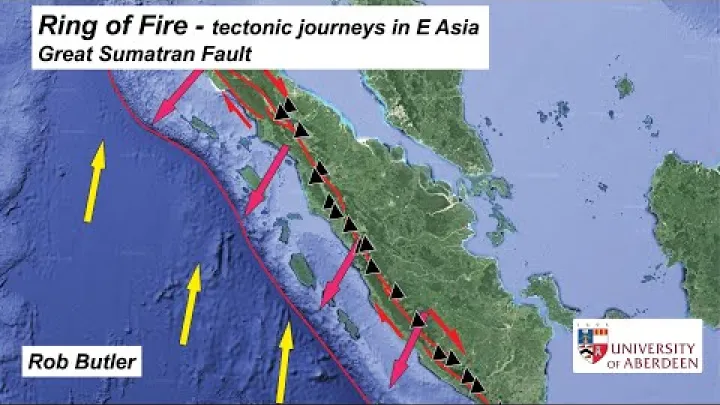
Indonesia’s high number of volcanoes is directly linked to its tectonic setting. The country lies at the intersection of several major tectonic plates: the Indo-Australian Plate, the Eurasian Plate, the Pacific Plate, and the Philippine Sea Plate. The subduction of the Indo-Australian Plate beneath the Eurasian Plate along the Sunda Trench is the primary driver of volcanic activity in the region.
As these plates collide and one slides beneath the other, magma is generated and rises to the surface, forming volcanoes. This process is especially active along the Sunda Arc, which runs through Sumatra, Java, Bali, and the Lesser Sunda Islands. The frequent movement and interaction of these plates make Indonesia one of the most volcanically active regions in the world. For a clearer understanding, a simple diagram or map showing the plate boundaries and major volcanoes would be helpful for visualizing this complex geological setting.
Major Volcanic Zones and Tectonic Setting
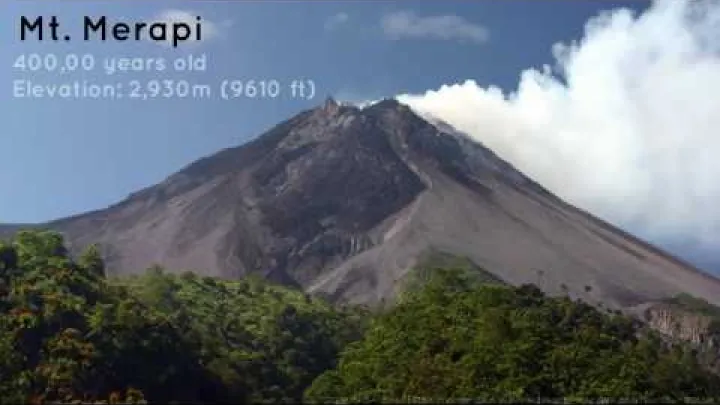
Indonesia’s volcanoes are grouped into several major volcanic arcs and regions, each with distinct geological characteristics. The most significant zones include:
- Sunda Arc: Extends from Sumatra through Java, Bali, and the Lesser Sunda Islands. This arc contains many of Indonesia’s most active and well-known volcanoes, such as Krakatoa, Merapi, and Tambora.
- Banda Arc: Located in eastern Indonesia, this arc includes the Banda Islands and is known for complex tectonic interactions and explosive volcanic activity.
- Molucca Sea Arc: Found in the northern part of the archipelago, this region features unique double subduction zones and several active volcanoes.
- North Sulawesi Arc: This arc is characterized by frequent eruptions and is part of the broader Pacific Ring of Fire.
| Volcanic Zone | Main Islands | Key Features |
|---|---|---|
| Sunda Arc | Sumatra, Java, Bali, Lesser Sunda | Most active volcanoes, major eruptions |
| Banda Arc | Banda Islands, Maluku | Complex tectonics, explosive eruptions |
| Molucca Sea Arc | North Maluku | Double subduction, unique geology |
| North Sulawesi Arc | Sulawesi | Frequent eruptions, part of Ring of Fire |
Notable Indonesian Volcanoes and Their Eruptions
Indonesia’s volcanoes have played a pivotal role in global history, with several eruptions ranking among the most powerful and impactful ever recorded. Volcanoes such as Krakatoa, Tambora, Merapi, and Lake Toba are not only famous for their dramatic eruptions but also for their influence on climate, culture, and scientific understanding. These volcanoes continue to attract researchers, tourists, and those fascinated by the power of nature.
| Volcano | Major Eruption Date | Impact |
|---|---|---|
| Krakatoa | 1883 | Global climate effects, tsunamis, over 36,000 deaths |
| Tambora | 1815 | Largest eruption in recorded history, “Year Without a Summer” |
| Merapi | Frequent (notably 2010) | Regular eruptions, impacts on local communities |
| Lake Toba | ~74,000 years ago | Supervolcano, global population bottleneck |
These volcanoes are not only geological wonders but also reminders of the profound influence that Indonesia’s volcanic activity has had on the world.
Krakatoa: History and Impact
The 1883 eruption of Krakatoa is one of the most famous volcanic events in history. Located between the islands of Java and Sumatra, Krakatoa’s eruption produced a series of massive explosions that were heard thousands of kilometers away. The eruption generated tsunamis that devastated coastal communities and caused over 36,000 deaths. Ash from the eruption circled the globe, leading to spectacular sunsets and a noticeable drop in global temperatures.
The volcano is closely monitored due to its potential for future eruptions and tsunamis. An infographic or image of Krakatoa, showing its location and eruption history, would help illustrate its ongoing significance.
| Eruption Fact | Detail |
|---|---|
| Date | August 26–27, 1883 |
| Explosivity Index | VEI 6 |
| Deaths | 36,000+ |
| Global Effects | Climate cooling, vivid sunsets |
- Key Impacts:
- Massive tsunamis destroyed coastal villages
- Global temperature dropped by 1.2°C
- Triggered scientific advances in volcanology
Mount Tambora: The Largest Eruption in History
Mount Tambora, located on the island of Sumbawa, erupted in April 1815 in what is considered the largest volcanic eruption in recorded history. The eruption released an immense volume of ash and gases into the atmosphere, causing widespread devastation in Indonesia and far-reaching climatic effects worldwide. The explosion destroyed the mountain’s summit, created a massive caldera, and led to the deaths of at least 71,000 people, many from starvation and disease following the eruption.
The global impact of Tambora’s eruption was profound. The ash and sulfur dioxide ejected into the atmosphere led to the “Year Without a Summer” in 1816, causing crop failures and food shortages in North America and Europe. This event highlighted the interconnectedness of volcanic activity and global climate. A visual timeline of the eruption, from the initial explosions to the aftermath, would help readers understand the sequence and scale of events.
- Quick Facts:
- Date: April 5–15, 1815
- Volcanic Explosivity Index: VEI 7
- Estimated Deaths: 71,000+
- Global Consequence: “Year Without a Summer” (1816)
| Timeline Event | Date |
|---|---|
| Initial Eruptions | April 5, 1815 |
| Main Explosion | April 10–11, 1815 |
| Caldera Formation | April 11, 1815 |
| Global Climate Effects | 1816 (“Year Without a Summer”) |
Mount Merapi: Indonesia’s Most Active Volcano
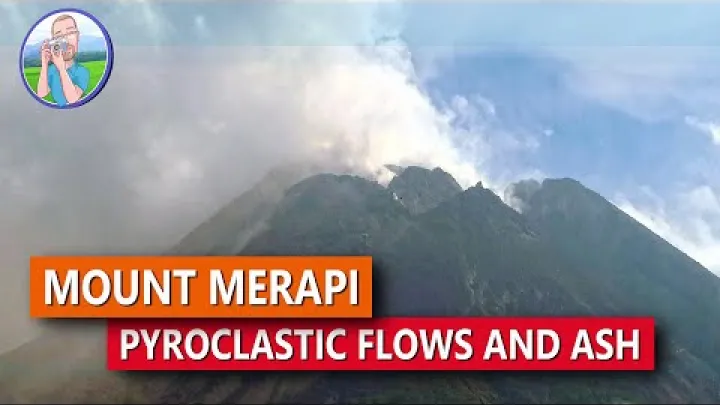
Known for its frequent eruptions, Merapi has a long history of impacting nearby communities with lava flows, ashfall, and pyroclastic surges. The volcano’s eruptions are closely monitored due to the dense population living on its slopes and in surrounding areas.
Recent eruptions, such as those in 2010 and 2021, have led to evacuations and significant disruptions. The Indonesian government and local agencies have established advanced monitoring systems and early warning protocols to protect residents. For visitors, Merapi offers guided tours and educational experiences, but it is essential to check current activity levels and follow safety guidelines. Embedding a video of Merapi’s eruptions can provide a vivid sense of its power and ongoing activity.
- Activity Timeline:
- 2010: Major eruption, over 350 deaths, widespread ashfall
- 2018–2021: Frequent smaller eruptions, ongoing monitoring
- Visitor Information:
- Guided tours available during safe periods
- Observation posts and museums provide educational resources
- Always check official updates before visiting
Lake Toba and Supervolcanoes
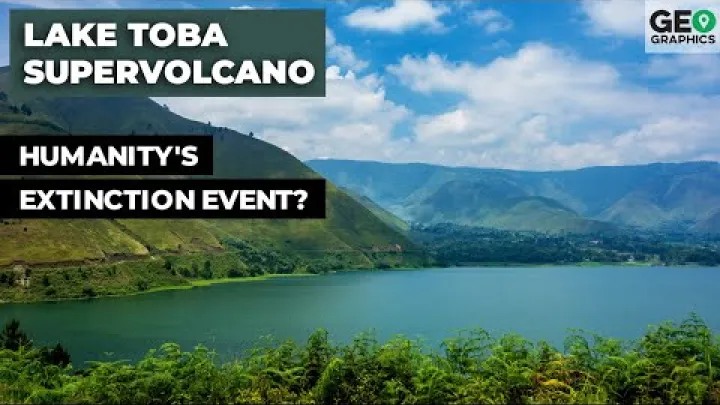
Lake Toba, located in North Sumatra, is the site of one of the world’s largest supervolcanoes. The lake was formed by a massive eruption approximately 74,000 years ago, which created a caldera now filled with water. This eruption is believed to have been one of the most powerful in Earth’s history, releasing vast amounts of ash and gases into the atmosphere.
The Toba eruption had far-reaching effects, including a possible global volcanic winter and a significant reduction in the human population, known as a population bottleneck. Today, Lake Toba is a popular tourist destination, known for its stunning scenery and unique geological history. A map or infographic showing the size of the caldera and the extent of the eruption’s impact would help illustrate its significance.
- Summary of Toba Eruption:
- Date: ~74,000 years ago
- Type: Supervolcano (VEI 8)
- Effects: Global cooling, possible human population bottleneck
- Significance:
- Largest known eruption in the last 2 million years
- Lake Toba is the world’s largest volcanic lake
- Important site for geological and anthropological research
Volcanic Hazards and Monitoring in Indonesia
Indonesia’s active volcanoes present a range of hazards, including eruptions, lahars (volcanic mudflows), and tsunamis. These hazards can threaten lives, infrastructure, and the environment. To reduce risks, Indonesia has developed extensive monitoring systems and safety measures. Understanding these hazards and how they are managed is essential for residents, visitors, and anyone interested in the country’s dynamic landscape.
- Common Volcanic Hazards:
- Eruptions: Explosive events that release ash, lava, and gases
- Lahars: Fast-moving volcanic mudflows that can bury communities
- Tsunamis: Large waves triggered by volcanic explosions or landslides
| Hazard | Example | Risk |
|---|---|---|
| Eruption | Krakatoa 1883 | Widespread destruction, ashfall, loss of life |
| Lahar | Merapi 2010 | Buried villages, infrastructure damage |
| Tsunami | Anak Krakatau 2018 | Coastal flooding, fatalities |
- Recent Eruptions:
- Mount Semeru (2021)
- Mount Sinabung (2020–2021)
- Mount Merapi (2021)
- Safety Tips for Residents and Visitors:
- Stay informed through official channels and local authorities
- Follow evacuation orders promptly
- Prepare emergency kits with essentials
- Avoid river valleys and low-lying areas during heavy rain
- Respect exclusion zones around active volcanoes
Indonesia’s main monitoring organizations include the Center for Volcanology and Geological Hazard Mitigation (PVMBG) and the Indonesian Agency for Meteorology, Climatology, and Geophysics (BMKG). These agencies operate a network of observation posts, seismic sensors, and early warning systems to detect volcanic activity and alert the public. A table or list summarizing these hazards and monitoring efforts can help readers quickly understand the risks and safety measures in place.
Common Hazards: Eruptions, Lahars, and Tsunamis
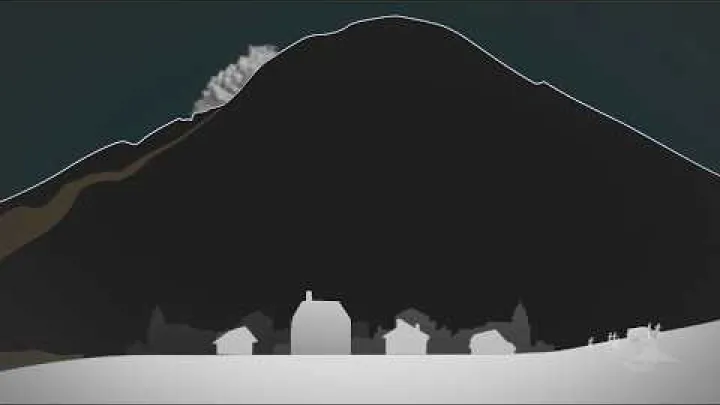
Indonesia’s volcanoes present several hazards that can affect people and infrastructure. Understanding these risks is vital for safety and preparedness. The most common hazards include:
- Eruptions: Explosive events that release ash, lava, and gases. Example: The 2010 eruption of Mount Merapi caused widespread ashfall and forced thousands to evacuate.
- Lahars: Volcanic mudflows formed when ash mixes with rainwater. Example: Lahars from Merapi have buried villages and damaged roads.
- Tsunamis: Large waves triggered by volcanic explosions or landslides. Example: The 2018 eruption of Anak Krakatau caused a deadly tsunami in the Sunda Strait.
Each of these hazards poses unique risks. Eruptions can disrupt air travel, damage crops, and threaten lives. Lahars move quickly and can destroy everything in their path, especially after heavy rainfall. Tsunamis generated by volcanic activity can strike coastal areas with little warning, causing significant loss of life and property. A summary box or quick-reference guide can help readers remember the main hazards and their potential impacts.
- Quick Reference:
- Eruptions: Explosive, ashfall, lava flows
- Lahars: Mudflows, rapid, destructive
- Tsunamis: Coastal flooding, sudden impact
How Are Indonesia’s Volcanoes Monitored?

Monitoring Indonesia’s volcanoes is a complex task involving multiple agencies and advanced technologies. The Center for Volcanology and Geological Hazard Mitigation (PVMBG) is the primary organization responsible for volcano monitoring. PVMBG operates a network of observation posts, seismic stations, and remote sensing equipment to track volcanic activity in real time.
Monitoring technologies include seismographs to detect earthquakes, gas sensors to measure volcanic emissions, and satellite imagery to observe changes in volcano shape and temperature. Early warning systems are in place to alert communities of impending eruptions, allowing for timely evacuations. The Indonesian Agency for Meteorology, Climatology, and Geophysics (BMKG) also plays a role in monitoring and disseminating information. A diagram or infographic showing the monitoring network and communication flow would help readers visualize how these systems work together to keep people safe.
- Key Monitoring Organizations:
- PVMBG (Center for Volcanology and Geological Hazard Mitigation)
- BMKG (Meteorology, Climatology, and Geophysics Agency)
- Local observation posts and emergency services
- Monitoring Process:
- Continuous data collection from sensors and satellites
- Analysis by experts to detect signs of increased activity
- Issuing alerts and warnings to authorities and the public
Socioeconomic Impact: Tourism, Geothermal Energy, and Mining
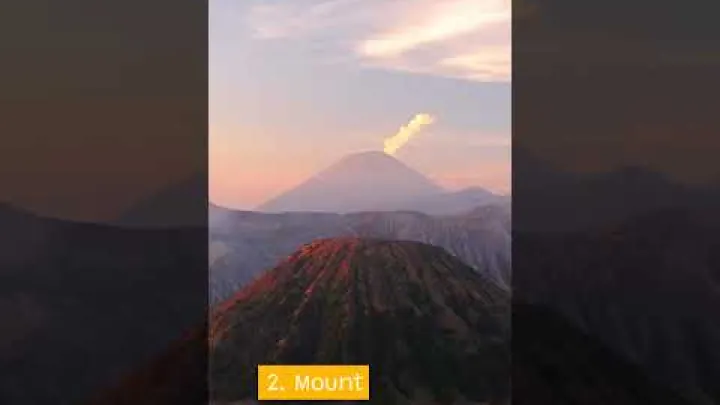
Indonesia’s volcanoes are not only sources of natural hazards but also provide significant economic benefits. Volcanic landscapes attract millions of tourists each year, offering opportunities for hiking, sightseeing, and cultural experiences. Popular destinations include Mount Bromo, Mount Rinjani, and Lake Toba, where visitors can witness stunning scenery and learn about local traditions.
Geothermal energy is another major benefit of Indonesia’s volcanic activity. The country is one of the world’s leading producers of geothermal power, with projects located near active volcanoes such as Wayang Windu and Sarulla. This renewable energy source helps reduce reliance on fossil fuels and supports sustainable development.
- Volcano-Related Tourism:
- Mount Bromo sunrise tours
- Hiking Mount Rinjani in Lombok
- Exploring Lake Toba and Samosir Island
- Visiting Merapi’s observation posts and museums
- Geothermal Projects:
- Wayang Windu Geothermal Power Plant (West Java)
- Sarulla Geothermal Power Plant (North Sumatra)
- Kamojang Geothermal Field (West Java)
- Mining Activities:
- Sulfur mining at Ijen Crater (East Java)
- Extraction of minerals from volcanic soils
| Economic Benefit | Example | Challenge |
|---|---|---|
| Tourism | Mount Bromo, Lake Toba | Safety risks, environmental impact |
| Geothermal Energy | Wayang Windu, Sarulla | High initial investment, land use |
| Mining | Ijen Crater sulfur mining | Worker safety, environmental concerns |
While volcanoes offer many benefits, they also present challenges such as safety risks for tourists, environmental impacts from mining, and the need for careful management of geothermal resources. Balancing these opportunities and challenges is essential for sustainable development in Indonesia’s volcanic regions.
Frequently Asked Questions
What is the most famous volcano in Indonesia?
Krakatoa is widely considered the most famous volcano in Indonesia due to its catastrophic 1883 eruption, which had global effects and remains a landmark event in volcanic history.
How many active volcanoes are there in Indonesia?
Indonesia has more than 130 active volcanoes, the highest number of any country in the world. These volcanoes are distributed across several major islands and volcanic arcs.
What was the deadliest volcanic eruption in Indonesia?
The 1815 eruption of Mount Tambora is the deadliest in Indonesia’s history, causing at least 71,000 deaths and leading to global climate disruptions known as the “Year Without a Summer.”
Is it safe to visit volcanoes in Indonesia?
Many volcanoes in Indonesia are safe to visit during periods of low activity. It is important to check official updates, follow local guidelines, and respect exclusion zones to ensure safety.
How are volcanic eruptions predicted in Indonesia?
Volcanic eruptions are predicted using a combination of seismic monitoring, gas measurements, satellite imagery, and ground observations. Agencies like PVMBG and BMKG provide early warnings and updates to the public.
Conclusion
Indonesia’s volcanoes are a defining feature of the nation’s landscape, history, and culture. With more active volcanoes than any other country, Indonesia faces unique challenges and opportunities. Understanding the hazards, monitoring systems, and socioeconomic impacts of these volcanoes is essential for residents, visitors, and anyone interested in Earth’s dynamic processes. To learn more about Indonesia’s volcanoes or explore related topics, continue reading our in-depth guides and resources.
Select area
Create a post
Posting is free and no registration is required.