Indonesia Embassy: Locations, Services, Visas, and Contacts (2025 Guide)

The Indonesia Embassy and its worldwide consulates help travelers, foreign residents, and Indonesian citizens access essential services. This guide explains where to find a mission, how to book appointments, and what documents you may need. It also clarifies when an apostille is accepted versus when embassy legalization is required. Use it as a practical reference before you visit the embassy or apply online.
What the Indonesia Embassy Does
Embassies and consulates of Indonesia deliver core government services abroad and represent the Republic of Indonesia in bilateral and multilateral settings. For the public, they provide visas, passports, and civil documentation. For institutions and communities, they support education, culture, business, and diaspora engagement. Many posts also manage crisis response and 24/7 assistance for Indonesian citizens. While service menus are similar worldwide, appointment rules, fees, and processing times can vary by location, so always confirm details with the specific mission that covers your place of residence.
Core consular services (visas, passports, legalization)
Indonesian embassies and consulates process several visa categories, including visit visas, business visas, and limited-stay visas. Some travelers can apply online through the e-VOA portal for Visa on Arrival eligibility, while sponsor-based e-Visa routes support longer or specific-purpose stays. For Indonesian citizens, posts handle passport renewal and replacement, take biometrics, and issue emergency travel documents when needed. Consular counters also assist with civil registry matters—such as recording births or marriages abroad—and may help facilitate police clearance (SKCK) requests with guidance on forms and fingerprints.

Document services include apostille guidance and remaining legalization or notarial services where applicable. Since 4 June 2022, Indonesia recognizes apostilles from member countries, which removes the need for embassy legalization for many public documents. However, posts still offer legalization for documents from non-apostille jurisdictions or for document types that require it. Applicants should note that local appointment requirements and fee payment methods differ by post; some accept card or bank transfer only, while others still take cash. Jurisdiction rules also apply: you typically must submit to the embassy or consulate that covers your place of lawful residence.
Public diplomacy, business, education, and cultural outreach
Beyond consular windows, the Indonesia Embassy network promotes trade, investment, tourism, and people-to-people ties. Economic sections work with Indonesian trade offices (ITPC) and the Ministry of Investment to connect companies, share market intelligence, and support exhibitions. Posts also keep close ties with Indonesian diaspora communities for voter information, civic outreach, and community services.

Examples include KBRI Singapura, which regularly partners with ITPC Singapore and industry chambers to host trade briefings and sector-focused networking events, and facilitates BIPA classes and cultural festivals that attract students and professionals. In Washington, D.C., the Embassy of Indonesia engages think tanks and universities through seminars, policy briefings, and arts programming, while connecting U.S. firms with Indonesian counterparts during investment forums and trade fairs. These activities complement media outreach and cooperation programs that help explain Indonesia’s policies and foster long-term collaboration.
Find an Indonesian Embassy or Consulate Near You
Indonesia maintains a broad network of embassies, consulates general, and honorary consulates. To get the right information, first identify the mission whose jurisdiction covers your residence or where you will submit your application. Then review its appointment system, document checklists, and payment instructions. The summaries below highlight three commonly searched locations—United States, Singapore, and Kuala Lumpur—along with practical notes on addresses, hours, and online systems. Always verify details on the official mission website before traveling, as local holidays, security procedures, or system updates can affect service availability.
United States: Embassy of Indonesia in Washington, D.C. and 5 Consulates
The Embassy of Indonesia in Washington, D.C. is located at 2020 Massachusetts Avenue NW. Typical business hours are Monday–Friday during the workday, with appointments recommended for most services. For visas, many applicants use sponsor-based e-Visa (evisa.imigrasi.go.id) or e-VOA (molina.imigrasi.go.id) where eligible, which can reduce in-person steps. For consular queues, check the Embassy website and the Ministry’s appointment portal if listed. Always bring printed appointment confirmations and valid ID.
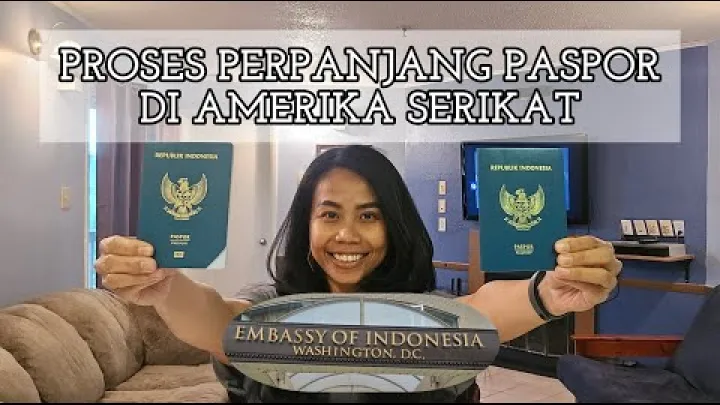
Use the table below as a quick orientation and confirm final jurisdiction on each post’s site. Remember that missions in the U.S. usually close on both Indonesian and U.S. public holidays, so plan submissions around combined closures.
| City | Primary regional coverage (summary) |
|---|---|
| Washington, D.C. (Embassy) | Federal capital; works nationally with central agencies; some consular services for residents within Embassy jurisdiction |
| New York (Consulate General) | Northeast states (e.g., NY, NJ, CT, MA, PA) and nearby areas |
| Los Angeles (Consulate General) | Southern California and nearby states (e.g., AZ, HI), per official jurisdiction |
| San Francisco (Consulate General) | Northern California and Pacific Northwest (e.g., WA, OR), per official jurisdiction |
| Chicago (Consulate General) | Midwestern states (e.g., IL, MI, OH, IN, WI), per official jurisdiction |
| Houston (Consulate General) | Texas and neighboring Gulf/Southern states, per official jurisdiction |
Singapore: Embassy of Indonesia (KBRI Singapura)
Address: 7 Chatsworth Road, Singapore 249761. KBRI Singapura provides visas, passports for Indonesian citizens, and document services. Most services use an online appointment system where you select a service, upload documents, and choose a time slot. Many visitors, business travelers, and long-stay applicants can use e-VOA (molina.imigrasi.go.id) or sponsor-based e-Visa (evisa.imigrasi.go.id), which may reduce or replace in-person steps depending on the case.
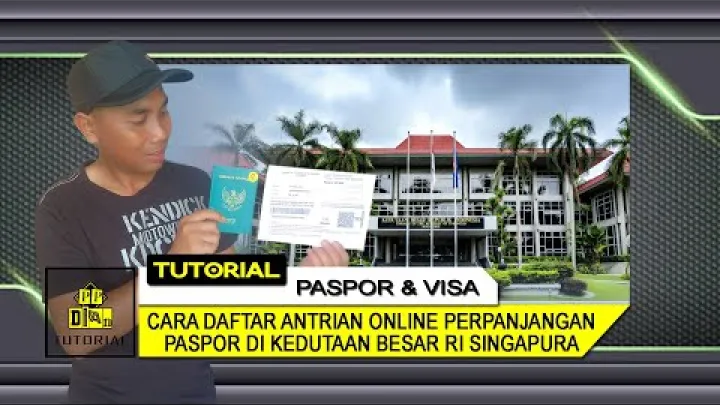
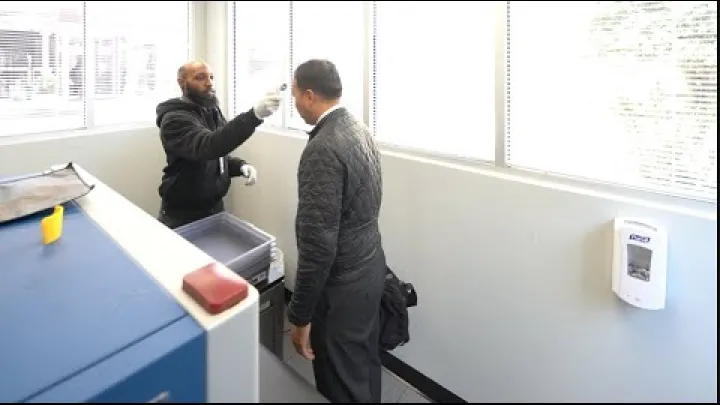
Working hours and contact details are published on the mission’s official website; consular counters typically operate on weekdays during standard office hours. Expect security screening at entry; arrive early and bring printed confirmations, identification, and originals with photocopies. Early appointment slots are recommended to avoid peak queues. If you need assistance selecting the right visa category or confirming document requirements, review the specific guidance linked from the embassy’s service pages.
Malaysia: Indonesia Embassy in Kuala Lumpur
Address: No. 233, Jalan Tun Razak, 50400 Kuala Lumpur. As a major regional hub, the Embassy of Indonesia in Kuala Lumpur handles high volumes of migration and labor-related services alongside visas, passports, and civil documentation. Most services require an appointment; applicants should bring originals and the specified number of photocopies. Some immigration processes also use national online systems, such as the M-Paspor application for Indonesian citizens, in addition to on-site processing at the embassy.
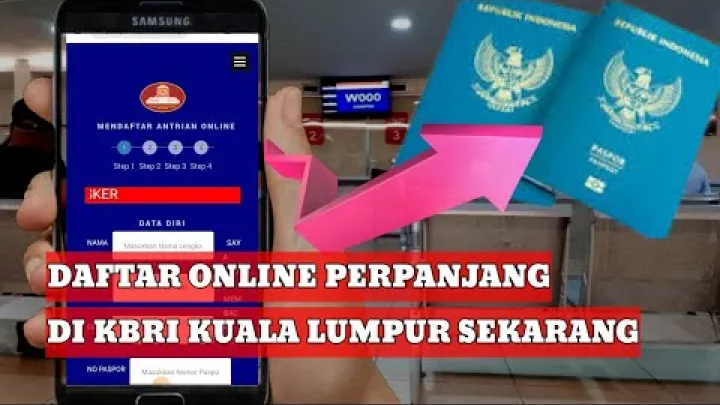
Guidance differs for foreign applicants (visas, legalization) and Indonesian citizens residing in Malaysia (passport, civil registry, SKCK facilitation). The embassy coordinates coverage across Malaysian states and, where necessary, with nearby Indonesian posts. Check the embassy website for opening hours, required forms, fee methods (card, transfer, or cash where accepted), and any mobile outreach schedules for high-demand communities.
Visas and Consular Services: How to Apply
Applying through an Indonesia Embassy or consulate involves selecting the right service, booking an appointment, preparing documents, and paying the correct fee. Some travelers can complete most steps online using e-VOA or sponsor-based e-Visa systems, which shortens or removes the need to visit a counter. Others—especially those with special categories, complex cases, or legalization needs—should plan sufficient time for in-person processing. The steps and timelines below help you prepare and avoid common delays.
Step-by-step: booking an appointment
First, identify the correct mission and service type for your case. Create or sign in to the official portal used by that mission. Many posts require you to upload documents in advance, select a date and time, and then receive confirmation by email or SMS. Payment methods vary: some take card or bank transfer, while others accept cash at the counter. Keep any reference numbers, QR codes, or receipts for entry and status tracking.
If you do not have internet access, ask the mission about hotline booking, walk-in information desks on limited days, or community support sessions. On appointment day, arrive 10–15 minutes early for security screening. Bring your passport, appointment proof, and originals of all documents. If your situation changes, reschedule through the portal instead of missing your slot.
- Choose the correct mission and service (visa, passport, legalization).
- Create/login to the mission’s official appointment system.
- Upload required documents and select a suitable slot.
- Note payment instructions; keep your receipt or QR code.
- Arrive early with originals, ID, and confirmation email/SMS.
Required documents and processing times
For visas, common requirements include a passport with at least six months’ validity, a completed application, a recent photo, travel itinerary, proof of funds, and a return or onward ticket. Purpose documents may include a sponsor letter or company invitation; health insurance is often required. For Indonesian citizens renewing passports, bring your current passport, Indonesian ID or relevant civil documents, and be prepared for biometrics. Lost or damaged passports usually require additional affidavits or police reports.
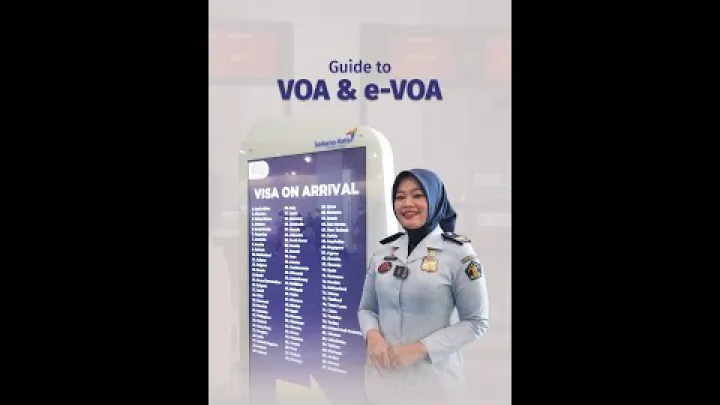
Typical visa processing takes about 3–10 business days after the mission receives a complete file. Apply 2–4 weeks before travel to account for seasonal peaks and public holidays. Timelines can differ for e-VOA or e-Visa versus in-person submissions, and incomplete files pause processing until corrections are provided. Local checklists may add documents depending on visa type and applicant nationality, so always confirm the exact requirements on the mission’s website and ensure your copies and translations meet the specified format.
Apostille vs Legalization: What You Need to Know
Understanding whether an apostille is sufficient or embassy legalization is required can save time and cost. Indonesia joined the apostille system effective 4 June 2022, which significantly changes how many public documents are accepted for use in Indonesia. In general, public documents from apostille member countries need only a valid apostille issued by the competent authority in the country of origin. For non-apostille countries, traditional legalization through the foreign ministry and the Indonesian embassy still applies. Commercial and customs documents can follow different rules based on their purpose and the receiving authority.
When apostille is enough
Indonesia recognizes apostilles from member countries, which means many civil and academic documents no longer require embassy legalization. Examples include birth and marriage certificates, university diplomas, and court documents, provided they carry a valid apostille from the authorized office in the issuing country. If the document is not in Indonesian, a certified translation may also be requested by the receiving institution.
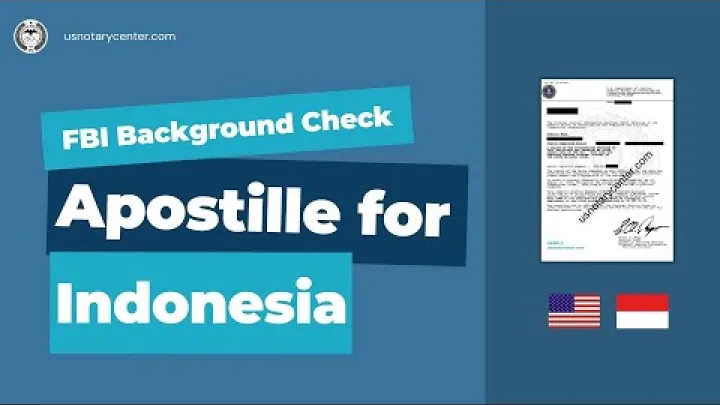
The apostille must be issued by the competent authority in the document’s country of origin; photocopies or uncertified scans are usually not acceptable. Requirements can vary across Indonesian institutions, so confirm acceptance with the specific authority—such as a university, court, or government office—before submission. Doing so avoids repeat visits and translation or formatting issues.
When embassy legalization is still required
Documents from non-apostille countries typically require embassy or consulate legalization for use in Indonesia. Certain commercial and customs documents—such as invoices or certificates of origin used in trade—may also still require legalization even if an apostille exists, depending on the receiving authority’s rules. The classic sequence is notarization, authentication by the foreign ministry of the issuing country, and final legalization by the Indonesian embassy or consulate.
Procedures can differ by location. For example, a U.S.-issued commercial invoice may require notarization, state or federal authentication as applicable, and validation by the Indonesian Embassy or an appropriate Consulate. In Malaysia, documents originating there but destined for Indonesia may need Malaysian Ministry of Foreign Affairs authentication before legalization at the Indonesian Embassy in Kuala Lumpur. Fees, processing times, and submission windows vary by post, so review each mission’s guidance carefully.
Emergency Assistance for Indonesian Citizens Abroad
Indonesian embassies and consulates provide 24/7 emergency support to citizens facing urgent situations abroad. Typical scenarios include lost or stolen passports, accidents, serious illness, arrests, disasters, and civil unrest. While consular officers cannot override local laws, they can assist with information, coordinate with local authorities within legal bounds, and help with documentation or emergency travel when appropriate. Citizens are encouraged to keep mission emergency numbers handy and to follow local updates issued by the embassy or consulate.
24/7 hotline and crisis support
Each mission publishes an emergency hotline for Indonesian citizens. The service covers urgent document assistance, detention notifications, disaster response coordination, and crisis advisories. In large-scale emergencies, posts may activate warden networks or community leaders to disseminate information quickly and organize support.

To receive timely updates, citizens should register with any local alert systems maintained by the mission or host country. Save hotline numbers and email contacts offline so they are accessible during connectivity outages. If you are safe but need assistance, communicate your location, contact information, and a brief description of your situation to help officers triage requests efficiently.
Legal and medical referrals
Embassies and consulates maintain lists of local lawyers, translators, and medical facilities that can be shared with citizens on request. These are referrals only; missions do not provide legal representation, pay fines, or influence court outcomes. Consular officers can visit detainees where permitted, notify family members upon consent, and provide information on local procedures.
For medical emergencies, always call the host country’s emergency number first. Missions can supply information on hospitals, victim support services, and translation resources. Privacy and consent apply: the mission will only share your personal information with third parties—including family—if you authorize it or if required by applicable law. Keep copies of your passport and key documents stored securely in case originals are lost.
Business, Investment, and Education Services
Indonesia’s overseas missions are gateways for companies and students exploring opportunities in Indonesia. Economic teams coordinate with trade offices and the Ministry of Investment to guide investors on permits, incentives, and sector trends. Education and culture sections manage scholarships, language programs, and cultural exchanges that connect people and institutions. By preparing concise profiles and documentation in advance, applicants and businesses can make meetings more productive and speed up follow-up actions after events and briefings.
Trade and investment facilitation
Economic sections and Indonesian Trade Promotion Centers (ITPC) offer market intelligence, B2B matchmaking, and support at trade fairs. They work with the Ministry of Investment/BKPM to explain licensing pathways and incentives in sectors such as energy, manufacturing, agro-processing, healthcare, and digital services. Missions often organize delegation visits, investment seminars, and product showcases to link buyers and suppliers.

Before meeting embassy or ITPC officers, companies should prepare a concise one-page brief describing products or services, target markets, certifications, and compliance documents (for example, company registration, HS codes, or relevant standards). This helps officers identify the right Indonesian partners and recommend suitable events or regions. Bring business cards and a clear follow-up plan to make the most of introductions.
Cultural and language programs

Scholarship options include Darmasiswa, which typically invites applications once a year for non-degree Indonesian language and culture study, and the Indonesian Arts and Culture Scholarship (IACS), which offers immersive arts training. Application windows commonly fall between late year and early spring for the next academic cycle, and eligibility generally requires non-Indonesian citizenship, a completed application form, and medical fitness. Always check the latest eligibility and deadlines on official channels, as dates may shift annually.
Frequently Asked Questions
How do I make an appointment at an Indonesian embassy or consulate?
Book through the mission’s official website using the online appointment system. Select the service (visa, passport, legalization), choose a date/time, upload required documents, and confirm. Bring originals and payment method on the day. Arrive 10–15 minutes early for security screening.
What documents do I need for an Indonesia visa application at the embassy?
You generally need a valid passport (6+ months remaining), completed application, recent photo, itinerary, proof of funds, and purpose documents (for example, invitation or hotel booking). Some visas require health insurance and return tickets. Check the local embassy page for exact and updated lists.
How long does an Indonesia visa take to process at the embassy?
Typical processing is 3–10 business days after a complete submission. Express options may be available in some locations. Peak travel seasons and holidays can extend timelines. Always apply at least 2–4 weeks before travel.
Does Indonesia accept apostille documents or still require embassy legalization?
Indonesia accepts apostille documents from member countries since 4 June 2022. Most civil and business documents with apostille no longer need embassy legalization. Some commercial/customs documents can still require embassy legalization. Verify document type and destination authority before submission.
Where is the Indonesian Embassy in Washington, D.C., and which U.S. cities have consulates?
The Embassy is at 2020 Massachusetts Avenue NW, Washington, D.C. U.S. consulates are in New York, Los Angeles, San Francisco, Chicago, and Houston. Each covers regional consular services. Check each post’s website for jurisdiction, hours, and appointment links.
Where is the Indonesian Embassy in Singapore and how can I contact it?
The Embassy of Indonesia in Singapore (KBRI Singapura) serves visa, passport, and legalization services for Singapore-based applicants. Contact details, hours, and appointment booking are on the embassy’s official website. Use the online system for faster processing and status updates.
Can Indonesian citizens renew passports at the embassy and how long does it take?
Yes, Indonesian citizens can renew or replace passports at embassies and consulates. Processing commonly takes 3–10 business days after biometrics and document verification. Emergency travel documents may be issued for urgent cases. Bring current passport, ID, and proof of residency if required.
What are typical working hours for Indonesian embassies and are appointments required?
Most embassies operate Monday–Friday during business hours and close on Indonesian and host-country public holidays. Many services require appointments to manage capacity. Always verify hours and booking requirements on the local mission page before visiting.
Conclusion and next steps
Indonesia’s embassies and consulates provide essential services for travelers, residents, and citizens abroad, from visas and passports to legalization, business outreach, and emergency support. Start by identifying the correct mission and reviewing its appointment system, local document checklists, and fee methods. When in doubt about apostille versus legalization or about jurisdiction, confirm with the receiving authority and the mission website to avoid delays.
Select area
Create a post
Posting is free and no registration is required.