Indonesia Population 2024: Key Facts, Demographics, Density, and Urban Trends

Indonesia, the world’s largest archipelago, is home to a vibrant and diverse population that plays a significant role on the global stage. As the fourth most populous country, Indonesia’s demographic trends influence not only its own development but also regional and international dynamics. Understanding Indonesia’s population size, growth, and composition is essential for anyone interested in Southeast Asia’s economic, cultural, and social landscape. Whether you are a traveler, student, or business professional, knowing these key facts about Indonesia’s population in 2024 will help you appreciate the country’s unique challenges and opportunities.
What Is the Current Population of Indonesia?
- Total Population (2024): Approximately 279 million
- Global Population Rank: 4th largest in the world
- Annual Growth Rate: Around 1.1% per year
As of 2024, Indonesia’s population is estimated at about 279 million people. This makes Indonesia the fourth most populous country globally, following China, India, and the United States. The country’s population continues to grow steadily, with an annual growth rate of approximately 1.1%. This rate has slowed slightly in recent years compared to previous decades, reflecting broader demographic trends such as declining birth rates and increased urbanization.
Indonesia’s large population is spread across more than 17,000 islands, with the majority residing on the island of Java. The country’s demographic profile is shaped by a youthful population, ongoing migration to urban centers, and a rich tapestry of ethnic and religious groups. These factors contribute to Indonesia’s dynamic society and its growing influence in the Asia-Pacific region.
Understanding these key statistics is crucial for grasping Indonesia’s economic potential, social challenges, and the importance of sustainable development planning. The country’s population size and growth have direct implications for infrastructure, education, healthcare, and employment opportunities.
Historical Population Growth in Indonesia
- 1945: Independence, population around 70 million
- 1961: First national census, population 97 million
- 1980: Population surpasses 147 million
- 2000: Population reaches 205 million
- 2010: Population exceeds 237 million
- 2020: Population approaches 270 million
- 2024: Estimated at 279 million
Indonesia’s population has experienced significant growth over the past several decades. After gaining independence in 1945, the country’s population was estimated at around 70 million. The first official census in 1961 recorded nearly 97 million people. Rapid growth followed, particularly during the 1970s and 1980s, driven by high birth rates and improvements in healthcare.
By 1980, Indonesia’s population had surpassed 147 million, and by the turn of the millennium in 2000, it reached 205 million. The 2010 census recorded over 237 million people, and the 2020 census showed the population nearing 270 million. This steady increase reflects both natural growth and the country’s relatively young age structure.
Key demographic shifts have included a gradual decline in fertility rates, increased life expectancy, and significant migration from rural to urban areas. These trends have shaped Indonesia’s social and economic development, influencing everything from education and employment to housing and transportation. A visual infographic or timeline can help illustrate these milestones and the country’s remarkable demographic journey.
Population Density and Regional Distribution
| Region/Island | Population (2024 est.) | Density (people/km²) |
|---|---|---|
| Java | ~150 million | ~1,200 |
| Sumatra | ~60 million | ~120 |
| Kalimantan (Borneo) | ~17 million | ~30 |
| Sulawesi | ~20 million | ~110 |
| Papua | ~5 million | ~10 |
| Bali | ~4.5 million | ~750 |
Indonesia’s overall population density is about 150 people per square kilometer, but this figure varies greatly across the archipelago. Java, the most populous island, is one of the most densely populated areas in the world, with over 1,200 people per square kilometer. In contrast, regions like Papua and Kalimantan have much lower densities, with vast areas of rainforest and mountainous terrain.
This uneven distribution has significant implications for infrastructure, resource allocation, and regional development. High-density areas such as Java and Bali face challenges related to congestion, housing, and environmental sustainability. Meanwhile, less populated regions like Papua and Kalimantan often struggle with access to services and economic opportunities. A regional map or density chart can help visualize these contrasts and highlight the need for balanced development strategies across Indonesia’s diverse landscape.
Java Population and Density
Java stands out as Indonesia’s most populous and densely populated island, home to more than half of the country’s total population. In 2024, Java’s population is estimated at around 150 million people, with a density exceeding 1,200 people per square kilometer. This concentration makes Java not only the demographic heart of Indonesia but also a major center for economic, political, and cultural activity.
Major cities on Java include Jakarta (the capital), Surabaya, Bandung, and Semarang. Jakarta alone has a population of over 11 million, while Surabaya and Bandung each have several million residents. The high density on Java brings both opportunities and challenges. Urbanization has fueled economic growth and innovation, but it has also led to issues such as traffic congestion, air pollution, and pressure on housing and public services. Daily life in Java’s cities is shaped by crowded streets, busy markets, and a fast-paced urban environment, making effective urban planning and infrastructure investment essential for sustainable development.
Sumatra, Kalimantan, Sulawesi, Papua, and Bali
| Island/Region | Population (2024 est.) | Density (people/km²) | Notable Features |
|---|---|---|---|
| Sumatra | ~60 million | ~120 | Diverse ethnic groups, major agricultural region |
| Kalimantan | ~17 million | ~30 | Vast rainforests, low population density |
| Sulawesi | ~20 million | ~110 | Distinct cultures, growing urban centers |
| Papua | ~5 million | ~10 | Remote, rich in natural resources, unique indigenous groups |
| Bali | ~4.5 million | ~750 | Tourism hub, Hindu cultural center |
Each of Indonesia’s major islands and regions has its own demographic profile and unique characteristics. Sumatra, with around 60 million people, is known for its ethnic diversity and agricultural output. Kalimantan, the Indonesian part of Borneo, is sparsely populated but rich in rainforests and natural resources. Sulawesi’s population of about 20 million is spread across mountainous terrain and coastal cities, with a mix of cultures and languages.
Papua, Indonesia’s easternmost region, has the lowest population density and is home to many indigenous communities. Bali, while much smaller in area, is densely populated due to its popularity as a tourist destination and its vibrant Hindu culture. These regional differences influence local economies, cultural traditions, and development priorities. For example, Bali’s economy is driven by tourism, while Kalimantan focuses on forestry and mining. Understanding these contrasts is key to appreciating Indonesia’s rich diversity and the challenges of national integration.
Urbanization and Major Cities
| City | Population (2024 est.) | Region |
|---|---|---|
| Jakarta | ~11 million (city), ~34 million (metro) | Java |
| Surabaya | ~3.1 million | Java |
| Bandung | ~2.7 million | Java |
| Medan | ~2.5 million | Sumatra |
| Semarang | ~1.7 million | Java |
| Makassar | ~1.6 million | Sulawesi |
| Denpasar | ~900,000 | Bali |
Indonesia is experiencing rapid urbanization, with more than 56% of its population now living in cities. This trend is expected to continue as people migrate from rural areas in search of better economic opportunities, education, and healthcare. The largest urban centers are located on Java, but significant cities are found across the archipelago.

Other major cities include Surabaya, Bandung, Medan, Semarang, Makassar, and Denpasar. These cities are economic engines, cultural hubs, and centers of innovation. However, rapid urban growth also brings challenges such as traffic congestion, pollution, and pressure on housing and public services. A map of Indonesia’s major urban centers can help illustrate the scale and distribution of urbanization across the country.
Jakarta Population and Urban Challenges
Jakarta, Indonesia’s bustling capital, is home to approximately 11 million people within the city limits and over 34 million in the greater metropolitan area. The city’s population has grown rapidly in recent decades, driven by migration from other parts of Indonesia and natural population increase. This growth has made Jakarta one of the world’s largest urban agglomerations.
With its dense population, Jakarta faces significant urban challenges. Traffic congestion is a daily reality, with millions of vehicles crowding the city’s roads. Housing shortages and rising property prices have led to the expansion of informal settlements. Infrastructure, such as water supply and waste management, is under constant strain. The city is also vulnerable to flooding due to its low-lying geography and inadequate drainage systems. In response, the government has launched initiatives such as the construction of new mass transit systems, flood control projects, and even plans to relocate the national capital to Nusantara in East Kalimantan. These efforts aim to improve living conditions and ensure Jakarta’s continued role as Indonesia’s economic and political center.
Other Major Urban Centers
- Surabaya: ~3.1 million, Java’s main port city and industrial hub
- Bandung: ~2.7 million, known for education and creative industries
- Medan: ~2.5 million, Sumatra’s largest city and commercial center
- Semarang: ~1.7 million, a key port and manufacturing city on Java
- Makassar: ~1.6 million, Sulawesi’s largest city and gateway to eastern Indonesia
- Denpasar: ~900,000, capital of Bali and center of tourism
Each of Indonesia’s major cities plays a unique role in the country’s economy and culture. Surabaya is a major industrial and shipping center, while Bandung is renowned for its universities and creative industries. Medan serves as the commercial heart of Sumatra, and Semarang is a key manufacturing and logistics hub. Makassar connects eastern Indonesia to the rest of the country, and Denpasar is the vibrant capital of Bali, attracting millions of tourists each year. These cities reflect Indonesia’s diversity and the varied opportunities available across the archipelago.
Comparing these urban centers highlights the different economic drivers and cultural identities that shape Indonesia’s urban landscape. While some cities focus on industry and trade, others are known for education, tourism, or regional governance. This diversity is a strength, supporting Indonesia’s resilience and adaptability in a rapidly changing world.
Religious and Ethnic Composition
| Religion | Percentage | Population (approx.) |
|---|---|---|
| Islam | 86% | ~240 million |
| Christianity (Protestant & Catholic) | 10% | ~28 million |
| Hinduism | 1.7% | ~4.7 million |
| Buddhism | 0.7% | ~2 million |
| Other/Indigenous | 1.6% | ~4.5 million |
| Ethnic Group | Approximate Share | Notable Regions |
|---|---|---|
| Javanese | 40% | Java |
| Sundanese | 15% | West Java |
| Malay | 7.5% | Sumatra, Kalimantan |
| Batak | 3.6% | North Sumatra |
| Madurese | 3% | East Java, Madura |
| Balinese | 1.7% | Bali |
| Papuan | 1.5% | Papua |
| Others | 27.7% | Various |
The majority of Indonesians are Muslim, making the country the largest Muslim-majority nation in the world. Significant Christian, Hindu, Buddhist, and indigenous communities also contribute to the country’s cultural mosaic. Ethnically, Indonesia is home to hundreds of groups, with the Javanese and Sundanese being the largest. This diversity is a source of national pride and social harmony, but it also requires ongoing efforts to promote inclusion and mutual respect. Visual aids such as pie charts or tables can help illustrate the complex makeup of Indonesia’s population and the importance of diversity in shaping its society.
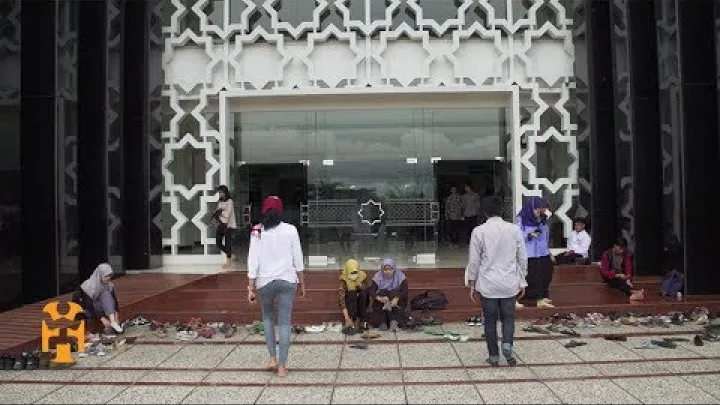
The impact of this diversity is seen in Indonesia’s festivals, languages, and daily life. Policies promoting unity in diversity (“Bhinneka Tunggal Ika”) are central to Indonesia’s national identity, helping to maintain social cohesion across the archipelago’s many cultures and faiths.
Indonesia Muslim Population
Muslims make up about 86% of Indonesia’s population, or roughly 240 million people. This makes Indonesia the world’s largest Muslim-majority country, surpassing even countries in the Middle East. Islam plays a central role in Indonesian culture, public life, and national holidays, with mosques and Islamic schools found throughout the country.
Other significant religious communities include Christians (about 10%), Hindus (mainly in Bali), and Buddhists (primarily among Chinese Indonesians). In recent years, there has been a trend toward greater religious expression and the growth of Islamic organizations. At the same time, Indonesia’s constitution guarantees freedom of religion, and interfaith dialogue is encouraged to maintain social harmony. The influence of religious demographics is evident in everything from daily routines to national celebrations, shaping Indonesia’s unique cultural landscape.
Population by Religion and Ethnic Group
| Religion | Major Regions |
|---|---|
| Islam | Java, Sumatra, Kalimantan, Sulawesi |
| Christianity | North Sumatra, Papua, East Nusa Tenggara, parts of Sulawesi |
| Hinduism | Bali |
| Buddhism | Urban centers, Chinese Indonesian communities |
| Indigenous/Other | Papua, Kalimantan, Maluku |
Indonesia’s population is not only religiously diverse but also ethnically varied. The Javanese, who make up about 40% of the population, are concentrated on Java. The Sundanese are mainly found in West Java, while the Malay, Batak, Madurese, Balinese, and Papuan peoples are predominant in their respective regions. For example, Bali is known for its Hindu majority, while North Sumatra has a large Christian Batak community, and Papua is home to many indigenous groups.
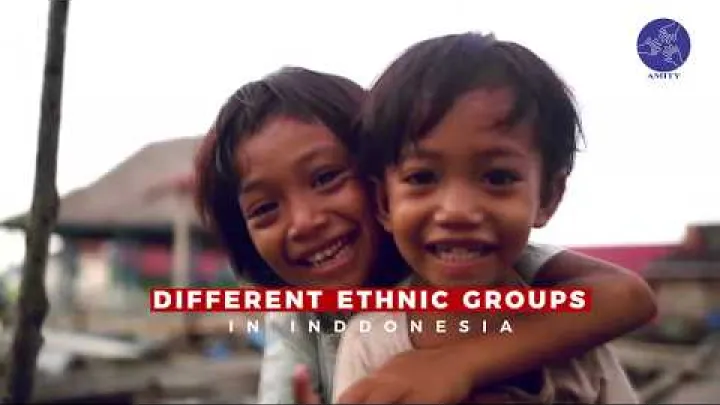
These regional concentrations influence local customs, languages, and traditions. A table or chart comparing the major religions and ethnic groups by region can help readers quickly understand where specific communities are most prominent. This diversity enriches Indonesia’s culture and contributes to its reputation as a land of many peoples and faiths.
Frequently Asked Questions about Indonesia’s Population
What is the population of Indonesia in 2024?
Indonesia’s population in 2024 is estimated at approximately 279 million people, making it the fourth most populous country in the world.
How many people live in Jakarta?
Jakarta has a city population of about 11 million, with the greater metropolitan area (Jabodetabek) reaching over 34 million residents.
What is the population density of Indonesia?
The average population density of Indonesia is around 150 people per square kilometer, but this varies widely by region, with Java being the most densely populated.
What percentage of Indonesians are Muslim?
About 86% of Indonesians are Muslim, making Indonesia the largest Muslim-majority country in the world.
How is Indonesia’s population distributed by region?
Most Indonesians live on Java (over 50%), followed by Sumatra, Sulawesi, Kalimantan, Papua, and Bali. Population density is highest on Java and Bali, and lowest in Papua and Kalimantan.
What are the largest ethnic groups in Indonesia?
The largest ethnic groups are Javanese (40%), Sundanese (15%), Malay, Batak, Madurese, Balinese, and Papuan, with many other smaller groups across the islands.
How fast is Indonesia’s population growing?
Indonesia’s population is growing at an annual rate of about 1.1%, which is slower than in previous decades due to declining birth rates and increased urbanization.
What are the main urbanization trends in Indonesia?
Urbanization is accelerating, with over 56% of Indonesians now living in cities. Major urban centers include Jakarta, Surabaya, Bandung, Medan, and Denpasar, with ongoing migration from rural to urban areas.
Conclusion
Indonesia’s population in 2024 stands as a testament to the country’s dynamic growth and diversity. With nearly 279 million people, Indonesia is a key player in global demographics, marked by rapid urbanization, a youthful population, and a rich blend of religions and ethnicities. Ongoing trends such as migration to cities, declining birth rates, and regional development will continue to shape Indonesia’s future.
Staying informed about Indonesia’s population trends is essential for understanding its economic potential, social challenges, and cultural richness. Whether you are planning to visit, study, or do business in Indonesia, keeping up with annual updates will help you navigate this fascinating and ever-evolving country. Explore further to discover more about Indonesia’s people, regions, and the forces shaping its future on the world stage.
Select area
Create a post
Posting is free and no registration is required.