Indonesia Arts: Traditions, Performing Arts, and Modern Scene
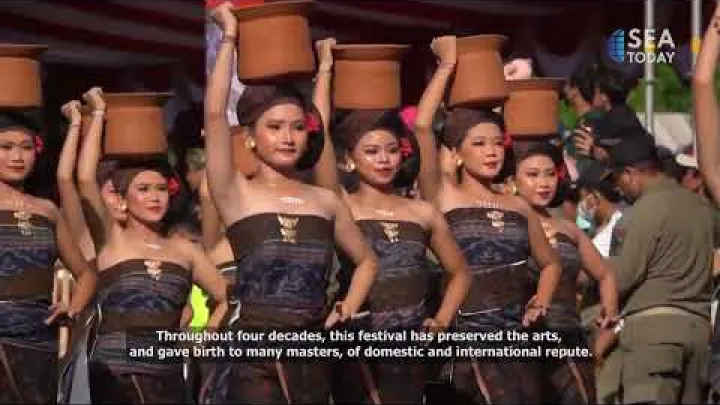
From batik textiles and wayang puppetry to gamelan orchestras and modern installations, Indonesia arts reflect dynamic creativity across islands and cities.
Hear bronze gongs shimmer, see wax-drawn batik breathe, and watch shadow puppets debate kings and gods—welcome to an archipelago of living art.
What are the arts of Indonesia? (Quick definition and key facts)
The arts in Indonesia are the collective expressions of hundreds of communities across more than 17,000 islands, spanning textiles, carving, architecture, music, dance, theater, and contemporary visual art. Rooted in indigenous cosmologies, they were enriched by Hindu-Buddhist courts, Islamic sultanates, and later European encounters, creating distinct yet interconnected traditions from Aceh to Papua.
- Diversity: Over 700 languages inform visual motifs, performance styles, and ceremonial roles, making arts in Indonesia highly regional yet dialoguing across islands.
- Core forms: Batik and other textiles; wayang puppet theatre; gamelan music; wood and stone carving; dance-drama; and contemporary painting, installation, and performance.
- Historic centers: Srivijaya (Sumatra) and Majapahit (Java) fostered courtly arts and inter-Asian exchange; monuments like Borobudur and Prambanan model narrative reliefs and sacred space.
- Regional clusters: Java (classical courts, batik, wayang), Bali (dance, gamelan kebyar, carving), Sumatra (songket, randai), Eastern Indonesia (ikat, Asmat carving).
- UNESCO recognitions: Batik, wayang, gamelan, and pencak silat underscore both heritage value and living practice.
- Contemporary vitality: Jakarta, Yogyakarta, Bandung, and Bali host galleries, biennales, and artist-run spaces connecting tradition with global discourse.
Why Indonesian arts are unique
Indonesian creativity grows from local materials and ecological knowledge. Artisans use bamboo and rattan for baskets and puppets, teak and jackfruit for sculpture and mask-making, and plant-based dyes from indigo, mango, and soga woods to color batik and ikat. These materials join practical utility with spiritual meaning, such as protective motifs or clan identity.
Equally distinctive is the layering of influences: indigenous ancestor veneration and animism; Hindu-Buddhist epics adapted in wayang and temple reliefs; Islamic calligraphy and court culture shaping textiles and music; and European techniques informing painting and theater staging. For example, Cirebon’s mega mendung batik translates Chinese cloud patterns into coastal cloth; Javanese wayang retells the Mahabharata with local philosophies; and Portuguese-influenced kroncong evolved into a beloved urban music.
- Court refinement: Codified dance gestures, regulated gamelan tempos, restrained batik palettes (Yogyakarta/Surakarta) emphasize balance and etiquette.
- Village creativity: Improvised theater (lenong, ludruk), vibrant coastal batik (Pekalongan), and communal carving show humor, bold color, and everyday narratives.
UNESCO-recognized elements (batik, wayang, gamelan)
These living traditions are internationally recognized for their craftsmanship, pedagogy, and community roles.

- Batik (2009): Wax-resist dyed textiles carrying social codes, regional identity, and ceremonial roles from cradle to grave.
- Wayang (2003/2008): Puppet theater systems—shadow, rod, and flat wood—animating epics, ethics, and civic commentary across long night performances.
- Gamelan (2021): Bronze-dominated ensembles and repertoires that structure rituals, dance, theater, and community life across Java, Bali, and beyond.
Traditional Arts and Crafts in Indonesia
Traditional arts and crafts in Indonesia are intimate records of place and lineage. Materials map the islands themselves: hardwoods and volcanic stone for sculpture, cotton and silk for weaving, and plant-derived waxes and dyes for batik. Motifs transmit ethics, origin stories, and social rank—parang chevrons in central Javanese batik connote authority, while Minangkabau songket’s floral geometry signals prosperity and blessing. Workshops are often family run, and knowledge moves through apprenticeships, rituals, and cooperative guilds that balance innovation with inherited patterns.
Coastal trade routes layered influences into these crafts. Chinese porcelain palettes enliven Pekalongan batik; Indian patola inspired Nusa Tenggara’s double ikat; and Islamic aesthetics encouraged vegetal arabesques and calligraphic abstraction. Today, artisan communities adapt to eco-conscious markets by reviving natural dyes and traceable sourcing. Visitors can join short classes to try canting tools, loom weaving, or carving, turning appreciation into embodied learning and fair income for makers.
- Batik (hand-drawn and stamped)
- Songket (supplementary weft brocade)
- Ikat (warp, weft, or double-ikat binding and dyeing)
- Wood and stone carving (masks, statues, architectural elements)
- Ceramics and terracotta (utilitarian and ritual forms)
- Jewelry and metalwork (silver, gold, filigree)
Artisan workshop callouts: Join a half-day batik class in Yogyakarta or Pekalongan; watch mask-carving in Mas, Bali; visit songket weavers in Palembang’s 7 Ulu area; or learn warp-binding for ikat in Sumba community studios.
Batik: what it is and how it is made (5-step summary)
Artisans apply molten wax to cloth using a pen-like canting for fine lines or a copper stamp (cap) for repeats, then dye, remove wax, and repeat to achieve complex, meaningful motifs used in daily wear and life-cycle ceremonies.
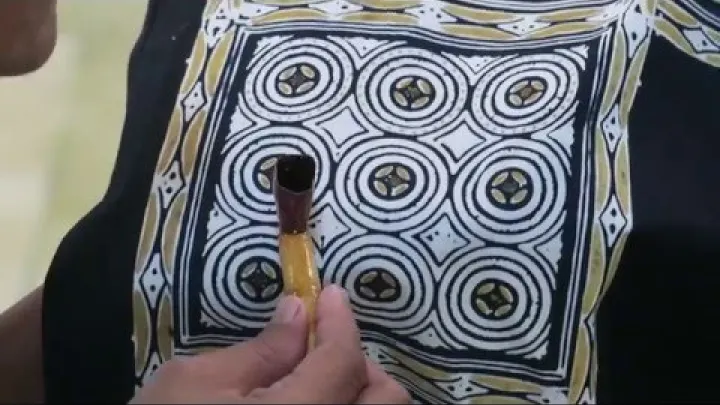
Central Javanese courts (Yogyakarta and Surakarta) favor earthy soga browns, indigo, and refined parang or kawung patterns governed by etiquette. Coastal centers such as Pekalongan introduce brighter colors and floral motifs through trade influence, while Cirebon’s mega mendung renders stylized clouds with soft gradients unique to the port’s visual culture.
HowTo: How is batik made
Supplies: pre-washed cotton or silk, beeswax/paraffin mix, canting or copper stamp, dyes, frame, wax pot, and basin.
- Design: Sketch the motif on cloth, considering which areas will remain undyed after each resist and dye cycle.
- Wax application: Use a canting for lines or a cap for repeats to apply hot wax onto areas to keep white or preserve earlier colors.
- Dye bath: Immerse the cloth in a dye. Rinse and dry. Repeat wax-and-dye for multi-colored layers, moving light to dark.
- Wax removal: Boil or iron between absorbent papers to lift wax, revealing the design with characteristic crackle.
- Finish: Wash, sun-dry, and sometimes mordant-fix natural dyes. Inspect for pinholes and retouch if needed.
Wayang (puppet theatre): forms and performance
Wayang is an expansive theater tradition with multiple puppet types. Wayang kulit uses flat, perforated leather silhouettes for shadow play; wayang golek features three-dimensional wooden rod puppets; and wayang klithik employs flat wooden figures without shadows, prized for crisp carving and lively motion. Each medium invites different visual effects and regional repertoires.
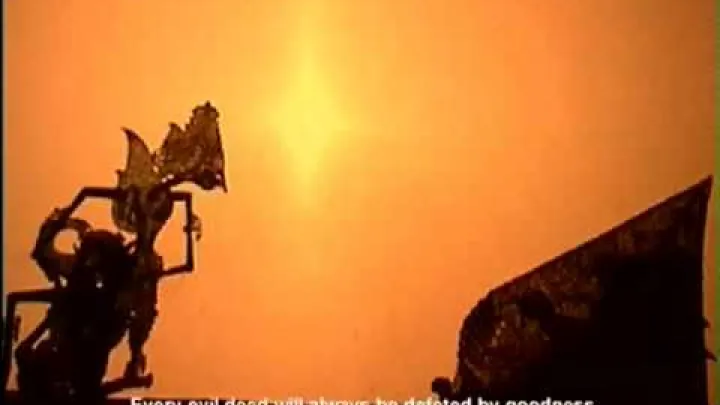
The dalang (puppeteer) is conductor, narrator, and moral commentator. Seated behind or beside the screen, the dalang voices dozens of characters, cues the gamelan, and modulates pace through clown interludes and philosophical scenes. Performances can last from evening to dawn, blending epic episodes with topical humor and community blessings.
| Form | Materials | Visual effect | Typical stories |
|---|---|---|---|
| Wayang kulit | Carved, painted leather; horn rods | Shadows on screen; ornate silhouettes | Mahabharata, Ramayana, Panji, local tales |
| Wayang golek | Carved wood rod puppets with textile costumes | Colorful, three-dimensional figures | Sundanese cycles, Islamic saints, romance-adventures |
| Wayang klithik | Flat carved wood; rods | Non-shadow staging with crisp profiles | Historical chronicles, Panji stories |
Late-night shows welcome quiet comings-and-goings, but sit behind the dalang for the shadow view, silence phones, and place donations discreetly at intermission or after closing blessings.
Gamelan: instruments and regional styles
Two tuning systems predominate—slendro (five-tone) and pelog (seven-tone)—with regional variants that are not interchangeable across sets. Ensembles function as one breathing organism, balancing cyclic gong structures with interlocking patterns.

Javanese styles favor meditative cycles and dynamic layering, Balinese kebyar thrives on brilliant speed and sudden contrasts, and Sundanese degung highlights soft instruments and lyrical melodies. Dance, theater, and rituals rely on gamelan to frame time and community participation.
- Javanese: Colotomic cycles, mixed slendro/pelog repertoires, refined dynamics suited to court dance and wayang.
- Balinese kebyar: Dazzling tempo shifts, shimmering interlocks (kotekan), frequent virtuosic solos and dramatic stops.
- Sundanese degung: Smaller set, gentler timbres, prominent suling and melodic gongs for intimate settings.
Glossary: gong ageng (largest gong marking cycles), kendang (hand drum leading tempo), kotekan (Balinese interlocking technique), balungan (core melody), ceng-ceng (Balinese cymbals), sindhen (female vocalist).
Wood carving and stone carving centers
Jepara, Central Java: Renowned for teak furniture and intricate relief carving; visit cooperative showrooms and request provenance certificates. Typical visiting hours are 9:00–16:00, with pre-booked demos available.
Mas and Ubud, Bali: Mask and figure carving in jackfruit and crocodile wood; many studios welcome quiet observation. Workshops often run 2–3 hours; ask about legally sourced timber and sustainable finishes.
Batubulan, Bali: Stone carving village producing temple guardians and modern sculpture in volcanic tuff; morning visits offer cooler temperatures and active chiseling. Handle only with permission.
Magelang and Yogyakarta, Java: Stone sculptors near Borobudur and Prambanan reproduce classic forms and innovate contemporary pieces; combine with temple visits to contextualize iconography.

- Ethical buying: Request documentation for legal wood, avoid items suspected as antiquities, and favor community cooperatives.
- Care: Keep wood away from direct sun and high humidity shifts; dust stone gently and avoid harsh cleaners.
- Visitor tips: Confirm workshop demos ahead, dress modestly, and offer small tips if photographing artisans.
Songket and other regional textiles
Songket is a brocade technique where supplementary gold or silk wefts float over a base cloth to create shimmering motifs. Palembang workshops and Minangkabau weavers excel in patterns referencing flora, architecture, and adat (customary law). Ikat hubs in Sumba and Flores bind yarns before dyeing to form bold cosmological figures; Bali’s endek offers weft ikat for sarongs and ceremonial wear, while Batak ulos conveys kinship and blessing in warp-faced patterns exchanged during rites.

Natural dyes—indigo, morinda, and mango leaf—return through eco-textile initiatives, and artisans teach careful washing in cool water with mild soap and shade-drying to preserve color. Ceremony contexts matter: certain ulos or songket are gifted at weddings, house blessings, or harvest festivals, and should be worn or displayed with respect to local guidance.
Performing Arts in Indonesia
Performing arts in Indonesia integrate music, dance, theater, and ritual into social life. Gamelan and drum ensembles underscore ceremonies; dances narrate epics or village histories; and theater blends philosophy with satire. Participation ranges from court-trained specialists to community groups who rehearse for festivals, temple anniversaries, and civic celebrations. The same village pavilion may host a sacred trance dance one night and a comedy theater the next, showing how performance connects devotion, entertainment, and education.
Regional networks link Indonesia to neighbors. Classical themes and ensembles converse with the performing arts of Indonesia, Thailand, and Singapore, yet local tunings, movement vocabularies, and languages retain distinct signatures. Festival calendars help visitors time trips for Bali Arts Festival, Yogyakarta’s performing season, or Jakarta’s contemporary showcases. Audiences are welcomed when they follow respectful behavior: dress modestly, remain quiet during blessings, avoid flash photography, and contribute to community boxes or ticket pools that sustain artists.
Theater arts in Indonesia (forms and notable examples)
Famous theater arts in Indonesia span classical and popular forms. Wayang orang is human-acted dance drama of epic cycles; Ludruk is East Javanese popular theater with social satire performed by male troupes; Ketoprak presents Javanese historical-romance plays with music and humor; Lenong is Betawi comedic theater with improvisation; and Randai is a Minangkabau circle theater combining silek martial arts, song, and narrative.
Modern groups like Teater Koma and Bengkel Teater stage contemporary works that remix tradition with current issues. Key venues include Taman Ismail Marzuki (Jakarta) and Taman Budaya complexes in provincial capitals. Ticketing tips: check weekly schedules posted by city cultural centers, arrive 30 minutes early for open seating, and confirm language or surtitles; many shows accept on-site purchase with cashless options expanding.
Dance traditions (Kecak, Saman, Tor-Tor)
Kecak in Bali grew from trance rituals into a choral dance-drama featuring concentric circles of men chanting “cak” while narrating Ramayana scenes; it is often staged at sunset near temples or cliff amphitheaters, accompanied by torchlight rather than instruments. Saman from Aceh is a seated group dance where rows of performers weave ultra-fast handclaps and body waves to vocal poetry, celebrating unity and religious learning.

Tor-Tor among Batak communities is a kinship dance with drum-led rhythms and dignified gestures, performed during weddings, funerals, and thanksgiving rites. Modern stages adapt these forms while preserving core meanings, and community events remain the best places to experience them within cultural context.
- Audience etiquette: Ask before photographing, avoid flash, remain seated unless invited to join, and respect donation or offering customs.
- Planning: Many temples and community halls post schedules weekly; sunset Kecak seats fill quickly—arrive early.
Popular music in Indonesia performing arts (context and genres)
Dangdut blends Malay, Indian, Arabic, and local pop with strong drum and bass for dance-heavy shows; it thrives at festivals and community parties. Kroncong, with roots in Portuguese instruments, offers nostalgic urban ballads. Pop Indonesia ranges from mainstream ballads to rock and R&B, while indie scenes in Jakarta, Bandung, Yogyakarta, and Bali explore experimental and folk fusions.
Regional variants include campursari, which mixes gamelan with Western instruments, and pop daerah (regional pop) in local languages. For a primer on popular music in Indonesia performing arts, compile a playlist featuring classic dangdut, modern kroncong, campursari, and a contemporary indie band, then compare live renditions at city venues or university stages.
Martial arts in Indonesia (pencak silat and related styles)
It appears in ritual displays and competitions, and its aesthetics influence theater and dance through stylized movement, rhythm, and controlled power.

Notable styles include Cimande (West Java flow and palm conditioning), Minangkabau silek (low stances and leg sweeps), and Betawi silat (urban self-defense with cultural performance). Training etiquette: bow to teachers (guru), respect the mat, remove jewelry, and follow safety gear guidance. Where to watch or learn: community perguruan (schools), cultural centers, university clubs, and festival demonstrations. Visitors curious about Indonesia martial arts will find many open classes; those researching martial arts in Indonesia should contact local perguruan for trial sessions.
Regional Arts Across Indonesia
Regional arts reflect ecology, trade histories, and belief systems. Volcanic Java offers stone and fertile dye plants for batik and sculpture; maritime Bali shapes sound and dance to temple calendars; Sumatra’s trade entrepôts elevated gold-thread songket and narrative theater; and Eastern Indonesia’s dry landscapes and clan structures nurtured bold ikat and ancestor carving. Materials speak of place, while motifs encode cosmology and social ties, making travel a living classroom for form and meaning.
Trade connected coastal ports to China, India, and Arabia, infusing palettes, stories, and instruments. Yet local adat guides use and transmission: cloths are exchanged at rites of passage, puppets bless crops, and carvings mediate ancestral presence. Travelers benefit from learning basic etiquette, planning around festival seasons, and buying directly from cooperatives that document origin and fairly pay makers.
- Java: Cotton batik, teak carving, bronze gamelan, volcanic stone sculpture.
- Bali: Jackfruit and crocodile wood masks, soft volcanic stone, bright pigments for painting.
- Sumatra: Silk and gold thread for songket, buffalo hide for wayang kulit variants, drums.
- Nusa Tenggara, Maluku, Papua: Handspun cotton, natural dyes (indigo, morinda), bamboo and hardwoods, shell and seed adornments.
- Travel tips: Check monsoon seasonality for outdoor shows, visit morning markets for textiles, ask permission before entering temple space, and dress modestly.
Java (Yogyakarta, Surakarta, Pekalongan, Cirebon)
Yogyakarta and Surakarta: Sultanate and Sunanate palaces curate archives of batik, kris, and court dance. Attend weekday rehearsals or scheduled bedhaya/serimpi performances; follow palace etiquette—covered shoulders, quiet during blessings, and no flash photography. Museum wings often display wayang sets and gamelan with contextual notes.
Pekalongan: The Batik Museum and numerous workshops offer demonstrations and short classes. Plan 2–3 hours for a class and museum visit; bring cash for small purchases and ask about natural-dye options and artisan signatures.

Cirebon: Explore mega mendung batik studios and glass painting ateliers that depict wayang or coastal life. Many studios allow custom orders with one- to two-week turnaround; confirm pickup or shipping.
Bali (Ubud, Batuan, Mas, Celuk, Batubulan)
Ubud and Batuan: Painting schools range from narrative temple scenes to fine-line black-and-white works; galleries cluster along village roads and museum compounds. Plan unhurried visits to see both historic collections and living studios.
Mas: Woodcarving workshops teach mask-making basics; a half-day session introduces tools and finishing. Celuk: Silversmiths offer ring or pendant workshops lasting 2–3 hours; check metal purity and workshop safety briefings.

Batubulan: Morning stone-carving studios and afternoon Barong shows provide a full-day arc of craft and performance. Temple-space respect: sarong and sash may be required; follow ushers and avoid stepping over offerings.
Sumatra (Palembang, Minangkabau, Batak)
Palembang: Songket motifs like pucuk rebung (bamboo shoot) and lepus (gold-dense fields) appear at weddings and official ceremonies. Visit riverside weaving houses for loom demos; authentic pieces show even floats and resilient gold thread.
Minangkabau: See randai circle theater and silek demonstrations near Padang and Bukittinggi through cultural groups and campus events. Batak: Around Lake Toba, find ulos weaving villages and tor-tor performances at community celebrations and cultural centers.

Buying tips: Request maker names, dye information, and cooperative memberships; avoid “antique” claims without provenance; and support certified community workshops.
Eastern Indonesia (Papua, Maluku, Nusa Tenggara)
Sumba and Flores: Ikat features morinda red and indigo with ancestor and marine motifs; double-ikat techniques are rare and time-intensive. Maluku: Totobuang ensembles of small gongs and drums animate community events with inter-island flavor.

Papua: Asmat carving embodies powerful ancestral forms; many pieces are ritual objects and should be approached with cultural sensitivity. Seek community-run cooperatives and museums for ethical purchases and interpretation, and avoid items identified as sacred or restricted.
Contemporary Indonesian Art Scene
Artists work across installation, video, performance, painting, and socially engaged practices. Themes include urbanization, ecology, labor migration, gender and identity, and the dialogue between adat and global modernity. Many projects embed research, archives, and community workshops, expanding who makes and defines art.
Recent highlights include the Jakarta Biennale and Biennale Jogja, which pair Indonesian artists with international counterparts through geographic frames. Museum and independent archives are growing, preserving ephemera, oral histories, and catalogs. Public programs—talks, screenings, and residencies—connect students, travelers, and collectors to evolving practices, making the scene both accessible and rigorous.
Institutions and galleries (Museum MACAN, ROH Projects)
Museum MACAN (Jakarta): International and Indonesian modern/contemporary collections with rotating exhibitions, family programs, and school tours. Typical hours: Tuesday–Sunday, daytime slots with timed entry. Education pages outline workshops and teacher resources; check current exhibitions before visiting.

ROH Projects (Jakarta): Contemporary gallery presenting emerging and mid-career artists through exhibitions and art fair participation. Cemeti (Yogyakarta): Pioneering artist-run space focusing on socially engaged art, talks, and residencies. Bandung university-linked spaces: Campus galleries and design labs host experimental shows; check event calendars for critiques and open studios.
Art fairs and awards (Art Jakarta, BaCAA)
Art Jakarta typically runs in late summer with galleries from across Asia, public programs, and performance. BaCAA (Bandung Contemporary Art Awards) supports emerging artists through open-call submissions and exhibitions. Applicants should prepare portfolios, concise statements, and documentation of works; attendees can book day passes early and plan talks or guided tours.
Context-setting events include Jakarta Biennale and Biennale Jogja, often biennial, with thematic frameworks linking Indonesia to specific regions. Emerging artists can leverage open calls, residency announcements, and university festival circuits to build networks and visibility.
Market dynamics and collector trends
Collectors maintain strong interest in Indonesian modernists while increasingly acquiring contemporary installation, painting, and new media by artists who bridge local narratives and global issues. Institutional recognition—museum shows, biennales, and curated publications—often precedes broader demand.
Guidance: Request provenance and condition reports, confirm authenticity through gallery or estate documentation, and track institutional exhibitions. Watch regional auctions for thematic sales and attend programs at private museums to learn directly from curators without relying on price speculation.
Where to Learn and Experience Indonesian Arts
Learning pathways range from two-hour workshops to multi-year degrees and artist residencies. Visitors can book batik, silversmithing, carving, or gamelan classes in city studios or village cooperatives, often with English-speaking facilitators. Universities and arts academies offer certificate courses, short-term exchanges, and full programs in music, dance, puppetry, fine arts, design, and film. Residencies link artists to communities, archives, and environmental projects, producing public talks or exhibitions.
Booking tips: Reserve at least a week ahead for workshops, inquire about language support, and confirm materials and safety equipment. Conduct: Arrive on time, follow studio rules, and credit master artisans if sharing work publicly. Virtual options—museum talks, studio tours, and online archives—help plan fieldwork or supplement travel. Combined, these routes make entry into Indonesia arts hands-on and respectful.
Indonesia Institute of the Arts Yogyakarta and other academies
ISI Yogyakarta (Indonesia Institute of the Arts Yogyakarta): Programs in gamelan, dance, puppetry, fine arts, design, and film; admissions may include auditions or portfolios and interviews. ISI Surakarta: Strong in karawitan (Javanese music), wayang, and dance; known for ensemble training and research units.
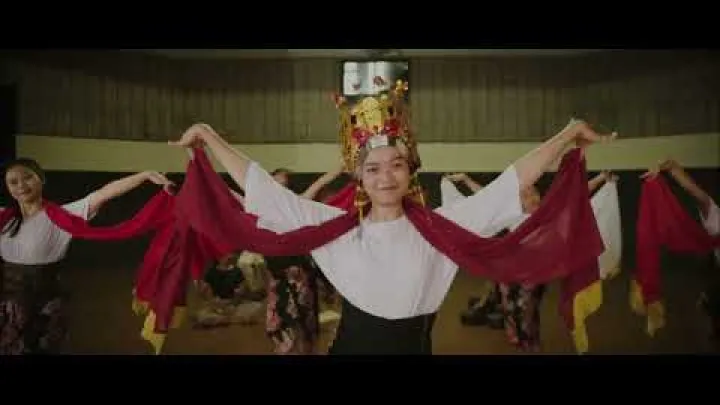
ISI Denpasar: Focus on Balinese music, dance, and visual arts, with temple-linked performance studies. IKJ (Jakarta Arts Institute): Film, theater, music, and design programs with urban industry ties. Exchange options exist through university agreements; application timelines typically open once or twice yearly—prepare portfolios, letters, and language documentation. Official sites list requirements and calendars; check faculty pages for specialization.
Museums, festivals, and public platforms (Bali Arts Festival)
Bali Arts Festival runs annually (usually June–July) in Denpasar with parades, dance, music, and craft pavilions. Venues include the Bali Arts Center and city stages; tickets range from free community events to reserved seating for gala nights. Plan transport and arrive early for popular programs.
The Wayang Museum (Jakarta) features puppet collections from across Indonesia and neighboring traditions with weekend shows. Pekalongan Batik Museum offers pattern archives, hands-on rooms, and temporary exhibits. City cultural centers (Taman Budaya) across provinces host weekly performances; check bulletin boards or social media for updated schedules. Monthly planner tip: Map one museum, one workshop, and one performance per week to balance learning and rest.
Digital resources (Google Arts & Culture Indonesia)
Explore national museums and Museum MACAN through virtual exhibits; search with the phrase “Google Arts & Culture Indonesia” to find curated collections, 360-degree tours, and thematic stories. Many pages include educator guides and artist interviews.
Supplement with video archives of wayang, gamelan, and dance repertory from university departments and cultural centers, plus open repositories for theses and catalogs. Combine these with livestreams of festivals to plan in-person visits or course modules.
Frequently Asked Questions
What are the major art forms of Indonesia?
Key forms include batik and regional textiles, wayang puppet theater, gamelan music, dance traditions, wood and stone carving, and contemporary visual art. Each island group contributes distinct techniques, stories, and ceremonial uses.
What makes Indonesian batik unique?
Indonesian batik uses wax-resist to build layered motifs with deep social meaning, varying from courtly soga browns to vibrant coastal palettes. Specific patterns signal status, ethics, or life-cycle events, making the cloth both wearable and symbolic.
What are famous theater arts in Indonesia?
Wayang orang, Ludruk, Ketoprak, Lenong, and Randai are widely known. These forms range from epic dance-drama to urban comedy and circle theater with martial arts, accompanied by music and community interaction.
What is gamelan in Indonesian arts?
Gamelan is an ensemble of bronze gongs, metallophones, drums, and winds using slendro and pelog tunings. It frames dance, theater, and ceremonies with cyclic structures and shimmering interlocks.
What martial arts come from Indonesia?
Pencak silat is the umbrella tradition, recognized by UNESCO in 2019. Styles like Cimande, Minangkabau silek, and Betawi silat emphasize different stances, flows, and cultural expressions.
Where can I study or experience Indonesian arts?
Try workshops in Yogyakarta, Bali, and Pekalongan; attend shows at Taman Budaya and the Bali Arts Festival; and consider programs at ISI Yogyakarta, ISI Surakarta, ISI Denpasar, or IKJ. Virtual tours via Google Arts & Culture are helpful.
How is batik made in simple steps?
Design the motif; apply wax with a canting or copper stamp; dye the cloth; repeat wax-and-dye for layers; then remove wax by boiling or ironing and finish with washing and drying.
Can I attend a wayang show if I arrive late?
Yes. Late-night wayang is flexible; enter quietly, sit where indicated, silence your phone, and make donations discreetly at breaks or the end.
Conclusion
Indonesia arts weave local materials, layered histories, and community rituals into living traditions that continue to inspire. From batik, wayang, and gamelan to contemporary installations, key takeaways are diversity, continuity, and a welcoming culture of learning through doing, listening, and respectful observation.
Plan your journey to performances, workshops, and museums, and consider supporting local artisans through fair purchases or donations. For deeper dives, see our guides to batik regions, wayang etiquette, gamelan listening, and study options at national arts institutes.
Select area
Create a post
Posting is free and no registration is required.