China Traditional Clothing: Hanfu, Qipao & Ethnic Dress
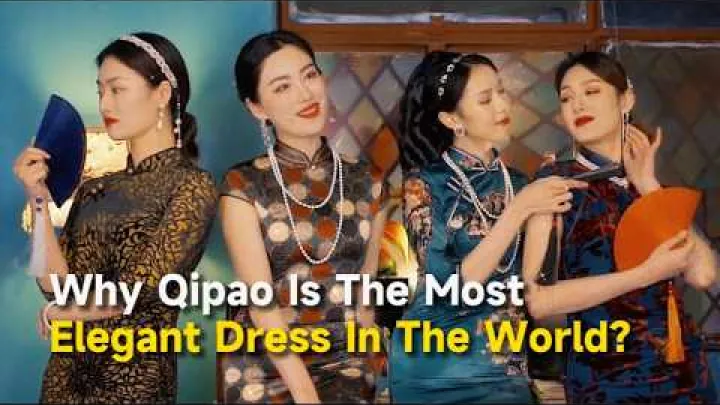
China traditional clothing is best understood as a history of many clothing systems rather than one universal national costume. Hanfu, qipao, tangzhuang, Tibetan chuba, Mongolian deel, Uyghur dress, and Miao embroidered ensembles each have different historical, regional, or community associations. This guide explains the main names, how clothing changed over time, the role of textiles and decoration, and when traditional dress is worn today. It also shows how to distinguish living community clothing from historical reconstruction, fashion, stage costumes, and tourist rentals.
What China Traditional Clothing Includes
The phrase China traditional clothing is a broad description used for historical Han dress, modern Chinese-style garments, and the clothing traditions of many ethnic communities. These categories overlap in public images of China, but they should not be treated as interchangeable.
Why China Does Not Have One National Costume
China does not have one single traditional outfit that can accurately represent all of its people. The country includes the historical clothing traditions of the Han majority as well as distinct dress practices associated with many ethnic groups, regions, religions, language communities, and local environments.
Hanfu refers broadly to historical Han clothing. Qipao and tangzhuang are modern garments that became widely recognized as symbols of Chinese identity, although each has a specific history. A chuba, deel, doppa, or Miao embroidered ensemble identifies a different community or regional tradition. Even within one category, garments can vary according to period, gender, social position, climate, ceremony, and available materials.
For that reason, the most useful question is not which outfit is the real Chinese costume. Instead, ask which period, community, region, and occasion a garment represents. This approach makes it easier to understand both historical clothing and modern cultural symbolism without flattening China's diversity.
The Main Names for Chinese Traditional Clothing
These names are useful starting points for identifying China traditional dress. They describe different garments or clothing traditions, not different names for the same outfit.
- Hanfu: A broad term for historical clothing associated with the Han Chinese tradition. It includes many forms from different periods.
- Qipao: A dress associated with Manchu clothing traditions and later urban Chinese fashion. The modern fitted form is especially associated with twentieth-century Shanghai.
- Cheongsam: A Cantonese name commonly used for qipao or related forms, particularly in international and diaspora contexts.
- Tangzhuang: A modern Chinese-style jacket with features such as a standing collar and frog closures. Its name does not prove a direct Tang dynasty origin.
- Chuba: A warm robe associated with Tibetan clothing traditions, with variations among Tibetan communities and regions.
- Deel: A wrap-style robe associated with Mongolian communities and adapted for movement, warmth, and riding.
- Doppa: An embroidered skullcap associated with Uyghur dress. Its shape, decoration, and use can vary by locality and occasion.
- Miao embroidered dress: A general English description for highly decorated ensembles that may combine embroidery, weaving, batik, and silver ornament among Miao communities.
Why Period, Community, Region, and Occasion Matter
Clothing changes when people move through different historical periods and environments. Dynasty, climate, textile technology, trade, religion, language community, gender, social status, and contact with neighboring peoples can all affect a garment's shape and meaning. A robe designed for a cold plateau will solve different practical problems from a light silk layer used in a humid city.
It is also important to distinguish several kinds of dress: a historical garment documented in paintings or excavations, a modern reconstruction based on that evidence, clothing still used by a community, ceremonial dress, performance clothing, and a tourism-oriented costume. Similar colors or silhouettes do not make these categories identical. Terms such as associated with, documented in, and commonly worn for are often more accurate than claims that every member of a group wears one fixed style.
Hanfu: Historical Han Chinese Clothing
Hanfu is the broadest name for historical Han Chinese clothing, but it covers many silhouettes rather than one standard uniform. An overview from China Highlights presents hanfu as clothing associated with the Han majority and its long historical development. Contemporary hanfu should therefore be read as a combination of historical references, reconstruction, and modern cultural practice.
Hanfu Forms for Women and Men
Many hanfu outfits use separate upper and lower garments, cross-collar robes, skirts, trousers, sashes, and one-piece robes. The general terms yi and qun are often used when discussing upper garments and skirts. A ruqun combines a shorter top with a skirt, while an aoqun generally refers to a jacket-and-skirt combination. A beizi is an open-front outer layer, and a shenyi joins the upper and lower parts into one long garment. The term pao is commonly used for robe-like forms.

These terms are helpful, but their exact forms and gender associations changed across periods. Women's historical clothing could include skirts, jackets, robes, and layered outer garments. Men's clothing could include robes, upper garments with trousers, belts, and formal headwear. Common construction features include fabric panels cut with relatively straight lines, overlapping fronts, layered textiles, flowing sleeves, and fastening with sashes or ties, but none of these features applies as an unchanging rule to every hanfu garment.
Hanfu Across China's Dynasties
Hanfu developed through change and exchange rather than through one uninterrupted design.
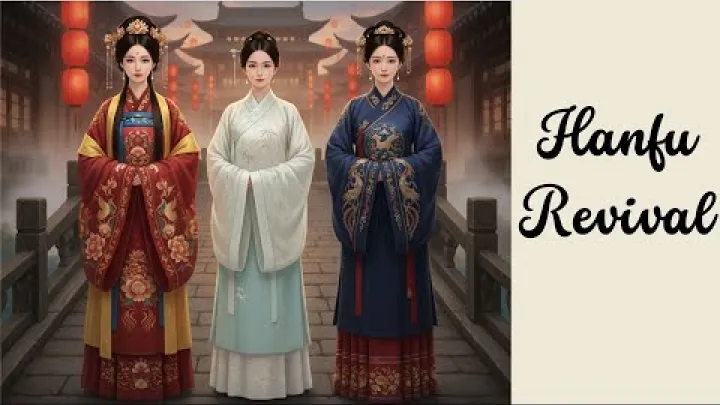
- Early and Han-period clothing: Wrapped garments, cross-collar closures, belts, and layered textiles appear in early clothing traditions. Surviving objects and historical images provide evidence, while later origin stories should be treated as cultural narratives rather than precise dating tools.
- Tang-period clothing: Tang dress is often associated with a broad range of silhouettes and cosmopolitan influences. Contact with Central and Inner Asian cultures affected elite and urban fashion, but Tang clothing was not one uniform style.
- Song-period clothing: Garment proportions, layering, fabrics, and formal expectations continued to shift. Clothing could communicate distinctions of gender, status, occupation, and occasion.
- Yuan-period clothing: Mongol rule and wider regional connections influenced court and elite dress. This period shows why Chinese clothing history cannot be separated from political and cultural exchange.
- Ming-period clothing: Robes, skirts, jackets, belts, and headwear developed distinctive forms. Ming references are especially important to some modern hanfu revival communities, although a reconstructed Ming outfit is not the same as uninterrupted daily wear.
Stories linking the beginning of silk or clothing to legendary early rulers are important to Chinese cultural memory. They do not, by themselves, establish the exact construction or everyday use of a particular garment. Historical reconstruction is strongest when it combines written records, surviving textiles, archaeological evidence, images, and knowledge of textile techniques.
The Hanfu Revival Today
The modern Hanfu Movement is a cultural and fashion revival that brings historical Han clothing references into ceremonies, photography, festivals, social media, university activities, and occasional public wear. Participants do not all use the same method. Some study historical sources and attempt careful reconstruction, while others combine traditional silhouettes with modern fabrics, closures, colors, or styling.
This revival has also created debates about authenticity, national identity, and the place of Han cultural history within a multiethnic country. Wearing modern hanfu can express interest in history, personal identity, artistic style, or participation in a community. It should not be taken as proof that historical clothing continued unchanged as the daily dress of the entire population.
Qipao, Cheongsam, and Tangzhuang
Qipao, cheongsam, and tangzhuang are among the most recognizable examples of China traditional dress in international media. Their modern visibility comes from a combination of historical roots, urban fashion, ceremonial use, tourism, design, and national representation.
Qipao and Cheongsam: From Manchu Robe to Shanghai Style
Qipao and cheongsam are related terms for forms of Chinese dress, although naming practices differ by language and region. Their history is connected to Manchu clothing associated with the Qing period. Earlier robe forms were generally looser and more layered than the fitted versions that became strongly associated with urban fashion in Republican-era Shanghai and the twentieth century.
The modern qipao is therefore better understood as a relatively recent national and international symbol than as one unchanged ancient dress. A high collar, close fit, decorative fastening, and side opening are familiar features of many modern designs, but they do not describe every historical qipao. The China National Silk Museum in Hangzhou has presented qipao through exhibitions that connect historical style with contemporary fashion, design, and international reinterpretation.
Tangzhuang and Modern Men's Formal Wear
Tangzhuang usually refers to a modern Chinese-style jacket. Common features include a standing collar, a front opening, and knotted frog closures, although contemporary designs vary in fabric, cut, and decoration. The name is often connected to the Qing-era magua, a jacket worn over longer garments, rather than being evidence that the jacket comes directly from the Tang dynasty.
Today, tangzhuang may appear as occasional formal or festive wear for men at weddings, cultural events, public ceremonies, and holiday gatherings. It is different from a historical hanfu robe and from any modern jacket that happens to use a mandarin collar. When identifying a garment, examine its complete cut and construction rather than relying on one collar or fastening detail.
Why These Garments Are Often Called National Dress
Qipao and tangzhuang became internationally recognizable symbols because institutions, fashion designers, tourism, media, diaspora communities, and formal events repeatedly used them to represent Chinese identity. This public role expanded their meaning beyond the communities, cities, or historical periods where particular forms first developed.
National symbolism does not erase those specific histories. A qipao can represent Shanghai modernity, Manchu heritage, family celebration, formal elegance, or a contemporary designer's interpretation. Tangzhuang can function as festive menswear without representing the clothing of the Tang dynasty. Hanfu can express historical interest or cultural revival. Each use adds context rather than producing one definitive answer to what Chinese traditional clothing is.
Ethnic and Regional Clothing Traditions in China
Ethnic clothing traditions show how dress responds to local environments, community history, craft systems, and ceremony. The examples below are important forms, but each includes regional and personal variation rather than one fixed design.
Tibetan Chuba and Plateau Clothing
A chuba is a warm robe associated with Tibetan clothing traditions. Depending on the community, region, season, and occasion, it may vary in length, lining, sleeve use, wrapping method, fabric, and degree of decoration. Some versions are designed for practical warmth, while others are reserved for festivals, ceremonies, or formal presentation.
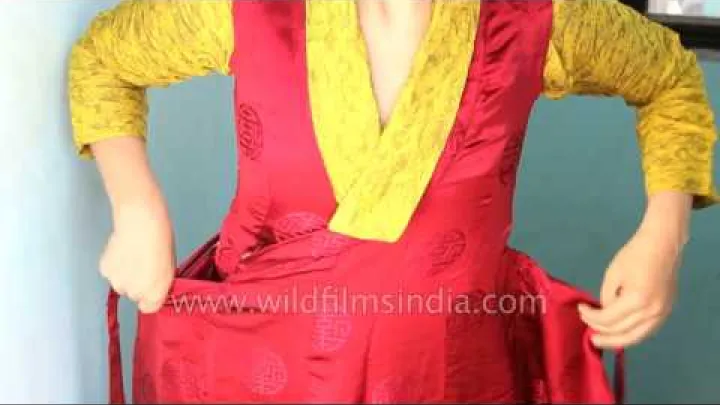
Wool, felt, sheepskin, fur, belts, and other accessories can provide insulation, structure, and visual distinction. A chuba may be worn differently in everyday work, travel, religious settings, and public celebrations. It is more accurate to speak of chuba traditions among Tibetan communities than to describe one design as the clothing of every Tibetan person.
Mongolian Deel and Grassland Robes
The deel is a wrap-style robe associated with Mongolian communities. Its overlapping front, collar, long sleeves, and belt can support warmth, movement, and riding. Fabric weight, robe length, lining, decoration, and headwear may change with climate, locality, gender, age, occupation, and occasion.
Everyday and festival deels can look quite different. Some are practical and restrained, while others use bright fabrics, contrasting trim, or elaborate accessories. Mongolian clothing in China also reflects contemporary urban life as well as pastoral settings, so it should not be reduced to a timeless or romantic image of the grasslands.
Uyghur Clothing and Doppa Hats
Uyghur dress can include dresses, shirts, trousers, overcoats, belts, and the doppa skullcap. Styles reflect Central Asian heritage, local practice, family preferences, urban life, and religious norms. A doppa may differ in shape, embroidery, color, and pattern according to locality and community.
Daily clothing, festival ensembles, religious observance, and staged cultural presentation may use different combinations of garments. A particular color or motif should not be assigned one universal meaning without community-specific evidence. Visitors can appreciate the visual skill of Uyghur clothing while avoiding assumptions about what every hat or pattern communicates.
Miao Embroidery and Silver Ornament
Miao clothing can combine embroidery, weaving, batik, appliqué, and silver ornaments, especially in highly decorated festival ensembles. Miao communities in Guizhou are known for varied textile and metalwork traditions, but one community's motifs, garment shape, or headdress should not be used as a model for every Miao group.
Embroidery can transmit stories, identity, aesthetics, and heritage through techniques learned over time. In many traditions, women have played an important role in making and teaching textiles across generations. Tourism and contemporary craft markets can create income and visibility, but a product made for sale, a festival garment, and a stage costume may have different materials, labor, meanings, and uses.
Materials, Colors, and Decorative Techniques
Textiles are not only visual details. Fiber, weave, dye, lining, fastening, and ornament affect how a garment feels, moves, protects the body, and communicates formality.
Silk, Wool, Cotton, Linen, and Climate
Silk became strongly associated with fine clothing and luxury, while wool, felt, fur, cotton, and linen served different climatic, economic, and practical needs. A cold plateau or grassland environment can favor warm layers and insulating materials. Humid or warmer areas may encourage lighter fabrics and looser layering, although climate is only one influence among many.
Fabric width, weaving technology, dyeing methods, lining, padding, and the number of layers all affect construction. A flowing silk robe, a lined wool garment, and a cotton jacket require different cutting and finishing methods. Trade, household production, local craft skills, and urban markets also shape which materials are available and how they are valued.
What Colors and Motifs Can Mean
Red is often associated with celebration and auspicious occasions in many Chinese contexts. Yellow was connected with imperial authority in selected historical settings. These associations are useful historical examples, not universal rules for every Chinese garment, region, period, or community.
Color can also depend on the wearer, ritual, family, religious setting, garment type, and local custom. A modern commercial explanation may simplify a complex tradition into a single color code. When studying Tibetan, Uyghur, Miao, or other ethnic clothing, interpretations should remain tied to the specific community and documented setting rather than being applied across China.
Embroidery, Batik, Weaving, and Silverwork
Embroidery, batik, weaving, appliqué, dyeing, and metal ornament can carry aesthetic, social, and heritage value. Decoration may identify an occasion, locality, community, family skill, or level of formality. The same technique can also be adapted for modern fashion, museum display, tourism, or commercial craft.
Miao embroidery is a focused example of how textile skill can become a form of cultural transmission. The presentation Miao Intangible Cultural Heritage: Embroidery frames it as a traditional folk art. That heritage framing is more useful than treating one attractive motif as a universal code for all Miao clothing.
When Traditional Clothing Is Worn Today
Modern daily clothing in China is generally contemporary, but traditional garments remain important in some communities and appear more widely at festivals, ceremonies, cultural events, and fashion activities. The frequency and meaning of wear depend on region, age, occupation, family, and community.
Weddings, Festivals, Rituals, and Formal Events
Qipao may be chosen for weddings, banquets, photographs, or formal hospitality. Hanfu can appear at historical ceremonies, festivals, cultural gatherings, and personal celebrations. Tangzhuang may be selected for festive menswear or public events. Ethnic garments can be central to community festivals, family ceremonies, religious observances, and other occasions where local tradition matters.
Clothing selected for ritual or community meaning is not the same as clothing selected only for visual style. Wedding colors, modesty expectations, gender roles, acceptable headwear, and rules about when a garment may be worn can differ by community and family. Visitors should follow the guidance of hosts or local organizers, especially for religious or ceremonial settings.
Daily Life, Revival, and Contemporary Fashion
Mainstream daily clothing in contemporary China is usually modern, while traditional garments may continue in everyday use within some ethnic or regional communities. Elsewhere, hanfu revival groups, designers, television, social media, cultural festivals, and heritage programs bring historical forms into occasional public life.
Contemporary fashion can borrow a collar, sleeve, fastening, textile, or silhouette without reproducing the original garment. This is a form of reinterpretation, not evidence that the historical style is worn daily by the whole population. Frequency varies with region, age, occupation, community connection, and the difference between ordinary clothing and special-event dress.
Tourist Rentals, Stage Costumes, and Original Use
Scenic sites, theme parks, photography studios, television productions, films, and cultural performances often use simplified or stylized traditional clothing. A rental outfit can provide a meaningful introduction to a historical image or fashion style, but it may not reproduce the original materials, construction, social meaning, or community use. It is not automatically worthless or false; its category should simply be identified clearly.
Before describing an outfit as authentic traditional dress, ask a few practical questions:
- What period or community does it represent? A provider should be able to identify whether the design is based on a dynasty, a regional tradition, a living ethnic community, or a general Chinese-style image.
- Who made and uses it? A community garment, museum reconstruction, designer piece, stage costume, and tourist rental may share visual features but have different purposes.
- What has been changed? Modern fabric, machine-made decoration, simplified closures, shorter hems, or altered headwear may make a garment easier to rent or perform in.
- Where will it be worn? A photography studio or festival stage has different expectations from a religious site, community ceremony, or everyday setting.
- How should it be presented? Use the provider's or community's own description, avoid claiming that one outfit represents everyone, and ask about photography or participation etiquette when local customs are involved.
These questions help travelers, students, and photographers enjoy traditional clothing respectfully while recognizing the difference between cultural participation, historical interpretation, fashion, and entertainment.
Museums and Cultural Heritage Institutions
Museums help visitors examine garments, textiles, ornaments, tools, and techniques that may be difficult to encounter in daily life. They also shape how clothing histories are organized and explained.
Museum of Ethnic Cultures at Minzu University of China
The Museum of Ethnic Cultures at Minzu University of China in Beijing is an institutional place to study clothing, ornaments, textiles, and other material culture associated with China's ethnic groups. Its museum profile describes a focus on preserving, displaying, and studying cultural relics connected with 56 ethnic groups. This makes it a useful anchor for understanding the range of ethnic clothing traditions in China.
A museum collection can preserve techniques and garments that are no longer common in everyday life. At the same time, an exhibition is curated: it selects objects, uses labels, and presents communities through a particular institutional framework. Visitors should treat a display as an important record, while also remembering that living practices continue to vary among communities and regions.
China National Silk Museum and Living Textile Heritage
The China National Silk Museum in Hangzhou connects historical textiles with conservation, research, exhibitions, and contemporary design. Its work helps visitors look beyond surface appearance to fiber, weaving, dyeing, stitching, garment structure, and the labor required to maintain textile knowledge.
Its qipao-focused exhibition work also shows that heritage institutions do not only preserve old garments. By bringing historical forms into conversation with designers, artists, new technologies, and inheritors of textile traditions, museums influence how tradition is explained and redesigned. A modern qipao created in this setting can be culturally informed without representing every historical qipao.
Key Takeaways About China Traditional Clothing
China traditional clothing includes several connected but distinct histories. Hanfu represents a wide range of historical Han garments; qipao and cheongsam reflect Manchu, urban, and modern fashion histories; tangzhuang is modern Chinese-style formal wear; and garments such as chuba, deel, doppa, and Miao embroidered dress belong to particular ethnic and regional traditions.
- Identify a garment by its period, community, region, and occasion rather than calling it China's one national costume.
- Use materials, colors, motifs, and techniques as clues, not universal codes.
- Separate living community clothing from historical reconstruction, designer fashion, stage dress, and tourist rentals.
- Remember that modern use may be ceremonial, occasional, commercial, revival-based, or part of everyday community life.
Museums, textile exhibitions, and respectful contact with local communities can make these distinctions clearer. The most accurate understanding of Chinese traditional dress comes from seeing each garment as part of a specific history and a continuing cultural practice.
Select area
Create a post
Posting is free and no registration is required.