Kashgar Best Time to Visit: Seasonal & Monthly Weather Guide

Kashgar is an inland oasis where dry air, strong sunshine, cold winters, and hot summers shape the travel experience. The best time to visit Kashgar for many first-time travelers is September or early October, when city walks are often more comfortable and autumn markets are active. However, May, summer, winter, and the wider shoulder seasons can each suit a different travel style. This guide compares Kashgar weather by season and month, then explains how timing affects city sightseeing, markets, Pamir excursions, packing, crowds, and prices.
The Best Time to Visit Kashgar at a Glance
There is no single perfect month for every visitor. The right choice depends on whether you want comfortable walking weather, clear mountain views, high-altitude access, quiet streets, warmer days, or the possibility of lower demand. Kashgar city and the Pamir region also require separate planning because elevation changes conditions quickly.
Best Overall Window: Late August to Early October
Late August to early October is the strongest all-round window for many travelers, with September the clearest single-month recommendation. Kashgar usually has low rainfall, and this period can offer a useful balance between summer heat and winter cold. September is often more comfortable for long walks through Kashgar Old City, market areas, mosques, and bazaars than the hottest part of summer. Autumn also brings a lively atmosphere to local markets and a good setting for photography.
Climate averages are useful for seeing the contrast between seasons. One Kashgar climate summary places the average temperature of the coldest month, January, at about 22.6°F or -5.2°C, and the warmest month, July, at about 77.9°F or 25.5°C when measured as a monthly daily average. These figures are averages rather than a promise for a particular week; see the comparison from Climates to Travel.
The main trade-off is demand. Late summer and early autumn may attract more visitors, and accommodation or transport costs can be higher on particular dates. Treat this as a possible pattern, not a fixed seasonal rule. If you are sensitive to heat, May may be a better compromise. If you want the quietest city atmosphere and can tolerate cold, winter may suit you more. For the Pamir Plateau, the city recommendation is only a starting point because mountain access and weather follow a different pattern.
Best Months by Travel Style
Use the following comparison to match the best time to visit Kashgar with your main purpose. Each period has an advantage and a limitation.
| Travel priority | Useful window | Main advantage and trade-off |
|---|---|---|
| City walking and photography | September to early October | Balanced temperatures and generally better visibility than spring; demand may be higher. |
| Warm shoulder-season travel | May | Warm days are convenient for sightseeing; spring dust and wind can affect views. |
| Pamir scenery and highland trips | Late spring to early autumn | A broad seasonal opportunity for mountain landscapes; access and weather remain conditional. |
| Quiet or budget-focused travel | Winter or a shoulder period | Lower demand may help on some dates; cold weather and fewer flexible excursions are the trade-off. |
Prices do not follow a universal calendar. Compare the exact accommodation, transport, and tour rates for your dates rather than assuming that one season is always cheaper.
When to Expect the Biggest Trade-Offs
March and April can be thermally manageable for visitors who prefer cool to warm conditions, but spring wind and dust can make clear air and distant views less reliable. This matters most if photography, desert scenery, or mountain views are central to your itinerary. May is usually a more comfortable spring choice, but it remains a compromise rather than a guaranteed clear-air month.
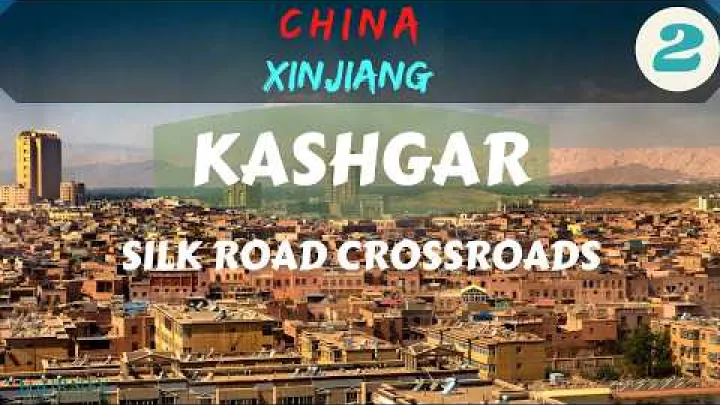
July and early August can be difficult for long midday walks in the city because of heat, intense sunshine, and occasional temperature spikes. A shorter morning or late-afternoon schedule works better for many travelers. December through February are dry and often quiet, but cold mornings and evenings can reduce outdoor time and make high-altitude excursions less predictable.
Kashgar does not have a conventional rainy season. Rain is generally a smaller planning issue than dust, temperature extremes, sunshine, and road conditions. That does not mean every day is dry or every plan will run smoothly; it means prolonged rain is usually not the main seasonal factor when choosing city travel dates.
Kashgar Climate: The Factors That Shape a Visit
Understanding the climate helps you choose dates without treating a simple weather chart as a guarantee. Kashgar is an inland city, while nearby desert and mountain areas can feel very different on the same day.
A Dry Continental Oasis Climate
Kashgar lies in southern Xinjiang, in an oasis environment influenced by the dry Tarim Basin and surrounding mountain systems. The wider region has a continental, dry climate, with large seasonal contrasts. Regional climate information from Britannica describes Xinjiang in these broad terms, including cold winter conditions in the Tarim Basin and warmer summer conditions.
In practical terms, expect cold winters, hot summers, low precipitation, strong sunshine, and noticeable changes between daytime and nighttime temperatures. Rainfall is sparse rather than concentrated in a normal wet season. Annual precipitation totals can differ between datasets because stations, time periods, and geographic boundaries are not always identical, so an approximate dry-climate description is more useful than one exact annual figure.
The city climate is not a direct substitute for the conditions at Karakul Lake, Tashkurgan, the Pamir Plateau, or along the China–Pakistan Friendship Highway. Elevation, exposure, wind, and route conditions can make these places colder and more changeable than Kashgar itself.
Climate Averages Versus a Live Forecast
Climate normals are long-term averages used to compare typical conditions by month. They help answer questions such as whether July is usually hotter than September or whether January is normally colder than November. They do not predict the exact conditions during your trip. The NCEI explains that official climate normals use a uniform 30-year period and include monthly and seasonal averages and statistics.
A particular week can be hotter, colder, dustier, windier, or wetter than its monthly average. Use this simple planning sequence:
- Use historical averages to select a broad month and understand the likely temperature pattern.
- As departure approaches, check the current Kashgar city forecast, including wind and visibility information where available.
- For long outdoor days, review current air-quality or dust information as well as the forecast.
- For excursions, check conditions for the actual destination rather than relying on the Kashgar city reading.
A city forecast cannot confirm conditions at higher elevations near Karakul Lake or Tashkurgan. Treat climate data as a date-selection tool and the short-range forecast as part of the final go-or-no-go decision for outdoor plans.
Heat, Cold, Sun, Rain, and Dust in Practical Terms
Dry air can make warm conditions feel less humid, but strong sunshine can still make a daytime walk feel intense. Plan water breaks, shade, and sun protection even when the air does not feel tropical. A hat, sunscreen, sunglasses, and light clothing that covers the skin are useful for city walks and especially for exposed highland routes.
The daily temperature range makes layers more useful than one heavy outfit. A morning visit to the old town may require a different layer from an afternoon walk, and evenings can cool quickly after a sunny day. Winter travelers need insulation, while spring and autumn visitors benefit from clothing that can be added or removed easily.
Occasional rain is possible, so a light rain layer is sensible, but waterproofing is usually less important than sun, temperature, and dust preparation. Sudden wind or dust can affect visibility and make open-air plans less pleasant, even when rainfall is not expected.
Kashgar by Season
Each season creates a different balance between city comfort, visibility, highland access, and atmosphere. The following sections focus on how those patterns affect real travel days.
Spring (March to May): Mild Days, Higher Dust Risk
Spring moves from cool winter conditions toward warm early-summer weather. March often brings cool mornings and more comfortable afternoons. April becomes increasingly warm and can be pleasant for walking, while May is comfortably warm for many visitors before the strongest summer heat arrives.
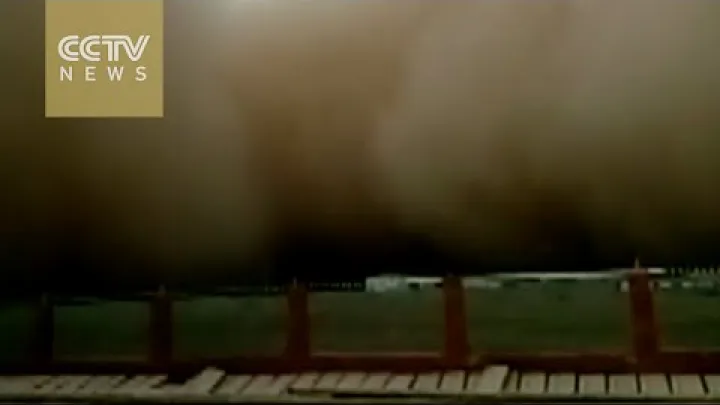
The main spring limitation is dust and wind in the broader Tarim Basin. Haze can reduce distant visibility and affect photography, desert views, and mountain landscapes. Dust conditions are not identical every day, and a warm spring forecast does not guarantee clear air. Before committing to long outdoor or mountain-view plans in March, April, or May, check current dust or air-quality information and keep an indoor or sheltered alternative available.
Spring can suit travelers who prioritize moderate temperatures, flexible cultural visits, agricultural scenery, or seasonal landscapes. It is less convenient for visitors who need consistently clear distant views or who are particularly sensitive to dusty conditions. May is often the best spring compromise, but it should not be treated as a completely dust-free shoulder season.
Summer (June to August): Hot City Days, Better High-Altitude Access
June marks the transition into hotter weather. July and August are generally the warmest part of the Kashgar city year, with strong sunshine and the possibility of very hot days. City sightseeing is usually easier when organized around the heat: begin with outdoor walks in the morning, rest during the hottest midday period, and return to markets or open-air areas in the late afternoon.
Summer can be a useful broad period for Pamir Plateau landscapes, grasslands, lakes, and other seasonal outdoor experiences. Highland areas may be cooler than Kashgar, but they are also more exposed, and a route is not automatically open or comfortable simply because the city is hot. Mountain conditions and access need their own assessment.
School holidays and peak regional travel can increase demand for accommodation, vehicles, and excursions in some periods. The effect varies by exact date and route, so do not assume a fixed summer price or crowd level. Summer is best for travelers who accept hot city afternoons and want to give highland scenery a high priority.
Autumn (September to November): Best Balance of Comfort, Visibility, and Atmosphere
September and early October are the most balanced part of autumn for many visitors. Days are often moderate enough for long city walks, nights become cooler, rainfall remains low, and visibility is generally more favorable than during the dustier part of spring. This combination makes the season especially attractive for photography and first-time sightseeing.
Autumn also gives Kashgar a strong cultural atmosphere. Markets can feature seasonal fruit, nuts, and other harvest-related produce, while the old town and bazaars remain useful places to experience everyday activity. These are seasonal patterns rather than guarantees of a particular festival or event schedule.
October becomes crisp, especially in the morning and evening. November is a clear transition toward winter, with shorter comfortable outdoor periods and colder nights. The city may still be manageable in November, but later-season high-altitude conditions can become less predictable even when Kashgar itself feels suitable for a visit.
Winter (December to February): Cold, Dry, and Quiet
January is normally the coldest month, while February begins a gradual warming trend. Mornings and nights can still be very cold throughout both months, and a bright afternoon should not be mistaken for warm conditions after sunset. December has a distinctly wintry feel but may offer a useful quiet period for cultural travel.
Winter is generally dry and can be bright, with less spring-like dust activity than March and April. Snow or unusually clear conditions are possible but not guaranteed, so do not choose winter solely for a snow-covered city or perfect mountain views.
This season suits travelers who want quieter visits to Kashgar Old City, stark photography, and more time for indoor cultural stops. It requires insulated layers, gloves, and realistic expectations about outdoor time. High-altitude travel can be less flexible in winter, and conditions outside the city may be considerably colder.
Kashgar Month-by-Month Weather Guide
The monthly guide below describes the general feel of each period using climate patterns. Individual years and weeks can differ, so use it to narrow your choices rather than to predict exact daily weather.
January to March: Winter Cold Gives Way to Dust Season
January is the deepest winter period, with the coldest mornings, evenings, and nights of the year. February gradually becomes less severe, although warm clothing remains important. March often brings more comfortable afternoons and cool mornings, making it easier to extend city walks if the air is clear.
Rainfall remains limited across these months, so temperature planning matters more than heavy waterproofing. Pack insulated layers for January and February. By March, use adaptable layers and add practical dust protection, such as a scarf or face covering, for windy days. March is also the point when long-distance views become less dependable because spring dust and haze may begin to affect visibility.
April to June: Comfortable to Hot, with Spring Dust
April often offers pleasant daytime walking temperatures, but it remains one of the more dust-prone months. May is warm and can be comfortable for a city-focused trip. In many climate summaries, May is also the wetter point of the year for Kashgar, but the overall pattern is still arid rather than a true rainy season.
June becomes hotter and sunnier. Spring dust may ease compared with April and May, although it can still appear in an individual forecast. These months suit travelers who prefer warmth, can adapt sightseeing around wind or visibility, or are preparing for seasonal mountain excursions. The city and the mountains should still be packed for separately because a warm Kashgar day does not describe high-altitude conditions.
July to September: Peak Heat to Strongest All-Round Conditions
July is generally the hottest month for city exploration, and August remains hot even as it begins the transition toward more comfortable conditions. Schedule long walks for the morning or late afternoon in July and August. Use the hottest midday period for shade, meals, rest, museums, or other indoor visits.
September is the main decision point in this three-month period. It usually combines warm days, cooler nights, lower rainfall, and more manageable walking conditions. It is therefore a stronger all-round choice than July or August for visitors who want to combine Kashgar Old City, markets, photography, and longer outdoor itineraries.
Summer and early autumn may be busier than winter or some shoulder dates, particularly around regional holidays. Demand and prices depend on the exact route, accommodation, and dates, so compare current options rather than applying a fixed seasonal assumption.
October to December: Crisp Autumn Becomes Winter
October generally combines mild afternoons with cool mornings and evenings. Layers are useful for city walking, especially when an itinerary starts early or finishes after sunset. November becomes noticeably colder and has shorter comfortable outdoor periods, while December feels distinctly wintry despite the continued low precipitation.
These months can suit quiet cultural visits and travelers who prefer cool, dry air. City comfort in the afternoon is not the same as nighttime comfort, and higher-elevation travel can feel much colder than Kashgar. Do not assume continuous snow, universal road closures, or identical conditions across the city and surrounding region.
How Timing Changes Kashgar Experiences
Weather affects more than clothing. It changes the best time of day for walking, the quality of distant views, the comfort of market visits, and the practical possibilities of trips beyond the city.
City Stays: Old Town, Mosques, Markets, and Walking Hours
A city-focused visit is possible in every season, but September and early October usually offer the easiest balance for extended walks through Kashgar Old City and nearby market areas. Lower rainfall means prolonged rain is less likely to dominate an itinerary. Temperature, dust, sunlight, and the day-to-night range usually have a greater effect on how long you want to stay outdoors.
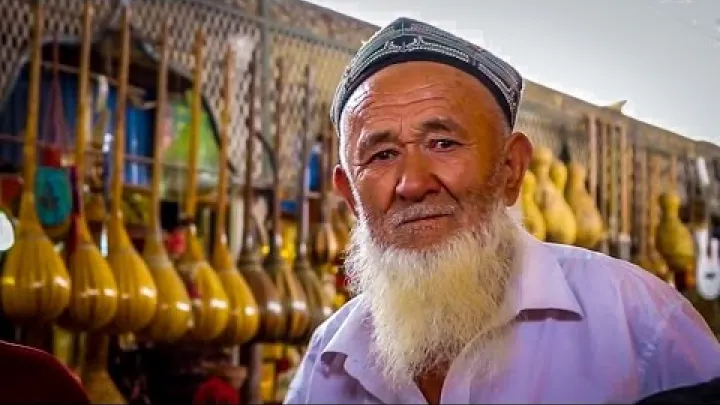
In July and August, begin with the old town or market areas early, take a longer midday break, and return outside in the late afternoon. In spring, keep the schedule flexible so a dusty or windy period does not ruin the main photography plan. In winter, combine shorter outdoor walks with indoor or sheltered stops and allow more time for warming up.
Mosques, bazaars, and markets can be included in a cultural itinerary, but opening hours, access arrangements, and local rules should be confirmed for the places you plan to visit. Avoid building a schedule around an unverified event or assuming that every market follows the same timetable.
Pamir Plateau Excursions to Karakul Lake and Tashkurgan
Conditions change sharply once you leave Kashgar and climb toward the Pamir Plateau. Karakul Lake, Tashkurgan, and sections of the China–Pakistan Friendship Highway can be colder, windier, and more exposed than the city. Elevation also changes the meaning of a comfortable city forecast: a warm afternoon in Kashgar does not confirm comfortable conditions at a high-altitude destination.
Late spring through early autumn is a broad seasonal orientation for these excursions because warmer months can provide a more practical window for mountain landscapes, lakes, and grasslands. This is not a promise that every route, pass, or destination will be open. High-altitude weather, road conditions, local rules, and access arrangements can change independently of the city climate.
Immediately before leaving Kashgar, confirm the current route and road status, pass conditions, destination access, and operator arrangements with a relevant local operator or official channel. Ask specifically about the places on your planned route rather than relying on a general Kashgar forecast. Treat lake and mountain visibility as a possibility, not a guarantee, and keep enough flexibility to change the excursion if conditions are unsuitable.
Festivals, Harvest, Crowds, and Prices
Autumn can combine favorable walking weather with harvest-season fruit, nuts, and active markets. This makes September and early October attractive to cultural travelers and photographers who want comfortable outdoor conditions as well as seasonal local atmosphere.
Major Muslim holidays can also be meaningful times to visit. Travel guidance from FarWestChina suggests considering holidays such as the end of Ramadan or the Qurban festival. Their dates follow a lunar calendar, so verify the relevant dates for your travel year. Holiday timing can affect local routines, accommodation availability, transport demand, and prices, but the exact commercial effect varies.
Summer and early autumn may be busier and more expensive than winter or a shoulder period, but there are no reliable universal price percentages. If budget matters, compare current accommodation, transport, and excursion rates for several dates. Winter may provide a quieter atmosphere, but lower prices and better availability must still be checked rather than assumed.
Packing and Final Date-Selection Checklist
Pack for Kashgar as a dry, sunny, continental destination, then add separate equipment and clothing for any high-altitude excursion. A city itinerary and a Pamir itinerary may need very different layers even when they take place during the same week.
What to Pack for Kashgar Weather
Adaptable layers are the most useful starting point because temperatures can change substantially between morning, afternoon, and evening. For winter, include an insulated coat or jacket, warm base layers, gloves, and clothing that covers the neck and ears. For spring and autumn, use lighter layers that can be adjusted during the day.
Warm-season city packing should include breathable clothing, a hat, sunscreen, sunglasses, comfortable walking shoes, and a reusable water bottle. Sun-protective clothing is also useful on exposed roads and highland viewpoints. Add a light rain layer because occasional showers are possible even though Kashgar is generally dry.
Spring travelers should consider practical dust protection, such as a scarf or face covering, and sunglasses for windy days. For the Pamir Plateau, Karakul Lake, or Tashkurgan, add warmer and more insulating layers than the Kashgar city forecast might suggest. Include gloves and a wind-resistant outer layer when the route is exposed, and use sturdy footwear suitable for the actual excursion plan.
A Simple Booking and Forecast Checklist
Choose dates with this short decision tree:
- For the best overall balance of city walking, photography, and cultural atmosphere, choose September or early October.
- For warmer shoulder-season travel, choose May and accept a higher possibility of spring dust and wind.
- For highland scenery, consider late spring through early autumn, but treat access and mountain weather as separate decisions from Kashgar city weather.
- For quiet travel, consider winter or a shoulder period if you are comfortable with cold mornings, cold evenings, and less flexible excursions.
After choosing a broad month, compare heat, cold, dust, visibility, likely demand, and budget rather than relying on one best-time formula. Close to departure, review the current city forecast, air-quality or dust information, holiday calendar, accommodation availability, route and road status, destination access, and relevant local guidance. For most first-time visitors, September and early October remain the best overall choice; May is the warmer shoulder alternative, summer favors travelers prioritizing highland access, and winter suits those seeking a quieter visit with cold-weather tolerance.
Select area
Create a post
Posting is free and no registration is required.