Shenzhen Budget: Daily Costs, Prices & Trip Planning

A realistic Shenzhen budget depends less on one fixed price than on where you stay, how often you use taxis, and whether you visit major theme parks. As a starting point, plan about CNY 250–350 per day for strict budget travel, CNY 450–700 for a mid-range trip, or CNY 800–1,200 for a comfortable experience. This guide breaks those figures into accommodation, food, local transport, and activities, then compares districts and sample three-day and five-day totals. All amounts are planning estimates in CNY, also called RMB, rather than guaranteed prices.
How Much Does a Shenzhen Trip Cost?
Shenzhen can support both low-cost city breaks and expensive activity-focused holidays. Local meals, public transport, museums, parks, and a carefully chosen room can keep the daily total controlled. A private hotel room, frequent ride-hailing, Western food, shopping, airport transfers, and several theme parks can change the calculation quickly.
Daily Shenzhen Budget Ranges by Travel Style
The following bands are useful for initial planning. They assume one traveler, ordinary sightseeing, and a city stay that includes accommodation, food, local transport, and selected activities. The accommodation amount is allocated per traveler in a solo budget. If two people share one room, divide the room cost between them rather than charging the full room rate to each person.
| Travel style | Accommodation | Food | Local transport | Activities | Daily planning total |
|---|---|---|---|---|---|
| Strict budget | CNY 120–170 | CNY 60–100 | CNY 15–30 | CNY 20–60 | CNY 250–350 |
| Mid-range | CNY 250–400 | CNY 120–180 | CNY 25–60 | CNY 50–120 | CNY 450–700 |
| Comfortable | CNY 450–650 | CNY 200–300 | CNY 50–100 | CNY 100–200 | CNY 800–1,200 |
The ranges are not meant to be added at their lowest and highest points as if every traveler follows the same pattern. A strict-budget day might combine a CNY 150 bed, CNY 80 of local food, CNY 20 of metro and bus travel, and CNY 40 of activities, producing about CNY 290. A mid-range day could use a private room allocation of CNY 325, CNY 150 for meals, CNY 40 for transport, and CNY 85 for activities, or about CNY 600.
Use the lower end when you share a room, eat mainly at neighborhood restaurants, use public transport, and choose free or low-cost attractions. Use the upper end when you travel alone in a private room, stay in a premium district, eat at malls or Western restaurants, or travel across the city several times. Theme-park admission can require a separate allowance because one full-price ticket may exceed the activity budget for an otherwise inexpensive day.
Keep your reference currency as CNY or RMB when comparing bookings and menus. Convert to your home currency with a current exchange rate when you make the booking, but avoid building the whole plan around an old exchange-rate assumption.
What These Shenzhen Budget Figures Include and Exclude
For this article, a Shenzhen travel budget means the cost of being in the city. It includes a place to sleep, ordinary meals and drinks, metro or bus travel within Shenzhen, and a reasonable selection of activities. It does not represent a complete international trip price.
- Included: accommodation, food, local transport, and selected museums, parks, beaches, or ticketed attractions.
- Usually excluded: international flights, flights on Shenzhen Airlines or another carrier, high-speed rail or other intercity tickets, travel insurance, visas, shopping, gifts, work equipment, and personal purchases.
- Separate regional costs: Hong Kong travel, Greater Bay Area excursions, border transfers, and onward transport should have their own lines in the budget.
- Room calculation: a hotel room is normally priced per room, while food, tickets, and most transport figures are easier to track per person.
Entry permission, visa rules, and border requirements are not fixed travel-budget add-ons for every nationality. Before adding those costs, check the current rules with an official immigration, consular, airline, or border authority relevant to the traveler. This article focuses on Shenzhen travel costs, not the monthly cost of living in the city and not the separate question of whether Shenzhen Airlines is a budget carrier.
Accommodation Costs and the Best Districts for Your Budget
Accommodation is usually the largest controllable part of a Shenzhen trip. The cheapest room is not always the cheapest base: a distant property can create extra metro time, taxis, and meals near major attractions. Compare the nightly rate with the transport and convenience that the location provides.
Hostels, Budget Hotels, and Private Rooms
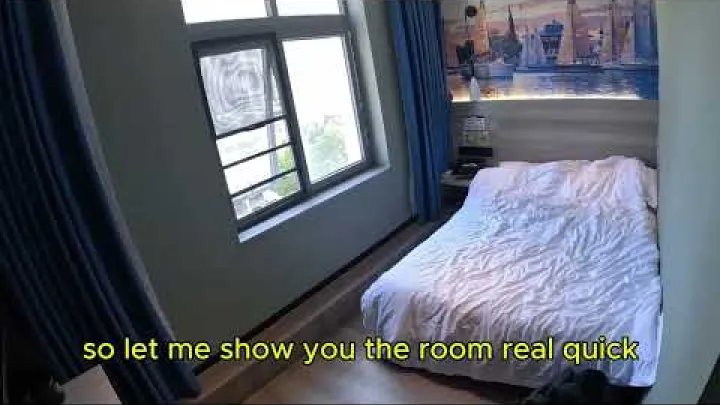
For an initial spreadsheet, use broad planning bands rather than a single advertised rate. These figures are illustrative working ranges for comparing travel styles, not a promise that a room will be available at that price on your dates.
| Accommodation type | Illustrative planning band | Likely arrangement | Best for |
|---|---|---|---|
| Hostel dorm bed | CNY 80–180 per bed | Shared room and possibly shared bathroom | Solo travelers prioritizing price |
| Simple guesthouse or budget hotel | CNY 160–350 per room | Private room; bathroom, breakfast, and location vary | Couples or solo travelers wanting privacy |
| Private mid-range room | CNY 350–700 per room | More space or stronger location and service, with inclusions varying | Travelers balancing comfort and cost |
Live hotel listings show why a broad range is necessary. A KAYAK snapshot has shown Shenzhen hotels from about US$14 per night and an average double room around US$149. These are listing observations affected by dates, filters, availability, room type, and currency display, so the lowest rate should not be treated as a typical rate.
Check whether the advertised room has a private bathroom, a window, air conditioning, breakfast, luggage storage, and a clear cancellation policy. A cheap dorm bed may be excellent value for a solo visitor, but a couple may find that a private budget room gives a better per-person result. Conversely, a solo traveler who needs a private bathroom should move the accommodation line toward the mid-range example rather than expecting a dorm-level total.
Luohu, Futian, Nanshan, Bao'an, Yantian, and Dapeng Compared
Shenzhen is spread out, so district choice affects the full daily cost. The best base depends on whether the trip emphasizes central sightseeing, business meetings, shopping, airport access, beaches, or theme parks.
| Area | Budget fit | Useful strengths | Main trade-off |
|---|---|---|---|
| Luohu and Dongmen | Worth comparing for value | Established dining, shopping, and central city access | Popular locations can still rise on busy dates |
| Futian | Often a mid-range or higher choice | Business areas, shopping, skyline, and convenient city connections | Central convenience may come with a higher room rate |
| Nanshan | Broad range, including premium options | Technology and business areas plus several major attractions | Attraction convenience varies by the exact hotel location |
| Bao'an | Compare carefully for airport-side stays | Useful when arrival, departure, or western Shenzhen is important | A cheaper room may mean more time and money reaching central sights |
| Yantian and Dameisha | Value depends on coastal demand | Beach access and a different pace from the central districts | Weekend, holiday, and resort demand can change accommodation value |
| Dapeng and Xichong coastal areas | Best for a coastal-focused plan | Coastal scenery, beaches, and longer stays away from the core | Fewer central conveniences and a larger access allowance |
Luohu and Dongmen can be practical for travelers who want plentiful local food and a central base. Futian and Nanshan may be worth paying more for when business appointments, shopping, skyline areas, or nearby attractions are the main purpose. Bao'an can simplify an airport-focused overnight stay, but it is not automatically the best base for a trip centered on eastern beaches or central attractions.
Yantian and Dameisha make sense when the coast is a priority, while Dapeng and Xichong suit travelers willing to organize around beaches rather than move around the whole city. Compare the total day: room cost plus meals near the hotel plus expected transport. For example, a room that is CNY 100 cheaper but requires several long ride-hailing trips may not save CNY 100 in practice.
How Season, Weekends, and Events Change Hotel Prices
Hotel prices can move with weekends, public holidays, large events, business demand, school breaks, and coastal weather. A property near Dameisha may have a different value on a beach-focused weekend than on a quiet weekday. Central business districts can also behave differently from resort areas.
One hostel-market snapshot from KAYAK showed a lower average in June and a higher average in February. Treat that pattern as directional only. It does not establish a fixed low season or high season for every Shenzhen property, because inventory and demand can change from one year to the next.
Use an identical comparison when testing dates. Keep the room type, number of guests, breakfast, taxes or fees, cancellation terms, and district constant. As a hypothetical example, moving a CNY 300 room from a weekday to a CNY 450 weekend rate would add CNY 150 per night; moving two nights would add CNY 300 to the room line. That is a planning illustration, not a quoted Shenzhen rate.
Before fixing the itinerary, compare the actual weekdays, weekends, public holidays, event dates, and coastal demand for the dates you will use. A flexible traveler may save more by shifting the stay by several weekdays than by spending time searching for a small meal discount.
Food and Drink Prices in Shenzhen
Food is one of the easiest parts of a Shenzhen budget to adjust without making the trip feel limited. A traveler can combine local breakfasts and noodle or rice meals with cafés, international food, desserts, and one or two nicer dinners. The same meal category may cost more in a mall, hotel, station, airport, or major tourist area than in a neighborhood restaurant.
Local Meals, Street Food, and Daily Food Allowances
For strict local eating, plan about CNY 60–100 per person per day. A mixed pattern of local food and occasional café or mid-range meals usually fits about CNY 120–180. Travelers who choose frequent coffee stops, Western restaurants, imported products, desserts, or higher-end dining may need CNY 200–300 or more.
China Highlights gives a national China baseline of roughly CNY 20–80 for lunch, dinner, or supper and about CNY 20–40 for an individual dish in a shared meal. That guidance is useful for testing an estimate, but it is not a live Shenzhen menu. Shenzhen prices vary by neighborhood, restaurant format, portion, ingredients, and the number of dishes ordered.
A strict-budget sample day might use a simple local breakfast, a noodle or rice meal for lunch, a neighborhood dinner, and limited drinks or snacks. Keeping those choices close to local prices can make CNY 60–100 workable. A mid-range sample can add a café visit or a more substantial dinner and use CNY 120–180. The comfortable allowance allows more choice rather than requiring every meal to be expensive.
Food streets and night markets can provide variety, but do not assume that every stall is cheaper than every restaurant. Tourist-focused streets may charge more, while a small restaurant away from a major attraction may offer a better value. Also decide whether your figure includes bottled drinks, alcohol, coffee, snacks, and delivery fees; leaving them out is a common reason for exceeding the daily plan.
Coffee, Western Food, Tourist Areas, and Groceries
Small purchases can change a food budget more than expected. Coffee, imported snacks, bottled drinks, desserts, and a Western meal each deserve a visible line in the plan. A traveler who eats local meals but buys a café drink every afternoon may need a different allowance from someone who drinks water and eats mainly at neighborhood restaurants.
For a mixed day, write down the actual pattern you expect: local breakfast, a modest lunch, one café visit, a mid-range dinner, and a snack or drink. Add the current menu prices rather than hiding the café and snack costs inside a general food guess. If the result is close to CNY 180, use the mid-range allowance; if it regularly passes CNY 250, classify the trip as closer to the comfortable food pattern.
Groceries can help with breakfast, fruit, snacks, and drinks, but they should be separated from restaurant spending. Cooking is practical only when the accommodation permits it and when the time spent shopping and preparing food fits the itinerary. A hotel room without kitchen access may still benefit from supermarket snacks, but it will not turn every meal into a self-catered meal.
Malls, hotels, airports, stations, and major attractions are convenient but can produce higher prices for similar food. A simple way to save is to eat one meal near the accommodation or on a neighborhood side street, then reserve a mall or tourist-area meal for an experience you actually want.
Transport Costs Within Shenzhen
Shenzhen's size makes transport a meaningful part of the budget even when public transport is affordable. The key question is not only the price of one ride, but how many rides the itinerary creates. Grouping nearby activities on the same day can reduce both transport cost and time.
Metro and Bus Costs for Everyday Sightseeing
Shenzhen's metro uses distance-based fares, and city buses can complement it for areas that are less convenient by rail. For an ordinary sightseeing day, a provisional allowance of about CNY 15–30 for metro and bus use is a reasonable starting point for a central itinerary. It is a planning allowance, not a current official fare table.
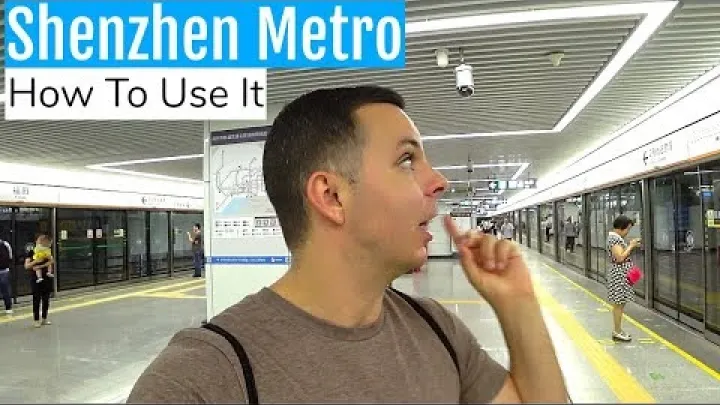
A day concentrated around Luohu and Dongmen, Futian, or Nanshan may need fewer long journeys than a day that combines central Shenzhen with Yantian or Dameisha. Dapeng and Xichong should be treated as a separate access decision because the coastal location can add time and transport costs. Bao'an may be convenient for an airport-related stay, while the same location can be less efficient for repeated trips to eastern Shenzhen.
List the planned areas before choosing a hotel. If several activities are spread across opposite sides of the city, the extra rides may justify a more central room. If the itinerary focuses on one district, a lower-cost property slightly farther from the center may be good value when the daily transport and walking pattern remains manageable.
Taxis, Ride-Hailing, Airport Transfers, and Cross-Border Add-Ons
Taxis and ride-hailing are useful for luggage, late arrivals, groups, heavy rain, or journeys where time matters more than the lowest fare. They are less attractive when one person uses them repeatedly for trips that the metro or bus can cover. For two or more travelers, a shared ride can be reasonable, but calculate the total vehicle fare and divide it only among the people actually sharing it.
Airport transfers should have their own line rather than being hidden inside an ordinary CNY 15–30 local transport allowance. The same applies to late-night arrivals, waiting time, tolls, luggage needs, and journeys to or from a distant coastal base. Cross-border travel to Hong Kong or another Greater Bay Area destination also needs separate intercity, border, and onward transport amounts.
Fares can depend on the operator, time of day, route, traffic, waiting, tolls, and the payment method shown in the app. Immediately before travel, check the current airport and late-night options with the relevant transport operator or ride-hailing app. For cross-border plans, confirm the current fare, service schedule, border process, and any nationality-specific entry requirement with the relevant official authority or operator. Do not use an old taxi estimate or a visa figure as if it were a guaranteed total.
Attraction and Entertainment Costs
Activities can be the difference between a CNY 300 day and a CNY 700 day. Free parks and museums stabilize a multi-day budget, while a full-price theme park can dominate the cost of one day. Plan paid attractions separately so you can choose them deliberately instead of treating every day as if it has the same activity cost.
Paid Theme Parks and Ticket Decisions
Splendid China Folk Village is a useful price anchor because the available Klook listing states a full park price of CNY 220. The listing also shows age-based rules, including half price for visitors aged 65–69 and free admission for visitors aged 70 and above. Treat those figures and eligibility rules as listing-specific, not as a universal price for every date or ticket channel.
Window of the World, Happy Valley Shenzhen, and Shenzhen Safari Park should each have their own live ticket line. Promotions, date-specific admission, night products, child or senior eligibility, group offers, bundled tickets, and multi-day products may not be interchangeable. A low promotional price may also have a restricted validity period or require a specific booking method.
When you use an exact ticket price, record the date, currency, validity period, admission inclusions, and exclusions. Separate admission from food, optional rides, in-park transport, parking, merchandise, and special shows. This prevents a CNY 220 admission ticket from being mistaken for the total cost of a theme-park day.
A useful decision rule is to choose one major paid attraction that matches your interests, then use free or low-cost activities on another day. If the trip is built around several theme parks, move from the mid-range or comfortable daily band to a separate activity-heavy budget rather than trying to keep the original total unchanged.
Free and Low-Cost Museums, Parks, and Beaches
Shenzhen Museum, urban parks, public coastal walks, and Dameisha Beach Park can help reduce the average activity cost across a longer stay. They are not identical experiences to a theme park, so use them as budget stabilizers rather than assuming every traveler will prefer free activities.
The official Shenzhen government information for Dameisha Beach Park lists park hours of 7:00–23:00, with clearing from 22:00 and closure at 23:00. Hours, access arrangements, reservations, beach services, parking, and nearby commercial facilities can be separate from the general park information. Check the current venue details before making a late or weather-sensitive plan.
For Shenzhen Museum and other public spaces, confirm current opening hours, reservation requirements, holiday closures, and any special exhibition charges. A museum may be low-cost while a temporary exhibit or guided experience has a separate price. Likewise, a beach visit may be inexpensive at the park but involve transport, food, equipment, lockers, or nearby services.
Over five days, two free or low-cost days can offset one paid park day without removing variety. For example, combine a museum or urban park with a local food district, then reserve a separate day for a theme park or the coast. The result is often more comfortable than trying to make every day equally cheap.
Sample Shenzhen Budgets for Three- and Five-Day Trips
The examples below show how a Shenzhen trip cost can be calculated. They use three or five full spending days and the same number of paid accommodation nights for simple comparison. Replace the accommodation, ticket, and transport lines with prices for your dates. A real itinerary may have fewer hotel nights, partial arrival days, or additional intercity travel.
A Strict Budget Example
This solo example assumes a hostel bed or low-cost room allocation, local meals, mostly metro and bus travel, and mainly free activities. It uses CNY 150 for accommodation, CNY 80 for food, CNY 25 for local transport, and CNY 45 for activities each day.
| Cost item | Per day | Three days | Five days |
|---|---|---|---|
| Accommodation | CNY 150 | CNY 450 | CNY 750 |
| Food | CNY 80 | CNY 240 | CNY 400 |
| Local transport | CNY 25 | CNY 75 | CNY 125 |
| Activities | CNY 45 | CNY 135 | CNY 225 |
| City total | CNY 300 | CNY 900 | CNY 1,500 |
This plan works best when the room is genuinely available at the assumed rate and the itinerary does not require repeated long-distance rides. A full-price CNY 220 Splendid China Folk Village ticket would add CNY 220 per person to either trip, before food and transport at the park. An airport transfer, private-room upgrade, shopping, insurance, flights, and cross-border travel are additional.
If the strict plan is for two people, do not automatically double every room cost. Double the room only when the booking is priced for two people; divide the resulting room cost between the travelers when showing a per-person total. Food, admissions, and transport should still be adjusted to the actual group.
A Mid-Range Example
This solo model assumes a private room at CNY 350 per night, a mixed food pattern at CNY 150 per day, regular public transport with limited ride-hailing at CNY 45, and one or two paid or moderately priced activities averaging CNY 100 per day.
| Cost item | Per day | Three days | Five days |
|---|---|---|---|
| Private accommodation | CNY 350 | CNY 1,050 | CNY 1,750 |
| Food | CNY 150 | CNY 450 | CNY 750 |
| Local transport | CNY 45 | CNY 135 | CNY 225 |
| Activities | CNY 100 | CNY 300 | CNY 500 |
| City total | CNY 645 | CNY 1,935 | CNY 3,225 |
The CNY 645 daily result sits inside the mid-range band, but the room assumption is doing much of the work. If a couple shares the same CNY 350 room, the accommodation allocation becomes CNY 175 per person per night. With the same food, transport, and activity choices, the per-person total becomes about CNY 470 per day, or CNY 1,410 for three days and CNY 2,350 for five days.
That adjustment shows why hotel prices should be labeled per room or per person. A nicer dinner, a full-price park, or an airport ride can raise one day above the average without making the whole trip a comfortable-budget trip. The important figure is the trip total after all planned splurges are added.
A Comfortable or Theme-Park-Focused Example
This comfortable example uses CNY 550 per day for a private or higher-quality room, CNY 250 for varied dining, CNY 80 for taxis or ride-hailing mixed with public transport, and CNY 120 for activities. It is a model without a major theme park on every day.
| Cost item | Per day | Three days | Five days |
|---|---|---|---|
| Private accommodation | CNY 550 | CNY 1,650 | CNY 2,750 |
| Food | CNY 250 | CNY 750 | CNY 1,250 |
| Local transport | CNY 80 | CNY 240 | CNY 400 |
| Activities | CNY 120 | CNY 360 | CNY 600 |
| City total | CNY 1,000 | CNY 3,000 | CNY 5,000 |
For a theme-park-focused trip, add each admission ticket to the relevant day instead of hiding it in the average. One CNY 220 full-price Splendid China Folk Village ticket would make the three-day example CNY 3,220 before any extra in-park spending, or CNY 5,220 for a five-day stay if it is the only such add-on. Several parks, premium meals, private transfers, or a higher-priced district can push the total above the comfortable band.
Choose one main splurge: comfort, location, or activities. A traveler can choose a premium room and mostly free attractions, a central room with varied dining, or a simpler room and several paid parks. Assuming that all three choices will fit the same daily limit is the usual reason a comfortable budget becomes inaccurate.
How to Save Money Without Reducing the Experience
The best savings decisions reduce a large line item while preserving the part of the trip that matters most. Saving CNY 5 on a snack is less important than choosing the right district, avoiding an event-rate weekend, or limiting high-ticket attractions. Each tactic has a trade-off in time, comfort, flexibility, or location.
The Biggest Savings Levers
- Choose the room and district first. Compare the nightly rate with the transport needed to reach your main activities. Luohu and Dongmen may suit a central food-and-city itinerary, while Yantian, Dameisha, Dapeng, or Xichong are more logical when the coast is the main purpose. A room far from the itinerary is not automatically good value.
- Compare travel dates. Test weekdays against weekends, public holidays, and known event dates using the same room type and occupancy. A date change can affect several nights at once and may save more than small daily discounts.
- Use local food as the foundation. Keep breakfast and at least one main meal local, then budget separately for coffee, Western food, imported snacks, or a planned restaurant visit. This preserves choice while preventing small premium purchases from being invisible.
- Use metro and buses for the routine pattern. Save taxis for luggage, late arrivals, groups, bad weather, or journeys where time has a clear value. Group nearby attractions on the same day so that a cheaper transport mode is practical.
- Mix free and paid activities. A museum, urban park, or coastal walk can balance a theme park or special exhibition. Choose paid attractions that match your interests instead of purchasing several similar experiences.
- Book for value, not only the lowest headline rate. Check breakfast, taxes or fees, room size, bathroom, cancellation flexibility, payment requirements, and distance from transport. A slightly higher room rate may be cheaper overall when it reduces long transfers or unwanted meals near an attraction.
A useful combination for a five-day trip is a central or well-connected base, several local meals, public transport on ordinary days, one major paid attraction, and free or low-cost activities on the remaining days. A coastal itinerary should reverse that priority: choose the coast for the experience and accept that access and limited nearby choices may change the total.
A Pre-Booking and Daily Spending Checklist
Use this checklist before you commit to the final Shenzhen budget:
- Dates and occupancy: enter the exact arrival and departure dates, number of nights, number of guests, and whether the room price is per room or per person.
- Location: compare Luohu and Dongmen, Futian, Nanshan, Bao'an, Yantian, and Dapeng according to the actual itinerary, not only the advertised nightly rate.
- Room inclusions: record the bathroom arrangement, breakfast, taxes or fees, luggage storage, check-in conditions, and cancellation terms.
- Food pattern: set a daily amount for local meals, then add separate lines for coffee, Western meals, alcohol, snacks, groceries, and special dinners.
- Transport assumptions: count ordinary metro and bus travel separately from airport transfers, late-night rides, taxis, ride-hailing, and cross-border or intercity travel.
- Attraction details: record the current ticket price, ticket date, validity period, admission inclusions, age eligibility, package limits, and extra spending such as food or optional shows.
- Excluded costs: keep flights, visas, insurance, shopping, gifts, and personal purchases outside the city daily total until you have priced them separately.
- Payment and currency: confirm the payment method, currency, deposit, and cancellation terms for each booking. Keep a backup payment option for unexpected changes.
- Flexible allowance: keep an unassigned amount for a price change, unexpected taxi, room upgrade, weather-related replacement activity, or one useful convenience. The amount should reflect your own risk tolerance rather than an arbitrary percentage.
For daily tracking, use a simple formula: actual city spending equals accommodation plus food plus local transport plus activities. Compare that result with the planned daily amount, and keep airport, border, shopping, and other excluded items in separate categories. This makes it clear whether the problem is the room, meals, transport, or entertainment and gives you time to adjust the remaining days.
Bottom Line: Planning a Realistic Shenzhen Travel Budget
For a Shenzhen city trip, CNY 250–350 per day is a useful strict-budget target, CNY 450–700 suits many mid-range plans, and CNY 800–1,200 provides a comfortable starting point. The final number will depend mainly on room type, district, dates, food choices, transport distance, and paid attractions. Price the city stay first, then add flights, visas, insurance, intercity or cross-border travel, shopping, and personal expenses as separate lines. A clear plan that combines one main splurge with flexible low-cost activities will usually be more realistic than a single average price.
Select area
Create a post
Posting is free and no registration is required.