Hangzhou Best Time to Visit: Weather by Season and Month
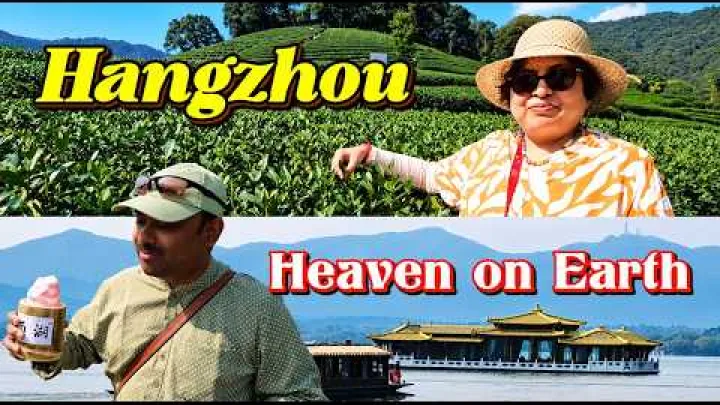
The best time to visit Hangzhou depends on whether you value mild walking weather, spring scenery, autumn views, low prices, or quiet attractions. For most travelers, March to May and September to November are the most useful visiting windows, with autumn often offering the strongest overall balance. This guide explains Hangzhou weather by season and month, including rain, humidity, plum rain, summer heat, and typhoon-related disruption. It also shows how to match your travel dates with West Lake, Longjing Village, hiking, waterfront activities, cultural sightseeing, and a smaller budget.
Quick Answer: When to Visit Hangzhou
Best Overall Windows: Spring and Autumn
For a first visit, choose March to May or September to November. These broad shoulder-season periods are generally more comfortable for walking around West Lake, visiting cultural sites, exploring Longjing Village and the surrounding tea hills, and taking day trips to nearby water towns. Autumn, especially October outside the National Day holiday and early November, is the strongest general recommendation when comfortable temperatures, pleasant walking conditions, and clearer views are your main priorities.
Spring is an excellent alternative if you want flowers, fresh greenery, and a tea-focused experience. March can still feel cool and unsettled, while April is often the most balanced spring month. May is warmer and may feel more humid, but it remains suitable for outdoor sightseeing for travelers who prefer late spring conditions.
Summer is hot, humid, and wetter, although it brings dense greenery and lotus scenery. Winter is cooler and damp, but it is quieter and can offer better value. Hangzhou does not have a guaranteed dry season, so the best seasonal recommendation is still only a planning guide. The exact weather during your trip can be different from the monthly average. Travel China Guide also identifies spring and autumn as the broad best periods while noting the effects of tourism demand and holiday timing.
Choose a Season Based on Your Travel Priorities
There is no single perfect month for every visitor. Use the following guide to choose a period based on the experience you want and the compromises you can accept.
| Travel priority | Useful window | Main trade-off |
|---|---|---|
| Comfortable sightseeing | October to early November | National Day can make early October very busy |
| Spring scenery and tea | Late March to May | Rain and rising humidity become more likely later in spring |
| Greenery and lotus | July to August | Peak heat, humidity, heavy rain, and summer demand |
| Quiet and potentially better value | Late November to February, excluding Chinese New Year | Cool, damp weather and shorter outdoor comfort |
| Lake and river activities | Spring or autumn outside wet or storm-sensitive dates | Wind, rain, mist, and visibility can affect plans |
Travelers who dislike heat should avoid making July or August their main choice. Travelers who dislike cold and damp weather may prefer April, October, or early November. If your dates are fixed, a flexible itinerary is more important than trying to find a theoretically perfect month.
Hangzhou's Climate: What Travelers Need to Know
Hangzhou combines a large urban area with a lake, a major river, low hills, tea-growing areas, and wetland landscapes. That setting makes the practical experience of weather especially important: a moderate temperature can still feel humid beside the water, while rain or mist can change the appeal of a long outdoor walk.
How West Lake, the Qiantang River, and the Tea Hills Shape the City Stay
Hangzhou is in Zhejiang Province in East China. The city is organized around several contrasting settings: West Lake and its promenades, the Qiantang River and its broad waterfront, the low hills near Longjing Village, and wetland parks and other green spaces. Su Causeway and the lakefront are well suited to walking when the air is comfortable, but exposure to water and open paths can make wind, humidity, rain, and mist more noticeable than they are in a sheltered city street.
The tea hills around Longjing Village add elevation and uneven outdoor walking to an otherwise urban stay. In damp weather, views may become softer or less visible, and longer hill visits may feel more tiring than a short lake walk. This does not mean that each area has a separate climate zone. It means that the same city forecast can feel different during a lake circuit, a tea-hill visit, or an indoor museum stop.
Hangzhou's local climate-resource rules encourage tourism authorities and businesses to make appropriate use of rain, snow, mist, cloud, and seasonal phenomena as tourism resources. The Ministry of Justice of China publishes this local policy context. For visitors, the practical lesson is that misty or rainy weather is not automatically a failed sightseeing day, but it should influence the route and the amount of outdoor time you schedule.
Temperature, Rainfall, Humidity, and Four Seasons
For travel planning, Hangzhou is best understood as a seasonal monsoon climate with four recognizable periods. Summers are hot, muggy, and rainy; winters are relatively cold and damp; spring becomes progressively warmer; and autumn usually moves from late-summer warmth toward cooler, more comfortable conditions. The transitions are gradual, so March, June, September, and November can vary considerably within the same month.
Long-term climate summaries place the average temperature in the coldest part of winter near 5°C and describe July as the hottest month, with average conditions near 29°C. These are approximate climate-normal values, not guaranteed daily temperatures, and different stations or reference periods may produce slightly different results. Climates to Travel provides a useful long-term comparison of Hangzhou's seasonal temperatures, rainfall, and humidity.
Rain falls throughout the year, so even the preferred spring and autumn periods can include wet days. Rain is more concentrated during late spring and summer, when humid air and heavier showers can interrupt a full day of outdoor sightseeing. Humidity also changes perceived comfort. A warm day can feel more difficult beside the lake or on a tea-hill walk, while a cool winter day can feel colder when clothing becomes damp.
Pack for the season, but do not rely on a temperature number alone. Walking shoes that cope with wet pavement, a light rain layer during transitional months, breathable clothing in summer, and insulating layers in winter are more useful than a rigid assumption about what a month will feel like.
Plum Rain and Typhoon-Related Heavy Rain
The plum rain period is commonly associated with late June into early July. It can bring persistent showers, cloud, high humidity, and mist rather than one short storm each afternoon. Around West Lake and the Qiantang River, this pattern may create atmospheric scenery, but it can also reduce visibility, make long walks uncomfortable, and require changes to boat, riverfront, or hill plans.
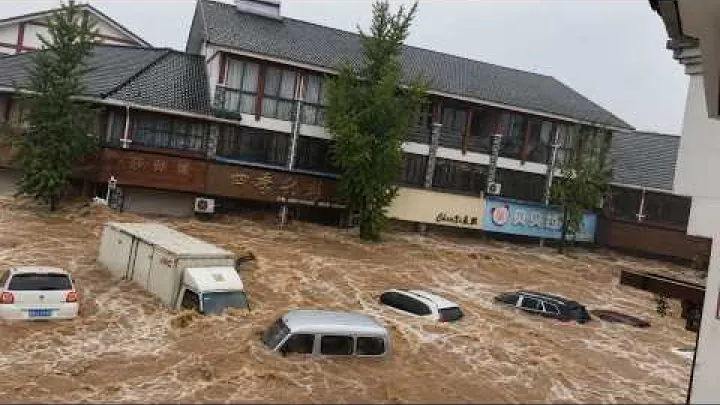
August and September can also bring episodes of heavy rain connected with tropical systems affecting eastern China. A seasonal possibility is not the same as an active typhoon, and it does not mean that every August or September trip will be disrupted. The effect depends on the storm's track, rainfall, wind, and local warnings at the time.
If you travel during a typhoon-affected period, check official severe-weather warnings and updates from your train or flight operator before setting out. Leave flexibility around arrival and departure days, and do not assume that a city itinerary will operate normally during a warning. This is a transport and weather decision for the exact event, not a reason to reject every late-summer trip.
Hangzhou by Season
Each season offers a different version of Hangzhou. The most useful choice depends on how much time you plan to spend outdoors and how comfortable you are with heat, rain, or damp cold.
Spring: Blossoms, Tea, and Mild Warming
Spring runs from March to May as a practical travel period, although the three months do not feel identical. Early March can still be cool and changeable. By April, conditions are often more suitable for extended walks around West Lake, visits to temples and pagodas, trips to wetland parks, and excursions to nearby water towns. In May, temperatures rise and humidity becomes more noticeable, but the season remains attractive for outdoor visits.
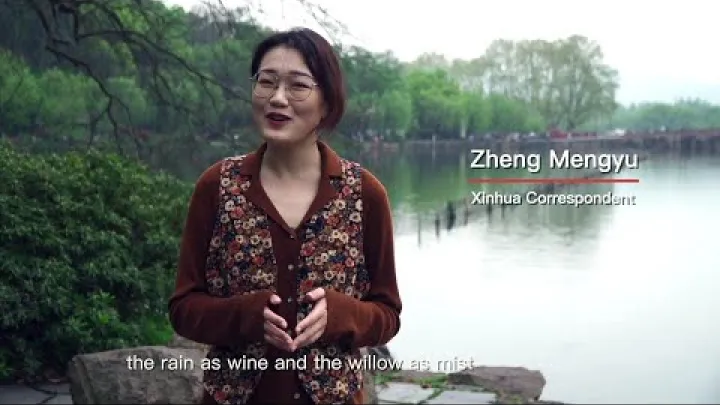
Spring is a natural choice for travelers interested in flowers, fresh greenery, and Longjing Village and the surrounding tea hills. Tea-related experiences can be especially appealing in the spring period, but the precise scenery and activities depend on the year and the operator. Rain is the main trade-off. Use light layers, a compact rain jacket or umbrella, and shoes that remain comfortable on wet paths.
Qingming Festival and the May Day holiday can increase visitor numbers and reduce accommodation or attraction availability within otherwise pleasant spring dates. If you want a calmer visit, compare weekdays before or after these periods rather than choosing a date based only on the season.
Summer: Heat, Rain, Lotus, and Humidity
June to August is Hangzhou's hottest and most humid period. June may begin with warm, unstable weather and move into the plum rain pattern. July is usually the peak-heat month in long-term climate summaries. August remains hot, while heavy rain from tropical systems is a possible additional complication. Rain does not necessarily last all day, but a sudden shower can affect a lake circuit, a tea-hill excursion, or a planned waterfront activity.

Summer also brings some of Hangzhou's strongest visual benefits: dense greenery, full vegetation, and seasonal lotus scenery around West Lake. The city is manageable for travelers who tolerate heat and who plan around the weather. Schedule strenuous outdoor sightseeing for the cooler morning or evening hours, carry water, and bring protection from both sun and rain. Keep shaded routes, museums, tea houses, shopping areas, or shorter neighborhood visits available for the middle of the day.
Summer vacation demand can make weekends busier, especially at West Lake and other popular attractions. Summer is therefore a reasonable choice for greenery and lotus, but it is not the easiest period for a weather-sensitive first visit.
Autumn: Clearer Conditions and Osmanthus Season
September to November is the most broadly comfortable autumn window for general sightseeing, but September is not identical to October or November. Early autumn may still be hot and humid, and tropical systems can affect the region. Conditions usually become more comfortable as October approaches, with November bringing cooler days and quieter streets.
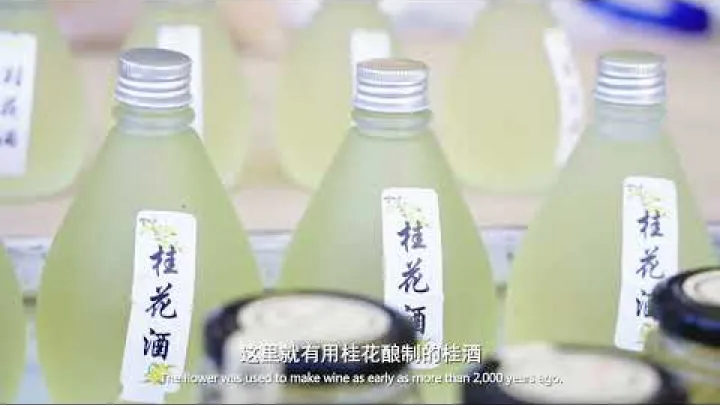
Autumn is well suited to West Lake walks, Su Causeway, tea-hill visits, photography, and day trips to nearby water towns. Osmanthus fragrance is a valued seasonal experience in Hangzhou, while clearer lake and hill views can make outdoor sightseeing more rewarding. The timing of flowers, fragrance, and clear conditions varies, so treat them as seasonal possibilities rather than guarantees.
National Day congestion is the major exception to autumn's convenient reputation. The first week of October can be much busier than the rest of the month. Late September, the period after the holiday, and early November are useful alternatives for travelers seeking a balance between comfort and access.
Winter: Cold, Quiet, and Budget-Friendly
December to February is a cool and often damp period. Long walks beside West Lake can feel less comfortable than they do in spring or autumn, especially when cloud, wind, or moisture persists. However, winter has clear advantages for travelers who value fewer visitors, a slower pace, and the possibility of lower accommodation demand.
Winter scenery can include plum blossoms and other seasonal plant interest. Snow is possible as an occasional event, but it should never be treated as a promised feature of a winter trip. Plan outdoor sightseeing during the mildest part of the day and combine it with museums, tea houses, shopping, restaurants, and other indoor activities.
Chinese New Year can change the normal winter pattern. Domestic travel may increase, while some businesses and transport services may operate on holiday schedules. Excluding that period, winter is a valid choice for budget and low-crowd travel rather than simply a season to avoid.
Hangzhou Month by Month
The monthly guide below describes the typical travel feel, not a specific forecast. It is most useful for comparing dates before booking and for choosing which activities should receive priority.
January to March: Winter Quiet and Early Spring Change
January: January is usually the coldest-feeling month, with cool, damp conditions and limited comfort for long outdoor walks. West Lake can still be peaceful, and indoor cultural attractions, tea houses, and city neighborhoods help create a balanced itinerary. Visitor numbers are often lower than in spring and autumn, although the timing of Chinese New Year can create an important exception. Pack insulating layers and rain protection.
February: February is a late-winter month that may feel slightly milder than January but can remain cloudy, cool, and damp. It is suitable for travelers who prioritize quiet attractions and flexible sightseeing over warm weather. Chinese New Year may fall in January or February depending on the lunar calendar, so holiday travel can affect transport, accommodation, opening schedules, and visitor numbers. Spring signs may begin to appear, but do not book February solely for blossoms.
March: March is a variable transition month. Early March can still resemble winter, while later March may bring more comfortable walking conditions and emerging spring flowers. The tea hills, wetland parks, West Lake paths, and nearby water towns become more attractive as temperatures rise, but rain remains possible. March is a good choice for travelers who want early spring scenery and can accept changeable weather. Crowds generally begin to increase as spring becomes more established, with Qingming timing adding another possible demand peak.
April to June: Blossoms, Warmth, and Plum Rain
April: April is one of the strongest months for a spring city visit. Mild conditions often support long walks, cultural sightseeing, gardens, tea-hill excursions, and photography without the full intensity of summer heat. Blossoms and fresh greenery are seasonal advantages. Rain can still interrupt plans, and Qingming-related travel may make certain dates busier. Choose April for a balance of scenery and outdoor comfort.
May: May is warmer and often suitable for Longjing Village, West Lake, wetland parks, and nearby water towns. The extra warmth can be helpful for travelers who find early spring cool, but humidity and rain become more important considerations as the month progresses. The May Day holiday can create a major crowd and booking spike. Weekdays outside the holiday period are usually easier to manage than peak holiday dates.
June: June marks a clear shift toward summer. Early June may still offer useful outdoor conditions, but heat, humidity, and rainfall become increasingly important. By late June, the plum rain pattern may bring repeated showers, cloud, and mist. June suits travelers who want lush scenery and do not mind changing the order of their activities. It is less suitable for a tightly scheduled itinerary built entirely around uninterrupted outdoor sightseeing.
July to September: Peak Heat and Weather Transition
July: July is generally the peak-heat month, with high humidity and substantial rain risk. Lotus and greenery are major seasonal benefits, but midday walks can be tiring and sudden rain can change outdoor plans. Travelers visiting in July should allow time for shaded or indoor activities and avoid building every day around a long lake or hill route. Summer vacation demand can also make popular sites and weekends busier.
August: August remains hot and humid. It can be rewarding for lotus scenery, green landscapes, and travelers who prefer summer energy, but heavy rain is possible, including rain associated with tropical systems affecting eastern China. Do not assume that every day will be stormy, and do not assume that a clear forecast several days in advance will remain unchanged. A flexible activity order is more useful than a rigid outdoor schedule.
September: September is a transition month rather than a guaranteed start to cool autumn. Early September may still feel like summer, and rainfall or tropical-system effects remain possible. Later September can become more comfortable and is often a useful lead-in to the autumn season. This month can work well for travelers who want a balance between greener landscapes and improving walking conditions, provided they accept greater weather variability than in October.
October to December: Peak Autumn and Early Winter
October: October is often the prime comfort month for Hangzhou, particularly after the National Day holiday period. Mild conditions support West Lake, Su Causeway, tea hills, cultural sites, and day trips. Early October may have attractive weather but very high demand from the October 1 to 7 holiday period. If access and calm walking matter more than fixed dates, choose the period after the holiday.
November: November is cooler and usually quieter than October. Early November can retain comfortable autumn qualities, while later November begins to feel more like winter. It is a strong compromise for travelers who want manageable walking conditions, fewer visitors, and potentially better availability than during peak autumn dates. Bring layers and rain protection because cooler conditions do not remove the possibility of wet weather.
December: December is an early-winter option. Outdoor sightseeing remains possible, especially during the mildest part of the day, but cool and damp conditions make indoor alternatives more valuable. Visitor demand may be lower than in spring and autumn, which can help budget travelers, although actual hotel prices depend on weekends, events, and booking timing. December suits travelers who prefer a quiet city stay and do not require warm weather.
Choose the Best Time for Your Trip Style
The right season changes when the purpose of the trip changes. A visitor focused on cultural walks may accept mist that a photographer dislikes, while a budget traveler may prefer winter conditions that another traveler would find uncomfortable.
West Lake, Culture, and General Sightseeing
For a first-time city visit centered on West Lake and culture, choose April, October, or early November. These periods usually provide a good balance for walking between lake viewpoints, Su Causeway, temples, pagodas, museums, tea houses, and urban neighborhoods. Late March and late September can also work when you want shoulder-season scenery and can accept more variation.
Rain and mist do not make West Lake unusable, but they change the experience. Mist can soften distant views and create a quieter atmosphere, while persistent rain may make a full lake circuit less appealing. Heat and humidity can have the opposite effect by making a long walk tiring even when attractions remain open. Plan a route that combines outdoor landmarks with indoor cultural stops rather than treating every day as a single uninterrupted walk.
Holiday timing can matter as much as the season. A comfortable autumn date during National Day may be less convenient than a slightly cooler weekday in November if your priority is a calm cultural itinerary.
Hiking, Tea Hills, and Outdoor Time
Spring is useful for tea-related visits around Longjing Village and the nearby hills, while autumn is a strong choice for comfortable walking and views that may be clearer than during humid or rainy periods. April and October are practical starting points, with late March, May, late September, and early November offering different combinations of warmth, scenery, and demand.
Summer heat and humidity can reduce hiking comfort, especially on longer exposed routes. Winter requires warmer and more weather-resistant clothing, and damp surfaces may make the hills feel less inviting. Before committing to a longer hill walk, assess recent rain and ask locally about current path conditions or access. Choose a shorter tea-village visit or a lakefront route if the ground, visibility, or your own energy level makes a longer walk unsuitable.
Budget Travel and Quieter Attractions
Late autumn through winter is the period most likely to offer lower demand and better value, especially on weekdays and outside Chinese New Year. November can provide a useful balance if you want cooler, quieter conditions without the full damp chill of midwinter. January and February may be calmer, but the weather is a more significant trade-off.
Spring and autumn are comfortable, so demand can be higher. Summer weekends and school holidays may also put pressure on accommodation and popular attractions even though summer is not the preferred season for many international visitors. Compare several weekdays, shoulder-season edges, and accommodation areas rather than expecting a fixed seasonal discount. Chinese New Year is an exception to the usual quiet-winter pattern because domestic travel and operating schedules may change.
Waterfront, Boat, and Beach-Style Plans
Lake and river activities around West Lake and the Qiantang River are affected by rain, wind, humidity, and visibility. Spring and autumn are broadly comfortable periods for waterfront sightseeing, but a particular day may still be cloudy, wet, windy, or less suitable for a boat or open-air plan. Keep a land-based cultural or indoor alternative available if the waterfront is not enjoyable.
Some travelers use beach or coastal language when they are actually considering a lake or river visit. Hangzhou's city climate averages should not be used as a sea-condition forecast for a separate coastal destination. If you add a beach or open-coast excursion, check the exact destination's marine conditions, weather warnings, transport status, and operator information separately from Hangzhou conditions. A pleasant forecast in the city does not establish safe or comfortable conditions at the coast.
Crowds, Prices, and Holiday Timing
Weather is only one layer of the decision. Chinese holiday calendars, school holidays, weekends, events, and booking lead time can change the practical cost and convenience of the same season.
Chinese Holidays, Summer Weekends, and Peak Access
Chinese New Year, Qingming Festival, the May Day holiday, Dragon Boat Festival, and National Day can create crowd and availability spikes. The dates of the lunar-calendar holidays change each year, so use the official annual calendar when choosing flights, trains, hotels, and attraction reservations. National Day, especially October 1 to 7, is one of the most important periods to identify separately from the rest of October.
Summer weekends and school holidays can also increase demand around West Lake, popular green spaces, accommodation, and transport. A season that is relatively quiet on a weekday may feel very different on a holiday weekend. If you cannot avoid a major holiday week, reserve transport and accommodation well in advance and book timed attractions where required. Also allow extra time for busy access routes and queues.
How to Balance Comfort, Availability, and Cost
If comfort is the priority, start with April, October outside the National Day period, or early November. If low cost and quiet attractions matter most, compare weekdays from late November through February, excluding Chinese New Year. If summer is the only available period, choose dates with flexible outdoor plans and compare weekdays with weekends.
Shoulder-season edges can reduce some demand without sacrificing all outdoor comfort. Late March, early May outside the holiday period, late September, the second half of October, and early November are useful dates to compare, although weather is never guaranteed. Actual hotel and transport prices vary with events, demand, location, and booking time, so use relative terms such as often quieter or potentially better value rather than assuming that one month always has the lowest price.
A simple decision rule is to choose autumn for the broadest comfort, spring for flowers and tea, winter for quiet and possible savings, and summer only when greenery, lotus, or fixed vacation dates outweigh heat and rain concerns.
Practical Planning: Clothing, Rain, and Forecast Checks
Good preparation makes Hangzhou easier to enjoy because many of the city's signature experiences involve walking between outdoor and indoor places.
What to Pack by Season
Spring: Pack adaptable layers, a light jacket, comfortable walking shoes, and compact rain protection. March may require warmer layers than May. Choose shoes that remain practical on wet paths around the lake and tea hills.
Summer: Use breathable clothing, comfortable walking shoes, sun protection, and a light rain layer or umbrella. Carry water during longer outdoor visits. A small towel or spare layer can also be useful when humidity makes clothing feel uncomfortable.
Autumn: Bring layers that can handle warm September afternoons and cooler November mornings. A light waterproof layer remains useful because autumn is not completely rain-free. Comfortable shoes are important for West Lake, Su Causeway, tea villages, and day trips.
Winter: Use insulating layers, a warm outer layer, weather-resistant shoes, and protection from damp conditions. Add a hat or scarf if you are sensitive to wind and cold. Plan indoor stops so you do not need to spend the entire day outside.
These are seasonal starting points, not substitutes for a forecast. Humidity and rain can affect comfort even when the reported temperature appears moderate.
Climate Averages Versus the Live Forecast
Monthly climate normals help answer questions such as whether July is generally hotter than April or whether winter is typically quieter and cooler. They cannot predict rain, heat, visibility, wind, or storms on your specific travel dates. Treat averages as a comparison tool for choosing a season, not as an itinerary forecast.
For exact-date decisions, use current official meteorological information and local warnings, especially during the plum rain period and the late-summer period when tropical systems may affect eastern China. The China Meteorological Administration provides official climate datasets that are useful for long-term reference, but a dataset is not the same as an operational forecast.
Use a simple timing rule: check the forecast before booking weather-sensitive activities, recheck it close to departure, and review local warnings before a lake, river, hill, or long-distance travel day. If the forecast changes, move outdoor activities rather than treating a monthly average as a promise.
Build a Flexible Hangzhou Itinerary
When the forecast is favorable, place your longest outdoor activities first. A clear or comfortable period can be used for West Lake, Su Causeway, the Qiantang River waterfront, Longjing Village, the tea hills, or a wetland park. Keep shorter neighborhood walks and indoor attractions for less favorable periods.
Useful alternatives include museums, tea houses, shopping areas, restaurants, and cultural venues. You can also divide a lake visit into shorter sections instead of committing to a full circuit in rain or excessive heat. This approach preserves the main experience without forcing every activity into one weather condition.
During periods with a higher chance of heavy rain or storm effects, avoid making every reservation tightly dependent on one outdoor time slot. Choose adjustable plans where possible, keep arrival and departure arrangements separate from optional excursions, and confirm any weather-related changes directly with the relevant operator.
Final Recommendation for the Best Time to Visit Hangzhou
For the best all-round experience, visit Hangzhou in April, October outside the National Day holiday, or early November. Choose spring if flowers, greenery, and tea hills are central to your plans; choose autumn if comfortable walking and broad sightseeing appeal matter most. Late November through February can suit budget travelers who accept cool, damp weather, while July and August are best reserved for visitors who specifically want summer greenery or lotus and can manage heat, humidity, and rain.
Whatever month you choose, separate climate averages from the live forecast, account for Chinese holiday demand, and build an itinerary that can move between West Lake, the tea hills, waterfront areas, and indoor attractions. That combination of seasonal choice and practical flexibility is the safest way to enjoy Hangzhou's changing weather.
Select area
Create a post
Posting is free and no registration is required.