Lhasa Travel Guide: Plan Your First Trip to Tibet
This Lhasa travel guide explains how to plan a first visit to Tibet with fewer surprises. Lhasa is a historic city, but its high elevation and special entry arrangements make it different from an ordinary city break in China. You will learn how to confirm access, arrange permits, choose a season and route, select a useful base, pace your sightseeing, and prepare a realistic budget. The central principle is simple: plan carefully before arrival, then leave enough flexibility to travel slowly and respectfully.
Check Entry Requirements Before You Book
For international travelers, access planning comes before choosing attractions or paying for hotels. Separate the requirements for entering mainland China from the arrangements required for entering the Tibet Autonomous Region, and keep written records of what your agency confirms.
Verify Your China Entry Status and Route
Entering mainland China and entering the Tibet Autonomous Region are related but separate planning questions. Your passport may need a Chinese visa, or you may qualify for a temporary visa-free or other entry arrangement, depending on your nationality, travel purpose, dates, and route. An entry permission for China does not by itself answer whether you can travel onward to Lhasa.
Before making non-refundable reservations, confirm your passport-specific eligibility, the permitted entry point, and the route you intend to use. Check with an appropriate Chinese embassy or consulate and with an accredited Tibet travel agency. Ask for the answer in writing, including whether your planned combination of mainland China, Tibet, and any onward destination is acceptable. Policies can be nationality-specific and temporary, so do not treat a rule described for another traveler as a permanent universal rule. The U.S. Department of State also notes that conditions in the Tibet Autonomous Region can affect the assistance available to U.S. citizens.
Arrange the Tibet Travel Permit Through an Agency
Foreign visitors generally need a Tibet Travel Permit and pre-arranged tour support to enter Lhasa. An authorized local agency normally submits the application and coordinates the guide, vehicle, hotels, and itinerary. The permit information is connected to your passport details, travel dates, route, and operator. It may be checked before boarding a flight or train and at checkpoints during the trip.
Ask the agency which documents it needs, how it will receive your passport information, and where the permit will be delivered or shown. Processing time is an estimate rather than a guarantee and may vary with the season, route, and current administrative practice. A journey beyond Lhasa can require further authorizations, particularly when it includes remote areas, border regions, or higher-altitude roads. Do not assume that you can change the destination, hotel, or travel date independently after the permit is issued. Have the agency approve itinerary changes in advance. A local operator such as Tibet Vista describes permit applications and organized small-group and private travel as part of its Tibet services.
Understand What Guided Travel in Lhasa Means
Organized travel usually means that a guide and driver support the approved itinerary, coordinate hotel check-in, manage transfers, and accompany visits to major attractions. This structure is useful when access documents, reservations, language, and transport all need to work together. It also gives you a local person to tell when you feel unwell or when a site procedure is unclear.
Guided travel does not always mean that every minute must be spent with a group. Some private itineraries allow free walks, meals, or rest periods, while group tours may have fixed meeting times and shared vehicles. Ask the agency specific questions: Is the vehicle private? How large is the group? How much personal time is included? Is the guide available throughout the day? Can a visit be shortened if you are tired? Distinguish a formal travel requirement from an individual operator's preference, and make sure the written itinerary matches the experience you want.
Prepare for Lhasa's High Altitude
Lhasa's elevation changes the rhythm of travel more than most first-time visitors expect. Treat acclimatization as part of the itinerary, not as a minor packing detail.
Treat Arrival Day as Acclimatization Time
Lhasa stands at approximately 3,650 meters above sea level. At this height, an ordinary walk, a staircase, or carrying luggage can feel more demanding than it would at home. Acute mountain sickness and related symptoms are common among tourists visiting Lhasa, and research reported through PubMed Central found that visitors often need to reduce their activities during the first days.
Plan the first 24 to 48 hours for rest and light activity. After your transfer, settle into the hotel, eat simply, drink water according to your normal needs, and take only a short gentle walk if you feel well. Avoid combining arrival with Potala Palace, a long city tour, or a demanding monastery visit. Gradually increase your walking and sightseeing as your body adjusts. Flying directly into Lhasa can make the arrival feel especially abrupt, while a train journey may leave you tired even though the route was longer.
Prepare for High-Altitude Conditions
Pack for changing conditions within the same day. Warm layers are useful because mornings and evenings can be cold even when the afternoon sun feels strong. A sun hat, sunglasses, sunscreen, lip protection, and a warm outer layer address the combination of intense sunlight, dry air, and cool temperatures. Comfortable shoes matter because many visits involve slow walking, uneven surfaces, stairs, or standing outdoors.
Carry water and plan for a slower walking pace, with pauses before you feel exhausted. Choose clothing that can be removed or added easily rather than relying on one heavy garment. Travelers with heart, lung, blood-pressure, pregnancy, or other relevant health concerns should seek individual medical advice before booking. Discuss any preventive or prescribed medication with a qualified clinician instead of relying on advice from a tour listing or another traveler. The aim is preparation, not a promise that any transport method, season, or product will prevent altitude-related illness.
Know When to Stop Sightseeing
If you develop symptoms that are concerning, severe, worsening, or unusual for you, tell your guide and stop strenuous activity. Do not try to complete a palace visit or remote excursion simply because it has already been paid for. Your guide can help contact the hotel, local medical services, or the agency, while a clinician can assess the situation properly. A person who feels increasingly unwell should not travel onward to a higher destination without medical guidance.
Keep strenuous monasteries, long stair routes, and high-altitude side trips optional until you know how you are responding. A flexible schedule is a health measure, not wasted travel time. It is better to spend an afternoon resting in Chengguan District and continue safely the next day than to turn the first sightseeing day into a physical test.
Choose the Best Time to Visit Lhasa
The best season depends on your tolerance for cold, interest in side trips, budget, and willingness to travel during busier periods. Weather in Lhasa is only one part of the decision because conditions outside the city can be very different.
Compare Lhasa Seasons
Travel guidance commonly presents April through October as the broadest practical window for visiting Lhasa, with May through September generally busier. Warmer months often make walking and sightseeing more comfortable, but higher demand can affect tour availability, accommodation choices, and prices. Winter is colder and drier and may suit travelers who prefer a quieter urban visit and can manage low temperatures, but it requires more careful clothing and realistic expectations about comfort.
No month is perfect for every traveler. Daytime sun can feel powerful while early mornings and evenings remain cold, so layers are useful throughout the year. Consider whether you want a city-focused visit or a longer route to lakes and mountain areas. Use a current forecast for your dates rather than relying on a generic monthly description, especially if you have mobility, health, or photography priorities.
Check Seasonal Access for Side Trips
Lhasa may be accessible when a remote excursion is uncomfortable or difficult. Routes to Yamdrok Lake and Namtso Lake involve higher elevations, exposed roads, and longer time in changing weather. Road conditions, visibility, snow, wind, and the willingness of an operator to run a particular itinerary can differ from conditions in the city.
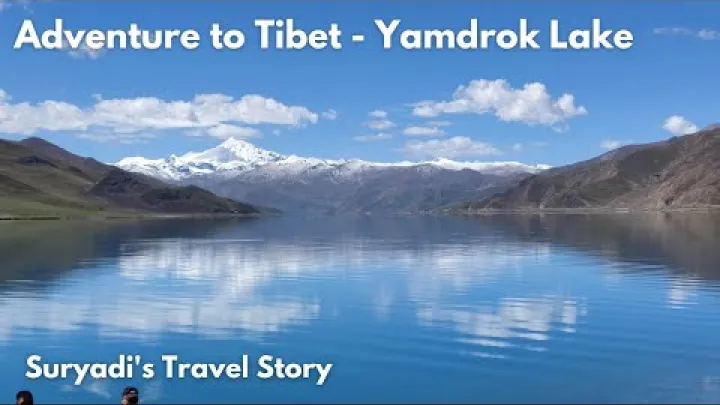
Keep side-trip dates flexible and make them dependent on a current assessment from your operator. Shortly before every planned high-altitude excursion, reconfirm the forecast and road access, not only the city weather. Ask what happens if the road is closed, visibility is poor, or you are not yet acclimatized. A city-based alternative, a rest day, or a shorter local visit can protect the overall trip when a remote route is unsuitable.
Decide How to Reach Lhasa
Most first-time visitors compare flights, the Qinghai-Tibet Railway, and a route through Kathmandu. The right choice depends on time, budget, your wider China or Nepal itinerary, and how you want to handle the first arrival at altitude.
Fly From Mainland China
Flying from a mainland gateway such as Beijing or Chengdu is usually the faster option for travelers with limited time. It can fit easily into a wider China itinerary and avoids the long land journey required by rail. The trade-off is a more abrupt arrival at high altitude, so the speed of the flight should not become a reason to schedule an intensive first day.
Coordinate the flight with the permit handover, airport pickup, hotel check-in, and acclimatization plan. Lhasa Gonggar International Airport is outside the central city, so an arrival transfer is part of the practical decision, not an afterthought. Before leaving for Tibet, ask the agency or transport provider to reconfirm the current flight schedule, the documents you must carry, and the Lhasa pickup plan. Keep your first evening quiet even if your flight arrives early enough for sightseeing.
Take the Qinghai-Tibet Railway
The Qinghai-Tibet Railway, commonly approached through Xining, offers a slower and more scenic way to reach Lhasa. It may appeal to travelers who value the journey, want to see the changing landscape, or have enough time for a long train experience. The journey requires more time than flying, and berth choice, sleep quality, luggage, meals, and the ability to move around the train all affect how tiring it feels.
Do not treat the train as a guarantee against altitude sickness. A gradual route may feel more comfortable for some people, but it still brings you to a very high destination and can combine elevation with fatigue. Train travelers must also coordinate permits, ticket availability, station transfers, and agency support. Confirm the current rail schedule and ticket arrangements rather than building an itinerary around an old journey time. On arrival at Lhasa Railway Station, arrange a clear meeting point and keep the first part of the day light.
Consider the Kathmandu Route
Kathmandu can be a useful starting point for travelers who want to combine Nepal and Tibet in one Himalayan journey. The route may involve a flight to Lhasa or an overland arrangement, with coordination among a Tibet agency, transport providers, and relevant border authorities. It has strong scenic and regional appeal, but it is not automatically the simplest route.

Compare the Kathmandu option with entering through mainland China. Consider where you will already be traveling, how many border or transport steps are involved, and whether the itinerary includes additional permits or restricted areas. Do not rely on a fixed airline schedule, border condition, or visa procedure from an old itinerary. Ask the agency to confirm the complete route for your nationality and dates, then check the transport provider and relevant official authorities before payment.
Plan Your First Transfer Into the City
Whether you arrive at Lhasa Gonggar International Airport or Lhasa Railway Station, plan the transfer before departure. An agency-arranged pickup is usually the simplest first-arrival option because the driver can coordinate with the guide, hotel, and permit arrangements. Public buses and taxis may be suitable in some circumstances, but they require you to identify the correct destination and manage luggage while adjusting to the elevation.
Keep your passport, permit documents, hotel name and address, and agency contact accessible rather than buried in checked luggage. Save the information in a form you can use without a reliable data connection. Confirm the meeting point, the driver's identification details supplied by the agency, and what to do if your flight or train is delayed. The goal is a calm transfer followed by rest, not an improvised search for transport after a long journey.
Choose Where to Stay in Lhasa
Most first-time visitors choose between the historic core, the area around Potala Palace and Norbulingka, and newer transport-oriented districts. Your tour agency may control some of this choice, so ask for the exact hotel and district rather than choosing only from a neighborhood name.
Stay Around Barkhor Street and Jokhang Temple
The area around Barkhor Street and Jokhang Temple is the strongest base for travelers who want immediate access to Lhasa's historic and religious core. It places walking routes, local teahouses, markets, architecture, and daily activity close to the hotel. The area feels like a living religious neighborhood rather than only a tourist shopping district, and it can provide the most direct sense of central Lhasa.
The same location can be busy, noisy, and crowded. Narrow lanes, heavy pedestrian activity, visible security procedures, and limited vehicle access may complicate luggage transfers. Before booking, ask whether the vehicle can reach the hotel entrance, where the meeting point is, and whether the building has reliable heating and lift access. If stairs are difficult for you, ask about the room level and the route from the vehicle to the room. Season, room type, hotel standard, and tour package can change the quote substantially.
Stay Near Potala Palace and Norbulingka
The area near Potala Palace and Norbulingka is a central alternative for travelers who want palace views, open spaces, gardens, and a somewhat less concentrated walking rhythm than the busiest Barkhor lanes. Norbulingka offers a different setting from the dense old-town core, while Potala Palace is one of the defining landmarks of a first Lhasa visit.
This area is still part of the main city and does not remove the practical demands of altitude. Traffic, stairs, security procedures, and longer crossings between attractions may still affect the day. Do not assume that every hotel here is quiet or close to both landmarks. Compare the actual map location with your itinerary, the vehicle access, the distance to meals, and the transfer plan for your arrival and departure.
Consider Newer or Transport-Oriented Areas
Newer districts and areas near major transport corridors can be functional choices for short stays, early departures, or travelers who prioritize larger rooms, newer facilities, or straightforward vehicle access. They may be easier for a group vehicle and may offer a different selection of hotels than the old town.
The compromise is less immediate access to the atmosphere and walking routes of Barkhor Street. If your free time is limited, daily transfers can also reduce the time available for slow exploration. Foreign visitors on organized tours may have limited control over the hotel, so ask the agency for the exact district, hotel address, accessibility details, and transfer arrangements. Choose the base that matches your priorities rather than labeling one area as universally best.
Plan Sightseeing Around Lhasa's Historic Core
The central Lhasa itinerary combines religious sites, former palace spaces, monasteries, markets, and time to observe everyday life. Plan by energy and site timing instead of trying to collect every attraction in one day.
Start in the Barkhor and Jokhang Core
Jokhang Temple and the Barkhor circuit form the spiritual and historic center of a first visit. The area brings together architecture, pilgrimage, markets, and ordinary city activity. Walk slowly and observe how people use the space for worship and daily life. Barkhor Street is more meaningful when treated as a living neighborhood and pilgrimage route, not only as a place to buy souvenirs.
Follow your guide's instructions about walking direction, queues, photography, clothing, and access. Site procedures, reservations, and photography permissions can vary, and unrestricted entry should not be assumed. Give worshippers space, avoid blocking routes, and do not turn private religious activity into a staged photograph. A shorter visit with attention and respect is more valuable than rushing through every lane.
Schedule Potala Palace and Norbulingka
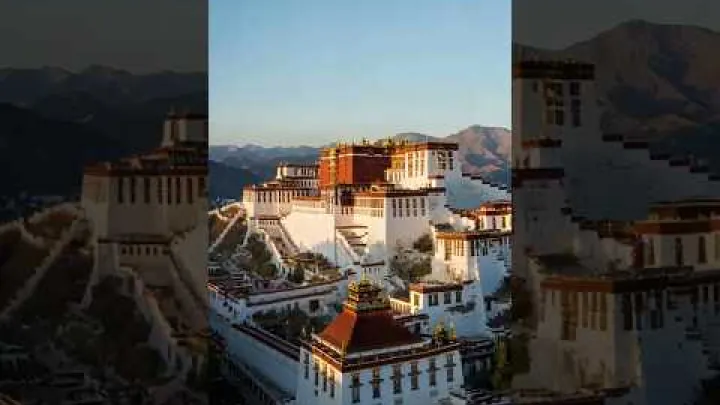
Potala Palace is the most recognizable landmark in Lhasa and a major historical site. Norbulingka provides a contrasting palace and garden setting, with more open space and a different pace of exploration. Together, they show two distinct aspects of the city's historical landscape, but they do not require the same physical effort.
A Potala visit normally involves a reservation, controlled timing, stairs, and sustained effort at altitude. Place it after you have had time to adjust and avoid combining it with another demanding excursion unless your guide believes the plan is realistic. The Potala Palace Official Website provides current reservation and visitor-access information; consult it or ask your agency to confirm the applicable instructions for your visit. Do not rely on old posts for opening hours, ticket prices, or booking rules.
Add Sera, Drepung, Teahouses, and Local Time
Sera Monastery and Drepung Monastery are natural additions to an itinerary focused on the central temples and palace sites. Their locations and layouts mean that they are better handled through a planned transfer, with enough time for walking and explanations. Ask your guide about the appropriate route and current access rather than assuming that a particular ceremony, demonstration, or interior is available every day.
Leave space for local teahouses, Tibetan food and drinks, and unplanned rest. A meal or quiet walk can help you understand the city beyond its headline monuments, while a flexible afternoon gives the guide room to explain what you are seeing. Ask before photographing people, religious objects, interiors, or activities. Cultural context and respectful behavior should guide the day more than a checklist of attractions.
Get Around Lhasa
Lhasa is easiest to understand as a combination of a walkable historic core and destinations that are more practical by vehicle. Altitude makes the question less about the shortest route and more about the effort required.
Walk the Historic Center at a Slow Pace
The Barkhor, Jokhang Temple, Potala Palace, and nearby central areas can often be combined through walking and short transfers. Walking gives you time to notice street layouts, prayer activity, older buildings, shops, and small places to eat. It also avoids arranging a vehicle for every short movement in the central area.
Distances that seem ordinary on a map may feel demanding at 3,650 meters, particularly during the first days or on stairs and slopes. Wear comfortable shoes, pause often, and avoid crossing the city repeatedly between separate appointments. Ask the guide to group nearby sites together. Walking is an option to adjust to your energy, not a test of fitness or proof that you have to explore independently.
Use Taxis, Ride-Hailing, or Agency Vehicles
Taxis and agency vehicles are practical for Sera Monastery, Drepung Monastery, the railway station, hotels outside the old town, and other destinations beyond the main walking core. An agency vehicle is often the most straightforward choice when the guide, approved itinerary, reservations, and access documents need to stay coordinated.
Ride-hailing may require a working phone, mobile data, Chinese-language communication, and a payment method accepted by the service. Before a longer ride, confirm the destination in Chinese if possible, the fare arrangement, the pickup or drop-off point, and how you will return. With taxis, have the hotel address available and clarify where the driver can stop. Do not assume that a vehicle can enter every narrow street around Barkhor Street.
Use Public Buses Only When They Fit Your Plan
Public buses can provide a lower-cost way to move through everyday Lhasa, but they are most practical for travelers with local help, extra time, and enough energy to manage an unfamiliar route. Stop information and signage may be difficult for visitors who do not read Chinese, and a missed stop can create a tiring walk at altitude.
Use a bus when the route is clear and it does not put a timed reservation at risk. A guide, hotel staff member, or trusted local contact may help identify the stop and destination. Prioritize a guide, taxi, or agency vehicle when you have symptoms, limited mobility, a tight attraction schedule, or a language barrier. You do not need to use public transport to have a meaningful or authentic experience in Lhasa.
Stay Safe and Travel Respectfully
Good preparation in Lhasa includes physical safety, awareness of administrative conditions, respectful conduct, and a reliable way to contact your support team. Follow the approved itinerary and ask questions rather than improvising around a checkpoint or site restriction.
Follow Current Advisories and Local Instructions
Administrative, security, and movement conditions in the Tibet Autonomous Region can differ from those in other Chinese cities and may change with limited notice. Review the current travel advisory issued for China and the Tibet Autonomous Region by the government that represents your nationality. Understand whether your embassy or consulate has limits on travel assistance in the region; for example, the U.S. Department of State describes restrictions affecting U.S. diplomatic travel and consular support.
Follow instructions from your guide, checkpoints, attractions, hotels, and local authorities. Do not attempt an unauthorized detour, enter a restricted area, or assume that a route used by another traveler is available to you. Before departure, save your agency and guide contacts and make sure someone in your travel group knows the approved itinerary. The safest approach is factual and calm: know the current rules that apply to you and cooperate with local procedures.
Visit Religious Sites Respectfully
Religious sites in Lhasa are places of worship as well as historic attractions. Observe pilgrimage and prayer without interrupting, blocking routes, touching objects, or treating private activity as a performance. Keep your voice low where appropriate and follow the movement of worshippers and the instructions of the guide.
Ask before photographing people, religious objects, interiors, or ceremonies. Photography and clothing expectations may vary by site, room, and current instruction, so do not assume that one rule applies everywhere. A guide can explain how to enter, where to stand, and what behavior is appropriate. Avoid reducing Tibetan identity to scenery, costumes, or souvenirs; show interest in the living culture and the people who use these places every day.
Plan Communication, Payments, and Local Support
Language, payment, mobile data, and navigation can make independent logistics more difficult than in major low-altitude Chinese cities. Carry the hotel name and address in Chinese, along with the name and phone number of your agency and guide. Keep these details in both your phone and an offline form that you can show to a driver or hotel worker.
Carry a backup payment method where practical and ask the agency which expenses need to be paid directly. Do not assume that every card, app, bank service, or data plan will work exactly as it does at home. Tell the agency and hotel about dietary needs, medical conditions, mobility requirements, and room preferences before the tour begins. Early communication gives the operator more time to match the itinerary, meals, vehicle, and accommodation to your needs.
Build a Flexible Itinerary and Budget
A successful first trip balances major sights with recovery time and keeps the expensive, permit-dependent parts of the journey clear in writing. Build the plan around how you arrive and how your body responds, not around the maximum number of places listed in a tour brochure.
Build a Multi-Day First Visit
A flexible first-visit framework can look like this:
- Arrival and rest: Transfer from Lhasa Gonggar International Airport or Lhasa Railway Station, check in, eat simply, and keep activity light.
- Central historic sights: Explore the Barkhor and Jokhang core at a slow pace after initial acclimatization.
- Major palace sites: Schedule Potala Palace and Norbulingka when you have enough energy for stairs, reservations, and walking.
- Monasteries and local time: Add Sera Monastery or Drepung Monastery, then leave room for a teahouse, meal, or unplanned rest.
- Optional excursion or buffer: Use the final part of the stay for a side trip, a missed reservation, weather disruption, or another quiet day in the city.
The order can change. A train arrival may call for recovery from a long journey, while a direct flight may require particular attention to the first day at altitude. Keep the most physically demanding visits after initial acclimatization. A buffer protects the itinerary from altitude symptoms, weather, ticket timing, permit changes, or transport disruption without making the entire trip feel rushed.
Budget by Cost Category
There is no single typical cost for a Lhasa trip because organized travel packages combine many services. Build your estimate by category:
- Tour and guide services: Group or private support, guide availability, vehicle type, and route length.
- Permits and administration: Tibet travel arrangements and any additional authorizations required for the approved route.
- Accommodation: Hotel level, room type, district, season, and whether the room is included in a package.
- Arrival and local transport: Flights or rail, airport or station pickup, daily vehicle use, and transfers outside the central area.
- Attraction tickets: Major sites, reservations, and any tickets handled separately from the tour.
- Meals and personal spending: Included meals, teahouses, drinks, snacks, shopping, and tips.
- Insurance and optional excursions: Coverage suitable for high-altitude travel and any lakes, mountain roads, or extended routes.
Private travel generally costs more than a shared group arrangement, while season, hotel standard, transport mode, and route length can change the total substantially. Request an itemized written quote before final payment. It should show inclusions, exclusions, payment deadlines, and cancellation terms, and state whether permits, transfers, meals, attraction tickets, tips, insurance, and cancellation protection are included. Compare quotes by what they cover, not only by the headline total.
Finish With a Document and Contact Checklist
Before departure, prepare a compact document pack and keep it accessible during every transfer. Include:
- Your passport and any required China entry document.
- Confirmation of Tibet Travel Permit arrangements and the approved itinerary.
- Flight or train details, including the arrival station or airport.
- Hotel names, addresses, and check-in information.
- Agency, guide, driver, and emergency contact details.
- Digital and offline copies of important confirmations.
- Medical, dietary, mobility, and insurance information that your support team needs to know.
Keep essential documents with you rather than in checked luggage, and make sure your phone can display the information without relying on a continuous connection. The best Lhasa travel plan is informed, paced slowly, respectful of local rules, and flexible enough to change. Confirm the important arrangements in writing, allow your body time to adjust, and let the city unfold at a manageable pace.
Select area
Create a post
Posting is free and no registration is required.