Dunhuang Travel Guide: Mogao Caves, Desert & Itineraries
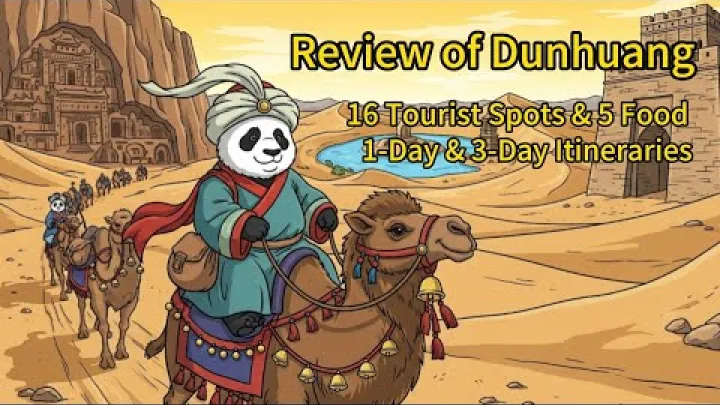
Dunhuang is a compact oasis city in western Gansu where a first-time visitor can move from Buddhist cave art to open desert and frontier Silk Road landscapes within a few days. The main planning challenge is separating easy downtown visits from attractions that require advance access or a full-day vehicle. This Dunhuang travel guide explains how long to stay, how to arrive and move around, when to visit, where to base yourself, and how to plan costs and bookings. Use two days for the essential sights, add a third day for remote history or geology, and build the schedule around Mogao Caves access and desert conditions.
Dunhuang at a Glance
Dunhuang works best as a focused stop within a Northwest China or Hexi Corridor itinerary. The city center is relatively compact, but several of its most important attractions are outside the urban core, so a good plan combines walkable evening activities with carefully chosen half-day and full-day excursions.
Why Dunhuang Belongs on a Northwest China Itinerary
Dunhuang is an oasis city in western Gansu with a long connection to the historic Silk Road. Its location made it an important stopping point for people, goods, religions, and ideas moving through the Hexi Corridor. Today, that history is not limited to a museum display. It appears in the cave art, frontier ruins, desert routes, and food traditions that shape the visitor experience. Britannica provides a concise overview of Dunhuang's role as an oasis and trading center.
Most first-time visitors come for three connected reasons. Mogao Caves offer the major Buddhist art and heritage experience. Mingsha Mountain and Crescent Lake provide an accessible introduction to the dunes and desert scenery. Yumen Pass, Yangguan Pass, Han Great Wall remains, and Yadan National Geological Park extend the trip into more remote frontier or geological landscapes.
This combination makes Dunhuang different from a general city break. A two- or three-day stay is enough to see the central highlights, but not every distant site. The most satisfying itinerary usually chooses one remote theme rather than trying to include every pass, ruin, and geological formation in a single rushed day.
How Dunhuang Is Laid Out
For most travelers, the practical base is downtown around Dong Dajie, Yangguan East Road, and Shazhou Night Market. This area is the most convenient part of the city for hotels, restaurants, evening walks, local transport, and flexible plans after a day outside the center.
Dunhuang Mogao Airport and Dunhuang Railway Station are outside the central area. Mogao Caves and the Mogao Caves Digital Exhibition Center form a separate planned heritage visit, while Mingsha Mountain and Crescent Lake are an outlying desert attraction. The western passes and Yadan are much more substantial excursions with long road sections and fewer services.
| Area or zone | Best use | Planning implication |
|---|---|---|
| Downtown core | Hotels, meals, market, flexible city time | Best base for most first-time visitors |
| Airport and railway station | Arrival and departure transfers | Allow a separate transfer to downtown |
| Mogao area | Digital exhibition and cave visit | Plan around the assigned visiting process |
| Desert and frontier sites | Dunes, passes, ruins, and Yadan | Arrange transport and return logistics in advance |
Thinking in these four zones prevents a common mistake: booking a hotel near a transport node and then discovering that most evenings, meals, and city activities are elsewhere. It also makes it easier to see why a remote attraction should not be added casually between two fixed bookings.
How Many Days to Spend in Dunhuang
The right length of stay depends less on the number of downtown attractions than on whether you want a remote excursion. Two days cover the core experience. Three days allow a deliberate choice between a historical frontier route and a geology-focused route. A fourth day is valuable for a slower pace, additional cave art, or recovery from long rail travel.
A Two-Day First-Time Itinerary
Day one: Mogao Caves and central context. Build the first day around the Mogao Caves visit and treat that booking as the fixed point. Add Dunhuang Museum or another central cultural stop before or after the cave experience only if the transport sequence and assigned visiting time make it comfortable. If you arrive by train or air on the same day, avoid placing the cave visit immediately after an uncertain connection.
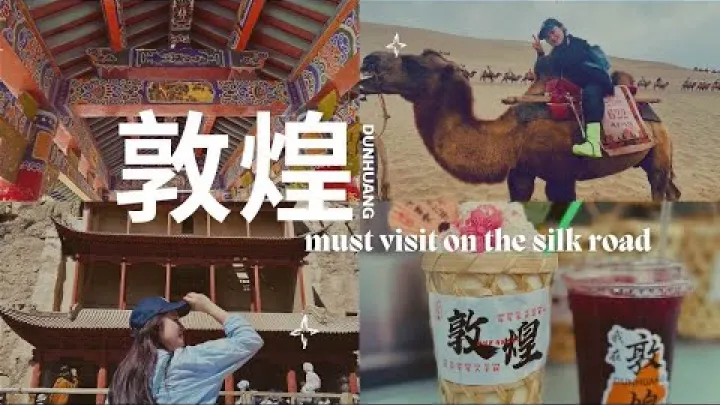
Day two: Mingsha Mountain, Crescent Lake, and the evening market. Use the second day for the main accessible desert landscape. Walking through the dunes and seeing the lake can be a complete visit without purchasing every optional activity. Leave the evening flexible for Shazhou Night Market, a downtown meal, or rest after time in the open desert.
This two-day plan is a template, not a promise of exact timings. Keep the downtown museum and market adjustable, while placing the high-demand or scheduled experience first. That order protects the most important booking and leaves room for transfers, queues, and the pace of the day.
A Three-Day Silk Road Itinerary
Keep the first two days focused on Mogao Caves, Mingsha Mountain and Crescent Lake, and central Dunhuang. Use the third day for one coherent remote excursion rather than treating the surrounding desert as a collection of quick stops.
A heritage-focused day can include a route built around Yumen Pass, Yangguan Pass, and Han Great Wall remains. These places appeal to travelers interested in frontier history, defensive landscapes, and the movement of people through the old Silk Road region. A geology-focused day can center on Yadan National Geological Park and its wind-shaped desert landforms.
| Third-day choice | Main interest | Best for |
|---|---|---|
| Frontier heritage route | Passes, ruins, and Han-era landscapes | Travelers who prioritize history |
| Yadan route | Wind-shaped geological formations | Travelers who prioritize desert scenery |
| Extra city and cave time | Museum, supplementary cave sites, and rest | Travelers who prefer a slower schedule |
A remote day involves a substantial commitment to road travel, so choose according to your main interest. Trying to combine both the full heritage route and Yadan can make the day feel like transport rather than sightseeing.
When to Add a Fourth Day
Add a fourth day when you want the destination to feel spacious instead of compressed. Extra time can support a slower Mogao visit, a longer stop at Dunhuang Museum, or a visit to the Western Thousand-Buddha Caves. It can also give you another chance to see the dunes and lake at a different point in the day without sacrificing a major heritage visit.
An additional day is especially useful after a long rail journey or before another long transfer in a wider Hexi Corridor itinerary. It creates breathing room if a remote excursion takes longer than expected or if an outdoor plan needs to move to another day. The value is flexibility and better pacing, not simply adding marginal attractions to a checklist.
Getting to and Around Dunhuang
Dunhuang is served by both air and rail, but neither arrival point should be confused with the downtown base. Once in the city, central movement is relatively simple. The more important transport decision is how to handle attractions beyond the city and how to protect the return journey.
Arriving by Air or Train
Dunhuang Mogao Airport is useful for domestic access, but flight routes and frequencies can change by season and travel date. Check the date-specific airline options rather than assuming that a route available in one month will operate on another day.
Dunhuang Railway Station is outside the central area and is described in regional transport guidance as roughly 12 kilometers east of downtown. Published route information lists rail connections involving places such as Jiayuguan, Lanzhou, Zhangye, and Xi'an, but the actual schedule, train type, seat availability, and fare belong to the booking date. China Discovery provides background on the station and its regional connections.
| Option | Usually suits | Main decision |
|---|---|---|
| Air | Travelers with a useful date-specific flight | Compare the full journey, including airport transfer |
| Rail | Travelers following the Hexi Corridor | Compare departure times, connections, and seat availability |
| Either | Travelers prioritizing reliability | Choose the option with the stronger total connection plan |
Air is attractive when it produces a clearly shorter or simpler total journey. Rail can fit better when Dunhuang is part of an overland route through Northwest China or when you prefer to connect with other historic cities in the region. Include the transfer from the airport or station to your hotel when comparing options, not only the time shown for the flight or train.
Moving Around Downtown and to Nearby Sights
Central Dunhuang is manageable by walking, city bus, and taxi. Walking works well for nearby restaurants, market visits, and short city errands. Buses can be useful for regular routes, while taxis are practical when carrying luggage or traveling between the downtown area and transport nodes. Routes, fares, and operating details are local matters that can change, so use the current information available at your hotel, station, airport, or transport app.
When language creates uncertainty, show the full destination name and the address of your hotel or attraction. This is particularly useful when several places share similar English translations. Save the name of the hotel and the main sights in a form that can be shown to a driver or ticket staff member.
Ordinary city transport should not be confused with the structured visitor process at Mogao Caves. A taxi ride toward the cave area does not by itself replace the required digital exhibition, film, shuttle, or guided-access stages. Treat Mogao as a booked attraction with its own arrival instructions, not as an ordinary downtown stop.
Reaching Remote Desert Sites
Yumen Pass, Yangguan Pass, Han Great Wall remains, and Yadan National Geological Park are remote excursions. They involve long road sections, limited services, and more dependence on the vehicle and driver than a visit to a central museum or market. For a short trip, choose one coherent remote route instead of presenting every distant site as an easy add-on.
A licensed private driver offers more control over departure time, stops, and the balance between sites. The trade-off is that the total cost may be higher and the quality of the arrangement depends on the provider. A reputable organized excursion can simplify route planning and shared transport, and may include guiding, but it usually gives you less control over the pace and stops.
- Confirm the vehicle type, passenger capacity, and whether the driver is properly licensed.
- Ask for the full route and the expected return point, not only the first attraction.
- Clarify which admissions, guide services, meals, and drinking water are included.
- Confirm the return arrangement before leaving, especially if you have a train, flight, or hotel transfer later that day.
- Ask about cancellation terms and what happens if a site or road is unavailable.
Do not accept a remote outing based only on a low headline price or a list of famous names. A clear itinerary and reliable return plan matter more than squeezing in one additional ruin.
Best Time to Visit Dunhuang
Dunhuang has an arid climate pattern with limited rainfall, strong sunshine, large differences between daytime and nighttime conditions, hot periods in summer, and cold conditions in winter. The best season depends on how much time you plan to spend outdoors and how willing you are to manage wind, dust, heat, or cold.
Seasonal Conditions and Crowds
A broad travel window often recommended for Dunhuang is late spring through mid-autumn, commonly summarized as May to October. China Discovery uses this period as a general guide because outdoor conditions are often more comfortable than in the coldest months. It is a planning framework rather than a guarantee for a particular week.
| Season | General character | Planning focus |
|---|---|---|
| Spring | Milder outdoor conditions with possible wind or dust exposure | Use layers and allow flexibility for exposed sites |
| Summer | Strong sun and hot periods, especially for desert activities | Plan outdoor time for more comfortable parts of the day |
| Autumn | Often comfortable for heritage and desert visits | Watch holiday demand and popular-ticket availability |
| Winter | Cold conditions and a shorter comfortable outdoor period | Pack warm layers and expect a quieter travel atmosphere |
Major public holidays can affect crowding, accommodation prices, transport availability, and access to popular attractions. Before fixing exposed desert activities, check the current forecast and attraction notices for your dates. Use the live conditions for the final decision, especially when the plan includes long time on dunes or a remote road journey.
How to Time Each Day
Put the Mogao Caves visit first in the daily planning process because its assigned visiting procedure determines when you are available for other activities. Use the remaining part of that day for a museum, a meal, or a short downtown walk rather than another fixed attraction that could create a conflict.
For Mingsha Mountain and Crescent Lake, choose the parts of the day that are most comfortable for walking and viewing the dunes, particularly during warmer periods. The core experience can be paced around your energy and photography interests. Remote excursions should use daylight efficiently, with enough time for the return journey instead of extending the route until the last possible moment.
Keep an evening block for Shazhou Night Market or a relaxed downtown meal. This sequence creates a useful balance: a fixed heritage visit, an outdoor experience at a manageable time, and a flexible local activity that does not require a complicated transfer.
What to See in Dunhuang
Dunhuang's sights fall into three groups: the essential cave-art experience, the accessible desert landscape, and the remote heritage or geological routes. Museums and markets help connect those major visits to the wider history and everyday life of the city.
Mogao Caves and Their Visiting Process
Mogao Caves are Dunhuang's essential Buddhist art and heritage visit. The site represents many centuries of religious art, mural painting, sculpture, patronage, and cultural exchange. Even travelers who are not specialists in Buddhist history can understand the importance of the visit by paying attention to how the oasis setting supported the movement of people and ideas along the Silk Road.
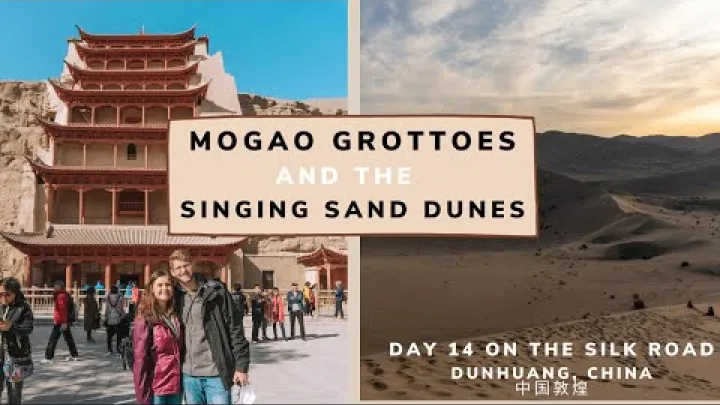
The visit is a multi-stage process rather than a simple walk from a parking area to an unrestricted cave entrance. Visitors generally begin at the Mogao Caves Digital Exhibition Center, view introductory films, continue by shuttle transport, and then enter a selected group of caves with guided access. The selection is not a promise that every cave will be open or included on every visit.
Ticket categories, visitor limits, seasonal arrangements, photography rules, and included services can change. A current ticket guide notes that booking information is provided through the official Mogao Caves website or official WeChat account, but the booking window and process should be confirmed through the current official instructions for your dates. China Discovery offers background on ticket types and the booking process.
Confirm the current Mogao Caves ticket process and reservation channel before traveling to the cave area. Once there, follow the assigned route, staff instructions, access controls, and conservation rules. Photography may be restricted in some parts of the site, and the cave environment is sensitive to visitor impact, so do not treat the visit like an ordinary photo stop.
Mingsha Mountain and Crescent Lake
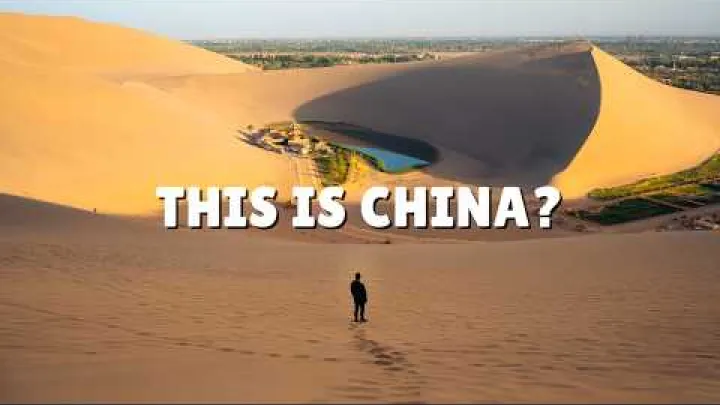
Mingsha Mountain and Crescent Lake are the main accessible desert landscape for a first-time visitor. The dunes create the broad open scenery associated with Dunhuang, while the crescent-shaped lake provides a contrasting focal point. Together, they offer a desert experience without requiring the full-day commitment of Yadan or the western passes.
There is a difference between the core scenic experience and optional paid recreation. Walking through the dunes, viewing the lake, and taking time to observe the landscape may be enough for a budget-conscious traveler. Camel rides and other desert activities can add variety, but they are not necessary to understand why the site is important.
Buses and taxis can make the attraction relatively easy to reach from central Dunhuang, but the exact route, admission rules, activity fees, opening arrangements, and repeat-entry conditions should be treated as current site details. Plan enough time for walking on sand, and avoid filling the same day with another distant excursion.
Yumen Pass, Yangguan Pass, and Yadan
Yumen Pass, Yangguan Pass, and Han Great Wall remains form the history-focused side of a Dunhuang travel itinerary. These landscapes connect the destination with frontier administration, defense, travel, and the movement of goods along the old routes. Their appeal comes from the combination of ruins and the surrounding emptiness, not from a dense cluster of urban facilities.
Yadan National Geological Park offers a clear contrast. Its main interest is the wind-shaped landforms and the scale of the desert geology rather than cave art or frontier history. Travelers who enjoy natural formations and wide landscapes may prefer Yadan, while travelers who arrive primarily for Silk Road history may find the pass and Han wall route more meaningful.
Rank these options by interest and time commitment before booking transport. Choose the heritage route for historical context, Yadan for geological scenery, and an additional city or cave-art day if neither remote route fits your schedule. All of them are planned excursions, not casual add-ons between downtown activities.
Museums, Cave Sites, and Night Markets
Dunhuang Museum is a useful context stop for local history, Silk Road exchange, archaeology, Buddhist art, and the manuscript tradition. It can help visitors understand what they later see at Mogao Caves, or provide a more manageable cultural activity after a long journey. Place it before or after the cave visit according to your fixed schedule rather than treating it as another mandatory early-morning stop.
The Western Thousand-Buddha Caves are a supplementary cave-art option for travelers with extra time and a strong interest in the wider Dunhuang heritage landscape. They are best considered after the main Mogao visit, not as a substitute when the primary cave visit has not been secured. Plan the site separately and allow for its own access and transport requirements.
Shazhou Night Market is the most flexible evening activity in the city center. Visitors may find local noodles, meat dishes, fruit products, snacks, crafts, and performances, but individual vendors and current offerings vary. Use the market for an informal introduction to local food and shopping, while choosing stalls and prices with the same judgment you would use in any busy visitor area.
Where to Stay and What to Budget
For most visitors, the best accommodation decision is an area decision rather than a hotel-ranking decision. Stay near the central streets and market if you want easy access to food, evening activity, and flexible transport. Budget the remote excursions separately because they can affect the trip cost more than ordinary city movement.
The Best Base for Most Visitors
The central area around Dong Dajie, Yangguan East Road, and Shazhou Night Market is the most practical base for a first-time Dunhuang visit. It places restaurants, market activity, and ordinary city services closer at hand, and it reduces dependence on a private vehicle when you return from a day trip.
A central hotel also makes schedule changes easier. You can return for a rest, walk to dinner, or adjust a museum visit without arranging another long transfer. This matters because Mogao Caves, desert activities, and remote excursions each use the day differently.
Accommodation near Dunhuang Mogao Airport or Dunhuang Railway Station is a specialist choice. It can make sense for a very early departure or a short overnight connection, but it is not the default base for sightseeing. For most travelers, the transfer to a central hotel is worthwhile because the urban core is where the evening experience and most flexible meals are located.
A Practical Cost and Payment Framework
Build a Dunhuang budget by category instead of relying on one fixed daily figure. The largest differences between trips usually come from the season and location of accommodation, the main heritage admission, optional activities, and the vehicle used for remote sites.
| Category | What changes the cost | Useful planning approach |
|---|---|---|
| Accommodation | Season, location, and room type | Compare central options and cancellation terms |
| Mogao Caves | Current admission category and access arrangement | Reserve this as a separate essential budget line |
| Other attractions | Admissions and optional desert activities | Separate core sights from paid extras |
| City transport | Walking, buses, taxis, and transfers | Use the central base to reduce unnecessary rides |
| Remote excursions | Private vehicle, organized tour, guide, and admissions | Compare the complete quote, not only the advertised price |
| Food | Restaurants, market meals, snacks, and drinks | Mix flexible market spending with planned meals |
Digital payments are common in China, but international travelers may not have the same access to mobile wallets, cards, or local payment systems. Prepare a payment combination that works for your circumstances and keep a backup for small vendors, taxis, and transfers. Do not wait until a remote excursion to discover that the chosen payment method is unavailable.
Recheck current admission prices, transport fares, and excursion quotes when you make the booking. Prices and ticket categories are time-sensitive, and a private or organized remote trip should be assessed by its inclusions. A budget-conscious itinerary can stay central, walk where practical, focus on the core dunes and cave visit, and choose one remote day rather than paying for every optional activity.
Safety, Rules, and Booking Checks
Dunhuang is easiest to enjoy when ordinary preparation is built into the itinerary. The practical priorities are personal supplies for the desert, responsible behavior at heritage sites, current documentation checks, and a booking order that protects the activities most likely to sell out or require coordination.
Health and Desert Conditions
Routine desert risks include strong sun, dehydration, windblown dust or sand, exposed and uneven terrain, and large changes between daytime and nighttime conditions. These risks are manageable for most visitors, but they become more serious when a traveler underestimates walking time, carries too little water, or plans several outdoor activities without a rest period.
- Carry sufficient drinking water for the outing, especially on remote routes.
- Use sun protection such as a hat, sunscreen, sunglasses, and protective clothing.
- Wear stable footwear suitable for sand, uneven ground, and extended walking.
- Bring suitable layers because the same day can feel very different after sunset.
- Pack personal medication and basic supplies that may not be easy to replace outside the city.
- Keep travel insurance appropriate to the activities and transport in your itinerary.
Remote desert attractions may have fewer services than a major Chinese city. Do not assume that every site will have immediate access to shade, a pharmacy, medical support, or a convenient replacement vehicle. Tell your hotel or travel companion about the route, keep the return arrangement clear, and choose a pace that matches your health and experience.
Current Rules and Responsible Visiting
International travelers should review the current China travel advisory, entry and exit requirements, documentation rules, and local laws that apply to their nationality. For example, U.S. travelers can consult the current U.S. Department of State China advisory; travelers of other nationalities should also use their own government's current guidance. Do not assume that another nationality's visa, entry, or documentation rules apply to you.
At Mogao Caves and other heritage sites, follow the current photography restrictions, staff instructions, access controls, and conservation rules. A cave visit is valuable because the art and structures are protected, so avoid touching surfaces or entering areas that are not open to visitors. Keep photography and other activities within posted rules, particularly near sensitive infrastructure or restricted areas.
Use licensed taxis and identifiable, reputable tour providers for paid transport and excursions. Keep the provider's name, route, and booking details available, and do not allow pressure to override a clear return plan. Check the relevant advisory and local requirements close to departure because legal and administrative information is not permanent.
A Flexible Booking Order
A short booking checklist can protect the parts of the journey that are hardest to replace:
- Confirm the entry requirements, documentation, and travel conditions that apply to your nationality.
- Secure Mogao Caves access through the current official process before fixing the rest of the sightseeing schedule.
- Book long-distance air or rail transport and allow time for the transfer from the airport or railway station.
- Choose a central Dunhuang base unless your trip is specifically built around an early departure or short transport connection.
- Add one remote excursion after you understand its complete route, inclusions, and return arrangement.
- Leave one adaptable block for rest, a museum, the market, or a change to an outdoor plan.
Keep hotel information, attraction names, driver details, return arrangements, and ticket records in a form that can be shown to staff or a driver. Save important booking details where you can access them easily, and include the local destination name when available. This small preparation is useful when English translations vary or when a remote transfer involves several stops.
Conclusion: Build Your Dunhuang Trip Around Heritage, Desert, and Timing
The strongest Dunhuang itinerary has three layers: the heritage of Mogao Caves, the accessible desert scenery of Mingsha Mountain and Crescent Lake, and one carefully chosen remote route or additional cultural day. Two days work for the essential sights, three days give you room for frontier history or Yadan, and four days improve the pace for travelers who prefer deeper visits and more flexibility.
Use downtown around Dong Dajie, Yangguan East Road, and Shazhou Night Market as your practical base, compare air and rail by the complete journey, and keep current access, payment, documentation, and desert preparation in view. Dunhuang is most rewarding when the schedule leaves enough time to experience the landscape rather than simply passing through it.
Select area
Create a post
Posting is free and no registration is required.