Dunhuang Budget: Daily Costs, Tickets & Saving Tips
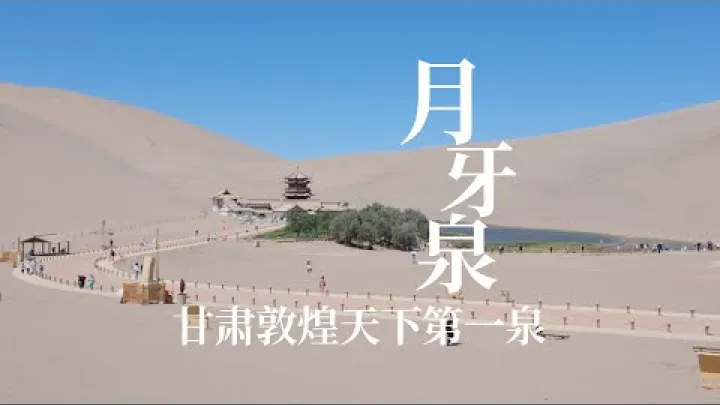
Dunhuang can look inexpensive when you count simple meals and city transport, yet one Mogao Caves visit or a western desert excursion can change the total for the day. This Dunhuang budget guide gives rounded per-person planning bands in CNY, separates local daily spending from flights and trains, and explains when a room or charter price is shared. It covers accommodation, food, local transport, attraction fees, peak-season effects, and practical ways to save. Treat the figures as date-sensitive planning estimates rather than guaranteed prices, especially for rooms, tickets, and remote-site transport.
Dunhuang Budget at a Glance
A useful Dunhuang travel budget starts with two separate numbers: your local daily spending in the city and the cost of reaching Dunhuang from another destination in China. The local figure is easier to control because it depends on your room type, meal style, sightseeing choices, and group size. Intercity trains and flights should be added as a separate trip-cost line.
Daily Budget Ranges for Budget, Mid-Range, and Comfortable Travel
The following bands are rounded working equivalents of about USD 40–70 for budget travel, USD 130–200 for mid-range travel, and USD 200–300 or more for comfortable travel. The CNY amounts are intended for planning, not as a live currency conversion. Use the CNY price shown by a hotel, ticket office, or local operator when making the final calculation.
| Travel style | Planning amount | Room assumption | Typical local plan | Usually excluded |
|---|---|---|---|---|
| Budget | CNY 300–500 per person per day | Dorm bed or basic room shared with another traveler | Simple city meals, low-cost transport, and a free or low-cost sightseeing day | Intercity access, major tickets, western charter, and optional activities |
| Mid-range | CNY 950–1,450 per person per day | Private room or a shared room in a three- or four-star hotel | Regular restaurants, city taxis or buses, and one major paid highlight averaged across the stay | Flights, trains, and usually a private western vehicle |
| Comfortable | CNY 1,450–2,200 or more per person per day | Private comfortable hotel room | More restaurant meals, taxis, comfortable transfers, and several paid experiences | Premium guides, private charters, and high-priced optional activities unless specifically added |
These are per-person amounts, but the accommodation assumption changes the result. A room price is normally quoted per room per night, while a dorm price is normally quoted per bed. A vehicle charter is normally quoted per vehicle, so it becomes cheaper per person as more confirmed passengers share it.
A low-spending day may contain a shared room, simple meals, city transport, and no major admission. An attraction-heavy day can be very different. For example, the reported planning prices for one Mogao ticket and Mingsha Mountain and Crescent Spring admission together can add about CNY 348–368 before local transport, food at the sites, or optional activities. This is why a daily average can hide the difference between a quiet city day and a full sightseeing day.
What a Dunhuang Daily Budget Includes and Excludes
For a practical worksheet, divide local spending into accommodation, food, local transport, activities, and incidental purchases. A simple formula is:
Local cost per person per day = room cost per night divided by the number of people sharing + meals and drinks + city transport + admission fees + shared vehicle cost divided by travelers + small daily expenses.
Flights, intercity trains, long-distance transfers from another city, and travel insurance belong in a separate trip-cost section. They are still essential to the total holiday budget, but including them in a Dunhuang daily rate makes a two-night stay look much more expensive than a five-night stay.
Common exclusions include shopping, souvenirs, hotel deposits, premium guides, camel rides, entertainment, private drivers, optional meals, and fees that an online tour listing does not clearly include. Keep attraction tickets and remote excursions as separate line items instead of placing every cost inside an average daily figure.
Sharing can change the result quickly. Two people sharing a room divide the room charge, and four people sharing a CNY 400 vehicle divide the vehicle charge. A solo traveler may therefore pay more for the same route even when meals and admission fees remain identical.
The Biggest Cost Drivers in Dunhuang
The largest influences on a Dunhuang budget usually appear in this order:
- Accommodation demand and travel dates. A room can be the largest daily expense, particularly during busy sightseeing periods or on a short trip.
- Mogao Caves tickets. The difference between a full standard ticket and a limited ticket is significant in a budget based on CNY 300–500 per day.
- Remote western-site transport. Yumen Pass, Yadan National Geological Park, and related sites require more time and usually a vehicle, tour, or shared transfer.
- Optional experiences. Camel rides, private guides, premium excursions, and additional ruins can add more than ordinary city transport.
- Intercity access. A flight or train may not be a daily local expense, but it has a large effect when divided across only two or three nights.
City buses, ordinary short taxi journeys, and everyday meals generally have less effect on the total than lodging and major excursions. Local food evidence in English is limited, so meal planning should use a range and a small buffer rather than a claim about one city-wide average.
For an illustrative three-day plan, one major cave visit, one desert admission, and one western excursion can dominate the budget even if the traveler uses inexpensive meals on the other days. The decisions that usually matter most are the travel date, room category, core attractions, and whether a remote vehicle is shared.
Accommodation Costs and Choosing a Base
Dunhuang accommodation can be viewed in three layers: dorms and basic guesthouses, value-focused hotels, and comfortable hotels. The cheapest headline price is not always the cheapest complete choice if it creates extra taxi rides or makes excursion pickup difficult.
Hostels and Homestays for a Low-Cost Stay
Hostel dorms, basic guesthouses, and homestays are the main choices for a low-cost stay. A hostel listing snapshot has shown prices from about USD 10 per night, but a minimum listing price is not a typical price for every date, room, or availability condition. A homestay listing snapshot has shown a lowest price of HKD 184 and average figures around HKD 519 for both weekdays and weekends. These currencies should not be treated as fixed Dunhuang tariffs; compare the final CNY total for the exact room and date.

Check what the unit of sale means before comparing listings. A dorm price is usually per bed, while a homestay or guesthouse price is often per room per night. A private room with a shared bathroom may be a better value for two people than two dorm beds, while a dorm may remain the lowest option for a solo traveler.
Also compare shared bathroom access, air conditioning, breakfast, luggage storage, cancellation terms, late check-in, and the location of the property. A low room rate can lose its advantage if every meal, bus connection, or excursion pickup requires a taxi. The listing should be assessed as a complete stay rather than by the room price alone.
Hotels for Mid-Range and Comfortable Travelers
A city-level snapshot from Booking.com reports average nightly prices of about USD 90 for three-star hotels and USD 94 for four-star hotels. These are date-sensitive city-page examples, not fixed Dunhuang hotel rates. The small difference in that snapshot does not mean that every four-star hotel costs almost the same as every three-star hotel.
Final prices can vary by travel date, room type, number of guests, cancellation policy, breakfast, taxes, deposits, and demand. Treat the displayed room price as a room price unless the listing clearly states a per-person amount. If two people share a USD 90 room, the starting accommodation cost is about USD 45 per person before extras, but a solo traveler bears the full room charge.
For mid-range travel, location and reliable air conditioning may be more valuable than a small difference in star rating. Comfortable travelers may also value luggage storage, breakfast, help arranging attraction pickups, and a quiet room after a long desert excursion. The room becomes the largest daily cost when these amenities are chosen, so make sure they protect the experiences that matter most.
Compare City-Center Convenience with Lower Room Rates
Dunhuang city center is often the practical base for travelers who want easier access to restaurants, shops, city bus routes, taxis, and pickup arrangements. Proximity to Dunhuang Bus Station can also matter when an arrival or local transfer uses the bus network. A property farther out may have a lower nightly rate, but the saving should be compared with the cost and time of every extra ride.
Use a simple decision rule: choose the cheaper base only when the expected transport savings do not erase the room-rate difference. A slightly more expensive room near city services can be the better value for a short visit, an early departure, heavy luggage, or a traveler joining an East Line or West Line pickup.
Before booking, check the actual map pin rather than relying on a neighborhood name. Confirm late-night access, luggage handling, the pickup policy for Mogao Caves and western excursions, the nearest bus stop, and whether restaurants are practical at the times you expect to eat. Convenience has a monetary value when it removes waiting and repeated transfers.
Food and Everyday Expenses in Dunhuang
Food costs depend more on where and how you eat than on a fixed city average. The most useful comparison is between local eateries in the city, central tourist-oriented restaurants, and hotel or scenic-area dining.
Plan Meals Around Local Eateries and Tourist Venues
Simple local eateries may offer noodles, dumplings, grilled foods, and regional meat dishes at a lower cost than hotel restaurants or scenic-area vendors. Central restaurants can provide more seating and menu choice, but tourist location, drinks, larger portions, and service style can increase the bill. Hotel dining is convenient, yet it is usually the least useful option for a traveler trying to protect the attraction budget.

Because current English-language menu evidence for Dunhuang is thin, do not present a single meal price as a city-wide fact. As a clearly labeled worksheet estimate, a traveler can begin with about CNY 80–150 per person per day for simple city meals and about CNY 150–250 for a mix of central restaurants, more substantial dishes, or hotel and scenic-area meals. These are planning placeholders, not observed averages or guaranteed menu prices.
Check recent menus, recent traveler reviews, local map listings, and payment-app listings where available. Look at portion size, drinks, service charges, and whether the restaurant is near a major attraction. Eating in the city before or after an excursion may cost less than depending on food sold inside or near a scenic area.
Add Breakfast, Drinks, Water, and Snacks
Breakfast should be a separate question when comparing hotels. A room with breakfast included may be better value than a cheaper room if you would otherwise buy breakfast every morning, but do not assume that an included breakfast is automatically good value. Confirm the serving time when you have an early attraction booking.
Keep bottled water, drinks, snacks, sunscreen, hats, and similar desert-day supplies visible in the budget. A worksheet placeholder of CNY 20–50 per person for breakfast, drinks, and snacks can help when no meal plan is set, but actual spending depends on what you bring, what the hotel includes, and where you buy supplies.
Separate recurring costs from one-time purchases. Water and snacks may recur each day, while sunscreen, a hat, or a reusable bottle is usually a one-time purchase. Food and drinks inside or close to major scenic areas may also carry a tourist-location premium.
Handle Thin Local Menu Evidence Carefully
National China food averages can provide broad context, but they do not show what a traveler will pay at a particular Dunhuang restaurant. An overseas restaurant menu, an old travel story, or one unusually cheap listing is not a reliable substitute for recent local evidence.
Use a range with explicit assumptions. For example, set one food allowance for city meals, a higher allowance for a western excursion day, and a separate amount for drinks and water. This approach remains useful even when the exact restaurant has not been selected.
On an excursion day, add a food buffer because meal timing may be controlled by the route and there may be fewer choices. Compare recent CNY menus shortly before departure, then adjust the worksheet for portion size, drinks, and the number of meals likely to be eaten away from the city.
Attraction Fees That Shape a Dunhuang Budget
Admission fees should be listed separately from transport and food. Dunhuang has low-cost city periods, but Mogao Caves, Mingsha Mountain and Crescent Spring, and western Silk Road sites can make one sightseeing day much more expensive than another.
Mogao Caves Ticket Options and Booking Value
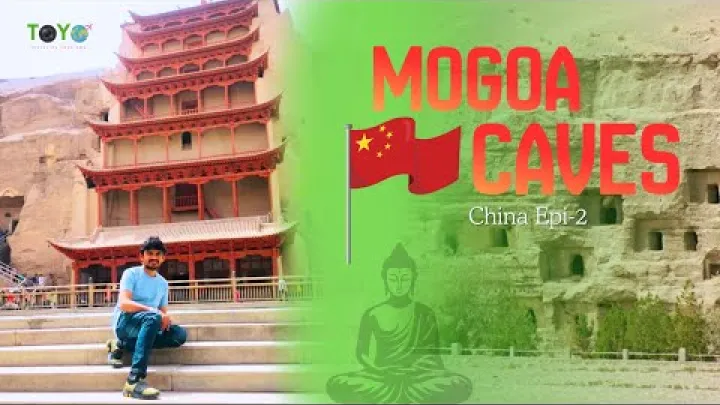
Mogao Caves ticket classes trade price against access, films, transport, and availability. The following figures are indicative planning references summarized by China Discovery. They are not a live official tariff, and the current ticket channel controls the terms.
| Ticket | Indicative price | Access planning meaning | Films and transport |
|---|---|---|---|
| Ticket A | CNY 238–258 | Higher-access standard option | Standard package may include films and shuttle transport; confirm the current package |
| Ticket B | CNY 100 | Reduced-access option with fewer cave visits | Film and transport inclusions differ from the standard option; confirm before payment |
| Ticket C | CNY 50 | Limited or special category | Current cave, film, and transport access must be checked |
| Ticket D | CNY 140–160 | Alternative or intermediate category | Access and film combination depends on the current schedule |
| Ticket E | CNY 40 | Limited category | Confirm the exact access and any transport inclusion |
Price alone does not measure value. A cheaper ticket may provide fewer caves or no films, while a higher-priced ticket may suit a first visit that depends on the fuller standard experience. A language guide, where available, should be treated as a separate possible charge rather than an assumed part of admission.
Before paying, confirm the ticket class, cave access, film inclusion, release date, quota, and entry window through the official booking channel. Make sure the selected time fits the rest of the day. Ticket availability is an itinerary constraint, not only a purchase detail.
Mingsha Mountain and Crescent Spring
A reported peak-season planning figure for Mingsha Mountain and Crescent Spring is CNY 110 for admission, with a reported repeat-entry arrangement lasting three days. These details should be treated as date-sensitive terms. If the three-day condition applies and you visit twice, the admission works out to about CNY 55 per visit; across three visits, it is about CNY 37 per visit.
That repeat-entry value can matter to travelers who want to see the desert in different light or divide activities across several days. A single concentrated visit may be more economical for a short itinerary, while repeat entry may provide better value for a longer stay if the entry rules match your dates.
Camel rides, entertainment, food, drinks, transfers, and other on-site purchases are additional costs. Do not place them inside the CNY 110 admission assumption. Compare the cost of one admission with the number of visits you genuinely plan, rather than buying a multi-day option only because the nominal price looks attractive.
Yadan, Yumen Pass, and Other Western Excursions
Yadan National Geological Park, Yumen Pass, Yangguan, the West Thousand Buddha Caves, Dunhuang Ancient City, and related ruins should be treated as separate cost layers beyond the city core. A western outing can combine entrance fees, an internal sightseeing bus, a long-distance vehicle, meals, waiting time, and sometimes guide or tour fees.
For Yumen Pass, a planning reference reports CNY 40 for an entrance ticket covering Yumen Pass, the Great Wall of the Han Dynasty, and Big Fangpan Castle, plus a CNY 50 tourist-bus fee, for a reported CNY 90 before external transport. See the China Discovery Yumen Pass reference for the stated structure. Treat it as a line-item example, not as the price of a complete West Line.
Internal sightseeing transport is not the same as the vehicle that takes you from Dunhuang city to the attraction. List admission, internal shuttle, external charter, meals, and optional guide fees in separate columns. A full western day can change the budget more than several days of city buses and ordinary meals combined.
Choose Paid Highlights Before Optional Experiences
Reserve the first part of the sightseeing budget for the experiences that matter most. For many travelers, that means Mogao Caves, the desert landscape, or one western historical route. Once the core attraction is protected, decide whether optional experiences still fit.
- Core category: the one or two places you would regret missing.
- Optional category: camel rides, premium tours, private guides, entertainment, and additional ruins.
- Flexible category: a free city period, local food, rest, shopping, or an extra night if a remote excursion is poor value.
A low accommodation cost does not compensate for adding every paid attraction on a short trip. A simple decision rule is to choose the core attraction first, then add an optional experience only when its admission, transport, and inclusions are clear.
Transport Costs and Access Routes
Transport has three separate budget roles in Dunhuang: intercity access, movement within the city, and longer East Line or West Line excursions. Keeping those roles separate prevents a cheap city bus from creating the impression that a remote desert route will also be inexpensive.
Intercity Arrival: Trains, Flights, and Fixed Costs
Flights and intercity rail should remain outside the local Dunhuang daily budget. Origin, booking date, travel class, baggage, connection time, and season can change the price substantially, so an old fare is not a safe current example.
Price the complete journey to Dunhuang, including the final transfer from the airport or station. Then divide the total access cost across the number of nights only if you want to understand its effect on the trip average. A CNY 1,200 arrival and departure total adds CNY 600 per day to a two-night stay, CNY 400 per day to a three-night stay, and CNY 240 per day to a five-night stay. This calculation explains why a short visit can feel expensive even when local spending is controlled.
Recheck live train or flight fares and arrival-transfer times for the actual travel date. Keep intercity access outside the local daily rate so you can compare different lengths of stay fairly.
Airport Transfers, City Buses, and Taxis
For the airport-to-city example, Rome2rio reports an airport bus to Dunhuang Bus Station at CNY 10, with a journey of about 18 minutes and three departures a day. This is a useful planning reference, not a permanent timetable or guarantee for every travel date.
| Mode | Planning cost | Best budget use | Important limitation |
|---|---|---|---|
| Airport shuttle | CNY 10 reported reference | Airport to the city and Dunhuang Bus Station | Limited departures and a fixed route |
| City bus | Low-cost local option; route fare varies | Regular movement when the route and timing fit | Less useful for late returns, luggage, or remote attractions |
| Taxi | Variable; short local movement has a general CNY 10–20 reference in local guidance | Direct trips, luggage, early starts, and late returns | The reference is not a universal fare for every destination |
| Walking or bicycle | No transport fare when practical | Short city-center movement | Distance, heat, luggage, and rental availability affect suitability |
TravelChinaGuide describes city buses, taxis, rickshaws, and bicycles as local movement options and gives general local price references that can rise during public holidays. Check the last departure, exact stop, payment method, and any night fare before depending on public transport. Keep airport transfer, city movement, and attraction shuttle charges as different budget categories.
East-Line and West-Line Transport
The East Line usually groups shorter sightseeing movements around Mingsha Mountain and Crescent Spring, Mogao Caves, and nearby sites. The West Line reaches farther toward Yumen Pass and Yadan National Geological Park, so vehicle time and route coverage have a much larger effect on the price.
Indicative local charter references are about CNY 150 for an East Line vehicle and CNY 350–450 for a West Line vehicle. These are vehicle-level planning examples, not per-person fares. They should not be compared directly with a per-person tour price until tickets, meals, internal shuttles, tolls, and waiting time are placed on the same basis.
| Transport choice | Cost basis | Useful for | Main budget question |
|---|---|---|---|
| Private car charter | One vehicle price | Flexible timing and a private group | How many passengers and which route costs are included? |
| Shared car or minibus | Vehicle price divided by confirmed travelers | Lower per-person cost for a compatible group | Does the route and departure time suit everyone? |
| Organized tour | Usually a per-person price | Simple booking and clearer group logistics | Are tickets, internal buses, meals, and guide services included? |
| Public or scheduled transfer | Route-based fare when available | Travelers prioritizing price over flexibility | Does it reach the remote site and return at a workable time? |
Use this formula for a charter: vehicle price divided by confirmed passengers = transport cost per person. For example, a hypothetical CNY 400 West Line vehicle divided among four confirmed passengers is CNY 100 per person before admission, internal transport, meals, or optional guide charges. Divided among two passengers, the same vehicle is CNY 200 per person.
Request a written quote showing vehicle capacity, route, tolls, parking, fuel, waiting time, entrance-ticket exclusions, inclusions, and cancellation terms. Do not assume that a low headline charter price includes every stop or ticket.
Seasonality, Demand, and Price Volatility
Seasonality affects more than hotel rates. It can influence Mogao ticket availability, room choice, excursion departures, and the amount of flexibility needed in the itinerary.
Peak Season, Weekends, and Public Holidays
The Mogao ticket reference treats approximately April 1 through November 30 as the main peak-season period. Accommodation demand can also rise on weekends and during major domestic public holidays. These effects overlap, but there is no single percentage that applies to every hotel or operator.
Higher demand can force a traveler into a more expensive room, an extra night, a less preferred ticket type, or a private transfer when shared capacity is unavailable. A room snapshot that shows similar weekday and weekend averages also demonstrates why you should compare the exact dates rather than assume that every weekend carries the same surcharge.
Compare several date combinations when possible. A one-day shift may change the available room category or attraction choice even when the general season has not changed. Protect the core attraction and accommodation before adding optional activities.
Off-Season and Shoulder-Season Trade-Offs
Lower-demand periods may offer more affordable rooms and different Mogao ticket options, but a lower admission price is useful only if the available caves, films, opening hours, and transport fit your plan. Fewer services or shorter operating schedules can also remove the saving created by a cheaper ticket.
Desert activities can be affected by conditions that are not captured in a hotel listing. Check the short-range forecast and attraction operating notices before committing to desert activities or nonrefundable transport. Also consider road conditions, the timing of sunset or sunrise plans, and whether optional activities are operating on the dates you selected.
Shoulder season is therefore a balance between price, availability, and the experience you want. Do not treat it as an automatic bargain or infer suitable desert conditions from a lower room or ticket price.
Book the High-Impact Items in the Right Order
- Choose the desired Mogao visit. Start with the date and time that support your main sightseeing priority.
- Match the accommodation. Select a room with suitable cancellation terms and a location that works with the fixed attraction time.
- Arrange the remote-site transport. Compare a shared charter, organized tour, or other available transfer after the group size and route are known.
- Keep one flexible block. Leave time for weather, ticket availability, rest, or a change to a western excursion.
- Price intercity access separately. Add flights or trains after the local plan so the daily comparison remains clear.
Planning early can protect both the experience and the budget, but early booking does not always produce the lowest room price. The value is in securing the right combination of ticket, room, and transport rather than booking every item in isolation.
Dunhuang Budget Strategies for Different Travelers
The best saving tactic is usually a choice about where to spend, not an attempt to make every part of the trip as cheap as possible. Protect the experiences that are difficult to replace, then reduce costs in flexible categories.
Save on Lodging and Meals Without Hiding Costs
- Budget travelers: choose a well-located hostel, basic guesthouse, or homestay when the bed or room terms are clear. Use city eateries and keep water, breakfast, and one-time supplies visible.
- Mid-range travelers: compare a value-focused hotel with the full cost of a cheaper room farther from the city center. A reliable location, air conditioning, and luggage support may be worth a small room premium.
- Comfortable travelers: choose a higher hotel level only when breakfast, rest, location, or service directly improves the itinerary. A comfortable room can be the largest daily expense.
Use the total-cost rule: a lower room rate is not a saving if repeated taxis consume the difference. Similarly, a hotel breakfast should be compared with the cost and convenience of the breakfast you would otherwise buy. Local eateries and central food options generally give more control than hotel or scenic-area dining, but the exact menu should determine the allowance.
Use Shared and Public Transport Strategically
Use the airport shuttle and city buses when their route and timing fit your arrival and sightseeing plan. Use taxis when luggage, an early start, or a late return makes the cheaper option impractical. For East Line or West Line travel, ask a hostel, homestay, or travel group about sharing only when the passengers, route, and departure terms match.
Compare the complete per-person cost of a shared charter with an organized tour. A hypothetical CNY 400 vehicle shared by four people costs CNY 100 each for the vehicle, but the final amount rises when admission, internal sightseeing buses, meals, or guide fees are added. A tour priced per person may be better value if those items are already included, even when its headline transport price looks higher.
Do not force a remote-site trip into a low budget when the vehicle cost, admission fees, and long travel time make the experience poor value. It may be better to choose one western highlight, share a confirmed vehicle, and leave the remaining time for lower-cost city activities.
Keep a Payment and Contingency Buffer
Payment acceptance can differ between large hotels, small eateries, homestays, markets, transport providers, and independent excursion operators. Before arrival, confirm whether your accommodation and local operators accept your planned payment method. International travelers should arrange access to CNY and keep a cash or other backup method for small vendors and situations where foreign cards are not accepted.
Add a separate contingency of about 10–15% after listing the core local costs. This buffer is for price changes, an extra taxi, a weather-related itinerary adjustment, a small attraction fee, water, or an unplanned meal. Keep it outside the headline daily range so you can see whether the base plan itself is affordable.
Use this final checklist:
- Accommodation: per bed or per room, number of occupants, breakfast, deposit, and cancellation terms.
- Food: city meals, drinks, breakfast, water, snacks, and scenic-area allowances.
- Local transport: airport transfer, city buses, taxis, and any bicycle or local rental cost.
- Attractions: Mogao ticket class, Mingsha Mountain admission, and other entrance fees.
- Remote excursions: vehicle share, internal shuttle, tickets, meals, waiting time, and guide charges.
- Intercity access: flights, trains, baggage, and final airport or station transfer kept outside the local daily rate.
- Payment: CNY access and a backup method for small operators.
- Flexibility: a separate contingency for weather, transport changes, and incidental spending.
Protect the core Mogao and desert experiences first. Then adjust hotel level, meal style, local transport, and optional western excursions until the remaining plan fits your budget.
Dunhuang Budget Checklist and Takeaways
A realistic Dunhuang budget is not one fixed daily price. It is a combination of a room decision, a food allowance, local movement, attraction admissions, and the way remote vehicle costs are shared. For a first worksheet, use the rounded CNY 300–500, CNY 950–1,450, or CNY 1,450–2,200-plus band that matches your travel style, then add the specific Mogao, desert, western excursion, and intercity costs.
The most effective savings usually come from choosing dates carefully, booking the core attraction before building the rest of the schedule, staying near useful city services, eating mainly in the city, and sharing suitable transport. Keep uncertain prices as ranges, protect a contingency, and make the final calculation from the exact room, ticket, and operator terms for your travel dates.
Select area
Create a post
Posting is free and no registration is required.