Shenzhen Best Time to Visit: Weather & Monthly Guide

The best time to visit Shenzhen is usually late October through December, when humidity and rainfall generally decline while conditions remain mild enough for city walks, parks, waterfront areas, and coastal trips. March and April offer a warmer spring alternative, especially for culture, shopping, and mixed indoor-outdoor itineraries. The summer months can still work for visitors who prefer indoor attractions or flexible schedules, but heat, heavy rain, and storm risk make outdoor plans less predictable. This guide explains Shenzhen weather by season and month, then shows how to match your travel dates, clothing, budget, and daily plans to both climate averages and the live forecast.
Quick Answer: What Is the Best Time to Visit Shenzhen?
There is no single perfect month for every traveler, but late autumn is the strongest overall choice for a comfortable Shenzhen trip. Spring is the main alternative, while the wet and hottest months require more planning around heat, rain, and outdoor access.
Best Overall: Late October to December
Late October through December gives the best balance of comfortable temperatures, lower humidity, and reduced rainfall. The change is especially useful in a large, walkable city: you can spend longer outside in Futian, Nanshan, or Luohu without the intense summer combination of hot surfaces, warm nights, and frequent downpours. Parks, waterfront walks, moderate hikes, and day trips toward the Dapeng Peninsula are generally easier to fit into a fixed itinerary during this period.
Late October is a transition month, so early-month conditions can still be warm or unsettled. November and December are usually more consistent, although historical averages never guarantee clear weather every day. The Shenzhen Travel Website gives a broader recommendation of November through April. The more focused late-October-to-December recommendation is based on choosing the strongest part of that wider comfortable period for outdoor use.
Best Alternative: March to April
March and April are good choices if you want warmer spring conditions and do not mind some increase in rain. March is generally the more manageable of the two months: it supports city walks, parks, family sightseeing, and cultural visits while the transition toward summer humidity is still developing. Greenery and warmer days can make the city feel lively without the full heat of the wet season.
April is warmer and noticeably wetter, so it works best for a flexible itinerary. Schedule outdoor visits in the most favorable parts of the day and keep museums, shopping, indoor entertainment, and technology-focused city experiences available as alternatives. Early May should be treated as a warmer and wetter transition rather than automatically included in the most comfortable spring window.
Best Time by Travel Style
The best time to visit Shenzhen changes according to what you plan to do. The table below separates climate suitability from the trade-offs that depend on exact dates, holidays, accommodation demand, and current access conditions.
| Travel purpose | Strongest period | Why it works | Main trade-off |
|---|---|---|---|
| Coastal scenery and beach walks | Late October to April | Lower humidity and less rain generally make exposed coastal time more comfortable. | Warmer beach weather is more likely outside this window, but rain and storm uncertainty also increase. |
| Hiking, parks, and nature | Late October to March | Cooler, less humid conditions are better for sustained walking and moderate trails. | January and February can feel cooler than expected, while summer heat and rain reduce flexibility. |
| Culture and city sightseeing | November to April | Comfortable outdoor movement combines well with museums, shopping, and indoor attractions. | April brings more rain, and holiday dates can affect prices and opening hours. |
| Budget-focused travel | Flexible dates in the wetter months or after major holidays | Some dates may offer better accommodation or transport availability. | Lower prices are not guaranteed; compare exact dates and check holiday demand. |
| Fixed outdoor-only itinerary | Late October to March | The seasonal pattern usually gives the widest margin for outdoor plans. | June through August is less suitable because heat, heavy rain, and storm effects can disrupt plans. |
Climate should not be confused with crowd or price certainty. Shenzhen can be busy or expensive around Lunar New Year, public holidays, major events, and popular weekends, regardless of the month. Conversely, a wet-season date may be less expensive, but that depends on flights, hotels, local demand, and the type of accommodation you choose.
Shenzhen Climate and Rainfall at a Glance
Shenzhen has a subtropical coastal climate: summers are long, hot, humid, and rainy, while winters are mild and generally drier. The practical issue for travelers is not temperature alone. Humidity, warm nights, sudden rain, thunderstorms, and the amount of time spent outdoors can determine whether a day feels easy or tiring.
Temperature, Humidity, and Seasonal Feel
Summer in Shenzhen is typically defined by a combination of heat and moisture. Even when a temperature reading does not look extreme to a traveler from a hotter climate, high humidity can make walking, climbing, and waiting outdoors feel more demanding. Nights also remain warm, so a hotel room, apartment, or transport connection without comfortable cooling can affect sleep and recovery. Rain may arrive as a short intense burst, but a longer wet period can also change the rhythm of a full day.
Winter is mild rather than severely cold. That makes January and February attractive for visitors who want to walk around the city without winter conditions, but it does not mean every day will feel warm. Cloud, wind, damp air, or a brief cool spell can make mornings and evenings feel chilly. In Futian, Nanshan, and Luohu, plan a walking pace that allows for shade, indoor breaks, and air-conditioned stops. A light jacket or sweater is useful even when the seasonal average looks comfortable.
Rainy Season and Driest Months
Rain generally increases during spring, becomes most persistent from about May through September, and falls to its lowest levels in late autumn and winter. June is commonly treated as a rainfall peak. One historical climate dataset lists about 330 millimeters of average rainfall for June and about 33 millimeters for December; these figures are useful for comparing the seasonal pattern, not for predicting the rain on a particular date. The Climate-Data.org figures may also differ from other datasets because measurement periods, stations, and calculation methods are not identical.

A rainy-season day is not always a day of continuous rain. Shenzhen can have a clear morning followed by a heavy afternoon shower, or repeated storms that slow outdoor travel. Build wet-season days around shorter outdoor periods and nearby indoor alternatives. This approach is more useful than assuming that a certain number of rainy days means the whole month will be unusable.
Typhoon Season and Coastal Weather
Shenzhen's late-summer-to-autumn storm exposure overlaps with the rainy season. General travel guidance commonly places the main typhoon window around July through September, with August often described as the highest-risk month and some residual risk extending into October. This is a seasonal tendency, not a forecast or a prediction that a typhoon will make landfall during your trip. A storm can also affect Shenzhen indirectly through strong wind, rougher seas, intense rain, or changes to local access.
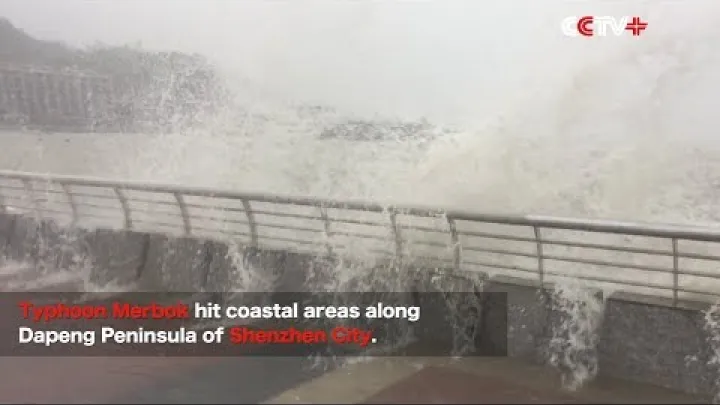
The Dapeng Peninsula, beaches, exposed hiking routes, and boat or coastal plans are more sensitive to those conditions than an indoor itinerary in the central city. A coastal day may need to be shortened, moved, or replaced if wind and sea conditions deteriorate. Before scheduling exposed activities in the late-summer-to-autumn storm window, read current local meteorological warnings and follow instructions from authorities or operators. The seasonal framing from GoWithGuide is useful for choosing a period, but it cannot determine the conditions of a specific day.
Shenzhen Weather in January, February, March, and April
The first four months move from the coolest and driest part of the year toward warmer spring weather. They are generally easier for city exploration than the summer months, but March and April gradually become more humid and unsettled.
January: Cool, Dry, and Comfortable
January is one of Shenzhen's coolest and driest months. Days are often mild enough for urban walking, moderate hiking, waterfront visits, and parks, while mornings and evenings can feel distinctly cooler. Lower humidity usually improves comfort during long periods outside, especially for travelers who do not enjoy tropical heat.
Pack light layers rather than heavy winter clothing. A sweater or light jacket is useful for cooler periods, and adjustable clothing makes it easier to respond to cloudy or warmer afternoons. Climate averages do not rule out a short cold spell or several cloudy days, so avoid packing only for warm sunshine.
February: Mild, Dry, and Holiday-Sensitive
February is generally mild and relatively dry, making it suitable for sightseeing, outdoor attractions, and a mixed city itinerary. The weather can feel similar to January but often with a gradual move toward warmer spring conditions. It is a good month for travelers who want to spend time outside without planning around the strongest summer heat.
The main February issue is the Lunar New Year calendar, which changes from year to year. The holiday period can affect accommodation demand, prices, business hours, attraction availability, and transport demand independently of the weather. This does not mean every business closes, and February is not always the cheapest month. If you travel around Lunar New Year, confirm the dates, opening hours, booking conditions, and accommodation rates for that specific year. The period after the holiday may suit budget-focused travelers, but actual rates and crowds still need to be compared.
March: Warmer, Greener, and Still Manageable
March is a balanced spring option. Temperatures become warmer, greenery develops, and rainfall usually rises only modestly compared with the driest winter months. Families, culture-focused visitors, and travelers who enjoy parks and city walks can often combine several outdoor stops with indoor activities without the full burden of summer humidity.
March begins the transition toward more humid and unsettled weather, so it should not be described as a guaranteed dry season. Light layers, comfortable walking shoes, and compact rain protection are practical. Leave some room in the schedule for a shower rather than treating every day as fixed outdoor time.
April: Warm, Wetter, and Flexible
April brings noticeably warmer conditions and a substantial increase in rainfall compared with March. The extra warmth and spring greenery can be appealing, but humidity and sudden rain make long, uninterrupted outdoor days less dependable. April is still a useful month for visitors who want to combine city exploration with indoor experiences.
Museums, shopping, technology-focused districts, and other indoor activities can provide structure when rain interrupts a park or walking plan. Arrange outdoor time around the most favorable forecast windows and keep an alternative nearby. April can be a pleasant spring month, but its trade-off is lower weather certainty than late autumn or winter.
Shenzhen Weather in May, June, July, and August
From May through August, heat, humidity, and rain increasingly shape the travel experience. These months are workable for flexible visitors, but they are less suitable for an itinerary that depends on long outdoor days or fixed coastal excursions.
May: Hotter and Increasingly Humid
May is when heat and rain begin to compound. Days become hotter, nights warmer, humidity heavier, and wet weather more frequent. A short walk between attractions may still be easy, but several hours of exposed walking in the middle of the day can feel much more demanding than the calendar suggests.

Use early mornings, later afternoons, shaded routes, and air-conditioned breaks to control the pace of the day. May can work well for an indoor-focused trip, a business visit, or a traveler who is comfortable changing plans. Breathable clothing, comfortable shoes, compact rain protection, and regular water breaks are practical choices. The month is not simply good or bad; its suitability depends on your tolerance for heat and your willingness to leave the schedule open.
June: Wettest and Most Monsoon-Affected
June is a typical rainfall peak in Shenzhen, with frequent wet days, heavy showers, thunderstorms, high humidity, and limited relief at night. Rain is not guaranteed to last all day, but the frequency and intensity of showers can disrupt hiking, coastal visits, photography, and long sightseeing routes. Even a short storm can make an exposed trail or waterfront plan impractical.
Indoor attractions, shopping, museums, and shorter outdoor periods can keep a June visit worthwhile for heat-tolerant travelers. Use a flexible schedule instead of placing every major activity on one fixed day. Follow local heavy-rain and lightning alerts, and postpone exposed hiking or other open-air activities when a severe-weather warning is active.
July: Hottest and Storm-Prone
July is typically Shenzhen's hottest month, with very high humidity, warm nights, substantial rainfall, and difficult conditions for extended outdoor activity. Long walks without shade, steep routes, and beach visits during the hottest part of the day can be tiring. Shorter outings with indoor pauses are more practical than trying to cover a large outdoor area continuously.
July also falls within the main seasonal window for tropical-storm impacts, which adds uncertainty to coastal plans. Indoor-focused travelers, visitors who tolerate heat well, and people who can adjust their itinerary may still enjoy the city. A lower rate may sometimes be available during a wetter period, but affordability is a possibility to check, not a fixed July rule. Schedule exposed walking for more comfortable parts of the day without treating that as a substitute for observing current conditions.
August: Peak Typhoon and Rain Risk
August generally remains hot, very humid, and rainy while overlapping with the strongest part of the regional typhoon window. The combination can affect beaches, exposed trails, coastal excursions, and any day that depends on a narrow weather window. A storm influence does not guarantee a cancellation, but it can bring wind, rougher coastal conditions, heavy rain, or last-minute changes.
Indoor city experiences can remain practical, especially when accommodation and attractions are arranged around short outdoor transfers. August is most suitable for visitors with a high tolerance for weather uncertainty and a willingness to replace outdoor plans. It is less suitable for a first-choice beach or hiking itinerary that must operate exactly as scheduled.
Shenzhen Weather in September, October, November, and December
September begins the move away from peak summer but is still wet and humid. October is the key transition toward drier conditions, while November and December usually provide the most consistent combination of mild weather and lower rainfall.
September: Transitioning but Still Wet
September is often slightly less hot than July and August, but it remains humid and rainy and can still receive late-monsoon downpours. Conditions may improve later in the month, yet the wet season does not end cleanly on the first day of September. Fixed hiking or coastal plans remain less reliable than they are in October.
September can suit travelers who prioritize flexibility, indoor activities, or the possibility of lower seasonal demand. It is a compromise rather than a clear-weather choice. Parks, city districts, and cultural visits can still work when the itinerary allows outdoor time to move around the day's conditions.
October: Drier and Ideal for Outdoor Plans
October usually brings a clear reduction in rainfall and humidity. Conditions remain warm rather than reaching peak-summer heat, which improves the experience of hiking, biking, parks, waterfront walks, and coastal scenery. Late October is especially attractive for the Dapeng Peninsula and other exposed outdoor plans because it sits close to the beginning of the strongest overall travel window.
Early October can still retain some rain or storm variability, so do not treat the entire month as uniformly dry. The practical distinction is gradual rather than tied to a fixed date: later October generally offers a better balance than the beginning of the month. This makes October a useful transition month for travelers who want outdoor time but cannot travel in November or December.
November: Mild, Dry, and Consistent
November is one of the most reliable months for general sightseeing in Shenzhen. Temperatures are usually mild, rainfall is low, and humidity is reduced compared with summer. The combination supports long urban walks as well as moderate nature trips, so you can divide time between Futian, Nanshan, Luohu, and outdoor areas without designing the entire day around heat or rain.
Light layers are usually more practical than heavy clothing. November also offers relatively simple planning conditions compared with the wet season: outdoor activities are easier to schedule, and indoor alternatives can be chosen for interest rather than as emergency replacements. It remains a seasonal pattern, not a promise of sunshine every day.
December: Coolest, Driest, and Comfortable
December is among the driest and cooler months, with comfortable daytime exploration and cooler evenings. Lower humidity suits city walks, parks, waterfront areas, and cultural itineraries, especially for travelers who prefer mild conditions to summer heat. It is also a good month for combining outdoor sightseeing with indoor stops without the frequent rain associated with the monsoon period.
Use adjustable layers and carry a sweater or light jacket for evenings. December does not mean that every day will feel warm, so pack for mild variation rather than only for bright afternoons. Compared with November, December is often a little cooler and drier; compared with January, it is a similarly comfortable dry-season choice with the same need for an extra layer during cooler periods.
How to Plan a Shenzhen Trip Around the Weather
Once you choose a month, turn the climate pattern into a daily planning method. Match your most exposed activities to the season, pack for the likely conditions, and use current information for decisions that depend on a particular day.
Match Weather to Beaches, Hiking, Culture, and Budget
For the broadest range of comfortable outdoor options, choose late October through April. Late October through December is the strongest part of that range for outdoor-focused trips, including parks, moderate hiking, waterfront walks, and coastal scenery. January through March can also be comfortable, although cooler mornings or occasional cloudy periods call for layers. If your main goal is hot beach weather, the warmer months may appeal, but they bring a higher chance of humidity, heavy rain, and storm-related uncertainty.
- Beach and coastal plans: Choose late autumn through spring for more comfortable beach walks and coastal sightseeing. Warm-season conditions may feel better for swimming or sun-oriented plans, but rain, wind, and sea conditions become more important.
- Hiking and parks: Late October through March is the broadest comfort window. Schedule longer walks in the cooler season and use shorter, shaded outings when visiting during hotter months.
- Culture and city exploration: November through April is the easiest period for combining outdoor movement with museums, shopping, and indoor attractions. March and April are good spring alternatives if you can accept more rain.
- Budget travel: Compare exact dates rather than assuming a season is always cheap. Wetter months may sometimes bring better rates, while Lunar New Year, public holidays, weekends, and events can increase demand in any season.
Local geography also affects the decision. An urban day in Futian, Nanshan, or Luohu can be reorganized around indoor stops more easily than a day on the Dapeng Peninsula. For coastal areas, the monthly climate is only the first filter; live rain, wind, sea, access, and operator conditions determine whether a specific plan is sensible.
What to Wear and Pack by Season
For November through March, pack light layers and include a sweater or light jacket for cooler mornings and evenings. Comfortable walking shoes are important because even a city itinerary can involve long periods on foot. A compact layer that can be removed during warmer afternoons is more useful than heavy winter clothing.
From April through October, prioritize breathable, quick-drying clothing, comfortable walking shoes, sun protection, and compact rain protection. Summer visitors should expect frequent transitions between hot, humid outdoor conditions and strongly air-conditioned interiors, so an extra light layer can be useful indoors. Hydration, shade, a slower walking pace, and forecast-aware scheduling are simple ways to make warm-weather days more manageable.
Climate Averages versus the Live Forecast
Climate averages help answer the question, Which month is usually most suitable? They cannot answer whether a beach visit will be comfortable next Tuesday or whether a hiking route will be usable tomorrow. A historical average is a long-term comparison; a typical pattern is a general seasonal tendency; a current forecast describes the expected conditions for a particular period; and an official warning signals a more immediate hazard or disruption risk.
- Use historical averages to choose between late autumn, winter, spring, and summer.
- Use the current forecast to decide the order and timing of outdoor activities during your trip.
- Use local warnings to assess heavy rain, lightning, strong wind, and tropical-storm conditions.
Before an outdoor day, consult current regional information for rainfall, lightning, wind, and storm alerts rather than relying only on a monthly description. Greater Bay Area Weather provides regional observations and weather information for the Guangdong, Hong Kong, and Macao area. This check matters most for beaches, hiking, the Dapeng Peninsula, and other exposed activities where a short change in conditions can affect comfort or access.
Build Flexible Plans for Rain and Coastal Disruptions
Pair an outdoor activity with an indoor alternative in the same general city area. For example, do not make a remote coastal excursion the only important activity on a rainy-season day; keep museums, shopping, indoor entertainment, or a shorter urban route available. This protects the value of the day without assuming that a shower will last all day.
Use a simple decision framework for exposed activities:
- Go: Current conditions are suitable, no relevant warning is active, and the route or operator confirms that the plan is running.
- Adjust: Rain or wind is inconvenient but not severe, so shorten the outdoor period, move it to a better part of the day, or choose an urban alternative.
- Postpone: Heavy rain, lightning, strong winds, an active warning, or an operator suspension makes an exposed route or coastal outing a poor choice.
Transport details for coastal areas and boat outings can change with weather, access, maintenance, or operator decisions. Confirm the same-day route, departure information, access conditions, and operator status before leaving, and keep an indoor city plan that does not depend on the same exposed connection. The practical sequence is simple: choose the month, check the current forecast, confirm access and operations, then finalize exposed activities.
Conclusion: The Best Time to Visit Shenzhen
For most travelers, the best time to visit Shenzhen is late October through December. This period usually offers the strongest combination of mild conditions, lower humidity, less rainfall, and reliable opportunities for city walks, parks, hiking, waterfront areas, and the Dapeng Peninsula. November and December are the clearest choices for consistency, while March and April provide a warmer spring alternative for visitors who can accept more rain.
Summer and early autumn are not impossible, but they favor flexible, heat-tolerant, and indoor-focused itineraries. Use climate averages to select your travel month, then use the live forecast and current access information to decide what to do each day.
Select area
Create a post
Posting is free and no registration is required.