Urumqi Travel Guide: Sights, Transport & Planning Tips
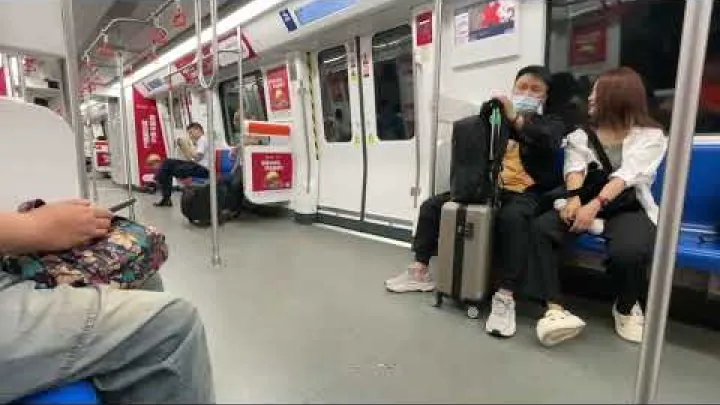
This Urumqi travel guide is designed for first-time visitors planning time in Xinjiang's regional capital. Urumqi combines a modern Chinese city with market streets, regional museums, distinctive food and access to mountain landscapes such as Heavenly Lake and Nanshan Pastures. The guide explains when to visit, how to arrive and move around, where to stay, how to plan costs, and how to build a realistic three- or five-day itinerary. Because local access and administrative conditions can change, use the practical checks in each relevant section when arranging your trip.
Why Urumqi Belongs on a Xinjiang Itinerary
Urumqi is useful both as a destination in its own right and as a practical starting point for a wider Xinjiang journey.
Urumqi as a Regional Gateway
Urumqi works well as an arrival, departure and planning base for Xinjiang. A shorter trip can focus on the city and one nearby mountain excursion without trying to cross a very large region. This gives first-time visitors a manageable introduction to local food, urban life, museums and landscapes while keeping the daily plan reasonably concentrated.
Urumqi is also a staging point for different travel directions. Eastern Xinjiang, including areas around Turpan, follows a different transport plan from southern and western cities such as Kashgar or from northern scenic regions. These places should not be added to an Urumqi itinerary simply because they appear close on a regional map. Each extension can require a separate decision about rail, road or air travel, overnight stays and seasonal access.
The City's Cultural and Urban Character
The character of Urumqi comes from the contrast between modern urban infrastructure and the Uyghur and wider Central Asian cultural influences visible in food, markets and public signage. Visitors may notice this most clearly through the range of cuisines, the design and products of commercial market areas, and the way regional identities appear in everyday city experiences.
The Xinjiang International Grand Bazaar and the ErdaoQiao market area are useful visitor-facing places to begin exploring that character. They are contemporary commercial spaces with food, shopping and visual displays, rather than complete representations of local life. Approach them with curiosity, but avoid treating one market as a summary of every community or tradition in Xinjiang. A museum visit, ordinary neighborhood meal and time spent observing the city beyond the main visitor areas can provide a broader experience.
How Long to Stay
Use three full sightseeing days as a practical baseline for a first visit. This can allow one day for markets and food, one day for the Xinjiang Regional Museum and an urban landmark such as Red Hill Park, and one substantial day trip to a place such as Heavenly Lake. The order should change with arrival time, attraction hours and the current operating situation.
Three to five nights suit travelers who want a city-focused visit with a slower pace and a weather or transport buffer. One or two nights can work when Urumqi is mainly an arrival or departure hub, but that leaves little time for both the city and a mountain outing. Remember that nights are not the same as full sightseeing days: a late arrival, early flight or long rail connection can remove most of a calendar day. A broader Xinjiang itinerary needs additional time rather than a more crowded Urumqi schedule.
Before You Go: Safety, Documents, and Local Conditions
Travel planning in Urumqi should include current information checks as well as ordinary sightseeing arrangements.
Check Current Advisories, Documents, and Local Norms
Review a current official travel advisory for China and Xinjiang before booking, and read it again before departure. The Travel.State.gov China advisory notes that extra security measures, including security checks and increased police presence and surveillance, are common in the Xinjiang Uyghur Autonomous Region. Treat a foreign-government advisory as travel guidance rather than as a statement of binding local law, and check the current requirements issued by the authorities relevant to your nationality.
Confirm your entry documents, passport details, nationality-specific requirements and accommodation arrangements through appropriate official channels and directly with the property you plan to use. Keep digital and offline copies of important bookings and identification information. If conditions or access change, a reservation with reasonable cancellation flexibility can be more useful than a tightly fixed plan.
In public spaces, follow posted instructions and cooperate calmly with security procedures. Ask before photographing people, private activities or facilities that may be sensitive. Avoid turning security infrastructure or official activity into a subject for casual photography. Respect local customs and privacy, and allow extra time for checks when moving through transport hubs or entering busy public areas.
When to Visit Urumqi
Urumqi has an arid continental climate, with a strong contrast between warm seasons and cold winters. The best time depends on whether your priority is city walking, green mountain scenery, winter landscapes or fewer visitors.
Best Seasons for City and Mountain Trips
May to October is the broad planning window for combining Urumqi sightseeing with outdoor excursions. May to June and September to October are useful shoulder-season choices for travelers who want more moderate conditions for city walks and mountain visits. A seasonal overview from China Discovery also identifies these months as favorable alternatives to the main summer period.
July and August are often chosen for warmer conditions and greener mountain scenery. They can also be a busier period for popular outdoor destinations. These broad seasonal descriptions apply more directly to planning than to a guarantee about a particular day. Conditions in Urumqi itself can differ from those at a higher elevation, so a city itinerary and a Heavenly Lake or Nanshan plan should not use exactly the same clothing or timing assumptions.
Winter Travel: Benefits and Trade-Offs
Winter can suit travelers interested in snow, winter photography or snow-related activities, but it requires more preparation. Severe cold, ice and shorter periods of comfortable outdoor sightseeing can make a city walking day slower. Mountain roads, shuttle services and scenic operations may also be affected, although this does not mean that every attraction closes.
Pack an insulated outer layer, warm base layers, gloves, a hat and footwear that remains practical on cold or slippery surfaces. Sun protection is still useful in winter, especially around bright snow and open mountain areas. Allow more time for moving between stops and avoid building a winter itinerary around a tightly timed outdoor sequence. The operating status of each attraction matters more in this season than an old guidebook description.
Time, Daylight, and Daily Rhythm
China uses one official time zone across the country, and Urumqi is far to the west of Beijing. As a result, daylight and daily routines can feel later than visitors expect when they plan by the clock used elsewhere in China. An early morning activity may not feel early in terms of local daylight, while an evening market visit can still take place with plenty of light.
Use the official clock time printed on your rail, flight, tour or attraction booking. Do not assume that every museum, market, transport service or mountain activity starts early in the morning. Check the operating time for each service and leave enough room for security procedures, traffic and transfers. This is especially important when connecting a day trip to an evening train or flight.
Arriving in Urumqi and Getting Around
Urumqi offers several urban transport choices, but the most convenient option depends on luggage, arrival time, destination and the latest operating information.
Airport Transfers from Urumqi Tianshan International Airport
Urumqi Tianshan International Airport, also known as URC, can be connected with the city by Metro Line 1, airport shuttle services, designated taxis, ride-hailing and prebooked transfers. An airport guide from Trip.com describes these transport categories and directs arriving passengers toward the designated ground-transport area. Use such information as a starting point, then follow the signs and instructions displayed in the terminal on the day of arrival.

Metro Line 1 is usually the most useful choice for travelers who are comfortable carrying their luggage and whose arrival time matches current service hours and route arrangements. An airport shuttle can be practical when its current route and stopping point fit your hotel. A designated taxi is simpler with heavy luggage or an unfamiliar destination. Ride-hailing may work well when you can identify the approved pickup point and show the driver the hotel name in Chinese. A prebooked transfer can reduce communication problems for a late arrival, a group or a complicated onward connection, but confirm the meeting point before leaving the terminal.
Do not rely on an old terminal diagram, a fixed fare or a guaranteed journey time. Follow current airport signage to the designated taxi or transfer area, and confirm the pickup instructions with the driver or provider before leaving the terminal. Keep your hotel address, booking name and a Chinese-language destination screenshot available offline. Availability, pickup locations and operating arrangements can change.
Metro, Buses, BRT, and Taxis
For movement within the city, the main choices are Urumqi Metro Line 1, ordinary buses, BRT services, taxis and ride-hailing. Metro Line 1 can serve as a useful backbone between the airport, central areas and Urumqi South Railway Station when the current route and service information support that plan. Buses and BRT can extend the network, while taxis are useful for short connections, bulky luggage or places that are not convenient from a station.
Plan by attraction zones instead of crossing the city for every individual stop. For example, put market and food experiences into one urban block of time, then group the museum and a city park or viewpoint according to their current locations and opening hours. This reduces unnecessary transfers and makes a late start easier to absorb.
Carry your hotel address and destination names in Chinese characters, either on paper or as screenshots. Route information and communication may not always be available in English, and an English pronunciation may not be enough for a driver or station worker to identify a specific destination. Keep the official clock time and the exact station or pickup name visible when using transport apps or tickets. Do not assume that planned metro extensions or older route lists are currently operating.
Rail Travel and Station Logistics
Urumqi South Railway Station is important for normal-speed services within Xinjiang and for some longer normal-speed routes. Current services can connect with destinations such as Karamay, Turpan, Kashgar, Aksu and Hami, but the available trains and departure stations must be taken from a live booking search. Normal-speed rail and air travel should be compared by current schedule, total transfer time, luggage, cost and whether an overnight journey fits your trip.

Rail tickets use real-name booking. Enter your passport details exactly as required, and make sure the name and document information on the booking match the passport you will carry. Some tickets or booking channels may involve a collection or verification step, so allow extra time for identity checks, luggage screening and station procedures.
Check the departure station printed on your current booking rather than assuming that every Urumqi train leaves from Urumqi South Railway Station. Station names in older travel posts can be misleading, and a last-minute change can affect your airport or hotel transfer. Verify the current rail schedule, passport ticket details and departure station, then arrive with more time than a local point-to-point journey might seem to require.
Top Places to Visit in and Around Urumqi
A good Urumqi itinerary mixes urban context, food and markets with one carefully planned nature excursion.
Downtown Landmarks, Museums, and Markets
The Xinjiang International Grand Bazaar and the ErdaoQiao market area are natural choices for browsing regional products, seeing visitor-oriented market life and trying food. The Xinjiang Regional Museum offers a different type of experience by providing regional historical and cultural context. Red Hill Park adds an urban outdoor stop and can provide city views. These places serve different purposes, so a visit is more rewarding when the schedule is not based only on collecting landmarks.
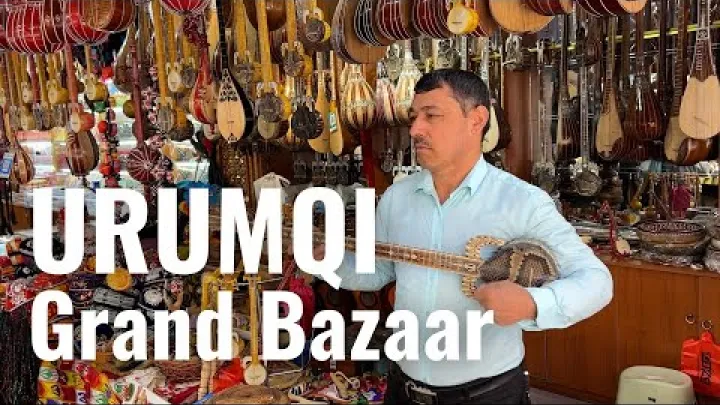
A practical urban day might use the museum for context, the market area for shopping or a meal, and Red Hill Park for a change of pace. This does not mean that every stop is next to the previous one; use the current map and transport network to arrange the order. A current Urumqi attractions overview from China Discovery includes these sites among the main visitor choices.
Check current opening days, admission arrangements and photography rules for each place. Museum schedules and market operations may not match the hours shown in an older itinerary. If a museum has a specific entry arrangement, plan that first and keep the market or park portion more flexible.
Heavenly Lake (Tianchi) Day Trip
Heavenly Lake, also called Tianchi, is the signature nearby mountain and lake excursion for many Urumqi visitors. Its landscape is very different from the city, but the outing should be treated as a substantial part of the day rather than as a quick second stop after downtown sightseeing. Leave room for the journey, scenic-area procedures, time at the lake and the return trip.
An organized excursion can simplify the relationship between transport, admission and the return journey. An independent visit can offer more control, but it requires you to connect each part of the route yourself. In either case, the day depends on more than reaching the entrance. Tickets, road conditions, shuttle arrangements, weather limits and the final return option all affect whether the plan works.
Do not place Heavenly Lake immediately before a flight or a train unless you have a generous and realistic buffer. Mountain access can be less predictable than moving between city attractions, and a missed return connection can affect the rest of the itinerary. Choose a plan that makes the return to Urumqi clear before you set out.
Nanshan Pastures and Other Short Outings
Nanshan Pastures offers a different mountain experience from Heavenly Lake, with grassland and open scenery rather than a lake-centered destination. It can suit visitors who want a nearby nature outing, a different photographic setting or a less concentrated day away from the city. The best choice depends on season, current access, transport tolerance and the number of full days available.
For a short visit, choose between more city time and one major nature day rather than trying to force several distant outings into the same schedule. Travelers who want the well-known lake landscape may favor Heavenly Lake. Travelers who prefer grassland or a simpler change from the urban environment may consider Nanshan Pastures. Other short outings should be added only when their current access and return arrangements fit the rest of the trip.
Before committing to Heavenly Lake, confirm the current tickets, road or shuttle access, weather limits, scenic-area operating status and return transport. These details can determine whether an organized trip or an independent plan is suitable. Do not assign fixed travel times or guaranteed seasonal availability from an old blog or a generic map.
Food to Try and How to Approach Market Visits
Foods commonly associated with a Urumqi visit include kebabs, pilaf and hand-pulled noodles. The city also has a broad range of Chinese cooking and dishes influenced by Central Asian culinary traditions. Trying food in a market area can be an easy way to sample several styles, while a restaurant meal may be better when you need a slower setting or clearer information about ingredients.
Market dining and the Xinjiang International Grand Bazaar are contemporary commercial experiences. They can be enjoyable and useful introductions, but no single venue should be described as the only authentic expression of local food or culture. Ask about ingredients and preparation when you have allergies, religious requirements, vegetarian needs or other dietary restrictions. If communication is difficult, keep a translated dietary note or use clear images and written information rather than relying only on a verbal explanation.
Where to Stay: Best Urumqi Base Areas
The best place to stay depends mainly on whether Urumqi is your destination or a short connection point.
Downtown Urumqi: Best Base for Most Visitors
Central Urumqi is the most practical base for most first-time visitors. It places you closer to urban attractions, restaurants, shopping and public transport, and it gives you more flexibility when weather or a delayed arrival changes the daily plan. A central base also makes it easier to divide sightseeing into market, museum, park and food areas without arranging a private transfer for every stop.
Central Tianshan, Saybagh and Shuimogou are useful orientation examples when comparing locations on a map. The district name alone is not enough to choose a hotel, because properties within a broad area can have different access to Metro Line 1, buses, BRT and taxis. Compare the current map position, nearby services, check-in policy, cancellation terms and the property's ability to support your travel documents. Do not rely on old hotel rankings or assume that every central property accepts every foreign passport.
Near the Airport: Best for Short Transits
An airport-area hotel suits a late arrival, an early departure or a short flight connection. It can reduce the pressure of crossing the city after a long journey, but it is usually less convenient for several days of central sightseeing. Before choosing this area, compare the actual transfer arrangement with your flight time rather than assuming that a hotel is connected directly to the terminal.
A hybrid plan can work well: use an airport-area property for a flight-linked night and stay downtown for the main sightseeing portion. This avoids giving up central access for the whole trip while protecting an early departure from a long city transfer. Confirm the current hotel address, transport method and check-in arrangements, especially when arriving late.
Scenic and Remote Overnight Stays
For nearby mountain attractions, many travelers use Urumqi as a dependable urban base and make a day trip. Lodging in remote scenic areas may be limited, seasonal or inconsistent for foreign-passport holders. A scenic location can look attractive on a map but still create problems with transport, meals, cancellation and registration if the property is not prepared for your documents.
Add an outlying overnight stay only when the specific property confirms the reservation and registration process. Otherwise, a return to Urumqi is often the simpler plan. This is particularly important for a nonrefundable booking, because a scenic-area reservation that cannot complete check-in can affect both your money and your transport plan.
Budgeting and Booking Logistics
Urumqi costs vary widely by season, hotel standard, transport choice and whether you add a private or organized mountain excursion.
Build a Realistic Urumqi Budget
Build the budget in separate CNY categories rather than relying on one daily estimate copied from an undated travel blog. Start with accommodation, then add meals, city transport, attraction tickets, mountain day trips and onward transport. Keep a separate allowance for airport transfers, luggage-related choices, booking fees and changes to the plan.
Accommodation is usually the largest flexible item because the same city can have very different rates by date and property standard. Meal costs depend on whether you eat at markets, casual restaurants or higher-comfort venues. City transport can be planned separately from a mountain excursion, where the transport arrangement, admission, shuttle and guide or vehicle may be priced together. Rail and air costs also depend on the live schedule and how early you book.
Instead of inventing a universal budget range, collect current prices for your dates and create a lower-cost, expected and higher-comfort scenario. Record what each quoted amount includes. A day-trip price may exclude an entrance ticket, meals or a local shuttle, while a hotel rate may change with cancellation conditions or included services. This method gives a more useful indication of costs than an old foreign-currency conversion.
Book in the Right Order
Use a simple sequence. First, confirm current travel conditions, your dates and the amount of time available. Next, secure accommodation that matches your passport and arrival plan. Then arrange rail or air connections, checking the exact station or airport shown on each booking. After those essentials are stable, arrange mountain day trips and attraction entries where the current service requires advance planning.
Save booking confirmations, Chinese names and addresses, passport details used for tickets, pickup locations and cancellation terms. Keep these details accessible offline as well as in your booking apps. Share the essential itinerary and hotel information with a traveling companion if you have one.
Not every attraction requires advance booking, and rules differ between museums, parks, scenic areas and transport providers. Check the current entry method, opening days, ticket validity and refund conditions for each service. Retain some flexibility where possible, particularly when a mountain outing is affected by weather or access. A flexible city day is a useful fallback rather than wasted time.
Sample Urumqi Itineraries
These plans are frameworks, not fixed timetables. Use the current clock time, attraction hours, transport schedule and access information to adjust the order.
Three Days for a First Visit
For three full days, use one central culture and market day, one urban landmark and museum day, and one major mountain day trip.
- Central market and food day: Spend time around the Xinjiang International Grand Bazaar and the ErdaoQiao market area, allowing space for browsing, a meal and unhurried observation. Keep the transport plan centered on the current location of your hotel and the market area.
- City context and views day: Visit the Xinjiang Regional Museum if its current entry arrangements fit your schedule, then add Red Hill Park or another suitable urban stop. The museum and park provide a different rhythm from a commercial market visit.
- Mountain day: Use Heavenly Lake as the main excursion, or choose Nanshan Pastures if its landscape and current access fit your interests better. Keep the day free of other distant commitments and protect the return to Urumqi.
If you arrive late, move the market or museum day rather than trying to complete it after a long transfer. If the weather or mountain access is unsuitable, use the city day as a flexible alternative and place the excursion later only if the remaining schedule allows it. Avoid scheduling a major mountain outing immediately before an onward flight or train.
Five Days with Urumqi as a Hub
Five days allow a more comfortable city-focused plan. Keep the first three elements above, then add a second nearby outing such as Nanshan Pastures, a slower food and neighborhood day, and a buffer before departure. The buffer can absorb a delayed connection, a weather change or the extra time needed for rail and airport procedures.
One possible structure is an arrival and easy central walk on the first day, markets and food on the second, the museum and Red Hill Park on the third, Heavenly Lake or Nanshan Pastures on the fourth, and a slower city day or onward-travel buffer on the fifth. The sequence can be reversed when attraction hours or weather make another order more practical.
Destinations such as Turpan, Kashgar, Kanas and Hemu require separate decisions about rail, road or air travel. They should not be treated automatically as simple day trips from Urumqi. Use live transport schedules, check how many nights the extension needs, and protect enough time to return to Urumqi if your international or domestic departure leaves from there.
Conclusion
Urumqi is a strong first base for Xinjiang because it combines a substantial city visit with access to nearby mountain landscapes. Plan around three full days for a balanced introduction, or three to five nights if you want more flexibility. Choose a central base for most sightseeing, use an airport-area hotel when a flight makes it practical, and treat remote lodging as a special case. The most reliable trip combines current advisory and document checks with live transport information, realistic seasonal planning and enough space for mountain access or weather changes.
Select area
Create a post
Posting is free and no registration is required.