Shanghai Getting There: Flights, Trains, Buses and Cruise Routes
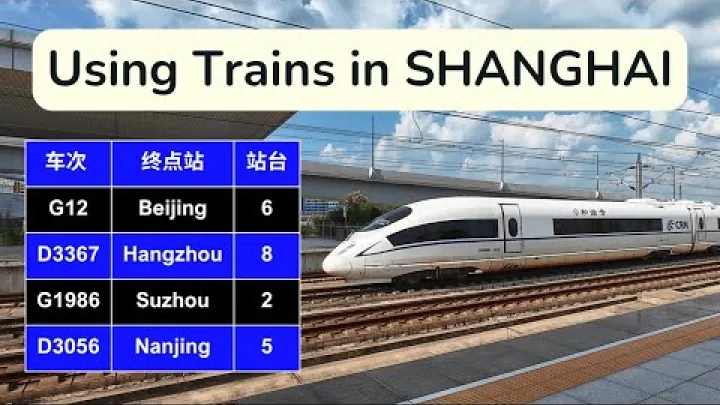
Getting to Shanghai is not limited to one gateway or one type of ticket. International visitors may arrive at Pudong or Hongqiao airports, while travelers from East China often find high-speed rail more convenient than domestic air travel. Long-distance coaches can help when rail connections are limited, and cruise arrivals require itinerary-specific port planning. This guide compares time, cost, booking difficulty, transfer risk, and the practical steps for reaching your accommodation after arrival.
Choose the Best Way to Get to Shanghai
Shanghai is one of East China's main transport centers, so the best route depends on where you start and where you will stay. A flight may be the simplest choice from another country or a distant Chinese city, while a train can reduce airport waiting and city-transfer time on shorter regional journeys. Compare the complete trip rather than only the advertised ticket price.
Match the Transport Mode to Your Starting Point
For international journeys and distant domestic origins, start by comparing flights into Shanghai Pudong International Airport and Shanghai Hongqiao International Airport. A direct flight can be worthwhile even when the airport is not closest to your hotel because it avoids an additional connection and reduces the risk of handling separate tickets.
High-speed rail is usually the first alternative to investigate from nearby East China cities such as Suzhou, Hangzhou, and Nanjing. The train may take you from a central station to a central or well-connected part of Shanghai, with less time spent on airport check-in, security, and baggage procedures. Conventional rail can suit travelers who value a lower fare, a different departure time, or an overnight option, although the journey is longer.
Coaches are useful when the origin is not well served by rail, when a direct airport departure is available, or when the final destination is better served by a road terminal. Cruise travel is different: it is tied to a booked sailing and cannot normally replace a flexible air or rail journey.
- Choose air travel when the origin is far away, an international route is available, or a direct itinerary saves a connection.
- Choose high-speed rail when traveling from a major East China city and the train station is convenient for your accommodation.
- Consider conventional rail when budget, departure flexibility, or an overnight journey matters more than speed.
- Consider a coach when rail tickets are unavailable or the road route serves your origin or destination more directly.
- Choose a cruise only when Shanghai is part of a specific cruise itinerary and the port arrangements are confirmed.
Your final decision should also account for luggage, arrival time, immigration or security procedures, the Shanghai district where you are staying, and whether you need to continue to another city.
Compare Speed, Cost, and Booking Difficulty
In-vehicle time does not show the full difference between transport modes. Add the time needed to reach an airport or station, check in, pass security, collect baggage, and travel from the arrival point to your hotel. A lower-priced ticket can become more expensive after local transport, baggage charges, overnight accommodation, or a missed connection is included.
| Mode | Typical use | Door-to-door profile | Relative cost | Booking difficulty | Main planning issue |
|---|---|---|---|---|---|
| International flight | Overseas and very distant origins | Fast for long distances, with airport procedures | Medium to high | Medium | Airport choice, baggage, and onward transfer |
| Domestic flight | Distant Chinese cities | Fast in the air, but less efficient on short regional routes | Low to high | Medium | Airport access and possible delays |
| High-speed rail | East China corridors | Often efficient from city center to city center | Low to medium | Medium to high | Exact station and ticket availability |
| Conventional rail | Budget or overnight travel | Longer journey with more timetable variation | Low to medium | Medium | Comfort, duration, and ticket rules |
| Coach | Origins or destinations with weaker rail access | Direct in some cases, but affected by road traffic | Low to medium | Low to medium | Boarding point and variable road time |
| Cruise | Pre-arranged cruise itineraries | Fixed itinerary with port and embarkation procedures | Varies widely | High | Confirmed terminal and ship instructions |
For a short East China trip, compare the total time from your starting address to your Shanghai accommodation. For a long-distance or international trip, compare flight arrival time, airport location, and the amount of time available for the final transfer. Booking difficulty also matters: a slightly more expensive ticket with clear change conditions may be more useful than a restrictive ticket that creates problems after a delay.
Arriving by Air at Shanghai's Two Airports
Shanghai has two major passenger airports. They are both connected to the city, but they serve different parts of the transport network and should be treated as separate gateways. Check the airport shown on your flight reservation before arranging a train, coach, airport pickup, or hotel check-in.
Shanghai Pudong International Airport
Shanghai Pudong International Airport is the main airport to investigate for many international and long-distance air arrivals. It can also have domestic and regional services, so the airport choice should be based on the flight available for your date rather than on a permanent assumption about every route.

A direct flight into Pudong can be a good choice for a long-haul traveler even when the hotel is in central, western, or northern Shanghai. One flight and one city transfer may be simpler than changing aircraft at another Chinese airport. This is especially useful when you have substantial luggage or need to arrive in time for a separate appointment, hotel check-in, or train.
Do not treat the airport gateway decision as the same thing as the airport-to-city decision. After landing at Pudong, you still need to choose between metro or airport rail, a taxi, or an authorized ride service. Flight number, terminal, arrival time, and service status are best confirmed through the airline and Shanghai Airport flight information before you commit to a tightly timed onward journey.
Shanghai Hongqiao International Airport
Shanghai Hongqiao International Airport is important for many domestic and short-haul regional journeys. Its location within the larger Hongqiao transport cluster can be convenient if you will stay in western or central Shanghai, or if you will continue by high-speed train.

Hongqiao Airport and Hongqiao Railway Station are separate facilities, even though they are closely connected. A traveler moving from a flight to a train must allow time to leave the airport, follow signs through the transport complex, find the correct railway entrance, and complete the required security process. The station name on your rail booking remains important.
Do not assume that every international or regional service is permanently assigned to one Shanghai airport or terminal. Confirm the airline, terminal, and any onward railway station shown in the booking results. Hongqiao can save a long cross-city transfer, but only when the flight and train combination actually uses the facilities you expect.
When to Choose Pudong or Hongqiao
Use a simple whole-itinerary rule: choose the airport that gives you the most practical combination of flight availability, arrival time, hotel location, luggage handling, and onward connections. A cheaper flight is not necessarily better if it lands far from your destination late at night or requires a difficult transfer to a separate train.
- Choose Pudong when it offers the most convenient international or long-distance direct flight.
- Choose Hongqiao when the available flight fits your destination district or connects naturally with Hongqiao Railway Station.
- Compare the cost and time of the final transfer before selecting between otherwise similar flights.
- Allow extra time if you must travel from one airport to the other, especially with separate tickets, checked baggage, immigration, or a late arrival.
An inter-airport transfer is not simply a change between two platforms. It is a separate journey through a large metropolitan area, and a missed connection may not be protected when the tickets were purchased independently. If both airports are possible, make the gateway choice first and then plan the city transfer as a separate leg.
Arriving by High-Speed Rail and Conventional Train
Rail is one of the most useful ways to reach Shanghai from East China. The main challenge is not identifying Shanghai as the destination; it is identifying the exact station, buying the correct ticket, and reaching the right entrance at a large transport complex.
Which Shanghai Railway Station Matches Your Ticket
Shanghai Hongqiao Railway Station, Shanghai Railway Station, and Shanghai South Railway Station are distinct arrival points. They are not interchangeable simply because each may appear in a search as a way to reach Shanghai. The station printed on your ticket determines where you must go for entry, security, boarding, and arrival.
Hongqiao Railway Station is part of the Hongqiao transport cluster and is particularly relevant to many high-speed rail journeys. Shanghai Railway Station is another major urban station, while Shanghai South Railway Station serves its own set of services and route patterns. A train search may show different stations for the same general origin and destination, depending on the service selected.
Before leaving for the station, copy the exact Chinese or English station name from the official booking result. Match it with your navigation application, map, hotel instructions, or taxi destination. Also check the departure time, because arriving at the wrong Shanghai station can require a lengthy cross-city transfer and may cause you to miss the train.
Station selection affects the final part of the journey as well. A station close to your accommodation may reduce walking with luggage, while a station with a simpler metro connection may be preferable during busy periods. Plan the station-to-hotel route separately instead of assuming that all Shanghai railway stations offer the same access.
How to Book and Verify China Railway Tickets
China Railway 12306 is the primary official reference for train searches, ticket availability, station names, and current change or refund information. International travelers should read the current passenger and identity requirements carefully, since the details needed for a booking must match the travel document used for the journey.
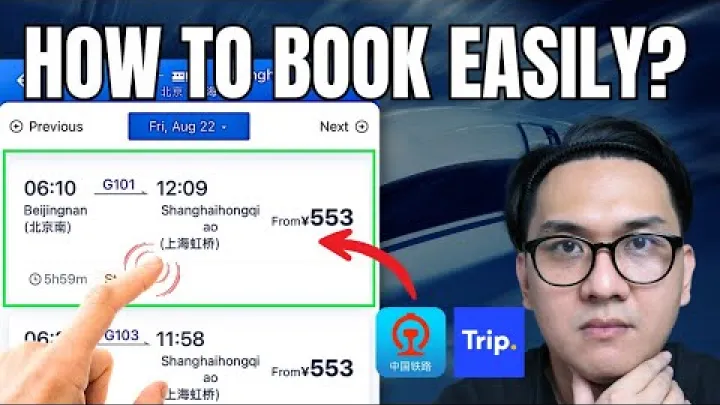
Third-party booking platforms can be convenient, especially when language or payment options are a concern, but they should not replace checking the final train information. A third party may display a route in a different format, add a service fee, or apply its own handling process. Confirm the actual train, departure station, arrival station, passenger details, seat class, and change conditions before payment.
Use this checklist when reviewing a rail booking:
- Confirm the travel date and local departure time.
- Confirm the exact departure and arrival station names.
- Enter the passenger name and document number exactly as required.
- Check whether the selected service is high-speed rail or conventional rail.
- Review the seat class, baggage arrangements, and number of passengers.
- Read the current conditions for changes, refunds, and collection or boarding procedures.
Do not hard-code an old booking window or service-hour rule into your itinerary. Railway policies and online services can change, and availability may depend on the travel date, route, and passenger identity. Keep the booking result accessible offline in case your phone connection is weak at the station.
Best Regional Train Corridors into Shanghai
Suzhou, Hangzhou, and Nanjing are useful examples of East China origins where rail should be compared early. High-speed services on these corridors can be attractive because they avoid airport access and allow you to begin or end the journey at a major city station. The best service still depends on the departure station, Shanghai arrival station, departure time, and ticket class shown for your selected date.
For Suzhou, compare the available Shanghai-bound trains with the location of your hotel and the time needed to reach the departure station. For Hangzhou, rail may offer a straightforward alternative to a domestic flight when the complete airport process would add time. For Nanjing, compare high-speed services with conventional trains and coaches if your schedule is flexible or your preferred rail service is sold out.
These are typical corridors, not fixed schedules. Not every train uses the same station, stops at the same places, or has the same fare. If a suitable rail ticket is unavailable, compare a coach or flight using the same door-to-door method. A route with a longer in-vehicle time may still be practical if its stations are easier to reach and its departure time fits your plans.
Using Long-Distance Buses and Coaches
Coaches can connect Shanghai with cities and towns that are not as convenient by rail. They can also provide a direct onward option for some travelers landing at Pudong. Their main advantage is route coverage or directness, while their main disadvantage is that road travel is more sensitive to traffic and operator-specific arrangements.
Shanghai's Coach Terminals and Airport Intercity Buses
Shanghai has several coach facilities, including the General Long-Distance Bus Station, Shanghai South Long-Distance Bus Station, Hongqiao Bus Terminal, and the long-distance bus station at Pudong Airport. These are separate locations with different route patterns. A ticket that says Shanghai does not tell you which terminal will be used, so read the operator and boarding information carefully.
The Pudong Airport long-distance bus station is useful for selected intercity journeys that continue from the airport toward another city rather than entering central Shanghai first. A local transport guide describes it as being between Terminal 1 and Terminal 2 on the second floor near North Wuzhou Path; airport signs and the operator's current instructions should take priority if the layout or access route has changed. The TravelChinaGuide overview can help explain the distinction between airport coaches and central Shanghai bus terminals.
Separate two different questions when searching: where a coach arrives in Shanghai, and whether a coach can take you from Pudong Airport onward to another city. Route availability, ticket counters, payment methods, fares, and departure times vary by operator and date. A coach terminal listed in an old travel post may not be the terminal printed on your current booking.
When a Coach Is Better Than Rail or Air
A coach may be the practical choice when your origin has limited rail service, the rail ticket is unavailable, or the destination is close to a particular road terminal. It can also help if you have just landed at Pudong and find a direct intercity departure that avoids traveling into central Shanghai before continuing elsewhere.
The trade-off is less predictable road time. Congestion, weather, road controls, boarding procedures, and intermediate stops can affect the journey. Some routes have frequent departures, while others have only a small number of services or use a booking process that is less familiar to international travelers.
Use a road-delay buffer for any important connection. Before relying on a coach, confirm the exact terminal or curbside boarding point, the required boarding time, baggage rules, payment method, and arrival stop. On the travel day, follow the operator's instructions rather than going only to a familiar bus station name. A direct coach is most useful when its convenience remains worthwhile after this extra uncertainty is included.
Arriving by Cruise or Ferry
Water-based arrival has two very different forms in Shanghai. Cruise access is part of a planned ship itinerary, while local ferries are urban transport used after you are already in the metropolitan area. Neither should be treated like a universal replacement for a flight or train.
Cruise Terminals and Port Confirmation
Reported Shanghai cruise gateways include Wusongkou Cruise Terminal, Waigaoqiao International Cruise Terminal, and Shanghai International Cruise Terminal. These names refer to different port areas, and the correct one depends on the individual sailing, ship, and travel documents.
Cruise passengers should use the cruise line's final documents for the exact terminal, embarkation time, baggage instructions, check-in requirements, and recommended ground transfer. Do not select a hotel or airport connection based only on a general map of Shanghai's ports. A terminal can be outside the central sightseeing area, and the distance to the airport or railway station can make a same-day connection more complicated than expected.
Cruise travel is a good fit when Shanghai is one stop in a booked itinerary or when you have deliberately planned a cruise departure from the city. It is not a flexible arrival mode for a traveler who needs several alternative departure times or who may change plans after landing.
Why Urban Ferries Do Not Replace Intercity Arrival
Shanghai's Huangpu River ferries are local transport links and can provide a useful crossing or a different way to move within the city. They are not normal long-distance routes into Shanghai from another region.
Do not confuse an urban ferry crossing with a regional passenger ferry, an international ferry, or a cruise arrival. If you are searching for a way to reach Shanghai from another city or country, concentrate first on current air, rail, coach, or cruise services. After reaching the metropolitan area, a local ferry may be a connection or sightseeing option if the route and operating information suit your destination.
Reach Central Shanghai After Arrival
Arriving in Shanghai is only the first part of the trip. Pudong, Hongqiao, the three main railway stations, coach terminals, and cruise ports are in different locations, so choose the final connection according to your hotel district, luggage, arrival time, and comfort with transfers.
From Pudong and Hongqiao Airports to Central Shanghai
From the airports, compare conventional metro, airport rail, and a licensed taxi or authorized ride service. Metro and rail options are usually attractive when price matters and you can manage luggage through stations. A taxi is more direct and may be easier after a long international flight, with heavy bags, or when the hotel is not close to a practical rail station.
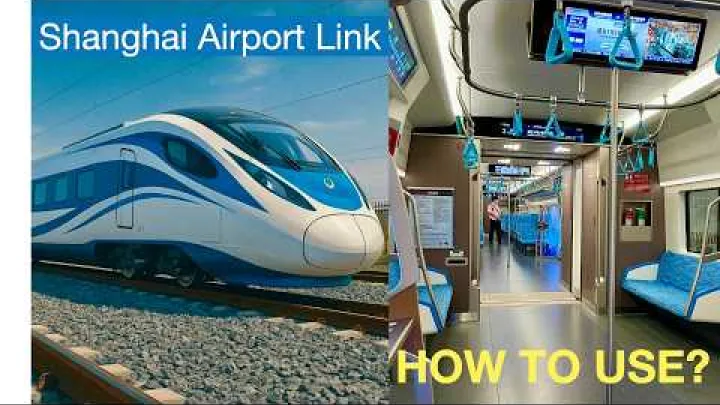
Metro Line 2 is part of the conventional airport-to-city network. The Shanghai Maglev is a fast airport rail option for the section it serves, but it is not a door-to-door route to every central neighborhood. The Airport Link Line has a different role and can be useful for connections between the airport areas and the wider rail network, subject to its current service pattern. These options may still require a metro change or a walk to the hotel.
A government overview of Shanghai transport describes the city's combination of metro, Maglev, buses, and ferries; the Shanghai Government transport guide is a useful starting point for understanding the available modes. For a specific arrival, use the airport district, hotel address, luggage, and operating hours to choose the final option rather than selecting the fastest vehicle in isolation.
From Railway and Coach Stations to Your Accommodation
The best final transfer depends on the arrival station or coach terminal and the district of your accommodation. A metro route may be economical and predictable, but a large station can involve long walks, stairs, transfers, and crowded platforms. A licensed taxi is often simpler with large bags, but traffic and the destination address affect both cost and arrival time.
Save your accommodation address in both Chinese and English. Include the hotel name, street address, district, and a local telephone number if available. Before leaving Hongqiao Railway Station, Shanghai Railway Station, Shanghai South Railway Station, the General Long-Distance Bus Station, Shanghai South Long-Distance Bus Station, or Hongqiao Bus Terminal, confirm the correct exit and the direction of the next connection.
If you use a map application, compare the walking route from the station exit rather than only the total route from the station name. Large transport facilities may have several entrances and exits, and the shortest route on a map may not be convenient with luggage. Late-night travelers should compare the metro's availability with a direct licensed taxi before leaving the terminal.
Late-Night Arrivals and Inter-Gateway Transfers
Metro Line 2, the Airport Link Line, the Shanghai Maglev, and other rail connections operate within service windows that may not cover every late flight or tightly timed transfer. The last practical connection can also be earlier than the final scheduled train if you need to collect baggage, clear immigration, find a station entrance, or walk through a large terminal.
For a late arrival, confirm that the route will still be operating and that your hotel accepts check-in at your landing time. If rail service may have ended, arrange a licensed taxi or hotel pickup through an authorized channel before departure. Keep the accommodation address and booking details available offline so that you can show them without depending on a data connection.
Do not assume that an international arrival at Pudong can connect seamlessly to a separate domestic flight or train at Hongqiao. Separate tickets mean that you carry the risk of immigration, baggage collection, airport transfer, terminal access, and delays. Use a conservative buffer, and treat an overnight stay or a flexible ticket as part of the cost when the connection is important.
Verify the Journey and Avoid Common Arrival Problems
Transport information can change at the level of a route, station, terminal, fare, service window, or boarding procedure. A reliable Shanghai arrival plan therefore includes both a primary route and a simple fallback. The following checks help prevent avoidable problems without requiring you to compare every transport mode repeatedly.
Check Schedules, Terminals, and Service Status Before Departure
Use a single verification checklist for the whole journey. Confirm the flight number, airport, terminal, arrival time, and current status with the airline or airport. For rail, confirm the train number, departure station, arrival station, passenger identity details, and current change or refund rules through China Railway 12306. For a coach, confirm the operator, route, terminal, boarding point, departure time, and arrival stop. For a cruise, use the final cruise-line documents rather than a general port listing.
Also confirm the final Shanghai connection. Check whether the airport rail, metro, Maglev, Airport Link Line, taxi booking, or hotel pickup will be available when you arrive. Route counts, fares, terminal layouts, airport bus services, and operating hours can change, so an undated blog or an old booking screenshot should not be treated as a live timetable.
Save booking confirmations, station and terminal names, operator contacts, hotel details, and disruption information where they can be accessed offline. Take a screenshot of the exact Chinese place name if your booking interface provides one. Recheck the plan close to departure and again after any flight, train, or coach disruption.
Avoid Common Traveler Traps and Unlicensed Rides
Several arrival mistakes are easy to prevent. Travelers may confuse Pudong and Hongqiao, mistake Hongqiao Airport for Hongqiao Railway Station, select the wrong Shanghai railway station, or follow an unofficial ticket intermediary instead of the details on the booking. A familiar-sounding terminal name is not enough; match the name and location to the actual ticket.
For road transfers, go to the marked taxi rank or use an authorized booking channel. Decline unsolicited transport offers inside or outside an airport, station, port, or coach terminal. Before the ride begins, confirm the destination, the booking details, and how the price will be calculated. If an offer depends on pressure, an unexplained extra fee, or a request to leave the official pickup area, use the marked service instead.
Create a Fallback for Missed Connections
Independent flight, rail, and coach tickets do not automatically create a protected connection. Leave time for immigration, baggage collection, airport or station access, security, traffic, and boarding. A connection that works perfectly on a timetable may fail when the first vehicle is late or when you arrive at the wrong terminal.
Know the change, refund, and rebooking conditions for each ticket before you travel. Rules differ between airlines, China Railway services, coach operators, cruise lines, and booking platforms. Do not assume that a missed departure guarantees a refund, replacement transport, or a free change.
A simple fallback plan should include an alternative departure, the hotel address and contact details, and a decision point for spending more on a direct or flexible option. If the first connection is missed, identify whether it is better to change the ticket, stay near the airport or station, take a later coach or train, or travel directly to the hotel. Keeping these options in mind is often more valuable than choosing the lowest initial fare.
Final Recommendations for Getting to Shanghai
For most international and distant domestic journeys, compare direct flights into Pudong and Hongqiao, then calculate the complete airport-to-hotel trip. For Suzhou, Hangzhou, Nanjing, and other East China origins, check high-speed rail before assuming that flying is faster. Use conventional rail when price or an overnight schedule matters, and consider a coach when it provides better route coverage or a direct airport connection.
Whichever mode you choose, record the exact gateway: airport and terminal, railway station, coach terminal, or cruise port. Plan the final transfer separately, especially when arriving late, carrying large luggage, or changing between Pudong and Hongqiao. A route with a clear station, flexible conditions, and a realistic buffer is often the best way to get to Shanghai, even when it is not the cheapest ticket on the screen.
Select area
Create a post
Posting is free and no registration is required.