Best Time to Visit Suzhou: Weather, Seasons & Monthly Guide
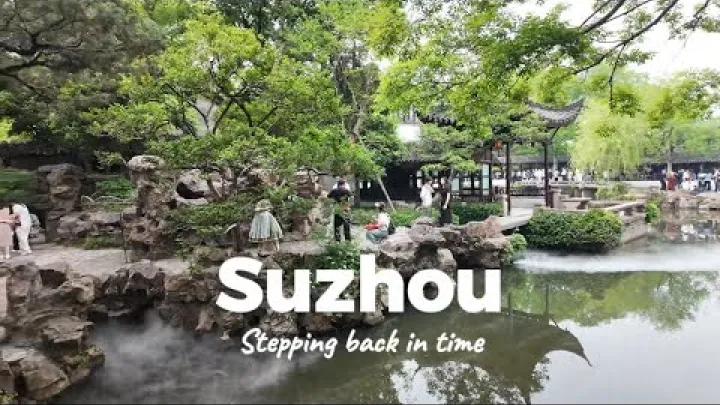
The best time to visit Suzhou depends on how you balance comfortable walking weather, seasonal scenery, rain, crowds, and accommodation prices. For most travelers, April, May, September, and October offer the strongest overall conditions for gardens, canals, and water towns. This guide explains Suzhou weather by month, the plum-rain period, summer heat, winter conditions, holiday pressure, and the best season for different types of trips.
Quick Answer: When to Visit Suzhou
Suzhou is a year-round cultural destination, but spring and autumn usually provide the easiest conditions for a sightseeing-focused city stay. The city has famous classical gardens, canal neighborhoods, historic buildings, and nearby water towns, so the most useful travel weather is weather that allows several hours of walking without excessive heat or persistent rain.
Best Overall: April, May, September, and October
April to May and September to October are the best overall months to visit Suzhou for most people. These periods generally offer a better balance of outdoor comfort and seasonal scenery than the hottest summer months or the dampest part of winter. April and May bring fresh greenery and spring color to places such as the Humble Administrator's Garden and Lingering Garden. September and October usually feel more comfortable for long walks, canal-side views, and day trips to nearby water towns as summer conditions begin to ease.
The two main travel windows have different strengths. Spring is a good choice if gardens, new foliage, and a softer landscape are central to your itinerary. Early and mid-autumn can be better for travelers who prefer cooler walking conditions and less oppressive humidity. May and October may also bring stronger demand, especially around weekends and public holidays, so the month with the most comfortable weather is not automatically the cheapest or quietest choice. Broad tourism guidance also identifies spring as a generally favorable season; CITS describes March to May as warm and pleasant while warning that summer becomes very hot.
Best Shoulder and Budget Windows
March and November are useful compromise months. March marks the move from winter toward spring, so outdoor visits become more manageable while showers and cooler periods remain possible. November brings a cooler late-autumn atmosphere and can suit travelers who prefer a slower pace, shorter walking days, and less emphasis on peak seasonal color. Neither month guarantees empty attractions or low prices, but both can provide a practical balance between comfort and demand.
February may appeal to budget-focused travelers because the available hotel snapshot identifies it as a low-price month. The trade-off is a cooler, damp winter feel, subdued vegetation, and less reason to plan every day around outdoor garden visits. Lower accommodation costs should therefore be treated as a value opportunity rather than proof that February has the best travel climate. If you choose it, give more space to museums, historic interiors, tea houses, and flexible indoor stops.
Months to Approach with More Caution
June and early July are the period to approach carefully if you dislike repeated rain, cloud cover, or high humidity. This is the plum-rain period, when outdoor plans may be interrupted by wet conditions even though temperatures are becoming warmer. July and August bring the strongest combination of heat and humidity, and long midday walks can become tiring. Late summer and early autumn can also experience occasional storm disruption, while the deepest winter is often cold and damp rather than ideal for long outdoor days.
These are not absolute no-go months. Summer can work for travelers who enjoy evening activity, tolerate heat, or prefer an itinerary built around indoor culture. Winter can also suit visitors seeking a quieter atmosphere and lower seasonal demand. The important question is whether you can change the order of activities, shorten outdoor visits, and accept less predictable comfort.
Suzhou Climate and Rainfall Patterns
Suzhou's climate explains why spring and autumn are so popular for sightseeing. The city has four distinct seasons, abundant rainfall, warm or hot humid summers, and cooler damp winters. Seasonal patterns are useful for choosing travel dates, but they describe typical conditions rather than the exact weather during a particular trip.
Four Seasons and the Monsoon Climate
The Suzhou Municipal Government describes the city as having a subtropical monsoon oceanic climate with four distinct seasons, a mild climate, and plentiful rainfall. In practical terms, spring and autumn are transition seasons, summer is warm to hot and humid, and winter is cooler with damp conditions that can make outdoor sightseeing feel colder than the air temperature alone suggests.
The same municipal information reports a 2024 urban average temperature of 18.3°C and precipitation of 1,583.9 millimeters. Those are one-year figures, not a promise for every year and not a replacement for long-term monthly climate normals. They are useful as recent official context for a city that is generally mild but receives substantial rain across the year.
Plum Rain, Summer Storms, and Typhoon Influences
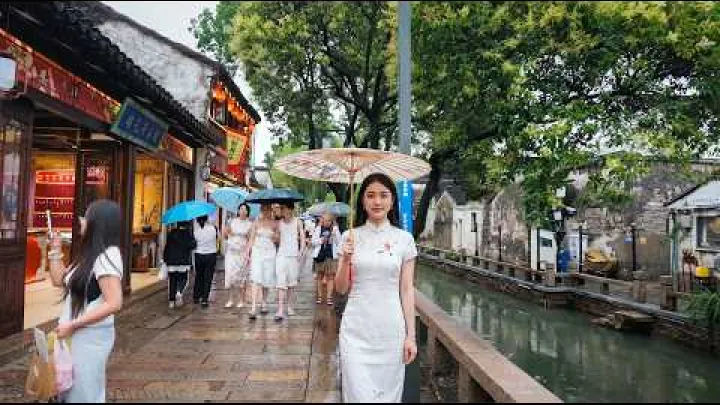
Suzhou's early-summer plum-rain pattern is one of the most important weather factors for visitors. It commonly affects June and may extend into early July, but the start, intensity, and end can vary from year to year. Expect periods of repeated rain, heavy humidity, cloudier skies, and wet paths. A flexible schedule is more useful in this period than an itinerary that assigns every day to gardens or water-town excursions.
Plum rain is different from the occasional influence of tropical cyclones. A storm affecting East China can bring stronger winds, very heavy rain, temporary disruption, and less comfortable conditions around exposed parks, canals, and waterfront areas. Research published by AGU Publications reports a delayed typhoon season in China over the period from 1979 to 2023, but this broad regional finding does not create a fixed or predictable typhoon peak for Suzhou. Follow official severe-weather alerts and postpone affected park, canal, and other exposed outdoor activities when authorities advise caution.
Climate Averages versus Live Forecasts
Climate averages answer the question of when conditions are usually more comfortable. They help you choose between April and October, understand why June is wetter, or decide whether winter indoor activities fit your plans. A live forecast is needed for the exact travel dates and for decisions about heavy rain, heat, daily scheduling, possible closures, and whether outdoor paths or boat activities will be comfortable.
The month-by-month descriptions below use broad climate-normal tendencies rather than precise daily predictions. The available Climate-Data.org information shows a mild, generally warm and temperate climate with significant rainfall even in the relatively drier months. Monsoon timing, heat waves, cold snaps, and individual rainy days can still differ from the long-term pattern.
A Month-by-Month Guide to Suzhou
Use this overview to match the season to your travel style. The descriptions are broad typical tendencies for planning, not a forecast for a particular year.
| Month | Typical feel | Best planning approach |
|---|---|---|
| January | Cold and damp | Indoor culture and shorter walks |
| February | Cool, damp, slowly warming | Value travel with layers |
| March | Milder with possible showers | Shoulder-season gardens and walks |
| April | Mild and comfortable | Full-day garden visits |
| May | Warm, green, and sometimes wet | Outdoor sightseeing with rain flexibility |
| June | Hotter, humid, and plum-rain affected | Mix outdoor and indoor activities |
| July | Very hot, humid, and rainy | Early or late outdoor visits |
| August | Hot with storm variability | Flexible days and indoor breaks |
| September | Warm, gradually more manageable | Outdoor plans timed around conditions |
| October | Comfortable autumn conditions | Gardens and water towns, avoiding holiday peaks |
| November | Cooler and often suitable for walking | Quieter late-autumn sightseeing |
| December | Cold and damp | Indoor culture with warm layers |
January to March: Winter to Early Spring
January is usually the coldest and dampest part of the year in Suzhou. The city can feel quiet, and the weather often favors museums, historic interiors, tea houses, and shorter visits to outdoor sites rather than long days on foot. Garden architecture remains interesting in winter, but visitors should not expect the same fresh growth or floral emphasis found later in spring.
February brings gradual warming but can still feel cool and humid. It may be attractive to travelers watching accommodation costs, yet layers and rain protection remain important. March is the clearest transition month: walking becomes easier, early spring vegetation starts to change the appearance of gardens, and outdoor plans become more appealing. Showers are still possible, so March works best when you want shoulder-season value and can accept conditions that are less settled than in April.
April to June: Spring to Plum Rain
April is one of the strongest months for full-day visits to the Humble Administrator's Garden, Lingering Garden, and other outdoor landmarks. Conditions are generally mild enough for extended walking, while spring greenery adds interest to ponds, rockeries, paths, and traditional buildings. It is a good month for garden photography and for combining several central attractions in one day without organizing the itinerary around heat avoidance.
May continues the warm, lush spring atmosphere, but demand and accommodation prices may rise. Late-spring rain can also become more noticeable, so carry compact rain protection and avoid making every important activity dependent on dry weather. June marks a clear shift toward hotter, more humid conditions and the beginning of the plum-rain pattern. Gardens and canals remain worthwhile, but a plan with indoor alternatives is more reliable than a fixed sequence of outdoor visits.
July to September: Peak Heat to Early Autumn
July combines peak summer heat, high humidity, and frequent rain. Long midday walks through gardens or water towns may feel demanding, especially when there is little shade or when wet surfaces slow the pace. Heat-tolerant travelers can improve comfort by visiting outdoor sites early, taking a long indoor break during the hottest part of the day, and returning outside later.
August remains hot, and storm-related variability can continue even though its rainfall pattern is not identical to the plum-rain period. September begins the move toward more manageable temperatures and lower humidity, but it should not be treated as uniformly dry or cool. It can be a strong month for outdoor sightseeing when you value the transition into autumn, provided your daily schedule leaves room to adjust the timing of walks and indoor visits.
October to December: Autumn to Winter
October is a leading month for classical gardens, canals, and nearby water towns because autumn conditions are generally comfortable for walking. Early October is a special case: the National Day holiday period can create much stronger demand than the rest of the month. If you can travel later in October or on ordinary weekdays, you may retain much of the seasonal comfort with a calmer pace.
November is cooler but can still support outdoor sightseeing with light or medium layers, and it may offer a useful balance between comfort and value. December returns to a colder, damper pattern. It suits visitors who prefer a quieter winter atmosphere and do not mind shorter outdoor visits, especially if they combine gardens with museums, tea houses, and historic interiors.
Choosing a Season by Travel Purpose
The best season to visit Suzhou changes when the purpose of the trip changes. A traveler focused on gardens needs different conditions from someone who mainly wants museums, food, architecture, or a lower hotel rate.
Gardens and Walking
Choose April, May, September, or October if your priority is spending full days in classical gardens and walking between scenic areas. The Humble Administrator's Garden and Lingering Garden are especially rewarding when temperatures allow a slow pace and when rain does not dominate the day. Spring emphasizes fresh greenery and seasonal garden color, while autumn generally offers a more comfortable walking atmosphere after summer.
March and November are useful alternatives if you care more about manageable walking than peak floral or autumn conditions. Wear shoes with good traction in every season. Garden paths can include wet stone, steps, and uneven surfaces, so comfortable footwear is more important than dressing only for photographs. A compact umbrella or rain layer is also practical during the transition seasons.
Canals and Nearby Water Towns
Spring and autumn are generally the easiest periods for combining the Grand Canal with waterfront neighborhoods and nearby towns such as Zhouzhuang and Tongli. Moderate conditions make it more pleasant to view traditional architecture, walk beside the water, and spend time outdoors without rushing between shaded or air-conditioned spaces. These seasons are particularly useful on a short itinerary when a lost outdoor day would remove a large part of the planned experience.

Summer rain can add lushness to the waterways, but it can also reduce comfort, obscure views, and affect boat-based plans. Strong wind or persistent heavy rain may change what is practical near open water. During prolonged or heavy rain, confirm the same-day status of canal boats and water-town activities locally before setting out rather than assuming every service operates normally.
Culture and Indoor Attractions
Winter and the hottest or wettest summer days can still work well for a culture-centered trip. Museums, silk-related cultural experiences, historic interiors, tea houses, and shorter garden visits allow you to experience Suzhou without requiring long periods outdoors. An indoor-focused itinerary changes the definition of the best time: lower prices, quieter neighborhoods, or personal schedule may matter more than ideal garden weather.
Plan outdoor stops for the most comfortable part of the day and use indoor attractions to create breaks from heat, humidity, or rain. Because opening hours and temporary access arrangements can differ by venue, check current details for each attraction separately when building the itinerary. This is especially important when a winter or bad-weather plan depends on a small number of indoor sites.
Budget and Quieter Travel
February and November are possible choices for value-oriented or quieter travel. February is the more winter-like option, with cooler damp conditions and less emphasis on spring scenery. November is cooler late autumn and may be more comfortable for walking, while still avoiding the strongest spring and October holiday demand in many travel patterns.
Lower-demand dates can make a visit to gardens, museums, and canal neighborhoods feel slower, but quietness is never guaranteed for every weekend, district, or holiday. Choose February when price and a subdued atmosphere matter most. Choose November when you want a better outdoor balance and are comfortable exchanging peak seasonal scenery for cooler conditions.
Crowds, Prices, and Holiday Timing
Weather quality and travel value do not always point to the same dates. Spring and autumn may be the most comfortable seasons, but demand can increase when the weather and scenery are at their most attractive.
How Prices Change by Season
A supplied KAYAK snapshot reports February as the cheapest month for Suzhou hotels, with an average rate of $73 per night, and May as the most expensive, with an average of $178 per night. These figures are useful as directional evidence that winter and peak spring demand can differ, but they are not current quotes for every property.
Hotel category, exact dates, weekends, public holidays, local events, and booking lead time can change the result. Compare accommodation prices for your intended dates rather than relying on a monthly average. If you plan to travel during a high-demand spring or autumn period, booking earlier can provide more choice, while February and November may offer more flexibility for travelers whose dates are not fixed.
Crowds, Weekends, and National Holidays
Popular spring weekends can make the best garden areas and water towns feel much busier than ordinary weekdays. The main autumn timing issue is early October, when National Day and the associated Golden Week holiday can bring substantial domestic travel demand. This means October can be excellent for weather but less suitable for travelers seeking quiet paths, easy photography, or a relaxed schedule during the holiday itself.

When possible, travel outside major national holidays, choose weekdays, and visit the most popular gardens or water towns early in the day. Treat seasonal demand and holiday pressure as separate from climate quality. A weekday in a shoulder month may be a better overall experience than a holiday visit during the most recommended season.
Practical Planning for a Weather-Smart Stay
A small amount of preparation makes Suzhou easier to enjoy in both good and changing weather. Pack for walking, damp surfaces, and temperature changes between outdoor areas and indoor venues, then leave enough space in the itinerary to change the order of activities.
What to Wear and Carry
In spring and autumn, use adaptable layers rather than one heavy garment. Comfortable walking shoes with traction are useful for gardens, bridges, steps, and wet stone paths. Carry compact rain protection because a mild day can still include a shower, particularly during seasonal transitions.
Summer calls for breathable clothing, sun protection, and a compact umbrella or light rain layer. Plan for heat and humidity rather than relying on a forecast that looks dry in the morning. A water bottle and opportunities for indoor or shaded breaks can make long sightseeing days more manageable.
For winter, bring warm layers, wind protection, and footwear that remains comfortable in cold damp conditions. Indoor heating comfort can vary, so layers are more adaptable than a single very heavy item. In every season, choose footwear first for walking and wet surfaces, then adjust the rest of the clothing to the expected conditions.
How to Build a Flexible Itinerary
Use climate averages to select the travel month, then use the official short-range forecast for the exact days. A practical structure is to assign gardens, canal walks, and water towns to the best available outdoor window, while keeping museums, tea houses, historic interiors, or other indoor stops ready for heat or persistent rain.
Review the forecast shortly before departure and each morning, and adjust outdoor plans to the actual conditions. Heavy rain, strong wind, and local advisories can affect comfort or access, so avoid making the itinerary depend on one fixed boat trip or one long outdoor day. The goal is not to eliminate weather risk; it is to make sure a change in conditions does not eliminate the whole Suzhou experience.
Final Recommendation
For the best combination of weather and sightseeing, plan to visit Suzhou in April, May, September, or October. Choose April or May for spring greenery and garden atmosphere, and choose September or October for a more comfortable autumn walking experience. If you want better value or a quieter pace, consider November or February, accepting cooler conditions and less seasonal scenery.
June and early July require flexibility because of plum rain, while July and August are the most challenging months for heat and humidity. Whatever month you choose, match the itinerary to your tolerance for rain and temperature, avoid major holiday pressure when possible, and let the short-range forecast guide the final order of outdoor and indoor activities.
Select area
Create a post
Posting is free and no registration is required.