Shigatse Where to Stay: Best Areas and Hotels
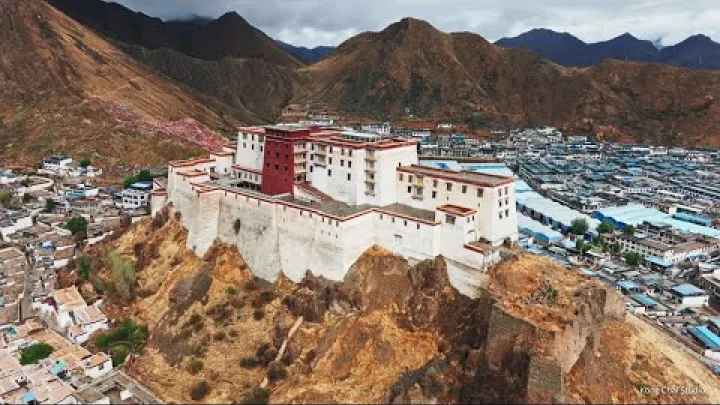
Where to stay in Shigatse depends on more than hotel price. The most practical base for most visitors is central Samzhubze District, close to Tashilhunpo Monastery, restaurants, shops, and city services. This guide compares central streets with the railway station and Shigatse Peace Airport, then explains how to choose hotels, guesthouses, and higher-comfort accommodation for sightseeing, acclimatization, and onward travel toward Everest or other remote destinations.
The Best Area to Stay in Shigatse at a Glance
Shigatse is easier to plan when you choose a useful base first and a specific hotel second. The central area offers the best balance for most itineraries, while the railway station and airport are mainly useful when transport timing is more important than sightseeing access.
The Default Base for First-Time Visitors
For a first visit, stay in central Samzhubze District, especially in the wider area around Shanghai Middle Road, Zhufeng Road, Tashilhunpo Monastery, and Xigezi Pedestrian Street. This is the best area to stay in Shigatse for most travelers because it combines access to the city’s main sightseeing anchor with restaurants, shops, taxis, everyday services, and a broad choice of accommodation.

This recommendation is about location, not a permanent ranking of individual hotels. Hotel names, room standards, prices, availability, and international booking arrangements can change. Use current listings or the authorized travel agency handling your itinerary to select the exact property.
| Trip priority | Best base | Main benefit | Main trade-off |
|---|---|---|---|
| Sightseeing | Near Tashilhunpo Monastery or Xigezi | Convenient access to major sights and evening services | More activity and possible street noise |
| Budget | Central side streets | More simple hotels and guesthouses to compare | Facilities may be less predictable |
| Comfort and rest | Central full-service hotels | More choice of private rooms, dining, and facilities | Often a higher cost than basic lodging |
| Rail arrival | Central hotel with a planned transfer | Better access to food, services, and sights after arrival | Requires a transfer from the station |
| Remote onward route | Central hotel near the agency pickup route | Flexible base if the itinerary changes | Early departures require careful transfer planning |
Choose Your Base by Trip Purpose
Your ideal Shigatse accommodation depends on what happens before and after your stay. A first-time sightseer usually benefits from walking access to Tashilhunpo Monastery and central dining. A traveler resting before a demanding route may prefer a quieter room, dependable heating, hot water, breakfast, and a simple vehicle pickup. A budget traveler may accept a shared bathroom or fewer services in exchange for a central address.
| Traveler priority | Preferred base | Why it works | Trade-off |
|---|---|---|---|
| First-time visitor | Monastery and central pedestrian area | Easy access to sightseeing, meals, and shops | Busier frontage can be less quiet |
| Acclimatization and rest | Quiet central hotel | Shorter trips for meals and city services | A quieter room may not be on the most active street |
| Budget stay | Simple central guesthouse or hostel | Lower-cost options and useful location | Heating, hot water, and reception may be basic |
| Business or work trip | Central full-service hotel | More predictable work, dining, and transport facilities | Higher rates and less local character may be possible |
| Rail or air itinerary | Central base with arranged transfer | Better flexibility than staying beside a transport node | Transfer time must be built into the plan |
International visitors should also consider how their guide, tour operator, hotel, and local transport arrangements work together. A hotel that communicates clearly with the agency and is easy for the planned vehicle to reach may be more useful than a property that looks close to a bus route on a map. Current access arrangements should be treated separately from stable location advice.
Central Samzhubze: The Most Practical Base
Central Samzhubze is the strongest all-purpose base because it puts daily needs, sightseeing, and arranged transport within a manageable urban area. The exact street and room position still matter, particularly when you are adjusting to altitude or preparing for a long road journey.
Shanghai Middle Road and Zhufeng Road
Shanghai Middle Road and Zhufeng Road are useful starting points when comparing Shigatse hotels. Listings around these roads can place you close to commercial services, restaurants, taxi access, and the central part of the city without requiring you to stay directly on the busiest pedestrian frontage.
For many travelers, this is a practical compromise. You can reach central shops and meals without making the hotel itself part of the evening crowds. The roads may also be easier for an arranged vehicle to approach than a narrow pedestrian entrance, although this depends on the exact building and traffic conditions.
Do not rely only on a hotel name that includes downtown, monastery, or city center. Check the map position, the entrance used by vehicles, and whether the room faces the main road, a side street, or an internal courtyard. A short listed distance can feel different depending on slopes, stairs, luggage, weather, and how you feel after arrival.
Tashilhunpo Monastery and Xigezi Pedestrian Street
Choose the area around Tashilhunpo Monastery and Xigezi Pedestrian Street if your main purpose is sightseeing and local atmosphere. Tashilhunpo Monastery is the city’s clearest geographic anchor, and Kupi describes it as within walking distance of central city areas. This makes the surrounding zone attractive for visitors who want a short outing rather than a separate vehicle trip for every visit.
Xigezi Pedestrian Street can be convenient for restaurants, shops, and an active evening setting. It may suit travelers who want to step outside and experience central Shigatse quickly. However, a property on or beside a pedestrian street can have more noise, more foot traffic, and limited vehicle access. A hotel described as near the monastery may also be several blocks from the actual entrance.
Before choosing this zone, ask for the exact monastery entrance, the hotel entrance, and the place where an agency vehicle can stop. Also ask whether the room faces the pedestrian street or a quieter side. This distinction is more useful than assuming every property in the monastery area offers the same experience.
Central Area Trade-Offs
The central area is the default base for most visitors, but it is not automatically the best choice for every schedule. Its main strengths are walkability, restaurant access, taxi availability, city services, and a larger choice of room categories. Its possible disadvantages are street activity, higher rates for more comfortable properties, and the physical effort of walking even short distances while adjusting to a high-altitude environment.
- Walkability: Staying near the monastery or central streets can reduce the need for short vehicle journeys.
- Restaurants and shops: Central accommodation gives you more options when you need a simple meal, water, or basic supplies.
- Noise: Main-road and pedestrian-street rooms can be busier than rooms facing a side street or courtyard.
- Transport: A central address is usually a flexible base, but the agency pickup point may not be at the hotel door.
- Rest: A quiet room, lift access, and an easy bathroom arrangement can matter more than a small difference in map distance.
Useful questions include: Does the hotel have street-facing windows? Is there a lift? Are there stairs between the entrance and the room? Can a vehicle stop nearby? Is the room far from a restaurant, lobby, or pedestrian frontage? These details help distinguish a convenient central base from a central address that is difficult to use.
Accommodation Types and Budget Choices
Shigatse accommodation ranges from simple guesthouses to full-service hotels. Evidence for conventional hotels is generally easier to compare than evidence for resorts or serviced apartments, so treat those labels as descriptions to investigate rather than guarantees of local facilities.
Budget Hostels and Simple Guesthouses
Hostels and simple guesthouses can work well for cost-conscious travelers, solo visitors, and short transit stays. They may also be suitable when most of the day is spent with a tour group and the room is mainly a place to sleep. The value of a budget property comes from its combination of location and usable basics, not from the lowest displayed rate alone.
Facilities can vary. A low-cost room may have a shared bathroom, limited hot water, basic heating, no lift, restricted reception hours, or little space for large luggage. Bedding, breakfast, luggage storage, and vehicle access may also be more limited than in a mid-range hotel.
- Bathroom: Confirm whether it is private, shared, inside the room, or on another floor.
- Heating: Ask how the room is heated and whether heating operates throughout the planned stay.
- Hot water: Confirm whether hot water is continuous or available only at certain times.
- Arrival: Check reception hours and how late arrivals are handled.
- Luggage: Ask whether bags can be stored before check-in or between an overnight stay and an onward trip.
- Meals: Confirm whether breakfast is included, available early, or not offered.
- Booking process: Ask the property or agency to confirm that the reservation and arrival arrangements can be processed for your itinerary.
There is no reliable fixed budget range that applies to every date. Prices change with occupancy, season, room type, taxes, and booking channel. Compare the total conditions of the room rather than choosing from a headline rate that does not show the bathroom, heating, or cancellation terms.
Mid-Range and Tibetan-Style Hotels
Mid-range hotels are often the most balanced choice for first-time visitors, couples, families, and travelers continuing into remote areas. They can provide a private bathroom, more dependable heating and hot water, breakfast, luggage storage, and a more convenient setting for an organized tour without the cost of the most premium properties.
Local or Tibetan-style design can add character, but design should not replace practical checks. Look for an en-suite bathroom, comfortable bedding, room heating, hot water, breakfast timing, lift access, and a vehicle approach. These features should be confirmed for the selected property and room type because they are not automatic features of every hotel in the category.
Names such as Shigatse Hotel and Shigatse Yak Hotel may appear in accommodation recommendations, but a familiar name does not establish current availability, renovation status, room quality, or international booking arrangements. Treat such names as examples to investigate through a current listing or the tour operator, not as permanent rankings.
This category is especially useful when you need a comfortable city base before an early road departure. It gives you a private place to rest while preserving access to the monastery, restaurants, and central services. If a tour operator selects the hotel, ask what room category is included and whether a quieter room, early breakfast, or luggage storage can be arranged.
Branded and Higher-Comfort Hotels
Branded and higher-comfort hotels suit travelers who value predictable service, larger facilities, business amenities, on-site dining, or additional rest during acclimatization. They can be useful for business travelers, families, and visitors who prefer a familiar service model after a long journey. They are not automatically necessary for a short sightseeing stay if a well-located mid-range hotel meets the practical requirements.
A current Booking.com city listing can help compare current inventory, review information, and date-sensitive price examples. Any displayed price is a snapshot for the selected dates, occupancy, room type, taxes, currency, and cancellation terms. It should not be treated as a permanent price band for Shigatse.
Properties such as Hilton Shigatse can be considered when branded facilities are important, while higher-comfort local hotels may offer a different balance of location and character. Compare the hotel’s actual position with your planned sights and pickup route. Also check whether advertised Wi-Fi, parking, restaurants, fitness facilities, breakfast, or other amenities apply to your room and dates.
Oxygen supply, oxygen equipment, room temperature, breakfast quality, and other altitude-related services require direct confirmation. A high star rating or international brand does not by itself prove that a particular altitude-related service is available, included, or suitable for your needs.
Transport, Arrivals, and Onward Routes
Transport nodes are important when planning a Shigatse hotel, but they are not always the best places to stay. For most visitors, central accommodation offers a more useful base after arrival, while a station- or airport-focused booking makes sense only when the schedule or tour pickup requires it.
Shigatse Railway Station Versus the City Center
Shigatse Railway Station is primarily a transport node rather than the main sightseeing and accommodation base. If your itinerary includes the city center and Tashilhunpo Monastery, staying centrally usually gives you better access to meals, services, and a flexible first evening than staying beside the station.
Secondary guidance from China Airline Travel describes taxi and bus No. 8 connections from the railway station toward Tashilhunpo Monastery. It gives an approximate journey of 18 minutes and an approximate taxi fare of RMB20 one way. Treat these details as planning context, not a guaranteed current fare, route, language service, or schedule.
A simple arrival sequence is:
- Send the train number and arrival time to the agency or guide handling your itinerary.
- Ask the agency to confirm the current railway-station pickup point, transfer method, and departure schedule before paying.
- Transfer to the central hotel, check in, and organize luggage and essential items.
- Rest and eat before planning a visit to a nearby sight.
- Visit Tashilhunpo Monastery or another central area only if you feel physically comfortable and the itinerary permits it.
Public transport should not be assumed to be independently available or suitable for every international traveler. Your guide or agency can explain the current practical arrangements. A central hotel with a clear pickup point is usually the better choice unless your train arrives late, leaves very early, or connects directly with a prearranged tour transfer.
Shigatse Peace Airport
Shigatse Peace Airport is outside the central urban area, so an airport arrival does not place you directly beside the main hotel and sightseeing zone. Tibet Travel describes the journey from Shigatse Peace Airport to downtown as roughly one hour. The actual transfer depends on the vehicle, route, traffic, weather, and arrival arrangements.
For most travelers, a central hotel is more useful than an airport-side booking because it provides easier access to food, services, Tashilhunpo Monastery, and the city’s wider accommodation choice. An airport-side property may be practical for a very late arrival, a short overnight connection, or a departure that requires you to remain close to the airport. Its existence in an airport accommodation listing does not prove that it offers the same comfort, dining, transport, or check-in support as a central hotel.
- Confirm who will meet you, where the vehicle will wait, and what happens if the flight is delayed.
- Ask whether the hotel accepts late check-in and whether the room will be held for the arriving passenger.
- Confirm luggage capacity in the vehicle, especially for group travel or equipment for a remote route.
- Check the transfer method and approximate timing for the next departure.
- Read the cancellation and payment terms carefully if flight timing is uncertain.
Using Shigatse Before Everest and Other Remote Routes
Shigatse can be a useful urban stop before an Everest-related journey, a Nepal-border itinerary, or another remote route. It gives travelers a chance to organize luggage, eat a proper meal, communicate with the tour team, and rest in a city hotel before conditions become more basic. The best base is usually one that supports the planned vehicle transfer rather than one chosen only for a scenic name or a small map-distance advantage.
When comparing hotels for an onward route, prioritize early breakfast or food access, reliable heating and hot water, secure luggage or gear storage, a room where you can rest, and a vehicle approach that works with the group’s departure. Ask how early the front desk can provide food or hot drinks if the departure is before normal breakfast hours.
A practical itinerary framework is:
- Arrival day: Transfer to a central hotel, settle in, eat, and keep the evening simple.
- City day: Visit Tashilhunpo Monastery or central streets if the planned schedule and your condition allow it.
- Preparation period: Organize documents, bags, clothing, water, and any equipment required by the operator.
- Departure day: Use a hotel with early access, clear vehicle pickup, and enough time for loading luggage.
City hotels and remote mountain lodgings should not be judged by the same standard. A central Shigatse hotel may have a private bathroom, restaurant, and more reliable services, while accommodation farther along a remote route may be much simpler. Choose the city base for the rest and logistics it can provide, not for an assumption that every part of the journey will have the same facilities.
Altitude and Booking Checks That Matter
At Shigatse’s elevation, practical comfort can matter more than decorative features. A room that is warm, quiet, easy to reach, and supported by a clear meal and transport plan may be a better choice than a more attractive room with uncertain basics.
Heating, Hot Water, Oxygen, and Rest
Before paying, confirm the facilities that support a comfortable rest. Ask how the room is heated, whether heating is available throughout the planned dates, and whether the bathroom remains comfortable at night. Confirm how hot water works and whether there are stated service hours.
- Heating: Ask whether the room has central heating, an in-room system, or another arrangement, and whether guests can report a problem at all hours.
- Hot water: Confirm availability, pressure, and any scheduled service periods.
- Bedding: Ask about bed type, blankets, room size, and whether extra bedding can be requested.
- Breakfast: Confirm the serving time and whether an early meal or takeaway option is possible before a road departure.
- Quiet: Request a room away from the lobby, lift, main road, restaurant, or pedestrian frontage when rest is a priority.
- Oxygen: Ask whether oxygen is available, where it is provided, whether it is included, and what procedure the hotel follows if a guest feels unwell.
Confirm heating, hot water, and any oxygen service directly with the hotel or travel agency before paying. Oxygen or other hotel comfort facilities are not a substitute for medical assessment or a sensible acclimatization plan. If you feel unwell, follow appropriate medical advice rather than relying on a hotel amenity.
Room Location, Noise, and Accessibility
Room position can change the quality of a central Shigatse stay. A room facing Xigezi Pedestrian Street or a main road may be convenient for access but more active at night. A side-street, courtyard, or internal-facing room may be quieter, although it may have a different view or less direct access.
Ask about the floor, lift, stairs, hallway distance, bathroom layout, door width, and space for luggage. Do not infer accessibility from a hotel category, star rating, or photographs. Public information about accessibility may be limited, and the same property can have different room layouts.
A short physical distance does not always mean an easy stay while you are acclimatizing. The number of stairs, distance to the dining area, need to cross a busy street, and ability to reach a vehicle can all matter. Convenience inside the property should be part of your choice, not an afterthought.
Message to send: Please confirm whether the room is on a lower or higher floor, whether a lift is available, which direction the windows face, whether the room is quiet at night, whether the bathroom is private, and where the agency vehicle can stop.
Booking and Arrival Verification
Hotel names and addresses can appear differently on booking platforms, tour itineraries, translated maps, and property pages. Similar English names may refer to different buildings, and a room category may not mean the same thing across booking channels. Resolve these details before payment rather than trying to correct them at arrival.
Obtain written confirmation of the exact property, address, room type, cancellation terms, and international-guest arrangements before arrival. The confirmation should identify the property clearly enough for your driver or guide to find it and should match the hotel name used by the agency.
- Property: Confirm the full name, address, map location, telephone contact, and vehicle entrance.
- Room: Confirm bed arrangement, occupancy, room size if important, floor, window position, and private or shared bathroom.
- Facilities: Confirm heating, hot water, breakfast, lift access, Wi-Fi if needed for work, and luggage storage.
- Arrival: Confirm check-in time, reception hours, late-arrival procedure, and the name of the person or agency responsible for the booking.
- Transport: Confirm the pickup point, vehicle access, transfer responsibility, and what happens if the arrival time changes.
- Payment: Confirm the total price, currency, taxes or fees, deposit, cancellation conditions, and refund process.
- Guest arrangements: Confirm through the authorized agency that the property can accept and register guests under the current arrangements for your nationality and itinerary.
Live booking evidence is useful for comparing current availability, reviews, and prices, but it is not a guarantee for future dates. Keep the written confirmation, booking contact, hotel address, and agency contact accessible offline in case mobile service or translation becomes difficult.
Safety, Access Rules, and Flexibility
The safest accommodation decision is not based on an unsupported ranking of neighborhoods. It is based on a practical central location, clear access arrangements, a room that supports rest, and an itinerary that allows changes when travel conditions or personal health require them.
Night Walking and Personal Safety
Central Shigatse is the most practical setting for a short evening outing because restaurants, shops, and active streets are closer together. This does not mean that every street or property has the same conditions. Lighting, traffic, construction, weather, time of night, and the route between the hotel and your destination can all change the experience.
- Use populated and well-lit central streets after dark.
- Keep valuables secure and carry only what you need for a short outing.
- Choose a nearby restaurant or arrange transport if you are tired, unwell, or carrying heavy luggage.
- Avoid isolated routes simply to save a small amount of time.
- Follow current local guidance from your guide, hotel, or agency.
Physical condition can be the more important practical concern at altitude. A central pedestrian-area hotel may be convenient for meals, but a property with a quiet room and easy vehicle access may be better if you expect to return late or feel fatigued.
Current Permits, Guides, and Local Transport Rules
Before planning independent movement, verify current visa, Tibet permit, guide, tour, hotel registration, and local-transport requirements with an authorized agency or a relevant official source. International visitors should not assume that arranging a hotel and moving around Tibet works in the same way as an unrestricted independent city trip.
Requirements can depend on nationality, route, travel dates, and the type of itinerary. The agency handling the trip should explain which arrangements are included, which documents are needed, and how local sightseeing and transfers will be managed. Keep the explanation in writing if it affects your hotel choice or payment.
These arrangements influence the best area to stay. Reliable communication with the agency, a clear vehicle pickup point, and practical proximity to planned sights may matter more than access to a public bus route. A hotel that looks independent and convenient on a map may be less useful if your itinerary requires a guide or an arranged transfer.
Weather, Road Changes, and Backup Plans
Mountain-route access and onward travel can change because of weather, road conditions, permits, local disruptions, or operator decisions. A nonrefundable hotel reservation can become inconvenient if a remote departure is delayed, so keep the Shigatse portion of the itinerary as flexible as your budget allows.
Check current road and weather conditions with the agency before committing to an onward departure from Shigatse. Ask what happens if the vehicle leaves late, the route changes, or the group needs to remain in the city. Confirm whether the hotel can extend the stay, store luggage, or apply a new cancellation or payment arrangement.
A useful city-based fallback is a central hotel close to Tashilhunpo Monastery, restaurants, and basic services. You can use an unexpected extra day for rest or a nearby visit, but do not assume that every attraction or route will be open. Stable accommodation geography is easier to plan than changing mountain conditions, so leave room for both.
Final Recommendation: Stay Central Unless Your Schedule Requires Otherwise
For most first-time visitors, the best area to stay in Shigatse is central Samzhubze District, with a focus on the area around Shanghai Middle Road, Zhufeng Road, Tashilhunpo Monastery, and Xigezi Pedestrian Street. Choose the exact hotel according to room comfort, quiet, heating, hot water, meal access, and the way your guide or agency will handle arrival and onward transport.
Choose a station- or airport-oriented stay only when a specific train, flight, late arrival, or arranged pickup makes it worthwhile. Otherwise, central Shigatse gives you the most flexible base for sightseeing, rest, meals, and changes to a remote-route itinerary.
Select area
Create a post
Posting is free and no registration is required.