Suzhou Getting There: Air, Rail, and Bus Routes
Getting to Suzhou is usually a choice between a nearby airport, a high-speed train, or a long-distance road service. Shanghai Hongqiao is often the easiest air gateway for an onward train, while Shanghai Pudong can offer more international flight choices but requires a longer connection. This guide compares air, rail, bus, and metro routes by total journey, cost, luggage, transfers, and booking effort. It also explains how to choose the right Suzhou station or bus terminal for your final district.
Start with the Right Gateway and Arrival Station
Choose Air, Rail, or Bus for Your Priorities
For most long-distance trips to Suzhou, the practical access pattern is an airport in Shanghai or Wuxi followed by rail or road transport, a direct train from another city, or an intercity bus. The fastest vehicle is not always the fastest complete journey. Airport processing, travel to the departure station, security checks, waiting time, luggage, and the final trip across Suzhou can change the result.
Use this simple decision rule:
- Choose high-speed rail when speed and predictable city-to-city travel matter most.
- Choose Shanghai Hongqiao plus rail when your flight lands at Hongqiao and you want a relatively short airport-to-train connection.
- Choose a direct airport coach when avoiding another railway-station transfer is more important than reducing road travel.
- Choose a regional bus when train tickets are unavailable, a bus terminal is more convenient, or price and route coverage are more important than speed.
- Consider Wuxi Shuofang Airport when it has a suitable direct flight and a confirmed onward connection to Suzhou.
Fares and journey times should be treated as planning ranges unless they come from a current operator listing. A train's in-vehicle time, for example, does not include the journey from an airport or hotel to the railway station. A coach may be direct but can take longer when traffic, holidays, or weather affect the road.
Build the Route Around Your Final Suzhou District
Suzhou's arrival points are not interchangeable. Suzhou Railway Station is often convenient for the historic city area, Suzhou Industrial Park Railway Station can be useful for the eastern modern district, and Suzhou North Railway Station is farther north and normally requires a local connection for central hotels. Bus terminals also serve different sides of the city.
Plan the trip in this order:
- Identify the final district and the approximate location of the hotel, campus, or office.
- Compare the airport, railway, and road gateways that fit your origin.
- Select the exact Suzhou railway station or bus terminal before paying for the long-distance ticket.
- Choose the final metro, bus, taxi, or walking connection after checking the arrival point on a current map.
This approach prevents a common planning mistake: choosing the cheapest or fastest ticket to Suzhou without noticing that the arrival station adds a long cross-city trip.
Reach Suzhou by Air Through Nearby Airports
Suzhou is commonly reached through nearby airports rather than by relying on an airport in the central city. Shanghai Hongqiao International Airport, Shanghai Pudong International Airport, and Wuxi Shuofang Airport serve different travel patterns. The best choice depends first on flight availability, then on the onward connection into Suzhou.
Use Shanghai Hongqiao Airport for the Simplest Air-to-Rail Connection
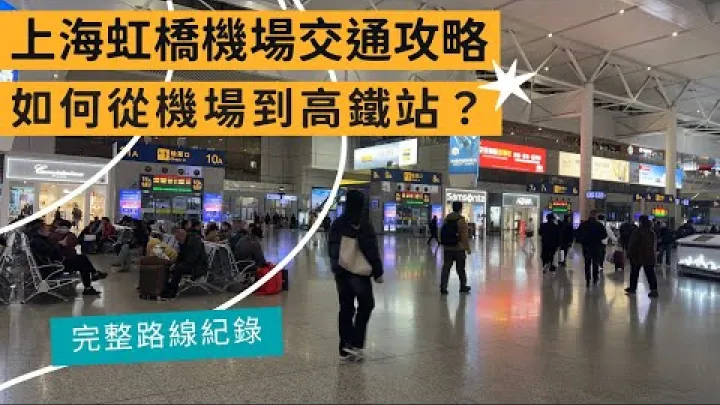
Shanghai Hongqiao International Airport and Hongqiao Railway Station form a major transport complex. This makes Hongqiao particularly practical for travelers who can continue by high-speed train. The airport and railway station are separate facilities, so allow time for baggage collection, immigration or arrival procedures, walking through the complex, security, ticket or gate procedures, and finding the correct platform area.
The Hongqiao pattern is usually straightforward: arrive at the airport, reach Hongqiao Railway Station, take a train to the Suzhou station shown on the ticket, and complete the local journey from there. Many services on the Shanghai–Suzhou corridor are short regional rail trips, but the exact duration and arrival station depend on the selected service. Do not use the shortest advertised train time as the total airport-to-hotel journey.
Hongqiao is often preferable to Pudong when the flight schedule is similar because it avoids crossing much of Shanghai before reaching a railway station. It also works well for travelers with luggage who prefer rail over a long road journey. Leave a realistic buffer after landing rather than booking a train immediately after the scheduled arrival time. A missed train can create extra cost and stress, especially on busy travel dates.
Choose Shanghai Pudong Airport for Flight Availability, Then Select Rail or Coach
Shanghai Pudong International Airport can be the most practical gateway for long-haul travelers because flight availability may outweigh the more difficult onward connection. From Pudong, travelers generally compare a rail option reached after an additional transfer with a direct coach to Suzhou.
The airport-to-rail option can offer a more predictable intercity journey once you reach the railway station. High-speed trains are less exposed to expressway traffic than coaches, and rail often offers more choice of departure times. The disadvantage is the extra movement between the airport and the Shanghai departure station, plus the need to manage luggage and another security process.
A direct Pudong airport coach avoids that additional railway-station transfer. It may suit travelers carrying large bags, arriving with children, or feeling less comfortable changing transport modes in Shanghai. Its total time is less predictable because the vehicle travels by road, and the Suzhou terminus may not be close to the final address.
Compare both options from aircraft landing to the Suzhou district, not only by the listed travel time. A coach can be convenient when its departure fits your arrival and its terminus is near your destination. Rail can be a better choice when the coach wait is long, the road is busy, or the final Suzhou station offers a much easier local connection.
Consider Wuxi Shuofang Airport as a Regional Gateway
Wuxi Shuofang Airport may appear in travel information as Wuxi Suzhou Airport. It can be useful when your origin has a convenient direct flight and the confirmed onward service to Suzhou is operating at a suitable time. It should not be assumed to be the best airport simply because it is in the same wider region.
A local government report published on January 15, 2025 described the launch of a Suzhou–Wuxi Shuofang Airport convenience bus during the Spring Festival travel period and quoted an advertised fare of 19.9 yuan. The WND report is useful evidence of regional integration at that date, but it is not proof that the same fare, stops, or operating pattern remains unchanged.
Use Wuxi as an alternative based on the complete itinerary: the flight timetable, airport arrival process, bus or taxi connection, luggage requirements, and final Suzhou destination. Confirm the live airport-to-Suzhou service before relying on it, especially for an evening arrival.
Take High-Speed or Conventional Rail to Suzhou
Rail is the main long-distance choice for many travelers getting to Suzhou. It connects the city with Shanghai and other Yangtze River Delta cities, and high-speed services also link Suzhou with major destinations farther across China. The important decision is not only whether to take a train, but which Suzhou station to select.
Understand Suzhou Railway Station, Suzhou North, and Suzhou Industrial Park
Suzhou Railway Station is the central station most closely associated with the historic city area. It handles conventional rail and intercity services. Suzhou North Railway Station is a major high-speed station north of the central area, while Suzhou Industrial Park Railway Station serves the eastern modern district. A basic overview of the central station's rail role is available from Suzhou railway station.

| Station | Position and role | Likely use | Local connection issue |
|---|---|---|---|
| Suzhou Railway Station | Central area; conventional and intercity rail | Historic core and central Suzhou | Often a shorter final connection for central addresses |
| Suzhou North Railway Station | North of the central area; major high-speed station | Services that stop at the northern high-speed station | Usually needs metro, bus, or taxi toward central districts |
| Suzhou Industrial Park Railway Station | Eastern modern district | Industrial Park, business, and eastern addresses | Can be more convenient than central stations for eastern stays |
Check the exact origin and destination station displayed in the booking result. Before paying, match the station name to the hotel or final district. A train arriving at Suzhou North instead of Suzhou Railway Station can change the final journey substantially, even though both names contain Suzhou.
Travel from Shanghai by High-Speed Train
The Shanghai–Suzhou corridor has several possible Shanghai departure stations and several Suzhou arrival stations. Hongqiao Railway Station is a common choice, especially for travelers arriving at Hongqiao Airport or staying in western Shanghai. Other Shanghai railway stations may be more convenient from a particular hotel or neighborhood, so search the full station pair rather than assuming that Hongqiao is always the correct departure point.

Second-class seats are the usual value option. First-class and other higher seat classes may provide more space or a different cabin arrangement, but the price difference should be compared for the specific service. Availability can tighten on weekends, public holidays, and other peak travel periods. A short rail ride can still require a substantial total schedule when the Shanghai hotel, airport, or local station is far from the departure point.
When booking from Shanghai, compare the departure station, train time, arrival station, seat class, and final Suzhou connection together. The fastest train is not necessarily the best choice if its arrival station is inconvenient or if reaching the Shanghai station requires a difficult transfer with luggage.
Travel from Nanjing, Beijing, or Hangzhou by Rail
Nanjing, Beijing, and Hangzhou illustrate the range of routes available to Suzhou. Nanjing and Hangzhou are regional journeys within the wider Yangtze River Delta network. Beijing is a much longer intercity trip, but rail can still be competitive for some travelers after comparing airport access, check-in time, security, and the transfer at each end.
| Origin | Planning approach | Main comparison |
|---|---|---|
| Nanjing | Look first for a direct high-speed service to the Suzhou station near your final district | Rail speed and station convenience versus a regional bus |
| Hangzhou | Compare direct high-speed services and the arrival station shown for each train | Train availability, seat class, and the final Suzhou connection |
| Beijing | Compare a long-distance high-speed train with air plus airport transfers | Full door-to-door time, overnight preferences, and seat or berth cost |
Use the table as a planning framework, not as a permanent schedule. Train duration, fare, seat availability, and station pairs vary by service and date. The booking result for your travel day is the useful comparison.
Use Conventional Rail When Price or Route Coverage Matters More Than Speed
Conventional trains remain relevant for some routes and budgets. Suzhou Railway Station is associated with the Beijing–Shanghai railway corridor and can serve travelers whose destination or departure point is not well matched to a high-speed service.
A conventional train may offer a lower fare for a particular route and class, but it is not automatically cheaper in every case. Compare the current fare, train type, seat or berth, departure station, and total duration for the actual journey. The evidence for current high-speed connections is generally easier to find than a reliable summary of all conventional schedules, so use the railway booking result for the specific date.
Book Rail Tickets and Enter Passenger Details Correctly
Search through China's official railway booking system or a reputable booking platform that clearly displays the operator, train number, station names, seat class, and passenger requirements. An intermediary can be useful for international travelers, but the booking information should still match the railway record and the travel document.

A practical booking sequence is:
- Enter the exact origin station and the exact Suzhou destination station.
- Compare departure time, arrival time, train type, seat class, and total price.
- Enter each passenger's passport or other accepted identification details exactly as shown on the document.
- Review the station names again before payment, especially when more than one Shanghai or Suzhou station appears.
- Save the booking confirmation and note the procedures for collection, identity checks, or direct gate access that apply to your booking channel.
Booking windows, child policies, seat availability, and fare rules can change. Read the conditions for the specific journey instead of relying on an old general rule. If a platform offers several similar trains, choose by station and final district as well as by departure time.
Use Long-Distance Buses and Airport Coaches
Road transport can be useful when rail seats are unavailable, a direct route is easier, or the departure point is closer to a bus terminal than to a railway station. It is usually less predictable than rail because traffic affects the journey, but a direct bus can reduce the number of transfers.
Know Suzhou's Long-Distance Bus Terminals
Suzhou has several distinct road-transport anchors. Published station directories identify Suzhou South Bus Station, Suzhou North Bus Station, Suzhou West Bus Station, and Suzhou Railway Station North Square Bus Station as separate long-distance bus locations. The China Bus Guide list is useful for identifying the names, but it should not be treated as a live timetable.
| Terminal | Typical planning role | What to check |
|---|---|---|
| Suzhou South Bus Station | Southern road-transport anchor | Current routes, local connection, and whether the service still departs there |
| Suzhou North Bus Station | Northern road-transport anchor | Corridor, arrival district, and final metro or taxi journey |
| Suzhou West Bus Station | Western road-transport anchor | Exact destination, departure point, and road conditions |
| Suzhou Railway Station North Square Bus Station | Bus services near the railway station area | Whether the ticket refers to the North Square location or another terminal |
Terminal operations and route demand can change as high-speed rail expands. The terminal name matters twice: it identifies where you board and it determines the local journey after arrival. Do not book a bus from a generic listing that does not clearly state the terminal.
Take Regional Buses from Shanghai, Nanjing, or Hangzhou
Direct road services from Shanghai, Nanjing, Hangzhou, and other nearby cities can be a useful alternative to rail. A bus may make sense when the departure terminal is close to your starting point, the destination matches the road corridor, or train tickets are sold out. It can also be easier for travelers who want one vehicle rather than a station change.
High-speed rail is usually faster and more predictable on the busiest regional corridors, but a bus may have a lower fare or a simpler booking path for a particular date. Compare the complete cost, including local travel to the bus terminal and the final connection from Suzhou. Road travel is sensitive to traffic, public holidays, rain, and other delays, so allow extra road-travel time and avoid scheduling a tight onward connection after an intercity bus.
Use the bus when its direct routing and terminal location solve a real problem. Do not choose it only because a search result shows a short minimum journey time. The actual trip can be longer, and the most convenient Suzhou terminal may not be the one shown in a general city search.
Use a Direct Coach from Shanghai Pudong Airport
A direct coach from Pudong can reduce transfers for travelers with heavy luggage or limited confidence using Shanghai's railway system. It is a point-to-point airport-to-Suzhou option in the sense that it avoids a separate Shanghai railway-station transfer, but passengers still need to reach the airport coach area and then continue from the Suzhou terminus to the final address.
The Shanghai Airport Group long-distance transport listing used for planning shows a published series of departures, an approximate journey of 2.5 hours, a listed fare of 99 yuan, and Suzhou destinations that include Suzhou Industrial Park Railway Station and another Suzhou transport terminus. These figures describe the operator listing available at the time of research, not a guarantee for every travel date.
Compare the coach with Pudong-to-rail by considering when your flight lands, how long you may wait, how much luggage you have, traffic conditions, and which Suzhou terminus is closest to your destination. Recheck the live departure time, fare, and terminus before travel. A direct coach is not universally simpler if its last departure is before you clear the airport or if its arrival point requires a difficult late-night transfer.
Continue from the Terminal to Suzhou City Center
The final local leg is part of getting to Suzhou, even when the intercity ticket ends at a railway station or bus terminal. District, luggage, arrival time, and road conditions determine whether metro, city bus, taxi, or a combination is most practical.
Reach the Historic Core from Suzhou Station or Suzhou North
Travelers staying near the historic core often find Suzhou Railway Station convenient because it is closer to central districts than Suzhou North. The best choice still depends on the exact address. A hotel near the northern edge of the city may be easier from Suzhou North, while a central guesthouse may justify choosing a train that arrives at Suzhou Railway Station even if another service is slightly faster.
From either station, the main onward choices are metro, city bus, taxi, and walking for a nearby address. Suzhou Metro Line 2 is an important named connection for the northern station area and for travel toward the central network. Metro generally offers predictable pricing and avoids road traffic, but stairs, platform walking, and crowded trains can make it less convenient with large luggage. A taxi or app-based car may be more direct, while a city bus can be economical when the route and operating time fit.
Use a current local map for the station exit, transfer, and final walking route. District-based planning is more useful than a blanket statement that one station is best for every visitor.
Continue from Suzhou Industrial Park or Bus Terminals
Suzhou Industrial Park Railway Station can be a good arrival point for hotels, offices, universities, and residences in the eastern modern district. Travelers staying around the Industrial Park or near the Jinji Lake area may save time by choosing a train that stops there rather than arriving at a central or northern station and crossing the city.
Bus arrivals require the same address-based approach. A traveler staying in a southern district may prefer a route ending at Suzhou South Bus Station, while another traveler may benefit from a service to Suzhou Railway Station North Square Bus Station because it connects more easily with the railway-station area. Suzhou North Bus Station and Suzhou West Bus Station may be useful for different regional corridors, but their names do not indicate that they are close to every tourist area.
After selecting the terminal, compare the current metro, city-bus, and taxi options for the final address. Check the local connection on a transport app or map on the day of travel, particularly when arriving late or carrying large bags.
Use the Shanghai–Suzhou Metro Only When Time Is Flexible
The connection between Shanghai Metro Line 11 and Suzhou Metro Line 11 through the Huaqiao area offers a metro-based regional alternative. It can suit commuters, flexible travelers, or people who prefer metro travel and do not need the fastest route.
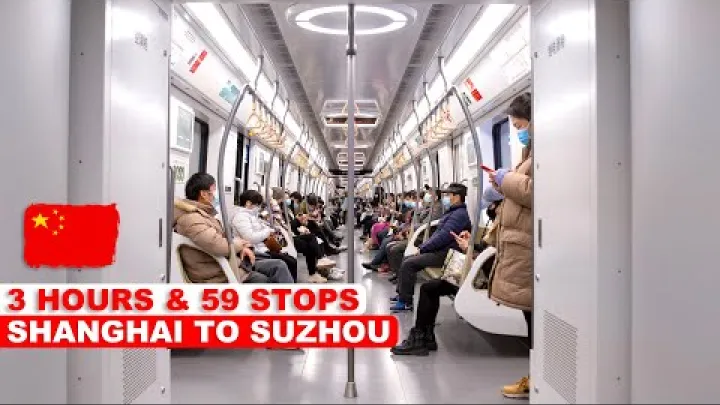
For most visitors starting in central Shanghai, this is a niche choice rather than the default route. The journey involves multiple stages, can be longer than high-speed rail, and may be crowded at busy times. A metro route also requires attention to the transfer sequence, fare system, station access, and final operating service. Use it when the starting point and destination align well with the network and when the longer journey is acceptable.
Compare Routes by Speed, Cost, and Booking Difficulty
The most useful comparison is door to door. Relative labels are safer than fixed fares or fastest-case times because rail schedules, bus operations, flight arrivals, and road conditions vary by date.
Compare the Options by Speed, Price, and Booking Effort
| Option | Best for | Relative speed | Relative cost | Transfer complexity | Booking effort | Main uncertainty |
|---|---|---|---|---|---|---|
| Direct high-speed rail from a nearby city | Fast city-to-city travel | Fast | Medium | Low to medium | Medium | Station pair and seat availability |
| Hongqiao Airport plus high-speed rail | Airport arrivals with a rail connection | Fast after airport transfer | Medium | Low to medium | Medium | Flight processing and train buffer |
| Pudong Airport plus rail | Travelers prioritizing rail speed after a long-haul flight | Medium to fast | Medium | High | Medium to high | Cross-Shanghai airport-to-station leg |
| Pudong direct coach | Heavy luggage and fewer transfers | Medium | Medium | Low to medium | Medium | Traffic, wait time, and terminus |
| Wuxi Airport plus bus | A suitable direct flight through Wuxi | Medium | Low to medium | Medium | Medium | Live bus service and flight fit |
| Regional long-distance bus | Unavailable trains or a direct road route | Slow to medium | Low to medium | Low if direct | Low to medium | Traffic and terminal changes |
| Shanghai–Suzhou metro | Flexible travelers and commuters | Slow | Low | High | Low to medium | Transfers, crowding, and final service |
Choose rail when speed and predictable intercity travel are the priorities. Choose a coach when avoiding a railway-station transfer has greater value, especially with luggage. Choose a regional airport when it offers the right direct flight and a confirmed onward route. Choose a bus when price, route coverage, or ticket availability outweighs the longer and less predictable road journey.
For any date-sensitive route, check the current railway, airport, or bus operator listing and confirm the boarding point before relying on it. A route that looks attractive in a general comparison can be unsuitable if the departure terminal or Suzhou arrival point does not match your plan.
Book, Verify, and Travel Without Common Arrival Problems
Check Live Schedules, Fares, and Service Status
Transport information changes. Before departure, confirm the actual service through the relevant railway booking system, airport operator, bus company, terminal, or local transport channel. This is especially important for airport coaches, regional buses, holiday periods, and routes described in older travel reports.
Use this short verification checklist:
- Departure time: confirm that the service operates on your date and that it fits your flight arrival or previous connection.
- Fare: check the total price, including any booking or service charge, and distinguish a promotional fare from the normal published price.
- Boarding point: confirm the airport terminal, railway station, bus station, square, or gate area, not only the city name.
- Arrival point: check the exact Suzhou station or bus terminal and compare it with your final district.
- Last local service: if arriving in the evening, confirm the final useful metro or bus connection and the available alternatives.
- Route notices: look for temporary changes, holiday arrangements, cancellations, or terminal relocations.
When third-party websites disagree, give priority to the operator or terminal listing and use the actual booking result as the final reference. Older local reports and aggregator figures can show that a route existed or was advertised, but they do not guarantee current operation.
Handle Passports, Late Arrivals, and Unofficial Offers
- Documents: enter passport or identification details exactly as they appear on the travel document. Keep the same document available for booking checks, ticket collection if required, and station access. Leave enough time for station security and gate procedures rather than arriving just before departure.
- Late arrivals: check the final metro and bus services before the flight or train departs. If the timing is uncertain, keep a verified taxi or other legitimate transport option as a fallback. Do not assume that a coach, metro line, or local bus will still be running after a delayed arrival.
- Tickets and offers: buy through official counters, official transport systems, or recognized booking channels. Standard travel prudence means declining unsolicited ticket sellers or transport offers outside an airport, station, or bus terminal unless the service and price can be verified through an official channel.
These steps are simple but important for international travelers. A correct passport record, a known boarding point, and a realistic late-arrival plan reduce the most avoidable problems on the journey into Suzhou.
Final Checklist for Getting to Suzhou
Before confirming your route, make sure the plan answers all of these questions:
- Which Suzhou district is the final destination?
- Is Shanghai Hongqiao, Shanghai Pudong, Wuxi Shuofang, rail, or a regional bus the best gateway for the available itinerary?
- Which exact Suzhou railway station or bus terminal appears on the ticket?
- What is the complete door-to-door time, including airport processing, transfers, waiting, and the final local journey?
- Does the passenger name and passport information match the travel document?
- Where exactly do you board, and what happens if the service is delayed or unavailable?
- How will you reach the hotel, campus, or office after arriving in Suzhou?
For most travelers, high-speed rail offers the best balance of speed and predictability, especially from Shanghai, Nanjing, or Hangzhou. Hongqiao is usually the most convenient airport-to-rail combination, while Pudong and Wuxi can be sensible when their flight schedules or direct coaches fit better. Select the arrival station first, compare the complete journey, and keep a verified local connection for the final leg.
Select area
Create a post
Posting is free and no registration is required.