Shanghai Travel Guide: First-Time Tips, Itineraries & Day Trips

This Shanghai travel guide is designed for first-time visitors who want to understand the city before booking hotels, trains, and sightseeing. Shanghai combines the historic streets of Puxi, the modern skyline of Pudong, and the busy waterfront of the Huangpu River, while also offering rail connections to major East China destinations. The most important decisions are where to stay, how much time to allow, which arrival gateway to use, and whether regional day trips fit your pace. The sections below cover those choices, along with weather, payments, transport, budgeting, safety, and everyday preparation.
Shanghai at a Glance
Shanghai is a large city, so a good first visit depends less on seeing every attraction and more on understanding its geography. Start with the river, choose a base near useful transport, and group activities by district.
Why Shanghai Works as a First China Stop
Shanghai gives first-time travelers several different experiences within one urban destination. Historic buildings and traditional neighborhoods stand near major shopping streets, modern business districts, museums, restaurants, and riverfront promenades. The result is a city that can suit travelers interested in architecture, food, shopping, photography, business, or urban culture.
It is also a practical base for exploring the Yangtze River Delta, including nearby destinations in Jiangsu and Zhejiang. That regional position makes it possible to combine a city break with a water town, classical gardens, or a lake-oriented destination. For a current overview of attractions and visitor planning, the municipal Meet in Shanghai portal is a useful starting point.
This guide focuses on the decisions that affect a first trip. It is not a complete list of every museum, restaurant, park, or neighborhood in Shanghai.
Understanding Puxi, Pudong and the Huangpu River
The Huangpu River is the simplest way to understand central Shanghai. Puxi refers broadly to the traditional and older urban area west of the river, while Pudong is the area to the east. The Bund is on the Puxi side, facing the tall buildings of Lujiazui in Pudong.
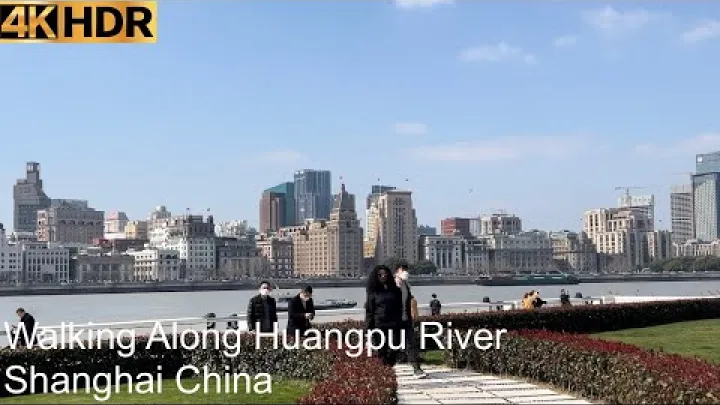
This geography affects almost every practical choice. A hotel in Huangpu or another central Puxi district can make visits to the Bund, Old Town, Laoximen, and Nanjing Road convenient. A hotel in Lujiazui places you closer to the modern skyline but may feel less connected to the older streets that many first-time visitors want to explore. River crossings can involve a metro transfer, a tunnel, a bridge, a taxi, or a ferry, so two places that look close on a map may not be equally convenient.
Choose Between a City-First and Regional Trip
Choose a city-first trip if you have two or three days, prefer a slower pace, or want time for neighborhoods rather than a checklist of destinations. Shanghai itself can fill several days through different combinations of the Bund, Old Town, Nanjing Road, Jing'an, Xuhui, the former French Concession, Pudong, museums, and local dining.
Add a regional destination when you have enough time to absorb the travel logistics. A five-day visit may support Shanghai plus one carefully selected extension, while a longer trip gives more room for an overnight stay. Consider your arrival airport, possible railway transfer, luggage, weather, and tolerance for early departures before deciding. A central Shanghai base is usually the safer planning choice for a visitor whose main goal is the city, with regional travel added only when it fits the overall route.
When to Visit Shanghai
Shanghai has four distinct seasons, but comfort depends on the type of trip you want. Walking-heavy itineraries favor milder conditions, while indoor attractions and flexible scheduling make summer and winter more manageable.
Spring and Autumn for Outdoor Exploration
Spring and autumn are generally comfortable periods for walking along the Huangpu River, exploring historic streets, and spending time in gardens or water towns. Spring can vary from cool and wet to pleasantly mild, so layers and light rain protection are useful. Autumn is often more comfortable for extended walks than the hottest part of the year, but daily conditions still change.
Climate averages can help with broad planning, not with a specific day's forecast. Climates to Travel lists average temperatures of about 5°C in January and 29.5°C in July and identifies June as the rainiest month. Use such figures to choose clothing and trip style, then pack for variation rather than assuming a season guarantees clear weather.
Summer Heat, Rain and Typhoon Disruptions
Summer in Shanghai can be hot, humid, and wet. Long walks between districts may feel tiring, especially when there is little shade or when rain arrives during an outdoor activity. Plan your day around the conditions: use early morning or later afternoon for outdoor areas, and keep museums, shopping streets, restaurants, or other indoor stops for the middle of the day.
Heavy rain and coastal severe weather, including typhoon-related conditions, can affect flights, high-speed trains, ferries, river activities, and day trips. Disruption is not inevitable during every summer visit, but a fixed outdoor schedule is less resilient in this season. Check the official forecast and severe-weather notices before fixing outdoor activities, and keep a flexible alternative for any important sightseeing day.
Winter Conditions and Lower-Comfort Trade-Offs
Winter is viable for travelers prepared for cool conditions, but it is usually less comfortable for long outdoor sightseeing than spring or autumn. Shorter daylight, cold wind, and occasional rain can make a waterfront walk feel colder than expected. Pack warm layers, a water-resistant outer layer, and shoes suitable for wet pavement.
Winter can work well for a mixed itinerary. Combine shorter walks around the Bund or historic lanes with museums, historic interiors, shopping streets, cafés, and neighborhood meals. Do not assume that winter is automatically the cheapest season; flights and hotels change according to dates, events, weekends, and demand. Compare the actual prices for your travel period instead of choosing the season only for a presumed discount.
Where to Stay in Shanghai
The best area to stay in Shanghai depends on whether you value landmark access, neighborhood atmosphere, skyline views, or transport connections. In every district, a hotel close to a useful metro station can be more convenient than a property that is technically in a popular area but requires a long walk to transport.
Huangpu for First-Time Sightseeing
Huangpu is a strong choice for a first visit focused on central landmarks. The district gives convenient access to the Bund, Old Town, Laoximen, and much of Nanjing Road, making it easier to experience Shanghai's historic and modern contrast without crossing the city for every activity.
Look at the exact hotel location rather than choosing only by the district label. Check walking distance to a metro station, the nearest major street, luggage access, and recent room information. The trade-off is that landmark areas can be busy and more urban in feel. Prices may also vary widely between international hotels, local properties, and smaller rooms, so compare what is included before booking.
Jing'an for a Balanced Central Base
Jing'an offers a central base with a mixture of commercial streets, residential areas, and cultural landmarks. Jing'an Temple and West Nanjing Road are useful orientation points, and the district can suit visitors who want central transport without staying directly beside the Bund.
Choose Jing'an when you want to combine sightseeing with neighborhood wandering and a less waterfront-focused base. Compared with Huangpu, it may feel more like a central living and shopping district, while Huangpu is often the simpler choice for a first itinerary built around the Bund and Old Town. Compare the two by checking the metro route to your priority sights, not only by comparing hotel names or neighborhood reputations.
Xuhui and the Former French Concession for Neighborhood Wandering
Xuhui and the former French Concession appeal to travelers who value tree-lined streets, heritage architecture, cafés, and slow urban walks. The former French Concession is a historical area rather than one single current administrative district, so hotel descriptions may use the term broadly. Confirm the precise address and nearest station.
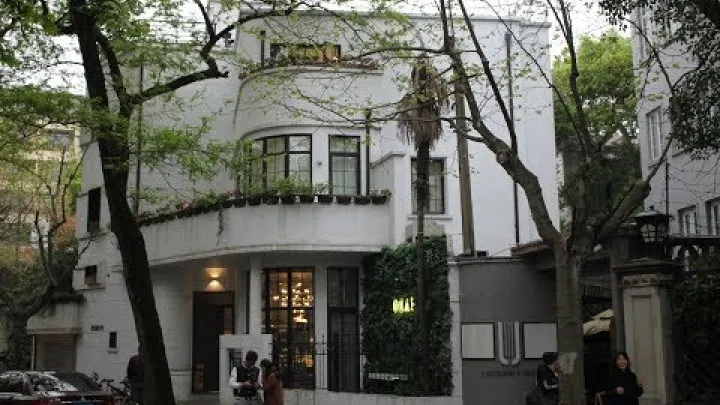
This base is a good fit when atmosphere matters more than being beside the Bund. It can make it easy to spend a day exploring streets and small venues at a relaxed pace, but you should allow more travel time to Pudong, the Bund, or a railway station. Check the route with luggage as well as the route for sightseeing, especially if you plan to leave Shanghai by train.
Pudong and Changning for Skyline, Business or Transport Priorities
Pudong, especially Lujiazui, suits travelers who want modern towers, business districts, riverfront development, and a skyline-centered stay. It offers a different street atmosphere from central Puxi. Choose it when the view, a business address, or access to a particular office is more important than being near traditional neighborhoods.
Changning can suit travelers who prefer a more residential setting or need access toward the Hongqiao transport area. Qingpu and other outer districts may be useful for a specific business location, water-town access, or airport logistics, but they are not default bases for most first-time sightseeing trips. Outer locations can increase daily transfer time, so book there only when the logistical benefit is clear.
Entry, Airports and Regional Connections
Entry rules, airport choice, and train plans should be considered together. A hotel that is convenient for the Bund may not be the most convenient place for an early train, and an arrival at Pudong may create a different first-day plan from an arrival at Hongqiao.
Pudong and Hongqiao: Choose the Right Arrival Gateway
Shanghai Pudong International Airport is the main international gateway in many travelers' plans, especially for long-haul arrivals. Shanghai Hongqiao International Airport has strong domestic and regional connections and is part of the wider Hongqiao transport hub. Hongqiao Airport and Shanghai Hongqiao Railway Station are connected within the same transport area, but they are separate places with different departure procedures.
Match your airport to your hotel and onward route. From Pudong, compare the metro, airport buses, taxis, and the Maglev where its route and current service suit your destination. From Hongqiao, the metro and local road connections may be useful, especially if your hotel is in Puxi. Before departure, check the airport operator's current terminal, transfer, baggage, and transport information rather than relying on an old timetable.
Visa-Free and Transit Entry: Verify Before Booking
Do not book an itinerary around an assumed visa exemption. Ordinary visa requirements, unilateral visa-free policies, and transit-exemption programs are different systems, and eligibility can depend on your nationality, passport validity, travel purpose, entry port, onward route, permitted area, and allowed stay period.
Before paying for flights or nonrefundable hotels, check the current rule with an official Chinese immigration authority, Chinese embassy or consulate, and your airline when appropriate. Confirm whether your exact passport, route, and transit plan qualify; an onward ticket or a particular entry and exit arrangement may be part of the conditions. Static country lists and older travel articles can become inaccurate. Save the relevant official guidance and allow time to resolve questions before departure.
High-Speed Rail to Suzhou and Hangzhou
High-speed rail makes Suzhou and Hangzhou practical additions to a Shanghai itinerary. Suzhou can add classical gardens and a historic canal-city setting, while Hangzhou can add lake and scenic experiences. The right choice depends on your interests rather than on trying to visit both destinations quickly.
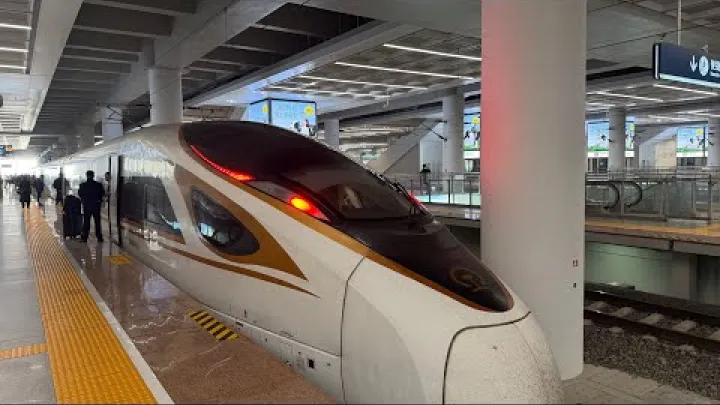
A same-day visit can work for an active traveler who chooses one clear area and accepts a long day of transfers and sightseeing. An overnight stay is better when you want a slower pace, more than one major stop, or time for an evening and morning in the destination. Shanghai Hongqiao Railway Station is an important regional rail hub, but other Shanghai stations may also appear in search results. Confirm the current departure station, train schedule, fare, seat class, passenger details, and ticket rules with the operator before buying.
Getting Around Shanghai
Shanghai's size rewards simple transport planning. Use the metro for the main structure of your day, then add buses, ferries, taxis, or ride-hailing when they solve a specific last-mile or luggage problem.
Use the Metro as the Main Sightseeing Network
The Shanghai Metro is the default sightseeing network for connecting central districts and many major visitor areas. Stations generally use Chinese and English information, and transfers can be large, so allow time for walking inside stations as well as for the train ride. Security screening and station layouts also mean that a short distance on the map may take longer than expected.
Official Shanghai Metro information describes a distance-based fare system, with a 3 yuan fare for trips up to 6 km and an additional 1 yuan for every 10 km thereafter. Treat that as a current published fare example and check the latest station information for your journey. Choose accommodation near a station, group nearby attractions, and avoid crossing the whole city several times in one day.
Combine Metro, Buses, Ferries, Taxis and Ride-Hailing
Buses can be useful when a destination is beyond a convenient metro station, although route information and traffic can make them less predictable for visitors. Ferries can provide a practical Huangpu River crossing on suitable routes and may save a detour, but they are not a replacement for the metro network.
Taxis and ride-hailing are useful for luggage, families, late journeys, or routes with several awkward transfers. The metro usually offers more predictable journey planning, while road transport offers more direct door-to-door service but is exposed to traffic. Compare each option by coverage, cost visibility, language needs, walking distance, and time of day rather than assuming one mode is always fastest.
Handle Transport Cards, QR Codes and Payment Backups
Visitors may choose between single-journey tickets, a Shanghai Public Transportation Card, and a transport QR code in a supported mobile wallet. The most convenient option depends on your phone, account, nationality, payment setup, and the products available when you arrive. Foreign bank cards and digital wallets do not work identically for every traveler.
Set up your primary mobile payment method before relying on a digital transit code, and carry a small RMB cash backup for transport, small purchases, or a phone problem. Keep a second working payment method if possible. Test the payment method at a low-risk purchase or transport point before using it for a complicated airport or rail journey.
Plan Airport, Disney and Zhujiajiao Journeys
Special destinations deserve separate route planning because they involve longer distances, more transfers, and more walking than a central sightseeing day. Shanghai Disney Resort is a recognizable example: Metro Line 11 can be part of the route, but your starting station, entrance, and return plan still matter. Allow extra time for the venue area and for the journey home.
Zhujiajiao Ancient Town is another example. Metro Line 17 can form part of a self-guided journey from central Shanghai, but the final approach, walking conditions, and return options should be checked as one complete route. Use the current official venue information and transport map for the day you travel, and avoid assuming that a central metro journey will have the same pattern as an outer-district trip.
What to See and How to Build an Itinerary
A useful Shanghai itinerary follows geographic clusters and contrasts. Begin with central Puxi, cross the Huangpu River deliberately, and add a neighborhood or regional extension only when it improves the trip rather than filling every available hour.
Explore the Bund, Old Town and Nanjing Road
The Bund, the Huangpu riverfront, Old Town, Laoximen, and Nanjing Road form a strong first orientation to Shanghai. Together they show historic architecture, traditional urban spaces, shopping streets, and views across the river. You can connect several of these areas in one central day, but the exact route should reflect your walking tolerance and interest in interiors, shops, food, or photography.
Start with a map and choose a logical direction instead of treating every named landmark as a required stop. A central walk can introduce Shanghai, but it does not cover the city's full range of neighborhoods or experiences. Allow pauses for meals, rest, and unplanned street scenes.
Pair Puxi Heritage Streets with Pudong's Skyline
The contrast between Puxi and Pudong is one of Shanghai's clearest travel experiences. Puxi offers older streets, heritage buildings, and a more layered historic landscape, while Lujiazui in Pudong presents a modern skyline and a different scale of urban development.
A river crossing changes the visual character of the day, so give both sides enough time. Treat Pudong as a destination rather than only a quick photo stop, particularly if modern architecture, riverfront spaces, or business-district city views are important to you. Choose the crossing and return route after considering weather, crowd levels, and your accommodation location.
Add Zhujiajiao or a Yangtze River Delta Day Trip
Zhujiajiao is a useful extension for travelers who want a water-town setting while keeping Shanghai as their main base. It adds canals, older buildings, and a slower environment compared with the central city. It is a better choice than a distant regional trip when you want a change of pace without changing hotels.
For a wider East China experience, choose Suzhou for classical gardens and historic canal-city character, or Hangzhou for lake and scenic experiences. Select one extension according to your interests, weather tolerance, and available time. Several rushed day trips can leave less time for Shanghai than a single well-planned outing.
Adapt the Route for One, Two or Three Days
Use these as flexible frameworks rather than fixed schedules:
- One day: Focus on the central Puxi cluster, such as the Bund, Old Town, and Nanjing Road, then cross to Pudong if energy and conditions allow. Do not force every stop into one day.
- Two days: Give the first day to Huangpu and the Puxi riverfront. Use the second day for Pudong and one central neighborhood, or choose Jing'an or Xuhui for a slower urban experience.
- Three days: Separate Huangpu, Jing'an or Xuhui, and Pudong across different days. Use the third day for a regional extension only if you have already seen the city areas that matter most to you.
If a flight is delayed, reduce the first day's plan to the area near your hotel. If rain affects outdoor activities, move toward museums, historic interiors, shopping streets, and meals. If you are tired, keep one neighborhood rather than adding another cross-city transfer. A flexible route is more useful than a schedule that depends on perfect weather and exact arrival times.
Costs, Booking and Practical Trip Preparation
Shanghai travel costs vary widely because hotel standards, district, dining style, attractions, and regional rail can change the total more than local metro travel does. Build the budget by category, then test it against your actual dates and preferred comfort level.
Estimate a Shanghai Travel Budget by Category
Use a simple calculation instead of relying on one universal daily figure. Add accommodation for each night, food and drinks, local transport, airport transfers, attraction admissions, regional rail, connectivity, shopping, and a small contingency. Keep international flights, travel insurance, and visa-related costs separate so the Shanghai portion of the budget is clear.
- Accommodation: Compare the nightly rate, taxes or service charges, breakfast, cancellation terms, room size, and distance to a metro station.
- Food: Allow for a mixture of local meals, cafés, drinks, and more expensive restaurants if those are part of your plan.
- Transport: Include airport travel, daily metro use, taxis or ride-hailing, and any ferry or bus journeys.
- Activities: Separate free walks and public spaces from ticketed museums, viewpoints, attractions, or timed experiences.
- Extensions: Add regional rail, local transport, and possible extra accommodation for Suzhou, Hangzhou, or another destination.
- Practical items: Include data, payment fees, luggage storage, shopping, and an emergency reserve.
A budget traveler may prioritize a less expensive room, local food, and public transport. A mid-range traveler may spend more on a central hotel and occasional taxis. A higher-comfort plan may be driven mainly by hotel selection, private transfers, and restaurants. Quote each category in RMB and note what is excluded before comparing plans.
Book Transport and Timed Experiences with Flexibility
Book accommodation early enough to secure the district and room type you actually want, especially if your dates include a major event, holiday period, or weekend with high demand. Regional trains may also deserve advance booking when your schedule is fixed. Timed attractions should be booked only when the venue uses timed entry or when a specific session is important to your plan.
Before paying, check cancellation terms, passenger names and passport details, departure station, airport terminal, seat class, and any current operator requirements. Leave a reasonable buffer between an international arrival and a train, particularly when the journey involves baggage collection and a transfer between airport areas. Avoid making the entire trip depend on one tightly timed connection.
Prepare Maps, Addresses, Connectivity and Essential Apps
Save your hotel's name and full address in both English and Chinese characters. This helps with map searches, driver communication, station assistance, and an unexpected change of route. Keep a screenshot or offline copy available in case your data connection is unavailable when you arrive.
Prepare a working data connection, such as a suitable eSIM or another travel connectivity option, and download an offline map if your device supports it. Essential map, translation, payment, messaging, or ride-hailing tools may work differently depending on your phone, account region, nationality, and network access. Test the tools before leaving the airport, and keep a simple fallback: the hotel address, a charged phone, a small RMB reserve, and a written route to your first base.
Safety, Laws and Everyday Etiquette
Shanghai is generally regarded as a relatively safe major-city destination, but safety still depends on ordinary precautions and respect for local laws. Separate low-level travel risks such as crowded streets from higher-consequence legal or administrative issues.
Prevent Petty Theft and Avoid Common Tourist Scams
Petty theft can occur in crowded train stations, markets, shopping streets, and other busy public areas. Keep bags zipped and in front of you in dense crowds, avoid displaying large amounts of cash, and check your phone and passport after busy transfers. Use clearly identified transport services and venues with prices that are easy to understand.
One recurring tourist-scam pattern involves an unsolicited invitation to a tea house, art show, or similar venue near a major sightseeing area. The approach may sound friendly, but the final bill can be much higher than expected. You do not need to accept an invitation from a stranger. Decline calmly, do not follow the person to another venue, and leave if prices or services become unclear. This does not mean every friendly approach is fraudulent; it means that unsolicited paid experiences deserve caution.
Understand Local Laws, Emergency Numbers and Advisories
Visitors are subject to Chinese laws and local procedures, which may differ from the rules in their home country. Read your own government's current China travel advisory before departure. For example, the U.S. Department of State advisory dated March 12, 2026, advises increased caution because of arbitrary enforcement of local laws, including in relation to exit bans. This is U.S.-specific guidance, so travelers of other nationalities should consult their own government and consular service.
Save verified emergency and consular contacts before traveling. In mainland China, commonly used emergency numbers are 110 for police, 119 for fire, and 120 for medical emergencies; confirm the current local arrangements and language support with official city information or your hotel. Keep your passport and visa or entry records secure, follow signs around restricted sites, and contact your consulate if a serious legal or administrative problem occurs. Do not assume that familiar legal or political norms apply in the same way in Shanghai.
Follow Local Etiquette in Restaurants, Shops and Public Spaces
Tipping is generally not expected in ordinary restaurants and taxis, although international hotels, private guides, and some tourism services may follow different practices. Check whether a venue has a service charge before paying. Keep receipts for purchases and confirm prices, portions, and any added services when an order is not clear.
Do not buy counterfeit or pirated goods, and follow the rules of shops, museums, transport systems, and historic sites. In crowded public spaces, queue where required, keep voices and belongings under control, and ask before photographing people or private activity. Etiquette can vary by setting, so use the venue's instructions and observe what staff request rather than applying one rigid rule everywhere.
Final Shanghai Travel Checklist
Use this short checklist before you leave and again when you arrive:
- Confirm passport validity, entry eligibility, onward-travel conditions, and the correct airport or railway station for every booking.
- Choose a hotel by exact location, metro access, cancellation terms, and the district experience you want: Huangpu, Jing'an, Xuhui, Pudong, Changning, or a purpose-specific outer area.
- Set up a primary payment method, carry a small RMB backup, save your hotel address in Chinese and English, and prepare a working data connection.
- Group sightseeing by geography: central Puxi, the Huangpu River crossing, Pudong, and any selected neighborhood or regional extension.
- Keep one flexible block for rain, fatigue, delays, or changes to transport and attraction access.
- Save official weather, transport, entry, advisory, emergency, and consular information before departure.
- Protect valuables in crowds, decline unclear unsolicited offers, keep receipts, and follow local laws and venue rules.
With a central base, a realistic pace, and a little preparation for entry and payment systems, Shanghai can be both an exciting city destination and a practical starting point for East China. Plan the city first, add only the regional experiences that genuinely fit your time, and leave room to experience Shanghai beyond its most famous landmarks.
Select area
Create a post
Posting is free and no registration is required.