Lhasa Where to Stay: Best Areas and Booking Tips
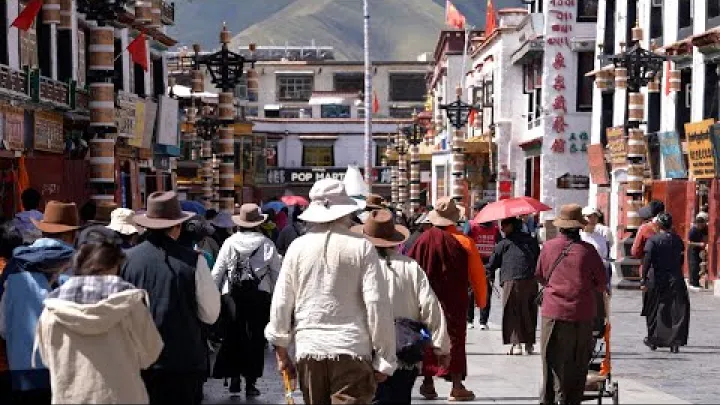
Choosing where to stay in Lhasa is mainly a decision about location, daily transfers, hotel facilities, and how much activity you want during your first days at high altitude. For most first-time visitors, the most practical base is central Chengguan District, especially near Barkhor Street, Jokhang Temple, or the Potala Palace area. Norbulingka and the riverfront districts suit quieter or longer stays, while Liuwu New Area and the Gonggar Airport corridor are mainly useful for transport logistics. This guide compares the main areas, accommodation types, price considerations, walkability, noise, and the checks to complete before paying.
Where Most First-Time Visitors Should Stay in Lhasa
Lhasa is a large administrative city, so the phrase central Lhasa does not describe every neighborhood equally well. For visitors, the most useful core is the part of Chengguan District around the old quarter and the Potala Palace, where major sights, restaurants, shops, tour pickups, and local transport are easier to reach. The best base for your trip depends on whether you value walking, quiet rooms, train access, modern facilities, or lower total transport costs.
| Area | Best for | Main advantage | Main compromise |
|---|---|---|---|
| Barkhor and Jokhang | First visits and cultural immersion | Strongest access to the historic core on foot | Crowds, activity, and possible street noise |
| Potala Palace area | Central access and palace atmosphere | Balanced access to major sights and wider roads | Views and walking times depend on the exact property |
| Norbulingka | Quiet stays and garden access | More spacious, calmer surroundings | Usually needs a taxi, bus, or tour vehicle for the old town |
| Sun Island and Xianzu Island | Scenery, space, and longer stays | Modern riverfront surroundings | Less traditional atmosphere and more daily transport |
| Liuwu New Area and railway station | Train arrivals and departures | Less transfer stress on a train day | Not a convenient sightseeing base for most visitors |
| Gonggar Airport corridor | Operational overnight stops | Useful for an unusually early flight | Far from central attractions |
The default recommendation: central Chengguan District
For most first-time visitors, stay in central Chengguan District. Look first at the streets around Barkhor Street and Jokhang Temple, or at the central area near the Potala Palace. These landmarks give you a more useful reference point than a hotel description that only says downtown Lhasa. They also help you judge whether the property is genuinely close to the visitor center or located in a much wider district.
The old-quarter area is a practical default because it puts sightseeing, food, shops, and many tour meeting points close together. That reduces the number of daily vehicle journeys and gives you more flexibility when you want a short walk between activities. A Lhasa hotel guide from Expedia also identifies the area around Jokhang Temple as the heart of the old quarter and a leading base for visitors.
The trade-off is that central access often means a busier environment. Pilgrimage activity, markets, tour groups, traffic, and nearby restaurants can create daytime crowds or evening noise. Vehicle access may also be less direct on small or busy streets. Choose this area for walkability and atmosphere, not because every hotel there has the same quality or facilities. Compare the exact street, room position, entrance, heating, and guest-registration arrangements for the individual property.
Choose an area by travel priority
A simple way to choose where to stay in Lhasa is to begin with your main priority rather than with a hotel star rating:
- First-time sightseeing: Choose Barkhor Street or the Jokhang Temple area if walking to the historic core is more important than quiet evenings.
- Central access with a palace focus: Choose the Potala Palace area if you want a central base and may prefer broader streets or palace-related scenery.
- Quiet surroundings: Consider Norbulingka if you value gardens, space, and a calmer evening environment more than spontaneous walks in the old quarter.
- Train logistics: Use Liuwu New Area or a station-side hotel for a late arrival, early departure, or train connection, rather than for a multi-day sightseeing base.
- River views and modern surroundings: Consider Sun Island or Xianzu Island for a longer stay, repeat visit, or hotel-focused trip.
Budget is also a location decision. A room that appears cheaper outside the center may require several taxi or bus journeys each day. A central room may cost more per night but reduce transport time and incidental expenses. No district is always the cheapest because rates change by date, room type, occupancy, season, and whether breakfast or transport is bundled into a tour. Cultural atmosphere should also be treated separately from personal security: a traditional neighborhood may be the right fit for your interests, but it is not a guarantee about conditions at every hour or on every street.
What to Know Before Booking a Lhasa Hotel
Lhasa accommodation is not only a question of location. Elevation can affect how much energy you have when you arrive, and travel arrangements for some visitors can influence which properties are available. These two issues should be considered before comparing room photos or prices.
Altitude, rest, and hotel facilities
Lhasa sits at approximately 3,650 meters above sea level. At this elevation, a hotel that makes rest easy can have more practical value than one that is only close to an attraction. Reliable heating, hot water, a comfortable bed, a quiet room, and easy access to food can reduce unnecessary effort during the first part of the visit.
Plan the arrival day as a low-activity day. Avoid building a demanding sightseeing schedule immediately after reaching Lhasa, especially if you are arriving after a long flight, train journey, or road transfer. A central base can help because it limits unnecessary travel, but a quiet room and simple access to meals may matter just as much. Travelers with medical conditions or concerns about high altitude should discuss their personal precautions with a qualified clinician before departure. If you feel unwell during the trip, seek appropriate professional help rather than relying on a hotel amenity.
Some properties advertise oxygen systems, oxygen-enriched rooms, oxygen equipment, or similar services. Treat these as property-specific comfort or support features, not as a substitute for medical care and not as proof that a hotel can prevent or treat altitude illness. Ask what is actually provided in the booked room, whether it operates continuously or on request, whether there is an extra charge, and who to contact if you need assistance. Heating and hot water should likewise be confirmed for the room category you are booking, rather than assumed from a general property description.
Travel permits, guided arrangements, and hotel coordination
For many foreign visitors, a trip to Tibet involves more coordination than a normal hotel-only reservation. Travel guidance commonly describes arrangements involving a licensed Tibet travel agency, permits or other travel documents, an organized itinerary, and coordinated transport. The applicable process can change and may depend on your nationality, route, travel dates, and the attractions included in the plan.

Keep the different parts of the process separate:
- Entry documents and permits concern whether you can enter and travel on the planned route.
- Attraction access may involve separate reservations, identification checks, opening rules, or local controls.
- Guided arrangements cover the agency, guide, vehicle, and itinerary that organize the visit.
- Hotel registration concerns whether the selected property can complete the required check-in process for your passport and itinerary.
This coordination can limit the practical choice of accommodation. An agency may use a specific hotel because it knows the property, has a package rate, can arrange foreign-guest registration, or has a vehicle route that includes the hotel. A property that accepts domestic bookings online may not be suitable for every foreign traveler or every organized itinerary.
Before making a nonrefundable reservation, ask a licensed Tibet travel agency to confirm in writing which permits, guides, transport arrangements, and hotel options apply to your nationality and route. Request the name and location of the proposed property, what the package includes, and what happens if the permit or itinerary changes. Do not treat an old travel-guide description as permanent law, and do not assume that visa, independent-travel, attraction-access, or hotel-registration rules are identical for all visitors.
The Best Areas to Stay in Central Lhasa
The central areas offer the best choice for travelers who want to spend time among Lhasa's principal cultural landmarks. The difference between them is usually less about distance across the city and more about the immediate street environment, room orientation, vehicle access, and how often you want to use transport. The Expedia Lhasa hotel guide provides a useful example of the accommodation market's focus on the Jokhang Temple and old-quarter area, but a listing page should not replace checking the exact map location.
Barkhor Street and Jokhang Temple: cultural immersion and walkability
Barkhor Street and Jokhang Temple are the strongest choice for travelers who want to experience Lhasa's historic religious and commercial center from the moment they leave the hotel. The Barkhor circuit surrounds Jokhang Temple, and the surrounding streets contain local shops, restaurants, small guesthouses, hostels, and Tibetan-style hotels. Staying nearby makes it easier to return to the hotel between activities or to begin the day without arranging a vehicle for every central sight.
This area works particularly well for a short first visit with a sightseeing-heavy itinerary. It also suits travelers who value local street life more than hotel size. Accommodation can range from dormitories and private budget rooms to comfortable mid-range properties and higher-end hotels. The neighborhood name alone does not tell you whether a room will be basic, quiet, spacious, or suitable for your travel arrangements.
Expect a more active environment than in garden-side or riverfront districts. Daytime pedestrian traffic, pilgrimage activity, market movement, tour groups, and nearby businesses may affect the experience. Street-facing rooms can be noisy, and a narrow entrance or controlled road may make luggage drop-off less convenient. Check the exact street, room orientation, access for vehicles, and any entrance or security procedures that affect your planned visit. Cultural immersion and nighttime quiet are different priorities, so decide which one matters more before choosing this area.
The Potala Palace area: iconic views and balanced centrality
The Potala Palace area is a strong alternative for visitors who want a central base without staying directly in the busiest old-quarter streets. It provides access to the palace area and remains connected to Barkhor Street and Jokhang Temple by a walk or short local transfer, depending on the exact hotel and route. Potala Palace Square and nearby main roads can give some properties a broader urban setting and more straightforward vehicle access.
![Preview image for the video "10 Minute Walk Through Lhasa, Tibet [HD]".](/sites/default/files/styles/media_720x405/public/oembed_thumbnails/2026-08/Gn-Nigh27N01bMRq1JyYNEc64teoc7JOPmQ9mgHKRNo.jpg.webp?itok=KKyAYHwG "Preview image for the video \"10 Minute Walk Through Lhasa, Tibet [HD]\".")
This area can feel more balanced for travelers who want central sightseeing, a modern city setting, and the possibility of a palace-related view. However, a hotel near the Potala Palace is not automatically a hotel with a guaranteed view. Buildings, room orientation, floor level, weather, and the direction of the windows all matter. Ask for the view in writing if it is important, and read recent room-specific comments rather than relying on a property name.
The wider area contains a broad range of accommodation, from simple guesthouses and standard hotels to premium properties. Rates should be compared for your exact dates and room conditions. A low headline rate may exclude breakfast, transport, taxes, or other charges, while a higher rate may include facilities that reduce the need for separate arrangements. The Potala area is not automatically quieter, safer, or cheaper than Barkhor; the exact road and hotel building make a significant difference.
Norbulingka: a quieter garden-side base
Norbulingka is a good fit for travelers who prefer gardens, more space, and a calmer evening environment. The area provides access to Norbulingka and the Tibet Museum, and the wider neighborhood includes a selection of mid-range and higher-end hotels. It may be more comfortable for visitors who expect to spend time at the property, want a less crowded setting, or are sensitive to street noise.

The compromise is convenience. Barkhor Street and Jokhang Temple are not usually a short spontaneous walk from every hotel described as being near Norbulingka. Plan to use a taxi, bus, or organized tour vehicle for old-town sightseeing, and allow time for the return journey. The distance and route can vary considerably across the wider area, so use the exact hotel pin rather than the neighborhood name alone.
Norbulingka may suit families, older travelers, and visitors who want a slower daily rhythm, but quiet surroundings do not automatically indicate better security or better service. Compare nearby food options, evening transport, heating, room size, and tour pickup arrangements. If your itinerary is centered on the Jokhang Temple and Barkhor every day, calculate the repeated transport cost before choosing a garden-side base.
Sun Island and Xianzu Island: riverfront scenery with less old-town access
Sun Island and Xianzu Island are alternatives for travelers who prefer riverfront scenery, newer urban development, or a less crowded hotel environment. Some properties may offer river views, larger rooms, or more modern facilities. These districts can be appealing for a longer stay, a repeat visit, or a trip where the hotel itself is an important part of the experience.
They are less suitable as the default base for a short first visit focused on Lhasa's best-known cultural sights. Barkhor Street, Jokhang Temple, and the Potala Palace generally require a taxi, bus, or organized vehicle from these riverfront areas. That adds planning and reduces the ability to return to the hotel quickly between visits.
Riverfront development can also feel less connected to traditional Tibetan street life than the old quarter. This is not necessarily a disadvantage, but it should match your expectations. Before booking, check whether food shops and restaurants are available at the times you need them, how evening transport works, and whether the listed room actually faces the river. Do not infer authenticity, safety, or service quality from the district's architecture or newer appearance.
When a Transport-Linked or Peripheral Base Makes Sense
A peripheral hotel can be the right choice when one specific transfer matters more than daily sightseeing convenience. The railway station and airport are operational bases, not interchangeable alternatives to central Lhasa. Lhasa's bus network connects the main districts, and transport information from Tibettravel describes modern buses serving more than 20 routes, including routes toward Norbulingka. Even so, a timetable and a city map should guide the decision.
Lhasa Railway Station and Liuwu New Area: useful for train logistics
Station-side accommodation can make sense if you arrive late, depart early, carry heavy luggage, or have a short connection to another train. A night near Lhasa Railway Station or in Liuwu New Area can reduce the stress of crossing the city on a fixed departure day. It may also be practical when your agency has arranged a confirmed vehicle that starts or ends at the station.
The trade-off is that the railway station and Liuwu New Area are outside the most walkable sightseeing core. A multi-day stay there usually means using taxis, buses, or tour vehicles for Barkhor Street, Jokhang Temple, the Potala Palace, and central restaurants. That repeated travel can cost more in time and money than a central room, even if the station-side nightly rate looks attractive.
Base the decision on your train timetable. A station hotel is useful for a train day, not automatically for the entire trip. Compare the exact hotel route, vehicle access, luggage arrangements, and the time needed to reach the platform. Before arriving, arrange a confirmed pickup or taxi plan and check how early transport is expected to operate. Do not describe a station hotel as walkable to central attractions unless the specific route and conditions support that description.
The Gonggar Airport corridor: mainly for operational stopovers
Gonggar Airport is far outside central Lhasa. Airport information from Tibettravel places it about 60 kilometers southwest of Lhasa City and describes the drive to the city as taking about one to one and a half hours. Those figures are useful for planning, but they are approximate and can change with the route, traffic, weather, and transfer conditions.
For a normal sightseeing stay, central Lhasa is more practical because the airport corridor would add a long transfer before and after visits to the main attractions. Travelers can consider an airport shuttle bus, taxi, ride-hailing where available, or a transfer arranged by a licensed agency. The latest shuttle departure point, operating hours, fare, road conditions, and hotel transfer policy should be checked before landing, because airport transport details can change.
An airport-area hotel is mainly useful for an operational stopover or an unusually early flight. It may be sensible when the next movement is the priority and the hotel confirms a workable transfer. Do not choose it simply because it appears quieter or because you assume it is a better way to acclimatize; the practical value depends on your arrival time, health, itinerary, and confirmed transport.
Modern commercial and branded hotels outside the walking core
Modern commercial areas and branded hotels can suit travelers who prioritize standardized rooms, business facilities, shopping access, larger common areas, or a more predictable service format. They may be useful for longer stays, work-related travel, families who need more space, or visitors who prefer a full-service property to a small old-quarter guesthouse.
The main compromise is daily access to the historic center. A recognizable brand does not automatically mean that the hotel is near Barkhor Street, Jokhang Temple, or the Potala Palace. Check the map, the expected travel route, and the time required for return journeys. An organized tour pickup can reduce this inconvenience if the agency confirms that the hotel is included on the route and gives a clear meeting procedure.
Modern facilities should also be judged at the property level. Check current opening status, room heating, hot water, any oxygen-related claims, breakfast hours, Wi-Fi, and whether the property can complete the required registration for your booking. Brand recognition can help with consistency, but it is not a substitute for checking the exact room and the transport plan.
Choose the Right Type of Accommodation in Lhasa
The right accommodation type depends on how much time you spend in the room, how much support you want at altitude, your budget, and whether the property is accepted for your travel arrangements. A high room rate does not solve every logistics issue, and a low rate may not represent the lowest total cost once transport and included services are considered.
Luxury hotels and Tibetan-style resorts
Luxury hotels and Tibetan-style resorts can suit travelers who value reliable service, larger rooms, dining on site, stronger heating, spa or leisure facilities, and a more controlled arrival experience. They can be especially attractive after a long journey or for visitors who want to spend part of the trip resting at the property rather than moving constantly around the city.
The category includes properties that may be near the central area without being directly inside the most immersive old-town streets. That can provide more space and a quieter hotel environment, but it may require transport for daily visits to Barkhor and Jokhang Temple. Luxury also costs more, so compare the room rate with the value of included breakfast, transfers, dining, and tour coordination.
The official page for The St. Regis Lhasa Resort is one current example of how a high-end property presents its rooms and service position. It is an example of the category, not a universal recommendation. Ask whether oxygen systems, airport transfers, breakfast, heating, and tour coordination are included for your booked room and dates. Advertised oxygen or wellness features should not be treated as medical support or as protection from altitude illness.
Mid-range hotels and standard chains
Mid-range hotels are the practical default for many visitors who want a private bathroom, heating, hot water, breakfast, and a convenient location without paying for a full luxury resort. In Lhasa, the exact building and operating standards may matter more than the star label. A well-located standard hotel with dependable heating and a suitable room orientation can be more useful than a higher-rated property that creates long daily transfers.
Compare current booking examples for your dates rather than relying on a citywide average. Prices vary by season, room category, occupancy, cancellation terms, taxes or fees, and whether the room is part of an organized Tibet tour. Hotel-only pricing and accommodation bundled into an agency package are not directly comparable.
Read recent property-specific reviews for sound insulation, English-language support, Wi-Fi, check-in procedures, hot water, and breakfast. These features can differ between hotels in the same area and sometimes between room categories in one hotel. A standard chain may offer familiar procedures, but it still needs to fit the agency's route and the requirements for your booking.
Hostels, guesthouses, and apartment-style stays
Hostels and guesthouses, especially around Barkhor, can suit backpackers and budget-conscious travelers who want lower-cost private rooms, dormitories, or social spaces. They can provide a stronger old-quarter atmosphere and may be convenient for travelers who plan to spend most of the day walking around central Lhasa.
The trade-offs are often basic furnishings, shared facilities, variable soundproofing, simpler heating, limited payment options, or less support in another language. These are property-level differences, not rules for every hostel. Read recent reviews and compare the actual room, bathroom, heating, luggage access, and late-arrival procedure.
Apartment-style and serviced-apartment accommodation can be useful for a longer stay when cooking space, laundry, or a larger living area matters. Availability and acceptance can be less predictable than for established hotels. Do not assume that every hostel, guesthouse, or apartment can register foreign guests or be used within an organized Tibet itinerary. Ask the agency and property about the exact booking, the passport accepted, the current operating status, and whether the arrangement is suitable before treating the reservation as final.
A Practical Booking Checklist for Lhasa
Once you understand the areas, choose the base that supports your actual itinerary. A central hotel is usually most efficient for sightseeing, while a peripheral hotel can be better for one specific arrival or departure. The final step is to compare the exact listing and the terms attached to it, not only the neighborhood label or review score.
Match the base to the itinerary, not only the hotel rating
For a short first visit focused on Jokhang Temple, Barkhor Street, and the Potala Palace, prioritize a central base. Reducing daily transfers leaves more time for sightseeing and makes it easier to return to the hotel when you need a break. The old quarter and Potala area both work, but the best choice depends on whether walkability or a broader, more modern setting is your stronger preference.
For a longer visit, Norbulingka, Sun Island, Xianzu Island, or a modern commercial district may provide worthwhile space, scenery, or quieter evenings. The extra transport is easier to accept when you are not trying to visit the same central sights every day. For a train-heavy itinerary, consider a station-side night only when the timetable makes it valuable. Moving for one night can be useful, but changing hotels repeatedly during acclimatization can add luggage handling and unnecessary effort.
Keep the booking flexible while dates, permits, agency arrangements, or train details are still unsettled. A cancellation policy that allows changes may be more valuable than a small discount. If an agency is arranging the trip, ask whether it prefers one hotel for the full stay or a split arrangement linked to a train departure.
Verify the listing, location, and included facilities before payment
Use this checklist for the exact property and room you plan to book:
| Check | What to confirm |
|---|---|
| Map and neighborhood | Exact map pin, nearest landmark, walking route, and whether the property is truly in the named area |
| Street access | Vehicle drop-off, entrance restrictions, luggage route, and access for an agency vehicle |
| Guest acceptance | Whether the property can complete registration for your passport and itinerary |
| Room conditions | Heating, hot water, room orientation, sound insulation, bed type, and bathroom arrangements |
| Included facilities | Breakfast, Wi-Fi, oxygen-related equipment, dining, laundry, and any extra charges |
| Transfers | Airport or railway-station pickup, meeting point, operating hours, and luggage support |
| Price terms | Total cost, occupancy, taxes or fees, payment method, and what the rate excludes |
| Flexibility | Cancellation deadline, changes linked to permits or trains, and refund conditions |
Booking-platform descriptions, agency packages, and hotel pages may not use the same room names or include the same services. Ask the booking platform or agency to confirm the final terms in writing before paying, especially the property's current operating status, foreign-guest registration, included facilities, and cancellation conditions. A high review score can describe comfort or service, but it does not by itself confirm that the property is eligible for your itinerary or passport.
Plan for noise, crowds, and nighttime movement
Noise is often a street-level issue rather than a district-wide issue. A hotel on a busy street near Barkhor may feel very different from one on a side street in the same area. Markets, pilgrimage activity, plazas, major roads, tour groups, and restaurant traffic can affect sleep. Norbulingka, some riverfront properties, and certain modern districts may feel calmer, but their lower activity can also mean fewer spontaneous food and transport options nearby.
Read recent, location-specific reviews for comments about street noise, construction, thin walls, early activity, and late arrivals. If sleep matters, request an interior-facing room away from the street, ask whether the hotel can honor that request, and confirm how to enter the property if you arrive late. Room orientation is often more useful than a general claim that a neighborhood is quiet.
In busy central areas, keep passports, phones, wallets, and other valuables secured, particularly in dense pedestrian spaces. Choose a known route for nighttime movement, follow local access or security restrictions, and use the hotel's stated entrance and arrival procedure. These are practical precautions, not evidence that an entire district is dangerous. The aim is to manage crowds and unfamiliar streets without making unsupported claims about citywide crime levels.
Final Recommendation for Where to Stay in Lhasa
The best area to stay in Lhasa for most first-time visitors is central Chengguan District, preferably around Barkhor Street, Jokhang Temple, or the Potala Palace area. Choose Barkhor for the strongest walkability and cultural immersion, the Potala area for a balanced central base, and Norbulingka for quieter surroundings with more reliance on transport. Sun Island and Xianzu Island are better alternatives for scenery, space, or longer stays, while Liuwu New Area is mainly useful around a train journey and the Gonggar Airport corridor is mainly an operational stopover.
Choose the accommodation type after choosing the base. Mid-range hotels often provide the most practical balance, luxury properties suit travelers who value facilities and service, and hostels or guesthouses can work for budget-focused visitors when the exact property is accepted for the itinerary. Give equal attention to altitude-friendly comfort, permits and agency coordination, noise, transport, and the final booking terms. A well-located, confirmed room is usually more valuable than a highly rated hotel that does not fit your route.
Select area
Create a post
Posting is free and no registration is required.