Shigatse Travel Guide: Plan Your First Tibet Trip
Shigatse is one of the most useful stops on a first Tibet journey: it combines a major living monastery with hotels, transport connections, and access to some of the plateau's most demanding road routes. The name can refer to both the urban destination and a much larger prefecture-level jurisdiction, so clear route planning matters. This Shigatse travel guide explains how to organize entry arrangements, acclimatize, reach the city, choose a base, manage costs, and decide whether places such as Gyantse, Sakya, Tingri County, or Everest belong in the same trip. It also shows how to enjoy the city at a pace that respects altitude and local religious life.
Shigatse at a Glance
Start by separating the compact urban visit from the wide regional journey. Shigatse city can work as a cultural stop and a practical overnight base, while destinations elsewhere in the prefecture require longer road sections and more detailed arrangements.
What Shigatse Is and How the Name Is Used
Shigatse is commonly used in English for the city officially known as Xigazê or Rikaze. The urban area is associated with Samzhubzê District, also written as Sangzhuzi District in some maps and listings. You may see all of these names in hotel searches, railway information, maps, and tour documents. Searching for Shigatse, Xigazê, or Rikaze together can help you find the same destination.
The larger administrative area called Shigatse is much more extensive than the city itself. It includes remote counties, mountain routes, monasteries, and border areas that are not convenient day trips from the urban center. A listing that says Shigatse may therefore describe the city, the prefecture-level jurisdiction, or a route that only passes through the city.
For a first mental map, place Tashilhunpo Monastery, the central urban streets, the river valley, and Shigatse Railway Station in separate parts of your plan. Use the city name for accommodation and local sightseeing, then identify each regional destination by its own name and county.
Why Shigatse Belongs on a Tibet Itinerary
The city's main cultural reason for a visit is Tashilhunpo Monastery, one of the most important religious and historic sites in the area. Its halls, courtyards, religious artwork, and pilgrimage spaces give the city a stronger cultural focus than a simple transport stop. A visit is more rewarding when you allow time to observe the site as an active religious institution rather than treating it only as a landmark for photographs.
Shigatse also helps organize a wider Tibet route. It lies on the practical travel axis between Lhasa and western or southern plateau destinations, including routes toward Gyantse, Sakya, Tingri County, and the north side of Everest. The city offers a useful chance to rest, buy supplies, arrange transfers, and spend a night in a more developed urban setting before a remote road journey.
At the same time, modern Shigatse is not an open-air museum. Hotels, commercial streets, administrative buildings, transport facilities, and everyday services sit alongside older neighborhoods and monastic spaces. This combination makes the city a practical base, but it also means that the atmosphere changes from a central sightseeing area to an urban transport corridor quite quickly.
How Long to Stay in the City and Region
For a city-focused visit, plan around two or three nights if your route and entry arrangements allow. This gives you an arrival or acclimatization period, a full visit to Tashilhunpo Monastery, and time for central streets, markets, or a slower morning before departure. A shorter stop can work, but it may turn the monastery visit into a rushed transfer-day activity.
A cultural route that adds Gyantse, Sakya, or other nearby-area stops needs additional road time. Think in terms of several extra nights rather than a collection of quick detours. The right sequence depends on your entry point, the permitted itinerary, road conditions, and where you need to sleep at the end of each day.
An Everest-focused journey is a different type of trip. Travel toward Tingri County, Rongbuk Monastery, and the Qomolangma National Nature Preserve involves higher overnight locations, long drives, basic facilities in some areas, and more exposure to weather changes. Acclimatization and road time may occupy much of the itinerary, so do not count every day in the region as a sightseeing day.
Plan Entry, Permits, and Acclimatization
Administrative planning and altitude planning should happen before you choose a route. The city, a special site, and a border-area extension may have different access conditions, and a comfortable arrival sequence can be more important than fitting in one additional attraction.
Check Tibet Entry Rules Before Booking
International visitors should not assume that a trip to Shigatse can be arranged in the same way as an independent city break elsewhere in China. Current access rules, permitted entry points, required documents, and agency arrangements can depend on nationality, route, dates, and the type of travel being planned. The Tibet Travel Permit is part of the discussion for many international itineraries, but requirements should be treated as current administrative information rather than as permanent rules.
Permit guidance from Tibettourism permit guidance helps explain why ordinary Tibet travel and special or border-area travel may involve different documents. It is not a substitute for a current confirmation from an authorized agency or the relevant official travel and advisory channels.
Use this simple go-or-no-go checklist before making non-refundable payments:
- Confirm your nationality and the documents required for your planned entry point.
- Give the agency your exact travel dates and every intended destination, not only the word Shigatse.
- Ask which agency will arrange the Tibet Travel Permit and any other itinerary documents.
- Confirm whether the proposed route is currently open to your nationality and travel group.
- Ask how the approved itinerary connects with your train, flight, hotel, and departure plan.
- Request the current rules in writing, including what happens if a route or document cannot be issued.
Do not pay for an attractive route first and try to solve its access requirements after arrival. Ask an authorized agency to confirm the current Tibet entry rules, required permits, and route eligibility in writing before you pay.
Understand Additional Permits for Remote Routes
City sightseeing and a journey toward a special or border area should be treated as different planning categories. An ordinary urban visit may fit within the documents arranged for a standard Tibet itinerary, while destinations such as Everest Base Camp, Rongbuk Monastery, or frontier routes may require additional permissions. Sakya Monastery can also be part of a route that needs separate itinerary planning, depending on the current access conditions and the traveler's status.
Travel agencies may refer to documents such as an Aliens' Travel Permit, a Military Area Entry Permit, or a Frontier Pass. The name of a document is less important than understanding what it controls. A document may be connected to specified destinations, dates, vehicles, guides, or group arrangements. That can limit spontaneous detours even when a road appears open on a map.
Plan permits in three broad layers:
- City access: accommodation and sightseeing within the approved urban itinerary.
- Special-site access: destinations such as Everest or other non-open areas that may need an additional permit or route approval.
- Restricted extensions: border or military-sensitive areas with narrower eligibility and less flexibility.
Ask the agency to list each document beside the destination it covers. Also ask whether a change of vehicle, guide, date, overnight stop, or border-area route would require a new approval. A permit is part of the route design, not paperwork that can always be fixed at the last minute.
Build an Altitude-Aware Arrival Plan
Shigatse is a high-altitude city at roughly 3,800 meters, and the road toward Rongbuk and Everest rises substantially higher. Even travelers who feel well at a lower altitude can find that walking, climbing stairs, carrying luggage, or sleeping becomes more difficult. The first day should be treated as an adjustment period, not as a test of endurance.

Arriving through Lhasa can provide a staged route if your itinerary includes time to acclimatize there before continuing to Shigatse. A direct arrival in Shigatse may reduce travel steps, but it places you at high elevation sooner. Neither option guarantees that you will avoid altitude illness. Choose the arrival pattern that gives you enough time, rest, and support rather than choosing only by the shortest travel duration.
For the first day in Shigatse, keep activity light, walk slowly, drink water regularly, eat simply, and avoid turning the arrival into a long excursion. Travelers with heart, lung, blood, sleep, or other relevant health concerns should seek professional medical advice before the trip. If symptoms become severe or worsen, tell your guide or travel companion immediately and follow professional advice about stopping, receiving medical help, or descending.
Build a staged acclimatization plan into the itinerary and agree in advance that the group will stop or descend if symptoms worsen. Acclimatization in the city does not remove the additional demands of a higher overnight stop near the Everest route.
Read the Tour Quote Before Paying
A Shigatse package can look inexpensive or expensive depending on what it includes. Compare the complete service rather than the headline number. One quote may cover only a city hotel and transfers, while another may include a private vehicle, guide, permits, meals, entrance fees, and several remote road days.
Ask the operator to itemize the following:
- Guide service and whether the guide is included for every route day.
- Private or shared vehicle, driver, fuel, road fees, and luggage capacity.
- Tibet Travel Permit and any additional documents for special or border-area routes.
- Accommodation by city and remote overnight stop, including room type and heating.
- Meals, drinking water, entrance fees, railway or airport transfers, and local transport.
- Cancellation terms, payment stages, refund conditions, and change fees.
- What happens if weather, road conditions, a permit decision, or a route closure changes the plan.
Ask for the service standard as well as the price. Clarify the vehicle condition, emergency communication process, expected driving hours, and whether the operator can replace a remote lodging option if the original property is unavailable. Request an itemized written quote covering the guide, vehicle, permits, lodging, meals, transfers, and change terms before paying.
Get to Shigatse and Continue Through Tibet
Most visitors plan Shigatse as part of a larger Tibet route rather than as an isolated arrival. The best transport choice depends on whether you value a short regional connection, road scenery and intermediate stops, a faster arrival, or a longer rail journey from the Chinese interior.
Travel via Lhasa by Train
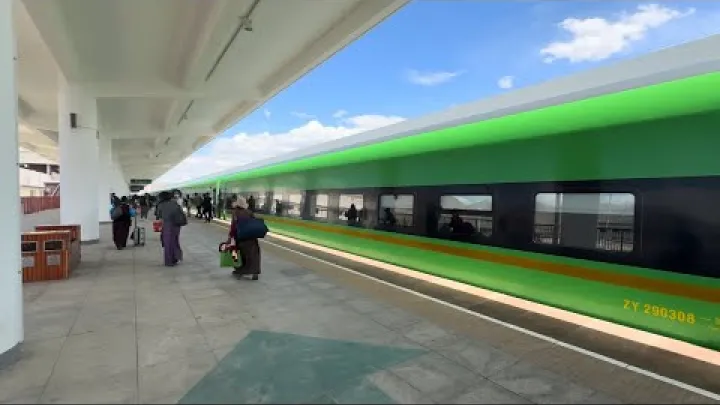
The Lhasa–Shigatse railway is a convenient regional option when a suitable service matches your itinerary. The journey is relatively short compared with an overland transfer and can provide a different view of the plateau from a road journey. It is often useful for travelers who arrive in Lhasa, spend time there, and then continue west by rail before changing to a vehicle for a regional route.
A route-specific Tibettravel train guide provides background on the railway, but older pages may show train numbers, departure times, fares, or service patterns that are no longer current. Treat any timetable as changeable. A train can be a good option only if it fits the approved itinerary, the acclimatization plan, and the transfer waiting at Shigatse Railway Station.
Before departure, confirm the train or flight schedule, station or airport details, document-check requirements, luggage arrangements, and the transfer plan with the responsible agency. Ask when you should reach the station, who will meet you in Shigatse, and what alternative is available if the service changes. Do not build a remote departure around an unconfirmed historic timetable.
Compare Road, Direct Flight, and Long-Distance Rail Options
Transport choices involve more than travel time. Road travel can add cultural stops and help create a gradual route, while a flight can save time but places you directly in a high-altitude environment. Long-distance rail can fit a wider China itinerary, but its availability and arrangements for international visitors need separate confirmation.
| Option | Best use | Main advantage | Main trade-off |
|---|---|---|---|
| Road from Lhasa | Cultural and scenic route | Flexible stops around Gyantse and the G318 corridor | Longer travel time and more road exposure |
| Lhasa–Shigatse railway | Short regional connection | Comfortable alternative to a full road transfer | Fixed departures and station transfers |
| Direct flight | Time-sensitive itineraries | Can reduce the transfer duration | Direct arrival at high altitude and changeable service |
| Long-distance rail | Wider China overland journey | Combines Tibet with an inland rail itinerary | Service, tickets, documents, and route eligibility need confirmation |
Road transfers are usually the most useful choice when Gyantse, Sakya, or an Everest route is central to the trip. Flights may suit a traveler with limited time, but the shorter journey does not make the altitude easier. A long-distance rail option may be attractive for the journey itself, yet it should be assessed as part of the complete Tibet entry and acclimatization plan rather than booked as an isolated ticket.
Use Shigatse as a Gateway to Regional Routes
Shigatse can be the main base for a city visit, an overnight pause between Lhasa and western routes, or the point where a cultural journey becomes a multi-day overland trip. From the city, travelers may plan routes toward Gyantse, Sakya, Tingri County, Everest, or farther western Tibet. These places should remain separate map points in your itinerary even when tour pages group them under Shigatse.
The route sequence matters more than the simple map distance. High passes, road conditions, driving time, permitted overnight stops, and remote accommodation can determine whether a route is comfortable or exhausting. A plan that looks direct may require returning to the city, changing vehicles, or adding a night to avoid an unrealistic transfer.
Decide which role Shigatse plays before booking hotels. If Tashilhunpo is the main goal, stay in the city and keep the schedule measured. If Everest is the priority, use the city as one acclimatization and logistics point before a separate road journey. Treat Everest planning as a multi-day excursion, not as an assumed day trip from Shigatse.
Choose the Best Season and Pack for the Plateau
There is no single best month for every Shigatse itinerary. City sightseeing, mountain visibility, road access, visitor numbers, daytime temperatures, and cold tolerance may point to different seasons.
Match the Season to Your Route
Spring and autumn are often considered favorable for a balanced Tibet itinerary because daytime sightseeing can be manageable and mountain conditions may be clear. They are useful seasons for travelers who want both Tashilhunpo Monastery and a possible high-altitude road extension, although visibility still depends on the actual weather pattern.
Summer brings longer daylight and can be comfortable for city activity. It also coincides with the broader monsoon influence, so rain can affect visibility, road timing, and remote overnight routes. A summer traveler should value flexibility more than a tightly timed mountain-view promise.
Winter can offer dry air, clear views, and lower visitor demand, but cold nights and strong exposure are serious considerations at higher stops. It may suit experienced travelers who are prepared for cold and who have an operator able to manage the route, but it is less forgiving for a first-time visitor who dislikes basic accommodation or temperature extremes.
A weather guide from Tibettravel weather guide can help with broad seasonal context. Use it as a planning reference, not as a promise about a particular week or an Everest viewing day.
Understand Summer Rain and Winter Cold
Rain does not affect every part of the itinerary in the same way. Shigatse city may remain usable for sightseeing while a remote road, high pass, or mountain viewpoint has reduced visibility or slower travel. On a road journey, even a short weather delay can affect the next overnight stop, so summer routes need room for changes.
Winter is generally dry but can be intensely cold after sunset and before sunrise. Wind increases exposure, and a sunny city afternoon does not describe the conditions at a higher overnight base. Heating, bedding, vehicle preparation, and the availability of food and water become more important as the route moves away from urban services.
Spring warming and autumn cooling can produce large temperature differences between bright daytime sightseeing, shaded monastery courtyards, early departures, and evening walks. Pack for conditions rather than for a monthly average. Before fixing a remote-route departure date, check the latest forecast for Shigatse and every higher overnight stop.
Pack for Sun, Wind, Temperature Swings, and Basic Conditions
Use a layer system that can adapt to bright sun, cold shade, wind, and a much colder high-altitude stop. Useful basics include warm mid-layers, a wind-resistant outer layer, warm sleepwear, sturdy walking shoes, sun protection, lip and skin protection, and sunglasses or other eye protection.
For transport and remote routes, carry copies of travel documents, prescribed medication, a charging backup, and any personal items that may be difficult to replace outside the city. Ask the operator whether you should bring extra water, snacks, or other supplies for long road sections. Keep essential medication and documents with you rather than in checked or inaccessible luggage.
Ordinary city packing is not the same as preparation for Everest or another remote extension. A comfortable urban jacket may not be enough for a cold overnight stop, while specialized equipment may be unnecessary for a short city visit. Pack according to the lowest temperatures, longest transfer, and most basic accommodation on your confirmed route.
Choose Where to Stay and How to Get Around
Accommodation decisions in Shigatse are mainly about access, walking tolerance, service reliability, and the next day's departure. The most attractive location is not always the most convenient if you need an early vehicle transfer or are still adjusting to altitude.
Read the City Layout
Think of the city in several practical zones: the Tashilhunpo Monastery area, central and older neighborhoods, commercial and administrative streets, river corridors, and transport connections. This mental map is more useful than assuming that every hotel described as central is equally convenient for sightseeing and departures.
The main sightseeing pattern can feel compact, especially around the monastery and central streets. However, stations, outer neighborhoods, and regional departure points may require a vehicle. Altitude and weather also make short distances feel longer than they appear on a map.
Use Samzhubzê District along with Shigatse in map and accommodation searches. Check the actual pin, not only the hotel name, and compare it with Tashilhunpo Monastery, Shigatse Railway Station, and the meeting point supplied by your guide.
Choose a Base Near Tashilhunpo or City Services
Staying near Tashilhunpo can make the main cultural visit simpler and may suit travelers who want to explore older streets at a slow pace. A hotel in a modern commercial area may offer easier access to restaurants, shops, charging, and practical services. A location near a main vehicle corridor can be useful when the next stage begins with an early regional departure.
For many itineraries, a central hotel with dependable pickup access is a better compromise than choosing a property only for its walking distance to one attraction. Consider how much walking you can manage after arrival, whether you need a quiet rest period, and whether the guide can reach the property without difficulty.
Before confirming a room, ask about heating, internet access, breakfast hours, cancellation terms, and the actual location. If oxygen equipment or oxygen-supported rooms are advertised, ask what is provided, whether it is available at the time of your stay, and whether it is an emergency substitute for medical care. Do not assume that a listed amenity is current.
Get Around on Foot and with Arranged Vehicles
Walking can work well for central sightseeing once you are acclimatized. Keep the pace slow, use rest breaks, and avoid planning several demanding visits in succession. A route that would be easy at low altitude may require more time in Shigatse, particularly in sun, wind, or cold.
Guide-arranged cars, taxis, and tour vehicles are the practical solutions for railway transfers, outer neighborhoods, and regional journeys. The correct option depends on the current travel arrangements and the route documents attached to your trip. Public buses may exist as a local option, but service, payment, routes, and usability should be confirmed locally rather than assumed from a general map.
Separate urban mobility from intercity travel. A vehicle that takes you from a hotel to Tashilhunpo is not automatically the vehicle or arrangement suitable for a long road journey to Tingri County or Rongbuk. Leave time for loading luggage, rest stops, and a slower walking pace when planning each day.
Plan for Food, Connectivity, and Daily Essentials
Shigatse is a useful place to handle practical needs before a remote road journey. Use the city to organize meals, supplies, charging, communication, and last-minute purchases. Commercial streets and markets can also give you a more everyday view of the city, while Tibetan barley-based foods connect local meals with the plateau's agricultural traditions.
Ask your accommodation or guide which meals are included, what payment methods are accepted, and what internet access can realistically be expected. Carry a charging backup and keep important documents available offline. Connectivity may be less dependable outside the city, so do not make a remote route dependent on continuous mobile data.
For a longer excursion, clarify where meals and drinking water will be available and whether the vehicle carries basic supplies. This is especially useful when the route includes long driving sections or an overnight location with fewer commercial services.
Decide What to See in Shigatse and Beyond
Build the sightseeing plan around one major cultural visit, then add only the regional stops that fit your time, altitude tolerance, and route. A shorter list usually creates a more respectful and enjoyable experience than trying to cover the entire prefecture.
Start with Tashilhunpo Monastery
Tashilhunpo Monastery is the central landmark for a first Shigatse visit. The official Tashilhunpo Monastery website identifies its founding in 1447 by Gyalwa Gedun Drupa, the First Dalai Lama. The monastery is also closely associated with the Panchen Lama lineage, giving the visit an important place in Tibetan religious history.
Allow more time than a brief photo stop. The visit may include halls, courtyards, religious art, and an outer pilgrimage circuit, with a pace shaped by the site's layout, visitor instructions, and your acclimatization. Move quietly, watch how local pilgrims use the space, and avoid blocking entrances or walking routes.
Opening hours, entrance arrangements, photography rules, festival effects, and restricted areas can change. Confirm these details before setting a precise visiting time, and follow notices and guide instructions once you arrive. Ask before photographing people, religious activity, or areas where photography is not clearly permitted.
Add Nearby Monasteries and Cultural Stops
After Tashilhunpo, choose additions by experience rather than by the length of an attraction list. Shalu Monastery or Nartang Monastery may appeal to travelers interested in monastic history. Local markets and commercial streets suit visitors who want to observe everyday city life. Villages and agricultural landscapes can add a rural perspective when a vehicle and sufficient time are available.
A site that appears close on a map may still require a separate vehicle, a longer visit, or a change to the approved itinerary. Select one or two complementary stops and ask the guide about access status, road conditions, opening arrangements, photography rules, and the time needed for the complete return transfer.
Group your choices into three simple categories: religious and architectural history, local commerce, and rural landscapes. This approach helps you create a coherent day and prevents a list of distant sites from replacing time at the main monastery.
Compare Gyantse, Sakya, and Other Regional Detours
Gyantse, Sakya, and Shigatse offer different travel experiences. Shigatse has the strongest combination of urban services and a major monastery. Gyantse suits travelers who want a heritage-focused stop within a broader central Tibet cultural route. Sakya is especially relevant to travelers interested in religious history, but the route can involve more road planning than a city visit.
| Base or stop | Main appeal | Travel complexity | Best suited to |
|---|---|---|---|
| Shigatse | Tashilhunpo and city services | Lowest for a city-focused stay | First-time visitors and acclimatization pauses |
| Gyantse | Heritage and cultural atmosphere | Road transfer and route sequencing | A central Tibet cultural loop |
| Sakya | Religious history and monastery focus | More route-specific planning | Travelers with extra time for cultural sites |
| Rural valley route | Landscape and local settings | Vehicle-dependent and slower | Flexible itineraries with road time |
Do not assume that similar place names or prefecture boundaries mean attractions are close together. Choose a base according to the experience you want, then confirm the sequence, overnight location, and return route. A central Tibet cultural loop is often more realistic than adding every monastery and remote landscape to one itinerary.
Decide Whether Everest and Rongbuk Fit Your Trip
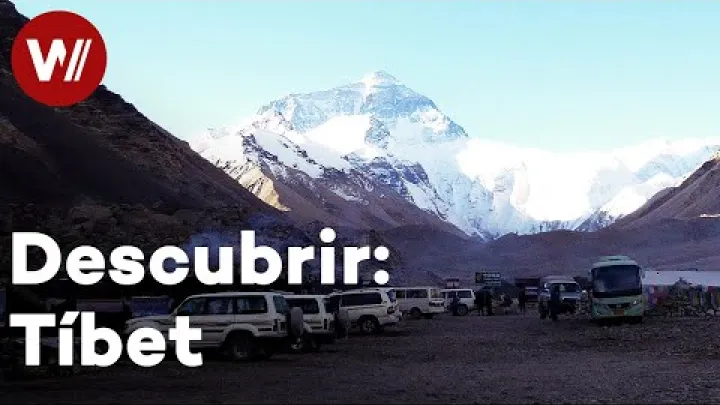
The north side of Everest is a separate high-altitude extension, not simply another attraction in Shigatse city. A typical planning discussion may include Tingri County, Rongbuk Monastery, and the Qomolangma National Nature Preserve. These places combine mountain scenery with religious landmarks, but they also involve long road sections, higher overnight elevations, basic facilities in some areas, and greater dependence on weather.
Choose this extension if seeing Everest is a central goal and you can accept that the view may not be clear. It may not suit a first-time visitor with limited time, low tolerance for cold-weather accommodation, significant health concerns, or a preference for short transfers and urban services. Tashilhunpo and the city may provide a more rewarding trip when cultural depth matters more than a mountain viewpoint.
Ask the operator to explain the current viewing point, access rules, overnight arrangements, vehicle plan, and route conditions. Preserve management and local access procedures can change. Allow contingency time rather than arranging a tightly connected departure immediately after the mountain route.
Plan Your Budget and Itinerary
A useful Shigatse budget begins with the route, not a daily number. Accommodation, guide and vehicle services, permits, entrance fees, food, tickets, transfers, and remote lodging can have very different weight in a city stay and an overland journey.
Understand the Main Cost Drivers
Separate your estimate into these categories: accommodation, guide and vehicle services, permits, entrance fees, food, train or flight tickets, city transfers, and remote-route lodging. Ask whether each item is charged per person, per room, per vehicle, or for the whole group. A room price from a hotel listing cannot be compared directly with a per-person tour package.
A city-focused stay usually has a simpler cost structure. You may pay for a hotel, local transport, meals, and monastery entrance arrangements, while the largest variable is the level of guide or vehicle service. A private Everest or western Tibet journey adds vehicle days, driver and guide services, route documents, higher-altitude accommodation, meals on the road, and contingency planning.
- Budget choice: usually means simpler accommodation, shared arrangements where permitted, fewer included services, and a more limited route.
- Mid-range choice: often balances a dependable city hotel, arranged transport, guide support, and a moderate number of cultural or regional stops.
- Higher-comfort choice: may provide private transport, better-located or higher-standard accommodation, more flexible transfers, and greater support on remote routes.
Compare current city hotel and tour quotes by inclusions rather than relying on one daily-cost estimate. Ask the agency to state what is excluded, especially permits, entrance fees, meals, transfers, railway tickets, and remote lodging. A written comparison prevents a low headline price from hiding essential costs.
Build a City-Focused Itinerary
A city-focused example can use two or three nights, depending on how you arrive and how your body responds to altitude. On arrival, keep the program light: reach the hotel, eat simply, organize documents and luggage, and take only a short walk if you feel well.
Use the next full period for Tashilhunpo Monastery and a measured exploration of central streets or markets. Leave space between activities, since the city’s elevation can make a normal sightseeing schedule tiring. If you add a nearby cultural stop, choose one that does not turn the day into a long transfer.
Before departure, keep time for packing, collecting documents, and reaching the station or vehicle meeting point. This example suits travelers with limited time, visitors who prioritize Tibetan religious history, and those using Shigatse as a comfortable pause before a longer route. It is an example, not a fixed schedule; the approved itinerary and your acclimatization should determine the final pace.
Build a Regional or Everest-Focused Itinerary
For a cultural route, combine Shigatse with Gyantse or Sakya only when the road sequence and overnight plan make sense. Decide whether Shigatse is the first urban base, a middle stop, or the final city before departure. The route should account for driving time, visits, meals, and rest instead of treating each place as a separate short booking.
For an Everest-focused route, use Shigatse as one stage before continuing toward Tingri County and Rongbuk. Allocate separate time for higher-altitude overnight stops, road delays, permits, and weather-related changes. The scenic value is real, but the route has lower flexibility and a higher cost than a city visit.
Check the complete onward plan toward Lhasa, Nepal, or western Tibet rather than booking isolated legs. The end of a remote route may not connect neatly with a train, flight, border crossing, or independent hotel reservation. Make sure the agency explains the approved departure plan, vehicle handover, and contingency option before you commit to the extension.
Travel Safely, Respectfully, and Flexibly
A successful Shigatse trip depends on more than seeing the main sights. Respect for religious spaces, conservative altitude planning, and a final review of live travel details help protect both the experience and the people traveling with you.
Visit Monasteries and Communities Respectfully
Tashilhunpo and other monasteries are living religious institutions. Follow site notices and guide instructions, dress in a respectful way, keep your voice low, and do not interrupt prayer, pilgrimage, teaching, or ceremonies for a photograph.
Ask before photographing people, monks, pilgrims, or religious activity. Do not touch sacred objects, cross barriers, or enter a restricted area because it appears visually interesting. Photography and movement rules may differ between monasteries, so the local notice or site representative is the final authority.
Approach markets, villages, and agricultural areas with the same care. Ask permission before taking close photographs of people, avoid blocking work or worship, and remember that local communities are not performances arranged for visitors. Quiet observation and patient listening usually create a better cultural encounter than hurried sightseeing.
Complete a Final Current-Condition Check
Use this checklist shortly before departure and again before each remote stage:
- Confirm current entry rules, permits, route eligibility, and the approved destination list.
- Confirm accommodation names, locations, heating, cancellation terms, and pickup arrangements.
- Confirm train or flight details, station or airport information, document checks, and transfers.
- Check the forecast for Shigatse and each higher overnight stop, not only the city forecast.
- Ask whether roads, monasteries, preserve access, and viewing points are operating as planned.
- Carry emergency contacts, prescribed medication, document copies, charging backup, and essential supplies.
- Agree with your guide on how the itinerary will change if altitude symptoms, road delays, or weather make a stage unsafe.
The strongest Shigatse itinerary balances Tashilhunpo and city culture with realistic acclimatization, verified logistics, and enough flexibility for remote travel. Confirm live details with the responsible agency and relevant current sources before departure, then leave room for the plateau to set the final pace.
Select area
Create a post
Posting is free and no registration is required.