Chongqing Best Time to Visit: Weather by Season and Month
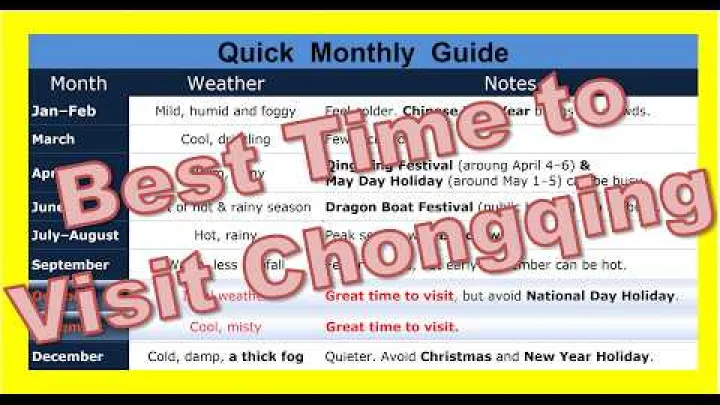
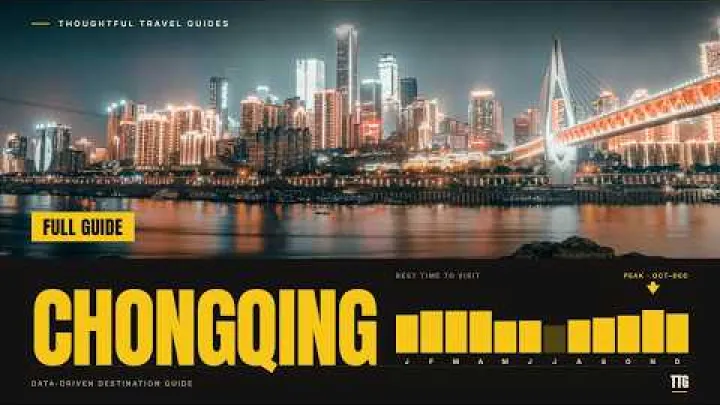
The best time to visit Chongqing is usually April to May or late September to October, when conditions are often more comfortable for walking, cultural sightseeing, and river views. Chongqing has hot, humid summers, a wetter warm season, and cool, damp winters that can bring drizzle or fog. This guide explains Chongqing weather by season and month, then compares the best travel periods for hiking, families, Yangtze River cruises, cultural trips, and lower-cost travel. Use climate patterns to choose a month, but treat the live forecast as the guide for your exact dates.
Quick Answer: When Is the Best Time to Visit Chongqing?
For a first visit focused on exploring the city, April to May and late September to October offer the strongest overall balance. Temperatures are generally easier for steep streets, stairs, riverfront walks, and outdoor viewpoints than during the hottest summer months. Spring and autumn can still bring rain, fog, or warmer-than-usual days, so these periods are planning windows rather than guarantees.
| Season | Typical feel | Good for | Main trade-off |
|---|---|---|---|
| Spring | Mild to warm; rain may increase | Walking, culture, families | March can be changeable; May is warmer |
| Summer | Hot, humid, and rainy at times | Indoor culture and flexible schedules | Hardest period for long exposed walks |
| Autumn | Cooling and often comfortable | Walking, views, and cruises | Holiday demand can rise |
| Winter | Cool, damp, and sometimes foggy | Indoor visits and quieter travel | Less reliable comfort for long outdoor days |
Best Overall Months: April to May and Late September to October
April and May are strong choices for travelers who want to combine Chongqing city center walks with food, museums, historic areas, and short trips into the surrounding hills. April is often the most balanced spring month. May brings more warmth and humidity, but it is usually still easier for many visitors than July or August.
Late September to October is the other main planning window. Early September can still feel like summer, while the later part of the month usually moves toward more manageable conditions. October often suits travelers who want long sightseeing days or a Yangtze River cruise. However, river and skyline visibility can change with rain and fog, and major holidays can affect crowds and prices.
A travel guide from China Highlights also identifies spring and autumn as the usual best periods to visit Chongqing. These are the best general city-stay choices, but a cruise traveler, a heat-sensitive family, and a budget traveler may select different dates.
Chongqing Climate: Heat, Rain, Fog, and Local Variation
Chongqing has a subtropical monsoon pattern. In practical terms, the warm part of the year is more humid and tends to bring more rain, while winter is cooler, damp-feeling, and less dependable for bright outdoor days. Heat, humidity, rain, and fog matter because Chongqing sightseeing often involves hills, stairs, open viewpoints, and travel beside the Yangtze River and Jialing River.
The Subtropical Monsoon Pattern
A broad overview from China Culture describes Chongqing as having a subtropical monsoon climate and gives indicative average ranges of about 1–8°C in January and 21–29°C in July. Treat those figures as broad climate guidance, not as a promise for a particular year or travel date. Individual heatwaves, unusually cool periods, heavy rain, and fog can fall outside a typical monthly pattern.
Summer comfort depends on more than the daytime temperature. Humidity can make stairs and steep roads feel harder, and warm nights may reduce recovery between sightseeing days. In winter, damp air, drizzle, fog, and limited sunshine can make a moderate temperature feel less comfortable than a dry day at the same temperature. This is why a month that looks acceptable on a simple temperature chart may still require shorter outdoor activities.
Descriptions of Chongqing as a very hot city express the experience of summer but are not precise climate measurements. Also, coastal China advice about beaches, sea conditions, or typhoon seasons should not replace Chongqing-specific weather information. The city is inland, and the most useful planning questions are usually how hot, wet, humid, or foggy the city and your regional route may be.
City Center, Hills, and the Yangtze–Jialing River Setting
Chongqing city center is built among hills and river valleys, with the Yangtze River and Jialing River shaping many of the city's routes and viewpoints. A short walk can include slopes, stairways, exposed bridges, and changes in elevation. Weather that feels manageable inside a hotel or museum may feel different after several hours of walking outdoors.
The wider Chongqing municipality includes surrounding hills and upland areas. These places can have different temperatures, wind, rain, and visibility from the urban core. A forecast for central Chongqing may therefore be a poor guide to a hiking route, a rural overnight stop, or a Three Gorges excursion farther along the river.
If your itinerary combines the city center with upland areas or the Three Gorges, consider each overnight base and excursion separately. This helps you choose suitable clothing, allow for different levels of visibility, and avoid planning a demanding hill walk on a day when conditions are more suitable for indoor culture or food experiences.
Climate Averages vs the Live Forecast
Climate averages and normals describe what is usual over a long period. They do not predict the weather on your arrival day. The NCEI explains that official climate normals use a uniform 30-year period and include monthly and seasonal averages. Such information is useful for comparing April with July, but it cannot tell you whether your travel dates will have rain, extreme heat, fog, or clear views.
- Choose a month from the normal pattern. Use the seasonal descriptions to decide whether comfort, lower demand, outdoor time, or indoor sightseeing matters most.
- Refine the plan with current information. For your exact travel dates, consult a current official forecast and warning service, then adjust clothing, outdoor timing, and regional excursions.
There is no single monthly number that describes every part of this large, mountainous municipality. Published summaries may also use different stations or time periods. Use them to understand the broad Chongqing climate, and use date-specific information for decisions that depend on rain, heat, fog, or visibility.
Chongqing Weather Month by Month
Chongqing weather changes gradually, but the edges of each season can be variable. The following month-by-month guide describes the usual travel feel without presenting unsupported exact rainfall totals or fixed temperature promises.
March to May: Spring Warmth and Increasing Rain
March: March can be changeable. Winter conditions are easing, but mornings and evenings may still feel cool, especially when the air is damp. It is a useful month for travelers who accept variation and want a quieter spring atmosphere, but pack layers rather than relying on warm afternoons.

April: April is typically one of the best balances for a city visit. Days are often suitable for walking between viewpoints, neighborhoods, museums, and riverfront areas without the sustained summer heat. Rain remains possible, but many travelers find April a practical month for combining outdoor and indoor activities.
May: May is warmer and more humid than early spring, and rain may become more noticeable. It can still be very comfortable for sightseeing, particularly when outdoor activities are spread across the day. Late May can feel close to summer on warmer days, so breathable clothing and a light waterproof layer are useful.
June to August: The Hottest and Most Humid Period
June: June marks the move into more difficult summer conditions. Heat and humidity increase, and cloud or rain can interrupt outdoor plans. A June visit can work well when the itinerary includes museums, food experiences, shopping areas, and other sheltered activities alongside shorter walks.

July: July is often the most demanding month for outdoor sightseeing. Heat, humidity, and limited overnight cooling can combine to make long stair routes, exposed viewpoints, and hill walks tiring. A heatwave can be substantially hotter than the monthly pattern, so do not assume that a rainy day will always feel cool.
August: August can remain hot and humid, even though the timing and amount of rain vary from year to year. Travelers visiting in August should expect to adapt the daily schedule rather than depend on a fixed pattern of afternoon storms or cooler evenings.
Summer is workable when you schedule strenuous outdoor sightseeing outside the hottest part of the day, use indoor or air-conditioned attractions during the middle hours, and keep the itinerary flexible. Carry water during outdoor visits, use breathable clothing and sun protection, and leave time for regular breaks. Visitors who plan many exposed walks or who are sensitive to heat may prefer April, May, late September, or October.
September to November: Cooling Weather with a Holiday Caveat
September: Early September can still feel like summer, especially during a warm spell. Late September is usually a better choice for visitors who want autumn comfort but cannot travel in October. Conditions can change at the edges of the month, so plan a mix of outdoor and indoor activities.
October: October is typically one of the strongest months for walking, city views, cultural sightseeing, and combining Chongqing with a Yangtze River trip. It is often more comfortable than summer for long days, although rain, fog, and reduced visibility can still occur. Do not treat October as a guarantee of clear skies.
November: November brings cooler days and may feel damp or foggy. Early November can still suit travelers who prefer cooler weather, while later dates are less attractive for long outdoor itineraries. Museums, food-focused plans, and atmospheric streets can make November worthwhile when you accept less reliable views.
Autumn weather is only one part of the decision. Major public holidays that overlap with this travel window can increase visitor numbers, accommodation demand, and prices. Check the current holiday calendar separately from the weather pattern before choosing exact October dates.
December to February: Cool, Damp, and Usually Quieter
December: December is generally cool and damp, with drizzle, fog, and limited sunshine possible. Long outdoor walks may feel less inviting, but indoor museums, food experiences, and city neighborhoods remain options. Water-resistant footwear is helpful when streets and steps are wet.

January: January is typically the coldest part of the year in Chongqing. Damp air can make the cold feel more persistent, even when temperatures are not severe by international standards. It is better suited to travelers who are comfortable with shorter outdoor periods and a greater emphasis on sheltered activities.
February: February begins the gradual move toward spring, but winter dampness can continue. It may appeal to visitors who prefer fewer crowds and do not need dependable long-distance views. Pack warm layers and keep outdoor plans adaptable, particularly if you will visit surrounding hills.
Winter may offer quieter sightseeing and possible savings, but lower demand does not guarantee lower prices on every date. A month with less total rainfall can still include light drizzle that affects comfort. The city center should not be treated as having the same winter conditions as every upland or regional stop, and there is no need to assume snowfall in the urban area when planning a normal city itinerary.
Best Time to Visit Chongqing by Travel Purpose
The best Chongqing travel season changes with the kind of experience you want. A visitor planning steep walks and river views needs a narrower comfort window than someone whose trip centers on museums, food, shopping, and indoor cultural venues.
Walking, Hiking, and Cultural Sightseeing
Mid-spring and early-to-mid autumn are the most balanced periods for steep urban walks, riverfront areas, hills, viewpoints, and outdoor cultural exploration. April, May, late September, and October usually provide better conditions for spending several hours outside than the peak summer months. They also make it easier to combine the city center with nearby scenic areas.
Summer heat and humidity can make stairs and exposed routes harder, while winter dampness and fog can reduce the appeal of a long outdoor day. Hiking conditions in the surrounding hills may differ from those in the city center, so treat a regional route as its own weather decision. For an itinerary that is mostly outdoors, choose the shoulder seasons. For an itinerary that is mostly indoors, summer or winter can still work if you accept the seasonal trade-off.
Yangtze River Cruises and the Three Gorges
Spring and autumn are broad comfort choices for deck time and shore excursions. Autumn can extend into November for travelers who prefer cooler weather. A guide from China Discovery describes September to November as a comfortable period for Yangtze River cruising.
Summer has a mixed profile. Interior spaces on a vessel may offer relief from the heat, but exposed decks and shore visits can still be hot, humid, or rainy. Winter may bring fewer visitors and distinctive atmospheric scenes, yet damp cold and reduced visibility can affect deck time and views. Conditions at the Chongqing departure or arrival point may also differ from those farther along the Three Gorges route.
Cruise operators do not all use the same sailing dates, shore excursions, facilities, or cancellation rules. Reconfirm your selected operator's sailing date and the status of planned shore excursions shortly before departure. Keep general Chongqing climate advice separate from the operator's current schedule and river-route information.
Family Travel and Heat-Sensitive Visitors
Late spring and early autumn are practical starting points for family travel because they often balance outdoor comfort with manageable seasonal variation. Families can usually plan a mix of short walks, cultural attractions, meals, and indoor breaks without making the entire itinerary depend on one weather type.
July and August require shorter exposed activities, regular indoor breaks, and careful attention to how the day feels. Winter's damp cold and prolonged fog may also be uncomfortable for some children, older adults, and heat- or cold-sensitive visitors. Build the schedule around individual comfort, with flexible choices rather than treating a seasonal recommendation as a guarantee.
Budget Travel and Fewer Crowds
The most comfortable spring and autumn periods can also attract more visitors and stronger demand. This is especially important when a major public holiday falls within your travel window. A pleasant weather forecast does not automatically mean that hotel rooms, transport, cruise cabins, or popular attractions will be easy to book.
Winter and selected shoulder-season dates may be quieter and can offer better value, but discounts are not guaranteed. Summer prices and crowd levels can vary with domestic travel demand, school holidays, indoor attractions, and cruise schedules. Compare exact dates instead of assuming that an entire season is cheap or crowded.
A simple decision framework is to choose spring or autumn for comfort, winter or carefully selected shoulder dates for a greater chance of quieter sightseeing, and summer only when the itinerary can handle heat and humidity. Before booking peak-season dates, check the current holiday calendar, room rates, and attraction availability. This helps separate a possible seasonal saving from a date-specific price or access problem.
Practical Chongqing Weather Planning
Good preparation for Chongqing is less about packing for one fixed season and more about preparing for slopes, wet surfaces, humidity, and changing visibility. Choose a basic clothing system for the month, then adapt the final details to the conditions expected for your route.
What to Pack and Wear by Season
Spring and autumn are easiest to handle with breathable layers. Include a light waterproof jacket or other rain layer, because a comfortable season can still contain wet days. Late spring and early autumn may need lighter clothing than the start of spring or the end of autumn.
For summer, choose breathable clothing, sun protection, and shoes that remain comfortable during long walks. Carry reliable water supplies for outdoor plans, and avoid building every day around exposed routes. For winter, use insulating layers, a water-resistant outer layer, and footwear that is comfortable on damp streets and steps.
- Choose comfortable footwear with good support for slopes, stairs, and wet urban surfaces.
- Use layers so you can adjust between outdoor streets and indoor venues.
- Keep a light rain layer available in spring, summer, and autumn, not only in the wettest-looking month.
- For regional trips, adjust clothing for the upland or river route rather than packing only for the city center.
How Rain, Fog, and Heat Change a City Itinerary
Rain and fog can change the value of riverfront walks, skyline viewpoints, hills, and other visibility-dependent activities. Poor visibility may hide a scenic view without making the entire city visit unsuitable. Use those conditions as a reason to change the order of activities, not necessarily to cancel the trip.
During hot weather, place outdoor routes in the earlier or later part of the day and use indoor cultural, shopping, or food-focused activities during the hottest hours. Rain can make steep or wet surfaces slower to cross, so allow extra time for moving between locations and for drying clothes or changing plans.
Keep one indoor or lower-exposure backup block for any day with forecast rain, poor visibility, or extreme heat. A backup block might include a museum, a food experience, a covered shopping area, or a shorter neighborhood visit, subject to current opening and access arrangements. This simple plan keeps one difficult weather period from disrupting the whole day.
How to Check Forecasts, Holiday Dates, and Tour Operations
Use three different types of information at three different planning stages. Historical climate information helps you choose a month. Current official forecasts and warnings help you pack for exact dates. Short-range updates help you decide whether a particular day should focus on walking, indoor culture, river views, or a regional excursion.
- Before choosing dates: Compare the seasonal and monthly patterns with your main purpose, such as hiking, family travel, a cruise, or a quieter visit.
- Before departure: Check current weather information and warnings for Chongqing and for any separate overnight base or Three Gorges stop.
- Before booking peak dates: Confirm public holidays, accommodation demand, attraction arrangements, and the prices available for your exact dates.
- Before a cruise: Review the selected operator's sailing information, shore-excursion arrangements, and current policies.
- During the trip: If conditions differ substantially from the normal pattern, rebalance outdoor, indoor, river, and regional activities.
The National Weather Service provides a current-condition page for Chongqing, which can help show present conditions. A current observation is not a substitute for a date-specific local forecast, so use the most relevant official forecast and warning service available for your travel dates and route.
Final Recommendation for Visiting Chongqing
For most travelers, the best time to visit Chongqing is April to May or late September to October. These periods usually offer the most useful balance between outdoor comfort, cultural sightseeing, river experiences, and manageable humidity, although rain and fog remain possible.
Choose summer only if you can organize shorter outdoor periods and indoor breaks, and choose winter if quieter streets and atmospheric city scenes matter more than dependable long outdoor days. For the final decision, match the season to your travel purpose, compare crowd and price conditions for your exact dates, and keep the itinerary flexible enough for Chongqing's heat, rain, fog, and local variation.
Select area
Create a post
Posting is free and no registration is required.