Wuhan Budget: Daily Travel Costs by Travel Style
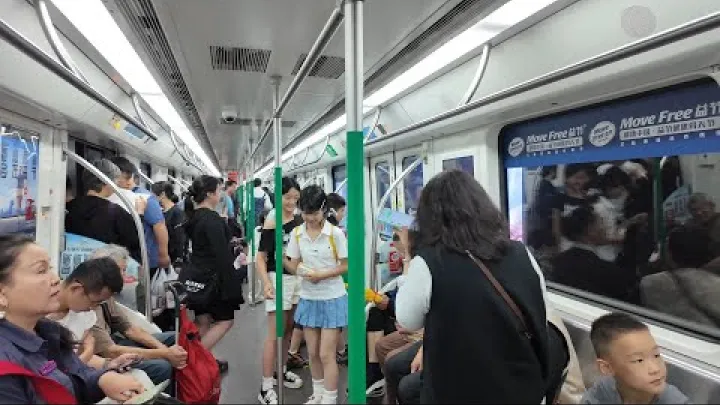
A Wuhan budget is shaped less by one expensive ticket than by room sharing, travel dates, dining choices, and how often taxis replace the metro. A practical Wuhan travel budget is about ¥220–300 per person per day for a strict budget, ¥450–750 for a mid-range trip, and ¥700–1,000 or more for comfortable travel. These are planning ranges for a Wuhan city stay, not fixed quotes. This guide explains what each range includes, how much accommodation, food, local transport, and activities may cost, and how to build a three-day or seven-day budget in Chinese yuan.
How Much Does a Wuhan Trip Cost?
Wuhan offers several ways to control spending. Travelers can combine inexpensive local meals, distance-based metro fares, free cultural or outdoor attractions, and a room shared with another traveler. The largest changes usually come from accommodation dates, room standards, paid experiences, and the difference between traveling alone and splitting a private room.
Daily Wuhan Budget Ranges by Travel Style
The following working ranges are per person per day and use CNY as the main currency. The lodging share assumes that two people share a private room in the mid-range and comfortable examples. The strict-budget example can use a hostel bed or a basic private room shared by two people.
| Travel style | Stay share | Food | Local transport | Activities | Working daily total |
|---|---|---|---|---|---|
| Strict budget | ¥80–150 | ¥50–75 | ¥10–30 | ¥0–50 | About ¥220–300 |
| Mid-range | ¥225–325 | ¥75–110 | ¥30–50 | ¥50–150 | About ¥450–750 |
| Comfortable | ¥225–450 or more | ¥130–190 | ¥60–100 | ¥150–300 | About ¥700–1,000 or more |
These columns are planning allowances, not a promise that every lowest or highest amount will occur on the same day. The daily totals describe realistic travel-style budgets rather than the strict mathematical sum of every component endpoint. A budget traveler may spend below ¥220 on a quiet day with free activities, while a paid landmark, upgraded dinner, or more expensive room can push the total higher. A solo traveler also pays the full room price unless choosing a dorm bed, so the per-person cost can be higher than the table suggests.
Keep the main calculation in CNY. If a booking page displays a price in US dollars, recalculate the conversion close to the time of booking and leave a small exchange-rate buffer. Exchange rates and listing prices can change, so a dollar figure should be treated as a dated reference rather than as a fixed Wuhan price.
What the Daily Estimate Includes
A normal city-day estimate includes four components: a share of the overnight stay, meals and drinks, travel within Wuhan, and sightseeing or activities. The room price is not the same as the individual lodging cost. For example, a ¥500 private room costs ¥250 per person when two people share it, but the full ¥500 is charged to one solo traveler.
It is useful to separate ordinary sightseeing days from arrival and departure days. A city sightseeing day may need only metro rides and meals. An arrival day may include an airport or railway-station transfer, luggage storage, an early check-in fee, or a taxi chosen for convenience. Those costs can make one day look unusually expensive without changing the normal daily cost of the rest of the trip.
The estimates do not include international flights, intercity rail, visa costs, travel insurance, shopping, long-distance excursions, major nightlife spending, or unusually expensive experiences. They also do not assume that hotel breakfast is included. Keep a separate contingency line for small price changes, spontaneous activities, or a meal that costs more than planned.
Which Travelers Fit Each Budget Tier?
A strict-budget traveler normally chooses a hostel or basic hotel, eats local breakfasts and casual meals, uses the Wuhan Metro for most journeys, and gives priority to free or low-cost sights. This style can still include local food streets, parks, museums, and neighborhood exploration. The trade-off is less private space, more travel planning, and fewer taxis or premium meals.
A mid-range traveler generally books a comfortable private room, mixes local restaurants with selected restaurant meals, uses the metro for longer or predictable journeys, and takes an occasional taxi. This tier leaves room for several paid attractions and one or two more expensive meals without making every day costly.
A comfortable traveler chooses a higher-quality private room, pays for more restaurant meals, uses taxis when they save time, and includes paid experiences such as scenic admissions or a river cruise. Comfort does not require spending heavily every day. A traveler can stay in this tier by paying for a better room while keeping some meals and activities simple.
The most important adjustment is room occupancy. A couple sharing one room can have a much lower lodging cost per person than two solo travelers booking separate rooms. A solo traveler who values a private bathroom may need to plan above the strict-budget range even when food and transport remain inexpensive.
Accommodation Costs in Wuhan
Accommodation is often the largest and most date-sensitive part of a Wuhan travel budget. Compare the total price for the exact stay rather than relying on a low headline rate. Room type, location, occupancy, taxes, cancellation terms, breakfast, and transport access all affect the real value of a property.
Hostels and Budget Hotels
Low-cost accommodation is available, but the cheapest advertised number is usually a starting point tied to a particular date and room type. A Booking listing page has displayed Wuhan cheap-hotel prices from about US$18.89 per night. That snapshot shows that basic lodging can be modestly priced, but it is not a citywide average or a guaranteed rate.
For planning, use approximately ¥130–300 per night for a hostel or basic hotel, then adjust for whether the amount buys a dorm bed, a private room, or a room with a private bathroom. A dorm bed may reduce the solo cost, while a simple private room can be more economical for two people sharing. A room near a major station or a central sightseeing area may not offer the same rate as one in a less convenient location.
Before comparing properties, check the following details:
- Whether the price is for one bed, one room, or a specific number of guests.
- Whether the bathroom is private or shared.
- Whether taxes, service charges, breakfast, and deposits are included.
- Whether the booking can be cancelled without a fee.
- How far the property is from a useful metro station and from the places you expect to visit.
Use the lowest rates as promotional or date-specific examples. Do not assume that a low price guarantees a particular level of cleanliness, facilities, accessibility, or English-language service. Read the current property information and recent guest conditions before deciding that a room fits your needs.
Mid-Range and Comfortable Hotels
For a more comfortable private room, a practical planning band is roughly ¥450–650 or more per room per night, depending on the property and date. A dated Expedia snapshot for Royal Suites & Tower showed a one-night price starting around US$93 for two adults, including taxes and fees. This is a sample-date listing, not a normal Wuhan average, but it illustrates how a comfortable business-hotel booking can sit above the low end of the market.
If two people share a ¥450–650 room, the basic lodging share is about ¥225–325 per person. A solo traveler should budget the full room rate. A comfortable room may be worth the difference when it reduces commuting time, provides a reliable workspace, or makes a longer stay easier, but compare the actual facilities rather than treating a brand name as a guarantee of quality.
Read the inclusions carefully. Breakfast may be optional, an extra bed may have a separate charge, and parking or vehicle services may not be part of the room price. The same sample listing also displays a CNY 480 per-vehicle fee in its terms, showing why property-specific charges need to be read instead of assumed. Check the exact room dates, occupancy, taxes, fees, breakfast, and cancellation conditions before placing the price in your trip total.
Location, Timing, and Booking Choices
Location changes the balance between nightly price, walking access, transport cost, and time. Jiang'an District and the Sanyang Road area are useful central-city anchors when comparing hotels because a central base may reduce the number of long daily journeys. That does not mean every property there is cheaper or more expensive than properties elsewhere; the result depends on the dates and the individual listing.
A room farther from the main attractions may cost less per night, but the saving can be reduced by extra metro rides, occasional taxis, longer walks, or the time needed to return to the hotel. Conversely, a central room may cost more while reducing travel friction. Compare the complete stay total for identical dates, the same occupancy, the same cancellation terms, and similar breakfast or fee conditions.
Weekends, public holidays, school vacations, conferences, and local events can move a room toward the upper end of its normal range. If your dates are flexible, search several nearby date combinations before fixing the accommodation budget. If they are not flexible, reserve the room component first and make food and activity choices around the confirmed lodging cost.
Food and Drink Prices in Wuhan
Food is one of the easiest Wuhan budget categories to adjust. Local breakfasts, noodle shops, food courts, and neighborhood restaurants can support a low daily total, while hotel buffets, specialty coffee, imported products, drinks, and shared upgrade meals can raise it quickly.
Local Breakfasts and Snack Streets
Recent China street-food price guidance places a small breakfast around ¥5–18, with a more complete local breakfast often fitting within about ¥8–20. The lower end may cover one snack or a simple item, not necessarily a large meal. For a filling morning, allow for a main item plus a drink or a second small item.

Hubu Alley is a recognizable Wuhan food stop and can be useful for trying local snacks, but prices at a famous food street may differ from prices at a neighborhood shop. Individual low-price reports from visitors are anecdotal and should not be treated as a guaranteed current menu. Ask for the price of the item and portion you want, especially when ordering several snacks rather than one dish.
A hotel buffet, Western-style café, specialty coffee, or repeated bottled drinks can make breakfast several times more expensive than a local meal. Travelers who want both convenience and local food can alternate: use a neighborhood breakfast on most mornings and choose a café or hotel meal on a day when comfort matters more.
Casual Lunches, Noodles, and Simple Meals
A bowl of noodles or rice noodles can be planned at roughly ¥10–30, while a simple casual meal may be around ¥15–40. These bands vary with the venue, portion, ingredients, neighborhood, and whether the meal is a single dish or a table of shared plates. A MyChina Guide price overview gives similar broad ranges for small breakfasts, noodle or rice bowls, and casual food in China.
Residential eateries, local food courts, and neighborhood shops are often better suited to a tight budget than mall restaurants or venues beside a major landmark. The choice is not only about price. A local shop may have a shorter menu and simpler service, while a mall restaurant may offer easier ordering, air conditioning, more seating, or a more familiar menu at a higher cost.
Distinguish one filling dish from a shared meal. Several dishes, side items, soup, drinks, dessert, delivery charges, or a larger portion can move a ¥20 lunch toward ¥50 or more. If you are budgeting by meal, decide whether the allowance is for one person ordering one main dish or for a group sharing food, then keep that assumption consistent.
Dinner, Hotpot, Barbecue, and Drinks
A simple dinner can fit within about ¥25–45 per person. Hotpot, barbecue, seafood, and other upgrade meals are better planned at broadly ¥70–150 or more per person when the meal includes a wider choice of ingredients, side dishes, and drinks. A shared table can look inexpensive on a menu but become much larger once every person adds ingredients or beverages.
Hotpot bills depend on the group size, soup base, meat and seafood choices, vegetables, sauces, drinks, and the number of rounds ordered. A broad China food-cost reference from China Highlights describes a filling noodle bowl at around ¥15 and a hotpot average of ¥30–80 for two or more people. Such a general benchmark is useful for showing the range of dining styles, but it should not be read as a complete current Wuhan hotpot bill or as a per-person price.
Plan one or two higher-cost dinners as deliberate experiences instead of allowing an upgrade meal to define every day. A simple noodle or rice meal earlier in the day can leave room for a hotpot dinner without requiring a higher food budget for the entire trip. Drinks and snacks deserve their own line because they are easy to overlook and can add more than the main dish.
Daily Food Budgets and Ways to Save
Useful daily food scenarios are about ¥50–75 for a street-food-heavy budget, ¥75–110 for a mixed local and restaurant style, and about ¥130–190 for a comfortable day that includes a hotpot, barbecue, or another upgrade meal.
For example, a budget day might use a ¥10 breakfast, a ¥20 noodle lunch, a ¥25 simple dinner, and ¥5–15 for snacks or drinks. A mixed day could use ¥15 for breakfast, ¥25–35 for lunch, ¥35–45 for dinner, and around ¥10 for extras. A comfortable day might include a ¥20 breakfast, a ¥30–40 lunch, a ¥70–110 shared meal, and ¥20–30 for drinks or snacks.
Practical ways to keep food costs predictable include eating breakfast at a local shop, choosing a neighborhood restaurant for lunch, buying simple snacks from a grocery store, and limiting premium drinks. You do not need to eat only at stalls. A useful compromise is to keep two meals simple and choose one meal or food street visit as the main experience of the day.
Getting Around Wuhan: Transport Costs
Wuhan has a useful public-transport option for travelers who plan around metro stations. Local transport is usually a smaller part of the total budget than accommodation, but repeated taxis or long transfers can change that balance. Treat airport, railway-station, intercity, and scenic-area transfers as separate lines from normal city sightseeing.
Wuhan Metro Fares and Daily Metro Spending
Wuhan Metro fares are distance-based, start at ¥2 for short journeys, and commonly remain in the low single digits for ordinary city rides. A reasonable working allowance is approximately ¥10–30 per day for several metro journeys, depending on the distance between your hotel and attractions and how many areas you visit.
The available Wuhan Metro reference also reports a 10% discount for passengers using a Wuhan Tong Card. Payment rules and card availability may not be equally convenient for every visitor, so do not include a discount unless you know you can use it.
Before relying on a specific fare or payment method, confirm the current fare table, service status, and available payment option at the station or through a current metro operator channel. The published fare reference is not a direct operator page and should be treated as a general guide rather than a final current tariff. Metro-first planning remains one of the simplest ways to keep ordinary city transport within a modest allowance.
Taxis and When Convenience Is Worth Paying For
A tariff snapshot from Taxi Calculator, based on figures dated January 2024, lists a ¥10 base fare for the first 3 km, followed by about ¥1.80 per additional kilometer and a waiting-time charge. These figures are useful for planning, but a calculator estimate is not a promise of the final amount for every vehicle or traffic condition.
As a simple illustration, an 8 km ride would be about ¥19 before waiting-time charges or other variation: ¥10 for the first 3 km plus five additional kilometers at ¥1.80. The actual route and traffic can affect the result. Treat that calculation as an example of the tariff structure, not as a quoted fare for a particular journey.
A taxi can cost materially more than the metro, but convenience may be worthwhile with luggage, a late arrival, a poor connection, heavy rain, or two or more passengers sharing one vehicle. Compare the vehicle cost with the per-person cost. A ¥40 taxi is expensive for one person compared with a metro ride, but it may be reasonable at ¥20 each for two travelers when it replaces a difficult transfer.
Choosing a Base to Control Transport Spending
Set aside about ¥10–25 for a metro-focused day, ¥30–50 for a mixed metro and taxi day, and ¥60–100 for a taxi-heavy day. These are local-transport allowances, not airport or intercity transfer prices.
A hotel near a useful metro station can make a less central property practical. A central hotel may reduce daily travel time, walking friction, and the need for taxis. The best choice depends on the value you place on time compared with nightly price. Look at the location of your main attractions as a group rather than selecting a hotel only because it has the lowest room rate.
Keep flights, intercity rail, airport transfers, railway-station transfers, and transport to a distant scenic area outside the ordinary Wuhan city-day allowance. This prevents one unusually long journey from distorting your estimate for normal metro and taxi use.
Attractions and Activities: Free, Moderate, and Premium Days
Wuhan makes it possible to mix no-ticket cultural or outdoor time with paid landmarks. The activity budget is therefore flexible, but free entry does not always mean a completely free day. Transport, food, reservations, rentals, and optional add-ons can still affect the total.
Free Cultural and Outdoor Options
Hubei Provincial Museum and free sections of East Lake Park are useful examples of activities that can help keep a Wuhan budget under control. Access conditions can differ by exhibition, zone, reservation requirement, or special program, so treat free entry as something to confirm for the specific visit rather than as a permanent assumption.
East Lake Park is not one single uniform ticket area. Some parts may be freely accessible while particular scenic areas, activities, or add-ons charge separately. The same principle applies to museums: a general visit may have different rules from a special exhibition or event. Check the current opening and access details before making a free day the foundation of your schedule.
A free activity day can still require ¥10–30 in metro fares and may lead to spending on lunch, drinks, bike rental, or a nearby paid experience. Balance a paid landmark day with a museum, park, riverside walk, or neighborhood exploration day. This approach protects the budget without making the itinerary depend entirely on free attractions.
Yellow Crane Tower and Paid Scenic Experiences
Yellow Crane Tower is a clear example of a moderate paid attraction. A Trip.com listing snapshot shows a ticket price of about US$10.09. Use the CNY equivalent at the time of planning rather than treating the dollar display as a permanent official tariff.

A Yangtze River night cruise or a similar packaged experience belongs in a higher activity tier. The final cost may vary with the departure, seating, package type, dining inclusion, and booking conditions. A cruise price should not be assumed to include the metro or taxi to the pier, dinner before departure, drinks, or other optional services.
Before visiting a paid attraction, check the current ticket price, opening status, availability, and reservation requirements. Also confirm what the ticket includes. This is particularly important when a booking platform displays a promotional price, a session-specific ticket, or an amount that excludes optional upgrades.
How Much to Set Aside for Activities
Use approximately ¥0–80 for a budget activity day, ¥50–150 for mixed sightseeing, and ¥150–300 for a day centered on several paid attractions or a premium experience.
These are planning allowances, not a complete Wuhan ticket list. A budget day might use a free museum or park and one modest optional expense. A mixed day could include Yellow Crane Tower plus free outdoor time. A paid-attraction-heavy day might include several admissions, a cruise, or a packaged experience. Decide which paid experiences are priorities first, then use free activities to fill the remaining time instead of paying for every available option.
What Raises the Cost and How to Save
The same Wuhan itinerary can have very different totals depending on timing and habits. Focus on the cost categories that you can change: room dates and location, meal venues, taxi frequency, and the number of paid experiences.
Peak Dates, Weekends, Events, and Tourist Areas
Accommodation is usually the most date-sensitive part of the Wuhan budget. Weekends, public holidays, school breaks, conferences, and local events can move room prices toward the upper end of a planning range. If the hotel is the main fixed cost, changing the dates by even a short period may matter more than saving a few yuan on individual metro journeys.
Commercial malls, riverside or landmark-adjacent venues, stations, and famous tourist food streets may cost more because they offer convenience or attract greater demand. That does not mean every restaurant or shop in those areas is expensive. It means that travelers should compare a convenient tourist-area option with a neighborhood alternative before assuming the first visible price is typical.
Ordinary metro fares generally have a smaller effect on the total than a changed hotel rate or repeated upgrade meals, although the current fare and service conditions still matter. To lower the total, consider flexible dates, a metro-connected base, local meal venues, and a schedule that groups nearby activities.
Wuhan Compared With Other China Bases
Wuhan is a large inland metropolis with a broad range of hotels, restaurants, metro journeys, and paid attractions. It is best viewed as a city with multiple budget levels rather than as either the cheapest or the most expensive possible base in China.
Directionally, Wuhan may offer lower everyday costs than some top-tier coastal megacities, especially when travelers use local food and public transport. Smaller inland or rural bases may show lower sticker prices for a meal or room, but they can have fewer accommodation choices, less frequent transport, or higher access costs for reaching major sights. Resort areas can also have demand-driven pricing and fewer alternatives.
These comparisons are not matched city-to-city quotes. A fair comparison would need the same hotel standard, room occupancy, meal type, transport pattern, dates, and itinerary. Use Wuhan's range of choices as the main planning advantage: you can choose a central hotel and short journeys, a lower-cost room near a metro station, or a more local food pattern according to your priorities.
Practical Ways to Lower the Total
Organize savings by cost component rather than trying to reduce every expense equally:
- Accommodation: Compare flexible dates, book a room that matches the number of guests, and calculate the full stay total. A slightly more expensive room near a metro station may cost less overall than a cheap room that requires frequent taxis.
- Food: Use local breakfast shops, neighborhood restaurants, simple lunch dishes, and grocery snacks. Keep one or two planned splurge meals instead of upgrading breakfast, lunch, and dinner every day.
- Transport: Use the metro for predictable city journeys and share taxis when luggage, weather, or group size makes them worthwhile. Group attractions by area to avoid crossing the city repeatedly.
- Activities: Mix free cultural, park, riverside, and neighborhood time with the paid landmarks that matter most to you. A single priority cruise or landmark is easier to absorb when the rest of the day has low activity costs.
If comfort matters more than the lowest possible total, protect the room and the experiences that affect your enjoyment first. Save on flexible categories such as snacks, drinks, and the number of taxi journeys. If the lowest total is the priority, make the room-sharing assumption and the metro-connected location clear before booking so the saving does not depend on unrealistic daily travel.
Build a Wuhan Trip Budget Before You Book
A useful budget separates fixed bookings from daily choices. Start with the room cost and the number of nights, then add food, local transport, activities, arrival costs, and a modest contingency. This method is more reliable than multiplying one broad daily figure when your first and last days involve luggage or long transfers.
Calculate Short-Stay and Longer-Stay Examples
Use this formula:
Trip total per person = daily food, local transport, and activities multiplied by city days + the lodging cost for the nights divided by the number of people sharing + arrival and departure costs + a separate contingency.
Do not assume that city days and hotel nights are the same. A three-day visit may have two nights, while a traveler arriving late and leaving late may book three nights. The examples below use clear assumptions so that you can change the numbers.
- Solo strict-budget example: For three city days and two nights, assume a basic bed or room at ¥180 per night, food at ¥60 per day, local transport at ¥20 per day, and activities at ¥25 per day. The calculation is ¥360 for lodging + ¥180 for food + ¥60 for transport + ¥75 for activities = about ¥675 per person, before arrival or departure transfers.
- Two-person mid-range three-day example: For three city days and three nights, assume a ¥550 room shared by two people, food at ¥90 per day, mixed transport at ¥35 per day, and activities at ¥90 per day. Each person pays ¥825 for the room share and ¥645 for daily spending, for a total of about ¥1,470 per person before arrival costs.
- Two-person mid-range seven-day example: Using the same assumptions for seven city days and seven nights gives ¥1,925 for each person's room share and ¥1,505 for daily spending, or about ¥3,430 per person before arrival costs. A seven-day visit with six nights would be about one shared room-night cheaper per person, although the arrival or departure day may still have extra transport costs.
These examples show why room sharing has a large effect on a longer stay. They also show why a higher-cost first or last day should be added separately. Price flights, intercity rail, airport or railway-station transfers, shopping, and unusual splurges as their own lines instead of hiding them inside the Wuhan city-day estimate.
Final Price-Check Checklist
Before fixing the final Wuhan travel budget, use this short checklist:
- Confirm the exact accommodation dates, occupancy, room type, taxes, fees, breakfast, cancellation terms, and map location.
- Compare the complete stay total across weekdays, weekends, holidays, school breaks, and known event dates when your schedule allows.
- Check the current price, opening status, reservation rule, and inclusions for Yellow Crane Tower and every other paid attraction you plan to visit.
- Confirm current Wuhan Metro fares, service status, payment options, and the assumptions used for any taxi estimate.
- List flights, intercity rail, airport or station transfers, shopping, and special experiences separately from daily city spending.
- Keep a modest CNY contingency for changing prices or spontaneous choices, then decide whether your highest priority is room comfort, food, transport convenience, or paid sightseeing.
Conclusion: Set a Flexible Wuhan Budget
A practical Wuhan budget starts at about ¥220–300 per person per day for strict travel, ¥450–750 for a mid-range stay, and ¥700–1,000 or more for comfortable travel. The most useful estimate is not a single number. It is a clear combination of room-sharing assumptions, food choices, metro or taxi use, activity priorities, travel dates, and separate arrival costs.
Use CNY ranges, compare the complete lodging cost, mix free and paid experiences, and reserve the most flexibility for accommodation and meals. Once you identify the one or two parts of the trip that matter most, Wuhan's wide choice of hotels, local food, transport, and attractions makes it easier to build a budget that is both realistic and enjoyable.
Select area
Create a post
Posting is free and no registration is required.