Wuhan Best Time to Visit: Weather, Seasons & Months
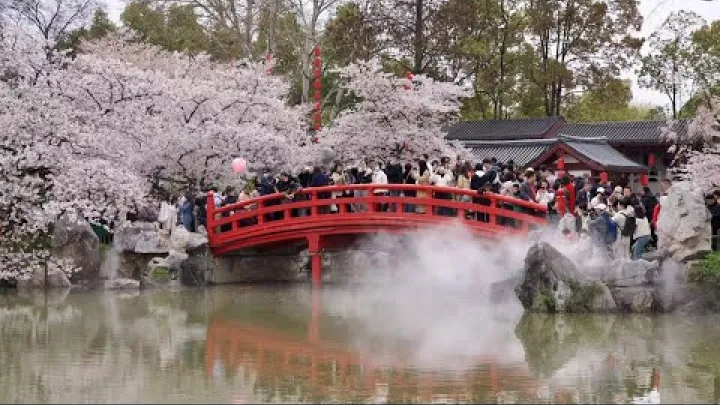
The best time to visit Wuhan depends on the balance you want between comfortable weather, seasonal scenery, crowd levels, and travel cost. For most city sightseeing, March to April and October to November are the strongest overall windows, although each has different advantages. Spring is especially appealing for blossoms and fresh greenery, while autumn often offers easier walking conditions and less rain. This guide explains Wuhan weather by season and month, then matches different travel priorities with practical clothing and itinerary advice.
Wuhan Best Time to Visit: The Short Answer
Wuhan is a year-round city destination, but weather can strongly affect how enjoyable it is to walk around its lakes, parks, riverfront areas, and cultural sites. Use the following comparisons as a quick starting point before choosing exact dates.
Best Overall: Spring and Autumn
For a general visit, choose March or April in spring, or October or November in autumn. These periods typically bring more comfortable temperatures for city sightseeing than the hot, humid summer months or the cool, damp winter season. They are suitable for combining outdoor areas such as East Lake with museums, historic neighborhoods, dining, and other indoor activities.
Autumn is often the safer default for travelers who mainly want comfortable walking and generally lower rainfall. October is usually mild, while November is cooler and can feel quieter. Spring is a better choice for visitors who value blossoms, new greenery, and a livelier seasonal atmosphere. March and April can be changeable, so spring visitors should accept a greater chance of showers and temperature shifts.
There is no single best month for everyone. Heat-sensitive travelers may prefer October or November, blossom-focused travelers may accept spring crowds, and budget-conscious travelers may choose a less popular period despite less comfortable weather. Weather suitability and visitor demand are separate questions, so a pleasant climate does not automatically mean low prices or empty attractions.
Spring or Autumn: Which Should You Choose?
Both seasons work well, but the better choice depends on the type of trip you want.
- Choose spring from March to May for blossoms, fresh park scenery, and warming temperatures. March is more variable, April is often the most balanced spring month, and May is warmer, more humid, and wetter.
- Choose autumn from September to November for walking, photography, and outdoor sightseeing. Early September can still feel hot, October is generally mild, and November is cooler with a more late-season atmosphere.
- Choose mid-March to early April for blossoms if seasonal flowers are the main purpose of the trip. This is a typical planning window rather than a guaranteed peak period because bloom progress changes from year to year.
Spring may bring more demand around popular blossom locations, while early October can be busy because of the National Day holiday. November can offer a useful comfort-and-crowd compromise for travelers who do not mind cooler temperatures.
Holiday Crowds, Prices, and Booking Pressure
Holiday demand is a logistics issue, not a climate condition. The main periods to consider are Spring Festival, the May Labor Day holiday, and the early October National Day holiday. Dates and holiday arrangements vary by year, and the surrounding travel period can affect high-speed trains, flights, hotels, restaurants, and popular attractions.

A weather-friendly date can therefore still be a difficult time to book. Accommodation availability may tighten, transport demand may rise, and some prices may increase, but the effect is not identical for every hotel, route, or attraction. Compare several dates when possible, and check the current official holiday calendar before booking.
If your trip overlaps a major holiday, reserve transport and accommodation earlier than you would for an ordinary week. If your schedule is flexible, traveling outside the peak holiday dates may make the itinerary easier, even if the weather is similar.
How Wuhan's Climate Shapes Travel
Wuhan's travel seasons are shaped by its inland location, humid subtropical climate, and strong difference between summer and winter conditions. Understanding these patterns helps you plan outdoor time rather than relying only on a simple list of recommended months.
Four Seasons, Inland Geography, and the Monsoon Climate
Wuhan is an inland city in Hubei, located around the Yangtze-Han river confluence. This setting gives the city a distinctly seasonal climate rather than the more moderated pattern found in some coastal locations. In practical terms, visitors can expect warm to hot summers, cool winters, and noticeable transition periods in spring and autumn.
The climate is commonly described as a subtropical humid monsoon climate. Rainfall is abundant overall and is more concentrated from late spring into summer, with June and July usually showing the clearest rainy-season signal. This does not mean that it rains continuously every day, but showers and wet periods can affect outdoor scheduling. Autumn and early winter are generally drier than the late-spring and summer period.
An overview from Hubei Government climate information gives a regional annual average of about 15°C, with January around 1–5°C and July around 27–30°C. The practical result is a city where East Lake walks, Yangtze riverfront visits, and park sightseeing can be very pleasant in the shoulder seasons but tiring during periods of heat, humidity, or heavy rain.
Heat, Humidity, Rainfall, and Damp Cold
January is typically the coldest month, while July is typically the hottest. Summer daytime temperatures often exceed 30°C, and high humidity can make the conditions feel more tiring than the temperature alone suggests. Long walks on exposed streets or beside the water may feel difficult in the middle of the day, especially when there is little shade.
Rainfall is concentrated around late spring and summer. June and July can combine heat with wet conditions, making a full day of outdoor sightseeing less predictable. Rain can slow walking, create wet pavement, and make riverfront or lake plans less comfortable. A small umbrella or light rain layer and an indoor alternative can be more useful than trying to preserve a fixed outdoor schedule.
Winter is different rather than simply the opposite of summer. Temperatures are lower and rainfall is generally less frequent, but humidity can make cool air feel damp and penetrating. Warm clothing, dry footwear, and shorter outdoor periods may matter more than the number on the thermometer. Climate information from Wuhan climate averages is useful for identifying these broad patterns, but different observation sites and periods can produce slightly different figures.
Climate Normals versus the Live Forecast
Long-term climate averages answer the question, Which month is usually more suitable? They cannot answer, What will happen during my particular travel week? A monthly average may describe a typical temperature or rainfall tendency, but it cannot predict an individual thunderstorm, heat wave, cold wave, or unusually dry period.
Use a two-stage planning method:
- Use climate normals to select a season and compare the trade-offs between heat, rain, cold, blossoms, and demand.
- Shortly before departure, review the current Wuhan forecast and weather advisories through the China Meteorological Service.
- Adjust clothing, outdoor plans, and backup activities if the forecast shows unusually high heat, heavy rain, thunderstorms, or a cold spell.
This distinction is especially important for a city itinerary with several outdoor stops. A favorable seasonal recommendation improves your odds of comfortable weather, but it does not guarantee favorable conditions on every day.
Weather in Wuhan by Season
Each season can support a good Wuhan trip when the itinerary and clothing match the conditions. The main differences are the balance between outdoor comfort, rainfall, and the amount of adjustment required during the day.
Spring: Blossoms and Changeable Weather
Spring runs from March through May as a warming transition. March can still be cool and variable, with some late cold spells or showers. April is generally milder and is often the most comfortable spring month for combining parks and city sightseeing. By May, temperatures are warmer, humidity is more noticeable, and rain becomes a greater part of the planning picture.
Spring is attractive because Wuhan's parks and university grounds become associated with seasonal flowers and fresh greenery. The typical blossom-focused period is mid-March to early April, but the exact timing moves with the year's temperatures. This is a climate tendency, not a fixed event date.
For the Wuhan University cherry blossom area, East Lake Cherry Blossom Garden, and other park settings, pack flexible layers rather than relying on one warm-weather outfit. A light waterproof layer, comfortable walking shoes, and a small bag for changing layers are useful. Plan outdoor visits with some flexibility so a cool morning or shower does not disrupt the entire day.
Summer: Heat, Humidity, and the Rainy Season
June through August is the most challenging period for many visitors. Heat, humidity, and rain can overlap, and the combination may be more tiring than any one condition by itself. June and July generally have the strongest rainfall signal and are the months most associated with rainy-season disruption. August may be somewhat less wet than June or July, but it remains hot and humid.

Summer is still possible if you are comfortable with heat and do not need every day to be an outdoor sightseeing day. Start exposed walks during cooler parts of the day, take regular breaks, drink water, and avoid building an itinerary around several long outdoor transfers in the afternoon. Lightweight, breathable clothing and sun protection are important even on days when rain is also possible.
Carry rain protection and keep sheltered alternatives available. Museums, shopping areas, restaurants, and other indoor activities can provide useful changes of pace when a shower arrives. Schedule lake and riverfront visits as movable parts of the itinerary rather than treating them as fixed commitments. Wuhan is inland, so this advice is about heat, humidity, rain, and city logistics rather than coastal beach conditions.
Autumn: Comfortable Walking Weather
Autumn covers September through November and is a gradual change from summer heat to cooler conditions. Early September can still feel hot and humid, so it should not be treated as identical to late autumn. October is typically mild and well suited to walking, while November is cooler and often more comfortable for people who prefer crisp conditions to summer heat.

Autumn is a strong season for the East Lake Scenic Area, Yangtze riverfront walks, photography, parks, and open-air cultural exploration. The weather is generally drier than in late spring and summer, but individual days can vary. Early October also carries the National Day holiday caveat: favorable weather may coincide with high domestic travel demand. November can provide a quieter atmosphere for travelers prepared for cooler mornings and evenings.
Winter: Cool, Damp, and Quieter
December through February is the coolest part of the year. Rainfall is relatively lower than in summer, but the air can feel damp, and occasional cold-wave conditions can change the comfort level quickly. Winter is not automatically too severe for travel; it depends on your tolerance for cool, humid weather and how much time you want to spend outdoors.
Winter can suit travelers who prefer lower typical demand, indoor attractions, and cooler temperatures. It is less comfortable for long, uninterrupted walks around the lake or along the riverfront, so combine shorter outdoor segments with indoor stops. Bring insulating layers and water-resistant footwear or outerwear. Spring Festival can reverse the usual quieter winter pattern, making the holiday calendar important for transport and accommodation planning.
Wuhan Climate by Month
January through December at a Glance
The table below gives a rounded monthly planning guide. It describes the usual temperature feel and rainfall tendency rather than a forecast, and it avoids false precision because averages can differ by observation period and location.
| Month | Typical feel | Rainfall tendency | Travel implication |
|---|---|---|---|
| January | Cold and damp | Relatively low | Good for indoor visits and shorter walks |
| February | Cool, gradually warming | Low to moderate | Layering remains useful |
| March | Changeable and milder | Increasing | Good for blossoms with flexible plans |
| April | Mild to warm | Increasing | Strong month for broad sightseeing |
| May | Warm and more humid | Rising | Plan outdoor time before the wettest period |
| June | Hot and humid | High and rainy | Carry rain gear and use indoor backups |
| July | Very hot and humid | High | Usually the most demanding month for walking |
| August | Hot and humid | Somewhat lower than June or July | Possible lower-demand option with heat trade-offs |
| September | Hot early, cooler later | Gradually easing | Later dates are usually more comfortable |
| October | Mild and comfortable | Generally lower | Excellent for walking, except for holiday demand |
| November | Cool and comfortable | Comparatively low | Good shoulder-season compromise |
| December | Cool and damp | Relatively low | Useful for quieter, indoor-focused trips |
These monthly descriptions reflect climate-normal patterns, not a promise about any particular year. Use them to choose a broad travel window, then use current conditions to decide what to pack and which outdoor activities to place on each day.
Best Visit Times by Travel Priority
The best Wuhan travel season changes when the purpose of the trip changes. A blossom trip, a walking trip, and a low-cost trip may each have a different ideal window.
Cherry Blossoms and Park Visits
For cherry blossoms, plan around mid-March to early April. This is the typical window for a blossom-focused visit, but peak bloom depends on temperatures and the progress of the flowers that year. Earlier dates may be too soon, while later dates may miss the strongest display.
The Wuhan University cherry blossom area and East Lake Cherry Blossom Garden are useful local reference points for this type of trip. East Lake Scenic Area also gives a broader setting for spring greenery and outdoor walks. Popular seasonal venues can attract more visitors than an ordinary spring week, so scenery and lower demand may not be available at the same time.
Before booking a non-refundable blossom-focused trip, confirm current bloom progress and venue access through local or official notices. Do not rely on a fixed date taken from a previous year. If flowers are your main reason for traveling, leave some flexibility around the exact day of the park visit.
Walking, Riverfront, and Cultural Sightseeing
Spring and autumn are generally the easiest seasons for longer walking days. They work well for combining East Lake, parks, city neighborhoods, cultural sites, and the Yangtze riverfront without making heat or cold the central concern. October and April are especially practical default choices, while November suits travelers who prefer cooler weather.

Wuhan's water scenery is inland river and lake scenery, not beach travel. A visit to the riverfront or the Yangtze-Han river confluence can be combined with other city activities, but comfort depends on wind, sun, rain, and the amount of walking required. In summer, move these exposed activities to cooler hours. In winter, use shorter outdoor sections and place indoor attractions, meals, or shopping between them.
This approach lets you enjoy Wuhan culture in any season. The weather does not need to be perfect if the itinerary mixes outdoor highlights with sheltered alternatives and avoids making one long walk carry the entire day.
Budget Travel and Lower-Crowd Dates
January and February outside Spring Festival, and August, are possible lower-demand options. Their appeal may include less pressure than blossom season or the major national holidays, but the weather trade-offs are significant: winter is cool and damp, while August is hot and humid. These months are better for travelers whose schedule or budget matters more than maximum outdoor comfort.
November is another possible compromise. It is cooler than October but often suits walking, has a comparatively lower rainfall tendency, and avoids the main blossom period. It may be a good choice for visitors who want a calmer atmosphere without accepting the full heat of summer or the damp cold of winter.
Demand and price are not the same thing. Expedia's Wuhan off-peak travel guidance identifies January–February and August as typical off-peak possibilities, but it does not guarantee a fixed saving for every property or date. Compare accommodation and transport across several dates, and treat any lower-season price as date-specific rather than automatic.
Practical Planning for Any Season
A suitable travel month helps, but clothing and daily scheduling determine how comfortable the trip feels. Wuhan itineraries work best when outdoor plans can adjust to temperature, rain, and personal energy.
Clothing and Rain Gear by Season
Pack for the season, but keep the list adaptable:
- Spring: Bring flexible layers, a light waterproof jacket or shell, and comfortable shoes for changeable temperatures and wet pavement.
- Summer: Choose breathable clothing, sun protection, comfortable walking shoes, and compact rain gear. A refillable water bottle can support longer city days.
- Autumn: Use light layers and add a jacket for cooler mornings and evenings, especially in November.
- Winter: Bring insulating layers, warm socks, and water-resistant footwear or outerwear for cool, damp conditions.
Comfortable shoes matter in every season because parks, riverfront areas, and city streets may involve extended walking. Monthly averages cannot predict a specific cold snap, heat spell, or rain event, so adjust this list to the current conditions for your dates. Do not assume that every indoor venue will have the same heating or cooling level.
How to Build a Flexible Daily Plan
In spring and autumn, place your longest outdoor blocks on the days when you most want to explore parks, lakes, and the riverfront. Keep indoor attractions, meals, and neighborhood exploration available as alternatives rather than assigning every activity to one fixed sequence.
In summer, use cooler parts of the day for exposed walking and place indoor activities in the hottest part of the schedule. Carry rain protection and allow extra time when a shower makes pavement or transfers slower. Do not assume that rain will occur only in the morning or afternoon; keep weather-sensitive activities movable within the itinerary.
In winter, build shorter outdoor segments around indoor stops. For example, combine a brief visit to East Lake or the Yangtze riverfront with a museum, meal, or other sheltered activity instead of planning a full day outside. This simple rhythm protects the main purpose of the trip while reducing the effect of an uncomfortable weather change.
Final Recommendation
A Simple Decision Rule for Choosing Your Dates
Use this decision rule when choosing the best time to visit Wuhan:
- For comfortable general sightseeing: Choose April or October to November.
- For cherry blossoms: Aim for the typical mid-March to early-April window, allowing for annual changes in bloom timing.
- For a quieter shoulder-season compromise: Consider November or another date outside the main holidays.
- For a lower-demand or schedule-led trip: Consider winter outside Spring Festival or August, but accept cool damp conditions in winter or heat and humidity in August.
- For heat-sensitive travelers: Do not make June or July your default unless you are comfortable with high heat, humidity, and a stronger chance of rain.
In short, spring and autumn are the best overall seasons for most visitors, with April and October to November offering particularly useful combinations of comfort and city access. The right choice still depends on whether blossoms, quiet streets, budget, or tolerance for heat matters most. Before finalizing dates, compare the current forecast with the relevant holiday calendar so your seasonal choice also works for the actual week you plan to travel.
Select area
Create a post
Posting is free and no registration is required.